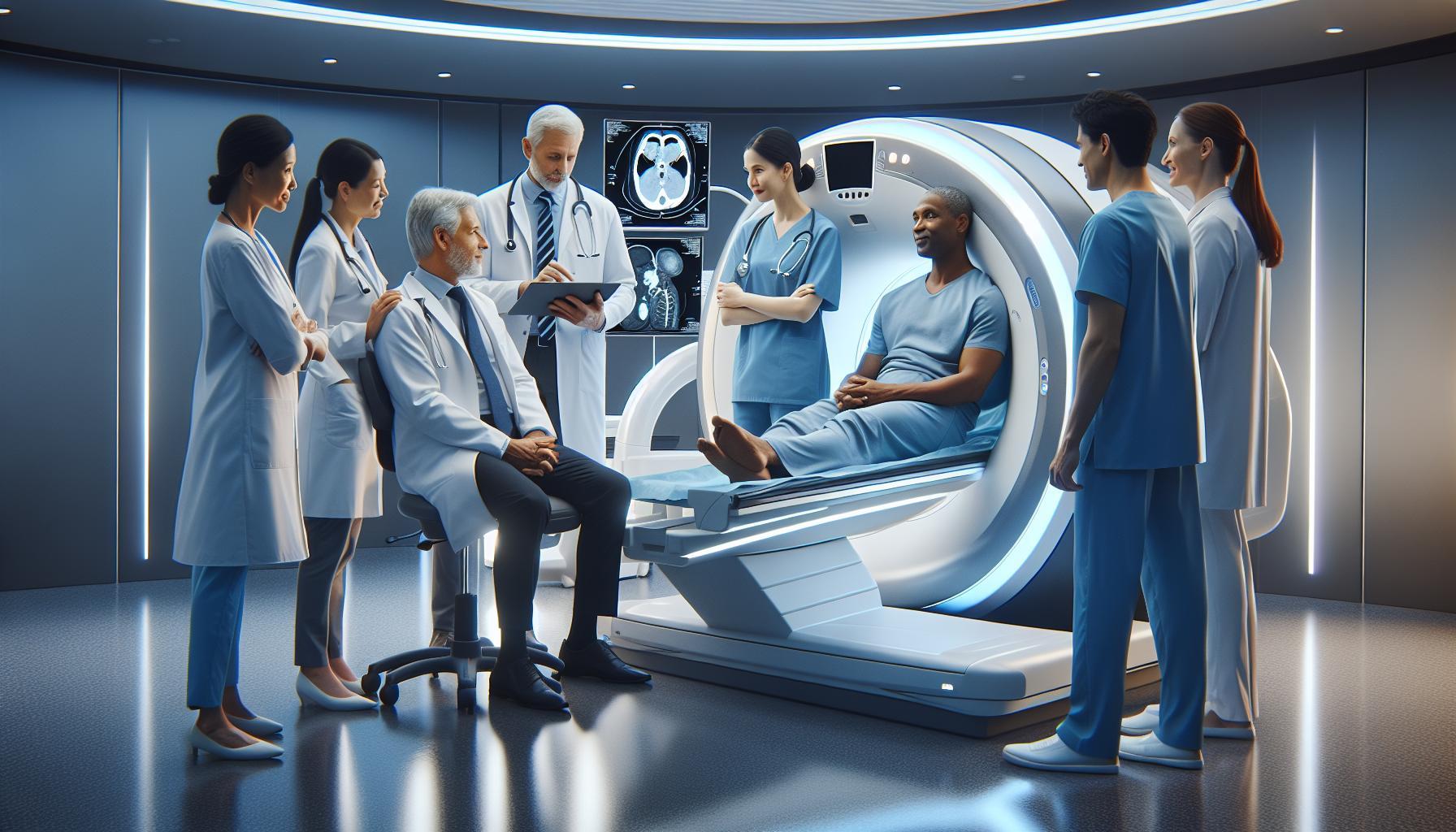
In the world of medical imaging, a CT technologist plays a crucial role in ensuring accurate diagnoses and ultimately patient care. These skilled professionals operate advanced imaging equipment to create detailed cross-sectional images of the body, revealing vital information that guides medical decisions. Understanding their responsibilities not only sheds light on this impactful profession but also highlights the technology that helps physicians visualize what’s happening inside their patients.
As concerns about health and wellness continue to rise, knowledge about the roles behind diagnostic imaging is increasingly relevant. Patients often wonder who operates the machines and how their images are captured, illuminating the journey from imaging to diagnosis. With a mix of technical expertise and compassionate patient care, CT technologists bridge the gap between advanced technology and the human experience of healthcare, making their work essential in today’s medical landscape.
Dive deeper into the unique responsibilities, training, and day-to-day experiences of CT technologists, and discover how they are shaping the future of medical imaging. Understanding this profession not only enhances your appreciation for healthcare but also offers insights into the systems that support patient well-being.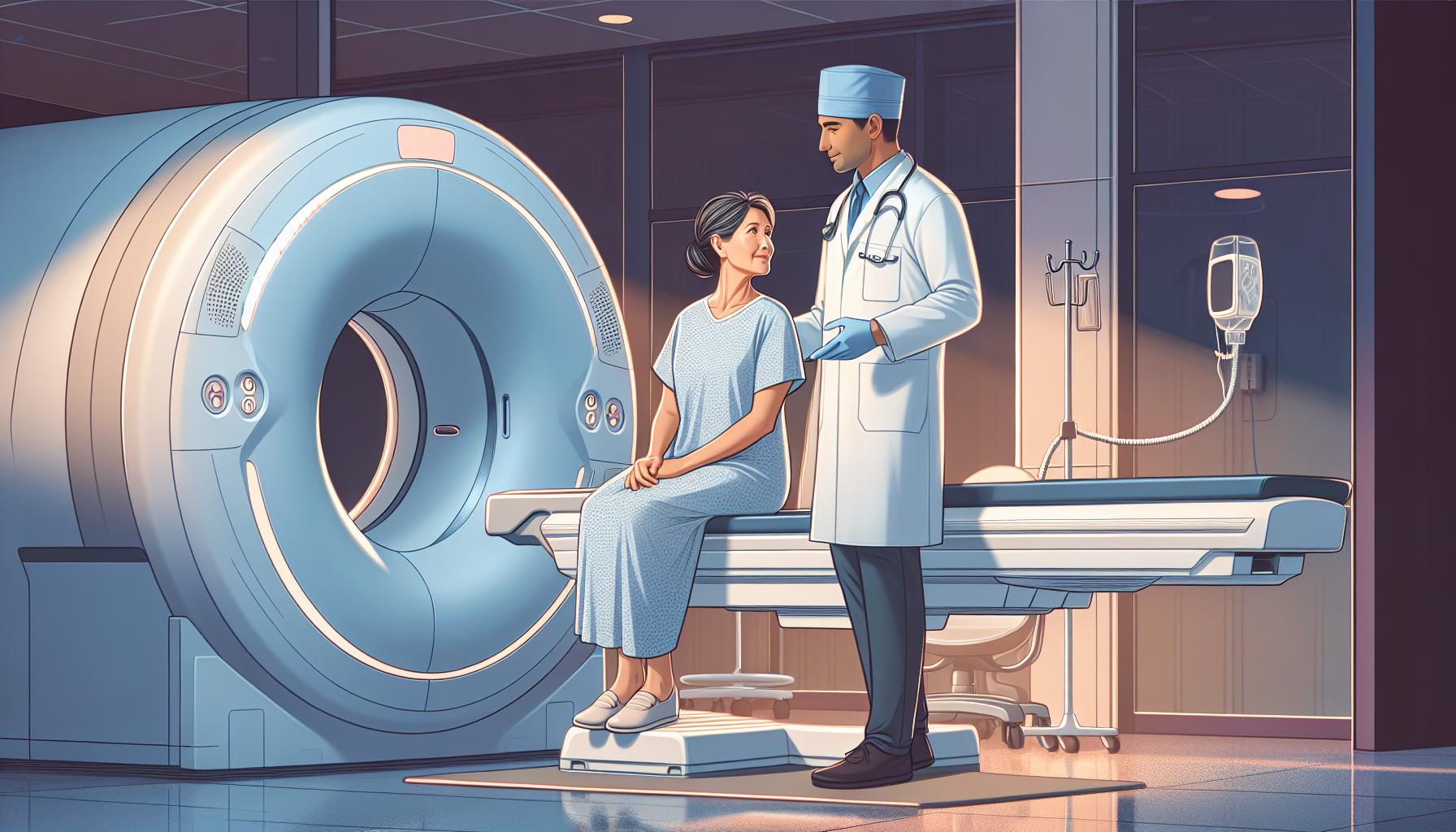
What Is a CT Technologist?
Behind the lens of modern medical imaging is a specialized professional known as a CT technologist. These highly skilled individuals are crucial in the diagnostic healthcare system, utilizing advanced computed tomography (CT) equipment to capture intricate cross-sectional images of patients’ internal structures. This role extends beyond simply operating the machines; it involves a deep understanding of both anatomy and technology to ensure images are not only of the highest quality but also safe for the patient.
A CT technologist’s responsibilities include preparing patients for scans, explaining the procedure to alleviate any pre-exam anxiety, and ensuring that imaging protocols are followed. This vital communication helps patients feel more comfortable and informed about what lies ahead. For instance, the technologist may instruct patients to remove any metal objects and can guide them through the importance of remaining still to get clear images. They are also responsible for monitoring safety protocols, including managing exposure to radiation, which is an essential aspect of their training.
Their work often takes place in various medical environments, from hospitals to outpatient imaging centers. Each day presents unique challenges and opportunities to collaborate with radiologists and healthcare teams. The role of a CT technologist not only contributes to diagnosing conditions but also provides essential data that aids in treatment planning and monitoring of various diseases. For anyone interested in the healthcare field, becoming a CT technologist offers a rewarding career path that blends technical skill, patient interaction, and critical thinking.
Essential Skills and Qualifications for Success
To excel as a CT technologist, a specific set of skills and qualifications is essential. These professionals not only operate complex imaging equipment but also ensure patient safety and comfort throughout the imaging process. A solid understanding of anatomy and physiology is critical, as it allows technologists to accurately position patients and optimize imaging techniques for clear diagnostic results. Their expertise also extends to mastering the technical aspects of the CT machines, which requires proficiency in handling sophisticated software and hardware.
Interpersonal communication skills are paramount in this role. CT technologists frequently interact with patients, needing to convey complex information in a reassuring manner. For instance, they must explain procedures and provide guidance on how patients can help facilitate the imaging, such as holding their breath or remaining still. Moreover, these professionals play a vital role in alleviating any anxiety patients may feel before their scans by providing clear instructions and emotional support. Being calm and empathetic allows them to build trust and rapport, making the imaging experience more pleasant for patients.
Additionally, attention to detail is crucial. CT technologists must closely follow protocol and picture quality standards to ensure the resulting images meet diagnostic requirements. They are also responsible for monitoring equipment functionality and addressing any technical issues that may arise during a scan. In terms of formal qualifications, most employers require a degree in radiologic technology or a related field, along with certification from a recognized body such as the American Registry of Radiologic Technologists (ARRT). Continuous education is often necessary to stay updated on the latest advancements in imaging technology and safety protocols, further enhancing their competence in this ever-evolving field.
In summary, the integration of technical knowledge, clinical skills, and compassionate patient care defines the successful CT technologist. As they navigate the dynamic intersection of healthcare and technology, their role is not only critical in obtaining clear diagnostic images but also in providing a supportive and reassuring presence for patients during potentially stressful medical procedures.
A Day in the Life of a CT Technologist
From the moment the CT technologist steps into the imaging suite, they enter a world where precision and compassion harmoniously blend to create a safe and effective experience for patients. Each day is a unique blend of technical proficiency and patient interaction, where healthcare professionals are not just capturing images, but also alleviating fears and ensuring a smooth process for those requiring diagnostic imaging.
The typical day begins with a review of the appointment schedule, including understanding the specific needs for various procedures. This preparatory moment is crucial as it allows the technologist to gather the necessary equipment, check the CT scanner’s functionality, and prepare the imaging room. Following this, the technologist greets the first patient of the day. With a warm demeanor and a reassuring presence, they explain the procedure, what to expect, and answer any questions, which is vital in building trust and easing anxiety. For many patients, the fear of the unknown can be overwhelming, so it’s essential that the technologist conveys information in a clear and calming manner, laying out step-by-step instructions for the process.
During the imaging procedure, the CT technologist meticulously positions the patient to ensure optimal image quality while continuously monitoring their comfort and safety. They might say, “You’re doing great, just hold still for a few seconds,” reinforcing a sense of support. The actual imaging process usually involves about 15 to 30 minutes, during which the technologist operates advanced software to capture cross-sectional images of the patient’s internal structures, providing critical data for radiologists. After the images are captured, the technologist analyzes them for quality, making any necessary adjustments or retakes to ensure clarity and precision.
After completing the day’s procedures, the technologist may be involved in record-keeping, working alongside radiologists to discuss findings and plan for any follow-up scans. Throughout the day, they must apply their knowledge of anatomy and imaging protocols, demonstrating the importance of ongoing education and skill refinement. As technology advances, staying updated on the latest techniques and equipment is vital for maintaining high standards in patient care.
Ultimately, each day in the life of a CT technologist is a dynamic blend of technical expertise, compassionate patient care, and critical collaboration with other healthcare professionals, all aimed at ensuring patients receive the best possible diagnostic imaging experience.
Types of Imaging Procedures Performed
The realm of diagnostic imaging is vast and continually evolving, and at the heart of this progress is the CT technologist, who plays a pivotal role in numerous imaging procedures. CT (Computed Tomography) scans are especially invaluable for their ability to provide detailed cross-sectional images of the body, helping to diagnose various conditions with precision. The by CT technologists range from routine examinations to more specialized scans, each tailored to meet specific patient needs and clinical objectives.
One of the most common procedures is the abdominal CT scan, which helps diagnose issues such as appendicitis, kidney stones, or tumors. During this procedure, the technologist will instruct the patient on proper positioning and may ask them to hold their breath for short intervals to ensure clear images. Other frequent scans include thoracic CT scans, which assess lung conditions including pneumonia, tumors, or pulmonary embolism, and head CT scans, which are crucial for evaluating head injuries, strokes, or brain tumors.
In addition to these, CT myelography is a specialized procedure that visualizes the spinal cord and nerve roots. It involves the injection of contrast dye into the spinal canal, allowing for detailed images that can identify conditions such as herniated discs or spinal stenosis. CT angiography, another advanced procedure, visualizes blood vessels, helping to diagnose vascular conditions such as aneurysms or blockages. Each procedure requires specific preparation and expertise to ensure patient safety and diagnostic accuracy.
To prepare for these imaging procedures, patients are usually given clear instructions, which may include fasting for a few hours before a scan, especially if contrast materials are being used. Understanding the unique requirements of each type of examination not only helps in achieving optimal results but also empowers patients to feel more at ease during their visits. Communication is key; the CT technologist ensures that patients are informed about what to expect, which reduces anxiety and fosters a collaborative atmosphere that enhances patient care.
Understanding CT Technology and How It Works
The intricate world of CT technology is fascinating, playing a critical role in modern medicine by providing clear, detailed images of the body’s internal structures. At the heart of this technology is the CT scanner, which utilizes a combination of X-rays and advanced computer algorithms to generate cross-sectional images, also known as slices, of specific areas within the body. Each rotation of the scanner’s X-ray tube captures numerous images from different angles, which are then processed to create a comprehensive 3D representation of the scanned area. This technological marvel allows for incredibly precise diagnostics, assisting healthcare providers in identifying conditions ranging from tumors to fractures.
As the bridge between patients and advanced imaging technology, CT technologists must possess a thorough understanding of how the equipment operates. This includes knowledge of the physics of X-rays, the importance of maintaining optimal image quality, and a solid grasp of anatomy to correctly position patients and ensure that relevant areas are imaged. By communicating effectively with patients about the process, technologists help alleviate anxiety that may arise before a scan. They explain the steps involved, including the positioning, the use of contrast agents when necessary, and what sensations the patient might experience, such as a brief warmth from the contrast injection.
Preparation is vital for a successful CT scan. Patients may need to follow specific instructions, such as fasting beforehand or avoiding certain medications. Most importantly, understanding the role of contrast media-substances that enhance the visibility of structures during imaging-can be pivotal for both image quality and patient comfort. CT technologists work closely with patients to ensure they understand any preparations needed, guiding them through the process with empathy and clarity.
In conclusion, understanding CT technology and its operation not only enhances the diagnostic capabilities of healthcare professionals but also serves to empower patients. The contributions of a CT technologist extend beyond simply operating sophisticated machinery; their expertise and compassionate support are essential in facilitating a smooth, reassuring experience for those undergoing imaging procedures, ultimately impacting the quality of care received.
Patient Preparation: What to Expect
Preparing for a CT scan can feel daunting, but understanding the process can significantly alleviate anxiety. Before your appointment, your healthcare provider will give you specific instructions tailored to your scan. It’s important to follow these guidelines closely to ensure the best possible results. For instance, if your scan requires the use of contrast material, you may be asked to fast for a certain period leading up to the procedure. This means not eating or drinking, which helps enhance image quality and ensures a safe and effective experience.
In some cases, you might need to avoid certain medications or foods that could interfere with the imaging process. For example, if you have allergies, particularly to iodine (common in contrast materials), inform your healthcare team. Understanding that the contrast material may cause a warm sensation in your body or a metallic taste in your mouth can also help you feel more prepared. Knowing what to expect allows you to focus on your health rather than any apprehension about the unknown.
It’s also beneficial to wear comfortable clothing and avoid jewelry or accessories that could obstruct the imaging area. If you have any concerns or questions about the preparation, reach out to your healthcare provider. They’re there to support you and provide clarity on what to expect. Each step of the preparation process is in place to ensure that the imaging is accurate, which leads to better-informed health decisions.
During your appointment, CT technologists will guide you through the entire process. They’ll explain each step, from positioning on the scanner to what you will feel during the scan. This supportive approach not only enhances the quality of the imaging but also reinforces a reassuring atmosphere for patients. Remember, being well-prepared is a collaborative effort that empowers you in your health journey.
Safety Protocols in CT Imaging
The world of CT imaging is governed by rigorous safety protocols designed to protect patients while ensuring precise diagnostic procedures. Each year, millions of patients undergo CT scans, and CT technologists play a vital role in maintaining a safe environment throughout this process. One of the key aspects of patient safety is managing radiation exposure, which is why CT technologists are trained in dose optimization techniques. They use advanced technology to ensure that the radiation dose is kept as low as reasonably achievable (ALARA principle) while still producing high-quality images.
Before the scan, the technologist will meticulously review the patient’s medical history and any previous imaging studies. This practice helps identify potential risks, such as allergies to contrast materials or previous adverse reactions. In addition, explaining the procedure in detail not only reassures patients but also allows them to voice any concerns they may have, fostering a collaborative approach to care.
During the procedure, safety is paramount. CT technologists will ensure that patients are comfortable and correctly positioned to minimize movement and ensure accurate images. They are trained to monitor patients closely and can quickly address any discomfort or concerns that arise during the scan. Moreover, using lead shielding for sensitive areas can further reduce unnecessary radiation exposure; this simple yet effective practice is crucial in maintaining patient safety.
Lastly, the environment where the CT scan takes place is carefully controlled. The equipment is regularly maintained to prevent malfunctions, and the scanning rooms are designed to ensure privacy and comfort. Continuous staff training and adherence to safety regulations are commonplace, creating an atmosphere of care where patient safety is a shared priority. By focusing on these essential safety protocols, CT technologists not only enhance the quality of diagnostic imaging but also provide peace of mind to patients undergoing these vital medical examinations.
Career Paths and Advancement Opportunities
In the dynamic field of medical imaging, CT technologists find themselves at the intersection of healthcare and technology, opening doors to a variety of . As skilled professionals responsible for conducting CT scans and ensuring patient safety, they also have the opportunity to specialize or diversify their skills over time. The field is continuously evolving, with advancements in technology and imaging techniques presenting avenues for growth.
Many CT technologists begin their careers after completing a degree in radiologic technology and obtaining certification. However, further specialization can enhance their professional journey significantly. For instance, by pursuing additional certifications in areas such as MRI or interventional radiology, they can broaden their expertise and appeal to a wider range of employers. Some technologists even choose to advance into supervisory roles, overseeing imaging departments and mentoring junior staff, which not only enhances professional fulfillment but also contributes to the development of future technicians.
CT technologists can also explore opportunities in education, becoming instructors at accredited radiologic technology programs. This path allows them to impart their knowledge and experience to aspiring technologists, helping shape the next generation in the field. Additionally, those with a knack for research may find fulfilling roles in medical imaging research centers, contributing to studies that improve imaging techniques or patient care protocols.
As the healthcare landscape continuously evolves with emerging technologies and methodologies, CT technologists who stay current with advancements and pursue continual education can significantly enhance their career longevity and earning potential. As they build their skills and adapt to the changing environment, they play a critical role in advancing the field of medical imaging.
In summary, a career as a CT technologist offers diverse pathways for advancement, from specialization and supervisory roles to education and research. With the right blend of skills, dedication, and a commitment to ongoing learning, these professionals can enjoy a rewarding career that evolves alongside the healthcare industry.
Job Market Outlook for CT Technologists
In today’s rapidly evolving healthcare landscape, the demand for CT technologists continues to rise, underscoring the importance of this pivotal role within radiologic science. With advancements in imaging technology and an increasing geriatric population requiring diagnostic imaging, job opportunities in this field are robust. The U.S. Bureau of Labor Statistics projects that employment for radiologic and MRI technologists, which includes CT techs, will grow by approximately 7% from 2021 to 2031, a rate that is faster than the average for all occupations. This growth is driven by a greater emphasis on the early diagnosis of diseases, making the expertise of CT technologists more essential than ever.
As healthcare facilities expand and upgrade their imaging equipment, there is an increasing need for trained professionals who understand complex imaging technologies. Many hospitals and outpatient centers are introducing advanced CT imaging systems that provide higher resolution images and faster scan times, further elevating the need for highly skilled technologists who can operate and troubleshoot this sophisticated equipment. Additionally, with the rise of telemedicine, remote imaging and consultations are gaining traction, leading to new opportunities for technologists to engage with patients and healthcare teams in innovative ways.
Moreover, CT technologists have the opportunity to enhance their career prospects through specialization. With options like cardiac CT imaging or intervention techniques, they can distinguish themselves in the job market. Certifications from recognized organizations not only validate their expertise but also increase employability, as many employers prefer candidates with additional credentials. This proactive approach to professional growth is vital in staying competitive in an ever-evolving job market.
In summary, those entering the field as CT technologists can look forward to a promising job outlook with continuous diversity of opportunities depending on their willingness to pursue further education and specialization. With the right training and dedication, CT technologists can forge rewarding careers that grow alongside advancements in medical imaging technology.
Typical Salary Range and Compensation Factors
In the healthcare industry, the role of a CT technologist not only involves advanced imaging techniques but also comes with a rewarding compensation structure that reflects both the complexity of the job and the essential skills required. On average, CT technologists earn a competitive salary, with figures varying based on factors such as geographical location, experience, educational background, and the type of healthcare facility. According to the U.S. Bureau of Labor Statistics, the median annual wage for radiologic and MRI technologists, including CT technologists, was approximately $63,000, with entry-level positions starting around $48,000 and more experienced professionals earning upwards of $80,000 annually.
Factors Influencing Salary
Several key factors can significantly influence the salary range of CT technologists:
- Experience: Like many professions, more experienced technologists can command higher salaries. Those with specialized training or certifications may also see salary increases.
- Location: The region where one works plays a vital role in compensation. Urban areas or regions with higher costs of living, such as California or New York, typically offer higher salaries compared to rural or less populated areas.
- Type of Facility: Salaries can vary depending on whether one works in a hospital, outpatient clinic, or specialized imaging center. Hospitals may offer higher pay rates given the complexity and variety of cases managed.
- Certifications and Specializations: Additional credentials, such as certification in advanced imaging techniques or specializations (like cardiac CT), can enhance earning potential, as they reflect a higher level of expertise.
These factors combined create a dynamic landscape for compensation in the field of CT technology. Furthermore, many employers offer benefits such as health insurance, retirement plans, and continuing education allowances, which add value to the total compensation package. Real-world scenarios indicate that technologists pursuing certifications or advanced degrees often experience faster career advancement and salary growth, reinforcing the importance of continuous learning in this evolving field.
Understanding these nuances can empower prospective CT technologists to make informed decisions about their careers, ultimately leading to fulfilling roles that contribute significantly to patient care and diagnostics. By choosing to enhance their qualifications and adapt to the changing landscape of medical imaging, CT technologists can not only enhance their professional stature but also secure a stable and prosperous future in healthcare.
Emotional Support for Patients During Procedures
Undergoing a CT scan can be a daunting experience for many patients, often filled with concerns about the procedure’s safety and the results. Therefore, the emotional support provided by CT technologists is a critical aspect of patient care. By fostering a welcoming and compassionate environment, technologists help alleviate anxiety, helping patients feel more comfortable and informed about their upcoming imaging procedures.
To offer effective emotional support, CT technologists often begin by explaining the entire process in clear, simple terms. This includes describing what a CT scan entails, how long it will take, and what the patient can expect during the procedure. Addressing common fears-such as the noise of the machine or feelings of claustrophobia-can greatly soothe anxiety. For instance, reassuring patients that they will be able to communicate with the technologist throughout the scan enhances their sense of security.
Another key aspect is the ability to actively listen to patients’ concerns and respond empathetically. This can mean providing additional breaks if a patient feels overwhelmed and needs to pause, or simply giving them a moment to express their fears or worries. Offering practical advice, such as breathing techniques to help manage anxiety, can also be beneficial. By creating a supportive environment, technologists empower patients to voice their feelings and feel cared for during what might be a stressful time.
Finally, patients may benefit from the presence of comforting distractions. Technologists might suggest listening to calming music or practicing visualization techniques while preparing for the scan. These strategies not only provide a soothing effect but also help ease the patient into the moment, aligning their focus away from potential discomfort and toward a more positive experience. Overall, the role of CT technologists extends beyond technical skill; their ability to provide emotional support is essential in delivering comprehensive, patient-centered care.
How to Become a CT Technologist: Steps to Take
Becoming a CT technologist is a rewarding journey that blends technical expertise with compassionate patient care. Individuals interested in this career can play a crucial role in the diagnostic process, utilizing advanced imaging technology to help healthcare providers determine the best treatment for patients. Here’s a step-by-step guide to embarking on this fulfilling path.
1. Educational Requirements
To begin your journey toward becoming a CT technologist, a solid educational foundation is essential. Most positions require at least an associate degree in radiologic technology, radiography, or a related field. Many aspiring technologists improve their prospects by pursuing a bachelor’s degree, which can broaden their understanding of imaging and patient care. Schools that offer programs in radiologic technology often include coursework in anatomy, medical ethics, and patient care, as well as hands-on training with imaging equipment.
2. Obtain Required Certifications
Certification is a critical step in becoming a CT technologist. After completing your educational program, you must pass the American Registry of Radiologic Technologists (ARRT) exam to earn your certification. This certification not only validates your technical skills but also increases your employability. Depending on your state, you may also need to obtain a state license to practice. It’s advisable to stay informed about the specific requirements set forth by local regulations.
3. Gain Experience
Hands-on experience is invaluable. Seek clinical practicum opportunities during your education to gain first-hand knowledge of CT technology and patient interaction. Many programs include externships or internships, which can provide essential networking opportunities and boost your resume. After entering the workforce, consider working in various imaging specialties to expand your skills and knowledge base further.
4. Specialize and Continue Learning
As you gain experience, you might choose to specialize in certain areas of CT imaging, such as cardiac or neurological scans. Pursuing additional certifications in specific imaging modalities can enhance your skill set and value in the job market. Continuing education is also important, as technology and techniques in medical imaging are continually evolving. Attending workshops, conferences, and online courses can keep you abreast of the latest advancements in the field.
5. Pursue Career Growth
With experience, there are various career paths available to you. Advanced roles may include positions as a CT supervisor, educator, or even a radiology manager. Developing leadership skills, enhancing your technical competencies, or pursuing relevant advanced degrees can facilitate career advancement. Networking with professionals in the field can also provide insight into new opportunities that align with your interests.
By following these steps and maintaining a commitment to patient care, aspiring CT technologists can establish a dynamic and rewarding career in medical imaging. The blend of technology and compassionate service makes this a pivotal role in healthcare, providing a meaningful impact on patients’ lives.
Frequently Asked Questions
Q: What does a CT technologist do during a procedure?
A: A CT technologist prepares the patient, positions them correctly on the CT scanner, and administers contrast agents if necessary. They monitor the patient throughout the scan to ensure comfort and safety, while also operating the CT equipment to capture detailed images for diagnosis.
Q: What qualifications are needed to become a CT technologist?
A: To become a CT technologist, you typically need an associate’s or bachelor’s degree in radiologic technology or a related field, along with certification from a recognized body such as the American Registry of Radiologic Technologists (ARRT).
Q: How does a CT scan differ from an X-ray?
A: A CT scan uses multiple X-ray images taken from different angles to create cross-sectional views of the body, providing more detailed information than a traditional X-ray, which produces a flat image. This difference makes CT scans particularly useful for diagnosing complex conditions.
Q: What safety measures are in place for CT scans?
A: CT technologists adhere to strict safety protocols, including using the minimum radiation dose necessary, shielding the patient with protective lead aprons, and ensuring proper equipment maintenance. Patients are also screened for any allergies to contrast materials or risks related to the procedure.
Q: What should patients expect before a CT scan?
A: Patients should expect to answer questions regarding their medical history and discuss any medications they are taking. They may need to avoid eating or drinking for a few hours prior to the scan and might be given specific instructions based on the type of scan being performed.
Q: How can one prepare for a CT scan?
A: Patients can prepare for a CT scan by following their healthcare provider’s recommendations, which may include fasting prior to the scan and wearing comfortable clothing without metal components. It’s also important to disclose any medications or health issues to the technologist before the procedure.
Q: What are the career advancement opportunities for CT technologists?
A: CT technologists can advance their careers by specializing in areas such as MRI, nuclear medicine, or interventional radiology. Additional certifications and supervisory roles also offer pathways for career growth, along with potential positions in teaching or healthcare administration.
Q: What is the job outlook for CT technologists?
A: The job outlook for CT technologists is strong, with an increasing demand for imaging services due to an aging population and advancements in imaging technology. The Bureau of Labor Statistics projects growth in this field, making it a promising career choice.
To Conclude
Understanding the role of a CT technologist is crucial for anyone considering a career in healthcare or those seeking medical imaging services. As you explore this path or navigate your medical journey, remember that these professionals are not just skilled technologists but also compassionate caregivers devoted to ensuring your comfort and safety during procedures. If you’re interested in diving deeper into imaging technology, check out our articles on the latest advancements in medical imaging or patient preparation tips for a CT scan.
Don’t miss out on the opportunity to stay informed! Subscribe to our newsletter for updates about career insights and health tips that can guide you and your loved ones in making empowered healthcare decisions. Have questions or personal experiences to share? We encourage you to leave a comment below and engage with our community. The information you seek is just a click away-let’s keep your learning journey going!