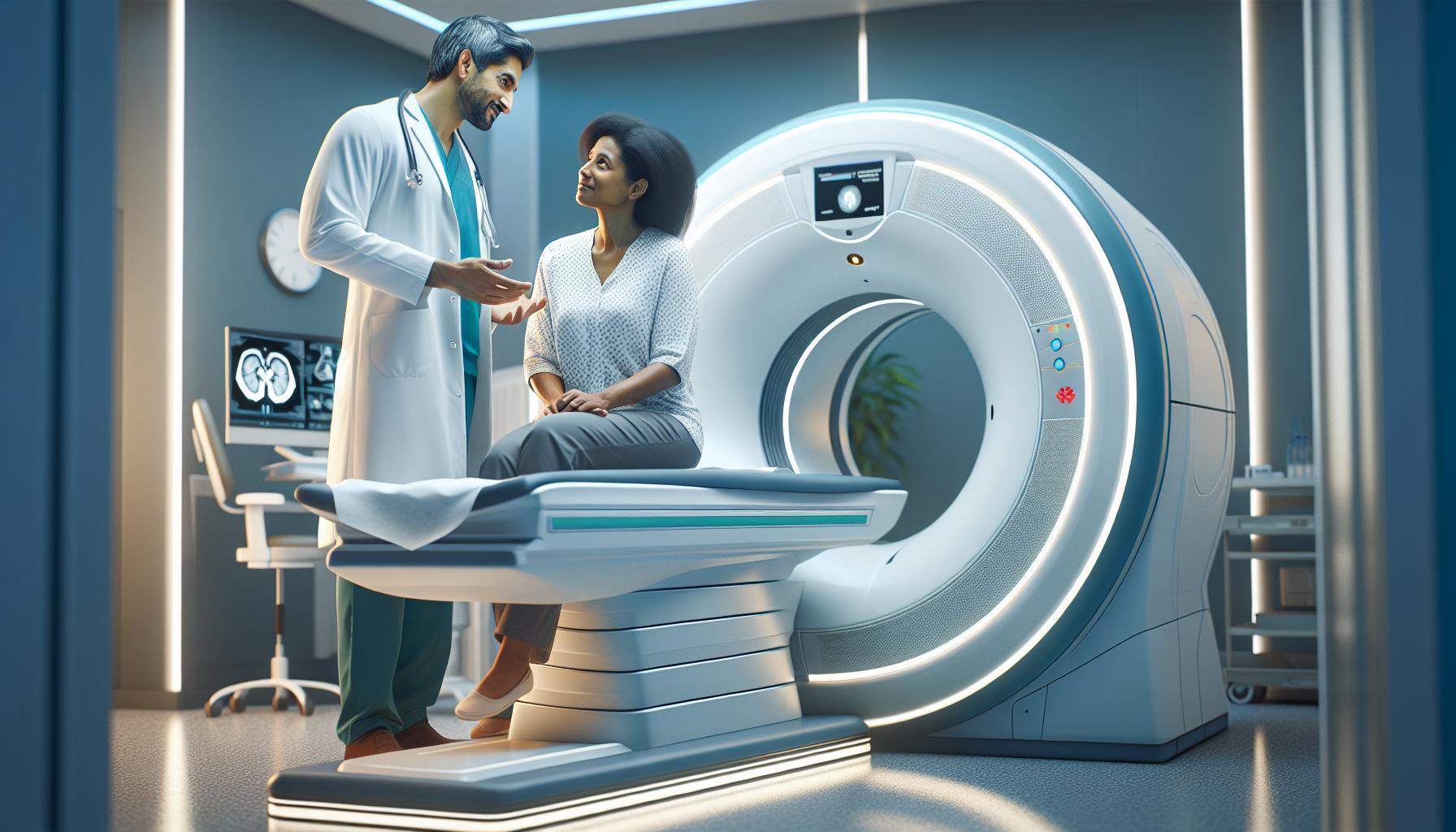
Did you know that more than 1.8 million new cancer cases are expected to be diagnosed in the U.S. this year alone? Understanding the tools available for early detection can be a game-changer. A neck CT scan, often used to investigate unexplained lumps or pain, can offer crucial insights into potential tumors.
As concerns about health grow increasingly common, the ability to detect abnormalities in the neck area-where many vital structures reside-becomes essential. Knowing how a neck CT scan works and its diagnostic power in detecting cancer can help alleviate anxiety and empower you with knowledge.
Whether you’re experiencing unexplained symptoms or seeking clarity after a doctor’s recommendation, delve into the critical role of neck CT scans in uncovering health issues. This article will guide you through the process, what to expect, and how this imaging technique plays a vital role in cancer detection.
Understanding the Role of Neck CT Scans in Cancer Detection
Detecting cancer in its early stages is crucial for effective treatment and improved survival rates, and neck CT scans play a significant role in this process. These imaging tests provide a comprehensive and detailed view of the complex anatomy of the neck, allowing healthcare professionals to identify abnormalities, such as tumors, lymph nodes, or other suspicious lesions that may indicate cancer. By utilizing advanced imaging techniques, CT scans can uncover even subtle changes in the tissue, leading to prompt further investigation and intervention when necessary.
A neck CT scan is particularly valuable for diagnosis due to its ability to produce detailed cross-sectional images that reveal the structures within the neck, including the cervical spine, trachea, esophagus, thyroid, and various lymph nodes. The scan can help differentiate between benign and malignant growths and assess the extent of disease if cancer is present. This early detection can dramatically impact a patient’s treatment strategy, potentially leading to less invasive options and better outcomes.
Patients may naturally feel apprehensive about undergoing a CT scan, but it’s essential to understand that these procedures are quick, generally painless, and involve minimal risk. The benefits of comprehensive imaging far outweigh the associated stress, offering vital information that empowers patients and their healthcare teams to make informed decisions about their health. Engaging in discussions with healthcare professionals can help clarify any concerns or questions, making the experience more manageable and reassuring for patients.
How CT Scans Identify Tumors in the Neck
The ability of CT scans to identify tumors in the neck is an essential aspect of cancer detection, providing both patients and healthcare providers with critical insights. Utilizing advanced imaging technology, CT scans create detailed cross-sectional images of the neck, enabling the visualization of soft tissues, lymph nodes, and surrounding structures with remarkable clarity. This level of detail is vital in determining the presence, size, and specific characteristics of any abnormal growths, which may indicate cancer.
When a CT scan is performed, a patient lies on a table that moves through a large, doughnut-shaped machine. The machine emits x-rays that travel through the body at various angles, ultimately capturing multiple images of the neck area. These images are then processed by a computer to create highly detailed slices of the neck’s anatomy. Clinicians analyze these images to identify masses and differentiate between benign and malignant lesions based on their appearance and size. For example, malignant tumors may feature irregular borders or infiltrate surrounding tissues, while benign growths might be more uniform and well-defined.
Moreover, the use of contrast material during a CT scan can enhance the visibility of certain structures and abnormalities. By injecting a contrast agent into a vein, blood vessels and certain tissues become more distinct, allowing for better assessment of lymph node involvement and the extent of any disease present. This additional detail can be pivotal in staging cancer and determining appropriate treatment options.
Real-World Impact
Considered one of the most comprehensive imaging techniques, neck CT scans play a crucial role for individuals presenting with symptoms such as persistent swelling, unexplained pain, or unusual lumps in the neck region. By uncovering even subtle changes that may suggest malignancy, healthcare providers are equipped to recommend timely interventions, ultimately leading to improved patient outcomes and survival rates. The swift identification of cancerous changes not only opens the door for early treatment but may also facilitate less invasive procedures, reducing the overall impact on a patient’s quality of life.
For anyone scheduled for a neck CT scan, it’s normal to have questions or worries. Engaging in open dialogues with healthcare providers before the procedure can significantly alleviate apprehensions, ensuring a more reassuring experience.
The Process of Getting a Neck CT Scan
Undergoing a neck CT scan can be a pivotal moment in a patient’s healthcare journey, particularly when it comes to diagnosing potential cancers or identifying other abnormalities. As you approach this important diagnostic procedure, understanding what to expect can significantly ease your concerns. The process is designed to be straightforward and efficient, allowing medical professionals to capture high-resolution images of your neck for thorough evaluation.
Initially, you will arrive at the imaging center or hospital where the CT scan will take place. Upon arrival, a healthcare professional will guide you through the required paperwork and confirm the details of your procedure. If a contrast agent is needed to enhance the images, you may be asked to provide a brief medical history to ensure your safety. This contrast dye is typically administered via an intravenous (IV) line, and if you’re allergic to iodine or have kidney issues, be sure to communicate this to your healthcare provider.
Once preparations are complete, you will be asked to lie down on a table that moves into the CT scanner, a large, doughnut-shaped machine. During the scan, you must remain still while the machine rotates around your neck, capturing multiple images from different angles. These x-ray images create detailed cross-sectional views of your neck structures, including soft tissues, lymph nodes, vessels, and bones. The entire procedure usually lasts about 10 to 30 minutes, depending on whether contrast is used and how many images need to be taken.
It’s normal to feel a sense of anxiety before the scan, especially if it’s your first experience with this type of imaging. Keeping in mind that this process is essential for accurate diagnosis may provide some comfort. Many people find reassurance in the fact that CT scans are one of the most effective modalities in detecting tumors and understanding their characteristics, facilitating timely and appropriate interventions. Always remember, communication with your healthcare team is vital-they are there to help answer your questions and ensure you feel supported throughout the process.
Preparing for Your Neck CT Scan: A Step-by-Step Guide
Preparing for your neck CT scan can significantly impact your experience and the quality of the results you receive. Knowing what to expect can alleviate anxiety and help you navigate this important diagnostic step with confidence. As you prepare, keep the following steps in mind:
Step-by-Step Preparation
- Consult Your Doctor: Before your CT scan, discuss any medications you are taking, allergies (especially to iodine or contrast dyes), and your medical history with your healthcare provider. This conversation ensures that your scan is safe and effective.
- Understand the Need for Contrast: If your doctor recommends the use of a contrast agent, be sure you understand its purpose. The contrast material enhances the images taken, providing clearer visuals of organs and tissues near your neck. If you have concerns about receiving contrast dye, including any allergies or prior reactions, discuss these with your physician.
- Follow Dietary Instructions: In many cases, you may be asked to avoid eating or drinking for several hours before your scan, especially if a contrast agent is to be used. Adhering to these guidelines is crucial to ensure optimal imaging results.
- Dress Appropriately: On the day of the scan, wear comfortable clothing that is free of metal fasteners, buttons, or zippers, as metal can interfere with image quality. A loose-fitting top may be ideal, fostering ease during the procedure.
- Arrive Early: Arriving at the facility with adequate time to complete any necessary paperwork and to settle your nerves is beneficial. Most facilities recommend arriving 15 to 30 minutes before your scheduled appointment.
Preparing mentally is just as important as practical preparation. Reflecting on the process and recognizing that CT scans are common diagnostic tools can ease your apprehension. Remember, you are not alone in this experience-many individuals go through the same process, and it is designed to ensure your health and safety. Focus on clear communication with your healthcare team, as they are equipped to guide and support you every step of the way.
By taking these preparatory steps, you can approach the day of your CT scan with a sense of readiness, knowing that you are proactively engaging in your healthcare journey.
What to Expect During a Neck CT Scan
Undergoing a neck CT scan can feel daunting, but understanding what to expect can significantly ease your anxiety. This advanced imaging technique is increasingly utilized in cancer detection, particularly due to its ability to generate detailed cross-sectional images of the neck, which include surrounding tissues, blood vessels, and potential tumors. Knowing the process helps demystify the experience and empowers you to engage actively in your healthcare.
Once you arrive at the imaging facility, you’ll likely be greeted by a radiologic technologist who will guide you through the procedure. You’ll be asked to lie down on a narrow examination table that slides into the scanning machine, often referred to as a CT scanner. Depending on your specific case-whether contrast dye is used or not-there may be some variations in procedures. If contrast is involved, the technologist may insert an intravenous line to deliver it, enhancing the visibility of certain structures during imaging. It’s perfectly normal to feel a sensation of warmth or a metallic taste when the dye enters your system, but these feelings are temporary and usually harmless.
During the scan, which typically lasts between 10 to 30 minutes, you’ll need to remain as still as possible. The scanner will rotate around your neck, capturing detailed images from multiple angles. While the machine produces loud clicking or whirring sounds, the sensation of motion is often minimal, so try to focus on your breathing or imagine relaxing scenes. If you feel uneasy at any point, remember that you can communicate with the staff-they’re there to support you throughout the process.
Post-scan, if you received contrast, you’ll generally be monitored for a short time to ensure there are no adverse reactions. Results from the CT scan are usually reviewed by a radiologist, who will provide a report to your healthcare provider, discussing any potential findings relevant to your condition. With awareness and preparation, the CT scan can be a straightforward step in your diagnostic journey toward understanding neck issues or screening for cancer, supporting a proactive approach to your health.
Decoding the Results: How to Interpret Neck CT Findings
Understanding the results from a neck CT scan can be pivotal in your cancer detection journey. These scans generate high-resolution images that reveal even small abnormalities, providing invaluable information to your healthcare team. It’s essential to remember that while a CT scan is a powerful diagnostic tool, interpreting its results requires expertise. The radiologist plays a critical role, analyzing the images to identify any irregularities, such as masses, enlarged lymph nodes, or other signs that could indicate malignancy.
Once the radiologist has completed their analysis, they draft a report that details their findings. This report will include descriptions of any observed masses, their sizes, shapes, and locations, as well as any other significant anatomical structures that might be involved. If suspicious lesions are found, the report may also note the characteristics that typically correlate with cancer, such as irregular borders or rapid growth. Your healthcare provider will review this report with you and may recommend further tests or a biopsy for definitive diagnosis, if necessary.
Patients often wonder about the next steps after receiving CT scan results. If the findings are concerning, your doctor might suggest additional imaging studies, such as MRI or PET scans, to gain a more comprehensive understanding of the area in question. Conversely, if results show no signs of cancer, this can be a reassuring moment, although continued monitoring may still be recommended based on your medical history and symptoms. Engaging in an open dialogue with your healthcare provider is crucial; they can help clarify the implications of the findings and how they relate to your overall health plan.
In some cases, a thorough understanding of the CT findings can take time. Scans may reveal benign conditions mimicking cancerous growths, leading to unnecessary anxiety. It’s important to approach these findings with patience and seek clarification about any questions or concerns you have. The combination of a well-interpreted scan and professional medical advice forms the foundation of a sound diagnostic process, empowering you to take proactive steps in your health journey. Always remember, you’re not alone-your medical team is there to support and guide you through every phase of your diagnostic experience.
The Advantages of Neck CT Scans Over Other Imaging Techniques
High-resolution imaging plays a critical role in cancer detection, particularly in the nuanced anatomy of the neck. Neck CT scans, or computed tomography scans, are exceptionally well-suited for this task due to their ability to quickly produce detailed cross-sectional images of the neck structures. Unlike traditional X-rays, which offer limited views, or even ultrasound, which may struggle to provide comprehensive images of deeper tissues, CT scans deliver a magnificent 360-degree view, enabling healthcare providers to identify tumors, lymph nodes, and other significant abnormalities with precision.
One of the most substantial advantages of neck CT scans is their speed and efficiency. The scans can usually be completed in just a few minutes, making them a practical option for busy medical facilities and anxious patients alike. This rapid assessment means that suspicious masses can be evaluated quickly, reducing waiting times for results – an important factor in minimizing patient anxiety during potential cancer concerns. Moreover, CT scans utilize advanced technology to create images that can identify even minute changes in tissue density, aiding in the differentiation between benign and malignant conditions.
Additionally, CT scans often provide important contextual information about surrounding structures, such as blood vessels and nerves, which can be critical in planning further treatment options. For example, when a mass is detected, knowing its relationship to adjacent anatomical structures helps doctors determine if it is operable or how best to approach treatment, if necessary. In contrast, MRI scans, while excellent for soft tissue evaluation, can be less efficient in terms of time and availability, sometimes requiring longer appointments and specific hospital settings that may not be as accessible to all patients.
In summary, while other imaging techniques have their place, neck CT scans stand out for their speed, precision, and ability to provide significant detailed insights into the complex anatomy of the neck. This combination not only empowers healthcare professionals with crucial data for diagnosing and staging potential cancers but also assures patients that they are receiving the best possible care tailored to their individual needs. Always remember to engage in open communication with your healthcare team, as they can help you navigate the next steps based on your unique situation.
Limitations of Neck CT Scans in Cancer Diagnosis
Despite the impressive capabilities of neck CT scans in detecting tumors, there are notable limitations that patients should be aware of. One significant challenge lies in the nature of CT imaging itself. While these scans provide detailed images, they primarily focus on structural abnormalities, which means that some types of cancers – particularly those that are very small or located in areas difficult to visualize – can be easily overlooked. Early-stage tumors often do not present distinguishing features that a CT scan can identify, and therefore, a negative result does not definitively rule out the presence of cancer.
Another factor to consider is the exposure to radiation. Neck CT scans involve a higher level of radiation compared to traditional X-rays. Although the risk associated with a single scan is generally considered low, cumulative exposure can lead to increased risks, particularly for certain populations like children and those requiring multiple scans over time. Given this risk, healthcare providers must carefully weigh the benefits and necessity of conducting a CT scan.
Additionally, CT scans may not distinguish between benign and malignant tissues effectively in some cases. This limitation can lead to false positives, where patients might be referred for additional testing or biopsies based on findings that do not correlate with cancer. Such scenarios can be stressful and anxiety-provoking, illustrating the importance of follow-up evaluations and the potential need for more definitive imaging modalities, like MRI or PET scans, which might provide better insight into specific conditions.
It’s crucial for patients to engage in open dialogues with their healthcare professionals regarding the appropriateness of neck CT scans, especially if there are underlying health concerns or a family history of cancer. Understanding these limitations empowers individuals to make informed decisions about their health and diagnostic pathways. Engaging with your medical team fosters a supportive environment where questions can be addressed, ultimately leading to tailored patient care.
When is a Neck CT Scan Recommended?
In the realm of medical diagnostics, understanding when a neck CT scan is advised can greatly empower patients in their healthcare journey. A neck CT scan is typically recommended for a variety of clinical situations, particularly when there is a concern for tumors or other abnormalities. Common scenarios include unexplained neck masses, persistent pain or swelling, difficulty swallowing, or lymphoma evaluation. Your healthcare provider may also recommend a neck CT scan if there are abnormal findings from a physical exam or from other imaging techniques, such as X-rays or ultrasounds.
Clinical Indications for a Neck CT Scan
Ultrasound or physical examinations can reveal alarming symptoms, prompting further investigation through a CT scan. Situations that may lead to this recommendation include:
- Suspicion of Cancer: If a clinician suspects malignancy based on symptoms, history, or initial imaging studies, a CT scan can help visualize tumors’ size and location.
- Evaluation of Lymph Nodes: Enlarged lymph nodes might suggest infection or malignancy, and a CT scan can often clarify their characteristics.
- Assessment of Thyroid Issues: For individuals with thyroid nodules, a CT scan may provide important insights into their structure or possible malignancy.
- Trauma Assessment: Following a neck injury, a CT scan can be crucial in identifying internal injuries, particularly near vital structures.
When to Discuss a CT Scan with Your Doctor
If you experience symptoms that concern you-like persistent lumps, unexplained weight loss, or significant pain-don’t hesitate to bring these issues to your healthcare provider’s attention. An open dialogue is essential; let them know about any family history of cancer, previous diagnoses, or treatments that may influence their decision regarding necessary imaging. Always remember to ask questions about the reasons for recommending a CT scan, what to expect from the procedure, possible risks involved, and how the results will inform the next steps in your care.
Decisions regarding neck CT scans should be made collaboratively, ensuring that you feel informed and comfortable about your diagnostic options. Your health and peace of mind are of utmost importance, so be proactive in your discussions with your medical team.
Patient Experiences: Real Stories on Neck CT Scans
There are countless stories of individuals who have undergone neck CT scans, each reflecting a unique journey through uncertainty and reassurance. One patient, Sarah, recalls her experience vividly-after discovering a lump in her neck during a routine self-examination, she was filled with worry. Her doctor recommended a neck CT scan to further investigate. As she sat in the waiting room, her mind raced with questions: What if it’s cancer? What if the scan found something serious? However, Sarah’s experience took a positive turn after the scan. The clarity provided by the imaging helped the doctors rule out malignancy and offered her a treatment plan for a benign condition.
Similarly, Mark, a 52-year-old with a family history of thyroid issues, shared his anxiety leading up to his neck CT scan. He had been experiencing discomfort and swelling, which prompted further evaluation. Mark described the procedure as straightforward-he felt reassured with the technician explaining each step. Once the results came, he appreciated having a detailed discussion with his physician about the findings and the next steps. It turned out that the imaging provided crucial insights into his health, allowing for timely intervention.
In a different scenario, Emily faced unexpected news. During her scan, the radiologist noticed enlarged lymph nodes. The follow-up tests confirmed that she had an early stage of lymphoma. Though initially terrified, the early detection led to a treatment plan that significantly contributed to her recovery. She now emphasizes the importance of neck CT scans in her advocacy work for cancer awareness, sharing how they can be a powerful tool for early diagnosis.
These patient experiences illustrate the emotional landscape that often accompanies diagnostic procedures like neck CT scans. By hearing stories like Sarah’s, Mark’s, and Emily’s, those facing similar challenges can find solace in knowing they are not alone. Understanding the potential outcomes and the diagnostic power of a CT scan can reduce anxiety and empower patients to navigate their healthcare journey more confidently. Engaging in conversations with healthcare professionals about what to expect can also help ease fears, allowing for more informed and hopeful approaches to health issues.
Cost Considerations: Understanding Neck CT Scan Expenses
Navigating the financial aspects of medical imaging can be daunting, especially when it comes to procedures like neck CT scans, which can be crucial in cancer detection. The cost of a neck CT scan can vary widely based on factors such as location, healthcare provider, and whether you have insurance coverage. On average, patients can expect to pay anywhere from $300 to $3,000, depending on these variables. Understanding these costs and planning accordingly can alleviate some of the anxiety surrounding this important diagnostic tool.
Understanding Cost Components
When considering the expense of a neck CT scan, it’s important to understand several cost components:
- Facility Fees: These are charges from the healthcare facility where the scan is performed. Hospitals may charge more than outpatient imaging centers.
- Radiologist Fees: After the scan, a radiologist interprets the images, and this professional service comes with its own fee.
- Insurance Coverage: If you have insurance, coverage for CT scans may significantly lower your out-of-pocket cost. It’s essential to check with your insurance provider about coverage limits and deductibles.
Financial Assistance and Payment Plans
For patients facing high costs, many facilities offer financial assistance programs or payment plans. These options can help break down the total amount into manageable monthly payments, easing the burden. If you’re worried about cost, don’t hesitate to ask the billing department about any available programs.
Additionally, some non-profit organizations and support groups may offer additional resources or aid for those diagnosed with cancer or other serious conditions, which can include help with medical expenses.
By being informed and proactive about the costs associated with neck CT scans, patients can better navigate the financial aspects of their health journey. Always consult with your healthcare provider and insurance company to obtain the most accurate and tailored information regarding your specific circumstances, ensuring that financial concerns do not overshadow the critical diagnostic process.
Consulting with Your Doctor: Discussing CT Scan Results and Next Steps
Meeting with your doctor to discuss the results of a neck CT scan can be a pivotal moment in your healthcare journey, especially when there is a concern about cancer. Understanding the findings and determining the next steps is crucial for managing your health. Your physician will guide you through what the scans reveal, answering any questions you may have and giving you clarity on what this means for your overall health.
When you discuss the results, it’s important to approach the conversation with an open mind. Start by asking the doctor to explain any terminology or findings that you don’t understand. For instance, if the report mentions the presence of nodules or masses, request further explanation about their size, shape, and any potential implications. Your doctor might use visual aids or detailed explanations to help illustrate what the CT images reveal about your neck structure and any abnormalities that were detected.
Moreover, it’s an ideal time to discuss treatment options or further steps, especially if the results indicate the need for additional tests or procedures. Your doctor may suggest follow-up imaging, biopsies, or referrals to specialists such as oncologists or surgeons. Don’t hesitate to inquire about the rationale behind each recommendation, potential risks, and benefits, and what timelines you should expect for follow-up appointments or treatments.
Remember, you are a key participant in your healthcare decisions. Keeping an open line of communication with your doctor helps ensure that all your concerns are addressed. Bring a list of questions to your appointment, and consider having a friend or family member accompany you to take notes or provide support. This collaborative approach can enhance understanding and alleviate anxiety, allowing you to navigate your health path with confidence.
Frequently asked questions
Q: How accurate is a neck CT scan in detecting cancer?
A: A neck CT scan is highly accurate for detecting tumors in the neck area. Its ability to provide detailed cross-sectional images helps identify abnormalities, but false positives can occur. Always consult with a healthcare professional for interpretation and further testing if necessary.
Q: What types of cancers can be detected with a neck CT scan?
A: A neck CT scan can help identify various types of cancers, including head and neck squamous cell carcinoma, thyroid cancer, and lymphomas. Its high-resolution images reveal structural changes that indicate the presence of tumors in these regions.
Q: Are there risks associated with neck CT scans for cancer detection?
A: Yes, neck CT scans involve exposure to ionizing radiation, which carries a slight risk of cancer development over time. However, the benefits of accurately diagnosing cancer typically outweigh these risks. Discuss your concerns with your healthcare provider.
Q: How long does it take to get results from a neck CT scan?
A: Results from a neck CT scan are usually available within 24 to 48 hours. Your doctor will discuss the findings and recommend further steps. This timeframe can vary based on the facility’s workload.
Q: Can a neck CT scan detect early-stage cancer?
A: Yes, a neck CT scan is capable of detecting early-stage cancers, particularly when routine screenings or evaluations are conducted for symptoms. Early detection significantly improves treatment outcomes, so timely imaging is crucial.
Q: How does a neck CT scan compare to an MRI for cancer detection?
A: Neck CT scans are excellent for viewing bone structures and certain types of tumors, while MRIs provide better soft tissue contrast. The choice between the two largely depends on the suspected condition. Discuss with your doctor for the most appropriate option.
Q: Should I inform my doctor about allergies before a neck CT scan?
A: Yes, inform your doctor if you have allergies, especially to iodine or contrast materials, as they may use a contrast agent during the scan. This information is crucial to avoid allergic reactions and ensure your safety.
Q: What should I do if my neck CT scan shows abnormalities?
A: If a neck CT scan reveals abnormalities, follow up promptly with your healthcare provider. They may recommend further tests, such as biopsies or MRIs, to assess the conditions found and discuss your treatment options.
In Summary
Understanding the diagnostic power of a neck CT scan is crucial for early detection of potential issues, including cancer. By leveraging advanced imaging technology, this procedure provides a detailed view that can significantly impact treatment decisions. If you’re considering a neck CT scan, remember that timely action is beneficial-don’t hesitate to consult with your healthcare provider for personalized guidance.
For further insights, explore our articles on the benefits and preparation for CT scans, and get familiar with the steps you can take to ensure a smooth experience. Don’t forget to check out our resources on cancer awareness and early detection strategies. Your health journey is important-stay informed and empowered. If you have any questions or experiences to share, feel free to comment below!