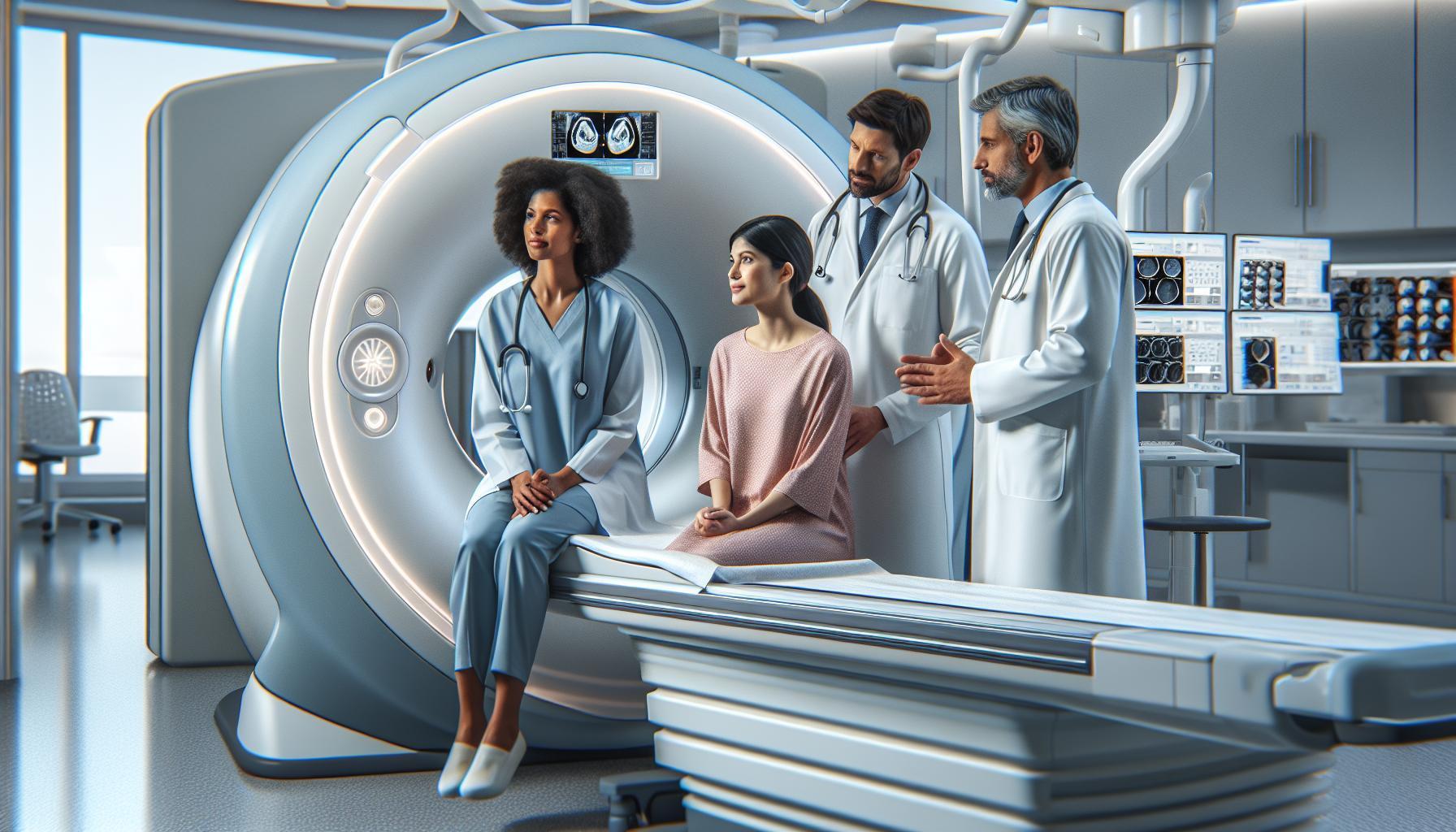
Colorectal cancer is one of the leading causes of cancer-related deaths, yet early detection can significantly improve outcomes. Many people wonder if a CT scan can reveal this type of cancer. Understanding the role of imaging tests, like CT scans, in the detection of colon cancer is crucial for individuals concerned about their health, particularly those with risk factors. By exploring how these scans work and their effectiveness in identifying colorectal issues, you can empower yourself with valuable knowledge that may guide discussions with your healthcare provider and inform your health journey. Dive deeper to uncover the facts and understand what steps you can take towards early detection and peace of mind.
Understanding Colon Cancer and CT Scans
Colorectal cancer remains one of the leading causes of cancer-related deaths, making early detection crucial. One of the advanced imaging techniques used in this process is the CT scan, specifically CT colonography (also known as virtual colonoscopy). This non-invasive imaging study leverages computed tomography technology to create detailed images of the colon and rectum, helping to identify abnormal growths such as polyps or tumors. Understanding how CT scans work in relation to colon cancer can empower patients to take proactive steps in managing their health.
CT colonography involves the use of high-resolution CT technology to obtain cross-sectional images of the colon after it has been inflated with air or carbon dioxide. This inflation allows for better visualization of colon structures and any potential abnormalities. Unlike traditional colonoscopy, which requires direct visualization and instrument insertion, CT colonography is less invasive, potentially leading to greater patient comfort and acceptance. Most patients report only a feeling of fullness during the exam, which typically lasts around 10 to 15 minutes. If polyps or suspicious areas are detected, a follow-up endoscopic colonoscopy may be recommended for biopsy or removal.
While CT scans are effective in detecting larger polyps and cancers, they do have limitations. Smaller polyps may not be visible, and false positives can occur, leading to unnecessary stress or further invasive testing. Factors such as patient anatomy and bowel preparation quality can also influence the accuracy of the results. Hence, it’s vital for patients to maintain clear communication with their healthcare providers before and after the imaging procedure to ensure a thorough understanding of the results and what they mean for their individual’s health. This comprehensive approach not only enhances diagnostic accuracy but also eases patient anxiety by providing clarity and direction in subsequent healthcare decisions.
How CT Scans Detect Colon Cancer
CT colonography, often referred to as virtual colonoscopy, stands out as a crucial tool in the detection of colon cancer, emphasizing the importance of advanced imaging methods in modern diagnostics. By utilizing high-resolution computed tomography (CT) technology, this procedure creates detailed cross-sectional images of the colon and rectum, facilitating the identification of abnormalities such as polyps and tumors. This non-invasive approach not only enhances patient comfort but also allows for a comprehensive evaluation of the colon without the need for direct instrument insertion, which is characteristic of traditional colonoscopy.
To prepare for a CT colonography, patients must follow specific guidelines to ensure the colon is adequately cleansed, as this significantly impacts the accuracy of the results. Typically, this preparation involves following a clear liquid diet for my understanding a day before the exam followed by the use of a laxative to empty the bowel completely. Patients will also be instructed on how to manage any discomfort associated with the inflation of the colon during the scan, usually experienced as a feeling of fullness rather than significant pain. This careful preparation helps optimize the images obtained during the scan, enhancing the likelihood of detecting any potential issues.
During the CT scan, the patient lies on a table that moves through the CT machine, which takes clear images from multiple angles. The entire process usually takes about 10 to 15 minutes. After the scan, radiologists interpret the images, looking for signs of polyps or tumors. While CT colonography is effective at identifying larger growths, it’s essential to note that smaller lesions may not be detected. Hence, any suspicious findings often lead to a recommendation for a follow-up traditional colonoscopy, where a direct visual examination and potential biopsy can occur.
By understanding , patients gain valuable insights into their diagnosis and subsequent healthcare decisions. Maintaining open communication with healthcare providers is vital to ensure clarity regarding test results, potential next steps, and any anxiety related to the findings. Empowering patients with knowledge not only enhances their experience but also fosters a proactive approach to their health, emphasizing the significance of early detection in the fight against colorectal cancer.
The Role of CT Imaging in Cancer Staging
Understanding how CT imaging plays a pivotal role in cancer staging can illuminate the path forward for patients navigating a colon cancer diagnosis. This sophisticated imaging technique provides crucial details about the extent of cancer spread, which is essential for determining the most effective treatment plan. Beyond just identifying the presence of tumors, CT scans can reveal the size of the tumors, their location, and whether they have invaded surrounding tissues or metastasized to distant organs.
One of the significant advantages of CT imaging in the staging of colon cancer is its ability to produce detailed cross-sectional images of the body. These images allow healthcare providers to assess lymph nodes and other organs for signs of cancer involvement. For instance, a scan can illustrate whether lymph nodes near the colon have become enlarged, signaling potential spread, which is vital information in establishing the disease stage, ranging from stage 0 (in situ) to stage IV (advanced disease).
- Enhanced tumor visualization: High-resolution images help determine tumor characteristics, guiding treatment approaches.
- Evaluation of lymph nodes: The scan can detect lymph node enlargement, indicating potential cancer spread.
- Assessment of metastatic disease: CT imaging can identify lesions in organs such as the liver or lungs, essential for comprehensive staging.
Preparation for a CT scan often includes specific dietary restrictions and instructions to ensure clear imaging results. Patients may be advised to adhere to a low-fiber diet a few days prior to the scan and to use a cleansing agent to empty their bowels effectively. Following these guidelines can significantly enhance the clarity of the images obtained.
While CT imaging is a powerful tool in cancer staging, it is not without its limitations. Smaller lesions may evade detection, which is why positive findings often prompt further investigative procedures, such as traditional colonoscopy, to obtain definitive biopsies. This layered approach ensures that patients receive a thorough assessment, allowing for tailored treatment planning that may encompass surgical intervention, chemotherapy, or radiation.
In conclusion, understanding empowers patients by clarifying what to expect from their diagnostic journey. While the prospect of cancer can be daunting, knowing the capabilities of imaging technology helps patients engage actively in discussions with their healthcare providers, ensuring they are informed about their diagnosis and treatment options. Always consult with your healthcare team for personalized insights tailored to your specific situation.
Preparing for a Colon Cancer CT Scan
Preparing for a CT scan to assess colon cancer can be a pivotal step in understanding your health. Knowing what to expect can help alleviate some of the anxiety commonly associated with medical procedures. This imaging technique relies on advanced technology to produce detailed images of your internal organs, providing invaluable insights into the presence and extent of any abnormalities. To ensure the clearest possible results, proper preparation is essential.
A few days leading up to your CT scan, your healthcare provider will likely recommend a low-fiber diet. This helps to minimize the contents in your intestines, improving the quality of the images obtained. Additionally, you may be instructed to take a bowel-cleansing agent to empty your bowels thoroughly before the procedure. These preparations are crucial because they allow the radiologist to clearly visualize your colon without interference from stool, which could obscure potential findings.
On the day of your CT scan, it’s important to arrive with a clear understanding of any specific instructions from your healthcare provider. If you are required to consume a contrast agent-either orally or via injection-this may enhance the visibility of your blood vessels and organs during the imaging process. Some patients report feeling a warm sensation when the contrast is administered, which is normal and typically short-lived. Make sure to inform your healthcare team about any allergies or previous reactions to contrast materials to ensure your safety.
Although undergoing a CT scan can be nerve-wracking, taking the time to prepare properly can significantly impact the clarity of your results. This proactive approach not only assists healthcare professionals in obtaining accurate imaging but also contributes to a smoother experience for you. Remember, each step of the process is designed to give you the best possible insights into your health. Following up with your doctor to discuss the results and any next steps is equally important, empowering you to stay engaged and informed about your diagnosis and treatment options.
What to Expect During the CT Scan
During a CT scan, you will be using advanced imaging technology that allows healthcare professionals to obtain detailed images of your colon and surrounding structures. This non-invasive procedure is typically performed in a hospital or imaging center, and knowing what to expect can ease any anxiety you might have.
As you arrive for your scan, it’s essential to check in with the staff, who will guide you through the process. You’ll be asked to change into a hospital gown and will usually need to remove any metal objects, such as jewelry or belts, that might interfere with the imaging. Once you’re situated on the CT table, you will lie on your back, and it’s important to remain as still as possible during the scan. The technologist will explain each step, and you may receive instructions to hold your breath temporarily while the images are being taken, allowing for clearer results.
One of the most important aspects of the CT scan is the use of a contrast agent. This contrast can either be ingested or administered via an injection, depending on what your doctor has recommended. While some individuals may feel a warm sensation or mild discomfort from the injection, these feelings usually fade quickly. It’s completely normal to feel a bit nervous, but the procedure typically lasts about 10 to 30 minutes, depending on your specific situation. After the scan, you’ll be able to resume your normal activities without any restrictions.
Following the completion of the CT scan, a radiologist will interpret the images. It’s normal to feel anticipation as you wait for the results. Be sure to follow up with your healthcare provider, who will discuss the findings and guide you through any necessary next steps. Remember, this process is vital for detecting potential issues early, and understanding what to expect can make the experience more manageable.
Interpreting Your CT Scan Results
Receiving the results from your CT scan can evoke a range of emotions, from anxiety to anticipation. Understanding how to interpret these results is vital for you and your healthcare journey. CT scans are powerful diagnostic tools that offer detailed images of the colon, helping to identify potential cancers, polyps, or other abnormalities. While the results may initially seem overwhelming, breaking down the findings into understandable components can empower you to make informed decisions about your health.
A radiologist examines the images captured during the CT scan to assess for signs of colon cancer. They look for specific markers such as mass lesions or abnormal growths that could indicate the presence of cancer. Results can often be categorized into clear outcomes:
- Normal Findings: No signs of cancer or troubling polyps, which usually means that no further immediate action is necessary.
- Suspicious Findings: Indications of abnormal growths that may require further evaluation, potentially through a follow-up colonoscopy.
- Positive Diagnosis: Confirmation of cancer or identifying polyps, which may lead to a treatment plan discussion with your healthcare provider.
Regardless of the outcome, direct communication with your doctor is crucial. They will help interpret the findings in the context of your health history and symptoms, providing a clearer understanding of the next steps. If your scan suggests further investigation is needed, don’t hesitate to ask questions about the follow-up procedures or treatment options. Your active engagement in this dialogue ensures that you are better prepared for any decisions about your health journey.
Lastly, it’s essential to remember that CT scans are part of a broader diagnostic process. Other tests may also be necessary to confirm findings. Being informed and proactive about your health not only alleviates anxieties but also puts you in control of your journey to understanding and addressing potential health issues. Always consult your healthcare provider to validate any concerns or questions regarding your results-this partnership is key to your well-being.
Limitations of CT Scans in Cancer Detection
While CT scans are a valuable tool in the detection and management of colon cancer, they do have limitations that are important to understand. One significant challenge is the potential for false negatives. In some cases, small tumors or polyps may not be visible on a CT scan, leading to a missed diagnosis. This limitation is particularly concerning because it can result in delayed treatment and progression of the disease. Factors such as the size of the lesion and its location in the bowel can play a critical role in determining whether it is detectable.
Another limitation comes from the imaging technique itself. CT scans provide detailed images of the colon, but they primarily focus on structural changes rather than cellular abnormalities. As a result, microscopic cancers may escape detection because these scans are not designed to identify changes at such a fine level. For instance, early-stage cancers or dysplastic polyps may not present as obvious mass lesions on the images produced by a CT scan, necessitating additional testing for confirmation.
False Positives and Anxiety
CT scans can also produce false positives, which occur when the imaging suggests the presence of cancer where none exists. This can lead to unnecessary anxiety and further invasive testing, such as colonoscopy. While the intent is to ensure thorough evaluation, these outcomes can understandably create distress for patients and their families. Therefore, clinicians are often cautious in interpreting CT results and may recommend follow-up procedures to confirm findings.
Complementary Testing
Given these limitations, it’s essential to view CT scans as part of a more comprehensive diagnostic approach. Other imaging options, such as conventional colonoscopy or stool-based tests, may be employed to complement CT findings. These methods can help identify abnormalities that a CT scan might miss, enhancing diagnostic accuracy. A thorough discussion with your healthcare provider about the most appropriate screening strategy based on personal risk factors and medical history is key to achieving optimal health outcomes.
Understanding these limitations empowers patients to engage in proactive discussions with their doctors about their screening options and follow-up plans, ensuring that they pursue a strategy that best suits their health needs.
Alternative Imaging Options for Colon Cancer
While CT scans are widely utilized in the detection of colon cancer, they aren’t the only imaging option available. Understanding alternative methods can empower patients to make informed decisions about their health.
One popular alternative is colonoscopy, a procedure that allows for direct visualization of the colon. During a colonoscopy, a flexible tube with a camera (endoscope) is inserted through the rectum into the colon, enabling doctors to examine the lining of the colon for abnormal growths or polyps. Colonoscopy is particularly advantageous because it not only diagnoses but also allows for the removal of polyps during the same procedure, which can prevent cancer development. Patients may experience some discomfort, but sedation is often provided to ease anxiety.
In addition to colonoscopy, stool-based tests represent another viable option for colon cancer screening. Tests like the fecal immunochemical test (FIT) or the stool DNA test (Cologuard) detect blood or abnormal DNA in the stool, signaling potential cancer or precancerous changes. These tests are non-invasive and can be done at home, though they typically require yearly or less frequent follow-up depending on results. While stool-based tests are less invasive, they may not identify all polyps or early cancers, making follow-up screenings essential if results are positive.
Another emerging imaging technique is CT colonography, also known as virtual colonoscopy. This method utilizes advanced CT scanning technology to obtain images of the colon and rectum after inflating the colon with air. It effectively identifies polyps and abnormalities, but unlike traditional colonoscopy, it doesn’t allow for therapeutic interventions like polyp removal. CT colonography could be recommended for patients who may be unable to undergo a standard colonoscopy due to health reasons.
Each alternative imaging option carries specific advantages and limitations, and their appropriateness may vary based on personal health situations and history. Therefore, it’s essential for patients to consult with their healthcare providers to determine the best screening strategy, ensuring a tailored approach that considers individual risk factors and preferences. Engaging in these discussions can lead to proactive management of colon health and increase the likelihood of early detection and successful treatment of cancer when present.
Common Myths about CT Scans and Colon Cancer
Many people harbor misconceptions about CT scans and their role in detecting colon cancer, which can lead to unnecessary anxiety or misinformation. One prevalent myth is that a CT scan alone is sufficient for diagnosing colon cancer. In reality, while CT scans are excellent for detecting larger masses in the colon and assessing the spread of cancer, they may not always reveal smaller polyps or early-stage cancers. Therefore, a CT scan is often used in conjunction with other testing methods, such as colonoscopy, to provide a comprehensive view of the colon’s health.
Another common misunderstanding is the safety of CT scans regarding radiation exposure. It’s true that CT scans involve exposure to radiation, but the amount is relatively low, and the benefits they provide in diagnosing and staging cancer typically outweigh potential risks. Healthcare providers are trained to utilize CT imaging judiciously, ensuring that patients receive the appropriate tests only when necessary. For many, the peace of mind gained from an accurate diagnosis is invaluable.
Patients often worry about the discomfort associated with CT scans and the preparation required for the procedure. While some individuals may experience a sense of fullness due to the introduction of air into the colon, most find the experience manageable and quick. Preparation for a CT scan usually includes instructions regarding diet and possibly the use of laxatives to ensure clarity of the images. Engaging with healthcare professionals about these steps can help alleviate concerns and clarify any uncertainties.
Lastly, some may believe that an abnormal finding on a CT scan automatically means cancer is present. This is not the case. CT scans can reveal suspicious areas, prompting further investigation, but not all abnormalities indicate malignancy. Follow-up testing, including biopsies or additional imaging, is essential to clarify the nature of any findings. Maintaining open communication with your healthcare team is crucial in navigating these assessments, helping patients stay informed and assured throughout the process.
The Importance of Follow-Up Testing
In the intricate landscape of colon cancer detection, follow-up testing holds immense significance. While a CT scan can identify larger tumors or signs of metastasis, it isn’t exhaustive. For instance, small polyps or very early-stage cancers may elude detection in a CT scan, making additional testing crucial. Follow-up care is not just about confirming a diagnosis; it’s about constructing a clearer, comprehensive picture of an individual’s colon health that allows for timely and effective intervention.
Why Follow-Up Testing Matters
Follow-up tests may include procedures such as colonoscopy, where a flexible instrument equipped with a camera provides a direct view of the colon’s interior. This method enables doctors to both view and potentially remove polyps during the same procedure. In situations where the CT scan reveals abnormalities, a colonoscopy can offer confirmation and clarity, helping to distinguish between benign conditions and cancer. Timeliness is essential; the earlier any issue is identified, the greater the potential for effective treatment.
Navigating the Path of Testing
The pathway to follow-up testing should be a collaborative journey between a patient and their healthcare provider. Upon receiving CT scan results, it’s vital to maintain open communication with your medical team, discussing the next steps tailored to your specific findings and medical history. This may involve scheduling additional imaging or diagnostic tests, allowing for a personalized approach to healthcare.
Follow-up care also offers an invaluable opportunity to set a preventative course. Through regular screenings and monitoring, individuals can be empowered to stay proactive in their health journey. Establishing a testing schedule based on risk factors-such as family history or age-can enhance protective measures and ultimately improve outcomes.
In summary, while CT scans are a powerful tool in detecting colon cancer, they are just one piece of the puzzle. Engaging in thorough follow-up testing enriches the diagnostic process and fosters a patient-centered approach to cancer care. It provides not only clarity and reassurance but also peace of mind, knowing that every possible step is being taken to address any concerns proactively. Always consult your healthcare provider to determine the best follow-up strategy tailored to your unique circumstances.
Cost Factors for Colon Cancer Imaging
The financial implications surrounding imaging for colon cancer can be daunting, but understanding these factors can help alleviate some of that stress. Costs associated with CT scans and other imaging modalities vary widely based on several elements, including location, healthcare facility, and whether the patient has insurance coverage. Generally, the price for a CT scan can range from $300 to over $3,000. Patients might face out-of-pocket expenses depending on their insurance plans, deductibles, and the type of coverage they have.
Insurance Coverage and Out-of-Pocket Expenses
Many insurance plans cover diagnostic imaging, including CT scans, especially when there is a recommendation from a healthcare provider due to symptoms or a higher risk of colon cancer. However, to fully understand potential costs, reviewing the specifics of your insurance coverage is vital. Here are some questions to consider:
- Is a referral from your primary care physician required before imaging?
- What are the deductibles, copayments, or coinsurance fees for imaging services?
- Are there specific providers or facilities that are covered under your plan?
Engaging directly with your insurance provider can clarify these details, enabling you to plan accordingly.
Additional Considerations
Beyond just the imaging fees, other costs may arise, including those for consultations, follow-up procedures (like colonoscopy if indicated), and any biopsies performed. Discussing these potential additional expenses with your healthcare provider can ensure you are prepared for any necessary subsequent evaluations.
For those without insurance, many healthcare facilities offer payment plans or sliding scale fees for patients based on income. Seeking financial assistance from hospital patient services can also provide additional support in managing these costs.
It’s important to prioritize your health over financial concerns. Open communication with your medical team about any cost-related worries can lead to finding the best possible solutions, whether through insurance, financial aid, or alternative testing options that align with your budget. Understanding the financial landscape surrounding colon cancer imaging empowers patients to make informed decisions without sacrificing necessary care.
Consulting Your Doctor: Next Steps After Diagnosis
Navigating the journey after a colon cancer diagnosis can feel overwhelming, but understanding the next steps proves vital in regaining a sense of control. The initial shock may trigger a flood of questions regarding treatment options, prognosis, and lifestyle changes. Engaging in open dialogue with your healthcare provider becomes essential at this juncture. They can illuminate the path forward, addressing your unique situation and tailoring a comprehensive care plan.
During your appointment, consider bringing a list of questions to ensure you cover all pertinent topics. Inquire about the stage of cancer, potential treatment modalities, and the expected outcomes. It’s also wise to ask about recommended lifestyle modifications that may support your health. Examples include dietary changes, exercise recommendations, and resources for emotional support. Sometimes, understanding the practicalities can ease anxiety, and your doctor may help you connect with support groups or nutritionists familiar with cancer care.
Furthermore, don’t hesitate to request clarification on terms or procedures that may be unfamiliar. Knowledge is empowering; knowing what to expect during treatments like chemotherapy or surgery can mitigate fears. Your provider can outline follow-up testing necessary to monitor your condition, emphasizing that these sessions are pivotal for assessing treatment efficacy and adjusting care if needed.
Lastly, as you reflect on your care plan, consider keeping a journal to document your thoughts and feelings throughout the process. This can serve as a therapeutic outlet, allowing you to articulate concerns or victories. Remember, you don’t have to navigate this journey alone. Encourage your loved ones to accompany you to appointments, as their support can provide comfort and reassurance. Prioritize your well-being by fostering open communication with your medical team, which is integral to managing your health post-diagnosis.
Frequently Asked Questions
Q: How accurate are CT scans in detecting colon cancer?
A: CT scans are quite accurate for detecting colon cancer, especially for staging the disease and identifying metastasis. However, their effectiveness can vary based on the size and location of the tumor. Regular screenings and follow-ups are essential for optimal detection. For more on limitations, see “Limitations of CT Scans in Cancer Detection.”
Q: Can a CT scan miss colon cancer?
A: Yes, a CT scan can occasionally miss colon cancer, particularly if the cancer is small or located in a difficult-to-see region. Discuss any concerns with your doctor, who may recommend additional imaging or screening methods for thorough evaluation.
Q: What are common symptoms that might lead to a CT scan for colon cancer?
A: Symptoms such as unexplained weight loss, persistent abdominal pain, changes in bowel habits, or blood in the stool may prompt a doctor to order a CT scan to investigate possible colon cancer. If you notice these symptoms, consult your healthcare provider.
Q: How does a CT scan compare to a colonoscopy for colon cancer detection?
A: A colonoscopy is often considered the gold standard for direct visualization and biopsy of polyps or tumors in the colon, while CT scans offer a non-invasive overview. Each tool has its advantages; discussing options with your doctor can help determine the best approach.
Q: What preparation is required for a CT scan to detect colon cancer?
A: Preparing for a CT scan typically involves fasting for a certain period and possibly clearing the bowel with laxatives. Ensure to follow your doctor’s specific instructions to achieve accurate results.
Q: Are there any risks associated with CT scans for colon cancer?
A: While CT scans involve exposure to radiation, the risk is generally low and outweighed by the benefits of accurate cancer detection. Discuss any concerns with your physician, who can provide guidance based on your individual health situation.
Q: How often should I get a CT scan if I have a family history of colon cancer?
A: Individuals with a family history of colon cancer may require more frequent screenings, but the exact frequency should be determined by your doctor based on personal risk factors. Regular check-ups and screening are crucial in managing risk.
Q: What should I do if my CT scan results show abnormalities?
A: If your CT scan results show abnormalities, consult your healthcare provider for a comprehensive evaluation. They may recommend follow-up tests, such as a biopsy or a colonoscopy, to clarify the findings and discuss treatment options if necessary.
In Retrospect
Detecting colon cancer is crucial for timely intervention, and understanding how CT scans function in this process can empower you in your health journey. While CT colonography is an effective tool, it’s essential to explore all available screening options tailored to your preferences and needs. If you have concerns about your risk or the best tests for you, consult with your healthcare provider today.
For further information on screening recommendations, check out our comprehensive guide on colorectal cancer screening. If you’re looking for practical advice on preparing for a CT scan, our detailed preparation guide is invaluable. Additionally, consider subscribing to our newsletter for the latest updates and expert tips on cancer prevention and detection.
Don’t wait-take the next step towards better health and awareness today. Your proactive choices can make a significant difference!
Read more about: `ct no but ct see ct`.