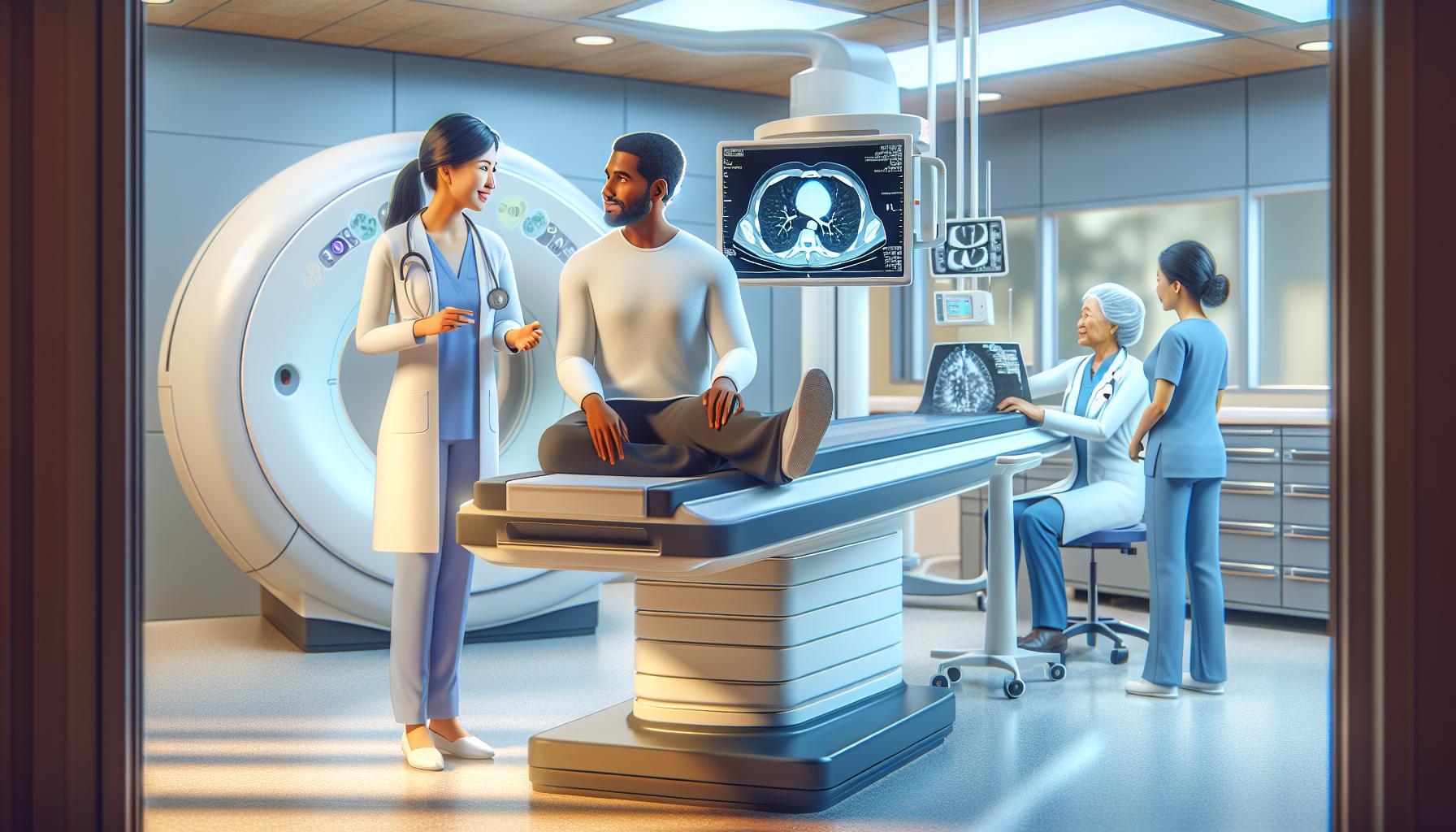
When it comes to diagnosing tumors, many people wonder about the effectiveness of medical imaging techniques like CT scans. Did you know that CT scans utilize advanced X-ray technology to capture detailed images of the body’s internal structures? This makes them a powerful tool for identifying abnormalities, including tumors, which can be crucial for early detection and treatment.
Understanding the capabilities of CT scans is essential for anyone navigating health concerns. If you or a loved one have been advised to undergo this procedure, it’s natural to have questions about what the scan can reveal and how it might affect your healthcare decisions. The insights gained from a CT scan can provide valuable information about the presence of tumors, their size, and whether they have spread, ultimately guiding you and your healthcare team in creating an effective treatment plan.
Continue reading to explore how CT scans work, their benefits, and the critical role they play in modern medicine. Your health journey matters, and knowledge about these imaging techniques can empower you in making informed decisions.
Understanding the Role of CT Scans in Tumor Detection
When considering the complexities of tumor detection, computed tomography (CT) scans play a pivotal role in modern medicine. These advanced imaging techniques provide detailed cross-sectional images of the body, allowing healthcare professionals to detect abnormalities, including tumors, much earlier than traditional methods. One of the key advantages of a CT scan is its ability to differentiate between types of tissue, which is crucial when assessing the likelihood of cancerous growths. With the use of ionizing radiation, CT scans capture images in a matter of minutes, offering a fast yet comprehensive view that aids in diagnosis and treatment planning.
CT scans excel in identifying various types of tumors across different organs in the body. For instance, they are particularly effective for visualizing tumors in the abdomen and chest, including lung, liver, and kidney cancers. By comparing CT scans taken over time, doctors can track tumor growth or shrinkage, providing invaluable information regarding a patient’s response to treatment. Additionally, the capability to use contrast dye enhances the clarity of images, allowing for better visibility of certain tumors and surrounding structures. This dual functionality not only aids in diagnosis but also in determining the best approach for ongoing treatment.
Preparing for a CT scan involves simple yet essential steps to ensure accurate results and a smooth experience. Patients are often advised to avoid eating or drinking a few hours prior to the procedure, especially if contrast material will be used. It’s important for patients to communicate any allergies or previous reactions to contrast dyes with their healthcare provider, as this information is critical for safety. During the scan, the encapsulated environment is designed to keep you comfortable. A calming interaction with the technician can significantly alleviate anxiety about the procedure, ensuring a more pleasant experience.
In the event of detecting an abnormality or tumor, follow-up procedures may entail additional imaging tests, biopsies, or consultations with specialists to determine the next steps. It’s essential for patients to remember that a CT scan is just one part of the diagnostic process, and results should always be discussed with a healthcare provider who can provide guidance tailored to individual needs. By understanding the capabilities of CT scans in tumor detection, patients can feel more empowered and informed as they navigate their health journeys.
How CT Scans Work: A Step-by-Step Breakdown
Computed tomography (CT) scans are remarkable tools in medical imaging, allowing healthcare professionals to visualize internal structures with incredible detail. Understanding how these scans function can often alleviate anxiety about the procedure while empowering patients with knowledge about their health.
During a CT scan, an X-ray machine rotates around the patient to capture multiple images from different angles. These X-ray beams pass through the body and are absorbed at varying degrees by different tissues-bones absorb more radiation than soft tissues, which contributes to the clarity of the images produced. The data collected is then processed by a computer to create cross-sectional slices or 3D representations of the area being examined. This intricate process makes it possible for doctors to detect tumors, infections, and other internal conditions efficiently and accurately.
Preparation for a CT scan is straightforward, yet it plays a crucial role in obtaining reliable results. Patients are typically advised to wear comfortable clothing and may need to refrain from eating or drinking for several hours before the procedure, especially if contrast agents will be used. Contrast dye is sometimes administered to enhance the images, providing a clearer view of specific tissues or blood vessels. Equipped with this understanding, patients can approach their CT scan with greater confidence.
Throughout the procedure, patients lie on a thin table that slides into the CT scanner, which resembles a large doughnut. It’s essential to stay still during the scan to ensure that the images taken are sharp and accurate. The entire process usually takes between 10 and 30 minutes, and while the machine may produce buzzing or whirring noises, modern scanners are designed to minimize discomfort. With the knowledge of what occurs during a CT scan, patients can better appreciate its role in diagnosing potential issues, including tumors, ultimately aiding in their journey towards better health.
What Types of Tumors Can a CT Scan Reveal?
Computed tomography (CT) scans play a pivotal role in the early detection and monitoring of various types of tumors, providing critical insights that can guide treatment decisions. One of the key advantages of CT imaging is its capability to create detailed cross-sectional images of the body, which allow healthcare professionals to visualize and assess different organs and tissues effectively. This capability means that a wide range of tumors can be identified, including those in the brain, lungs, liver, pancreas, kidneys, and other areas.
Different types of tumors exhibit distinct characteristics on a CT scan. For instance, brain tumors often appear as abnormal masses within the cranial cavity, while lung tumors may present as nodules or larger masses in the lung tissue. Moreover, CT scans are particularly effective in identifying metastatic tumors, which are cancerous growths that have spread from one part of the body to another. Recognizing these tumors early can significantly influence treatment options and outcomes.
Additionally, CT scans can differentiate between benign (non-cancerous) and malignant (cancerous) tumors based on their shape, size, and growth patterns. For example, well-defined lesions may suggest a benign growth, while irregular shapes or growth beyond expected boundaries can raise concerns for malignancy. In some cases, a contrast agent is utilized to enhance the visibility of certain structures, allowing for better differentiation between various tissue types and improving the likelihood of detecting small tumors.
For patients, understanding the types of tumors detectable by CT scans can reduce anxiety and enhance confidence during the imaging process. It emphasizes the importance of proactive healthcare and early detection. If you or someone you know has concerns about potential tumors, discussing the results and imaging options with a healthcare professional is vital to receiving tailored guidance and care.
Preparing for Your CT Scan: Essential Tips
Preparing for a CT scan can be a crucial step in your healthcare journey, particularly when there’s a concern about tumors. Knowledge is your ally, and understanding what to expect can significantly ease any anxiety you may feel before the procedure. Here’s how to prepare effectively to ensure a smooth experience.
Start by following any specific instructions from your healthcare provider. These may include dietary restrictions, such as fasting for several hours before the scan, especially if contrast material is used. Staying hydrated is equally important, as it can help with the administration of contrast dye, should it be necessary. If you have any allergies, particularly to iodine or contrast agents, inform your healthcare provider before the day of the scan.
What to Wear
When heading for your CT scan, opt for comfortable, loose-fitting clothing. Avoid clothing with metal components, such as zippers or buttons, since these can interfere with the imaging. If you’re wearing anything that could potentially hinder the scan, you may be asked to change into a gown provided by the facility.
Communicating Health History
Before your scan, you’ll have the opportunity to discuss your medical history with the radiologic technologist or technician. It’s essential to bring along any relevant medical information, including previous imaging studies and medications you are currently taking. Communicating your health history clearly allows the healthcare team to understand your specific needs and may inform the interpretation of your results.
Bringing Support
If possible, bring a friend or family member with you for moral support. The presence of a loved one can help alleviate stress and make the experience feel less daunting. They can also help you recall instructions given by healthcare professionals, ensuring you’re fully prepared for the scan.
By following these essential tips, you can approach your CT scan feeling empowered and informed. Remember, communication with your healthcare team is vital, so don’t hesitate to ask questions or voice any concerns you might have during the preparation process. Your well-being is the priority, and they are there to help you every step of the way.
What to Expect During the CT Scan Procedure
As you enter the CT scanning room, you may notice the large, doughnut-shaped machine that will be used for your imaging. Understanding the process can ease any apprehensions you might have about the procedure. A CT scan, or computed tomography scan, is a quick and painless test that produces detailed cross-sectional images of your body, and it often takes less than 30 minutes to complete.
To begin, you will be asked to lie down on a narrow table that slides into the CT scanner. Depending on the area being examined, you may need to position yourself in different ways. If you’re receiving a contrast dye, this will likely be administered via an IV before the scan. The contrast helps to highlight specific areas of interest, making it easier for doctors to see tumors or abnormalities. You may feel a slight sensation of warmth as the dye enters your bloodstream, which is entirely normal and typically subsides quickly.
Throughout the procedure, it’s essential to remain as still as possible while the machine takes the images. You may hear whirring or buzzing sounds from the machine during the scan, but don’t worry; these are entirely expected and are part of the technology working effectively. The radiologic technologist will monitor you from another room and communicate through an intercom, ensuring you feel supported throughout the process. If at any point you feel uncomfortable or anxious, it’s important to express these feelings so they can assist you promptly.
After the procedure, you can usually resume your normal activities right away unless your healthcare provider advises otherwise. If contrast material was used, you may be instructed to drink extra fluids to help flush it out of your system. The images captured during your scan will be reviewed by a radiologist, who will then provide these results to your healthcare provider for further discussion about your health. Understanding each step of the CT scan process not only empowers you but also helps in recognizing the importance of this imaging in diagnosing conditions like tumors effectively.
Interpreting CT Scan Results: A Patient’s Guide
Interpreting the results of a CT scan can be a pivotal moment in your healthcare journey, especially if you’re concerned about tumors. Understanding what the images reveal can evoke a mix of emotions from relief to anxiety. CT scans provide cross-sectional images of the body that allow physicians to assess internal structures meticulously, helping to identify any abnormalities, including tumors. It’s essential to remember that radiologists analyze the scans with a keen eye, focusing on size, shape, and density to distinguish between benign and malignant growths.
After your CT scan, the images captured will be sent to a radiologist, who is a specialist in interpreting medical images. They will carefully evaluate the scans and prepare a report outlining the findings. This report often includes specific details such as the presence of any tumors, their characteristics, and their location. The results are then forwarded to your healthcare provider, who will discuss them with you during a follow-up appointment. It’s important to approach this meeting prepared with questions about the implications of the findings, treatment options, and any further tests that may be necessary.
If a tumor is detected, the next steps can vary significantly. Some tumors may require further evaluation through additional imaging or biopsies to determine their nature and to plan the appropriate treatment. On the other hand, if no tumors are found, the results can be reassuring, but your healthcare provider might suggest continued monitoring or other diagnostic measures based on your symptoms.
Keep in mind that not all findings in a CT scan indicate cancer. Many conditions can cause similar changes in imaging, which is why close communication with your healthcare provider is crucial. They will help you understand your results within the context of your overall health and symptoms, ensuring that you receive the most accurate and relevant care moving forward. In every health journey, knowledge is empowering; feeling informed and supported can make navigating the results of your CT scan a more manageable experience.
CT Scans vs. Other Imaging Tests for Tumors
When it comes to diagnosing tumors, understanding the differences between various imaging tests can greatly influence the path toward effective treatment. CT scans, which utilize detailed X-ray technology to create cross-sectional images of the body, offer a unique advantage by providing rapid, comprehensive insights into internal structures. They are particularly useful for detecting tumors in organs such as the lungs, liver, and kidneys, among others, allowing for a quick assessment compared to some alternative imaging modalities.
Comparative Imaging Techniques
Different imaging tests serve varied purposes and excel in distinct areas, making it essential to choose the appropriate one based on the specific clinical situation. Here are some common imaging techniques used in tumor detection:
- Magnetic Resonance Imaging (MRI): MRI uses strong magnets and radio waves to create detailed images, particularly effective for imaging soft tissues, including the brain and spinal cord. Unlike CT scans, MRIs do not involve radiation, making them a safer option for repeated imaging.
- Ultrasound: This non-invasive imaging technique employs sound waves to visualize soft tissues and organs. It is often used for initial evaluations, such as detecting cysts or tumors in the abdomen, but has limitations in detail and depth compared to CT and MRI.
- Positron Emission Tomography (PET) Scans: PET scans provide functional insights by detecting radioactive tracers administered to the patient, making it incredibly useful for identifying active cancer cells. However, PET scans are frequently combined with CT due to their ability to deliver both anatomical and functional information.
Clinical Decision-Making
The choice of imaging technique can depend on several factors, including the type of tumor suspected, its location, patient history, and the urgency of obtaining results. For instance, CT scans are often preferred in emergency situations where rapid diagnosis is critical, whereas an MRI might be selected for conditions requiring a detailed view of soft tissues. It’s vital for patients to have open discussions with their healthcare providers regarding the benefits and limitations of each imaging type, ensuring the most effective approach to tumor assessment.
In conclusion, while CT scans are an invaluable tool in tumor detection, they are most effective when utilized thoughtfully in conjunction with other imaging modalities. Each test has unique qualities that bring added value in diagnosing and monitoring tumor progression, thereby empowering patients and providers alike to make informed decisions throughout the healthcare journey.
Safety Measures: Are CT Scans Risky?
While CT scans are powerful tools for diagnosing tumors, many patients may feel apprehensive about potential risks associated with the procedure. It’s important to understand that, generally, the benefits of a CT scan-especially in detecting and monitoring serious health issues-far outweigh the risks involved. CT scans use X-rays to create detailed images of the body’s internal structures, which does involve exposure to a small amount of radiation. However, advancements in technology have significantly reduced the radiation dose in modern scans, making them even safer than before.
That said, certain precautions are advisable to further minimize risks. Patients should inform their healthcare providers about any prior reactions to contrast dyes used in some scans, as well as any existing medical conditions, particularly kidney issues. If you are pregnant or suspect you might be, discussing the necessity of the scan with your doctor is crucial, as they will weigh the potential risks to the fetus. Understanding your health history and the specific details of your scan can help healthcare providers take the appropriate measures to ensure safety.
For those concerned about the cumulative effects of radiation, it’s helpful to put the exposure from a CT scan into perspective. A single CT scan of the abdomen is comparable to the amount of radiation received from the environment over a few years. Routine screening with CT scans, especially when not medically necessary, should be avoided, aligning imaging practices with the principle of “as low as reasonably achievable” (ALARA) to ensure patient safety.
Ultimately, clear communication with your healthcare provider is key. If you have any concerns or questions about safety, don’t hesitate to address them. They can provide information tailored to your health situation, allowing you to make informed decisions about your care. Empowering yourself with knowledge about the procedures and precautions can alleviate anxiety, ensuring that you focus on what matters most-your health and well-being.
Cost Considerations: CT Scan Expenses Explained
The financial considerations surrounding CT scans are an important aspect that many patients tend to overlook amidst concerns about diagnosis and treatment. Understanding the costs associated with CT scans can empower you to make informed decisions about your health without financial strain. As with many medical procedures, the total expense of a CT scan can vary widely based on several factors, including the type of scan, the geographic location of the imaging facility, and whether or not you have insurance coverage.
Typically, the price for a CT scan may range from $300 to $3,000 or more, depending on these variables. For example, a straightforward abdominal scan might cost less than a complex scan of the chest with contrast material. Insurance plans often play a crucial role in determining out-of-pocket expenses, as many plans cover a significant portion of the cost for medically necessary scans, although copays and deductibles will still apply. Checking with both your healthcare provider and insurance company beforehand can help clarify potential costs and set realistic financial expectations.
Considerations Before Your Scan
Before undergoing a CT scan, there are several proactive steps you can take to manage costs:
- Inquire About Insurance Coverage: Reach out to your insurance provider to understand your benefits related to CT scans. Ask specifically about what is covered, any potential out-of-pocket expenses, and pre-authorization requirements.
- Shop Around: Pricing can differ significantly between facilities. It’s advisable to call different imaging centers, including hospital departments and independent radiology clinics, to compare costs. Some facilities offer cash discounts for self-paying patients.
- Ask About Financial Assistance: Don’t hesitate to ask the imaging center if they provide any financial assistance or payment plans, particularly if you are uninsured or underinsured.
It’s also worth noting that while financial concerns are valid, prioritizing the urgency of your health condition is essential. Timely diagnosis and treatment can lead to better health outcomes. Therefore, if your doctor recommends a CT scan, focus on addressing your health needs while managing the financial aspects thoughtfully. Engaging in open dialogue with your healthcare provider about any financial concerns will ensure that you’re supported through your journey toward better health.
When to Consult a Doctor After a CT Scan
Consulting your doctor after a CT scan is an important step in navigating your health journey, especially when it comes to understanding the implications of the results. If your scan was performed to investigate a specific concern-such as unexplained pain, a potential tumor, or monitoring a known condition-being proactive in scheduling a follow-up appointment is essential. Your healthcare provider can clarify the results, answer any questions, and discuss the next steps required based on your individual circumstances.
After receiving your CT scan results, patients often have varying emotions-ranging from relief to anxiety, especially if abnormalities have been detected. If your results indicate a potential tumor or any concerning finding, it is crucial to consult your doctor promptly. They will guide you through necessary follow-up procedures, which may include further imaging, biopsy, or referral to a specialist. Additionally, if you notice new or worsening symptoms, reaching out to your doctor sooner rather than later can ensure timely management and intervention if required.
Consider also the context of your health history when deciding to consult your doctor post-scan. For instance, if you have a family history of cancers or previous health issues that require consistent monitoring, ongoing dialogue with your healthcare provider is vital. They can determine if further investigations are warranted or if you should continue with regular follow-ups.
Moreover, don’t hesitate to discuss any concerns about the potential risks associated with CT scans, especially if you have undergone multiple scans over a short period. Understanding the balance between imaging for accurate diagnosis and minimizing exposure to radiation is important. Your physician can help assess the need for additional scans and recommend alternative diagnostic methods, such as MRIs or ultrasounds, if appropriate. Always feel empowered to ask questions and express any worries you may have-your health is best managed through collaborative communication with your medical team.
Understanding Potential Follow-Up Procedures
After receiving the results of your CT scan, it’s vital to understand what the next steps may involve, especially if there are findings that warrant further investigation. Potential follow-up procedures can vary widely depending on the specifics of your results, your medical history, and the reason for the scan. Remember that your healthcare team will tailor these steps to your needs, aiming to provide you with the most comprehensive care.
Further Imaging
In cases where a CT scan reveals abnormalities, additional imaging studies, such as MRIs or PET scans, may be recommended. These imaging techniques provide different perspectives and more detailed information about the structures inside your body. For example, an MRI uses powerful magnets and radio waves, offering better contrast for soft tissue structures than a CT scan can. Discussing these options with your doctor can help clarify which type of imaging may be most beneficial for your situation.
Biopsy or Additional Testing
If the CT scan suggests the presence of a tumor, a biopsy may be a necessary follow-up procedure. This involves taking a small sample of tissue from the suspected tumor for laboratory analysis. The biopsy results are crucial for determining whether the tumor is benign or malignant and for planning the appropriate course of treatment. Depending on the location and type of tissue involved, this may be accomplished through various methods, such as a needle aspiration or a surgical procedure.
Referral to a Specialist
Another potential follow-up procedure might involve a referral to a specialist, such as an oncologist or a surgeon. If your CT scan raises concerns related to cancer or tumor progression, seeing a specialist can provide you with the in-depth management needed for your condition. Specialists will guide you through treatment options that may include surgery, radiation therapy, or chemotherapy, tailored to your unique diagnosis.
Monitoring and Follow-Up Appointments
In some cases, if a tumor is detected but does not require immediate action, your healthcare provider may recommend regular monitoring through additional imaging or appointments to keep track of any changes in your condition. This can provide reassurance and allow any issues to be addressed promptly.
Navigating the process following a CT scan can feel overwhelming, but understanding the potential follow-up procedures can help alleviate anxiety. Always feel free to raise any questions or concerns with your healthcare team, as they are there to support you on your health journey.
Real-Life Stories: CT Scans in Tumor Diagnosis
Understanding that a CT scan can be pivotal in diagnosing tumors can bring both hope and anxiety. Every day, patients receive their CT scan results, leading to life-changing decisions. These stories remind us of the CT scan’s role not only in spotting tumors but also in guiding treatment paths.
One patient, Sarah, experienced persistent abdominal pain for months. After her doctor recommended a CT scan, the results indicated a significant mass. The clarity that the CT scan provided allowed her healthcare team to quickly formulate a treatment plan. This timely intervention meant she could begin the necessary care without unnecessary delays. Following surgery to remove the tumor, regular follow-up CT scans became essential to ensure no signs of recurrence were present. Sarah’s story is a powerful example of how these scans can be the first step towards diagnosis and recovery.
Another example is Thomas, who underwent routine screening due to a family history of lung cancer. His CT scan revealed an early-stage tumor, which would have been difficult to detect with a standard X-ray. Because the tumor was caught early, Thomas was able to undergo a minimally invasive procedure and is now in the process of recovery. His case highlights the vital role CT scans play in early detection and how they can significantly improve patient outcomes when integrated into regular healthcare screenings.
While these cases show the potential benefits of CT scans, it is crucial to approach each situation with a clear understanding. Discuss your concerns and questions openly with healthcare providers. Navigating the world of diagnosis and treatment can feel daunting, but being informed and engaged with your healthcare team can lead to better outcomes and a more empowered patient experience. Each story underscores the importance of scan results and the subsequent medical responses, offering both hope and a pathway forward for many diagnosed with tumors.
Frequently asked questions
Q: Can a CT scan differentiate between benign and malignant tumors?
A: A CT scan provides detailed images that can help healthcare providers identify tumors’ characteristics, but it cannot definitively differentiate between benign and malignant tumors. Further tests, such as biopsies, are usually needed for accurate diagnosis. For more information, refer to the section on interpreting CT scan results.
Q: How accurate is a CT scan in detecting tumors?
A: CT scans are highly accurate in detecting tumors, especially in accessible areas of the body. However, the accuracy may vary based on the tumor’s type, size, and location. Discuss your particular case with your healthcare professional for detailed insights.
Q: What is the role of contrast material in CT scans for tumor detection?
A: Contrast material enhances the visibility of certain tissues and organs, allowing healthcare providers to see tumors more clearly on a CT scan. It helps highlight abnormalities but may not be necessary for all scans. Your doctor will advise if you require it before your scan.
Q: Are there any symptoms that indicate the need for a CT scan to check for tumors?
A: Symptoms such as unexplained weight loss, persistent pain, abnormal lumps, or changes in bowel habits can indicate the need for a CT scan. If you experience these symptoms, consult your healthcare provider for an appropriate assessment.
Q: What can I do if my CT scan shows a suspicious tumor?
A: If your CT scan indicates a suspicious tumor, your healthcare provider will discuss possible next steps, which may include additional imaging tests, biopsies, or referrals to a specialist. Staying informed and actively participating in your care is crucial.
Q: How often should I have a CT scan if I have a history of tumors?
A: The frequency of CT scans for individuals with a history of tumors varies based on personal health history, cancer type, and treatment plans. Your healthcare provider will recommend an appropriate schedule based on your specific situation for monitoring.
Q: Can a CT scan detect tumors in their early stages?
A: Yes, a CT scan can detect tumors in early stages, especially in organs such as the lungs and abdomen, where it offers detailed images. Early detection significantly increases the effectiveness of treatment options, so consult your doctor if you have concerns.
Q: What follow-up tests are commonly performed after a CT scan indicates a tumor?
A: Follow-up tests after a CT scan may include MRI scans, PET scans, or biopsies to confirm the diagnosis and determine the tumor’s nature. Your doctor will guide you through the necessary steps based on your CT scan findings.
The Conclusion
Whether you’re considering a CT scan for tumor detection or are simply curious about the process, understanding its capabilities can empower you in your healthcare journey. CT scans are invaluable tools for identifying abnormalities, but it’s crucial to consult with your healthcare provider to discuss any concerns and next steps tailored to your situation.
For more detailed insights, check out our articles on “Understanding CT Scan Procedures” and “Patient Preparation for Imaging Tests.” By staying informed, you can make better decisions for your health and feel more at ease during medical evaluations. Don’t hesitate to reach out to us or comment below with your experiences or questions. Your journey to clarity and peace of mind starts here-take the next step today!