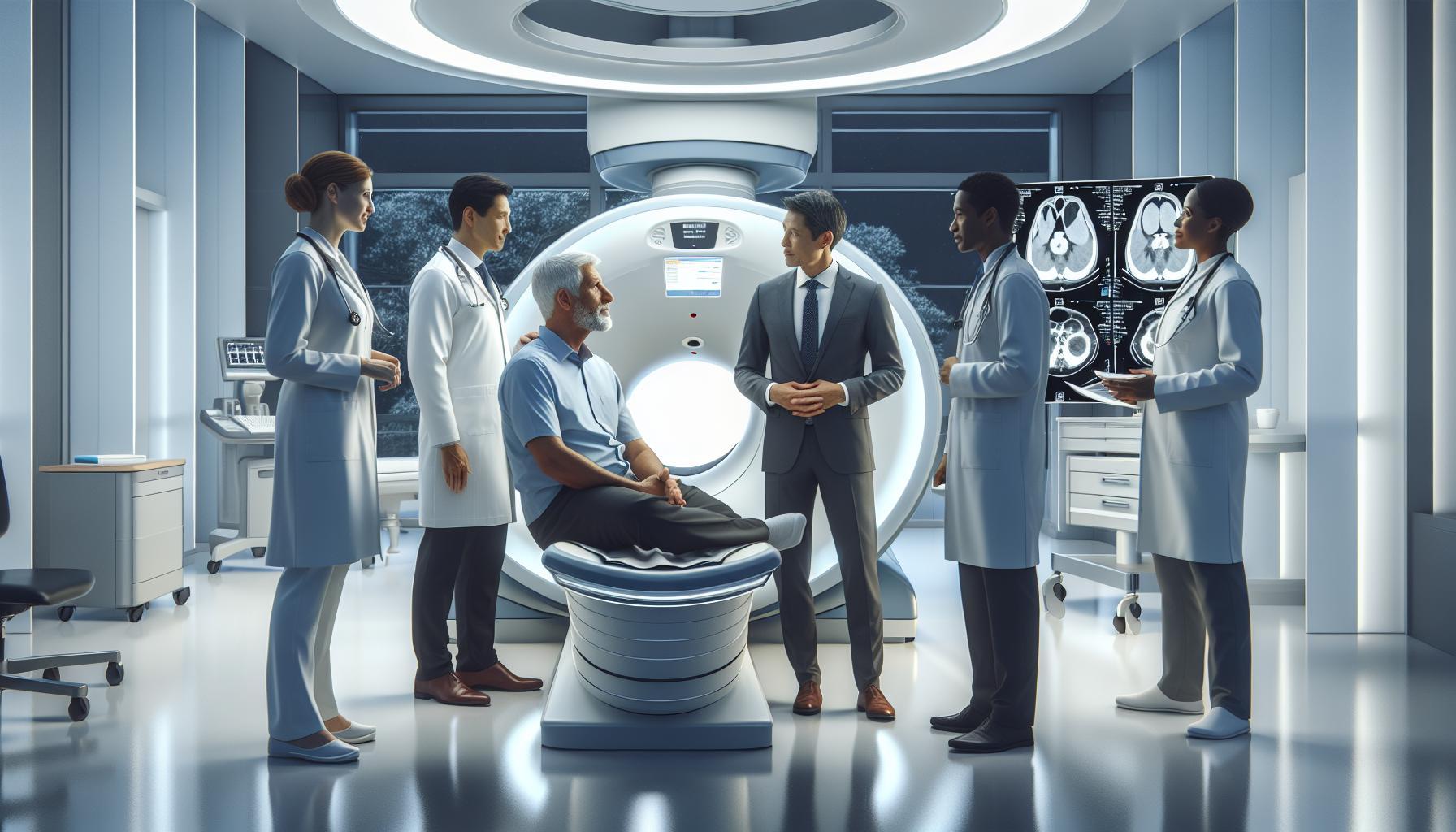
In today’s world, where health information is at our fingertips, understanding the role of medical imaging is crucial for early detection of serious conditions, such as tumors. A CT scan, or computed tomography scan, is a powerful diagnostic tool that provides detailed images of internal organs, helping healthcare professionals identify abnormalities that may indicate cancer.
Many people worry about the signs and symptoms of potential health issues, often seeking clarity on whether a CT scan can reveal not just the presence of a tumor, but also its size and location. With advancements in technology, CT scans have become increasingly reliable in detecting tumors, providing essential information that can guide treatment options.
As you explore this article, you’ll learn how CT scans work, what to expect during the procedure, and their significance in diagnosing health issues. Empower yourself with knowledge that can lead to early detection and timely intervention, reinforcing the importance of regular check-ups and consultations with healthcare providers. Your health is paramount, and understanding these diagnostic tools is a step toward taking proactive control of it.
Understanding CT Scans and Their Purpose in Tumor Detection
A CT scan, or computed tomography scan, is a powerful diagnostic tool that can provide crucial insights into potential tumors in various parts of the body. This imaging technology combines X-ray equipment and advanced computer processing to create cross-sectional images, offering a detailed look at the tissues and organs. Understanding how CT scans work and their purposes can help alleviate concerns for patients and clarify their role in detecting serious health issues.
CT scans are particularly effective in identifying tumors in the lungs, liver, pancreas, and kidneys. The high-resolution images can reveal not just the presence of a tumor but also provide information on its size, shape, and location, aiding in the diagnosis of various conditions including cancer. For those at high risk of developing certain malignancies, such as heavy smokers, lung CT scans are often recommended as part of routine screening to catch early signs of lung cancer [[2]].
Preparing for a CT scan often involves straightforward guidelines. Patients may be advised to avoid eating or drinking for a few hours prior to the scan, particularly if contrast material will be used. Understanding what to expect during the procedure can also ease anxiety; patients typically lie on a table that moves through the scanner, which is relatively quick and painless. Follow-up discussions with healthcare providers about the results are essential, as interpreting these images can require professional expertise to accurately assess any potential abnormalities [[3]].
How CT Scans Work: A Step-by-Step Guide
Visualize a machine that collects detailed snapshots of your insides, creating a three-dimensional map of your body. This is essentially how a CT scan-short for computed tomography scan-functions. It combines multiple X-ray images taken from various angles, which are then processed by a computer to produce comprehensive cross-sectional images of internal organs, tissues, and structures. This technology plays a vital role in diagnosing serious health issues, including tumors, by providing detailed insights into their size, shape, and location.
To understand how a CT scan works, consider the following steps:
Step-by-Step Process
- Preparation: Before the scan, you may need to follow specific guidelines, such as fasting for a few hours if contrast dye will be used. The technician may explain these steps to ensure your comfort and safety.
- Positioning: During the scan, you’ll lie on a special table that moves slowly through a large, circular opening of the CT scanner. It’s important to stay still throughout the process to ensure clear images.
- Imaging: As the table moves, the CT scanner rotates around you, taking numerous X-ray images from different angles. The entire process usually lasts only a few minutes, and you may hear humming or clicking sounds during the imaging.
- Image Reconstruction: After the scan, the images are sent to a computer, where advanced software reconstructs them into cross-sectional views. Radiologists analyze these images for any abnormalities, such as tumors.
The combination of these steps results in high-resolution images that can indicate the presence of tumors, enabling healthcare professionals to formulate a diagnosis and develop a treatment plan tailored to individual patients. By shedding light on areas of concern, CT scans significantly enhance the ability to detect serious health issues earlier and with greater accuracy, providing a crucial advantage in the management of diseases like cancer.
It’s comforting to know that you can discuss any concerns about the procedure or the results with your healthcare provider, who can offer personalized guidance based on your specific situation. Being informed empowers you to participate actively in your healthcare journey.
Common Health Issues Diagnosed with CT Scans
CT scans are invaluable tools in modern medicine, capable of detecting numerous health conditions with remarkable accuracy. Beyond their essential role in identifying tumors, these imaging tests can help diagnose a variety of other serious health issues, providing a comprehensive view of the internal structures of the body.
Common Conditions Detected by CT Scans:
- Cancer: CT scans play a crucial role in diagnosing and monitoring various types of cancer. They help visualize tumors in organs such as the lungs, liver, pancreas, and kidneys, revealing size, shape, and possible metastasis.
- Infections: Inflammatory conditions, including appendicitis and diverticulitis, can be effectively diagnosed through CT imaging. The scans provide a clear view of abscesses or inflammatory changes that indicate infection.
- Trauma: For individuals involved in accidents or falls, CT scans are vital in assessing injuries to the brain, spine, and internal organs, guiding immediate treatment decisions.
- Cardiovascular Disorders: CT angiography can non-invasively visualize blood vessels, aiding in the diagnosis of conditions like aneurysms and blockages due to plaque buildup.
The ability of CT scans to capture cross-sectional images provides a detailed look at various tissues and organs, which is essential for diagnosing these health issues accurately. Each scan produces a wealth of data that allows radiologists and physicians to pinpoint the source of discomfort or abnormality, fostering a more informed treatment approach.
With the technology evolving, the potential for CT scans continues to expand. However, it’s crucial for individuals to discuss the implications and findings of their CT scans with their healthcare providers. Personalized guidance from medical professionals not only aids in understanding results but also helps determine the most effective next steps, ensuring that patients feel supported throughout their healthcare journey.
Preparing for a CT Scan: What You Need to Know
When it comes to preparing for a CT scan, understanding the process can significantly alleviate any anxiety you might feel. CT scans are quick and painless, designed to provide detailed images that enable your healthcare provider to assess and understand various health conditions, including tumors. To ensure a smooth experience, it’s helpful to follow specific preparation steps that set you up for success.
Prior to your scan, your healthcare provider will give you detailed instructions, which may include dietary restrictions. Typically, you may be asked to refrain from eating solid food for several hours before the procedure to optimize image clarity. If your scan requires contrast dye, which enhances the visibility of certain areas, you might need to drink plenty of fluids or potentially take other medications as directed. Always inform your medical team about any allergies, pre-existing conditions, or medications you are taking, as this information is vital for your safety.
During the appointment, you’ll need to change into a hospital gown to avoid any interference from clothing with the imaging process. Once in the imaging room, you will lie on a motorized table that slides into the CT scanner. You might hear whirring sounds as the machine captures slices of images of your body. It’s important to stay as still as possible, and you will be instructed on when to hold your breath if required, allowing for clear images to be obtained.
After the procedure, if you received contrast dye, you may be advised to drink extra fluids to help flush it from your system. You can typically resume your normal activities right away unless otherwise instructed by your healthcare provider. Being prepared not only enhances the quality of the imaging but also contributes to a more comfortable experience overall. Remember, discussing any concerns or questions with your healthcare team is essential, as they can provide personalized guidance tailored to your needs to ensure you feel supported throughout the process.
What to Expect During Your CT Scan Experience
During a CT scan, experiencing uncertainty is common, but understanding what will transpire can significantly help alleviate any anxiety. Generally, CT scans are rapid procedures designed to produce detailed images of the inside of your body, including potential tumors. Many patients find comfort in knowing each step of the process, reassured by the knowledge that this imaging technique is essential for accurate diagnosis and treatment planning.
Once you arrive for your scan, you will change into a hospital gown to prevent any clothing interference with the imaging. You’ll then lie down on a motorized table that will move through a large, donut-shaped scanner. As the scan begins, you might hear a series of whirring noises. It’s important to remain still during the imaging to ensure clear pictures are captured. At times, you may be asked to hold your breath briefly; understanding this beforehand can ease the momentary discomfort. Some patients appreciate using a breathing technique to help remain calm during this short interval.
For scans requiring contrast dye, the process may involve an injection or oral intake to enhance the visibility of certain areas. While some experience discomfort or a slight warming sensation during injection, these effects usually subside quickly. Hydration is encouraged post-scan, especially if contrast has been used, to aid in flushing it from your system. It usually takes only 10-30 minutes for a CT scan, which is swift compared to the wealth of information it provides.
In the aftermath of the scan, your healthcare provider will discuss when you can expect results. Being informed about this timeline can provide a sense of control during a potentially anxious wait. Overall, understanding each stage of the CT scan can contribute to a more positive experience, allowing you to focus on the next steps in your health journey. Always remember that your healthcare team is there to answer any questions and provide support, enhancing your sense of comfort and security throughout the process.
Interpreting CT Scan Results: Key Insights
Understanding the results of a CT scan can be an overwhelming experience, especially when the possibility of tumors or serious health issues is involved. It’s important to remember that CT scans are powerful imaging tools that provide detailed insights into the internal structures of your body. Radiologists analyze these images to identify abnormalities, including potential tumors, and provide a comprehensive report to your healthcare provider.
When interpreting CT scan results, radiologists look for specific characteristics of any newly identified masses. Tumors can vary in size, shape, and density. They may appear solid or cystic (fluid-filled), and their location relative to other structures can help differentiate between benign and malignant growths. For instance, a tumor that is clearly defined and encased is often more likely to be benign, while irregular edges or infiltration into surrounding tissues may raise concerns for malignancy. Knowledge of these patterns can empower patients and help them understand their results; however, it’s crucial to discuss findings with your healthcare provider, who can provide context and guidance based on individual health factors.
Communication is key following the interpretation of CT scan results. Patients typically receive a report detailing the findings, and it’s advisable to review this document with your doctor. They will explain any concerns raised by the scan and outline further steps, which may include additional testing, referrals to specialists, or treatment options. It’s natural to have questions, so come prepared with a list of inquiries to ensure you leave the appointment feeling informed.
While CT scans are excellent for detecting tumors, their results are not definitive diagnoses. Often, follow-up imaging or biopsies may be necessary to confirm the nature of any findings. Being proactive about your health and understanding the implications of your scan results can help alleviate anxiety and foster a collaborative relationship with your healthcare team, enabling informed decision-making for your next steps.
Limitations of CT Scans in Tumor Detection
Although CT scans are invaluable in detecting tumors and evaluating various health conditions, there are notable limitations to their effectiveness that patients should be aware of. One significant drawback is their reliance on imaging technology that can sometimes yield false positives or negatives. While advanced imaging provides detailed cross-sectional views of the body, it may not always distinguish benign growths from malignant tumors accurately. For instance, certain types of benign tumors, such as lipomas or hemangiomas, might mimic the appearance of malignant tumors on a CT scan, potentially leading to unnecessary anxiety or invasive follow-up procedures.
Another critical limitation is the ability of CT scans to detect smaller tumors. While CT imaging excels at visualizing larger masses, diminutive tumors-or those that are located in challenging anatomical positions-might not be as readily identifiable. For example, tiny lung nodules can evade detection, resulting in missed opportunities for early intervention. This situation underscores the importance of combining imaging techniques. Often, other imaging modalities like MRI or PET scans might be recommended to provide a more comprehensive view when CT results are inconclusive.
Moreover, it’s essential to recognize that not all tumors are visible on a CT scan. Some malignancies may be obscured by surrounding structures or have characteristics that are unidentifiable in cross-sectional imaging. Cancers like pancreatic or ovarian tumors can sometimes evade detection until they reach advanced stages. Therefore, depending solely on a CT scan for tumor detection may not be sufficient for determining a complete diagnostic picture.
Patients should take comfort in understanding that radiologists are trained to interpret CT scans intricately and correlate findings with clinical symptoms, thus enhancing diagnostic accuracy. However, proactive communication with healthcare providers is crucial. If there are concerns regarding CT results or the presence of symptoms, discussing further evaluation options is advisable. As reassuring as CT scans can be, they should serve as one tool in a broader diagnostic framework. Being informed and engaged in discussions about health can empower patients to seek appropriate follow-up care and ensure all potential health issues are adequately addressed.
Cost Considerations: Are CT Scans Worth It?
The decision to undergo a CT scan often intertwines the significant value provided by the procedure with its associated costs. CT scans play a crucial role in identifying and monitoring tumors, and their precision can be indispensable in the early detection of serious health issues. However, financial considerations can sometimes overshadow the potential benefits, leading patients to question whether the investment is truly worth it.
Insurance coverage can significantly influence the out-of-pocket cost for a CT scan. Many insurance policies tend to cover a substantial portion of the expenses, provided that the scan is deemed medically necessary by a healthcare provider. This typically requires thorough documentation from your physician, who will explain the reasons for the scan and its expected utility in your diagnosis or treatment plan. For those without insurance, prices can range widely depending on the facility and geographical location, sometimes costing anywhere from $300 to $3,000. Therefore, understanding your insurance benefits and discussing potential costs upfront with your healthcare provider is essential.
Moreover, considering the potential implications of a CT scan on your health should also factor into the cost evaluation. For instance, early detection of tumors through a CT scan can lead to more effective treatment options, potentially saving lives and reducing the need for more invasive procedures later on. In this light, the cost of the scan could be viewed not merely as a transactional expense, but as an investment in your health and well-being.
Being proactive in discussing all aspects of the procedure-including costs, risks, and benefits-with your healthcare team can empower you to make informed decisions. In some instances, alternatives such as MRI or ultrasound may be more appropriate based on clinical indications, and these may vary in cost and availability. Ultimately, your health is invaluable, and making informed choices is key to navigating the sometimes complex healthcare landscape.
Safety Concerns: Risks and Benefits of CT Scans
The thought of undergoing a CT scan can evoke feelings of anxiety, especially regarding its safety and potential risks. This imaging technique, while incredibly valuable in diagnosing tumors and other serious health issues, does come with its considerations. Understanding these aspects can alleviate some concerns and empower patients to make informed choices about their health.
CT scans utilize X-ray technology to produce detailed cross-sectional images of the body, which aids in identifying abnormalities like tumors. One of the primary safety concerns revolves around radiation exposure. While CT scans do involve a higher dose of radiation compared to standard X-rays, the risk of harm from that radiation is generally low, especially when weighing it against the benefits of accurate diagnosis. Modern technology has made vast improvements in minimizing radiation doses, ensuring that the amount used is as low as possible while still generating high-quality images. For instance, advanced techniques such as dose modulation can adjust the radiation based on the patient’s size and the area being scanned.
Benefits that Offset Risks
The benefits of CT scans significantly outweigh the potential risks, particularly when it comes to early detection of serious conditions. Timely diagnosis of tumors can lead to more effective treatment options and better outcomes, underscoring the importance of this imaging tool in modern medicine. Additionally, CT scans can help guide treatment plans, monitor disease progression, and evaluate the effectiveness of ongoing therapies.
Patients should engage in open conversations with their healthcare providers to address any concerns about radiation exposure. Providers can assess individual risk factors, including age, medical history, and the necessity of the scan, further ensuring that every procedure is warranted. For those who may be particularly sensitive to radiation-such as pregnant women or children-alternative imaging options like MRI or ultrasound may be recommended, reducing the associated risks while still obtaining critical diagnostic information.
As with any medical procedure, knowledge is a powerful tool in easing fears. Recognizing that CT scans are conducted with the utmost care for patient safety can help instill confidence. Moreover, being proactive in discussing all aspects of the imaging procedure, from radiation risks to potential benefits, actively involves patients in their healthcare journey, fostering a sense of control amidst uncertainty. Always consult with your healthcare team for personalized guidance, ensuring that your specific health needs and concerns are addressed comprehensively.
Alternatives to CT Scans for Tumor Detection
While CT scans are a powerful tool for detecting tumors and other serious conditions, there are several alternative imaging methods that healthcare providers may consider based on individual patient needs, conditions, and potential risks. These alternatives can provide valuable diagnostic insights with different types of imaging technology, offering patients several options for effective evaluation.
One commonly used alternative is Magnetic Resonance Imaging (MRI). Unlike CT scans, which use X-rays, MRIs utilize strong magnets and radio waves to create detailed images of soft tissues, making them particularly effective for assessing tumors in the brain, spinal cord, and other soft tissue areas. MRIs do not involve ionizing radiation, which can be a significant benefit for patients concerned about radiation exposure. This method is highly valuable in cases where precise imaging of soft tissue structures is crucial, such as differentiating between tumor types or evaluating the extent of a tumor.
Another option is Ultrasound, which employs sound waves to produce images of internal organs. This non-invasive procedure is often used as a first-line imaging technique due to its safety profile and lack of radiation exposure. Ultrasound can be especially effective for detecting tumors in organs like the liver, kidneys, and bladder. It is also useful in guiding biopsies and assessing blood flow to tumors. However, its effectiveness can vary based on factors such as the size and type of the tumor, and it may not always provide as detailed a view as CT or MRI scans.
Positron Emission Tomography (PET) scans can also serve as an alternative, particularly when evaluating cancer. PET scans involve the injection of a small amount of radioactive material that highlights metabolic activity in cells. This imaging technique can be particularly useful in identifying cancerous lesions, assessing the spread of cancer, and monitoring treatment response. PET scans are often used in conjunction with CT or MRI to provide a comprehensive view of a patient’s condition.
Lastly, for specific cases, X-rays can still play a role in detecting certain types of tumors, particularly in the lungs or bones. X-rays are quick, cost-effective, and widely available. However, they may not provide the detailed information necessary for a thorough assessment and are typically not the first choice for tumor detection in soft tissues.
Engaging with healthcare providers to discuss these alternatives is crucial for making informed decisions tailored to individual health needs. Understanding the options available allows patients to weigh the benefits and limitations of each imaging technique, ensuring that they receive the most effective diagnostic approach for their specific situation. As always, consulting a healthcare professional is essential for personalized recommendations and comprehensive care.
The Future of CT Technology in Medicine
Continuous advancements in technology promise a future where CT scans evolve into even more powerful diagnostic tools for detecting tumors and assessing other serious health conditions. Innovations like high-resolution imaging and artificial intelligence (AI) integration are transforming the landscape of radiology. These enhancements enable practitioners to not only visualize structures with unprecedented clarity but also to improve their accuracy in interpreting the images, which can significantly affect treatment decisions.
Advancements in Imaging Techniques
Modern CT scanners are incorporating multidetector technology, which allows for the capture of images from various angles at once, leading to quicker scans and more precise results. This speed is vital for emergency situations, where time is of the essence. Future improvements may include even faster 3D reconstruction capabilities, enabling radiologists to generate comprehensive views of tumors in real-time. Additionally, the potential for dual-energy CT scans could enhance tumor characterization further by providing detailed information on the chemical composition of tissues, which aids in distinguishing between benign and malignant growths.
AI and Machine Learning in Diagnostics
AI and machine learning are set to revolutionize how CT images are analyzed. These technologies can assist radiologists by quickly identifying abnormalities that might otherwise go unnoticed. Furthermore, AI algorithms can be trained on vast datasets to recognize patterns associated with specific types of cancers, providing a second layer of review that enhances diagnostic accuracy. This can be especially reassuring for patients, as it can lead to earlier detection and treatment initiation, ultimately improving outcomes.
Personalized Imaging Protocols
In the future, personalized imaging protocols could become standard, tailoring the CT scan process to suit individual patient needs and health backgrounds. For instance, using patient-specific algorithms could optimize dose management to reduce radiation exposure while maintaining image quality. As cancer treatments become increasingly targeted, so too will the imaging techniques used, allowing for more tailored and effective monitoring of tumor response to therapies.
Continued collaboration among healthcare professionals, radiologists, and technologists is crucial to fully realize these advancements. As the integration of these technologies progresses, patients can expect to receive even more accurate diagnoses with reduced risks, ultimately leading to better care experiences. Engaging with healthcare providers about the latest CT technology can provide invaluable insights into how these innovations might apply to individual health scenarios, laying the groundwork for informed decisions and improved health outcomes.
When to Consult a Specialist About Your Results
If your CT scan results indicate the presence of a tumor or other concerning abnormalities, it’s essential to navigate the next steps thoughtfully and confidently. The need to consult a specialist can arise from various concerns, including unclear or complex results. Engaging with a professional who specializes in the relevant area will ensure you receive tailored insights and a comprehensive care plan moving forward.
When should you seek a specialist? If your primary care physician suggests further evaluation or if the CT scan results are ambiguous, a referral to an oncologist or a relevant specialist can provide clarity. These experts are trained to diagnose and treat conditions related to tumors, whether benign or malignant. They can guide you through potential treatment options, including surgery, chemotherapy, or radiotherapy, depending on the tumor type and stage.
Anxiety can often accompany a potential diagnosis of cancer. It’s normal to feel overwhelmed with questions about your health, prognosis, and treatment. To alleviate this, prepare a list of inquiries before your appointment. Questions like these can be helpful:
- What do the scan results mean for my health?
- What treatment options are available, and what do they involve?
- What are the potential side effects of the proposed treatments?
- How often will I need follow-up scans or appointments?
Asking the right questions not only aids your understanding but also encourages open communication with your healthcare team. Remember that seeking a second opinion can also be beneficial if you’re uncomfortable with the initial findings or recommended treatments. This empowers you to make informed decisions about your health, ensuring that you feel confident in your care approach. Engaging specialists for your results is not just a step towards clarity; it’s an essential part of advocating for your health and well-being.
Q&A
Q: How accurate are CT scans in detecting tumors?
A: CT scans are highly accurate in detecting tumors, often providing 90% sensitivity for common cancers. However, the accuracy can vary based on factors such as tumor type, size, and location. For a detailed understanding, refer to sections on CT scan limitations in tumor detection in the main article.
Q: What types of tumors can be seen on a CT scan?
A: CT scans can visualize various tumor types, including brain, lung, liver, and pancreatic tumors. They are also effective in identifying metastatic cancers. Understanding CT scan applications for different health issues can enhance your knowledge of their capabilities.
Q: Why would a doctor order a CT scan for tumor detection?
A: Doctors often order CT scans to evaluate symptoms, investigate suspected tumors, and assess the extent of known cancer. The detailed imaging helps in planning treatment. Explore the article’s section on the purpose of CT scans for more insights.
Q: How long does it take to get CT scan results for tumors?
A: Typically, CT scan results are available within 24 to 48 hours, as radiologists need time to analyze the images. Prompt results are crucial for timely treatment decisions. You can find more in the article about what to expect during your CT scan experience.
Q: Can a CT scan miss a tumor?
A: Yes, CT scans can occasionally miss tumors, particularly smaller or early-stage ones. This highlights the importance of follow-up tests and clinical evaluations. Understanding the limitations of CT scans can help manage expectations regarding tumor detection.
Q: Are there any side effects from a CT scan when checking for tumors?
A: CT scans involve exposure to radiation, which can pose risks, especially with frequent scans. However, the benefits often outweigh the risks. For more detailed information on safety concerns, refer to the article’s section on risks and benefits of CT scans.
Q: What should I do if my CT scan shows a tumor?
A: If your CT scan reveals a tumor, it’s essential to consult your healthcare provider to discuss next steps, including further testing or treatment options. The article emphasizes the importance of consulting specialists about your results.
Q: Is a CT scan better than an MRI for tumor detection?
A: CT scans are generally faster and better for imaging dense structures, while MRIs provide more detail for soft tissues. The choice between CT and MRI depends on the tumor’s location and type. More comparisons can be found in the article regarding alternatives to CT scans for tumor detection.
Wrapping Up
In conclusion, understanding how a CT scan can identify tumors is crucial for proactive health management. Remember, early detection is key, and discussing your symptoms with a healthcare professional is the first step to addressing potential health issues. If you found this information helpful, consider exploring our related articles on “How to Prepare for a CT Scan” and “Understanding CT Scan Results” to further empower your health journey.
We encourage you to take action today-schedule a consultation with your doctor or sign up for our newsletter for ongoing insights about medical imaging and health tips. Your health and peace of mind are worth it! Don’t hesitate to share your thoughts in the comments below or share this article with someone who may benefit; together, we can foster a community informed about health and well-being.