The cost of a CT scan can vary significantly based on factors such as location, facility type, and insurance coverage. Understanding these differences is crucial for patients seeking affordable healthcare options. Did you know that the average price for a CT scan can range from a few hundred to several thousand dollars? This price variability often leaves patients concerned and seeking clarity in their healthcare journey.
As you navigate your CT scan experience, knowing the financial aspects can empower you to make informed decisions. This guide provides a regional price comparison to help you understand what to expect and how to prepare for this essential diagnostic tool. By delving into cost comparisons, you’ll not only gain insights but also reduce potential anxiety surrounding medical expenses. Join us as we explore the nuances of CT scan costs and how you can find the best options for your needs.
Understanding CT Scan Costs: What to Expect
Understanding the expenses related to a CT scan can often feel overwhelming, but being informed can significantly ease your concerns. Generally, the cost of a CT scan can vary widely based on several factors, including location, the type of scan needed, and the facility performing it. For instance, average prices can range from $300 to over $3,000, depending on these variables. Knowing this range can help set realistic expectations and empower you to ask questions about your specific situation.
Costs for CT scans can differ dramatically between urban and rural settings. In larger cities, the competition among healthcare facilities can lead to lower prices, while specialized hospitals may charge more due to advanced technology or additional services. It’s crucial to consider hidden costs associated with the scan, such as the radiologist’s fee for interpreting the results, which might not be included in the initial quote you receive.
If you’re insured, understanding your policy and what it covers is vital. Many insurance plans partially cover the costs of diagnostic imaging, but out-of-pocket expenses can still vary. Contacting your insurance provider ahead of your appointment can provide clarity on your coverage and any potential copays or deductibles you might face.
Take time to research options available in your area. Online tools and community resources can help you find facilities that offer competitive pricing or promotional discounts. You might also inquire about payment plans or financial assistance programs to help manage the costs if they seem daunting. Being proactive and informed about potential expenses ensures you can focus on your health without added financial stress.
Regional Price Variations: Why They Matter
The price of a CT scan can vary substantially based on geographical location, and understanding these regional price variations is key to managing your healthcare costs effectively. In urban areas, the competition among various healthcare facilities often results in more competitive pricing. For instance, a CT scan in a large metropolitan hospital may cost significantly less than a similar scan at a specialized clinic in a rural area, where fewer providers offer such services, leading to higher prices. This disparity can sometimes reach hundreds or even thousands of dollars, underscoring the importance of considering location when planning for a CT scan.
Another significant factor influencing the cost is the local demand for imaging services. In regions where hospitals and clinics are overwhelmed with patients, costs may rise due to increased demand. Conversely, in areas where there is less demand for imaging, facilities might offer promotional pricing or discounts to attract patients. Additionally, regional health care policies and funding can impact how much facilities charge for imaging services. In regions with strong healthcare support infrastructure, you might find more affordable pricing.
When navigating these price differences, practical steps can empower you. Start by gathering information on the costs at multiple facilities in your area. Many healthcare providers offer transparent pricing on their websites or through customer service. Don’t hesitate to call and inquire about the cost of a CT scan, along with any potential associated fees. By doing so, you can make an informed decision about where to receive your scan, ensuring you find a service that fits within your budget while still providing quality care.
Ultimately, being aware of regional price variations can not only save you money but also alleviate some concerns about financial stress related to medical procedures. By taking a proactive approach and utilizing available resources, you can ensure that your focus remains on your health rather than your wallet.
Factors Influencing CT Scan Prices
The cost of a CT scan is not solely determined by the type of scan or the technology used; numerous factors come into play that can significantly affect the final price. One of the most impactful variables is the geographic location of the imaging facility. In densely populated urban centers, facilities may offer more competitive pricing due to higher patient volume and greater competition among hospitals and imaging centers. Conversely, in rural or less populated areas where fewer options are available, prices can be markedly higher due to reduced competition and higher operational costs.
Another essential factor influencing CT scan prices is the complexity of the procedure itself. For instance, a routine chest CT may cost less than a specialized scan, such as one requiring contrast agents or advanced imaging techniques. Additionally, the equipment and technology utilized-whether it’s a standard machine or a high-resolution scanner-can also play a role in dictating the price. Facilities with cutting-edge technology may charge more for their services, reflecting the investment in quality and efficiency that benefits patient outcomes.
Insurance coverage is another crucial element that can dramatically alter out-of-pocket expenses. Many patients may not be aware that not all imaging centers accept the same insurance plans, and even within the same network, co-pays and deductibles can vary. It’s advisable to consult with your insurance provider beforehand to obtain a clear understanding of potential costs and what might be covered. This step can prevent unexpected fees and assist in planning your finances more effectively.
Lastly, additional fees might come into play for services such as preparation, sedation, or radiologist interpretation. Many patients don’t realize that these ancillary services can add up quickly, making the total cost much higher than the quoted price for the scan itself. To navigate this effectively, it’s beneficial to ask for a comprehensive breakdown of all potential costs before proceeding with the appointment.
By understanding these factors, patients can approach the process with more confidence and clarity, ultimately making informed decisions that align with both their health needs and financial situations. Always consider consulting with healthcare professionals for personalized advice, as they can provide tailored guidance based on individual circumstances.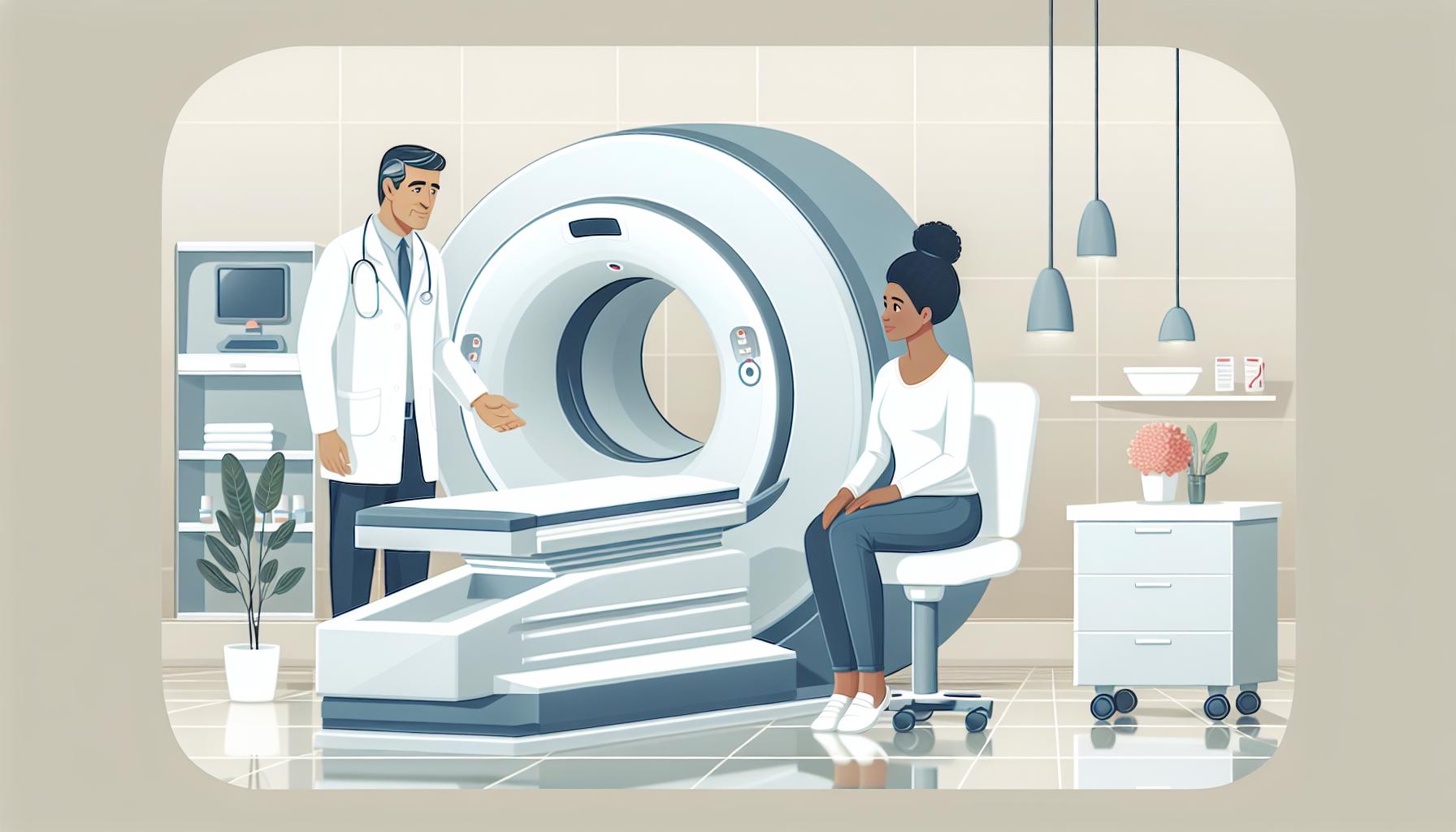
How Insurance Affects Your CT Scan Cost
Navigating insurance coverage for a CT scan can feel overwhelming, but understanding how it affects your costs is essential for effective financial planning. Insurance plans vary widely, and not all facilities might accept the same policies. For example, a CT scan that might be fully covered at one hospital could result in significant out-of-pocket expenses at another. Patients are encouraged to research the specific imaging centers in their area and verify which insurance plans they accept. This proactive approach can prevent surprises at billing time and help patients make informed choices that fit their budgets.
Many insurance plans also include specific coverage criteria; for instance, scans deemed medically necessary typically have better coverage than those performed for screening purposes. Depending on your plan, you may encounter co-pays, deductibles, and coinsurance, all of which can influence the final cost of your scan. It’s crucial to contact your insurance provider to clarify details about coverage limits, what constitutes medical necessity, and how much you might owe after services rendered. This initial legwork can save you from unexpected bills and facilitate smoother discussions with healthcare providers.
Furthermore, understanding the timing of your procedure can also affect insurance claims. Some patients find that scheduling their scans at the beginning of the calendar year, post-deductible resets, yields lower expenses. Meanwhile, patients who require multiple procedures may consider bundling them to minimize overall costs.
Insurance shouldn’t be a barrier to accessing necessary healthcare services, so don’t hesitate to ask your provider or the imaging center for assistance in understanding your costs. Engage with professionals who can provide clarity tailored to your individual health insurance landscape, ensuring that you are well-informed about financial aspects before undergoing a CT scan. Most importantly, remember that being proactive in your understanding can lead to reduced anxiety and a more empowered approach to your healthcare decisions.
Additional Fees: Hidden Costs to Consider
Many patients feel a sense of relief once they understand the basic cost of a CT scan, but it’s important to recognize that additional fees can quickly accumulate and transform an expected expense into a financial burden. Hidden costs associated with CT scans often come as a surprise, making it essential for patients to explore these potential charges prior to their appointment, thus allowing for better financial planning and less stress.
Several factors can contribute to hidden costs related to CT scans. For instance, facility fees can vary widely between hospitals and outpatient imaging centers; even the same scan may be priced differently depending on where it’s performed. Another common hidden cost involves the use of contrast materials, which may be necessary for certain types of scans. If this is the case, inquire whether these materials are included in the initial price or billed separately. Additionally, take into consideration pre- and post-procedure requirements, which can include blood tests or follow-up consultations, each potentially adding to your total expenses.
Another aspect to consider is the radiologist’s fee, which is typically charged for interpreting the results of your scan. This fee is often separate from the imaging facility’s charges and can add significantly to your overall cost. To avoid any unexpected charges, patients are encouraged to ask upfront about all associated fees during their consultation with healthcare providers. Engaging in open conversations about finances can foster a more transparent and reassuring experience.
Lastly, always double-check your insurance coverage regarding additional costs. Policies may have specific networks, and treatments performed outside of these networks could incur extra charges. By understanding the complete potential cost structure and being proactive in discussions with insurance providers and imaging facilities, you can mitigate surprises, ensuring that your focus remains on health and well-being rather than financial anxieties.
What to Expect from Your CT Scan Experience
Many patients find themselves anxious before undergoing a CT scan, often wondering what to expect during the experience. Knowing the process can significantly reduce stress and allow you to focus on your health. A CT scan, or computed tomography scan, is a crucial diagnostic tool that helps doctors observe the internal structures of your body. The procedure is typically quick, usually taking only 10 to 30 minutes, depending on the type of scan required.
Upon arrival at the imaging center, you will be greeted by staff members who will guide you through the process. Before the scan, you may be asked to change into a gown and remove any metal objects such as jewelry that could interfere with the imaging process. If your scan requires the use of contrast material-either taken orally or injected-be sure to openly discuss any allergies or previous reactions to contrast agents with your healthcare provider.
During the scan itself, you will lie down on a motorized table that slides into the circular opening of the CT machine. It’s essential to remain still during the imaging process, as movement can blur the images. You may hear humming or clicking noises from the machine; this is entirely normal and indicates that the scan is working effectively. The technologist monitoring the procedure will be in a separate room but will communicate with you through a speaker. If you feel uncomfortable at any time, don’t hesitate to express your concerns.
After the scan, the images will be reviewed by a radiologist, who will send a report to your doctor. Depending on the facility, you might receive preliminary results the same day, or you may need to wait a few days for the complete interpretation. Asking your healthcare provider about when and how to expect results can help manage your anxiety and keep you informed every step of the way. Remember, being prepared and informed contributes greatly to a smoother CT scan experience.
Preparing for Your CT Scan: Patient Guide
Preparing for a CT scan can be a crucial step in ensuring the procedure goes smoothly and effectively. Many patients are understandably nervous before their appointment, but knowing what to expect can alleviate some of that anxiety. A CT scan is not only a diagnostic tool but also a window into understanding your health better, and a little preparation can make all the difference.
Start by discussing your upcoming scan with your healthcare provider. Ask specific questions about what the scan entails, the type of contrast (if any) that will be used, and how to best prepare. For instance, you might need to fast for a few hours before your appointment, especially if contrast material is involved. It’s crucial to inform your doctor of any allergies or medical conditions that might affect the procedure, particularly if you have a history of reactions to contrast agents.
Here are some key preparation tips to consider:
- Clothing: Wear comfortable, loose-fitting clothing, and avoid anything with metal, such as zippers or jewelry, which could interfere with the imaging process. You may be asked to change into a gown upon arrival.
- Contrast Preparation: If your scan involves contrast material, follow your doctor’s instructions carefully. You might need to drink a contrast liquid or have a contrast agent injected.
- Medication: Continue taking your prescribed medications unless instructed otherwise. However, you should consult your healthcare provider regarding any medications that may require special attention during your preparation.
- Arrival: Arrive early to allow time for check-in and any last-minute instructions from the staff. This may help reduce stress and allow you to become comfortable with the surroundings.
During your CT scan, remember that it is natural to feel apprehensive. The technology used is advanced and designed to provide high-quality images. As you lie on the scanning table, a technologist will guide you through the process, communicating with you on what to expect. Rest assured that it typically only takes a short amount of time, and you will not feel any pain during the procedure.
Lastly, knowing how to prepare for your CT scan not only equips you with valuable information but also empowers you in your healthcare journey. By being informed and ready, you can approach your scan with confidence, allowing your medical team to focus on providing you the best care possible.
Are Low-Cost CT Scans Safe and Reliable?
While exploring options for medical imaging, you might come across low-cost CT scans that promise substantial savings. However, it’s vital to approach these offers with caution and discernment. The price of a CT scan can vary dramatically based on factors such as location, facility type, and the complexity of the imaging required. It’s understandable to seek affordability, but prioritizing quality and safety is equally essential.
When considering a low-cost CT scan, investigate the facility’s accreditation and reputation. Accredited facilities adhere to strict safety and quality standards, ensuring that both the equipment and the personnel involved in your care meet rigorous benchmarks. Don’t hesitate to ask about the qualifications of the radiologists interpreting the scan. Reliable facilities will often employ experienced professionals who are certified in diagnostic imaging. Moreover, reading reviews or seeking referrals can provide additional insights into the safety and reliability of the service provided.
Potential Risks and Considerations
Going for a low-cost option does not always guarantee that the scans will be performed with the same level of equipment quality or expertise found in pricier facilities. Inferior machines may produce lower-quality images, leading to missed diagnoses or the need for repeat scans, which can undermine your savings. Additionally, some low-cost facilities may not have access to advanced imaging technology or the latest software, potentially impacting the accuracy of your results.
As you navigate your options, remember to weigh the cost against your health needs. Discuss with your healthcare provider if a low-cost scan is suitable for your situation. They can guide you in ensuring that you receive the best care while managing expenses appropriately. Ultimately, your health journey is paramount, and making informed choices about where and how to obtain a CT scan will lead to better health outcomes.
In summary, while low-cost CT scans may initially appear more appealing, understanding the potential implications for quality, safety, and care can better prepare you for a positive imaging experience. Always prioritize facilities with strong professional reputations and give proper attention to your healthcare needs.
Comparing Costs: Private vs. Public Imaging Centers
Navigating the landscape of medical imaging can feel daunting, particularly when it comes to understanding the costs associated with CT scans. Whether you are choosing a private imaging center or a public facility, the differences in pricing can significantly impact your healthcare experience. Generally, private imaging centers tend to charge more than their public counterparts, but the gap can vary widely based on location and the types of services offered.
One essential factor to consider is the range of services available at each type of facility. Private centers often provide advanced technology and shorter wait times, which can lead to faster diagnoses. For instance, many private facilities offer specialized imaging services that may not be available in public hospitals, such as 3D imaging or specialized contrast materials. This could justify the higher fees, especially if quicker service translates to better health outcomes.
Conversely, public imaging centers often operate under lower overhead costs and may have subsidized programs, resulting in more affordable prices. These facilities are usually equipped to handle a large volume of patients and may conduct numerous scans each day, allowing them to spread costs more efficiently. However, it’s important to note that the waiting time for appointments in public centers can be longer, which may not suit everyone’s immediate healthcare needs.
When comparing costs, it can be helpful to prepare a list of questions to ask each facility. Inquire about the total cost of the CT scan, what is included in that fee (like consultation, imaging, and report generation), and whether any follow-up imaging may be necessary. Understanding the financial structure can help you make informed choices and reduce unexpected expenses. Always discuss your findings with your healthcare provider to ensure that you select the option that best fits your medical and financial needs.
In summary, the decision between private and public imaging centers involves assessing trade-offs between cost, quality, location, and urgency. The best choice is ultimately one that aligns with your healthcare goals while being mindful of potential financial impact.
Emergency CT Scans: Cost Considerations
When a medical emergency strikes, every second counts, and a CT scan can be a vital tool in diagnosing life-threatening conditions such as internal bleeding or stroke. However, the urgency of needing an emergency CT scan does not diminish the importance of understanding the potential costs involved. Emergency CT scans can often be more expensive than standard procedures due to the immediate nature of the service, requiring rapid turnaround and potentially specialized imaging protocols.
In emergency settings, the cost of a CT scan can vary widely based on several factors, including the facility’s location, the complexity of the scan, and whether the scan requires contrast materials. On average, patients can expect to pay anywhere from $300 to $3,000 depending on their geographical area and the specific circumstances of their emergency. Public hospitals may offer lower rates, especially if they are subsidized or part of a larger health system, while private facilities might charge more due to additional services like faster access and convenience.
To better understand potential costs, it’s wise to consider a few key elements before an emergency arises. Familiarize yourself with your insurance policy and the facilities available to you. Some insurance plans cover emergency CT scans extensively, while others may have limitations based on the provider’s network. Additionally, when receiving treatment, be proactive in asking questions about costs, such as whether the facility anticipates follow-up imaging and how that might affect your total bill. This can help mitigate any unexpected expenses, giving you peace of mind in an otherwise stressful situation.
For those concerned about the financial implications of an emergency CT scan, consider inquiring about payment plans or financial assistance programs available at the facility. Many hospitals and imaging centers recognize the burden of unexpected medical costs and may offer solutions to help alleviate this stress. Being informed and prepared can empower you to focus on what truly matters: receiving the necessary care to ensure your health and well-being.
Financing Options for CT Scan Expenses
Unforeseen medical expenses can be a significant source of stress, especially when it comes to necessary procedures like CT scans. Understanding your financing options can alleviate some of this burden and empower you to make informed decisions regarding your healthcare. Many imaging centers and hospitals offer flexible payment solutions that cater to various financial situations, making it easier for patients to access essential diagnostic services without having to worry excessively about immediate costs.
One of the most widespread financing options comes in the form of payment plans. Many facilities allow patients to break down the total cost of their CT scans into manageable monthly payments, which can significantly ease financial strain. It’s crucial to inquire about these plans upfront, as details will vary by provider. Another consideration is to ask if the facility provides discounts for upfront payments or for those who are uninsured, as this can lead to considerable savings.
In addition to direct payment plans, many hospitals and imaging centers participate in financial assistance programs designed to help low-income patients. These programs may offer reduced fees based on your income or other personal circumstances, ensuring that cost does not become a barrier to receiving necessary care. For those with health insurance, it’s advisable to contact your provider to understand your plan’s coverage for CT scans. Some plans may also offer health savings accounts (HSAs) that allow patients to set aside pre-tax dollars for medical expenses, providing another avenue for managing costs.
Lastly, for patients facing overwhelming costs, certain charitable organizations can assist with medical bills related to diagnostic imaging. These resources can provide financial support or connect patients to local programs that facilitate access to healthcare services without the toll of high costs. By being proactive in exploring these options, you not only prepare financially but can also focus more on your health and wellness during what can be a stressful time.
Finding Affordable CT Scans Near You
Finding an affordable CT scan in your area doesn’t have to be an overwhelming task. With some proactive research, you can uncover options that fit your budget while still providing the necessary quality of care. Start by reaching out to various imaging centers and hospitals, as prices can vary significantly based on location and type of facility. Many centers have established a reputation for budgeting-friendly pricing while maintaining high standards of equipment and service.
To make your search easier, consider the following steps:
- Compare Prices: Use online resources and local directories to compare prices of CT scans among different facilities. Websites dedicated to health care pricing can be particularly useful.
- Ask About Promotions: Some imaging centers may offer discounts or promotional rates for cash payments, particularly for self-pay patients. Don’t hesitate to ask if this option is available.
- Look for Community Health Programs: Local health programs or community clinics often provide diagnostic services at reduced rates for uninsured or low-income patients.
- Consult with Your Doctor: Your primary care physician can often direct you to affordable and reputable imaging centers. They may also help negotiate costs with providers if necessary.
By gathering information ahead of time and being open about your financial concerns, you empower yourself to make informed choices. Remember, while cost is a crucial factor, ensuring you receive quality care is equally important. In your pursuit of affordable options, aim for facilities that guarantee the reliability and safety of their imaging technology, maintaining an emphasis on overall patient care.
Frequently asked questions
Q: How much does a CT scan cost without insurance?
A: A CT scan typically costs between $300 and $3,000 without insurance, depending on the type of scan and location. To find affordable options, consider calling multiple imaging centers and comparing their prices, as significant variations can exist regionally.
Q: What factors can increase the cost of a CT scan?
A: Factors that can increase CT scan costs include the type of scan required, whether contrast dye is needed, the facility’s location, and additional services like interpretation by a specialist. Review the “Factors Influencing CT Scan Prices” section for more detailed insights.
Q: Are there regional differences in CT scan prices?
A: Yes, CT scan prices can vary significantly by region due to local healthcare costs and competition among providers. It’s advisable to check the “Regional Price Variations” section of the guide for specific regional comparisons.
Q: Can I negotiate the cost of a CT scan?
A: Yes, negotiating the cost of a CT scan is possible, especially if you are paying out-of-pocket. Contact the imaging facility directly and inquire about payment plans, discounts, or any potential options they may offer to reduce costs.
Q: How does the location of the imaging center affect CT scan costs?
A: The location greatly influences CT scan costs, as urban centers often have higher prices due to overhead costs. To save money, consider looking for facilities in less populated areas or those affiliated with universities, which may offer competitive rates.
Q: What should I know before scheduling a CT scan?
A: Prior to scheduling a CT scan, check if pre-authorization from your insurance is required, understand the total estimated cost, and ensure that you follow any specific preparation instructions provided by the facility.
Q: Are there special discounts available for CT scans?
A: Many imaging centers offer discounts for uninsured patients, cash payments, or through special programs. Inquire directly with the facility or check their website for any available promotional offers.
Q: How can I find low-cost CT scans nearby?
A: To find low-cost CT scans near you, search online for medical imaging centers, use healthcare comparison websites, or consult with your healthcare provider for recommendations on affordable local options.
Wrapping Up
Understanding the costs associated with CT scans is crucial for making informed healthcare choices. By comparing prices regionally, you can find the best options for your needs without compromising on quality. If you still have questions about how to prepare for a CT scan or want more information about costs, we invite you to check out our comprehensive guides on patient preparation and imaging procedures.
Don’t let uncertainties hold you back-explore more valuable content that can demystify medical imaging and empower your healthcare journey. Whether you’re considering a CT scan or looking into other imaging options, our resources are here to support you. Share your thoughts or experiences in the comments below, and be sure to subscribe to our newsletter for updates on the latest in medical imaging and healthcare tips. Your health is worth the investment, so take the next step today!