When your beloved dog is facing health issues, getting a precise diagnosis can be a crucial step in their care. A CT scan offers detailed insights into their condition, revealing problems that traditional X-rays might miss. However, understanding the costs associated with this advanced imaging can be daunting for pet owners.
The price of a dog CT scan varies widely, typically ranging from $1,000 to $3,500, depending on factors like the type of facility and the need for anesthesia. This financial aspect can often add to the stress of an already worrisome situation. By exploring the costs and what contributes to them, you can prepare effectively and make informed decisions about your pet’s health care options.
Join us as we delve deeper into the factors influencing the cost of canine CT scans and discover ways to alleviate some of the financial burdens. Your furry friend’s well-being is worth every effort, and being equipped with knowledge helps you navigate this journey with confidence.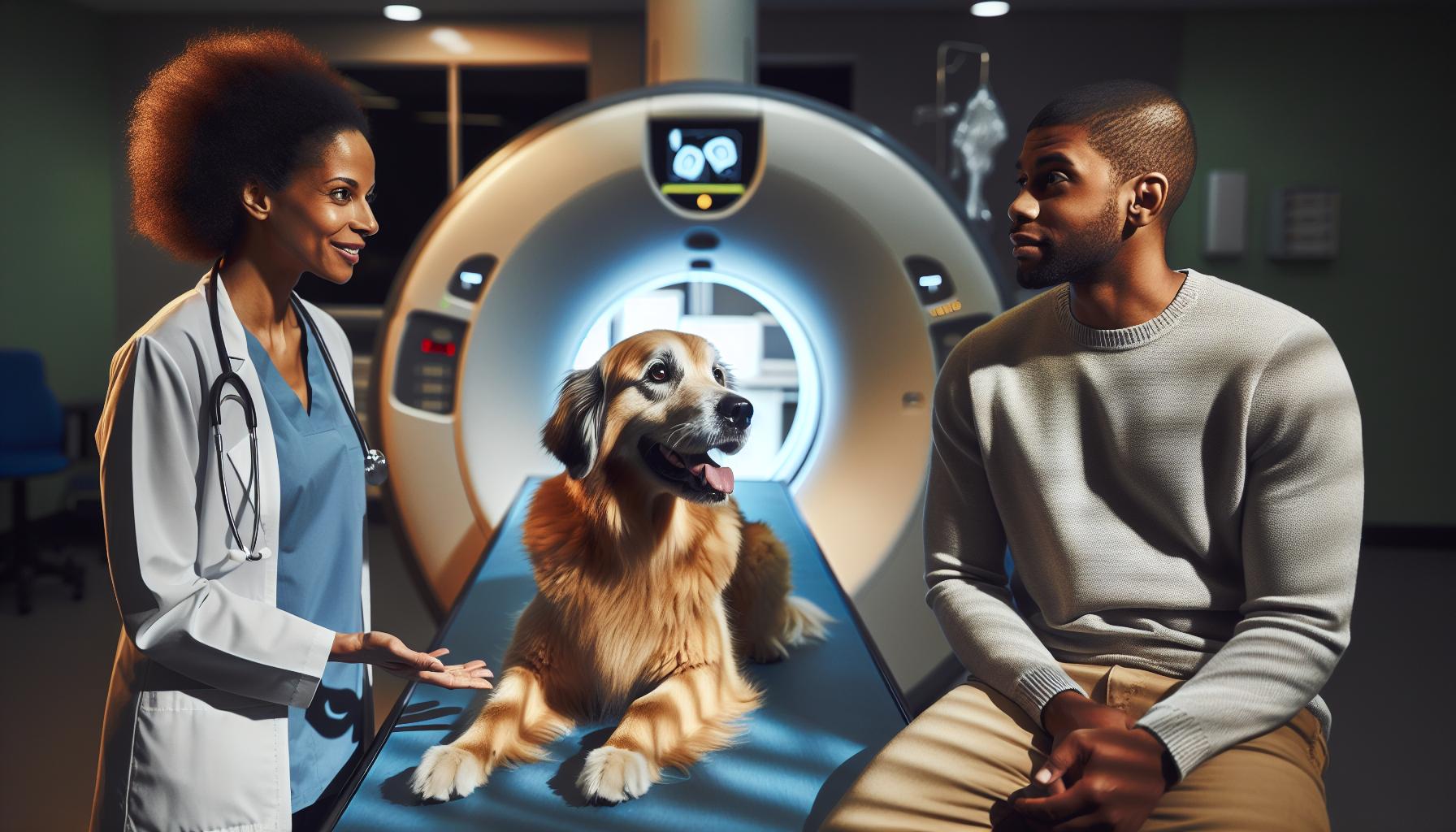
Understanding the Cost Factors of Dog CT Scans
When considering a CT scan for your dog, understanding the various factors that contribute to the overall cost can help alleviate any financial concerns. The pricing for canine CT scans typically ranges between $500 and $2,500, influenced by several key variables. These factors include the complexity of the required imaging, the geographical location of the veterinary facility, and whether anesthesia is necessary-this can significantly increase the costs associated with the procedure.
Furthermore, the type of veterinary practice plays a role in pricing; specialized diagnostic centers may charge differently than regular clinics or emergency veterinary hospitals. Additional tests that may be necessary alongside the CT scan can further impact the total bill. It’s important to have a candid discussion with your veterinarian about all potential costs, including follow-up consultations to interpret results or additional procedures that may arise based on the findings from the CT scan.
To effectively manage expenses, pet owners might consider exploring pet insurance that covers diagnostic imaging. Some policies are comprehensive enough to partially or fully reimburse the costs associated with a CT scan, thereby reducing the financial burden. Additionally, asking for an estimate prior to the appointment and researching local clinics that may offer sliding scale fees or payment plans can provide financial relief during stressful times. Ultimately, being informed about these cost factors enables you to make the best decisions for your dog’s health while also staying within your budget.
What Is a CT Scan for Dogs?
A CT scan, or computed tomography scan, is a sophisticated imaging technique that produces detailed cross-sectional images of a dog’s internal structures, including bones, organs, and soft tissues. This advanced technology uses X-rays and computer processing to generate a series of images that allow veterinarians to evaluate a wide range of conditions related to your pet’s health. Whether diagnosing a tumor, assessing an injury, or planning for surgery, a CT scan provides invaluable information that can be crucial in developing an effective treatment plan.
Unlike traditional X-rays, which offer only a two-dimensional view, a CT scan creates three-dimensional images that reveal the precise location and size of potential abnormalities. This means that if your veterinarian suspects an issue but needs clearer insights, a CT scan can help eliminate ambiguity and provide a more comprehensive understanding of your dog’s condition. The procedure is non-invasive although it may require sedation, ensuring that your dog remains still during the scan to generate the most accurate results.
It’s important to prepare for the possibility of a CT scan if your veterinarian recommends it following an initial examination or other diagnostic tests. Knowing what to expect and understanding the benefits of the scan can help ease your worries and allow for prompt intervention if needed. Understanding the nature of the procedure not only strengthens the bond of trust between you and your veterinarian but also empowers you to make informed decisions regarding your dog’s healthcare. Always consult with your veterinary team for personalized advice tailored to your dog’s specific health needs.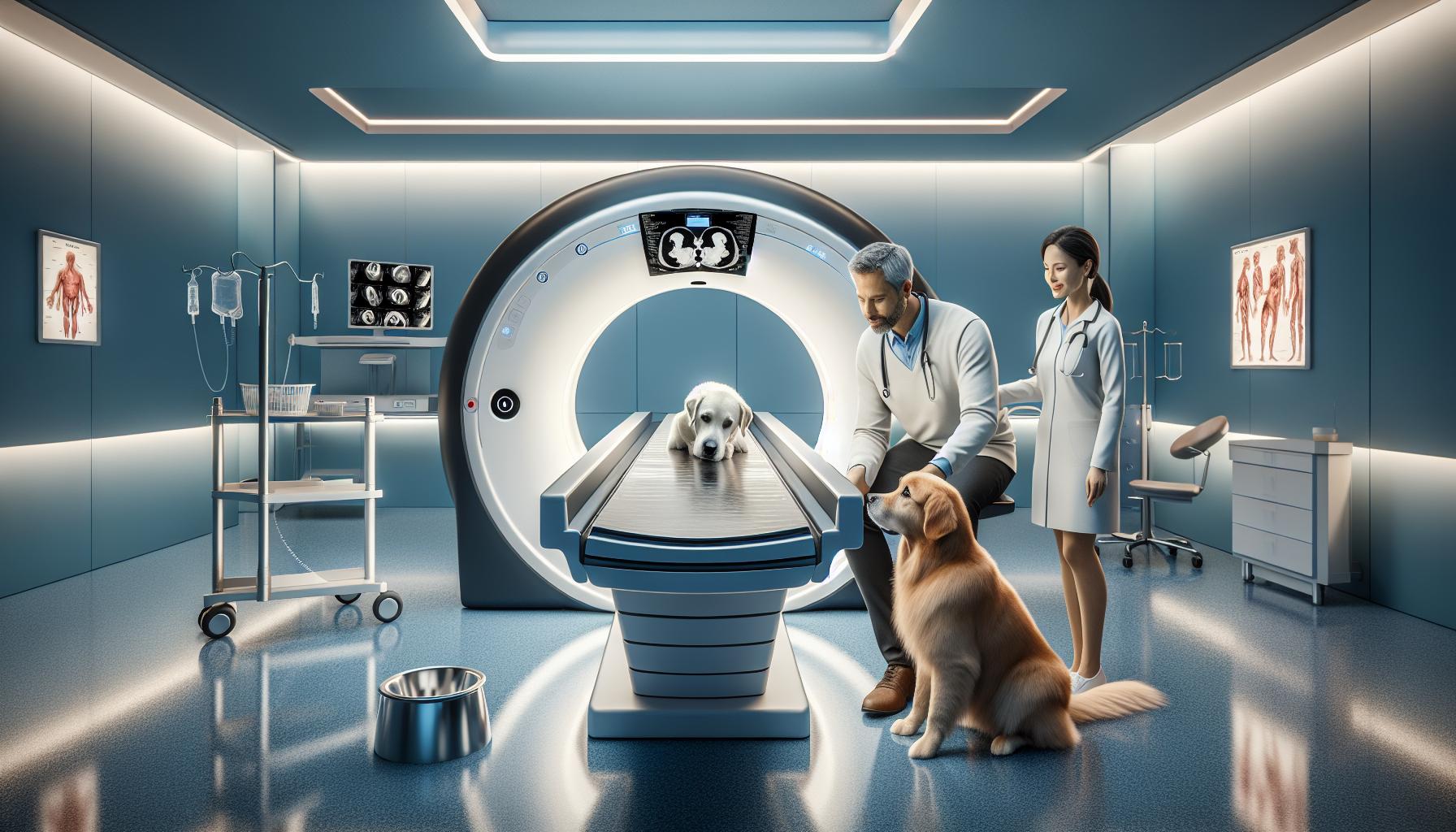
The Benefits of Dog CT Scans
Understanding the intricate health issues that can affect dogs is paramount for any pet owner. A CT scan for dogs stands out as a powerful tool in the veterinary diagnostic toolkit, offering a level of detail that traditional imaging methods cannot provide. This advanced imaging technique is incredibly beneficial, as it allows veterinarians to view internal structures in three dimensions. By harnessing the precision of CT scans, veterinary professionals can pinpoint abnormalities with remarkable clarity, aiding in the diagnosis of conditions ranging from tumors to complex fractures.
One of the key advantages of a dog CT scan is its non-invasive nature. While the procedure typically requires sedation to keep the pet still, it incurs minimal discomfort and avoids the need for more invasive diagnostic procedures-such as exploratory surgery-which can carry greater risks. Additionally, the insights gained from a CT scan can often lead to faster treatment decisions. For instance, if a dog is suspected to have a tumor, a CT scan can provide the size and exact location, enabling targeted surgical planning without unnecessary delay.
Consider a scenario where your dog has been suffering from unexplained pain. Initial examinations and standard tests might yield inconclusive results. A CT scan can reveal underlying conditions like intervertebral disc disease or lung tumors that might not be visible through simpler imaging techniques. This ability to uncover hidden issues not only helps in tailoring appropriate treatment but also improves the prognosis by facilitating early intervention.
Overall, the investment in a CT scan can be seen in the context of pet health as a proactive measure. With costs often reflective of the advanced technology and expertise involved, many pet owners find that the cost is justified by the potential for a clear diagnosis and an effective treatment plan. Always engage in open discussions with your veterinarian about the costs associated with diagnostic imaging, exploring how early detection through a CT scan could ultimately save on more extensive treatments later on. This collaborative approach to healthcare empowers you as a pet owner to make informed decisions that directly benefit your furry companion’s health.
Average Prices for Dog CT Scans: A Detailed Breakdown
Understanding the costs associated with a CT scan for your dog is essential for making informed healthcare decisions. On average, pet owners can expect to pay between $1,000 and $3,500, depending on several factors such as the clinic’s location, the complexity of the scan, and whether the procedure is scheduled in advance or on an emergency basis. It’s important to discuss these costs with your veterinarian to get a clear estimate based on your dog’s specific needs.
Cost Breakdown
Several elements contribute to the overall cost of a CT scan for dogs:
- Type of Clinic: General veterinary clinics typically charge between $1,500 and $2,500 for a CT scan, while specialty hospitals may increase the price to $2,000 to $3,500 depending on the expertise required.
- Location: Geographic location can significantly affect prices; urban areas might have higher fees compared to rural settings.
- Anesthesia: If sedation is needed to keep your dog still during the procedure, this can add extra costs, typically ranging from $100 to $300.
- Additional Services: Preliminary consultations, contrast dyes, or follow-up imaging may also influence the total price.
Veterinary care is always an investment in your pet’s health, and understanding these costs can help ease any anxiety about the procedure. Many pet owners find that the benefits of a timely and accurate diagnosis provided by a CT scan far outweigh the financial considerations, especially when faster treatment can lead to better health outcomes for their beloved companions. Remember to consult with your veterinarian about potential financing options or pet insurance coverage that can help alleviate the financial burden associated with these vital procedures.
Insurance Coverage for Pet CT Scans
Navigating the financial side of your dog’s healthcare can often induce anxiety, particularly when considering procedures like CT scans that can range significantly in cost. Fortunately, many pet owners can alleviate some of this financial concern through pet insurance. Most comprehensive pet insurance policies cover a significant portion of diagnostic procedures, including CT scans, once you meet your deductible. This means that instead of facing the high upfront costs, you can share the financial responsibility with your insurance provider.
It’s essential to understand the specifics of your policy. Coverage can vary widely among insurance providers, so it’s crucial to check the terms related to diagnostic imaging. Some policies may require prior authorization or have specific exclusions. Furthermore, remember that insurance companies typically reimburse you after you submit the claim; hence, you may need to be prepared for an initial outlay of funds at the veterinarian’s office.
Many pet owners find peace of mind knowing that their insurance provides a financial safety net, allowing them to focus on their pet’s health rather than the financial burden of treatments. In addition, choosing an insurance plan with coverage for wellness exams and major medical care can offer the most comprehensive protection for unexpected health concerns, including the need for advanced imaging like CT scans.
To maximize your insurance benefits, keep a detailed record of all veterinary visits, procedures, and expenses. Open communication with both your vet and the insurance company can enhance your understanding of what is covered and how to navigate the claims process effectively. By being proactive about your pet’s insurance coverage, you can focus on what truly matters: ensuring your beloved companion receives the best possible care without undue financial stress.
Preparing Your Dog for a CT Scan: Essential Steps
An upcoming CT scan can seem daunting for both you and your dog, but proper preparation can make the experience smoother and less stressful. Understanding the steps you need to take can alleviate your worries and ensure that your pet receives the necessary care without unnecessary complications. It’s essential to follow your veterinarian’s specific instructions, as every pet may have unique needs based on their health and circumstances.
Before the appointment, it’s crucial to restrict your dog’s food intake for a certain period. Typically, your vet will recommend fasting for about 8 to 12 hours before the scan. This fasting helps ensure a clear view during imaging, especially if sedation is required. Additionally, make sure your dog is well-hydrated prior to the scan, as comfortable hydration can help in managing the process. On the day of the appointment, bring your dog’s favorite blanket or toy for comfort and a familiar smell, which can help reduce anxiety.
When you arrive at the clinic, be prepared to provide any necessary medical history and medications your dog is currently taking. If your dog has anxiety issues, discuss this with your vet beforehand; they may offer calming medications or techniques to help ease your dog into the process. Remember to keep your mood calm and reassuring; dogs often pick up on their owners’ emotions, so your demeanor can significantly affect how they react to the situation.
Lastly, understand the financial aspects of the procedure. Knowing that the typical costs for a CT scan range from $1,500 to $3,500 can help you brace for the financial commitment required[[1]](https://beagooddog.com/how-much-is-a-ct-scan-for-dogs/); however, it’s important to consult with your veterinary clinic about precise pricing, as they may have different structures based on location and service quality. Being well-prepared and informed can create a more favorable experience for both you and your furry companion, ensuring that you can focus on their health and well-being.
What to Expect During Your Dog’s CT Scan
A CT scan is a valuable tool in veterinary medicine, offering a non-invasive way to visualize your dog’s internal organs and structures in great detail. When you arrive at the veterinary clinic for the procedure, your dog will likely be placed on a padded table designed to secure them comfortably during the scan. This setup is essential for producing clear images, as even the slightest movement can affect the results.
Before the scan begins, the veterinary staff will ensure that your dog is calm and relaxed. If sedation is necessary, it will be administered to help your dog remain still and comfortable. The entire scanning process is typically quick, often taking only about 30 minutes to an hour. During this time, your dog will be monitored closely by a veterinary technician or veterinarian who will stay with them throughout the procedure. They’ll also ensure that safety protocols are observed, making the experience as stress-free as possible.
Once your dog is positioned correctly within the CT scanner, the machine will start taking images. It works by rotating around your dog, capturing multiple layers of images that will later be compiled into detailed cross-sectional views. The sounds of the machine may be unfamiliar or slightly loud, but well-trained veterinary staff will make every effort to keep your dog calm. It’s common for clinics to have soothing music or similar techniques in place to create a reassuring atmosphere.
After the scan is complete, the veterinary team will assist your dog as they recover from sedation, if used. You will receive information on post-scan care and next steps, including when to expect results and any follow-up actions that may be recommended based on the findings. This straightforward and carefully monitored process aims to provide you with the vital information needed to make informed decisions about your dog’s health while ensuring their experience is as pleasant and untroubled as possible.
Post-CT Scan Care and Considerations
After your dog’s CT scan, it’s common for pet owners to feel anxious about the aftermath and what they should do next. Providing the proper care post-scan is crucial for your dog’s comfort and recovery-especially if sedation was used during the procedure. Your veterinarian will generally provide specific instructions, but here are some general guidelines.
First and foremost, allow your dog a quiet space to rest after the scan. Sedation can leave them feeling disoriented or sluggish. Monitor your dog closely for the first few hours to ensure they are recovering well. Watch for signs of discomfort, such as excessive whining or difficulty moving around. While most dogs bounce back quickly, it’s always better to be cautious. Providing a calm and safe environment, with familiar bedding and toys, will help your dog feel secure.
It’s also essential to keep food and water available, but you may want to wait a few hours before offering any meals. If the vet administered anesthesia, it’s advisable to delay food until your dog is fully alert and stable. When feeding resumes, consider offering small, easily digestible meals to prevent any stomach upset.
In addition, stay alert for any unusual behavior or symptoms, such as vomiting, diarrhea, or lack of appetite, which may warrant a follow-up call to your veterinarian. They can advise you on any specific signs that require immediate attention and help alleviate your concerns. Your follow-up appointment may already be scheduled, but if any questions arise from the scan or recovery process, don’t hesitate to reach out.
Effective communication with your veterinary team will empower you to provide the best care. Ask about the results timeline-understanding when you can expect the findings will help you manage your own expectations while preparing for potential next steps in your dog’s treatment or care. With adequate support and information, you can ensure your furry friend’s recovery is as smooth as possible.
Common Conditions Diagnosed with Dog CT Scans
CT scans for dogs are invaluable diagnostic tools that allow veterinarians to visualize the internal structures of canine patients with remarkable clarity. This advanced imaging technique can identify a wide range of conditions that may not be detected through standard X-rays or physical examinations, making it a critical step in diagnosing and managing many health issues.
Among the common conditions that can be diagnosed with a CT scan are:
- Brain Tumors: CT scans can reveal the presence of tumors or lesions in the brain, providing essential information for treatment planning.
- Sinus Issues: For dogs with chronic nasal discharge or breathing difficulties, CT scans can help visualize the sinuses to diagnose infections or structural abnormalities.
- Bone Fractures: Complex fractures, particularly those that are not clearly visible on X-rays, can be accurately assessed with a CT scan.
- Abdominal Disorders: Conditions affecting internal organs, such as the liver, spleen, and pancreas, can be evaluated through detailed images, helping to identify tumors, cysts, or other abnormalities.
- Lung Disease: Lung infections or masses can be clearly delineated, allowing veterinarians to stage disease and determine appropriate treatment.
- Joint Problems: CT scans may assist in diagnosing conditions like osteoarthritis or joint injuries by providing a 3D view of the joint structures.
Because CT scans provide high-resolution images, they often reveal subtle changes in anatomy, making them a preferred choice for diagnosing diseases in their early stages. Additionally, they are particularly useful for surgical planning, as they help veterinarians understand the complexity of the condition before proceeding with invasive procedures. Keep in mind that the decision to conduct a CT scan should always be made in consultation with your veterinarian, who can assess your dog’s unique needs and guide you through the diagnostic process.
Comparing CT Scans to Other Imaging Techniques
When it comes to diagnosing health issues in dogs, a variety of imaging techniques are available, each with its strengths and limitations. Understanding how a CT scan compares to other modalities such as X-rays, ultrasounds, and MRIs can help pet owners make informed decisions about their dog’s care.
CT scans, or computed tomography scans, offer detailed cross-sectional images of a dog’s internal structures. They excel at visualizing bone and soft tissue, making them particularly useful for diagnosing complex fractures and internal disease. In contrast, standard X-rays are less detailed and may not reveal certain issues, especially soft tissue abnormalities. For instance, while X-rays can indicate fractures, a CT scan can provide a clearer picture of the fracture’s complexity, which is crucial for planning surgical interventions.
Ultrasound, another common imaging technique, uses soundwaves to create images of internal organs. It is excellent for examining soft tissues and fluid-filled structures, such as the abdomen. While ultrasounds can assist in diagnosing conditions such as cysts or tumors, they do not provide the same level of detail about the bone and are limited in their ability to produce a comprehensive overview of intricate conditions. In some cases, veterinarians might recommend both a CT scan and an ultrasound to cross-reference findings and ensure a thorough examination.
MRI (Magnetic Resonance Imaging) is yet another imaging option, particularly useful for viewing soft tissues such as the brain and spinal cord. MRI scans provide detailed images but are often more expensive and time-consuming compared to CT scans, which can be a significant consideration for dog owners. Moreover, MRI facilities may not be available in all veterinary practices, necessitating a referral to a specialized center.
In conclusion, while each imaging technique has its specific applications, dog owners should consult with their veterinarians to determine the most appropriate option for their pet’s needs. Factors such as cost, availability, and the nature of the suspected condition will influence the choice of imaging, ensuring that your dog receives the best possible care.
Finding the Right Veterinary Clinic for Your Dog’s CT Scan
is essential for ensuring your pet receives the best possible care. With advanced technology like CT scans being vital for diagnosing complex health issues, selecting a clinic equipped with the appropriate expertise and equipment can make all the difference. Here are some key factors to consider when choosing a veterinary practice for this procedure.
First, it’s important to verify that the clinic is equipped with a high-quality CT scanner. Not all veterinary hospitals have this specialized imaging technology. Call ahead to inquire about their capabilities and whether they have a certified veterinary radiologist available to interpret the results. A clinic that collaborates closely with veterinary specialists will often have more experience in diagnosing specific conditions and can provide a thorough analysis of the results.
Next, evaluate the clinic’s reputation by reading reviews and seeking recommendations from fellow pet owners. Online platforms, social media, and forums dedicated to pet care can provide insights into the overall experience of other dog owners. Pay attention to feedback regarding the staff’s compassion, willingness to answer questions, and the level of care provided. It’s essential for you to feel comfortable and supported throughout the entire process, as a positive environment can significantly reduce anxiety for both you and your dog.
Moreover, don’t hesitate to ask about the costs associated with the CT scan. Prices can vary significantly from one clinic to another, depending on factors such as location, the complexity of the scan, and the additional services offered. Request a detailed breakdown of the costs involved-this not only helps in budgeting but also allows you to make informed comparisons between different facilities.
Lastly, consider the clinic’s approach to pre-scan information and pet preparation. A good facility will provide you with clear guidelines on how to prepare your dog for the procedure, ensuring that both you and your pet are well-informed and comfortable. This includes fasting requirements, how to manage any medications, and what to expect during the visit. Engaging with the veterinary staff about these concerns will empower you to make the best decision for your dog’s health.
By taking these steps and considering the factors mentioned, you empower yourself to find a veterinary clinic that prioritizes your canine companion’s health and well-being. Remember, consulting with your primary veterinarian can also be beneficial, as they can provide personalized recommendations based on your dog’s specific needs.
Real-Life Stories: Dog CT Scan Experiences
In a world where our pets can’t voice their problems, many pet owners find themselves grappling with uncertainty when their furry companions require advanced medical imaging like CT scans. For one dog owner, the experience was transformative. After her beloved Golden Retriever, Max, exhibited signs of persistent vomiting and lethargy, a vet recommended a CT scan to rule out any serious underlying issues. The initial thought of the procedure was daunting, but knowing that an accurate diagnosis could lead to effective treatment reassured her. When she learned that the costs of CT scans generally range from $1,500 to $3,500, the financial aspect felt overwhelming, but she recognized the necessity for Max’s health.
Another family’s experience highlights the crucial role of effective communication between the vet and pet owner. When their Shih Tzu, Bella, was diagnosed with a nasal tumor, the veterinarian explained the necessity of a CT scan to assess the extent of the growth. During the consultation, the vet provided a detailed breakdown of potential costs, including additional fees for anesthesia and follow-up care. This transparency not only strengthened the family’s trust but also enabled them to prepare financially. After the scan, the results pointed towards a treatment plan that offered hope, transforming their worries into a proactive approach for Bella’s recovery.
Support and Reassurance
Navigating the path to a CT scan can sometimes feel isolating. It’s essential to remind ourselves that many have walked this path and emerged with positive outcomes. One pet owner shared that by connecting with a support group of fellow pet parents, she gathered invaluable insights and testimonies that eased her anxiety regarding the procedure. Hearing about others’ experiences helped her understand more about the process, the importance of CT scans in diagnosing issues like tumors or internal injuries, and even tips on preparing her dog for the visit.
Ultimately, real-life stories reveal that while the prospect of a CT scan can initially evoke concern, the benefits of receiving accurate diagnoses and detailed insights about your pet’s health far outweigh the anxiety. As each family shared their journey, they emphasized consulting with their veterinarians and learning everything they could about costs, procedures, and aftercare, thus empowering themselves to be advocates for their pets. For those facing a similar scenario, the message is clear: you are not alone, and with preparation and knowledge, you can ensure the best care for your canine companions.
Expert Insights: When to Consider a CT Scan for Your Dog
When it comes to your dog’s health, timely and accurate diagnosis can make a world of difference. A CT scan, or computed tomography scan, is an advanced imaging technique that allows veterinarians to see detailed cross-sectional images of your dog’s internal structures. This powerful diagnostic tool is especially critical when conventional imaging methods, like standard X-rays, fall short. If your canine companion is experiencing unexplained symptoms-such as persistent pain, difficulty breathing, seizures, or abnormal lumps-consulting your veterinarian about a CT scan could be a vital step in understanding their condition.
Recognizing the specific situations that may warrant a CT scan is essential. Conditions such as tumors, internal injuries, or complex bone fractures often require the precision and detail that only a CT scan can provide. For example, if your dog has suffered trauma from an accident and shows signs of internal bleeding or organ damage, a CT scan can help determine the extent of the injuries. Additionally, if your veterinarian suspects issues with your dog’s sinuses or nasal passages, such as tumors or foreign bodies, a CT scan can offer invaluable insights that other imaging techniques cannot.
Before deciding on a CT scan, it’s crucial to engage in a detailed conversation with your veterinarian. They can assess your dog’s individual situation, discuss the benefits of a CT scan versus other imaging methods, and help you understand the financial implications, as these scans can typically range between $1,500 and $3,500. Here are some considerations to discuss with your vet:
- Symptoms: What specific symptoms are prompting this investigation?
- Alternative Options: Are there other diagnostic tools that could help before considering a CT scan?
- Costs: What is estimated for the procedure and any associated costs like anesthesia?
- Aftercare: What kind of follow-up care might be necessary post-scan?
By being proactive and involved in the decision-making process, you can ensure that you’re making the best choices for your dog’s health. Remember, while the prospect of a CT scan might initially feel daunting, gathering information and having open discussions with your veterinary team can empower you to take confident steps in your pet’s healthcare journey.
Frequently asked questions
Q: How much does a dog CT scan cost on average?
A: A dog CT scan typically costs between $1,200 and $2,500, depending on various factors such as the clinic’s location, the dog’s size, and complexity of the procedure. For detailed pricing, check the “Average Prices for Dog CT Scans” section of our article.
Q: What factors influence the cost of a dog CT scan?
A: The cost of a dog CT scan can be influenced by several factors, including the veterinary clinic’s location, the dog’s size and health condition, and the need for sedation or anesthesia during the scan. For more insights, refer to our section on “Understanding the Cost Factors of Dog CT Scans.”
Q: Does pet insurance cover dog CT scans?
A: Many pet insurance plans cover CT scans if deemed medically necessary. Coverage varies significantly, so it’s important to check your specific policy details. Our article discusses “Insurance Coverage for Pet CT Scans” for further information.
Q: Are there cheaper alternatives to dog CT scans?
A: Yes, alternatives such as X-rays or ultrasounds can be more cost-effective for certain conditions. However, CT scans provide more detailed images and may be necessary for accurate diagnosis. Learn more about imaging techniques in the “Comparing CT Scans to Other Imaging Techniques” section.
Q: How can I prepare my dog for a CT scan?
A: To prepare your dog for a CT scan, follow your veterinarian’s instructions, which may include fasting your pet for several hours beforehand. Detailed preparation steps can be found in the “Preparing Your Dog for a CT Scan” section of our article.
Q: What should I expect during my dog’s CT scan?
A: During a dog CT scan, your pet will be placed inside a large machine that takes a series of X-ray images. The procedure typically lasts 30 minutes to an hour. For a comprehensive overview, see “What to Expect During Your Dog’s CT Scan.”
Q: Is sedation necessary for a dog CT scan?
A: Sedation is often required for dog CT scans to keep pets calm and still during the procedure. Your veterinarian will assess the need based on your dog’s temperament and health condition. For more details, check our “Preparing Your Dog for a CT Scan” section.
Q: How long does it take to get results from a dog CT scan?
A: Results from a dog CT scan are usually available within a few hours to a couple of days, depending on the veterinary clinic’s protocol and the need for specialist interpretation. Refer to our article for guidance on “Post-CT Scan Care and Considerations.”
Final Thoughts
Understanding the cost of a dog CT scan is crucial for pet owners facing medical decisions. By knowing what to expect, you can budget appropriately and ensure your furry friend receives the best possible care. If you have more questions about veterinary pricing or want to learn about other imaging procedures, check out our related articles on veterinary ultrasound costs and pet health insurance options.
Don’t wait to get the answers you need-start exploring these resources today! If you’re feeling uncertain about the next steps, consider reaching out for a consultation with a veterinary specialist. Your dog’s health is paramount, and we’re here to support you through this process. Join our community for more valuable insights and updates by signing up for our newsletter. Together, let’s ensure your pet gets the care they deserve!