In an era where advanced medical imaging can lead to earlier diagnoses and improved patient outcomes, understanding the cost of CT scanners is essential for healthcare providers and institutions alike. From facilitating non-invasive procedures to offering detailed insights into the human body, CT technology plays a crucial role in modern medicine. As we explore the pricing landscape for 2025, concerns about affordability and budgeting are likely top of mind for many.
Determining the right CT scanner involves more than just the initial purchase price; factors such as technology type, imaging capabilities, and the specific needs of your facility can greatly influence overall costs. Whether you’re a healthcare administrator seeking to upgrade your imaging technology or simply interested in the financial aspects of healthcare services, this guide will equip you with valuable insights into CT scanner pricing. Delving into the details will empower you to make informed decisions that align with your patient care goals and operational strategies.
Understanding CT Scanner Pricing: Key Factors
Understanding the pricing of CT scanners is crucial for healthcare facilities seeking to optimize their services. CT scanner costs can vary widely based on several key factors, each of which plays a significant role in the overall expense associated with acquiring this essential medical imaging equipment. Among these factors, the type and specifications of the scanner typically stand out. Low-end CT scanners may start at around $350,000, while high-end models can exceed $2 million, depending on their capabilities, such as advanced imaging technology and specialized applications like cardiac imaging[1[1, 3].
Furthermore, the age and condition of the equipment can significantly impact pricing. New, state-of-the-art CT scanners often come with warranties and the latest technology, but purchasing refurbished or used models can provide considerable savings while still retaining essential functionalities[2[2]. Factors such as the anticipated volume of scans performed, the size of the hospital or clinic, and the expected return on investment also contribute to determining the budget allocation for such purchases.
In addition to the initial purchase price, it’s vital to consider operational costs that can arise over time. Maintenance, software upgrades, and potential repairs should be factored into the overall budget to avoid unexpected expenditures that could impact financial planning. By understanding these key pricing factors, healthcare institutions can make informed decisions that align with their technological needs and fiscal realities.
Average Costs of CT Scanners in 2025
The landscape of CT scanner pricing in 2025 reflects the complex interplay between technology advancements and market demands, making it essential for healthcare providers to navigate these costs effectively. On average, the prices for new CT scanners can range widely, influenced by factors like model sophistication and intended usage. While basic units may start around $350,000, high-end models with advanced imaging capabilities can escalate to $2 million or more, particularly those equipped for specialized procedures such as cardiac imaging or cutting-edge diagnostic features [2[2].
A deeper examination reveals a continuum of options that include refurbished and used machines, which can significantly reduce financial outlay while still offering robust functionality. It’s not uncommon to find refurbished scanners available at 30-50% less than their new counterparts, making them an attractive choice for facilities with budget constraints. These models often come with warranties and assurances from sellers, providing peace of mind alongside cost savings. Facilities must weigh the benefit of acquiring the latest technology against these financial considerations [1[1].
Moreover, it’s crucial to anticipate additional expenses associated with the operation of a CT scanner. Costs don’t stop at the point of purchase; considerations for ongoing maintenance, software updates, and possible repairs should be meticulously factored into budgeting efforts. By understanding and preparing for these potential charges, healthcare facilities can maintain a smoother financial trajectory, thus ensuring that the implementation of this essential imaging technology is both sustainable and beneficial for patient care.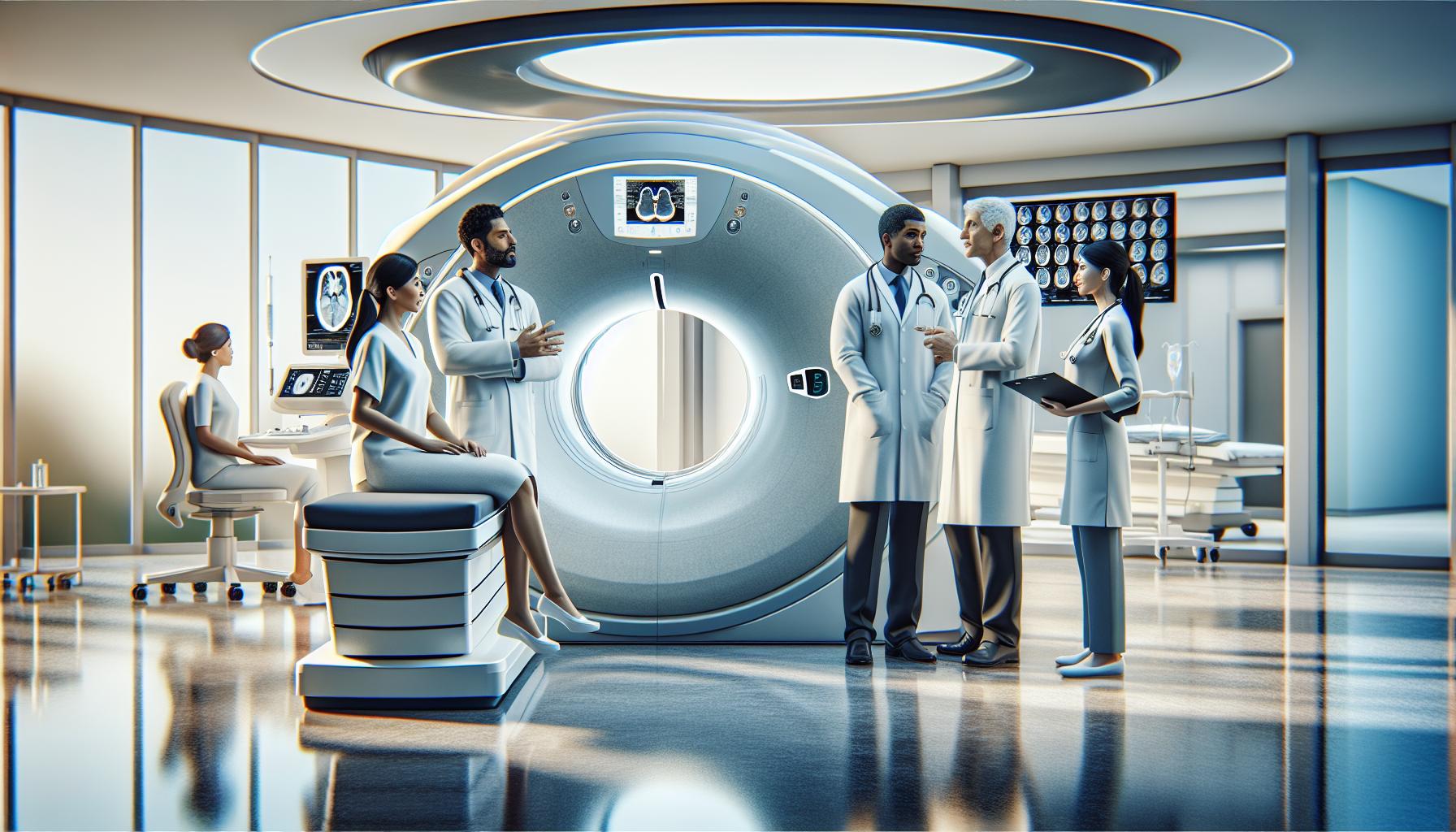
New vs. Refurbished CT Scanners: Pricing Insights
When organizations consider investing in a CT scanner, a pivotal decision often comes down to whether to purchase a new model or opt for a refurbished one. New CT scanners boast the latest technological advancements, often enhancing imaging quality and speed. However, with starting prices around $350,000 and potential escalation to over $2 million for high-end models, the financial barrier can be significant for many healthcare facilities. Refurbished machines, on the other hand, present a viable alternative, typically costing 30-50% less than their new counterparts while still delivering reliable performance.
Cost Comparison: New vs. Refurbished
For facilities tight on budget, refurbished CT scanners can offer immense value. These machines undergo rigorous testing and refurbishment processes to ensure they meet high operational standards. Purchasing a refurbished unit allows healthcare providers to acquire advanced technology without the associated high costs of new devices. Additionally, many refurbished options come with warranties or service contracts, mitigating concerns regarding reliability and upkeep. In many cases, these models provide the necessary features to meet the demands of daily imaging services effectively.
However, while refurbishment offers cost savings, it is essential to conduct thorough assessments of the seller’s reputation and the machine’s condition. Facilities should inquire about the machine’s history, the extent of refurbishment performed, and the terms of any warranties. Investing in a quality refurbished machine can yield substantial financial benefits while still enabling practitioners to deliver high-quality imaging services.
Ultimately, healthcare providers should weigh the advantages of obtaining the latest technology against the financial viability of refurbished options. By considering operational needs, budget constraints, and the long-term implications of their choice, organizations can align their purchasing decisions with their core mission of providing exceptional patient care.
Operational Costs: Maintenance and Upkeep of CT Scanners
Investing in a CT scanner comes with more than just the initial purchase price. Ongoing operational costs-comprising maintenance, repairs, and service contracts-represent a significant portion of the total expenditure associated with running this advanced medical imaging technology. Understanding these operational costs is essential for healthcare providers to effectively budget and ensure the longevity of their equipment.
Maintenance and Service Plans
Regular maintenance is crucial for ensuring the optimal performance of a CT scanner. Many manufacturers recommend scheduled maintenance every six months to one year. This routine upkeep can range from $3,000 to $10,000 per year, depending on the scanner’s complexity and usage. Investing in a comprehensive service contract can help manage these expenses, offering predictable budgeting while covering essential repairs and parts replacements. Facilities often find it beneficial to explore service agreements that include not only preventive maintenance but also a certain number of service calls and emergency repairs per year.
Consumables and Parts
The operation of a CT scanner involves the continual replacement of consumables, such as contrast agents, which can add to the overall cost. Hospitals and clinics should also account for the periodic need for replacement of parts, which can include detectors, tubes, and software updates. These costs can fluctuate, impacting the annual budget significantly. It’s wise for institutions to keep a reserve fund specifically for these unexpected expenses, particularly for the replacement of high-cost components that are critical for image quality and operational reliability.
Training and Staff Costs
Another often-overlooked aspect of operational costs involves the training of staff who will operate the CT scanner. Investment in professional development is essential to ensure that radiologic technologists and other personnel are adept at using the equipment and understand the latest safety protocols. Organizations may spend anywhere from $1,000 to $5,000 annually per staff member on training. This investment not only enhances operational efficiency but also ensures high-quality patient care.
The combined awareness of these operational costs allows healthcare providers to make informed decisions and strategically plan for the future. By evaluating both the initial purchase and ongoing operational expenses, institutions can safeguard against unexpected financial strain while ensuring they maintain cutting-edge imaging capabilities to support patient care.
Financing Options for Buying a CT Scanner
Acquiring a CT scanner represents a significant investment for any healthcare facility, often demanding creative financing solutions to ease the financial burden. As hospitals and clinics continue to navigate the complexities of medical equipment financing, various options emerge, allowing them to acquire necessary technology while managing their budgets effectively.
Exploring leasing as a financing option can be an attractive approach for many institutions. By leasing, healthcare providers can avoid the hefty upfront costs associated with purchasing a CT scanner outright. Leasing agreements commonly offer flexible terms and can include maintenance costs as part of the package, allowing facilities to keep their equipment up to date without the immediate financial strain. Additionally, leasing can provide a pathway to upgrade equipment regularly as technology advances, ensuring that healthcare providers can deliver the highest quality care with the latest imaging capabilities.
Another financing route involves seeking loans specifically tailored for medical equipment acquisition. Many financial institutions and specialized lenders, such as Crest Capital, offer low-interest financing options that cater to the specific needs of medical imaging equipment. Applying for these loans often involves a straightforward online process, and many lenders provide quick approvals, enabling healthcare facilities to make timely decisions about their procurement needs. This option allows medical providers to spread out the cost of the equipment over multiple years, aligning with their cash flow capabilities.
Moreover, some potential buyers may find support through grants or funding assistance from government programs and private foundations aimed at enhancing healthcare infrastructure. These funding avenues may cover a portion of the costs, significantly alleviating financial pressures associated with the procurement of essential medical imaging technology.
In sum, whether through leasing, low-interest loans, or grant assistance, healthcare providers have multiple avenues to explore when it comes to financing their CT scanner purchase. Understanding these options not only empowers healthcare facilities to make informed purchasing decisions but also enables them to deliver high-quality diagnostics and patient care.
Cost Variations: Different Types of CT Scanners
When considering the investment in a CT scanner, understanding the various types available is crucial as it directly impacts pricing and operational capabilities. Different types of CT scanners cater to specific imaging needs and can significantly influence the overall costs associated with purchase, maintenance, and use. Healthcare facilities should be aware of these variations to make informed decisions that align with their diagnostic requirements and budget constraints.
Types of CT Scanners and Their Cost Implications
CT scanners are categorized primarily based on the number of slices they produce per rotation, which impacts both their imaging efficiency and cost. Here are some common types of CT scanners you may encounter:
- Single-Slice Scanners: Typically the most affordable option, ranging from $200,000 to $300,000. These scanners are suited for basic imaging needs and are often used in smaller clinics.
- Multi-Slice Scanners: This category includes 4, 8, 16, 32, and even higher slice CT scanners. Their prices can range from $300,000 to over $2 million, depending on the technology and features. More slices allow for faster imaging and better resolution, making them suitable for complex diagnostics like cardiac imaging.
- High-Performance or Specialized Scanners: These include advanced multi-slice scanners designed for specific applications, such as PET/CT scanners. Their costs can exceed $2 million, reflecting their advanced capabilities and application to specialized medical fields.
Impact of Technological Features on Pricing
Beyond the slice count, other technological features also play a significant role in determining the cost of CT scanners. For instance:
- Integrated Software Solutions: Advanced imaging processing software can add significant costs but enhances diagnostics capabilities.
- Radiation Dose Management Features: As patient safety is paramount, scanners featuring these advanced technologies may have higher upfront costs but can result in lower operational risks and long-term savings.
- Mobile and Portability Features: Mobile CT scanners, designed for use in emergencies or at patient bedsides, tend to be more expensive due to their specialized design and technology.
Understanding these variations not only helps healthcare providers budget more accurately but also empowers them to choose the right CT scanner for their unique operational needs while considering the long-term value of their investment. Each facility must weigh immediate financial implications against the capability of the equipment to deliver quality diagnostics in a patient-centered manner.
Comparing Prices: CT Scanners Across Health Systems
The cost of CT scanners can vary significantly across different healthcare systems, influenced by factors such as geographic location, the type of facility (hospital vs. imaging center), and the scanner’s specifications. For instance, a large hospital in an urban area may charge more for a CT scan due to higher operational costs compared to a smaller rural clinic. This variability makes it essential for healthcare providers to conduct thorough research and comparison prior to making a purchase.
One important aspect to consider when comparing prices is the specific type of CT scanner needed. For example, high-end multi-slice scanners tailored for complex diagnostic tests can range from $1 million to over $2 million, while more basic single-slice models may cost between $200,000 and $300,000. Additionally, different systems may offer various financing options or warranty packages that could impact the long-term cost of ownership. Engaging with vendors to understand total cost of ownership, which includes maintenance, software updates, and potential upgrades, is vital to making a financially sound decision.
Furthermore, the negotiation process can also lead to price variations. Some health systems may successfully negotiate bulk purchases or long-term service agreements, leading to more favorable rates. Transparency is key; facilities should seek itemized quotes from multiple vendors to identify all hidden costs, including installation, training fees, and ongoing maintenance costs. By comparing several offers, healthcare providers can better align their choice of CT scanners with their budgetary constraints and operational needs.
Ultimately, understanding the pricing landscape across different health systems not only aids in acquiring a CT scanner at the right price but also ensures that the selected technology meets the unique demands of patient care in their specific setting. This informed approach fosters enhanced diagnostic capabilities and supports the overarching goal of providing high-quality medical services to patients.
Hidden Costs: Installation and Training Fees
When investing in a CT scanner, it’s crucial to look beyond the initial purchase price and consider the additional expenses that can significantly impact the total cost of ownership. Installation and training fees are two often-overlooked expense areas that can add up quickly. Proper installation of a CT scanner involves not just setting up the equipment but also ensuring it is compliant with safety regulations and optimized for performance. This process may require specialized technicians, whose fees can vary widely based on experience and regional market rates.
Factors that can influence installation costs include the complexity of the system, any required infrastructure changes (like electrical upgrades or room renovations), and additional services such as quality assurance testing. Facilities should prepare for installation costs that can vary from a few thousand dollars to tens of thousands, depending on the specifics of the setup.
Training Costs: Essential for Effective Use
After installation, the training of personnel is paramount to utilizing the new CT scanner effectively and safely. Training costs can also vary based on the company’s policy for education and support. Providers might offer administrative training, technical training for maintenance, and operator training for the healthcare professionals who will be performing scans. Investing in comprehensive training not only enhances the safety and accuracy of scans but can also lead to better patient care outcomes.
For example, on-site training sessions may be charged hourly, with total costs potentially reaching several thousand dollars, depending on the number of staff and hours required. Additionally, off-site training programs, although sometimes more structured, can also present considerable costs when accounting for travel and accommodation.
To avoid unexpected expenses, healthcare facilities should obtain detailed quotes reflecting all potential installation and training costs. Working with vendors who provide transparent pricing and breakdowns can greatly assist in budgeting effectively. These hidden costs, when accounted for, ensure that the total financial commitment aligns with the expected return on investment, leading to improved diagnostic capabilities and enhanced patient care.
Considerations for Insurance Coverage on CT Scanners
Navigating the world of medical imaging can often feel overwhelming, especially when it comes to understanding the financial implications of advanced equipment like CT scanners. One crucial aspect that may significantly impact your budgeting decisions is the role of insurance coverage. Many healthcare facilities leveraging CT technology often underestimate the nuances of how insurance policies can influence purchasing decisions and ongoing expenses.
In the realm of CT scanners, insurance coverage can play a vital role in addressing several financial aspects. Most insurance plans provide some level of reimbursement for medically necessary scans, but this varies widely by provider and policy. Ensuring that a CT scanner meets specific criteria set by insurers can allow medical facilities to secure the best possible reimbursement rates. Thus, before committing to a purchase, it is essential to engage with insurance representatives to understand coverage details. Facilities should inquire about which types of scans are covered, any documentation requirements, and the reimbursement process.
Evaluating Costs and Reimbursements
When analyzing costs associated with CT scanners, consider not just the upfront purchasing expenses but also the ongoing operational costs that can include maintenance and staffing. Many health systems report that improper billing or misunderstandings about insurance coverage can lead to significant financial strain. To mitigate such risks, facilities should implement robust systems for submitting correct claims and maintaining transparent communication with payers. An organized approach may involve training staff on billing practices and ensuring that they stay updated on changes in policy provisions.
Furthermore, once the scanner is in use, monitoring the volume and types of scans performed will help in matching the procedures to what insurers cover. Typically, the higher the volume of patients receiving CT scans, the more favorable the financial outcome for the facility-contingent, of course, on accurate billing and timely reimbursements. This data can also serve as leverage when negotiating rates with insurers for future services.
Ultimately, proactive engagement with insurance providers, meticulous planning, and continual education for staff can empower healthcare facilities to optimize both their investments in CT technology and the quality of care they deliver.
The Future of CT Scanning: Technological Advancements and Pricing Impact
The landscape of CT scanning is evolving rapidly, driven by remarkable technological advancements that promise not only improved imaging capabilities but also significant impacts on pricing structure. As new technologies emerge, we can expect these innovations to reshape how CT scanners are utilized and ultimately affect their costs, resulting in better value for healthcare providers and patients alike.
Advancements such as artificial intelligence (AI) integration and enhanced imaging algorithms are revolutionizing the imaging process. These technologies allow for faster and more accurate scans, improving diagnostic capabilities while potentially reducing operational costs over time. With AI, the process of interpreting scans can be more efficient, enabling radiologists to focus on more complex cases and reducing the time spent on each examination. As these efficiencies become mainstream, the initial investment in advanced CT scanners may justify higher upfront costs through enhanced productivity and improved patient outcomes.
Moreover, the development of compact and portable CT scanners is changing the game in emergency and rural healthcare settings. These smaller machines are typically less expensive than their larger counterparts, making advanced imaging more accessible in various environments. As healthcare systems continue to prioritize patient-centered care, the demand for cost-effective solutions that do not compromise on quality will drive further innovation and, consequently, price adjustments in the market.
Still, while technological advancements often support reductions in operational costs, purchasers must remain vigilant about potential hidden costs. Issues such as installation, training for staff, and ongoing maintenance often accompany new technology investments. Facilities should budget for these additional expenses to ensure that they fully leverage the benefits of new CT systems.
As we look to the future of CT scanning, it is clear that innovation will not only enhance the quality of care but also have considerable effects on the financial aspects of acquiring and operating this vital medical technology. Embracing these advancements will empower healthcare providers to deliver better care at a lower cost, ultimately benefiting patients through improved access and outcomes.
Negotiating Your CT Scanner Purchase: Tips and Strategies
Negotiating for the purchase of a CT scanner can be a complex yet rewarding process. Knowing a few key strategies can empower healthcare facilities to make informed financial decisions, ensuring they secure high-quality machinery at a fair price. Start by conducting thorough market research-understand the average pricing for the specific type of CT scanner you are considering, which can range from $200,000 to $2 million depending on various factors such as capabilities, brand, and technology [2[2].
When entering negotiations, equipped with knowledge can make a significant difference. Consider the various factors that might affect pricing, such as the model year, whether the scanner is new or refurbished, and the specific features included. It’s also beneficial to have a clear understanding of your budget range and how much usage you anticipate for the scanner. This information can help justify your offer and set boundaries for negotiations.
Don’t shy away from asking for discounts, especially if you are considering purchasing multiple units or if you are a returning customer. Technology vendors often have leeway in their pricing, and expressing concerns about budget constraints can lead to unexpected savings. Additionally, inquire about financing options that might be available-many manufacturers provide payment plans that can alleviate upfront costs while still enabling your facility to access cutting-edge technology.
Establishing a relationship with equipment suppliers can further enhance your negotiating position. Building rapport can lead to better offers and insights into upcoming models or discounts. Ask about bundled service packages that cover installation, training, and ongoing maintenance-these are vital components that can significantly impact overall costs.
Remember, the negotiation process should feel like a partnership. Once you secure a deal, review the contract thoroughly to ensure transparency regarding total costs, warranties, and service agreements. Empowering yourself with knowledge and employing strategic negotiation practices can ensure that your facility makes wise, cost-effective decisions in the dynamic landscape of medical imaging technology.
Frequently asked questions
Q: What factors influence the cost of a CT scanner?
A: The cost of a CT scanner can be influenced by various factors, including the type (new vs. refurbished), the number of slices (low-end, mid-range, or high-end), brand reputation, technological features (single-source vs. dual-source), and additional costs for installation and maintenance.
Q: Are there differences in pricing for new and refurbished CT scanners?
A: Yes, refurbished CT scanners generally cost less, typically ranging from $80,000 to $450,000, while new units can start from around $350,000 and can exceed $5 million for advanced models. Consider your facility’s needs when deciding between the two options.
Q: What operational costs should be considered when owning a CT scanner?
A: Operational costs include maintenance, staff training, quality assurance, and consumables like contrast agents. These ongoing expenses can significantly impact the total cost of ownership over time. Ensure that your budget reflects these factors.
Q: What financing options are available for purchasing a CT scanner?
A: Financing options for purchasing a CT scanner include leasing, loans from specialized medical equipment financing companies, or financing through the manufacturer. Explore multiple options to find the best terms for your budgetary constraints.
Q: Can insurance cover the cost of a CT scanner?
A: Typically, insurance does not cover the purchase of a CT scanner for a facility, but it might cover the operational costs associated with performing CT scans. Consult with an insurance expert to understand the specifics of your policy.
Q: What are the hidden costs of acquiring a CT scanner?
A: Hidden costs can include installation fees, ongoing maintenance, upgrades, and the cost of staff training. It’s important to factor these into your total budget to avoid unexpected expenses after the purchase.
Q: How do CT scanners vary in price across different health systems?
A: Prices can vary significantly between health systems due to factors such as regional market conditions, purchasing power, and the technology level of the CT equipment. Comparing costs among local providers can reveal affordable options.
Q: What is the future of CT scanner pricing with technological advancements?
A: As technology in imaging evolves, prices may fluctuate based on new features and capabilities. Innovations like photon-counting technology are expected to impact costs both in terms of purchase price and operational efficiencies in the future.
Closing Remarks
Understanding the cost of a CT scanner is crucial for making informed decisions, whether you’re a healthcare provider or a patient seeking care. With prices ranging widely based on factors like technology and features, it’s important to explore your options thoroughly. For those looking to invest in this essential imaging technology, consider reviewing our detailed articles on CT Scanner Cost and Equipment Options that can further guide your purchasing decisions.
Don’t wait-start maximizing your investment in medical imaging today! For personalized assistance or further information on how a CT scan can play a vital role in healthcare, reach out to us or sign up for our newsletter for the latest updates on medical technologies and pricing. We welcome your comments and experiences regarding CT scans and encourage you to share this guide with others who may benefit. Remember, knowledge is key to making the best choices for your health and technology needs!