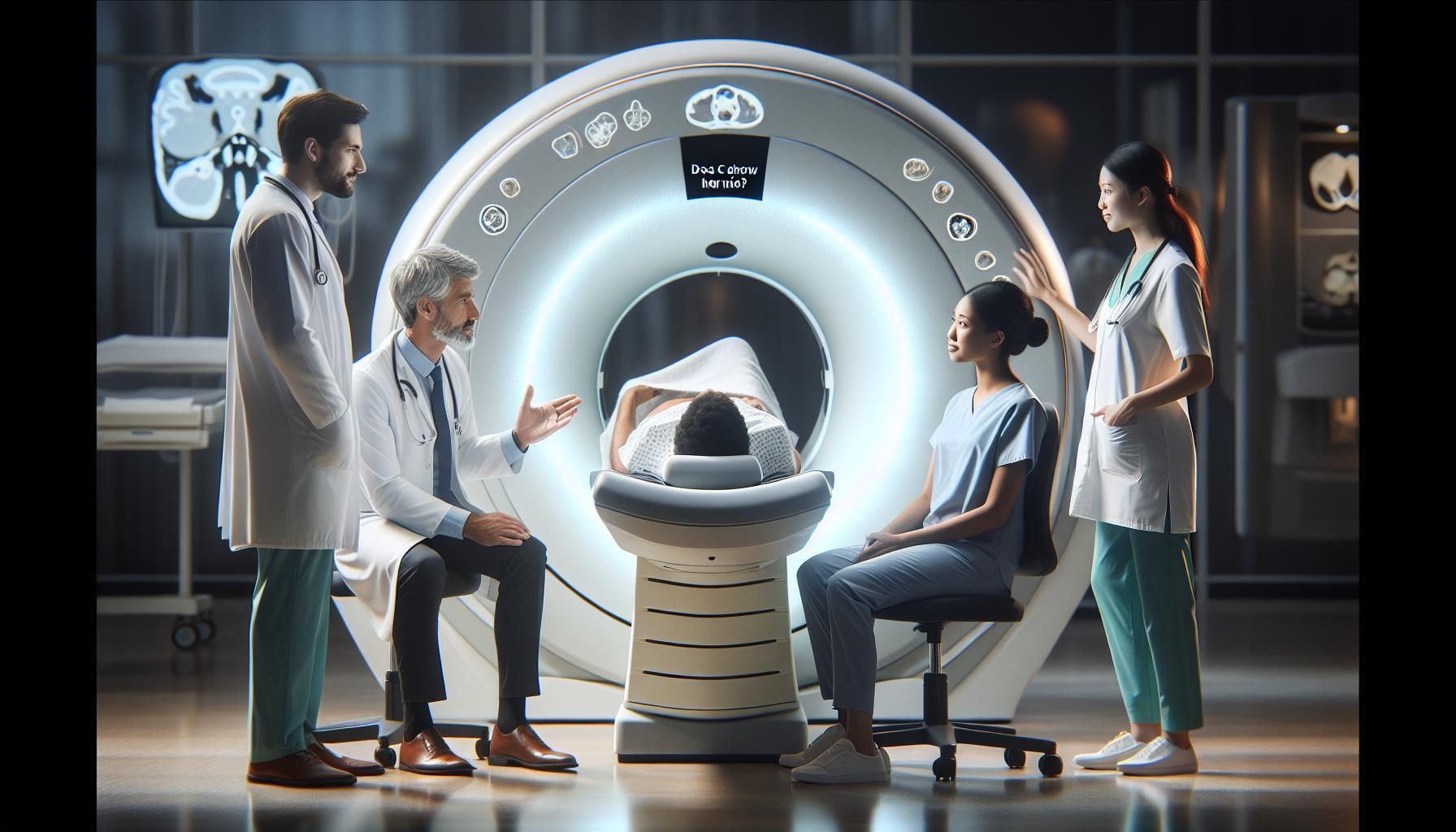
Did you know that up to 5% of the population may have a hernia without even realizing it? Understanding how imaging techniques, particularly CT scans, can detect hernias is crucial for individuals experiencing abdominal discomfort or unusual bulging. As an effective diagnostic tool, CT scans not only reveal the presence of hernias but also assess their complexity and any potential complications, such as obstruction or strangulation.
Navigating the journey of diagnosing a hernia can feel overwhelming, especially when faced with uncertainty. You may be wondering which imaging options are best for your specific situation and what to expect from each. This article will explore the capabilities of CT scans in detecting hernias, their detection rates, and alternative imaging methods available. By empowering yourself with knowledge, you can engage in informed discussions with your healthcare provider, ensuring that you receive the most appropriate care for your needs. Keep reading to uncover the details that can lead to clearer insights into your health.
Can CT Scans Diagnose Hernias Effectively?
CT scans are a vital tool in the diagnosis of hernias, effectively providing detailed images of the internal structures of the abdomen and pelvis. These scans can be particularly instrumental when other imaging techniques have failed to yield conclusive results. A CT scan’s ability to visualize intricate anatomical details allows healthcare providers to identify various types of hernias, including umbilical, inguinal, and incisional hernias. Notably, the scan can reveal not only the presence of a hernia but also its size and any potential complications such as incarceration or strangulation of tissues[2[2].
In general, a CT scan is non-invasive and painless, which is reassuring for patients who may feel anxious about undergoing medical imaging. It uses a combination of X-rays and computer technology to produce cross-sectional images, enabling a clearer picture of the abdominal cavity compared to traditional X-rays. This efficiency in detection makes CT scans a preferred choice in many cases where a hernia is suspected but not easily diagnosed through physical examination alone[1[1].
However, the effectiveness of CT scans can be influenced by several factors, including the patient’s anatomy, the size of the hernia, and the skill of the radiologist interpreting the images. Preparation for the scan may involve fasting or consuming a contrast material, both of which are essential to enhance the visibility of the hernia on the imaging results. Understanding these factors can empower patients, providing them clarity on the process and its implications for their health. Recognizing that CT scans aren’t the only diagnostic option, individuals can also discuss alternatives such as ultrasound or MRI with their healthcare providers[2[2].
Ultimately, while CT scans are an effective method for diagnosing hernias, it is essential for patients to remain engaged in their healthcare conversations, ensuring they understand all available options and the best route for their individual health needs. It’s always advisable to follow up with a qualified medical professional who can provide personalized advice and recommendations based on the results.
Understanding the Anatomy of a Hernia
A hernia occurs when an organ or fatty tissue protrudes through a weak spot in the surrounding muscle or connective tissue. This condition is quite common and can be classified into several types, each defined by its location and nature. An understanding of the anatomy of a hernia is fundamental for both patients and healthcare providers, as it shapes the diagnostic approach and treatment options.
Inguinal hernias, the most common type, occur in the groin area when tissue, such as part of the intestine, pushes through a weak spot in the abdominal wall or into the inguinal canal, which is a passage that emerges in the groin region. On the other hand, umbilical hernias typically arise when tissue bulges through the abdominal wall near the belly button, more often observed in infants but also occurs in adults, particularly in those who are overweight. Incisional hernias can result from the weakening of the abdominal wall at the site of a previous surgical incision. Lastly, a strangulated hernia, often considered a surgical emergency, occurs when the blood supply to the tissue trapped in the hernia is compromised, which can lead to severe complications.
Understanding these distinctions is not only crucial for appropriate diagnosis but also for anticipating potential complications related to each type. For instance, a strangulated inguinal hernia may require immediate surgical intervention, while an umbilical hernia in an otherwise healthy individual may only necessitate monitoring unless it becomes symptomatic. Individuals experiencing symptoms such as a noticeable bulge, pain, or discomfort, especially during physical activity or when lifting, should seek medical advice promptly.
Regular check-ups and maintaining a healthy lifestyle can also help mitigate the risk of developing a hernia. Engaging in exercises that strengthen the abdominal muscles, maintaining a healthy weight, and using proper lifting techniques can reduce strain on the abdominal wall. Consultation with a healthcare provider is essential for personalized guidance, especially if there are concerns about potential hernias. By understanding the basic anatomy and implications of different hernia types, one can better communicate with their healthcare team and make informed decisions regarding diagnostic options, such as CT scans, which are particularly effective in visualizing the details of the abdominal cavity and the structures within it.
CT Scan vs. Other Imaging Techniques for Hernia Detection
CT scans are highly effective in diagnosing hernias, providing detailed images of internal structures that can reveal the presence of abnormal protrusions. Unlike standard X-rays, which offer limited information, CT scans use advanced technology to produce cross-sectional images of the abdomen and pelvis, allowing healthcare professionals to visualize various types of hernias and even assess their size and potential complications. This level of detail is particularly beneficial in cases where a hernia is not easily palpable or when the symptoms can be attributed to other conditions.
While CT scans are powerful diagnostic tools, it’s essential to recognize that they are not the only option available. Ultrasound is often the first-line imaging technique for evaluating groin hernias, especially in children, due to its safety, accessibility, and ability to visualize soft tissues in real-time. It can effectively demonstrate the presence of a hernia during physical examination and the maneuvers that may provoke symptoms. Additionally, MRI can also be employed, particularly for patients with allergies to contrast materials used in CT scans or those needing detailed visualization of soft tissue structures. Each imaging technique has its advantages, and the choice often depends on individual patient factors, the specific clinical scenario, and the availability of resources.
Ultimately, discussing these imaging options with a healthcare provider is crucial to determine the most appropriate approach for diagnosing a hernia. They can tailor recommendations based on your medical history, symptoms, and any previous imaging results. For many patients, understanding the differences in imaging technologies can empower them to ask informed questions and participate actively in their healthcare journey.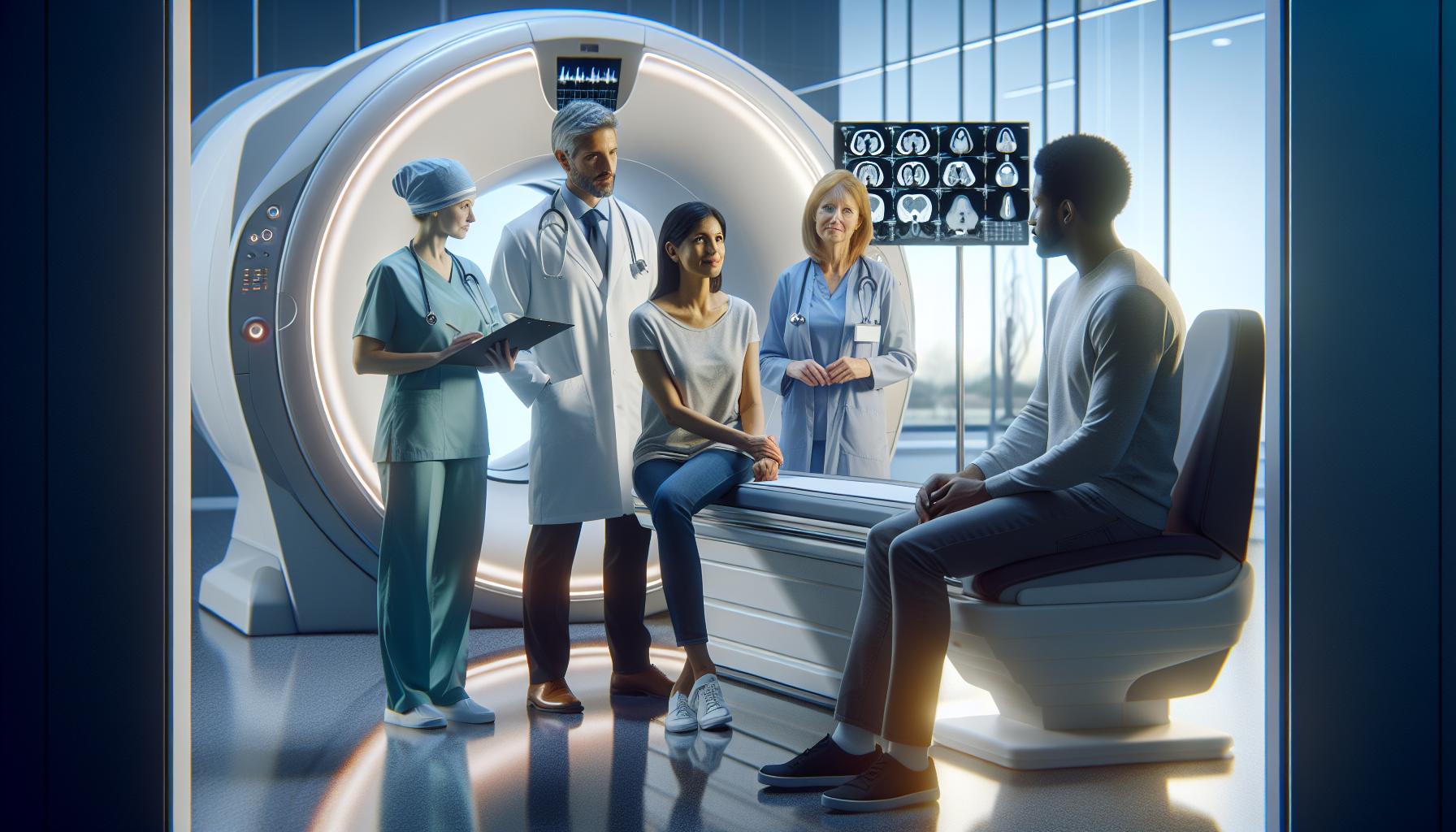
Factors Influencing CT Scan Detection Rates
Factors such as the specific anatomical location of the hernia, the patient’s body type, and the techniques employed during a CT scan can significantly influence detection rates. Understanding these variables can empower patients as they navigate their diagnostic journey.
One critical factor is the type of hernia being investigated. For instance, groin hernias, such as inguinal or femoral hernias, may be more readily detectable through ultrasound or MRI, particularly in children. However, if a CT scan is performed, its efficacy can depend greatly on the quality of the images obtained and the radiologist’s experience in identifying subtle signs of a hernia. Additionally, the position of the hernia-whether it is located superficially or buried deeper within the abdominal cavity-can affect visibility in CT scans.
Patient characteristics, such as body mass index (BMI), can also play a significant role. Higher levels of body fat can obscure details during a CT scan, making it more challenging to identify small or complicated hernias. Furthermore, previous surgical interventions in the abdominal area can create scarring or adhesions, which may complicate the interpretation of scan results.
Lastly, the preparation for the scan itself can influence detection rates. Patients are often advised to fast prior to a CT scan, allowing for a clearer view of the abdominal structures. When the intestines are distended with food, it may hinder the detection of even clearly visible hernias.
In conclusion, while CT scans are a powerful tool for diagnosing hernias, several interrelated factors can affect detection rates. Understanding these elements can help demystify the process, allowing patients to engage in informed discussions with their healthcare providers about their unique circumstances and diagnostic options.
Preparing for a CT Scan: A Step-by-Step Guide
Preparing for a CT scan can feel daunting, but knowing what to expect can help alleviate some anxiety associated with the procedure. A vital step in ensuring your scan is as effective as possible is proper preparation. CT scans are particularly useful for diagnosing conditions like hernias, and your involvement in the preparation can significantly improve the accuracy of the results.
To start, it’s essential to follow any fasting instructions provided by your healthcare provider. Most often, you will be asked to refrain from eating solid food for at least 4-6 hours before the scan. This fasting allows your intestines to be less active and helps to produce clearer images during the scan. Hydration is typically encouraged, so you can drink water unless specified otherwise by your physician.
Essential Preparation Steps
- Review Medications: Inform your doctor about any medications you are currently taking, especially if they contain barium or other substances that may interfere with the scan.
- Wear Comfortable Clothing: Opt for loose clothing without metal fasteners or zippers, as these can interfere with image quality. Some facilities may provide a gown to wear during the procedure.
- Arrive Early: Arriving ahead of your scheduled appointment allows time for any necessary paperwork and for you to ask questions that may arise.
- Discuss Allergies: If you have allergies to contrast materials (such as iodine), inform your healthcare provider beforehand, as they may need to administer a different kind of contrast agent or choose an alternative imaging method.
Lastly, understanding that a CT scan is a quick procedure, typically lasting only about 10-30 minutes, can provide reassurance. You will lie on a table that moves through the CT scanner, and you may need to hold your breath for short intervals while images are captured. Knowing that professionals will monitor you throughout the process can instill confidence. Always feel free to ask any questions during your appointment, as your comfort and understanding are paramount.
What to Expect During a CT Scan Procedure
During a CT scan, understanding what will happen can greatly reduce anxiety and help you feel prepared for the process. The procedure is generally quick, usually lasting about 10-30 minutes. You will be asked to lie on a motorized table that slides into the CT scanner, which resembles a large doughnut. Throughout the scan, it’s important to stay still, as even minor movements can affect the clarity of the images captured. You may be instructed to hold your breath for short intervals, which is a common requirement to ensure high-quality images.
In the room, you will be monitored closely by a radiologic technologist. They will be present to guide you through the process and address any immediate concerns. If a contrast material is required, it may be administered either through an injection or an oral solution beforehand, which helps to enhance the visualization of structures within your abdomen. Be assured that the contrast is generally safe, but do share any allergies you have prior to the scan to ensure appropriate precautions are taken.
If you’re feeling nervous, remind yourself that thousands of patients undergo CT scans each day and it’s a routine procedure with well-defined protocols. The equipment is designed for your safety, and technicians are trained to handle any situation. When the scan is complete, you can return to your normal activities, unless instructed otherwise by your physician. The images will be sent to a radiologist, who will interpret them, and your healthcare provider will discuss the results with you in a follow-up consultation. This interpretative process ensures that any findings related to potential hernias or other issues are accurately assessed and addressed.
Interpreting CT Scan Results for Hernia Diagnosis
Interpreting the results of a CT scan for hernia diagnosis is a critical step that can provide you with valuable insights into your health. A CT scan creates detailed cross-sectional images of the body, allowing radiologists to examine the abdominal area for any abnormalities or indications of a hernia. When results are shared with you, it’s essential to understand what they mean and how they impact your treatment options.
Radiologists typically look for specific characteristics when interpreting CT scan results for hernias. They assess the presence of a bulge in the abdominal wall, which might suggest an inguinal or femoral hernia. Additionally, they evaluate the contents of the hernia sac, determining if organs or fatty tissue are involved. The size of the hernia and whether it shows any signs of complications, such as strangulation or incarceration, are also critical factors. A hernia that is incarcerated may be painful and lead to more severe issues, necessitating immediate medical attention.
After the radiologist analyzes the images, they will generate a report detailing their findings. It’s important to have a follow-up appointment with your healthcare provider to discuss these results. Your doctor will explain any abnormalities noted in the report and recommend the best course of action-whether that’s monitoring the hernia, considering surgical options, or implementing lifestyle changes to manage symptoms. This discussion is vital, as it not only clarifies the diagnosis but also addresses any concerns you might have about treatment.
Being informed about your CT scan results can empower you to engage in your healthcare decisions actively. Remember, understanding your condition and the implications it holds is crucial in navigating the path towards recovery or management. After your appointment, taking time to review any educational materials provided by your physician or reliable health websites can further enhance your understanding and help alleviate any anxiety about your diagnosis.
Alternatives to CT Scans for Hernia Evaluation
Imaging techniques beyond CT scans can be vital in diagnosing hernias, especially when clarity is needed without the drawbacks of radiation exposure. Among the most effective alternatives is ultrasonography, which is commonly utilized for its real-time imaging capabilities and absence of ionizing radiation. This method is particularly useful for evaluating superficial tissues and can effectively identify inguinal and femoral hernias. The dynamic nature of an ultrasound allows providers to assess hernias under stress-like when the patient coughs-making it an excellent first-line diagnostic tool, particularly in pediatric cases or for individuals where radiation is a concern.
Another alternative worth mentioning is magnetic resonance imaging (MRI), which offers superior soft tissue contrast compared to CT. MRI can be ideal for assessing complex scenarios, such as in cases of suspected occult hernias that may not be well visualized through CT or ultrasound. Its detailed images can help identify hidden structures and potential complications, making it an effective choice for patients with persistent pain when other imaging failed to identify the issue. While MRI is generally more expensive and less accessible than ultrasound, it is invaluable in certain complex or atypical cases.
Patients looking for non-invasive methods might also consider dynamic abdominal sonography, which has been shown to accurately diagnose abdominal wall hernias without the associated risks of radiation, providing immediate results and facilitating quick management decisions. Additionally, the benefits of a cost-effective and readily available method make it increasingly popular among physicians.
When considering alternatives, it’s crucial to consult with healthcare professionals who can recommend the most appropriate imaging method based on individual health needs. Each imaging technique has its strengths; selecting the right one can significantly enhance the accuracy of hernia diagnosis while prioritizing patient safety and comfort. Remember, open communication with your healthcare provider will guide you through the options most suitable for your condition.
Cost Considerations and Insurance Coverage for CT Scans
The cost of a CT scan can vary significantly depending on several factors, including geographical location, healthcare facility, and whether the scan is done with or without contrast. On average, a CT scan can range from $300 to $3,000, which highlights the importance of being informed about potential expenses before undergoing the procedure. Patients should consider contacting the radiology department or their healthcare provider to obtain a detailed estimate that includes all associated costs, such as physician fees and facility charges.
When it comes to insurance coverage, many plans do cover CT scans, especially when they are deemed medically necessary by a physician. However, the exact coverage can differ depending on the patient’s insurance provider, the specifics of the health plan, and the provider network. It is vital for patients to verify their benefits-either through their insurance provider’s website or by calling customer service-to understand what part of the cost will be covered. Patients should also inquire if there are any pre-authorization requirements before scheduling a scan, as failing to obtain approval can lead to unexpected out-of-pocket expenses.
In some cases, patients might encounter higher costs if the scan is conducted at an out-of-network facility. Those with high deductible plans may find they need to pay a significant portion of the scan cost upfront, which can be a source of concern. It’s advisable to ask about payment plans or financial assistance programs, which many hospitals and imaging facilities offer to help alleviate the burden of high medical expenses.
Lastly, exploring local health programs or community health centers can provide additional resources or financial support, particularly for uninsured or underinsured patients. Engaging in conversations with healthcare providers about financial concerns can lead to direct referrals for programs aimed at reducing medical costs, ensuring that the path to diagnosis remains accessible and supportive.
Potential Risks and Safety Measures of CT Scans
Undergoing a CT scan can be a pivotal step in diagnosing a hernia, but it’s also essential to be aware of the potential risks and safety measures associated with this imaging technique. Though CT scans provide in-depth imaging and can be particularly effective in identifying hernias, they do expose patients to a certain level of radiation. In fact, a single CT scan can expose a patient to about ten times more radiation than a standard X-ray. However, the risks are generally low and are typically outweighed by the substantial diagnostic benefits the scan offers, especially if symptoms are ambiguous.
To mitigate the risks associated with radiation exposure, healthcare providers evaluate the necessity of the CT scan against the potential benefits for each individual. Factors influencing this decision may include age, overall health, and the urgency of the diagnosis. Pregnant patients or those who may become pregnant are also advised to discuss alternative imaging options with their healthcare provider since radiation exposure can pose risks to a developing fetus. In such cases, ultrasound or MRI may be recommended, as they utilize no ionizing radiation.
If a CT scan is deemed necessary, there are several safety measures in place to protect patients. Modern imaging facilities are equipped with advanced technology that allows for lower doses of radiation without compromising the quality of the images produced. Moreover, technicians are trained to position patients correctly and utilize protective gear when applicable. Always ensure that you provide your full medical history to the healthcare providers, including any allergies to contrast materials, as some CT scans may require the use of iodine-based contrast agents. Communicating openly can help minimize the risk of adverse reactions and enhance the safety of the procedure.
As always, it is crucial to follow up with your healthcare provider after the scan. They can help interpret the results correctly and discuss any additional steps or treatments that may be necessary based on the findings. This collaborative approach ensures that you are well-informed and provides peace of mind as you navigate through the diagnostic process.
The Importance of Follow-Up Consultations After Scans
Completing a CT scan is a significant step in the diagnostic journey, yet the process doesn’t end there. The findings from your scan provide a critical basis for your healthcare team to develop an appropriate plan tailored to your needs. Following up with your healthcare provider is essential, as they can help interpret the results accurately, clarify what the findings mean for your health, and discuss potential next steps.
Open communication during these follow-up consultations fosters a collaborative approach to your care. Your provider will likely take the time to explain any detected conditions or complications related to your hernia and engage you in discussions about treatment options. This might involve surgical intervention, watchful waiting, or lifestyle modifications. You can better understand your health status and participate actively in the decision-making process when you are equipped with information.
It’s also an opportunity to address any lingering questions or concerns you might have after the scan. For instance, you may wonder about specific symptoms you’ve been experiencing, treatment timelines, or the implications of your scan results on other aspects of your health. By having a direct line of communication, you can clarify these points, alleviating any anxiety you might feel and empowering yourself with knowledge.
Additionally, your follow-up visit is the perfect time to review any further imaging or tests that may be required based on the scan findings. Perhaps your physician recommends additional imaging, like an ultrasound, if the CT scan results are inconclusive. Keeping a proactive approach to your health helps ensure that all potential issues are addressed and that you’re on the right path toward recovery. Remember, you are not alone in this process; your healthcare provider is a valuable partner in your journey to good health.
FAQ
Q: Can a CT scan detect all types of hernias?
A: A CT scan is highly effective in detecting various types of hernias, including inguinal, femoral, umbilical, and hiatal hernias. However, the detection rate can vary based on the hernia’s size, type, and the imaging quality. It’s essential to consult with your healthcare provider for personalized advice.
Q: How does a CT scan compare to ultrasound for detecting hernias?
A: CT scans provide more detailed images and are often preferred for complex cases or when other abdominal conditions are suspected. Ultrasound is less invasive and useful for superficial hernias but may not offer the same level of detail as a CT scan. Learn more in our section on CT scan comparisons.
Q: What factors can affect the accuracy of CT scans in detecting hernias?
A: Factors affecting CT scan accuracy include the hernia’s size and location, patient movement during the scan, and the expertise of the radiologist interpreting the images. Proper preparation and understanding of the procedure can enhance imaging quality.
Q: Are there any contraindications for using a CT scan to check for a hernia?
A: CT scans are generally safe, but contraindications include pregnancy and a history of severe allergic reactions to contrast agents. Always discuss your medical history with your doctor to ensure the safest imaging options are chosen.
Q: How long does it typically take to get results from a CT scan for a hernia?
A: Results from a CT scan are usually available within 24 hours, but it can vary depending on the facility’s workflow and the radiologist’s availability. Your doctor will discuss the findings with you at your next appointment or sooner if there are urgent concerns.
Q: Can a CT scan miss a hernia?
A: Yes, while CT scans are highly effective, there’s still a chance of missing a hernia, especially if it’s small or located in a challenging area. Follow-up imaging or additional diagnostic methods may be recommended if symptoms persist or if the initial scan is inconclusive.
Q: What should I do if my CT scan shows a hernia?
A: If your CT scan reveals a hernia, consult your healthcare provider to discuss treatment options, which may include surgery, lifestyle changes, or regular monitoring. It’s crucial to address any pain or associated symptoms promptly.
Q: Is there a specific type of CT scan used for hernia detection?
A: Typically, a standard abdominal CT scan is used for hernia detection. In some cases, a specialized CT scan with contrast may be utilized to provide clearer images. Consult your doctor for detailed imaging options tailored to your condition.
To Conclude
In conclusion, understanding whether a CT scan can effectively detect a hernia and exploring alternative diagnostic options is crucial for addressing your health concerns. With its ability to provide detailed images of abdominal structures, a CT scan is a powerful tool in diagnosing complex hernias. If you’re experiencing symptoms, don’t hesitate-consult a medical professional to discuss the best imaging options for your situation. For more information on the importance of early diagnosis, visit our articles on ultrasound and MRI scans for hernia detection linked below.
Ready to take the next step? Consider reaching out for a consultation or signing up for our newsletter to receive expert insights directly to your inbox. Remember, empowering yourself with knowledge can lead to timely intervention-your health matters. Have questions or experiences to share? We invite you to comment below and join the conversation!