Did you know that a chest CT scan can reveal crucial details about your lungs, heart, and surrounding structures in ways standard X-rays cannot? Understanding how to interpret these images is essential for healthcare professionals to effectively diagnose and manage various thoracic conditions. As patients, being informed about the process can alleviate anxiety and enhance your confidence in medical interactions.
In this guide, we will simplify the complex world of chest CT interpretation, breaking down the key elements that radiologists use to evaluate scans. Whether you’re a budding medical professional aiming to deepen your skills or a curious patient wanting to understand your results better, our approach will empower you with knowledge and insights. By demystifying the interpretation process, you can engage meaningfully with your healthcare provider, ensuring your questions are answered and your concerns addressed. Let’s embark on this journey to understanding how to read a CT chest scan, turning complexity into clarity.
Understanding the Basics of Chest CT Scans
Chest CT scans are an invaluable tool in modern medicine, providing a detailed view of the structures within the chest cavity, including the lungs, heart, and blood vessels. With the ability to slice through dense tissues and reconstruct images in various orientations, CT technology offers unprecedented clarity that helps physicians diagnose a wide array of conditions, from pulmonary embolisms to pneumonia. Understanding the intricacies of how to interpret these images can empower healthcare providers and enhance patient care.
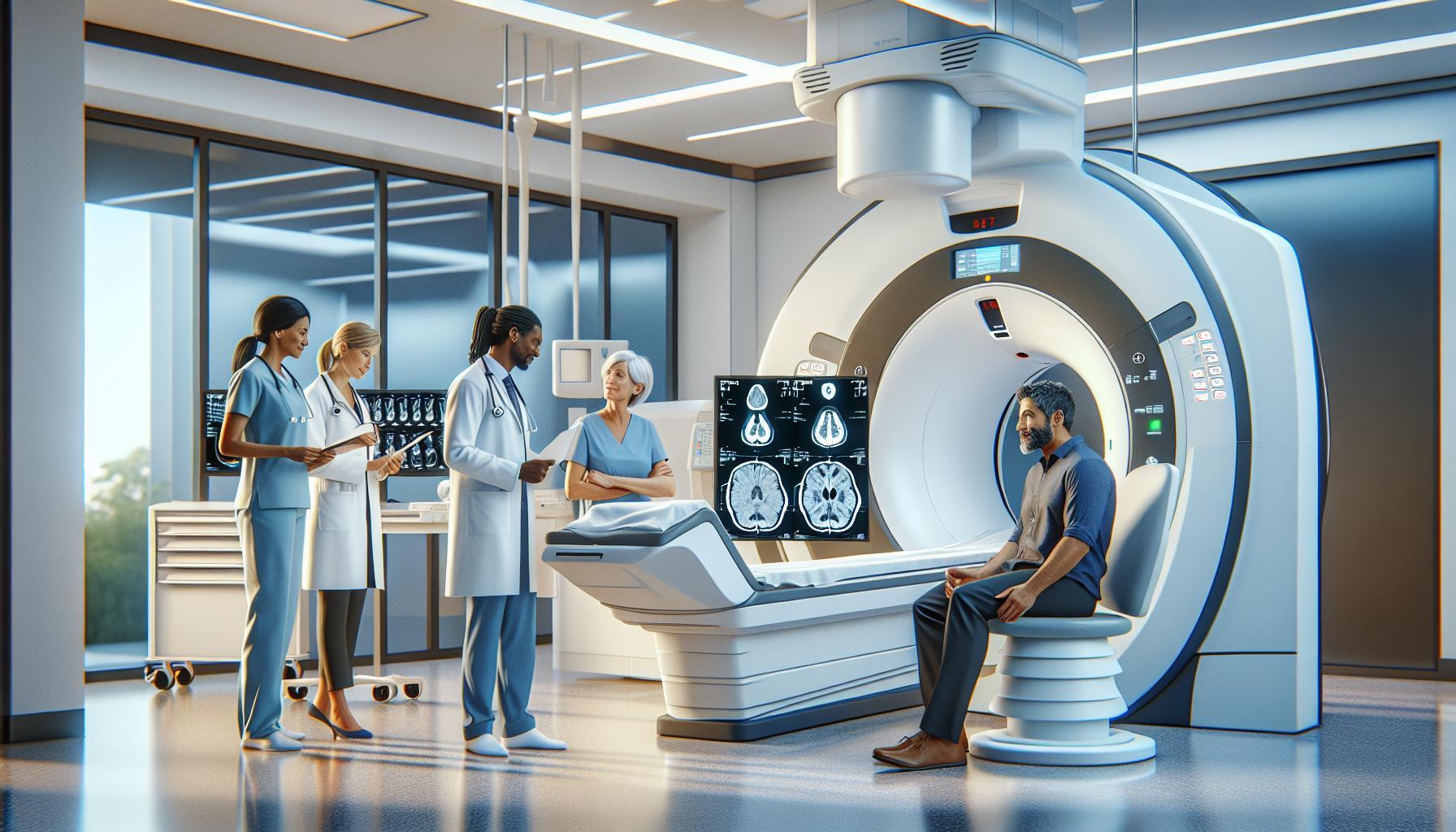
The process of obtaining a chest CT scan typically involves lying down on a table that slides into a large, donut-shaped machine. Although the idea of undergoing imaging can instill anxiety, most patients find the experience relatively quick and painless, often lasting only a few minutes. Prior to the scan, patients may receive instructions on avoiding certain foods or medications, especially if contrast dye is used, which enhances the visibility of structures on the scan. It’s important for patients to communicate openly with their medical team regarding any allergies or kidney issues, as these can significantly influence the preparation process.
As images are captured, they are processed to create cross-sectional views that can reveal essential information about underlying health issues. When reading a chest CT, it’s crucial to recognize key anatomical landmarks such as the heart, major arteries, diaphragm, and lobes of the lungs. This knowledge not only aids in better understanding the scan but also facilitates quicker and more accurate interpretations. Each scan is like a puzzle piece, providing insights that can lead to effective treatment plans and improved patient outcomes.
Overall, having a fundamental grasp of the chest CT process, its interpretation, and the importance of thorough patient preparation can help demystify this critical diagnostic tool. By fostering an environment of understanding and communication, healthcare professionals can significantly enhance the patient experience, ensuring that individuals feel informed and cared for throughout their medical journey.
The Importance of Proper Patient Preparation
Undergoing a chest CT scan can be a source of apprehension for many patients, but understanding the importance of proper preparation can significantly ease this concern. A well-prepared patient is not only more comfortable but also helps ensure the accuracy of the diagnostic results. Preparing adequately can mean the difference between clear images that aid in diagnosis and problematic artifacts that could obscure important findings.
- Communicate with Your Medical Team: Before the date of your scan, it is critical to discuss any medical conditions, allergies, or concerns with your healthcare provider. Informing them about any kidney issues is especially important if you will receive contrast dye, as this can impact how your body handles the dye’s effects.
- Understanding Dietary Restrictions: Many facilities recommend that patients avoid solid foods for up to four hours before their scan, particularly if contrast agents are being used. This helps reduce the risk of nausea or complications during the procedure. Clear liquids are usually permissible but confirm with your healthcare provider.
- Dress Comfortably: On the day of your scan, wear comfortable clothing that is easy to remove. Avoid metal accessories, including jewelry, belts, and buttons, as these can interfere with imaging results.
- Plan for Post-Procedure: If sedatives are involved in your procedure, arrange for someone to drive you home afterward. Having a support system in place can alleviate anxiety and provide a greater sense of security.
The psychological aspect of preparation is also essential. Many patients report feeling anxious prior to an imaging procedure, which can sometimes affect their breathing and body position during the scan. Engaging in deep-breathing exercises or mindfulness practices before the scan can be beneficial in promoting a calm state. Additionally, it’s helpful to remind yourself that the scanning process is typically quick, often lasting only a few minutes, and the results are crucial for your healthcare team’s assessment and planning.
In summary, being proactive in your preparation can greatly influence the experience and outcomes of your chest CT scan. Take the time to understand each preparatory step, communicate openly with your healthcare team, and utilize calming techniques to make the experience smoother. Remember, the goal is to enhance both your comfort and the precision of the imaging outcomes, ensuring that you receive the best care possible.
Key Anatomy to Identify on CT Chest Images
Understanding the intricate anatomy visible on CT chest images can significantly enhance the interpretation process, providing a clearer picture of a patient’s condition. Each structure has a unique appearance, playing a crucial role in identifying normal and abnormal findings. Being aware of these key anatomical landmarks not only assists radiologists but also empowers patients to be more informed about their health.
Key Structures to Identify
As you delve into the scan, focus on the following key structures that are critical to chest imaging:
- Lungs: Look for the right and left lungs, which should appear clear and without any obstructions. Notable features include the lobes (upper, middle, and lower) in the right lung and upper and lower lobes in the left lung. Any presence of fluid, masses, or lesions can indicate pathology.
- Heart: Position and size are important. The heart should be located centrally and not appear enlarged. The pericardium should appear smooth, and any abnormalities in size or appearance can suggest heart conditions.
- Mediastinum: This region houses vital structures including the trachea, esophagus, and major blood vessels like the aorta. The trachea should appear midline and patent, while the aorta should maintain its contour and dimension, free from signs of dissection or aneurysm.
- Diaphragm: This muscular partition separates the chest from the abdomen. The diaphragm should be dome-shaped and symmetrical. Any flattening or elevation can suggest underlying pulmonary issues or abdominal processes.
- Chest Wall: Evaluate rib structures, soft tissues, and any signs of trauma or malignancy. Look for abnormalities such as fractures or masses in the surrounding tissues.
Understanding Variances
It’s also essential to consider anatomical variations that can occur from person to person. Variability in the branching of blood vessels, lung shape, and even diaphragm height can be common and should not automatically raise concerns. For instance, normal anatomical variants such as azygos lobe or accessory fissures might be misinterpreted as pathological if not properly recognized.
Appreciating these key anatomical features allows for a more systematic approach to CT image interpretation. While learning to identify these structures can be a straightforward process with practice, it is equally important to consult with healthcare professionals for personalized assessments and interpretations, ensuring any findings are understood within the larger context of overall health and medical history. With this foundational knowledge, you can approach CT chest images with a sense of confidence and clarity.
Common Indications for Chest CT Scans
A chest CT scan is a powerful diagnostic tool that plays a crucial role in the evaluation of various thoracic conditions. The decision to perform this imaging study often stems from specific clinical considerations that provide insight into a patient’s health. Understanding the can empower patients to engage more actively in their healthcare discussions.
One of the most prevalent reasons for ordering a chest CT is to assess unexplained respiratory symptoms, such as persistent cough, chest pain, or difficulty breathing. These symptoms can arise from a range of conditions, including infections like pneumonia or bronchitis, pulmonary embolism, or lung malignancies. A chest CT scan provides detailed images, helping physicians differentiate between these possible causes and determine an appropriate treatment plan.
Another critical indication for a chest CT scan is the evaluation of lung nodules or masses detected on a prior imaging study, such as a chest X-ray. In such cases, CT imaging is invaluable for characterizing the nodules’ size, shape, and growth patterns, which can help distinguish between benign and malignant conditions. Patients should feel reassured that while the discovery of a lung nodule can be concerning, many nodules are ultimately found to be non-cancerous and require only careful follow-up.
In the setting of trauma, chest CT scans are routinely utilized to assess for injuries to the chest wall, lungs, or major vessels. The speed and precision of CT imaging enable rapid diagnosis in emergency situations, contributing to timely interventions that can be life-saving. Other indications include preoperative evaluations for lung resection, assessment of chronic respiratory diseases, and ruling out complications such as pneumonia or pleural effusion.
Engaging in a conversation with healthcare professionals about the indications for a chest CT can foster an understanding of the imaging process and its relevance to individual health concerns. By acknowledging the reasons for these scans, patients can feel more informed, empowered, and connected to their medical journey, reassuring them about the purpose and benefits of the imaging they may undergo.
Step-by-Step Guide to Interpreting CT Images
A chest CT scan can reveal critical information about the thoracic anatomy and any underlying conditions with remarkable clarity. Navigating these complex images can feel intimidating, but breaking down the interpretation process step-by-step can make it more manageable. As you dive into the analysis of chest CT images, remember the objective: to identify and understand the noteworthy features within the scanned area that will help inform patient diagnosis and treatment.
Initial Review
Begin with a systematic approach by reviewing the complete dataset in a quiet, well-lit environment. When evaluating the series of axial slices, pay attention to the patient’s history and the clinical question guiding the scan, as it will provide context for your interpretation. Start at the apex of the lungs and work your way down to the diaphragm, reviewing each section methodically.
Assessing the Lung Fields
Focus on examining the lung fields: look for signs of consolidation, nodules, or ground-glass opacities. Consider the following steps as you analyze each slice:
- Look for abnormalities: Check for symmetric lung expansion and assess for any areas of dense opacity that could indicate infection or other pathological processes.
- Identify nodules: Note any solitary pulmonary nodules, their size, shape, and borders, which can be critical in determining follow-up actions.
- Review the pleural space: Look for pleural effusions, thickening, or masses, as this can impact lung function.
Evaluating Vascular Structures
Next, make it a point to examine the mediastinum and large vessels, including the aorta and pulmonary arteries. Check for signs of abnormalities such as aneurysms or embolisms, which could indicate serious conditions requiring expedited treatment.
Consider Clinical Correlation
Throughout your interpretation, consistently correlate your findings with the clinical context-this can dramatically influence how the images inform patient management. If you identify an abnormality, assess its implications, and think about required follow-up-be it further imaging, referral to a specialist, or changes in patient care plans.
By approaching the interpretation of chest CT images methodically, you not only enhance your diagnostic acumen but also bolster the overall quality of patient care. In each step, foster a collaborative dialogue with colleagues and specialists who can provide additional insights or confirm findings, ensuring that your analysis is as comprehensive as possible. Always remember, while the technology is powerful, it’s the interpretation and clinical application that make it truly life-changing.
Identifying Pathologies: What to Look For
A chest CT scan is a powerful tool in identifying a wide array of pathologies, and understanding what to look for can significantly improve diagnostic accuracy. Among the most common findings in chest imaging are infections, tumors, and pulmonary vascular diseases. Recognizing these anomalies is crucial for prompt treatment, which often dictates patient outcomes.
When analyzing images, it’s essential to focus on a few key areas. For instance, look for pulmonary nodules: their size, shape, and borders can provide vital clues about whether they are benign or malignant. Moreover, consolidation and ground-glass opacities may indicate infections, such as pneumonia or viral infections like COVID-19, where early diagnosis can lead to better management. Pay special attention to any pleural effusions, as observed changes in the pleural space can suggest conditions like heart failure or malignancies.
In addition to lung abnormalities, be on the lookout for changes in the mediastinum and large vessels. Aneurysms or signs of embolisms in the aorta or pulmonary arteries can signal severe, life-threatening conditions that need immediate intervention. Create a habit of correlating these findings with the patient’s clinical history, as it can help clarify ambiguous cases and dictate the urgency of follow-up actions. By systematically reviewing and correlating findings, you empower yourself to provide comprehensive care and reassurance to patients, turning a daunting procedure into an opportunity for impactful diagnosis and treatment.
Differentiating Between Normal and Abnormal Findings
When reviewing chest CT scans, distinguishing between normal and abnormal findings is crucial for accurate diagnosis and treatment. A chest CT can reveal a wealth of information, and understanding the typical anatomical structures can help to quickly identify variations that may signal a problem. For instance, normal lung parenchyma appears homogeneous, whereas abnormalities such as areas of consolidation or ground-glass opacities can indicate infections or other pathologies.
To aid in this differentiation, it is beneficial to familiarize yourself with the common appearances of healthy lung tissue. Normal lung fields typically present with well-defined vascular structures and include a variety of tiny air spaces known as alveoli which may not always be visible on imaging. In contrast, abnormal findings may include nodules that vary in size and shape, or unusual patterns like reticular or linear opacities that could suggest interstitial lung disease.
Additionally, focus on the mediastinum. Normal findings include clearly defined borders of the heart and great vessels. Abnormal findings may present as bulging or irregularity in the contours, which could indicate conditions such as lymphedema or tumors. Finally, reviewing the pleural spaces is essential; normal pleura are not typically visualized, while the presence of pleural effusions indicates an abnormal accumulation of fluid that warrants further evaluation.
Real-world scenarios highlight the significance of this distinction. For example, a patient presenting with persistent cough and fever may show normal lung parenchyma on a CT, alleviating immediate concern. However, a sudden appearance of consolidation or infiltrates can indicate pneumonia, leading to prompt treatment. Understanding these nuances not only aids in diagnostic efficacy but also provides reassurance to patients navigating their health concerns. Engaging with a radiologist or a physician to discuss interpretations can further enhance diagnostic accuracy while ensuring a supportive and informed experience for the patient.
Advanced Techniques in Chest CT Interpretation
Understanding advanced techniques in interpreting chest CT scans can greatly enhance diagnostic accuracy and patient care. One significant technique is the utilization of multiphase imaging, where scans are performed at different phases of the respiratory cycle. This method optimizes the differentiation between vascular and parenchymal structures, providing clearer insights into conditions such as pulmonary embolisms or interstitial lung disease. By analyzing images taken at full inspiration and expiration, radiologists can better assess lung volumes and the presence of air trapping or obstruction, which can significantly impact treatment decisions.
Another vital approach involves the application of machine learning algorithms to assist in image analysis. These algorithms can help identify subtle patterns that may go unnoticed by the human eye, such as early signs of lung cancer or other lesions. By leveraging large datasets, these tools can enhance the sensitivity and specificity of findings, allowing for more accurate diagnoses. Radiologists are encouraged to integrate these technologies into their workflow to ensure they are not only interpreting images effectively but also utilizing modern advancements that could impact patient outcomes positively.
Moreover, an understanding of 3D reconstruction techniques can also yield significant benefits. By constructing three-dimensional models from traditional 2D CT images, healthcare providers can visualize the anatomical structures in a more detailed manner, aiding in surgery planning or assessing complex pathologies. This technique allows for better spatial orientation of lesions concerning adjacent organs, ultimately facilitating precise interventions.
Lastly, it is essential to consider the importance of collaborative case reviews. Engaging in multidisciplinary team discussions that include radiologists, pulmonologists, and oncologists ensures a comprehensive interpretation of chest CT findings. These discussions provide a platform to share insights, clarify uncertainties, and develop holistic treatment plans tailored to individual patient needs. Real-world applications of this technique have demonstrated improved diagnostic accuracy and enhanced collaborative care for patients with lung diseases.
As advancements continue in the realm of chest CT interpretation, staying informed and adapting to new methodologies will empower healthcare professionals to provide superior clinical care, fostering a supportive environment that prioritizes patient well-being and informed decision-making.
Understanding Artifacts and Limitations in Scans
Understanding the nuances of chest CT scans can be pivotal in achieving accurate diagnoses, yet it is essential to recognize the potential artifacts and limitations that can affect image quality and interpretation. Artifacts are unintended discrepancies in images caused by various factors, which can sometimes obscure crucial details or mimic pathological conditions. Common sources of artifacts include patient motion, irregular breathing patterns, and metallic objects, such as dental work or pacemakers, which can create streaks or shadows on the scans, complicating the interpretation process.
Common Artifacts
Several types of artifacts can influence chest CT scans:
- Motion Artifacts: These occur if a patient moves during the scan, causing blurred images. Instructing patients to remain still and hold their breath can minimize this issue.
- Metallic Artifacts: Objects such as jewelry, dental fillings, or surgical implants can lead to streaking or shadowing artifacts that may obscure the view of underlying structures.
- Beam Hardening: This artifact arises due to varying densities of tissues and can lead to darker bands on the image, particularly around bones.
Being aware of these potential artifacts during image acquisition and interpretation is crucial for radiologists and clinicians. Proper training in recognizing and mitigating these issues can greatly enhance the clarity and diagnostic utility of chest CT scans.
Limitations of CT Imaging
While chest CT scans are invaluable diagnostic tools, they do have limitations that affect their accuracy and applicability:
- Radiation Exposure: CT scans expose patients to higher doses of radiation compared to traditional X-rays. This risk should be weighed against the benefits, especially in young or pregnant patients.
- Contrast Reactions: The use of contrast agents can enhance image quality but may lead to allergic reactions in some patients. A thorough patient history should be taken prior to the administration of contrast.
- Resolution Limitations: Small lesions or subtle pathology may still go unnoticed, particularly if located near highly vascularized areas that may produce artifacts.
Understanding these limitations not only assists healthcare professionals in making informed decisions about the use of CT imaging but also helps in setting accurate expectations for patients. Engaging in open dialogue about potential artifacts and limitations fosters a trusting relationship between patients and healthcare providers, ultimately enhancing the overall patient experience and care.
How to Communicate Findings Effectively
Effective communication of CT scan findings is crucial, not only for accurate diagnosis but also for fostering trust and clarity between healthcare professionals and patients. When a CT scan is completed, the subsequent interpretation serves as a bridge to understanding the patient’s condition. The key to this process begins with the approach taken by radiologists and referring physicians when discussing results with patients. Using layman’s terms instead of medical jargon can significantly enhance patient comprehension. It’s essential to explain what the scan evaluated, the findings, and their implications for the patient’s health, creating an informative dialogue rather than a one-sided report.
One effective strategy in conveying findings involves a structured explanation of the results. Begin by summarizing the purpose of the scan-clarifying why it was ordered and what specific areas were examined. Then, outline the key findings in a straightforward manner, distinguishing between normal and abnormal results. For instance, if a lesion is detected, it’s vital to explain its size, location, and any potential implications, while also reassuring the patient of the necessary follow-up steps. An example might be saying, “I noticed a small nodule in your lung. While it requires monitoring, many such nodules are benign and not a cause for concern.” This reassures the patient and paves the way for further questions.
Visual aids can also play a significant role in enhancing understanding. Utilizing images from the CT scan during the discussion allows patients to see what the healthcare provider is referring to, making the information more tangible and relatable. This can help demystify what they see on the screen, making the connection between the findings and their own health clearer.
Lastly, encouraging patients to ask questions is vital. This dialogue not only empowers patients but also allows them to clarify their concerns, ensuring they’re engaged in their care journey. Techniques such as asking, “What are your thoughts about this?” or “Do you have any questions about what we’ve discussed?” can facilitate an open exchange, leading to better patient satisfaction and adherence to follow-up recommendations. Ultimately, clear, compassionate communication fosters a collaborative atmosphere in healthcare, optimizing patient comfort and understanding during what may often be an anxious time.
Case Studies: Real-Life Examples of CT Interpretations
Understanding real-life interpretations of chest CT scans can demystify the process and empower patients and healthcare providers alike. Consider the case of a 65-year-old male patient who presented with a persistent cough and weight loss. A CT scan of the chest revealed a solid pulmonary nodule in the right upper lobe. Here’s how a radiologist systematically approached this interpretation.
Identifying the Nodule: Upon reviewing the images, the radiologist focused on identifying the nodule’s size, shape, and borders. This particular nodule measured approximately 1.2 cm and exhibited well-defined edges, a characteristic often associated with benign lesions, such as hamartomas. However, because of the patient’s age and symptoms, the nature of the nodule warranted further evaluation. The radiologist recommended a follow-up with a PET scan to assess metabolic activity and determine if it was malignant.
Communicating Findings Effectively:
After the radiological evaluation, a multidisciplinary team meeting included a pulmonologist, radiologist, and the patient’s primary care doctor. They discussed the findings, emphasizing the importance of follow-up testing. In this context, the doctor explained to the patient, “While the appearance of this nodule is somewhat reassuring, it’s important to monitor it closely. We’ll perform a PET scan, which will help us determine if there are any signs of cancer.”
Another Example – Evaluating Lung Disease: In a different scenario, a 50-year-old woman with a history of smoking underwent a chest CT for chronic bronchitis evaluation. The scan revealed diffuse airway changes consistent with chronic obstructive pulmonary disease (COPD), including bronchial wall thickening and decreased lung volumes. The interpreting radiologist highlighted these findings in the report, including measurements that indicated significant airflow obstruction.
By summarizing findings clearly for both the patient and her healthcare team, the radiologist reinforced the importance of lifestyle modifications. The pulmonologist could then effectively counsel the patient on smoking cessation strategies and potential management therapies, creating a comprehensive care plan.
These case studies illustrate how a thoughtful approach to CT interpretation can enhance patient understanding and care. Through dialogue and careful exploration of imaging results, patients are better informed and engaged in their health journeys. As CT imaging technology evolves, these practical examples offer reassurance and clarity on common scenarios encountered in chest imaging, underscoring the importance of collaboration between radiologists and referring physicians for optimal patient outcomes.
Future Trends in Chest CT Imaging and Technology
As the field of chest imaging continues to advance, exciting trends in technology are reshaping the way healthcare professionals interpret CT scans. One of the most significant developments is the integration of artificial intelligence (AI) and machine learning algorithms into the analysis of chest CT images. These innovative tools assist radiologists in detecting abnormalities more accurately and efficiently, potentially reducing the likelihood of missed diagnoses. For instance, AI can highlight suspicious nodules and classify them based on size and texture, aiding the clinician’s diagnostic process and allowing for earlier intervention.
Another noteworthy trend is the advancement of ultra-low-dose CT scans, which aim to minimize patient radiation exposure without compromising image quality. This paradigm shift is particularly important for patients requiring frequent imaging, such as those with chronic lung diseases. By employing sophisticated reconstruction algorithms, radiologists can obtain clear images while keeping radiation doses to an absolute minimum. This development not only addresses safety concerns but also aligns with a growing emphasis on patient-centered care in medical imaging.
Moreover, virtual reality (VR) and augmented reality (AR) technologies are beginning to play a role in enhancing the understanding of chest CT findings. These tools can provide immersive experiences that allow both patients and medical professionals to visualize complex anatomical structures in three dimensions. Such visual aids can significantly improve patient education and understanding of their conditions, helping to demystify the clinical processes surrounding CT scans. As a result, patients may feel more empowered in discussions regarding their diagnosis and treatment options.
Collaboration is also at the forefront of future trends, with multidisciplinary teams becoming even more integral to patient care. The incorporation of different specialists, such as pulmonologists and oncologists, alongside radiologists in the interpretation process fosters comprehensive evaluations and supports effective communication of findings to patients. This collaborative approach not only enhances diagnostic accuracy but also improves the overall quality of care delivered to patients.
Through these advancements, it is essential for patients to stay informed and engaged with their healthcare providers. Understanding how these new tools and technologies enhance the reading and interpretation of chest CT scans can alleviate anxiety and foster a proactive attitude toward health management. Engaging in discussions about these trends with healthcare professionals can lead to personalized medical guidance and a better grasp of the implications of CT findings for individual health outcomes.
Frequently Asked Questions
Q: What are the key features to look for in a CT chest scan?
A: Key features include lung markings, vascular structures, mediastinal contents, and pleural spaces. Assess for abnormalities such as nodules, consolidations, or effusions. Refer to the anatomy section in the article for detailed descriptions of these structures.
Q: How do I prepare for a CT chest scan?
A: Preparation involves following your healthcare provider’s instructions, which may include fasting for a few hours, removing metal objects, and informing them of any allergies, especially to contrast material. Refer to the “Importance of Proper Patient Preparation” section for comprehensive guidelines.
Q: What does a normal CT chest report look like?
A: A normal report typically indicates clear lungs, normal pleural spaces, unobstructed airways, and no signs of masses or lymphadenopathy. Understanding what constitutes a normal report can help differentiate it from abnormal findings discussed in the article.
Q: How do contrast agents affect the interpretation of a CT scan?
A: Contrast agents enhance the visibility of blood vessels and certain tissues, allowing for better identification of abnormalities. Understanding their role can significantly aid in interpretation as explained in the “Step-by-Step Guide to Interpreting CT Images” section.
Q: What common pathologies can be identified using CT chest scans?
A: Common pathologies include lung cancer, pneumonia, pulmonary embolism, and interstitial lung disease. For more details on identifying these conditions, refer to the “Identifying Pathologies” section of the article.
Q: How can I differentiate between artifacts and real abnormalities in CT imaging?
A: Differentiating artifacts from real abnormalities involves understanding typical imaging artifacts like streaks or shadows, often caused by patient movement or equipment. The article discusses “Understanding Artifacts and Limitations in Scans” for further clarity.
Q: What are the implications of finding nodules on a CT chest scan?
A: The presence of nodules can indicate various conditions, ranging from benign to malignant. A follow-up with a healthcare provider is vital for proper evaluation. More insights can be found in the section discussing “Identifying Pathologies.”
Q: How do I communicate CT scan findings to patients effectively?
A: Communicating findings involves using clear, jargon-free language, being empathetic, and explaining what the results mean for the patient’s health. Refer to the “How to Communicate Findings Effectively” section to enhance your communication skills.
Future Outlook
As you wrap up your journey into mastering CT chest interpretation, remember the key principles that can transform your understanding of these vital scans. Our guide has equipped you with essential insights for recognizing normal anatomy and identifying pathology, empowering you to enhance your diagnostic skills. Don’t let knowledge stay dormant-put it into practice today!
For further enrichment, explore our in-depth resources on CT thorax anatomy and the basic principles of chest imaging. Also, consider signing up for our newsletter to receive the latest updates and tips tailored to enhance your medical expertise.
Take the next step in your professional development by delving deeper into related topics. Your path to proficiency in CT chest interpretation is just beginning, and we’re here to support you every step of the way. Join the conversation in the comments or share your thoughts-your engagement drives our community forward!