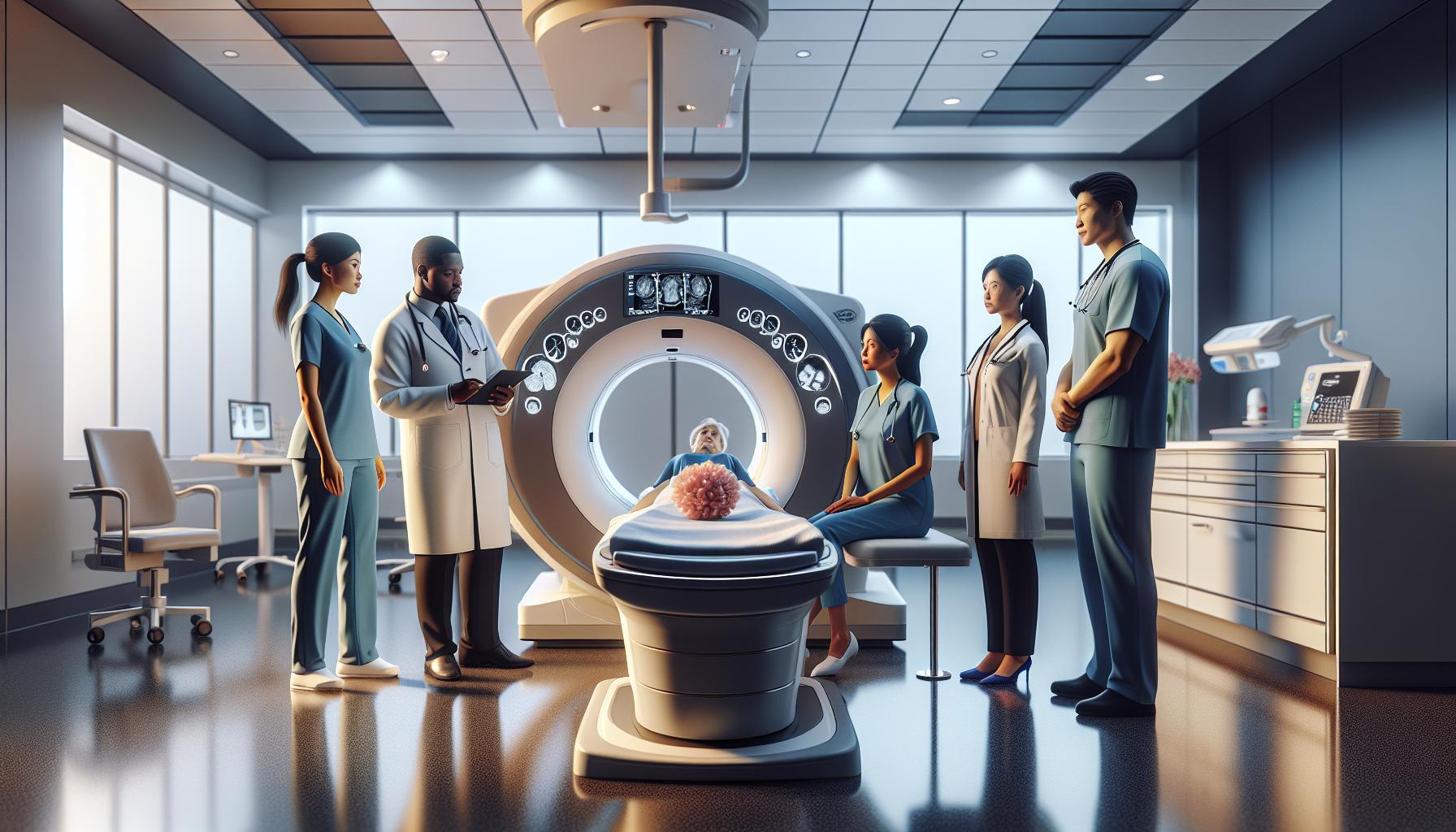
In today’s world, early detection of lung conditions is crucial to improving health outcomes, and a low dose lung CT scan is a vital tool in this process. This non-invasive imaging technique helps identify potential issues like cancer or nodules while minimizing radiation exposure. For individuals who may face heightened risks due to factors like smoking or family history, understanding the benefits of this screening can be empowering.
Many people find themselves uncertain about the need for imaging tests, often wondering what to expect and how it may impact their health journey. A low dose lung CT scan not only provides detailed images for accurate diagnosis but can also ease anxiety by offering peace of mind. As we explore what this scan reveals and its significant advantages, you’ll gain valuable insights into how this simple procedure can be a proactive step in safeguarding your lung health.
What is a Low Dose Lung CT Scan?
A Low Dose Lung CT Scan is a specialized imaging technique designed to screen for lung cancer and other pulmonary conditions while minimizing radiation exposure. This scan employs advanced technology to reduce the amount of radiation used compared to standard CT scans, making it a safer option for evaluating lung health. By using a lower dose of radiation, this scan aims to strike a balance between obtaining clear diagnostic images and protecting the patient’s health.
In practice, a low dose lung CT scan is typically quick and involves the patient lying on a motorized table that moves through the CT machine. The scanner captures images of the lungs in thin slices, allowing for detailed evaluation of lung tissues and structures. This technique is particularly beneficial for early detection of lung cancer, especially in individuals at higher risk, such as long-term smokers or those with a family history of lung disease.
While the reduced radiation exposure is a significant advantage, the scan still provides high-resolution images that can help radiologists detect subtle changes in lung tissues. These images may reveal nodules, inflammation, or other anomalies that could indicate a need for further assessment or intervention. For patients, understanding the purpose and safety of a low dose lung CT scan can alleviate anxiety and promote a proactive approach to lung health. Consulting with healthcare professionals ensures personalized recommendations and thorough interpretation of the scan results.
Key Differences: Low Dose vs. Standard CT Scans
Understanding the differences between a low dose lung CT scan and a standard CT scan can be crucial for patients concerned about lung health. While both imaging techniques utilize X-rays to create detailed images of the lungs, their key distinction lies in the amount of radiation exposure they entail. A low dose lung CT scan is designed with advanced technology that significantly reduces radiation levels, making it a safer option, especially for those who may require frequent screenings, such as high-risk populations.
In a standard CT scan, the radiation dose can be substantially higher, which may raise concerns about cumulative exposure over time. For individuals undergoing routine imaging for monitoring lung health, the cumulative effects of radiation are an important consideration. The low dose scan offers a practical alternative, producing images that are still high in quality but with markedly lower risk to the patient. This reduction does not compromise the diagnostic capabilities-it helps radiologists evaluate complex lung conditions effectively, such as detecting small nodules or signs of early-stage lung cancer.
Moreover, while both scans can achieve high-resolution images, low dose CT scans utilize iterative reconstruction techniques to enhance detail, allowing for a clearer view with less radiation. This is particularly beneficial for early detection, as subtle abnormalities can be identified during these screenings. Thus, opting for a low dose lung CT could offer peace of mind, especially for those with a history of smoking or significant lung disease, as it emphasizes patient safety without sacrificing the thoroughness of the examination.
Ultimately, the choice between a low dose and standard CT scan should be guided by a healthcare professional, who will consider individual health risks, history, and the urgency of the imaging need. Open discussions with your healthcare provider about these options can help you make informed decisions regarding your lung health, underscoring the importance of personalized medical guidance in navigating these technologies.
How Low Dose CT Scans Detect Lung Issues
A low dose lung CT scan serves as an advanced tool for early detection of pulmonary issues, leveraging cutting-edge technology to deliver detailed images with reduced radiation exposure. This specialized imaging technique allows healthcare providers to visualize the lungs with remarkable precision, identifying potential abnormalities such as small nodules, lesions, or early signs of lung cancer long before they may manifest symptoms. By employing optimized scanning protocols and algorithms, low dose CT scans maintain diagnostic accuracy while significantly minimizing risk, making them a vital option for at-risk populations, such as smokers or those with a family history of lung disease.
The process involves taking multiple cross-sectional images of the lungs, enabling radiologists to piece together comprehensive images for thorough analysis. These scans utilize lower levels of radiation than traditional CT scans by focusing on targeted areas of concern without compromising image quality. For instance, iterative reconstruction techniques enhance the clarity of the images, making it easier for specialists to spot subtle changes that could indicate early disease. As a result, the likelihood of detecting lung issues at a manageable stage increases, which can contribute to more effective treatment outcomes.
Moreover, the findings from a low dose lung CT scan can guide subsequent diagnostic tests or therapies. If a suspicious nodule is detected, your healthcare provider may recommend follow-up imaging or biopsies to further investigate the findings. This proactive approach not only empowers patients but also fosters an environment of open communication and shared decision-making between patients and their healthcare teams. Emphasizing the importance of early detection, low dose lung CT scans play a critical role in shaping the landscape of preventive healthcare, ultimately leading to better prognoses and quality of life for individuals at risk of lung-related health issues.
Benefits of Low Dose Lung CT Screening
Low dose lung CT screening offers an invaluable opportunity for early detection of lung-related issues, acting as a proactive approach to health for those at risk. This advanced imaging technique utilizes significantly reduced radiation compared to standard CT scans while maintaining exceptional diagnostic accuracy. By enabling healthcare providers to visualize the lungs in detail, it enhances the capacity to spot early-stage problems such as small nodules or initial signs of lung cancer, which might otherwise go unnoticed in routine examinations.
One of the most compelling is its contribution to improved survival rates through early intervention. When lung issues are detected at an earlier stage, there are often more treatment options available, leading to better outcomes. For instance, studies have shown that individuals who undergo routine low dose lung CT screening have a higher chance of identifying lung cancer while it is still localized, allowing for timely surgery or targeted therapies. This early identification can make the difference between a straightforward treatment plan and more complex, aggressive measures later on.
Moreover, low dose lung CT scans facilitate comprehensive monitoring for individuals with existing risk factors, such as long-term smokers or those with a family history of lung diseases. Regular screenings can help track changes over time, providing a reassuring strategy that allows for ongoing evaluation without excessive concern about radiation exposure.
In addition, the process itself fosters a collaborative environment between patients and their healthcare providers. Patients feel more empowered when they understand their lung health status and receive guidance on lifestyle changes or additional tests, allowing for a more engaged approach to health management. Thus, low dose lung CT screening not only serves as a diagnostic tool but also as an essential component of preventive healthcare, ultimately motivating at-risk individuals to prioritize their health and well-being.
Who Should Consider a Low Dose Lung CT?
Researchers have consistently found that early detection of lung abnormalities significantly improves treatment outcomes. Consequently, low dose lung CT scans are especially recommended for specific groups of individuals who may benefit most from this advanced screening technology. If you or someone you know fits into one of the following categories, it might be worth discussing a low dose lung CT scan with a healthcare provider.
High-Risk Individuals
Individuals who are at an elevated risk for lung cancer, particularly those aged 50 to 80 with a history of heavy smoking-defined as a 20 pack-year smoking history-should consider a low dose lung CT. Furthermore, those who have quit smoking in the past 15 years are also encouraged to participate in regular screenings. Early detection in these populations can result in timely intervention, which is critical for effective treatment.
People with a Family History of Lung Disease
A family history of lung conditions such as lung cancer, chronic obstructive pulmonary disease (COPD), or other respiratory problems also warrants consideration for this type of screening. Genetic predispositions can increase the likelihood of developing lung diseases, making early detection vital.
Those Exposed to Environmental Risk Factors
Individuals with significant exposure to certain environmental risk factors, such as asbestos or heavy air pollution, may also benefit from low dose lung CT screenings. This includes people who have been exposed in occupational settings or those living in areas with high pollution levels, as they may be at a heightened risk for developing lung abnormalities.
Monitoring Existing Lung Conditions
For individuals already diagnosed with lung diseases or conditions such as emphysema or lung nodules, regular monitoring through low dose CT scans can provide essential insights into disease progression. This proactive approach allows healthcare providers to adapt treatment plans as necessary, ultimately optimizing patient outcomes.
Ultimately, the decision to pursue a low dose lung CT scan should be made collaboratively with a healthcare professional who can assess individual risk factors and needs. Taking the next step in lung health requires open communication and informed discussions about options available, ensuring a comprehensive approach to maintaining well-being.
Preparing for Your Low Dose Lung CT Scan
Preparing for a low dose lung CT scan can be a straightforward process, and knowing what to expect can help alleviate anxiety. This type of scan is essential for early detection of lung conditions, which can significantly improve treatment outcomes. As you get ready for your appointment, there are several key steps to ensure a smooth experience.
Firstly, consult with your healthcare provider about any medications you are currently taking. Certain medications may need to be paused, especially those that can affect lung function, but do not stop taking any medication without your doctor’s explicit guidance. If you are pregnant or suspect you might be, it’s crucial to inform your physician, as they will assess the risks and benefits of proceeding with the scan.
On the day of the scan, dress comfortably but avoid clothing with metal components, such as zippers or buttons, as these can interfere with the imaging process. You may also be asked to remove jewelry and any other accessories. Furthermore, it’s advisable to stay well-hydrated and follow any specific instructions provided by your healthcare team regarding eating or drinking prior to the scan.
During the appointment, the technologist will explain the procedure, including positioning on the scanner and the importance of remaining still. You’ll be asked to hold your breath for short periods while images are taken; this is a quick process that usually lasts only a few minutes. If you have any concerns or questions at this stage, don’t hesitate to voice them.
By being well-prepared and informed, you can significantly ease any reservations you may have about the low dose lung CT scan, leading to a better experience overall. Remember, this scan is a vital tool in monitoring your lung health, and taking these preparation steps is an important part of that journey.
Understanding the Cost of Lung CT Screening
Understanding the financial aspect of a low dose lung CT scan is crucial for patients considering this valuable screening tool. The average cost of a low dose lung CT scan can vary significantly based on factors such as location, facility type, and whether you have insurance coverage. Generally, prices can range from $300 to $800 without insurance. If you do have insurance, your costs may be substantially lower, with some plans covering the entire amount, especially if the scan is part of a preventive screening program for high-risk individuals.
Before proceeding with the scan, it’s wise to consult with your healthcare provider and your insurance company. Many insurance plans aggressively promote lung cancer screening for at-risk populations, meaning they may cover the full cost or offer it at a reduced rate. Inquire about any pre-authorization requirements that might be necessary. Understanding your specific policy can save you unexpected out-of-pocket expenses.
Moreover, some medical facilities offer payment plans or financial assistance programs to help with costs. It’s worth exploring these options if you’re concerned about affordability. If you are part of a high-risk group, consider checking if your local health department or cancer organizations offer free or low-cost screening events, as these can be a proactive approach to managing your lung health.
Ultimately, the investment in a low dose lung CT scan can lead to early detection of potential issues, which is key to better treatment outcomes and potentially lower healthcare costs in the long run. Taking the time to understand the cost and insurance process can alleviate financial concerns, allowing you to focus on what truly matters-your health and peace of mind.
What to Expect During the Procedure
While preparing for a low dose lung CT scan, many patients find themselves curious about what the experience will entail. Knowing what to expect can significantly ease any anxiety, making the visit smoother and more comfortable. The scanning procedure is designed to be quick and non-invasive, often lasting just a few minutes from start to finish.
Upon arrival, you’ll check in at the facility, where staff will guide you through the process. After registration, a technologist will escort you to the CT scanning room. It’s advisable to wear loose-fitting clothing and avoid jewelry or accessories that could interfere with the scan. Most importantly, be prepared to lie still on the scanning table. The table will then move through the machine, which resembles a large doughnut. As the scan begins, you’ll be instructed to hold your breath briefly while images are captured. This helps to create clear pictures and reduces potential motion blur.
Understanding the technology can help alleviate concerns. A low dose lung CT scan uses advanced imaging techniques to minimize radiation exposure while providing high-quality images, allowing for the detection of abnormalities such as lung nodules. The entire procedure is generally painless; however, some patients may hear a whirring sound during the scan, which is entirely normal as the machine operates.
After the scan, you will be advised about the next steps. Typically, there’s no downtime required-you can resume your regular activities immediately. Results from the scan usually take a few days and will be discussed with you in a follow-up appointment, where you can ask any questions about findings and next steps. Understanding the lay of the land before your visit can not only manage expectations but also empower you to participate actively in your lung health journey.
Interpreting Your Low Dose CT Scan Results
Understanding the results of a low dose lung CT scan can be both crucial and anxiety-provoking. It’s important to remember that while these scans are powerful diagnostic tools, they do not provide a definitive diagnosis on their own. The purpose of these scans is to visualize the lungs in a way that allows healthcare professionals to detect anomalies such as nodules, masses, or other potential issues that could indicate lung disease.
When your scan results come in, they will be interpreted by a radiologist, a doctor trained to analyze medical images. The radiologist will provide a report highlighting any findings, which may include descriptions of the size, shape, and location of detected structures in your lungs. Common findings can range from benign nodules, which may require follow-up scans, to more serious concerns that might necessitate further testing or referrals to specialists. Understanding these terms can empower you during conversations with your healthcare provider.
It’s essential to approach your results with a level head. Queries about the implications of any findings are natural; do not hesitate to discuss them with your doctor. They can explain what the results mean in the context of your overall health and whether additional tests are necessary. Being prepared with specific questions can pave the way for a more productive discussion.
In addition to understanding your report, embrace the opportunity to seek clarity on next steps. Your doctor may suggest follow-up imaging or specific actions based on the findings. Always keep in mind the importance of ongoing communication with healthcare professionals, as they can provide personalized guidance tailored to your unique situation. Engaging in this way not only helps alleviate anxiety but also plays a vital role in your overall lung health management.
Common Concerns: Safety and Radiation Exposure
The prospect of undergoing a low dose lung CT scan can cause a flurry of emotions, particularly concerning safety and radiation exposure. With advanced imaging technology, a low dose CT scan delivers significantly lower radiation levels than traditional CT scans-up to 90% less-while still providing comprehensive views of the lungs. This reduction in radiation is crucial as it minimizes potential risks without compromising diagnostic efficacy, allowing healthcare providers to detect lung conditions early when they are most treatable.
Understanding the potential risks of radiation exposure is essential for patients. The amount of radiation associated with a low dose CT scan is relatively low and comparable to the amount received from natural background radiation over a few days. Still, it’s understandable to feel apprehensive, especially if you’ve heard about the dangers of excessive radiation. It’s always beneficial to discuss these concerns openly with your healthcare provider, who can personalize information based on your medical history and the necessity of the scan.
When considering safety, medical professionals weigh the benefits of early lung cancer detection against the risks of radiation exposure. Most guidelines recommend low dose lung CT scans for individuals at high risk for lung cancer, such as long-term smokers or those with a significant history of exposure to lung carcinogens. The aim is always to ensure the benefits significantly outweigh any risks.
For added peace of mind, hospitals and imaging centers apply strict protocols to ensure the lowest possible radiation doses during diagnostics. If you’re feeling nervous about your scan, remember that you are not alone-many patients share similar feelings. Engaging in thorough discussions with your healthcare team not only empowers you but also helps demystify the procedure and reinforces confidence in the safety measures in place. Always keep in mind that the goal is to provide the best care with your safety as a top priority.
Next Steps After Receiving Your Results
Receiving results from a low dose lung CT scan can evoke a mixture of emotions, ranging from relief to anxiety about the findings. Understanding what to do next can help guide you through this potentially overwhelming time. The first crucial step is to schedule a follow-up appointment with your healthcare provider, who will interpret the results and discuss them in detail. This conversation is vital, as they will provide context on what the images reveal-whether they show signs of lung disease, areas that require closer monitoring, or if everything appears normal.
In the case of abnormal findings, rest assured that your healthcare team will create a personalized action plan. This might include further testing, additional imaging, or referrals to specialists. It’s important to ask questions and clarify any uncertainties during this discussion; understanding the implications of your results can empower you in your health journey. If the scan reveals no significant issues, it might still be beneficial to discuss what this means for your overall lung health and any recommended lifestyle changes or preventive measures.
Preparation for your next steps can also involve gathering your medical history and any symptoms you may have experienced. Having this information readily available will facilitate more thorough discussions with your healthcare provider. Additionally, consider bringing a family member or friend to your appointment for support. They can help in absorbing the information and asking questions you might overlook due to stress or nervousness.
Lastly, take advantage of any resources your medical center provides, such as educational materials or support groups. Connecting with others who have undergone similar experiences can provide encouragement and reassurance. Always remember, proactive engagement in your health care, informed discussions about your findings, and staying up-to-date with routine screenings are essential aspects of maintaining lung health. Your healthcare team is there to guide you every step of the way, ensuring your concerns are addressed and your health is prioritized.
Innovations in Lung CT Technology and Future Trends
The landscape of lung CT technology is evolving rapidly, with innovations designed to enhance imaging quality while minimizing risks for patients. One of the most exciting advancements is the development of iterative reconstruction algorithms. These sophisticated techniques reduce noise in images, which can improve the clarity of scans taken at lower doses of radiation. As a result, practitioners can achieve high-quality diagnostic images with significantly reduced exposure, addressing one of the primary concerns patients have regarding the safety of CT scans.
Moreover, ongoing research into AI and machine learning applications in radiology is becoming a game-changer in lung CT imaging. Computer algorithms are now capable of assisting radiologists in identifying potential abnormalities or nodules far more quickly and accurately than traditional methods alone. This integration not only enhances the diagnostic process but also allows for earlier detection of diseases, which can be crucial in conditions like lung cancer, where early intervention greatly improves outcomes.
As technology progresses, we are also witnessing the advent of portable and low-cost CT scanners. These innovations are particularly beneficial in remote or underserved areas where access to advanced medical imaging is limited. With these devices, healthcare providers can perform lung screenings in diverse settings, allowing for broader population screening efforts, especially in high-risk communities.
Finally, the future holds promise with developments in multi-energy CT scans, which capture data at different energy levels. This technique can distinguish between different tissue types more effectively, helping to identify and characterize lung lesions more accurately. As these technologies become more widely implemented, patients can expect not only improved safety and accessibility but also enhanced accuracy in lung disease detection, allowing for earlier and more effective treatment options.
In sum, as innovation continues to reshape lung CT scanning, patients can feel reassured that these advancements are designed not only to improve diagnostic capabilities but also to prioritize their safety and care. Regular discussions with healthcare providers about these technologies can help demystify the process and provide clarity regarding individual screening needs and options.
FAQ
Q: What conditions can a low dose lung CT scan detect?
A: A low dose lung CT scan can detect various conditions, including lung cancer, emphysema, and chronic obstructive pulmonary disease (COPD). It can also identify nodules and other abnormalities in lung tissue, aiding early diagnosis and treatment.
Q: How often should I get a low dose lung CT scan?
A: The frequency of low dose lung CT scans typically depends on individual risk factors, such as age, smoking history, and family history of lung disease. Most guidelines recommend an annual scan for high-risk individuals, but discuss personal circumstances with a healthcare provider for tailored advice.
Q: Is a low dose lung CT scan painful?
A: No, a low dose lung CT scan is not painful. Patients lie down on a table that moves through the scanner; they may hear some noise but should experience no discomfort. It’s quick, usually taking only a few minutes.
Q: What preparation is needed for a low dose lung CT scan?
A: Preparation for a low dose lung CT scan is minimal. Patients are advised to wear comfortable clothing without metal zippers or buttons and may need to avoid eating or drinking for a few hours before the scan. Always follow specific instructions provided by the healthcare facility.
Q: What should I expect after my low dose lung CT scan?
A: After a low dose lung CT scan, patients can typically resume normal activities immediately. Results are usually reviewed by a radiologist, and follow-up appointments will be scheduled to discuss findings and next steps, if necessary.
Q: Can a low dose lung CT scan replace a standard chest X-ray?
A: While a low dose lung CT scan provides more detailed images than a standard chest X-ray, it doesn’t entirely replace it. Physicians may recommend a CT scan based on specific concerns or findings from a chest X-ray for a more comprehensive assessment.
Q: Are there any risks associated with a low dose lung CT scan?
A: Low dose lung CT scans expose patients to less radiation compared to standard CT scans, but there is still a minimal risk associated with radiation exposure. The benefits of early detection usually outweigh these risks, particularly for high-risk individuals.
Q: How long does it take to get results from a low dose lung CT scan?
A: Results from a low dose lung CT scan are typically available within a few days. The radiologist will analyze the images and provide a report to the referring physician, who will then discuss the results with the patient.
For further information about what to expect during and after your scan, check out the sections “What to Expect During the Procedure” and “Next Steps After Receiving Your Results” in the main article.
Insights and Conclusions
Understanding the benefits of a low-dose lung CT scan is crucial for proactive lung health. By detecting potential issues early, this screening helps pave the way for timely intervention and improved outcomes. If you’re considering this screening, take the next step by discussing it with your healthcare provider to determine if it’s right for you.
For more insights on maintaining healthy lungs, check out our articles on lung anatomy and healthy lifestyle choices. Don’t forget to explore our resources on the preparation and procedures related to CT scans, ensuring you’re fully informed and ready. Your health is a journey-continue to educate yourself, and feel free to reach out with any questions or comments. Together, we can work towards better lung health!