Concussions are elusive injuries that can have serious consequences yet often go undetected in traditional evaluations. A CT scan, while primarily used for detecting structural brain injuries, can sometimes reveal signs of a concussion. Understanding the capabilities and limitations of CT imaging in assessing brain injuries is crucial for proper diagnosis and treatment. As awareness of brain health grows, many are left wondering: can a CT show a concussion, and what does that mean for recovery?
This article delves into the nuances of CT scans in concussion detection, addressing common concerns and empowering readers with knowledge about imaging technologies. We’ll explore what a CT scan can reveal, the importance of seeking medical guidance, and how to navigate the complex journey of recovery from brain injuries. Whether you are a concerned parent, an athlete, or simply seeking information, understanding these aspects can significantly impact health decisions and outcomes.
Understanding Concussions: What They Are and How They Occur
Experiencing a concussion can be unsettling, especially given the myriad ways it can occur and the effects it can have on your life. A concussion is a form of mild traumatic brain injury characterized by a temporary disruption in brain function. This often arises from a direct blow to the head, but even minor impacts can lead to significant consequences. For example, athletes in contact sports frequently face the risk of concussions, but they can also happen in everyday situations, such as a fall or an automobile accident. Each year, approximately 3.8 million sports-related concussions occur in the United States alone, underscoring the importance of understanding this condition and how to recognize its symptoms.
The mechanisms behind concussions involve sudden movements that cause the brain to shift within the skull. This movement can disrupt normal brain processes, leading to symptoms such as confusion, dizziness, headache, and balance problems. Sometimes, individuals might also experience disruptions in memory or concentration, amplifying the impact of the injury on daily activities. It’s crucial to understand that while some people recover quickly, others may experience prolonged symptoms, indicating that appropriate medical evaluation and management are vital.
If you suspect a concussion, consider consulting a healthcare professional who can provide guidance tailored to your specific situation. A thorough evaluation, including your medical history and symptom review, is essential. In certain cases, advanced imaging techniques like CT scans may be utilized to detect complications associated with concussions, though they may not always identify the injury itself. Understanding concussions and their implications is a critical step toward fostering recovery and ensuring safety, especially for those engaged in sports or high-risk activities.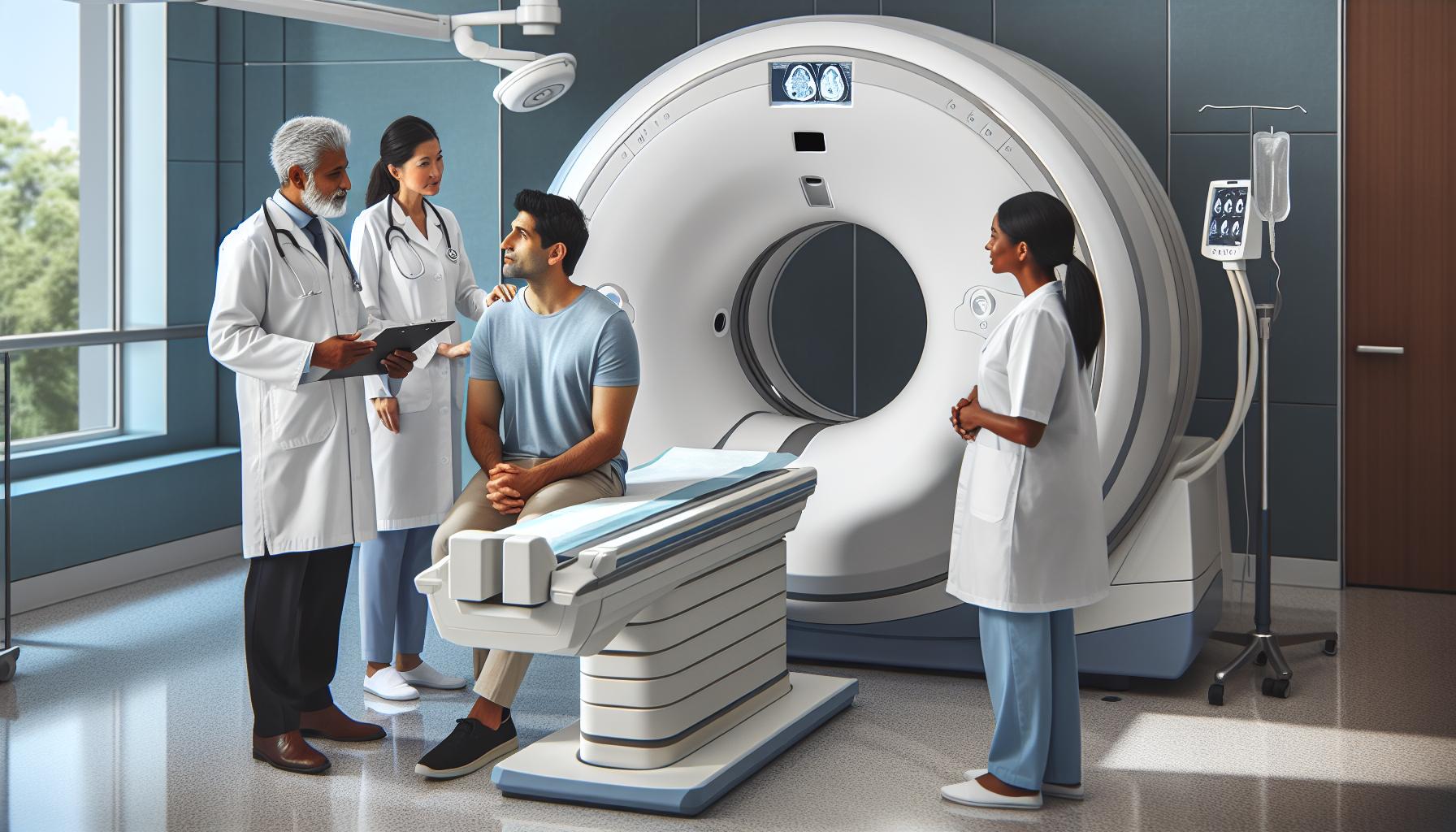
How Does a CT Scan Work? An Overview of the Procedure
A CT scan, or computed tomography scan, is a powerful imaging tool that provides detailed images of the body’s internal structures, including the brain. Using a combination of X-rays and sophisticated computer algorithms, a CT scan creates cross-sectional images that can be invaluable in diagnosing injuries, including those caused by concussions. This non-invasive procedure helps healthcare providers assess the condition of the brain, identify potential complications, and formulate appropriate treatment plans.
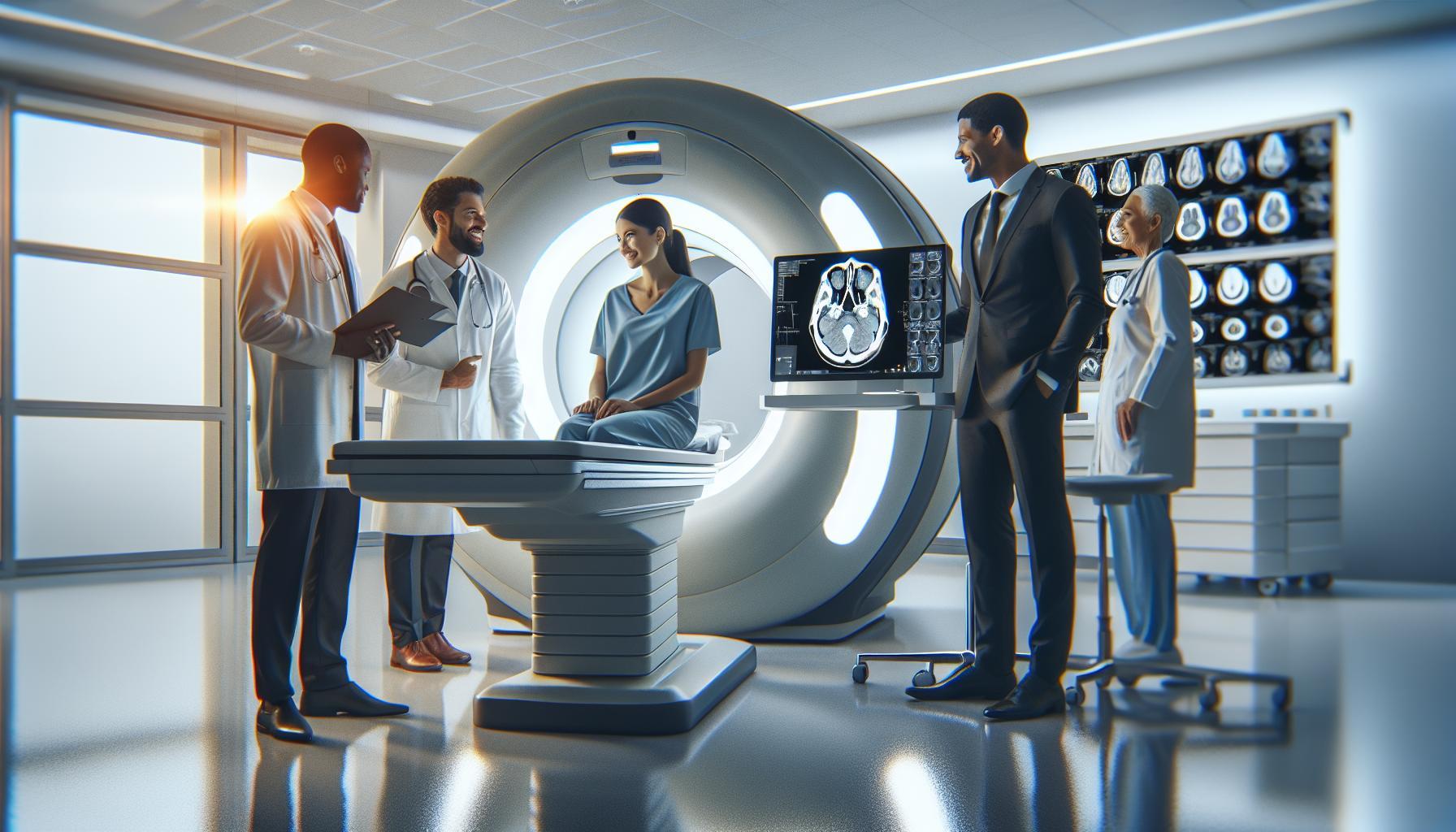
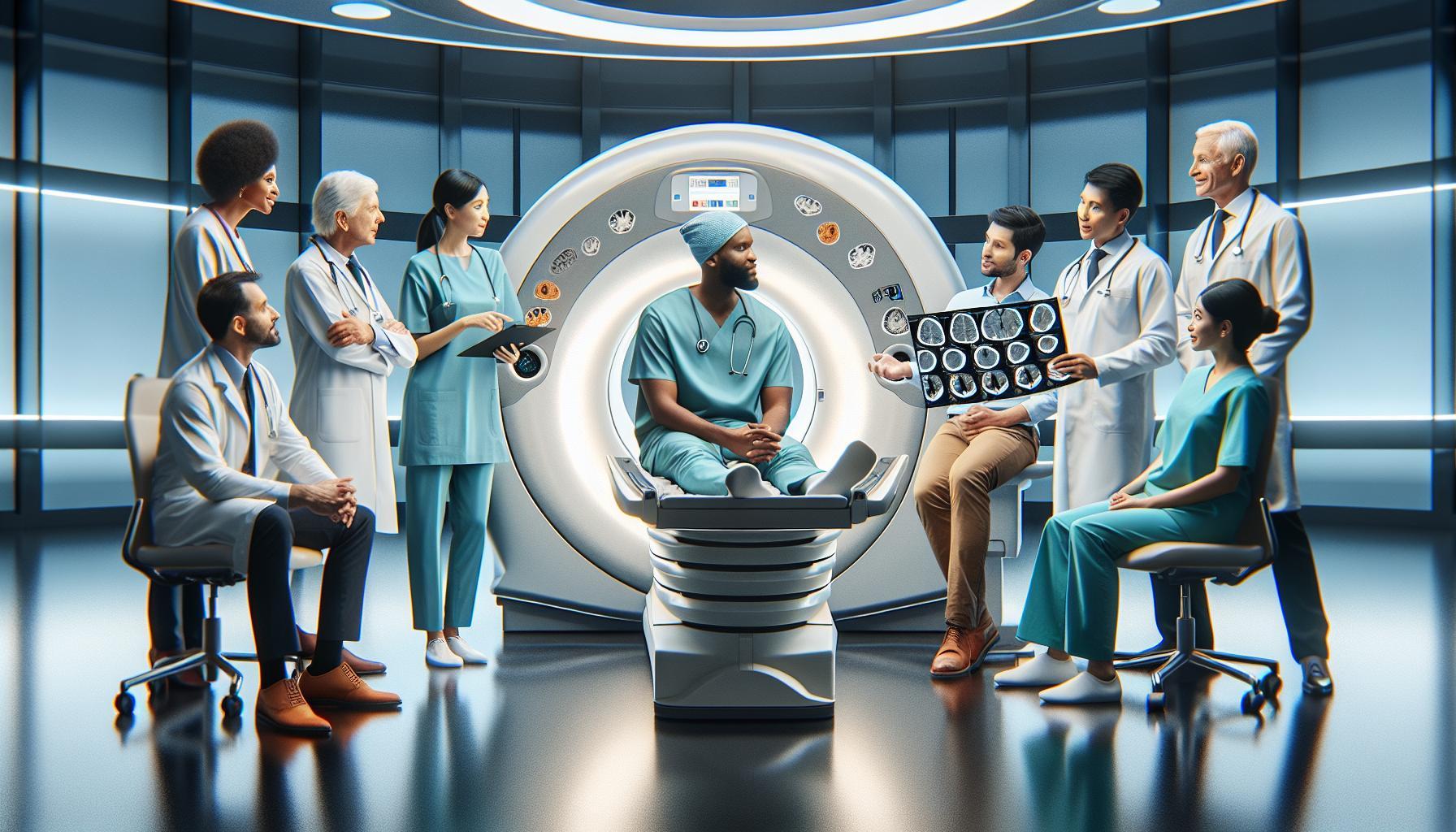
During a CT scan, you will lie on a table that slides into a large, doughnut-shaped machine. The scanner rotates around you, capturing multiple images as it does so. This process typically lasts only a few minutes and is painless, which can help ease feelings of anxiety for patients. The machine’s operator may ask you to hold your breath for short periods to ensure clarity in the images, while speakers will keep you informed throughout the procedure. For patients who may feel claustrophobic, open MRI machines or special accommodations can often be requested for additional comfort.
After the images are captured, they are processed by a computer, producing detailed slices of the brain that radiologists will examine closely for any signs of bleeding, swelling, or structural injuries. While CT scans can detect certain complications that may arise from a concussion, it’s important to note that they do not always show the concussion itself, as this injury primarily affects brain function rather than its structure. As such, a CT scan is generally utilized when there are strong clinical indications or concerning symptoms following a head injury, such as severe headaches, prolonged unconsciousness, or signs of neurological decline.
It’s essential to understand that while a CT scan can be a crucial part of the evaluation following a concussion, it is one component of a comprehensive assessment that may include other diagnostic methods and clinical evaluations. Consulting with your healthcare provider can provide clarity on whether a CT scan is necessary in your particular case and what to expect throughout the process. Remember, being informed is a powerful step in managing your health effectively.
CT Scans vs. Other Imaging Techniques for Brain Injury
Imaging techniques play a crucial role in assessing brain injuries, and each method offers different insights into the brain’s condition. When comparing CT scans to other modalities, such as MRI (Magnetic Resonance Imaging) and X-rays, it’s essential to consider their specific strengths and limitations.
CT scans are particularly advantageous in emergency settings due to their speed and effectiveness in identifying acute conditions like fractures, hemorrhages, or swelling. A CT scan can produce images quickly, which is vital for diagnosing severe head injuries that may require immediate intervention. The ability to visualize bone structures alongside soft tissues makes CT scans indispensable when trauma is suspected.
On the other hand, MRIs utilize powerful magnets and radio waves to generate high-resolution images of soft tissues, making them especially helpful for evaluating brain function and detecting subtle changes in brain tissue that may not be visible on a CT scan. MRIs excel in diagnosing issues such as diffuse axonal injury or other subtle brain injuries from concussions. However, due to their longer duration and the need for patients to remain still in a confined space, MRIs may not be suitable for every patient or situation, particularly in urgent scenarios.
X-rays, while useful for checking for skull fractures, lack the comprehensive detail necessary for assessing soft tissue injuries. They provide a basic overview but do not reveal the intricate workings and conditions of the brain itself. In contrast, both CT and MRI provide detailed, multidimensional views that are critical for a thorough assessment of concussions and other brain injuries.
Ultimately, the choice of imaging technique depends on specific clinical indications, the nature of the suspected injury, and the patient’s condition. Consulting healthcare professionals ensures that patients receive personalized recommendations based on their unique situations, which can enhance the effectiveness of diagnosis and subsequent treatment.
Can a CT Detect a Concussion? Key Insights and Facts
A CT scan, or computed tomography scan, is a powerful imaging tool that can be crucial in emergency situations, but its ability to detect concussions specifically can be somewhat limited. While a CT scan is particularly adept at identifying acute injuries such as fractures, bleeding, or significant swelling within the brain, it does not directly visualize concussions, which are more about functional disturbances rather than structural changes. A concussion is classified as a mild traumatic brain injury, and the effects can often fall under the radar of a CT scan, which focuses on identifying more obvious, structural abnormalities.
When considering whether a CT scan can detect a concussion, it’s essential to understand that while the scan may not show the concussion itself, it can still play a vital role in assessing related injuries. For instance, if a person experiences a blow to the head, a CT scan can quickly rule out severe issues like intracranial hemorrhage or skull fractures, which may require urgent medical attention. Therefore, while a CT scan won’t confirm a concussion, it helps ensure that there are no other serious complications that could lead to ongoing or elevated risks.
Understanding the Limitations
It’s important to acknowledge that a CT scan has limitations in diagnosing concussions. These imaging techniques can miss subtle brain injuries that may occur following a concussion; this is where specialized tools, like MRI, can provide deeper insights. MRIs are generally better suited for identifying microscopic changes in brain tissue that may occur after a traumatic incident.
Many healthcare professionals recommend clinical assessments, such as balance testing and cognitive evaluations, in conjunction with imaging techniques when evaluating potential concussions. These assessments can offer a comprehensive view of the patient’s condition, providing valuable information that a CT scan alone may not deliver.
Ultimately, it is essential to consult with a healthcare provider to determine the most appropriate approach for evaluating a suspected concussion. By understanding the role of CT scans and the nature of concussions, patients can make informed decisions about their care and ensure they receive the appropriate evaluation and treatment tailored to their specific medical needs.
Limitations of CT Scans in Concussion Diagnosis
A computed tomography (CT) scan is often seen as a definitive tool for diagnosing various head injuries, but it has notable limitations when it comes to identifying concussions. This sophisticated imaging technology excels in spotting structural abnormalities like fractures, bleeding, and significant swelling; however, it falls short in directly visualizing the functional disturbances associated with concussions. Understanding this distinction is essential for anyone who has experienced a head injury.
While one may think a CT scan could validate a concussion diagnosis, the reality is that it primarily ensures serious threats, like intracranial hemorrhage or skull fractures, are ruled out. This function is crucial in emergencies where immediate intervention may be required. For example, if a person reports symptoms like confusion or headache after a fall, a CT scan can quickly determine whether these symptoms are due to a more severe structural brain injury. Yet, it is important to note that the absence of visible damage on a CT does not inherently mean the absence of a concussion.
Healthcare professionals often recommend incorporating clinical assessments into the diagnostic process alongside imaging techniques for a more comprehensive evaluation. Such assessments may include:
- Cognitive tests to evaluate memory and attention.
- Balance assessments to check for coordination issues.
- Neurological exams to assess reflexes and sensory responses.
These additional evaluations help paint a fuller picture of the patient’s condition, as concussions can lead to subtle changes not detectable by CT scans. For the best outcomes, individuals experiencing symptoms suggesting a concussion should consult healthcare providers to explore all available diagnostic tools and methods tailored to their specific needs. By combining the insights gained from imaging with thorough clinical assessments, patients can more effectively navigate their care and recovery process.
Signs and Symptoms: When to Consider a CT Scan
Experiencing a head injury can be a frightening event, often accompanied by various symptoms that can leave individuals uncertain about their health. It’s important to recognize when it might be necessary to seek advanced imaging, such as a CT scan, especially after a potential concussion. A CT scan is a valuable tool used to rule out serious conditions, such as skull fractures or bleeding in the brain, providing peace of mind in urgent situations.
When considering whether a CT scan is warranted, pay attention to key signs and symptoms that may indicate a more severe injury. These include:
- Severe headache: Persistent or unusually intense headaches following the injury.
- Confusion: Difficulty understanding or responding appropriately to questions.
- Dizziness or balance problems: Feeling unsteady or lightheaded.
- Nausea or vomiting: These symptoms can be common after a head impact and may indicate a more serious issue.
- Loss of consciousness: Even if brief, any loss of consciousness should prompt immediate evaluation.
- Clear fluid or blood from the nose or ears: This could suggest a skull fracture and warrants urgent medical attention.
- Changes in vision: Blurred or double vision can be a sign of serious injury.
If you or someone you know is experiencing these symptoms after a head injury, it is crucial to consult with a healthcare professional as soon as possible. While a CT scan is not required for every bump on the head, recognizing these warning signs can guide you in making informed decisions about your health. A timely evaluation can lead to earlier treatment and management of any potential complications, ensuring the best possible recovery outcomes.
In numerous cases, a CT scan may reveal no visible damage, yet clinical assessments remain critical in diagnosing a concussion. These assessments often include cognitive tests, balance evaluations, and neurological exams that help determine the full extent of any injury. Engaging with your healthcare provider about these symptoms and undergoing the appropriate evaluations will empower you to navigate your care effectively and safely.
Preparing for Your CT Scan: A Patient’s Guide
Preparing for a CT scan can feel daunting, especially when it’s in response to a head injury. Understanding the steps to ensure a smooth experience can significantly alleviate anxiety. A CT scan, or computed tomography scan, is a valuable diagnostic tool utilized to examine your brain and identify any possible injuries or conditions following an impact. Knowing what to expect can empower you and help you feel more prepared.
Before your appointment, there are a few essential preparations to keep in mind:
- Consult Your Doctor: Discuss any medications you are currently taking or any allergies you may have, especially to contrast dyes. Your healthcare provider will give specific instructions tailored to your situation.
- Arrival Timing: Arrive at the facility at least 15 minutes early. This allows time for any necessary paperwork and for you to relax before the procedure.
- Dress Comfortably: Wear loose-fitting clothing without metal fastenings such as zippers, buttons, or belts. You may be asked to change into a hospital gown for the scan.
- No Food or Drink Restrictions: Generally, there are no food restrictions before a CT scan, unless specifically instructed by your doctor. However, if contrast dye is required, you may need to refrain from eating or drinking for a few hours beforehand.
- Bring Support: If possible, bring a friend or family member with you. Not only can they provide moral support, but they can also help you remember any instructions given by healthcare staff.
The procedure itself is straightforward, typically lasting only a few minutes. You’ll lie on a table that slides into the CT machine, and you may need to hold your breath for a few seconds while images are captured. Understanding this can transform the experience from intimidating to manageable.
Post-procedure, you can usually resume normal activities immediately unless instructed otherwise. If you’ve received contrast dye, ensure to drink plenty of fluids in the hours following the scan to help eliminate it from your body. A healthcare provider will review the results with you and discuss any necessary next steps, providing an opportunity to address any lingering questions or concerns.
Feeling prepared can make a significant difference when facing medical imaging. By following these steps and staying informed, you can navigate the process more comfortably and confidently.
What to Expect During and After a CT Scan
When it comes to assessing brain injuries and potential concussions, knowing what to anticipate during and after a CT scan can greatly ease your worries. These scans are designed to deliver a detailed view of the inner structures of your head, allowing healthcare professionals to identify any swelling, bleeding, or fractures that may need attention. Understanding the process not only demystifies it but also empowers you to engage with your health actively.
During the CT scan, you will typically be asked to lie flat on a table that gradually slides into the circular opening of the scanning machine. Some people find the machine slightly claustrophobic, but it’s important to remember that the procedure will only take a few minutes, and you can communicate with the technologist at any time. As the machine captures images, you may hear a series of clicking and whirring sounds. You might also be instructed to hold your breath shortly while the scan is being taken to ensure the images are clear. If a contrast dye is required to enhance the images, the technologist will explain the process and monitor you closely for any reactions.
After the scan, most individuals can resume normal activities immediately, which is a relief for many. If you received contrast dye, drinking plenty of fluids post-scan is vital, as it helps flush the substance from your system. Within a short time, your doctor will review the images for any signs of significant injury that might indicate a concussion. They will provide you with a thorough explanation of your results and discuss any necessary follow-up steps, ensuring that you have a clear understanding and feel reassured moving forward.
Overall, while the prospect of a CT scan may seem daunting, knowing what to expect can alleviate much of the anxiety. Being prepared for the experience makes it smoother, allowing you to focus on your recovery. Always remember, your healthcare team is there to support and guide you through the process, addressing any questions you may have along the way.
Interpreting CT Scan Results: A Layman’s Guide
When it comes to understanding CT scan results, especially in the context of concussions, the information provided can be surprisingly complex yet critically important. CT scans are designed to reveal structural injuries to the brain, such as fractures, hemorrhages, or significant swelling. However, it’s important to note that they often cannot detect the subtle brain injuries that are characteristic of concussions.
After your CT scan, the radiologist will analyze the images and look for any abnormalities. They may categorize the findings into a few key areas:
- Normal Findings: If there are no signs of injury, the report may state that the brain appears normal.
- Minor Injuries: Sometimes, minor contusions or bruising may be noted, but these may not always lead to concussive symptoms.
- Significant Findings: More serious issues such as a skull fracture or intracranial bleeding can be life-threatening and require immediate medical attention.
Key results will be communicated to you through your healthcare provider, who will interpret what these findings mean in the context of your symptoms and situation. It’s natural to feel anxious as you await results; thus, maintaining open communication with your doctor is essential. They can provide clarity regarding the implications of your scan, whether it indicates a concussion, and what steps to take next.
While the CT scan is a powerful tool in diagnosing visible injuries, it’s crucial to be aware of its limitations regarding concussions. Subtle changes related to concussions, such as diffuse axonal injury, may not be visible on a CT scan and often requires additional testing, such as MRI or neuropsychological evaluation. Understanding this distinction can empower you to ask the right questions and make informed decisions about your healthcare pathway. Always remember that each case is unique, and your doctor’s expertise is invaluable in interpreting your results properly and guiding your recovery process.
Real Stories: How CT Scans Helped Diagnose Concussions
Experiencing a head injury can be a terrifying ordeal, fraught with uncertainty about the extent of any potential damage. In many cases, CT scans have played pivotal roles in diagnosing concussions effectively. These imaging tests can reveal significant structural injuries, such as fractures or internal bleeding, leading to timely interventions that can make all the difference in a patient’s recovery journey.
For example, consider the case of a young athlete who suffered a fall during a soccer match. Initially, she presented with mild headaches and confusion, common but concerning symptoms after such an impact. The attending physician decided to conduct a CT scan to rule out any serious injuries. The scan confirmed no fractures or bleeding, easing the anxiety of both the patient and her family. However, the results prompted further evaluation of her cognitive function, ultimately confirming a concussion. This is a perfect illustration of how a CT scan can clear the way for essential treatment while also being a crucial step in the diagnostic process.
Another real-world scenario involves an adult who experienced a car accident and sustained a blow to the head. In this case, the CT scan revealed a small contusion that was not immediately apparent during the physical examination. The identification of this injury was crucial, as it warranted close monitoring and a specific treatment plan that included rest and gradual return to normal activities. Had the CT scan not been performed, the subtle nature of the injury might have led to complications.
It’s important to remember that while CT scans are invaluable for identifying serious brain injuries, they may not always detect the more subtle changes associated with concussions. This reality underscores the importance of comprehensive evaluations by healthcare professionals who can interpret CT scan results in conjunction with clinical symptoms and history. By understanding the role of CT scans in diagnosing concussions, patients can approach their treatment with greater confidence and peace of mind, knowing they are receiving the best possible care tailored to their individual needs.
Cost of a CT Scan: What You Need to Know
The financial aspect of a CT scan can often be a source of concern for patients, especially when it’s related to assessing a serious condition like a concussion. Understanding the potential costs involved can alleviate some anxiety and help you make informed decisions about your health care. In general, the average cost of a CT scan in the United States ranges from $300 to $3,000, depending on various factors such as the location of the facility, the type of insurance coverage you have, and whether any contrast material is used during the procedure.
It’s important to consider the following elements that can influence the total expense of a CT scan:
- Facility type: Scans conducted in hospitals tend to be more expensive than those done in outpatient imaging facilities.
- Insurance coverage: Coverage can drastically affect out-of-pocket costs. Many insurance plans cover CT scans, but deductibles and copays can vary.
- Additional tests: If the CT scan results necessitate further testing or follow-up procedures, those costs will add to the overall financial burden.
Being proactive about your health involves not only understanding the medical necessity of a CT scan but also anticipating and navigating its costs. Before proceeding, consider reaching out to your insurance provider for clarity on your benefits relating to imaging services. Additionally, contacting the imaging center beforehand can often yield information about self-pay discounts for those without insurance.
Real-world examples highlight how patients manage the cost of CT scans. For instance, one individual was able to negotiate a lower price with the imaging facility by offering to pay cash upfront, which significantly reduced their overall expense. Similarly, those who are enrolled in financial assistance programs might discover that they qualify for reduced rates based on income eligibility.
Ultimately, while grappling with the potential cost of a CT scan, it is essential to keep in mind the immense value these scans can provide in diagnosing and managing a concussion effectively. Engaging in a detailed discussion with your healthcare provider can help ensure that you’re pursuing the most appropriate course of action both medically and financially. Your health should be your top priority, and there are often ways to manage costs while ensuring you receive the necessary care.
Consulting with Your Doctor: Making Informed Decisions
Consulting your doctor about a potential concussion is a critical step in ensuring your health and well-being. A concussion isn’t always visible on imaging tests like CT scans, but your doctor’s clinical expertise is invaluable. They can evaluate your symptoms, conduct a thorough examination, and determine whether imaging is necessary. This conversation should be focused on understanding your specific symptoms, the mechanism of injury, and any cognitive or physical limitations you’ve experienced since your injury.
For instance, if you’ve had a recent head injury, consider sharing *specific details* such as whether you’ve experienced headaches, dizziness, confusion, or memory issues. These symptoms can guide your physician in assessing the severity of the injury and whether a CT scan is warranted. It’s essential to ask questions and express any concerns you might have about the procedure, its risks, and what the results may imply for your treatment and recovery.
### Preparing for Your Consultation
Before your appointment, it’s helpful to prepare a brief *symptom diary* that outlines:
- When your symptoms began and how they have progressed.
- Any triggers you’ve noticed that intensify your symptoms.
- Your medical history, including previous concussions or head injuries.
Sharing this information can facilitate a more productive discussion and help your doctor make informed decisions. They may also recommend baseline concussion testing to ensure that your recovery can be monitored more effectively and safely.
During your consultation, remember that your healthcare provider is a partner in your recovery journey. They are there to guide you through the decision-making process and support you with tailored recommendations. If a CT scan is performed, they will discuss the results with you, explaining what the findings mean and the best course of action based on those results. Emphasizing open communication can lead to better outcomes and peace of mind as you navigate your recovery.
Faq
Q: Can a CT scan detect subtle brain injuries related to concussions?
A: No, CT scans are typically not sensitive enough to detect subtle brain injuries associated with concussions, such as diffuse axonal injury. They are better for identifying larger structural abnormalities or bleeding. For a comprehensive assessment, MRI may be more effective.
Q: What symptoms indicate the need for a CT scan after a head injury?
A: Seek a CT scan if you experience severe headache, persistent vomiting, confusion, difficulty waking, or changes in vision after a head injury. These could signify more serious brain trauma, necessitating immediate medical attention.
Q: How does a CT scan differ from an MRI in diagnosing brain injuries?
A: A CT scan uses X-rays to create images of the brain and is quicker and more readily available, while MRI uses magnetic fields for detailed images, better showing soft tissue damage. Both have different roles in diagnosing brain injuries.
Q: Should I get a CT scan immediately after a concussion?
A: Not always. Immediate CT scans are recommended if severe symptoms arise. For mild concussions, monitoring at home for worsening symptoms may be sufficient. Always consult a healthcare professional for tailored advice based on your condition.
Q: What can influence the accuracy of a CT scan in detecting brain injuries?
A: Factors such as the timing of the scan, the skill of the radiologist, and the quality of the imaging equipment can affect the detection of brain injuries. Early scans after the injury may yield different results than those taken days later.
Q: Can a CT scan show previous concussions?
A: No, CT scans cannot show previous concussions directly, as concussion is a functional disturbance rather than a visible injury. However, they may reveal changes from repeated injuries over time, like structural damage.
Q: Are there risks associated with CT scans for concussion diagnosis?
A: Yes, there are risks including exposure to radiation, although it’s minimal. For children, the risk may be higher due to their developing brains, so imaging should only be used when necessary and prescribed by a doctor.
Q: What is the recovery time after a CT scan for a concussion?
A: Recovery time after a CT scan is typically immediate, as the procedure is non-invasive and does not require anesthesia. However, recovery from a concussion can vary widely and should be guided by a healthcare professional.
In Retrospect
If you’re concerned about a concussion, understanding how a CT scan can reveal significant brain injuries is crucial. While CT scans can identify serious complications, it’s essential to remember that they may not always detect every type of concussion-related issue. Don’t leave your health to chance-if you suspect a concussion, consult a healthcare professional immediately for a comprehensive evaluation.
Explore our resources on concussion management and recovery strategies to empower your decision-making. Consider checking out our article on steps to take after a concussion and discover more about the importance of neuroimaging in brain health. Join our newsletter for ongoing insights and updates. Your well-being matters; take proactive steps for your health today! Share your thoughts or experiences in the comments below, and let’s foster a community of support together.