A CT head scan is a crucial tool for diagnosing various conditions related to the brain and skull, often taking only about 10 minutes to complete. Understanding the duration of this procedure can alleviate anxiety and help you prepare effectively. Whether you’re experiencing headaches, injuries, or other neurological symptoms, knowing what to expect during a CT scan can empower you in your healthcare journey.
The speed of a CT head scan is designed to minimize disruption while providing high-quality images that assist doctors in delivering accurate diagnoses. As you gear up for your appointment, it’s natural to wonder about the process and what factors might affect the scan time. This guide will answer your questions about the timeline of a CT head scan, ensuring you feel informed and at ease about the procedure. Read on to discover more about the process and how to best prepare for your scan.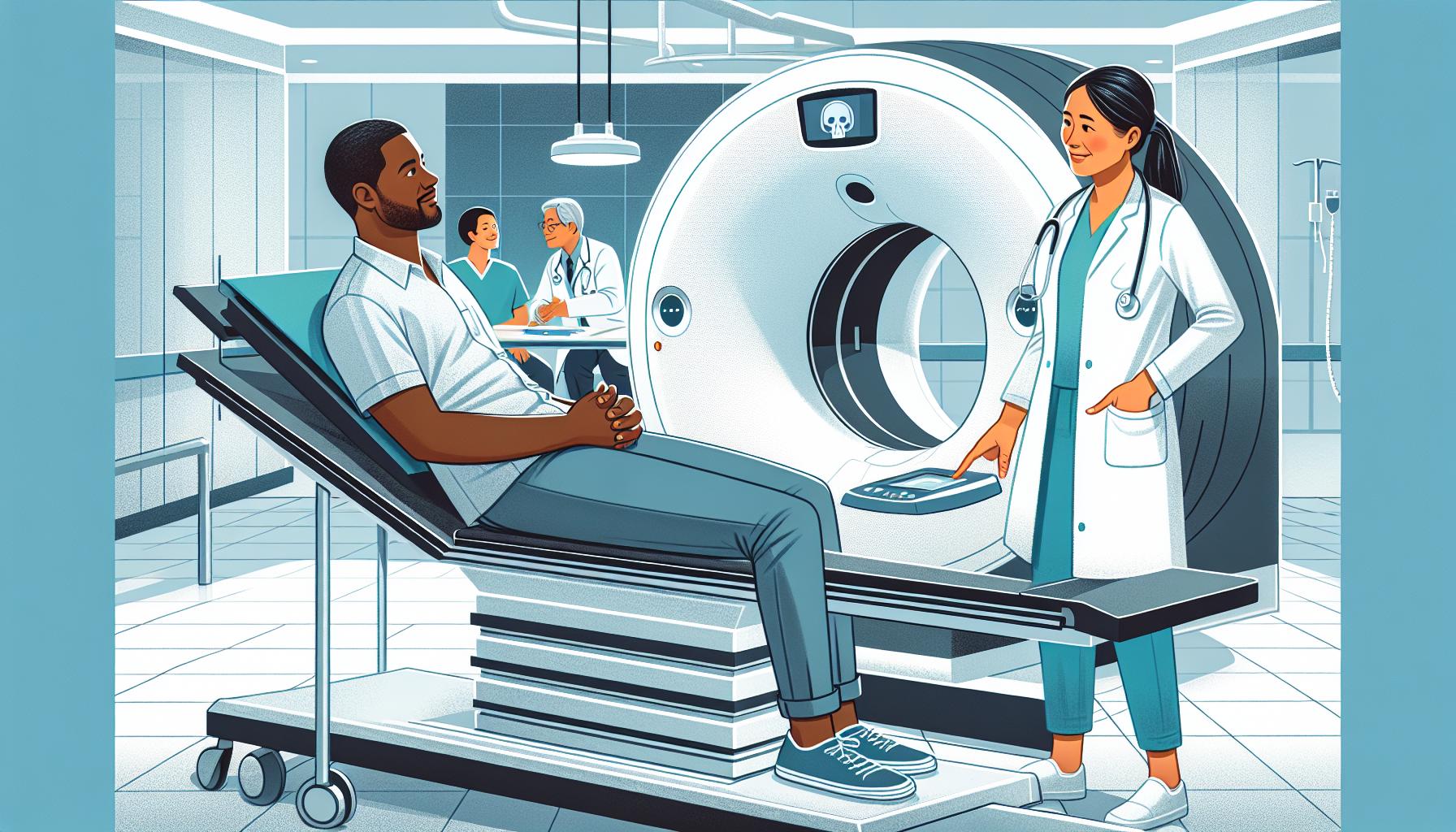
How a CT Head Scan Works: Understanding the Procedure
During a CT head scan, a series of X-ray images are taken from various angles to create detailed cross-sectional images of the brain and skull. This advanced imaging technique allows healthcare providers to visualize internal structures with remarkable clarity, aiding in the diagnosis and management of a wide array of conditions. As the machine revolves around your head, it captures multiple images in quick succession, which are then processed by a computer to generate a comprehensive three-dimensional representation of the area being examined.
The entire process typically lasts between 10 to 30 minutes, depending on the complexity of the scan and whether contrast material is used. It’s essential for patients to remain still during the procedure to ensure the images are clear and precise. The scanning machine itself resembles a large doughnut, with a circular opening where the patient’s head is placed. Patients often describe the experience as noise-producing but painless, with the only discomfort possibly arising from having to remain still in a confined space.
Before the scan, a technician will explain the procedure, answer any questions, and ensure you are comfortable. Patients are usually instructed to remove any metal objects to prevent interference with the imaging process. If a contrast dye is required, this may be administered via an IV to enhance the visibility of certain areas in the images.
Understanding how a CT head scan operates can empower patients, alleviating much of the anxiety that can accompany medical imaging. By demystifying the procedure, individuals can approach their scan with a sense of assurance, knowing that these images will help guide their healthcare teams in making informed decisions regarding their health. Always remember, discussing any concerns with your healthcare professional can further tailor the preparation and expectations to your personal needs.
Typical Duration of a CT Head Scan
During a CT head scan, many patients wonder how long the process will take, especially if they are feeling anxious or pressed for time. Understanding the expected duration can alleviate some of that uncertainty. Generally, a CT head scan lasts anywhere from 10 to 30 minutes, depending on various factors such as the specific protocol used and whether contrast material is involved to enhance imaging.
Factors Influencing Duration:
- Complexity of the Scan: More detailed scans or those requiring additional images will naturally take longer.
- Use of Contrast Material: If your healthcare provider has determined that a contrast agent will improve the quality of the images, this might add extra time for administration and monitoring.
- Patient Cooperation: Remaining still during the scan is crucial; any movement can lead to blurry images, which in turn may necessitate a repeat scan.
Although the scan itself is quick, you should also factor in the time spent before and after the procedure. This includes registration with the healthcare facility, consultation with the technician, preparation to ensure no metal objects are present, and the time taken for the contrast dye to circulate if applicable. The overall visit may take longer, but the scanning portion remains brief and efficient.
Approaching the scan with this knowledge can foster a sense of control and calm. Remember, if you have concerns about the timing or any aspect of the procedure, discussing these with your healthcare provider can help tailor the experience to best suit your needs.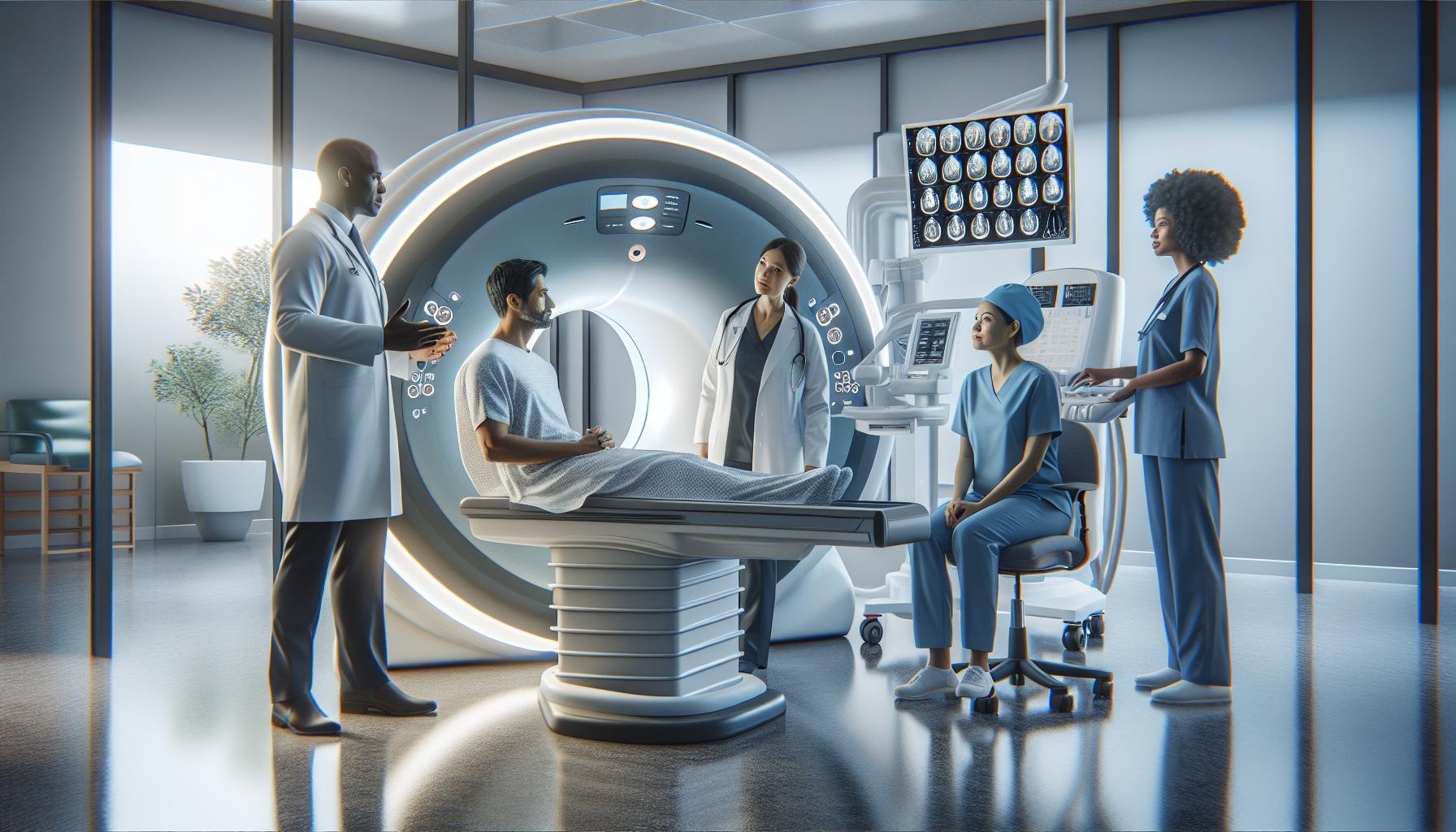
Factors Affecting Scan Duration
The duration of a CT head scan can significantly vary based on several factors, each contributing to the overall time spent in the imaging facility. Understanding these factors can help patients prepare themselves mentally and physically for the procedure, alleviating some of the anxiety that often accompanies medical examinations.
One of the key elements influencing the scan duration is the complexity of the scan itself. If the healthcare provider has ordered a comprehensive examination that requires multiple images or sequences, the procedure may take longer. Certain abnormalities might necessitate specific imaging protocols, which could include special views or varying angles to capture the necessary detail.
The use of contrast material can also extend the time needed for a CT head scan. If your doctor indicates that a contrast agent is required to enhance the quality of the images, there will be additional time for both administration and monitoring of the patient following the injection. It is important to allow the contrast dye time to circulate within your body to ensure optimal imaging results.
Additionally, patient cooperation during the scan is crucial. For accurate imaging, patients are instructed to remain completely still; even slight movements can lead to blurry images. If movement occurs, the technician may need to repeat the scan, effectively increasing the overall duration. Therefore, taking a few deep breaths and consciously relaxing can not only ease anxiety but also contribute to a smoother scanning experience.
Lastly, while the scanning process itself may be quick, patients should also consider the time spent in pre-scan preparations and post-scan discussions with medical staff. This time can include checking for any metal objects, waiting for contrast materials if used, and recovering from the procedure. Being informed about these factors can help demystify the process and foster a sense of reassurance about the procedure ahead.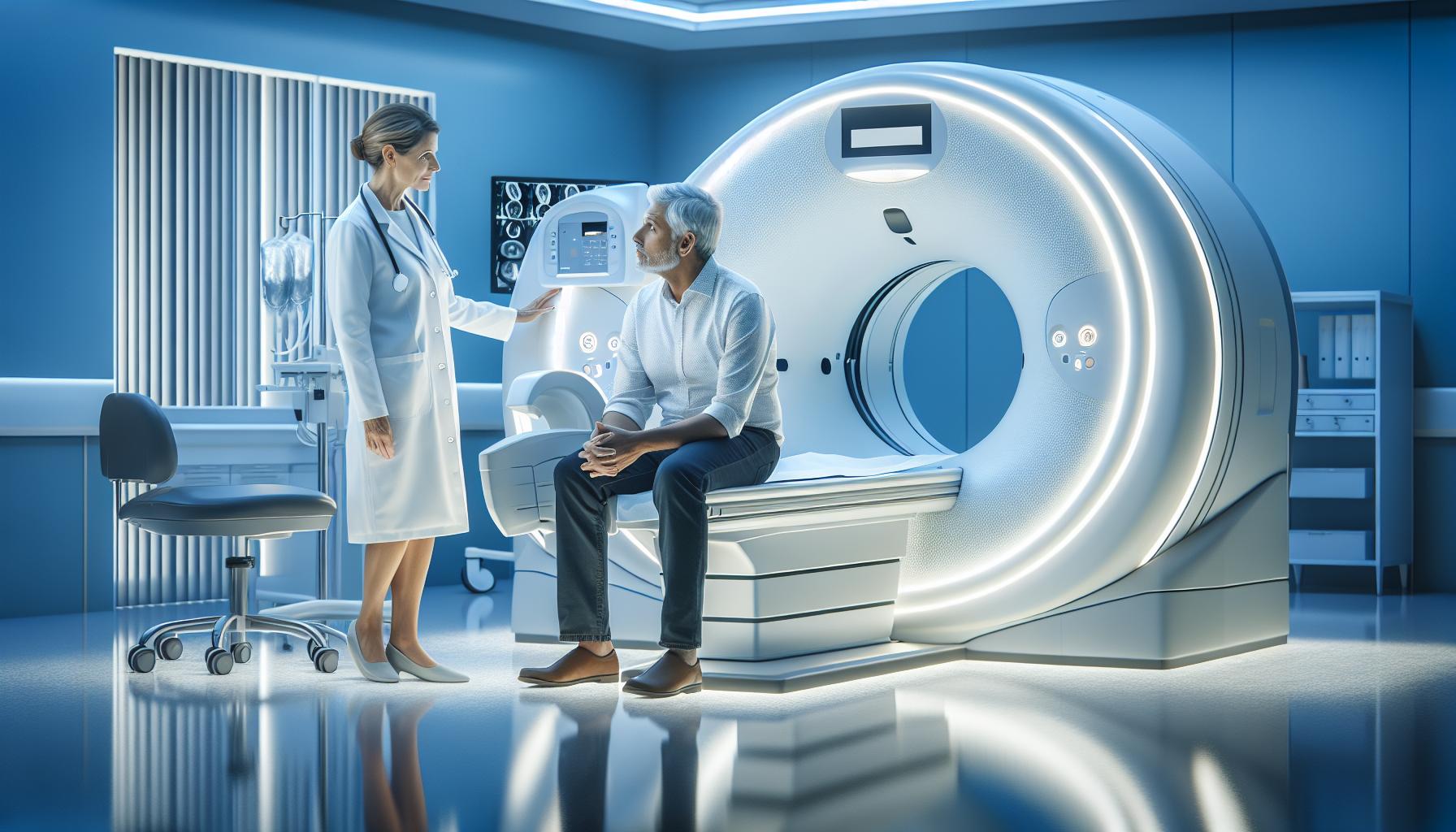
Preparation Tips for Your CT Head Scan
Before you head in for a CT head scan, being well-prepared can make a significant difference in your experience and the results of your imaging. One of the most important aspects of preparation is discussing with your healthcare provider whether any special instructions are necessary based on your medical history, current medications, or the specifics of the procedure. This initial discussion helps set a clear understanding of what to expect and alleviates any anxieties you might have.
In many cases, you may be asked to refrain from eating or drinking for a certain period before the scan, especially if contrast material will be used. A common time frame is 4-6 hours prior to your appointment. However, if your healthcare provider doesn’t specify, make sure to ask. If you wear glasses, bring them along as you may need them for any pre-scan paperwork or initial assessments. On the day of your scan, arrive early to allow for any additional preparations or questions you may have, which can help ease your mind.
What to wear is also an essential aspect of your preparation. Opt for comfortable, loose-fitting clothing without metallic fasteners, as metal can interfere with imaging. Most facilities will provide a gown if needed, but it’s still wise to choose attire that minimizes any inconvenience.
Lastly, consider bringing a support person with you if you anticipate feeling anxious or if you have questions, as they can provide reassurance and help you remember any specific details discussed with your healthcare provider. Being informed and prepared not only empowers you but also enhances the efficacy of your CT head scan, ensuring optimal results.
What to Expect During Your CT Head Scan
During a CT head scan, you may experience a mix of anticipation and anxiety, especially if it’s your first time undergoing this imaging procedure. Understanding the process can help ease your mind considerably. Upon arrival at the imaging facility, you’ll be greeted by a radiologic technologist who will guide you through the procedure, answering any questions you may have. It’s normal to feel a bit nervous, but remember that these professionals are trained to ensure your comfort and safety.
Once you are prepared, you will be directed to the CT scan room where the machine resembles a large donut. You’ll lie down on a motorized table that slides into the circular opening of the CT scanner. It’s essential to remain still during the scan since movement can blur the images. The technologist will be in another room, but they will communicate with you throughout the process, allowing you to feel reassured and informed. For a typical CT scan of the head, the actual scanning takes only about 10 to 30 minutes, depending on the specifics of your case.
Prior to the scan, you might receive an injection of contrast material, which helps to enhance the images by making blood vessels and tissues appear clearer. Depending on how necessary this is for your specific examination, you’ll be informed by your doctor or the technologist. If contrast is administered, you may feel a warmth or flushed sensation, which is entirely normal.
As the scanner operates, you will hear a series of clicking noises while it gathers the images needed. These sounds can be startling, but they are a normal part of how the machine functions. Some facilities also provide headphones or music to help you relax during the procedure. After the scan, there’s typically no downtime, so you can resume normal activities unless otherwise directed by your healthcare provider. Having a clear understanding of what to expect will empower you throughout the experience and help alleviate some of the anxiety associated with medical imaging.
Aftercare: Next Steps Following Your Scan
Following your CT head scan, it’s natural to wonder about what comes next. Generally, the aftercare process is straightforward and designed to ensure your well-being while waiting for the results. Most importantly, you can resume your normal activities immediately unless your healthcare provider gives specific instructions otherwise. If you received a contrast agent during your scan, it’s important to hydrate well by drinking plenty of fluids to help flush it out of your system.
For those who may feel residual effects from the contrast material, such as warmth or mild nausea, those sensations typically resolve quickly. If you experience any unusual symptoms or persistent discomfort, don’t hesitate to reach out to your healthcare provider; they’re there to address any concerns you may have. It’s also a good time to monitor how you feel emotionally. Imaging procedures can sometimes stir up anxiety, so taking time for self-care activities you enjoy or talking about your experience with someone you trust can be beneficial.
Your healthcare provider will discuss the expected timeline for when your results will be available, which is typically within a few days. They will contact you with the findings and next steps, whether the results are normal or if further examination is necessary. Be sure to jot down any questions you may have about your results so that you can address them during your follow-up appointment. Understanding your results completely is a key step in your overall health journey.
In summary, after your CT head scan, focus on staying hydrated, monitor any reactions, and keep in close communication with your healthcare provider regarding your results. Taking these steps will help facilitate a smooth recovery and allow you to move forward with clarity and peace of mind.
Interpreting Your CT Scan Results
Understanding what your CT scan results mean can be a daunting experience, especially when anxiety about health matters looms large. A CT head scan provides invaluable insights into the condition of the brain and surrounding structures. The images produced help healthcare professionals identify a range of issues, from bleeding and tumors to infections and even structural abnormalities. As you await your results, it’s important to remember that each person’s situation is unique, which means that findings can vary widely in significance and implications.
Once your healthcare provider receives the results, they will review the images in conjunction with your symptoms and medical history. They may break down the findings into several key areas for clarity. Common aspects evaluated include:
- Presence of any abnormalities – This could include tumors, hemorrhages, or signs of trauma.
- Structural integrity – The alignment and condition of brain structures will be assessed.
- Fluid accumulation – The presence of excess fluid or swelling indicates potential complications.
- Indications for further testing – Sometimes initial results suggest the need for more investigations, such as MRI or follow-up scans.
Following the assessment, your provider will reach out to discuss the findings, clarifying any medical jargon that may be difficult to understand. During your appointment, asking questions is encouraged. Consider inquiries like: “What do the results mean for my condition?” or “Are there any immediate next steps I should follow?” This dialogue helps demystify the process and empowers you with information about your health journey.
Ultimately, the objective of interpreting CT scan results is to understand your health better and make informed decisions moving forward. Remember, it’s completely normal to feel anxious or overwhelmed; take the time you need to process the information.
Comparing CT Head Scans to Other Imaging Methods
While CT head scans are a powerful tool for diagnosing various neurological conditions, it’s essential to understand how they stack up against other imaging methods like MRI and X-rays. Each technique has its strengths, purposes, and limitations, ultimately influencing the decision-making process tailored to a patient’s specific needs.
CT scans use X-ray technology to create detailed cross-sectional images of the brain and skull, providing quick results, which is particularly valuable in emergency situations. For instance, when a patient presents with symptoms such as headaches, trauma, or sudden confusion, a CT scan can swiftly identify urgent issues like hemorrhaging or fractures. It typically takes just a few minutes to complete and requires minimal preparation. However, the downside of CT is that it involves exposure to radiation, a concern for repeat imaging.
In contrast, Magnetic Resonance Imaging (MRI) employs powerful magnets and radio waves to generate high-resolution images of soft tissues, including the brain. MRI is more sensitive than CT for detecting subtle changes, such as small tumors or neurological disorders. The trade-off is that MRIs take longer-often 30 minutes to an hour-and require the patient to remain still in a confined space, which can be uncomfortable for some. Additionally, certain devices like pacemakers may preclude patients from undergoing an MRI due to safety concerns.
X-rays, while useful for capturing images of bones and some chest conditions, are less effective for soft tissue evaluation compared to CT and MRI. They are often the first line of imaging in cases of trauma to assess for fractures but lack the detailed insights needed for conditions affecting the brain. X-rays expose patients to radiation, albeit at a lower dose than CT scans, making them a valuable yet limited option.
As you consider the imaging path your healthcare provider recommends, it’s crucial to discuss any questions or concerns about the process, preparation requirements, and potential risks. Each imaging method plays a vital role in shaping your diagnosis and treatment plan. Understanding these differences empowers you to participate more actively in your healthcare decisions. Always consult your healthcare professional for personalized advice tailored to your situation.
Cost Considerations for CT Head Scans
The financial aspects of undergoing a CT head scan can often be a source of concern for patients and their families. Understanding the costs involved is essential to reducing anxiety and facilitating informed decisions about your healthcare. Typically, the price of a CT scan can range from $300 to $3,000, depending on various factors such as geographic location, the healthcare facility, and whether the scan is performed in an outpatient center or a hospital. Insurance coverage can significantly influence out-of-pocket expenses, so it is advisable to check with your provider to clarify what portion of the costs may be covered and what deductibles or copayments will apply.
Factors Influencing Cost
A range of variables contributes to the overall cost of a CT head scan:
- Type of Facility: Scans performed in hospitals may be more expensive than those at outpatient imaging centers due to higher operational costs.
- Location: Prices can vary widely across different regions. Urban centers typically have higher costs compared to smaller towns.
- Insurance Plans: Your specific insurance plan will dictate how much you pay, making it crucial to understand your benefits and limits.
- Additional Fees: Be mindful of extra charges that may arise, such as consultation fees or the cost for producing physical copies of images.
It’s also helpful to keep in mind that many facilities offer payment plans or financial assistance to help manage costs. If you’re feeling uncertain about the financial aspect, consider discussing your concerns with the administrative staff at the imaging center prior to your scan. They can provide detailed cost estimates and discuss available payment options, allowing you to prioritize your health while easing your financial worries.
Recognizing the importance of budgeting for a CT scan, consider discussing this aspect with your healthcare provider as well. They can offer guidance on the necessity of the scan concerning your health concerns, potentially allowing for planning regarding when to schedule the scan based on both medical needs and financial readiness. Understanding the balance between health priorities and financial responsibility can empower you as you navigate your healthcare journey.
CT Head Scan Safety and Risks
Undergoing a CT head scan can be a vital step in diagnosing various medical conditions, but it’s natural to have concerns about safety and associated risks. While CT scans provide detailed images of the brain and surrounding structures, the procedure does involve exposure to ionizing radiation. The amount of radiation from a typical head CT scan is relatively low and considered safe for most patients, especially when the benefits of diagnosis outweigh potential risks.
However, it’s important to be mindful of certain factors that may influence safety. For instance, patients who are pregnant or may become pregnant should inform their healthcare providers, as radiation can pose risks to the developing fetus. In such cases, alternatives like MRI could be discussed. Additionally, if you have a history of allergic reactions to contrast materials-sometimes used in CT imaging-you should communicate this to your medical team to explore necessary precautions.
To minimize risks, healthcare providers adhere to the principle of ALARA (As Low As Reasonably Achievable), which means they aim to use the lowest dose of radiation necessary to acquire high-quality images. Most modern CT scanners are engineered with advanced technology designed to reduce radiation exposure. Always feel free to ask your healthcare provider about the scanner used and the estimated radiation dose, enhancing transparency and your peace of mind.
While the concerns about radiation exposure are valid, staying informed and engaging in discussions with your healthcare team can significantly alleviate anxiety. Remember, the purpose of a CT head scan is to help guide treatment decisions and improve your health outcomes, reinforcing the importance of considering the benefits alongside potential risks.
Addressing Common Concerns About CT Scans
It’s completely understandable to have concerns regarding the CT scan process, especially when it involves imaging your head. Knowing what to expect can greatly reduce anxiety and prepare you for the experience. One common worry is the idea of radiation exposure; however, modern CT technology is designed to minimize this risk. The amount of radiation emitted during a typical head CT scan is within acceptable limits, particularly when balanced against the need for accurate diagnosis.
Another concern is the potential discomfort associated with the procedure. It’s important to remember that a CT head scan is generally quick, lasting only about 10 to 15 minutes. Most patients report the process as being relatively straightforward, and the only sensation you may experience is the brief feeling of cold air from the scanner. If you have a tendency to feel anxious in medical settings, communicate this with your healthcare team, as they can offer support or strategies to help you feel more at ease.
For those who wonder about the necessity of the contrast material sometimes used in CT scans, be assured that not all scans will require an injection of contrast dye. If it is necessary for your diagnosis, your healthcare provider will explain the process and any potential risks, especially if you have allergies or previous reactions to contrast agents. Understanding these aspects not only helps mitigate fear but also empowers you to engage in informed discussions with your medical team.
Ultimately, addressing concerns about a CT scan involves both understanding the procedure and recognizing its role in promoting your health. By staying informed and asking questions, you can build a sense of confidence and calm as you navigate this important step in your healthcare journey. If you have specific anxieties, don’t hesitate to bring them up with your provider, as they are there to support you throughout the process.
Real Patient Experiences: CT Scan Stories
Hearing from those who have navigated the process of a CT head scan can provide reassurance and clarity for new patients. Many individuals report their experiences as surprisingly straightforward and less intimidating than anticipated. For instance, one patient mentioned feeling a bit anxious before their scan, but the staff was exceptionally supportive, explaining each step of the process clearly. This transparency helped the patient feel more at ease, allowing them to focus on staying still during the brief procedure, which lasted about 10 minutes.
Another individual shared their experience of having a CT head scan after experiencing headaches. Initially apprehensive about the radiation aspect, they learned that the doses used today are quite safe and closely monitored. They spoke about the fascinating moment the scan began; although they felt a bit of cold air from the machine and a slight vibration, they quickly realized it was over before they knew it. This patient emphasized that the entire process was not what they had imagined-it was efficient and quick.
It’s also worth noting experiences surrounding certain procedural variances, such as the use of contrast dye. A patient who experienced a contrast-enhanced scan recalled their initial discomfort related to the injection and the warm sensation that followed. However, they felt it was a small price to pay for the more thorough evaluation it provided, noting afterward how relieved they were upon receiving clear results from their doctor.
In essence, understanding that many people share similar concerns can foster a community of support. Acknowledging the shared apprehensions about CT scans helps demystify the process. Engaging with healthcare professionals about what to expect can further ease anxiety, ensuring that individuals feel prepared and informed before their scans. Compassionate communication, both from patients and providers, can transform a potentially stressful experience into an empowering one.
Q&A
Q: How long should I expect to be at the imaging center for a CT head scan?
A: You should plan to spend about 30 to 60 minutes at the imaging center for a CT head scan. This includes check-in, preparation, the actual scan, and any post-scan instructions.
Q: Is a CT head scan painful?
A: No, a CT head scan is not painful. You may feel slight discomfort from lying still during the scan, but the procedure is quick and generally well-tolerated.
Q: Can I eat or drink before a CT head scan?
A: It depends on the specific instructions from your healthcare provider. Generally, you can eat and drink normal foods unless the scan requires fasting, typically needed if contrast material is used.
Q: What happens if I move during the CT scan?
A: If you move during the scan, it may result in blurred images, and the technician might need to repeat the scan for better quality results. Staying still is essential for accurate imaging.
Q: How long will it take to get my CT scan results?
A: You can expect to receive your CT scan results within 1 to 3 days after the procedure. However, it may vary based on the facility and the urgency of your situation.
Q: Are there any side effects from a CT head scan?
A: CT head scans are generally safe, with minimal side effects. If contrast material is used, some may experience mild reactions like a warm sensation or nausea, but severe effects are rare.
Q: How does a CT head scan compare to an MRI?
A: A CT head scan is faster and better for detecting bleeding, while an MRI provides more detailed images of soft tissues. Your doctor will recommend the best option based on your needs.
Q: What should I wear for a CT head scan?
A: Wear comfortable, loose-fitting clothing without metal fasteners, as metals can interfere with imaging. You may be asked to change into a hospital gown for the scan.
Final Thoughts
Now that you have a clearer understanding of how long a CT head scan takes, you might still have questions about what to expect during the procedure or how to prepare effectively. Be sure to check out our related articles on CT scan preparation tips and what happens after your scan for further insights. If you’re ready to take the next step, consider booking a consultation with your healthcare provider to discuss your imaging needs or join our newsletter for the latest updates on medical imaging technology.
Understanding the process not only empowers you but also helps alleviate any anxiety you may feel about your upcoming scan. Remember, it’s essential to consult with healthcare professionals for personalized advice tailored to your unique situation. Your health and well-being are paramount, and we’re here to support you. Stay informed, and don’t hesitate to reach out if you have more questions-your journey toward enhanced health starts with knowledge!