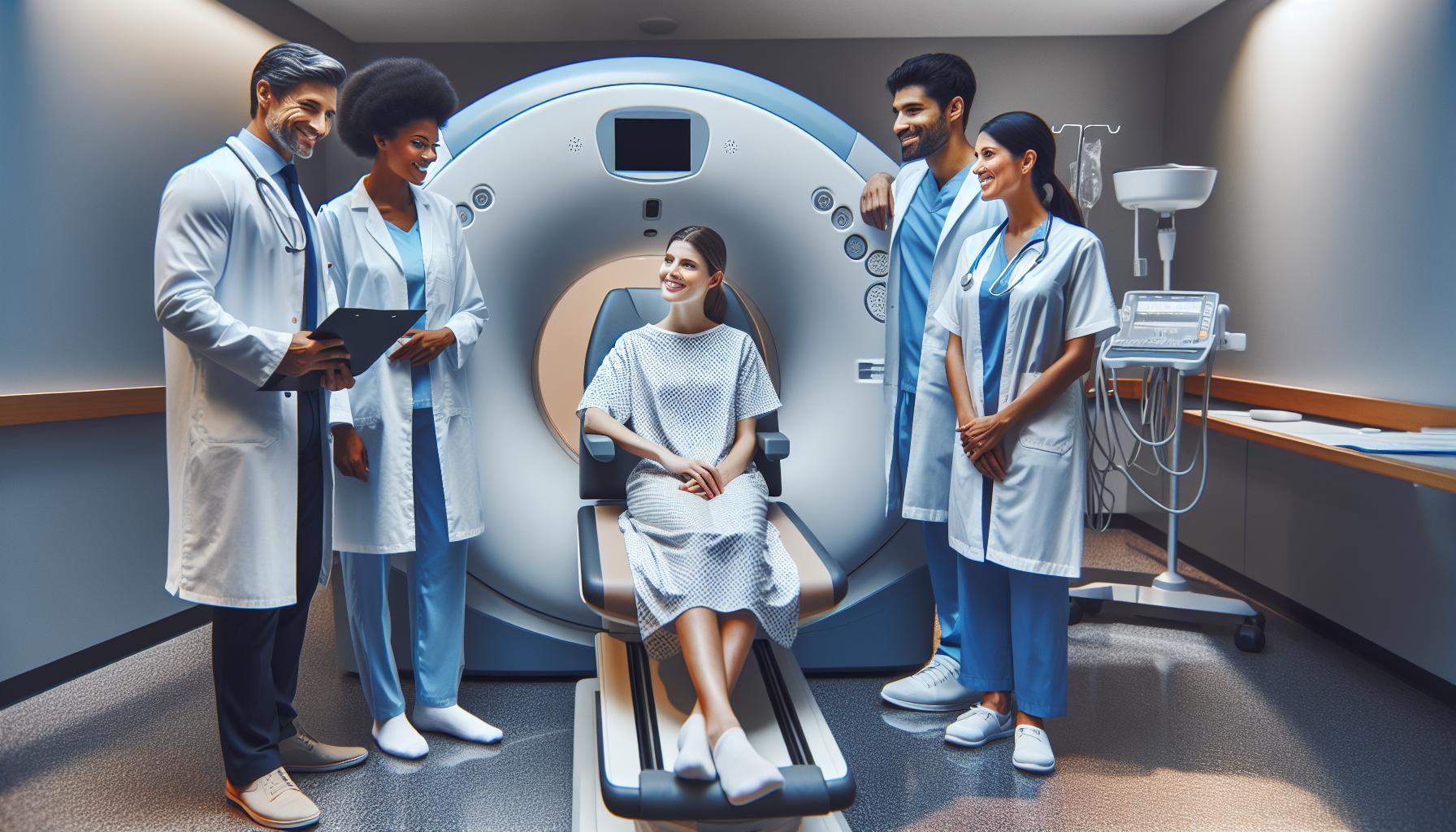
Every year, millions of computed tomography (CT) scans are performed, providing vital information for diagnosing a range of medical conditions. However, a growing concern among patients is the potential link between these scans and cancer risk. Recent studies suggest that CT scans could account for approximately 5% of annual cancer cases, raising important questions about their safety [2[2].
As we navigate the complexities of medical imaging, understanding how CT scans work and their associated risks is crucial. While the benefits often outweigh the risks when used appropriately, it’s natural to be cautious about exposure to radiation. This article aims to clarify the current evidence surrounding CT scans and cancer, exploring the importance of discerning when these imaging tests are necessary and how to discuss concerns with healthcare providers effectively.
By empowering yourself with knowledge and insights on this topic, you’ll be better equipped to make informed decisions about your health and the use of CT scans in your medical care. Continue reading to uncover the safety truths and gain valuable information that can guide your discussions with clinicians.
Understanding the Basics of CT Scans and Their Use
Advancements in medical imaging have revolutionized how healthcare professionals diagnose and treat various conditions, with computed tomography (CT) scans playing a pivotal role. A CT scan, often referred to as a CAT scan, uses a combination of X-rays and computer technology to produce cross-sectional images of the body. This sophisticated imaging technique provides detailed views of internal organs, bones, and tissues, enabling doctors to detect problems that may be invisible in standard X-rays. With the rapid rise in the use of CT scans over recent years, it’s essential to understand both their benefits and the associated risks, particularly regarding radiation exposure.
CT scans work by rotating an X-ray beam around the body, capturing multiple images from different angles. These images are then processed by a computer to create cross-sectional views, or “slices,” of the anatomy. The clarity and detail of these images can be crucial for diagnosing conditions such as tumors, internal bleeding, and various diseases. For patients, the experience is typically quick and non-invasive, often taking just a few minutes. However, preparation can vary based on the type of scan being performed, with some requiring fasting or specific instructions regarding medications.
While the diagnostic advantages of CT scans are considerable, the use of ionizing radiation raises concerns about potential long-term health effects, including an increased risk of cancer. Research indicates that overutilization of CT scans could lead to significant numbers of radiation-induced cancers in the population, prompting a reevaluation of practices surrounding imaging. Thus, healthcare providers are increasingly focused on optimizing the use of CT scanning, balancing the need for accurate diagnosis with the imperative to minimize radiation exposure. It’s vital for patients to discuss their specific situations with their healthcare providers to ensure that the benefits of a CT scan justify the risks.
In light of concerns about radiation exposure, understanding the protocols and safety measures in place to minimize risk is critical. Medical professionals are tasked with using the lowest possible radiation dose while still achieving high-quality images. New technologies and advancements are also leading to the development of safer imaging techniques, which can reduce the amount of radiation a patient receives. Educating oneself about these aspects can empower patients to make informed decisions about their healthcare and engage in open discussions with their providers regarding the necessity and safety of proposed imaging procedures.
How Do CT Scans Work? A Simple Explanation
CT scans are a remarkable advancement in medical imaging, providing a detailed look inside the body that can be critical in diagnosing various conditions. When you undergo a CT scan, a machine utilizes a rotating X-ray beam to capture multiple images of your body from various angles. Each of these images, referred to as “slices,” is then processed by a computer, which assembles them into a comprehensive cross-sectional view of your anatomy. This intricate process allows healthcare professionals to detect problems such as tumors, internal bleeding, and diseases that may not be visible through standard X-rays.
Before the procedure, it’s important to prepare according to your doctor’s instructions, which might include fasting for a certain period or avoiding specific medications. Generally, the scanning process is quick and non-invasive. Patients lie on a table that moves slowly through the large, donut-shaped machine. As the scan progresses, you may hear a series of whirring noises, which is perfectly normal. Despite the technology feeling high-tech, the procedure rarely takes more than 15 minutes.
One common worry is related to radiation exposure from CT scans, which can seem daunting. However, medical professionals are trained to administer the lowest possible dose of radiation while ensuring the image quality needed for accurate diagnosis. New technologies and techniques continue to evolve, further enhancing the safety of CT scans. Understanding how these scans work and the precautions taken can help ease anxiety and empower you to have informed conversations with your healthcare provider about the necessity and safety of the procedure.
It’s essential to recognize that while CT scans are invaluable in modern medicine, they should be utilized judiciously. Discuss with your doctor any specific concerns regarding your radiation exposure, especially if you’re considering multiple imaging tests. Your health is paramount, and every medical decision should be made with careful consideration and professional guidance.
The Link Between Radiation and Cancer Risk
While advances in medical imaging, like CT (computed tomography) scans, have transformed diagnostics, concerns about their association with cancer risk linger. It’s important to understand how radiation exposure from these scans can potentially impact health while also recognizing their significant benefits in diagnosing conditions.
Medical professionals have long debated the balance of the diagnostic advantages of CT scans against the potential radiation risks. Research suggests that the risk of radiation-induced cancer from CT scans is relatively low. According to the U.S. Food and Drug Administration (FDA), the probability of absorbed X-rays from a CT scan inducing cancer or mutations is very minimal, particularly with the doses typically used in these procedures. Key organizations, such as the National Cancer Institute, have developed guidelines aimed at ensuring radiation doses are kept as low as reasonably achievable, especially for vulnerable populations like children [[1]](https://www.fda.gov/radiation-emitting-products/medical-x-ray-imaging/what-are-radiation-risks-ct).
For instance, a typical CT scan may expose patients to about 10 times more radiation than a standard X-ray. However, when weighing risks, consider the context: the potential benefits of accurate, timely diagnosis can far outweigh these risks. For example, detecting a life-threatening condition earlier through a CT scan can lead to more effective treatment and improved outcomes.
To further alleviate concerns about radiation exposure, healthcare providers utilize techniques and technology that minimize doses without compromising image quality. Patients are encouraged to discuss their specific concerns and the necessity of the scan with their healthcare professionals openly. This dialogue can help clarify the need for imaging while considering alternatives when appropriate.
Ultimately, empowering patients with knowledge about their health and the associated risks of medical procedures, like CT scans, creates a greater sense of control and understanding in their healthcare journey. Always approach these discussions with your healthcare provider, as they can help assess personal risks, benefits, and potential alternatives tailored to your health needs.
CT Scan Safety: What You Need to Know
A frequently cited statistic is that undergoing a single CT scan can expose a patient to radiation comparable to that from several hundred chest X-rays, which understandably raises questions about safety. However, it is crucial to put this information into perspective: although CT scans do involve a higher level of radiation exposure, they also provide detailed images that can be essential for accurate diagnosis and treatment planning. Understanding this balance can empower patients to make informed decisions regarding their health.
Monitored by stringent safety protocols, modern CT scans are designed to minimize radiation exposure while still delivering high-quality images. Healthcare providers follow guidelines to ensure that the dosage is as low as possible, particularly for patients at greater risk, such as children or those requiring multiple scans. Discussing specific concerns with your healthcare provider will not only clarify the necessity of the scan but will also help tailor the approach to your individual health needs.
Reviewing the impacts of CT scans involves understanding both their diagnostic importance and the inherent risks associated with radiation exposure. Patients are encouraged to prepare for their CT scans by following pre-scan instructions, which may include hydration or dietary considerations. Being well-informed about the procedure can alleviate anxiety and foster a sense of control.
In addition to traditional imaging, advancements in technology continue to enhance the safety of CT scans. Features such as iterative reconstruction techniques allow for improved images with less radiation, illustrating the ongoing commitment to patient care. Remember, if you have further questions or concerns about your scan, your healthcare provider is the best resource for tailored advice and reassurance.
Are Some Patients More at Risk?
Certain patient populations may face increased risks when undergoing CT scans due to their unique characteristics and medical history. For instance, children are particularly sensitive to ionizing radiation, as their cells are rapidly dividing, making them more vulnerable to the potential adverse effects of radiation exposure, including an elevated risk of long-term complications such as cancer. Special precautions are typically taken during pediatric CT scans, including the use of lower radiation doses and alternative imaging methods when appropriate.
Another group that may require special consideration includes pregnant women. The effects of radiation on a developing fetus can be concerning, especially during the first trimester when organ development is occurring. If a CT scan is necessary, healthcare providers careful to weigh the benefits against the risks, ensuring that the procedure is justified and that protective measures, such as shielding the abdomen, are used.
Additionally, patients with a history of recurrent imaging procedures may accumulate higher radiation exposure over time, raising their risk profile. This necessitates a thorough review of each patient’s medical history and previous imaging studies to ensure that CT scans are used judiciously and only when truly needed.
In situations where concerns about radiation exposure persist, alternatives to CT scans should be considered. Imaging techniques such as ultrasound or MRI, which do not involve ionizing radiation, can provide valuable diagnostic information while minimizing potential risks. Consulting with a healthcare provider about these options is vital; they can offer tailored advice based on individual health needs and the specific medical context.
Reducing Your Exposure: Tips for CT Scan Safety
Undergoing a CT scan may initially seem daunting, particularly with growing concerns over radiation exposure. However, understanding how to reduce risks can empower patients and ease their anxiety. It’s essential to communicate openly with your healthcare team to ensure that you feel comfortable and informed about the imaging process.
One of the primary steps to minimize exposure is to discuss all imaging options with your doctor. Often, there are alternative imaging methods available, such as ultrasound or MRI, which do not involve ionizing radiation. If a CT scan is deemed necessary, ask your physician whether the scan can be adjusted to use a lower dose of radiation, especially in cases involving children or repeated scans. Many modern CT machines are equipped with technology to customize radiation doses based on patient size and clinical needs.
Additionally, maintaining a clear and accurate medical history helps healthcare providers make informed decisions about your care. Before your scan, make sure to inform your imaging specialist of any prior imaging studies you’ve undergone, any known allergies, and specific health conditions. This knowledge allows your healthcare provider to weigh the benefits of the procedure against any potential risks effectively.
Finally, consider participating in the scan process itself. Follow pre-scan instructions carefully, such as dietary restrictions or the need for hydration, as these can help ensure the quality of the images captured, thereby potentially reducing the number of scans required. Engaging actively in your health decisions not only minimizes your exposure but also deepens your understanding of your healthcare, fostering a sense of empowerment amidst uncertainty.
Remember, the goal is not to eliminate medical imaging where it is warranted, but to utilize the most effective and safe methods available. Discussing all concerns with your healthcare provider can lead to tailored solutions that prioritize your health and safety.
The Role of Technology in Safer CT Scans
Modern advancements in technology have significantly enhanced the safety and efficacy of CT scans, addressing many patient concerns regarding radiation exposure. The innovation in CT scan machines primarily revolves around optimizing image quality while minimizing the amount of radiation needed for diagnostic clarity. One impressive development is the implementation of dose modulation techniques, which adjust the radiation dose in real time based on patient size and the area being examined. This capability ensures that patients receive only the necessary amount of radiation, tailored to their specific needs.
Furthermore, the evolution of CT imaging algorithms plays a crucial role in improving safety. Advanced software now enables better image reconstruction, allowing for high-quality images to be produced from lower doses of radiation. In some cases, techniques such as iterative reconstruction can reduce radiation exposure by up to 50% without compromising the diagnostic quality of the images. This kind of technology is especially beneficial for vulnerable populations, such as children, who are more sensitive to radiation but still often require imaging for accurate diagnosis and treatment planning.
Another exciting area in CT technology is the use of dual-energy CT, which provides different types of information from the same scan. This method not only enhances image contrast but also reduces the need for additional scans. It allows for better differentiation of tissues, which can lead to improved diagnoses while further cutting down on exposure to radiation. Moreover, these advancements are continually being refined, with researchers exploring ways to integrate artificial intelligence into imaging processes, thereby further improving safety protocols and outcomes.
When preparing for a CT scan, patients can engage with their healthcare providers about these technological advancements. It is always helpful to discuss any specific concerns regarding radiation exposure and to ask whether the imaging facility is equipped with the latest technology that minimizesthe risk. By equipping themselves with knowledge and understanding the tools available, patients can feel more at ease and informed about their roles in the imaging process. This partnership with healthcare professionals not only enhances safety but also fosters trust and confidence in the care they receive.
Alternatives to CT Scans: What Are Your Options?
Exploring imaging alternatives can provide patients with peace of mind, especially when concerns about radiation exposure arise. Many imaging technologies are available that can substitute for CT scans, depending on the medical situation. Each option has its strengths and weaknesses, so it’s crucial to discuss these alternatives with your healthcare provider to determine which approach best meets your specific needs.
One of the most common alternatives is ultrasound, a procedure that uses sound waves to create images of internal organs. It is particularly effective for assessing conditions in the abdomen and pelvis, such as gallstones, liver disease, and certain tumors. Ultrasound stands out as a preferred first-line imaging modality for right upper quadrant pain and suspected abdominal issues due to its safety profile-there’s no ionizing radiation involved, making it suitable for all patients, including children and pregnant women. Moreover, it’s often quicker and more cost-effective than CT scans.
Another vital option is magnetic resonance imaging (MRI), which utilizes strong magnets and radio waves to generate detailed images of soft tissues. MRI can be particularly beneficial for neurological assessments, musculoskeletal imaging, and evaluating certain cancers. Like ultrasound, MRI does not use ionizing radiation, thereby mitigating the associated risks. However, it’s essential to recognize that MRI is not suitable for all patients, especially those with certain implants or metal fragments in their bodies.
In certain circumstances, X-rays can also be utilized, particularly for diagnosing fractures, infections, or other issues relating to bone. Although they involve a lower dose of radiation compared to CT scans, X-rays generally provide less comprehensive detail regarding soft tissues and internal structures.
When considering imaging options, patients are encouraged to engage in a dialogue with their healthcare providers, discussing the reasons for the imaging, the expected outcomes, and any potential risks involved. By staying informed and involved in the decision-making process, patients can navigate their choices with confidence and ease, ensuring they receive the most appropriate care tailored to their needs.
Addressing Common Myths About CT Scans
Many people understandably feel apprehensive when considering a CT scan, often fueled by myths and misconceptions surrounding its safety. A prevalent belief suggests that CT scans directly cause cancer, leading to significant anxiety among patients. However, it is essential to clarify that a single CT scan does not pose a significant cancer risk. While repeated scans can accumulate radiation exposure, which may increase the risk over time, medical professionals carefully weigh the benefits against potential risks when recommending this imaging technique [[1]](https://docpanel.com/debunking-cancer-myths-truth-about-8-cancer-imaging-misconceptions).
Another common myth is the idea that CT scans can inflict immediate physical harm, such as hair loss or skin redness. In reality, these symptoms are more commonly associated with radiation therapy rather than diagnostic imaging. CT scans utilize targeted radiation to produce detailed images, but they do not have the same effects as higher doses of radiation used in treatments for cancer [[2]](https://mason-imaging.com/debunking-common-myths-about-mris-and-ct-scans/). Additionally, many patients express concern about the frequency of CT scans leading to “thousands of deaths from cancer,” yet this notion exaggerates the actual statistical risk when considering how often scans are performed and their intended diagnostic benefits [[3]](https://advancedbodyscan.com/common-myths-ct-scans/).
Lastly, it is crucial to approach these imaging procedures with an informed perspective. Patients should engage in open conversations with their healthcare providers about the necessity of a CT scan, its benefits, and any alternative imaging options. This dialogue can help demystify the process and empower them to make informed decisions about their health, ultimately alleviating anxiety surrounding the procedure. Consulting your doctor can ensure personalized medical guidance tailored to your specific needs and circumstances.
What Happens After a CT Scan? Interpreting Your Results
After undergoing a CT scan, patients often wonder about the next steps and what the results mean for their health. The waiting period for results can be filled with uncertainty, but understanding the process can alleviate some of that anxiety. Once the scan is completed, the images are sent to a radiologist, a doctor specialized in interpreting medical images. The radiologist examines the images for any abnormalities or specific conditions that may need attention.
Understanding Your Results
Typically, the radiologist prepares a report based on the findings, which is then sent to your primary healthcare provider. This report will detail any issues discovered, such as tumors, fractures, or inflammation, and may include recommendations for further testing or treatment. Your doctor will arrange a follow-up appointment to discuss these findings with you. It’s important to note that while some findings may be concerning, not all abnormalities indicate a serious health issue.
You can prepare for this follow-up by developing a list of questions to ask your doctor. For instance:
- What did the results show?
- Do I need further tests or treatments?
- How will this impact my health moving forward?
By actively engaging in this conversation, you can gain a clearer perspective on your health and the implications of the CT scan results.
When to Seek Immediate Attention
If your CT results indicate any urgent issues, your doctor will advise you on the next steps directly and may schedule further assessments as needed. It’s crucial to communicate openly with your healthcare team about any symptoms you may be experiencing, as these can help contextualize the scan results.
In summary, understanding what happens after a CT scan can reduce the anxiety surrounding this important diagnostic tool. Keeping an open line of communication with your healthcare provider ensures that you are well-informed and involved in the decisions regarding your health. If you have any doubts or persistent concerns, don’t hesitate to reach out to your doctor for clarity and reassurance.
Real Patient Experiences: Stories of Safety and Concerns
Many patients approach CT scans with a mix of curiosity and apprehension, particularly concerning the potential risks associated with radiation exposure. Sharing personal stories can help demystify these experiences, illustrating both the safety of the procedure and the varying concerns patients might have.
One patient, Sarah, recalls her first CT scan in her forties, following a bike accident. Although initially nervous about the procedure and its associated risks, she was reassured by her healthcare provider, who clearly explained the benefits of the scan in diagnosing her injuries. “They told me that while there is some radiation exposure, the detailed images were crucial for understanding the damage to my ribs,” she noted. After the scan, which was quick and relatively painless, Sarah felt relieved to know the extent of her injuries and appreciated the proactive approach to her health. This underscores the importance of understanding that the medical community generally considers the benefits of a CT scan to outweigh the risks, especially when diagnosing serious conditions.
On the other hand, some patients express heightened anxiety about the radiation involved. John, a father of two, found himself stressed when his young daughter needed a CT scan for recurring headaches. “I did a lot of Googling and came across alarming stories about radiation and cancer,” he admitted. However, after discussing these worries with his pediatrician, John learned that children’s bodies are more sensitive to radiation, but also that many safeguards and advancements in technology significantly minimize exposure. “Knowing that technology has improved really lowered my anxiety and helped me focus on what was best for her health,” he said.
These experiences highlight that open conversations with healthcare providers can greatly alleviate fears about safety and the need for medical imaging. It’s essential for patients to advocate for their own health by asking questions, addressing concerns, and understanding the rationale behind medical recommendations. Each patient’s journey is unique, but shared experiences can foster a supportive environment where individuals feel empowered to prioritize their health while being informed about the procedures they undergo.
Consulting Your Doctor: Making Informed Decisions
When considering a CT scan, many patients experience a mix of curiosity and concern about the implications of radiation exposure. Understanding the details of why a scan is being recommended can empower you to make informed decisions about your healthcare. Open, honest communication with your healthcare provider is crucial not only for alleviating fears but also for receiving personalized advice tailored to your medical needs.
Before proceeding with the scan, be proactive in discussing its necessity with your doctor. Ask questions such as:
- What specific information are you hoping to gather from this CT scan?
- How will the results impact my treatment or diagnosis?
- Is there an alternative imaging option available that carries less risk?
These questions can help clarify the importance of the procedure and the rationale behind it. It’s also vital to disclose your medical history, including previous exposure to radiation, as this information can influence the decision to proceed with a CT scan.
Bear in mind that many healthcare professionals are aware of patients’ concerns regarding radiation risks. They can provide insights into the advancements in imaging technology that reduce exposure, as well as the statistical data on risk versus benefit. For instance, the amount of radiation from a CT scan might be significant, but the clarity and diagnostic power it provides often outweigh the potential risks, particularly when it comes to serious health concerns. By discussing your worries openly, you may find reassurance in knowing that your healthcare provider is committed to ensuring your safety while obtaining critical diagnostic information.
Ultimately, the decision to undergo a CT scan should involve a comprehensive discussion with your doctor, weighing your specific health condition against the potential risks associated with the procedure. This collaborative approach fosters a sense of empowerment, allowing you to take an active role in your healthcare decisions while understanding the balance between the benefits of necessary imaging and its potential risks.
Frequently Asked Questions
Q: Do CT scans increase the risk of cancer significantly?
A: Yes, CT scans can increase cancer risk due to the ionizing radiation involved. Research estimates that the overuse of CT scans could lead to an additional 100,000 cancers in the U.S. However, the risk is generally small and often outweighed by the diagnostic benefits of the scans [[1]].
Q: How often should one get a CT scan to minimize cancer risk?
A: There are no universal guidelines, as the necessity of a CT scan depends on individual health needs. However, it is advisable to discuss with your healthcare provider to ensure scans are only done when absolutely necessary, as unnecessary scans can increase cancer risk [[2]].
Q: Are children more at risk from CT scans than adults?
A: Yes, children are generally more sensitive to radiation than adults. Their developing tissues are more susceptible to damage from ionizing radiation, resulting in a higher lifetime risk of cancer from CT scans [[3]].
Q: What can patients do to reduce their exposure to radiation during CT scans?
A: Patients can ask their doctor about the necessity of a CT scan, discuss alternative imaging options, and ensure that the scan is performed with the lowest radiation dose possible. Always consult your healthcare provider for personalized advice [[1]].
Q: What alternatives to CT scans exist for medical imaging?
A: Alternatives to CT scans include MRI (Magnetic Resonance Imaging), ultrasound, or X-rays. Each has its own diagnostic capabilities and risks, and the choice of imaging should align with the patient’s specific medical needs [[2]].
Q: Why are CT scans considered necessary despite cancer risks?
A: CT scans offer detailed imaging that aids in accurate diagnosis and treatment planning, often in medical emergencies. The benefits, such as quicker diagnoses and better treatment outcomes, typically outweigh the risks associated with radiation, especially when performed judiciously [[1]].
Q: What happens if I refuse a recommended CT scan?
A: Refusing a recommended CT scan may hinder diagnosis or delay treatment, which could have serious health implications. It’s important to communicate with your healthcare provider about your concerns and discuss the risks versus benefits [[2]].
Q: How can patients become informed about their CT scan results?
A: Patients should discuss their CT scan results with their healthcare provider, who can explain the findings in detail and outline the next steps. Engage in open communication to clarify any doubts or concerns regarding the results [[3]].
Insights and Conclusions
In conclusion, while concerns about CT scans and cancer risk are understandable, the benefits they offer in diagnosing conditions effectively are significant. It’s crucial to weigh these insights when considering your healthcare options. If you’re still uncertain, consult with your healthcare provider to discuss any specific risks and benefits tailored to your situation. For more information, explore our guides on understanding imaging procedures or learn how to prepare for your next scan to ensure the best results.
Ready to take the next step? Sign up for our newsletter to stay informed about the latest in medical imaging safety and advancements, or check our FAQ for further questions about CT technology. Remember, knowledge is your best ally in making informed health choices-don’t hesitate to engage with us and share your thoughts! Your health matters, and we’re here to provide the trusted information you need.