When faced with medical imaging, many people wonder about the safety and efficacy of a CT scan, especially regarding pregnancy detection. While CT scans are powerful diagnostic tools, they involve radiation, raising important questions about their use during pregnancy. Understanding how a CT scan works, its safety implications, and potential alternatives can greatly ease your concerns. This exploration will empower you with vital knowledge, guiding you to make informed decisions about your health and that of your baby. Join us as we delve into whether a CT scan can detect pregnancy and what options exist if you find yourself needing imaging while expecting.
Can a CT Scan Detect Early Pregnancy?
A CT scan is not the most reliable method for detecting early pregnancy. While it utilizes advanced imaging technology to create detailed cross-sectional images of the body, its primary use is for diagnosing conditions related to the organs and tissues within the abdomen and pelvis, rather than confirming pregnancy. In fact, most healthcare professionals recommend alternative imaging options when pregnancy is suspected, particularly because CT scans use ionizing radiation, which may pose risks in an expectant mother.
During early pregnancy, when a missed period may lead a woman to seek medical diagnosis, a blood test is generally the most effective way to confirm pregnancy. These tests can detect the hormone human chorionic gonadotropin (hCG) sooner than a physical examination or ultrasound. If an imaging study is necessary due to other health concerns, an ultrasound is often preferred as it is both safe for the developing fetus and capable of providing critical information about the reproductive organs.
In certain situations where imaging is unavoidable, such as severe trauma, a CT scan may still be performed with careful consideration of timing and technique. Physicians take precautions to minimize exposure; for example, they may use lead shielding and limit the scan area to reduce radiation exposure to the abdomen. However, understanding the risks associated with unnecessary exposure highlights the importance of consulting healthcare providers to determine the best approach tailored to individual health needs. Ultimately, when in doubt about early pregnancy or the necessity of a CT scan, patient dialogue with medical professionals can ease anxieties and ensure informed decisions are made.
Understanding How CT Scans Work
Imaging technology has revolutionized how we assess and diagnose various medical conditions, with CT scans playing a pivotal role in this advancement. A CT scan, or computed tomography scan, employs a series of X-ray images taken from different angles, which are processed by a computer to create detailed cross-sectional views of the body. This intricate technology allows healthcare providers to visualize internal structures such as organs, tissues, and blood vessels with exceptional clarity, making it invaluable for diagnosing a range of health issues. However, when it comes to detecting early pregnancy, CT scans are not the ideal choice.
During a CT scan, the scanner rotates around the body while emitting controlled doses of ionizing radiation. As each X-ray hits the body, it is absorbed to varying degrees by different tissues, ultimately forming images that enable doctors to identify abnormalities. The procedure is typically quick and non-invasive, often completed in just a few minutes. Many facilities use sophisticated software to enhance the images further, helping medical professionals evaluate complex cases efficiently. Despite its strengths in medicine, the use of ionizing radiation raises valid concerns, particularly for pregnant individuals, which necessitates careful consideration of imaging methods when pregnancy is suspected.
When approaching the question of early pregnancy detection, it’s essential to appreciate safer alternatives. While a CT scan can provide extensive details about many health conditions, other methods like ultrasounds are often favored for early pregnancy evaluations. Ultrasound imaging uses sound waves instead of radiation, making it a safer option for both the mother and the developing fetus. As such, medical professionals will generally recommend blood tests to detect the pregnancy hormone hCG for confirmation, especially when addressing concerns about potential pregnancy. This test can provide results sooner than imaging methods and is also non-invasive.
Ultimately, understanding how CT scans function not only provides insight into their applications but also highlights the importance of consulting with healthcare providers. They can guide the decision-making process about whether to proceed with imaging studies such as CT scans or opt for safer alternatives like ultrasounds or blood tests, ensuring the best care tailored to individual circumstances and needs.
Imaging Safety: Risks of CT Scans During Pregnancy
Undergoing imaging tests can be nerve-wracking, especially for pregnant individuals concerned about the safety of their growing baby. CT scans, while valuable for many diagnostic purposes, carry inherent risks due to their use of ionizing radiation. This exposure can lead to potential adverse effects, primarily during the crucial early stages of pregnancy when fetal development is most sensitive to environmental factors.
Research suggests that radiation exposure from CT scans can increase the risk of complications such as low birth weight or developmental issues. The amount of radiation from a typical CT scan might seem small, but in the context of pregnancy, the cumulative risk cannot be ignored. Medical professionals usually strive to minimize radiation exposure, employing techniques such as shielding, but the safest approach during pregnancy is to avoid CT scans unless absolutely necessary.
For those facing the possibility of needing a CT scan, it’s essential to engage in an open dialogue with healthcare providers. Discuss alternative imaging methods, such as ultrasounds or MRIs, which do not utilize ionizing radiation. These alternatives can provide critical insights without the associated risks of a CT scan. If a CT scan is deemed necessary, healthcare professionals will typically consider the timing and specific circumstances to balance the need for imaging with the potential risks involved.
In summary, while CT scans are powerful diagnostic tools, their use during pregnancy should be approached with caution. Prioritizing the safety of both the mother and fetus means considering all available options and consulting healthcare providers to make informed decisions tailored to individual situations. Always remember, a collaborative approach with your medical team can lead to the best outcomes for both you and your baby.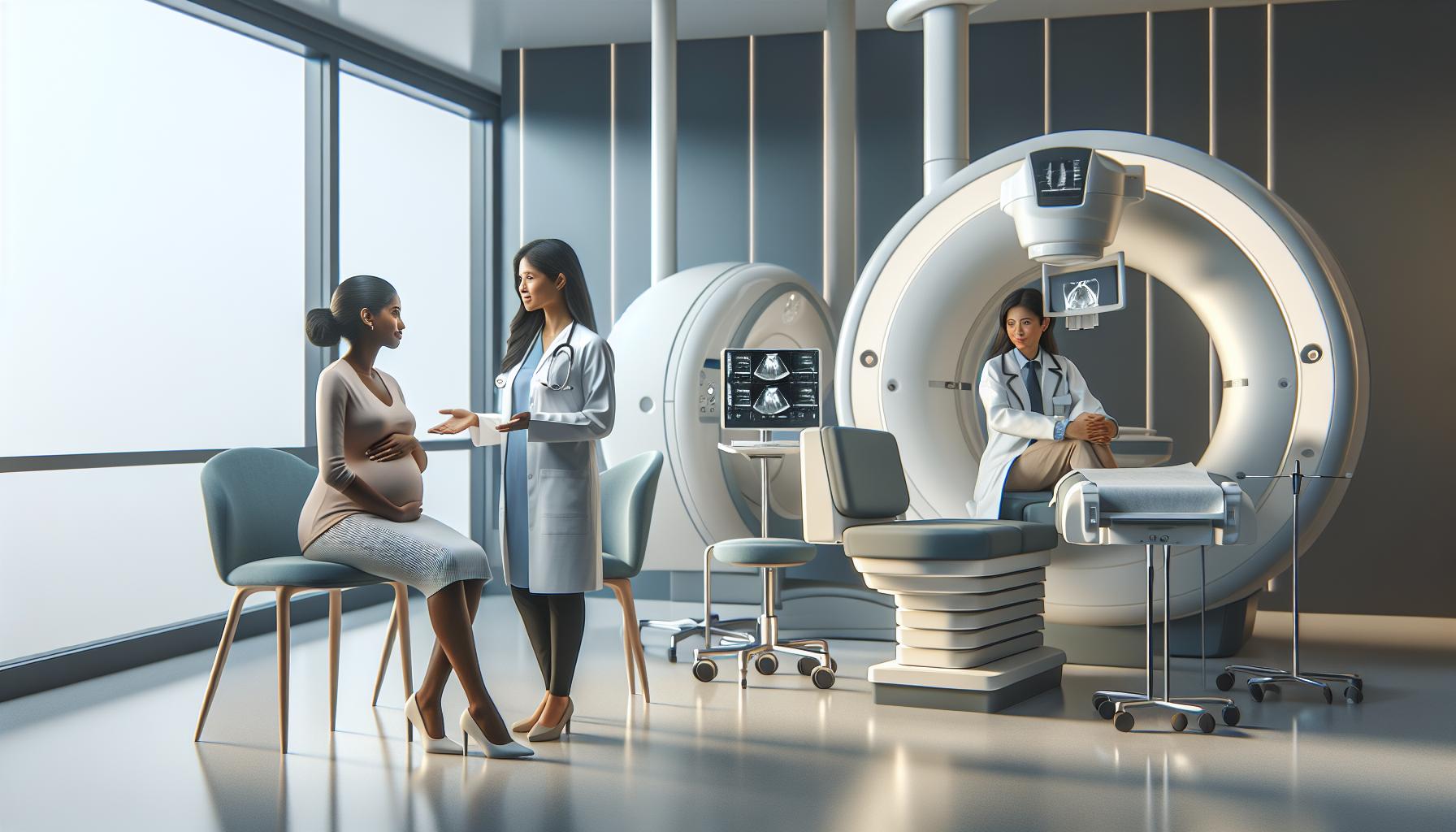
Alternatives to CT Scans for Pregnancy Detection
The search for understanding pregnancy in its earliest stages often raises concern, particularly around the safety of the imaging procedures used. While CT scans provide high-resolution images and valuable diagnostic information, there are effective and safer alternatives that expectant parents can consider when seeking confirmation of pregnancy or exploring the health of the fetus.
One of the most commonly used alternatives is ultrasound imaging. This technique uses sound waves to create images of the internal structures of the body. Ultrasounds are particularly beneficial in pregnancy detection as they do not involve any radiation, making them a safer option for both the mother and the developing baby. Typically performed in early pregnancy, a transvaginal ultrasound can confirm the presence of a gestational sac much earlier than traditional methods. This approach not only assesses the pregnancy’s viability but also provides reassurance to parents by confirming the location of the embryo within the uterus, thereby ruling out ectopic pregnancies.
Another non-invasive alternative is blood testing. A sensitive blood test can detect the presence of the hormone human chorionic gonadotropin (hCG), which is produced soon after a fertilized egg attaches to the uterus. Blood tests can confirm pregnancy as early as six to eight days after ovulation and can also monitor hCG levels to ensure they are rising appropriately, which is critical in early pregnancy assessments.
In some cases, if an examination of soft tissues is necessary, MRI (Magnetic Resonance Imaging) can be an option. While MRIs are less commonly used for initial pregnancy detection, they can provide detailed imaging without the exposure to ionizing radiation. MRI should only be employed when there is a clear medical need that outweighs any potential risks.
Consulting with healthcare professionals about these options can provide clarity and reassurance. Engage in discussions about the necessity of imaging, and do not hesitate to ask about the risks and benefits associated with each option. Empowering yourself with knowledge about these non-invasive methods can help facilitate informed decisions, prioritizing both your health and the well-being of your baby.
When to Choose an Ultrasound Over a CT Scan
In situations where pregnancy is suspected, choosing the right imaging technique is crucial for both safety and accuracy. Ultrasound imaging stands as a preferred option, especially in early pregnancy, due to its effectiveness and non-invasive nature. With no exposure to ionizing radiation, which is present in CT scans, ultrasounds are safer for expectant mothers and developing fetuses. This is especially important in early pregnancy when the embryo is most vulnerable.
There are specific scenarios where an ultrasound is the optimal choice over a CT scan. For instance, if initial suspicion of pregnancy arises-such as missed periods or pregnancy symptoms-an ultrasound can quickly confirm the presence of a gestational sac as early as five weeks post-conception. This is pivotal for identifying any potential ectopic pregnancies, which can pose serious health risks if left undiagnosed. In contrast, CT scans are typically employed for more complex diagnostic situations, such as assessing abdominal pain or serious health concerns unrelated to pregnancy.
If additional soft tissue evaluation is necessary or if there’s a specific medical indication, the decision between ultrasound and CT scan can also involve discussing the clinical context with your healthcare provider. For example, if a woman experiences significant pelvic pain, a detailed ultrasound may be warranted first to evaluate the situation thoroughly before considering a more invasive procedure like a CT scan.
It’s essential to engage in a dialogue with healthcare professionals about the appropriate choice of imaging. They can guide you on why an ultrasound may be preferable in your specific case, alleviating worries about potential risks associated with radiation exposure from a CT scan. Ultimately, understanding the benefits of each imaging modality empowers pregnant patients to make informed decisions that prioritize their health and the well-being of their baby.
The Role of Blood Tests in Confirming Pregnancy
An early pregnancy test does not always require imaging techniques; instead, blood tests are a reliable and efficient way to confirm pregnancy. These tests work by measuring the levels of human chorionic gonadotropin (hCG), a hormone produced just after a fertilized egg attaches to the uterine lining. Detectable in the blood shortly after conception, hCG levels provide clinicians with essential information regarding the status of the pregnancy. In fact, blood tests can confirm pregnancy as early as six to eight days after ovulation, making them a preferred choice for early detection.
Blood tests for pregnancy come in two types: qualitative and quantitative. A qualitative hCG test simply checks whether the hormone is present, providing a straightforward “yes” or “no” answer to whether you are pregnant. On the other hand, a quantitative hCG test measures the exact amount of hCG in the blood. This can be particularly useful for monitoring the health of the pregnancy. For instance, in normal early pregnancies, hCG levels typically double every 48 to 72 hours. If levels do not rise as expected, it may be an early indicator of potential complications, such as an ectopic pregnancy or miscarriage.
While blood tests can be an excellent first step in confirming pregnancy, they do come with their own set of considerations. For example, some women may feel anxious or uncertain about the results, especially if they are trying to conceive. It’s essential to remember that, regardless of the outcome, support and guidance are available. Healthcare providers can offer reassurance and discuss the next steps following a positive test, whether that’s scheduling an ultrasound or exploring prenatal care options. Emphasizing open communication with your healthcare provider can empower expectant mothers to address concerns effectively and plan for a healthy pregnancy ahead.
What Happens If a CT Scan is Done During Pregnancy?
Undergoing a CT scan during pregnancy raises significant concerns for both the expectant mother and her healthcare team. The primary apprehension revolves around the exposure to ionizing radiation, which is a crucial factor to consider. While a typical CT scan subjects a patient to a higher dose of radiation compared to traditional X-rays, it’s essential to evaluate the necessity and circumstances surrounding its use during pregnancy.
When a CT scan is performed on a pregnant patient, healthcare providers often implement specific protocols to minimize risk. The abdomen and pelvic region, where the fetus is located, can be shielded to reduce radiation exposure. Additionally, a medical team will weigh the potential benefits of obtaining imaging information against the possible risks to the fetus. In some cases, it may be deemed necessary to proceed with the scan if it provides critical diagnostic information that cannot be obtained through other means.
If a CT scan is performed during pregnancy, an important follow-up involves monitoring for any potential complications. Research indicates that while the risk of adverse effects from a single scan is low, healthcare providers may recommend additional screening or evaluate the pregnancy with ultrasounds or other imaging options to ensure the baby’s health remains a priority.
Most importantly, any concerns regarding a CT scan during pregnancy highlight the necessity for open communication with medical professionals. Expectant mothers should feel empowered to ask their healthcare providers questions about the procedure, its risks, and alternatives, ensuring they are comfortable with the decisions made regarding their health and their baby’s safety.
Patient Experiences: Real Stories on Imaging Concerns
When it comes to medical imaging, particularly during pregnancy, the stories of patients often highlight the emotional and psychological factors at play. Many expectant mothers share concerns about the potential impacts of procedures such as CT scans on their unborn babies. One common narrative involves a woman who faced severe abdominal pain during her early pregnancy. After discussing her symptoms with her healthcare provider, the decision to perform a CT scan was made to rule out serious conditions. Despite the mother’s fears, her healthcare team reassured her by detailing safety measures taken during the scan, including the use of lead shields to protect her abdomen.
Another mother shared her experience of waiting to undergo imaging due to anxiety about radiation exposure. Her physician explained the risks associated with CT scans during pregnancy, emphasizing that, in her situation, the information gained would significantly affect her treatment plan. This open dialogue helped lessen her fears, and she appreciated knowing that the benefits outweighed the risks. Subsequently, her healthcare provider used alternative imaging methods, ultimately aligning with her comfort level.
Many women also express gratitude for blood tests as a non-invasive method for early pregnancy detection that avoids the complexities of imaging. These tests can confirm pregnancy with a simple sample while eliminating concerns about radiation. This approach often empowers expectant mothers, as they have more control over their healthcare journey and decision-making processes.
Overall, sharing these real-life stories is crucial. They not only help demystify the imaging process but also emphasize the importance of communication with healthcare providers. Expectant mothers are encouraged to voice their concerns, ask questions, and actively participate in decisions regarding their care. This empowerment fosters a supportive environment that can mitigate anxiety and lead to better health outcomes for both mothers and their babies.
Consulting Your Healthcare Provider: Questions to Ask
When facing the possibility of a CT scan during early pregnancy, it’s crucial to have an open dialogue with your healthcare provider. Being informed about your options and the associated risks will empower you to make decisions that are best for your health and the well-being of your baby. Start by asking questions that clarify the purpose and necessity of the scan, as well as understanding the potential alternatives.
Essential Questions to Consider
- What is the reason for this CT scan? It’s important to understand why your doctor thinks a CT scan is necessary. Ask for specific details about your condition and how the scan can aid in diagnosis or treatment.
- What are the risks associated with CT scans during pregnancy? Inquire about the radiation exposure and potential risks to your developing baby. Understanding these factors can help you weigh the benefits against the risks.
- Are there safer alternatives available? It’s wise to discuss alternative imaging options, such as ultrasounds or MRIs, which might provide the needed information without exposure to radiation.
- How will the findings from the CT scan impact my care? Understanding how the results will influence your treatment plan can guide your readiness to proceed with the scan.
- Can the scan be postponed, and if so, for how long? If your condition allows, find out if there is flexibility in timing that would reduce risks while still providing necessary medical insights.
Additionally, expressing any personal worries about the procedure can facilitate a supportive environment. Your provider should be willing to address your fears, explaining safety precautions that will be taken during the scan, such as using lead shields or minimizing exposure time. Sharing real-life examples, such as a patient who successfully navigated these discussions and ultimately opted for safer imaging alternatives, can reassure you.
Remember, your healthcare provider is there to support you through this experience. Engaging in these discussions fosters not only a better understanding of your medical options but also strengthens the trust in your patient-provider relationship, enabling shared decision-making that prioritizes your health journey.
Preparing for a CT Scan: What You Need to Know
Preparation for a CT scan can help alleviate anxiety and ensure the best possible outcomes. Before undergoing the procedure, it’s vital to understand what to expect, how to prepare, and what information you might need to discuss with your healthcare provider. Knowing that millions of CT scans are performed annually reassures that the process is routine in the medical field, but being well-informed about your specific situation enhances confidence.
First, your healthcare provider may give specific instructions tailored to your needs, which could include dietary restrictions, particularly when contrast materials are used. It might be advised to refrain from eating or drinking for a certain period before the scan, often four to six hours. If you have a medical condition that might interfere with the procedure or if you are currently taking medication, disclose this information to ensure a smooth process. Additionally, wear comfortable clothing without metal fasteners, as these may interfere with imaging.
Consider any personal concerns or experiences you’ve had with imaging in the past. If you’re feeling uneasy about the exposure to radiation from the CT scan, express these worries to your medical team. They can provide clarifications about the procedure, discuss safety measures like lead shields, and explain how the exam is necessary for your diagnosis. Having a solid support system in place, perhaps a family member or friend accompanying you, can also help ease your apprehensions.
Post-scan, be prepared for a follow-up consultation where your results will be discussed. It’s essential to understand how these results will impact your health plans moving forward. The more prepared you are before the CT scan, the smoother the experience will be, allowing you to focus on your health and the next steps in your care journey.
Post-Scan Guidance: Interpreting Your Results
Interpreting the results of a CT scan can often feel daunting, especially when the procedure was conducted with the potential to detect early pregnancy. The first step is understanding that the clarity of the imaging often provides significant insights, but not always certainties. If you received a positive or negative result regarding pregnancy, it’s vital to remember that a CT scan is not the primary method for confirming pregnancy; therefore, follow-up tests are frequently needed.
Once your results are available, it is essential to have a detailed discussion with your healthcare provider about what they mean specifically for you. Common outcomes may indicate clear signs of pregnancy, such as the presence of gestational sacs or fetal structures, but these findings can vary significantly in early stages. Your doctor may explain whether follow-up imaging or further evaluations, like an ultrasound or specific blood tests, are recommended to confirm the diagnosis and assess the health of the pregnancy.
Key Points to Consider
- Understand Your Report: Medical reports can include jargon and technical language. Request clarification on any terms or results that seem unclear.
- Discuss Implications: Depending on the findings, discuss any necessary changes in your health management or lifestyle adjustments that may be warranted.
- Know the Next Steps: Inquire about what follow-up actions are advisable, whether more imaging is needed, or if you should consult an obstetrician for further care.
Feel empowered to advocate for your health. If you’re uncertain or uncomfortable with the initial interpretation of your results, do not hesitate to seek a second opinion or ask for additional resources. Education is a vital part of navigating your healthcare journey, especially when it concerns significant life changes like pregnancy. The more informed you are, the better equipped you will be to make decisions that are right for you.
Emerging Technologies in Pregnancy Imaging
Advancements in imaging technology are improving how pregnancies are detected and monitored. Recent innovations like 3D and 4D ultrasonography are now commonly employed to provide a more detailed view of fetal development, surpassing traditional imaging methods. These techniques not only enhance visualization of anatomical features but also improve the ability to detect potential issues early in the pregnancy, allowing for timely interventions. Such advancements significantly reduce the need for more invasive procedures and help maintain maternal peace of mind during the crucial early weeks of pregnancy.
Moreover, the integration of artificial intelligence (AI) in ultrasound imaging is rapidly transforming prenatal care. AI algorithms can analyze ultrasound images with remarkable accuracy, assisting healthcare providers in identifying structures like the fetal heart or detecting anomalies sooner than ever. This technology also aids in the standardization of measurements and assessments, leading to higher consistency in diagnoses. With AI, there is also the potential for remote monitoring, providing expectant mothers with greater accessibility to care and enabling healthcare providers to keep track of patients without requiring frequent office visits.
Emerging options such as blood tests for pregnancy detection are gaining traction as well. Circulating tumor DNA (ctDNA) testing allows for non-invasive, reliable insight into fetal health by analyzing genetic material from the placenta found in the mother’s bloodstream. These blood tests can detect chromosomal abnormalities and other genetic conditions earlier than traditional ultrasound methods.
While these cutting-edge technologies hold immense promise for improving pregnancy imaging, it is imperative for patients to remain informed about the importance of consulting healthcare professionals. Personalizing care remains vital, as every pregnancy can have unique requirements. Engaging in discussions with your healthcare provider about what method is most suitable for your individual circumstances helps ensure that you receive the best possible care, paving the way for healthier outcomes for both mother and baby.
Frequently Asked Questions
Q: Can a CT scan show a positive pregnancy test?
A: No, a CT scan cannot directly show a positive pregnancy test. It can reveal anatomical changes related to pregnancy but is not a method for confirming pregnancy. For a reliable confirmation, consider using a pregnancy test or ultrasound as outlined in the article.
Q: What should I do if I had a CT scan and suspect I’m pregnant?
A: If you suspect pregnancy after undergoing a CT scan, consult your healthcare provider immediately. They will evaluate any potential risks and may recommend follow-up ultrasounds or assessments to ensure the health of both you and your baby.
Q: How does radiation from a CT scan affect early pregnancy?
A: Radiation exposure from a CT scan can pose risks to a developing fetus, particularly in the first trimester. Generally, minimizing exposure is recommended. Discuss the necessity of the scan with your doctor, who will weigh benefits against potential risks.
Q: Are there any safe imaging alternatives to a CT scan during pregnancy?
A: Yes, safer imaging alternatives include ultrasound and MRI, which do not involve ionizing radiation. Ultrasounds are commonly used for monitoring pregnancy and are preferable, especially in early stages, as mentioned in the article.
Q: Can a CT scan reveal ectopic pregnancy?
A: While a CT scan can reveal an ectopic pregnancy, it’s not the first choice for diagnosis due to radiation risks. Ultrasound is typically preferred for better visualization of the uterus and surrounding areas. Consult your healthcare provider for the best imaging option.
Q: What precautions should I take if I need a CT scan while pregnant?
A: If a CT scan is necessary during pregnancy, inform your healthcare provider about your condition. They may use protective measures like lead aprons and adjust the scan protocol to minimize radiation exposure, focusing on the mother’s and baby’s safety.
Q: What is the best imaging method for confirming pregnancy?
A: The best imaging method for confirming pregnancy is a transvaginal ultrasound, especially in early pregnancy. It provides clear imagery without radiation, allowing for the detection of pregnancy location and viability. See the article for more details on imaging alternatives.
Q: Can a CT scan be done for pregnancy-related complications?
A: Yes, a CT scan may be used to evaluate pregnancy-related complications if deemed necessary by your healthcare provider. However, the risks must be carefully weighed against the benefits, and safer imaging options will typically be preferred.
Future Outlook
If you’ve found yourself asking, “Can a CT scan detect pregnancy?” it’s essential to understand both the capabilities of this imaging technique and the precautions involved. While a CT scan is not a typical method for pregnancy detection, knowing the associated safety concerns, alternatives, and preparation can empower you in your healthcare journey. For personalized advice, consult your healthcare provider, and consider exploring our comprehensive guides on alternatives to CT imaging and ultrasound safety.
Don’t forget to check out our resources explaining how to prepare for imaging procedures and the latest advancements in diagnostic technology. If you have any lingering questions or concerns, we invite you to engage with our community in the comments below or share your thoughts on social media. Your health is a priority-let’s stay informed together! For more insights and to keep updated, be sure to sign up for our newsletter today.