Did you know that a dental cone beam CT scan can provide 3D images of your teeth and jaw with remarkable clarity? While these scans are invaluable for accurate diagnoses and treatment planning, understanding the radiation exposure involved is crucial for patient peace of mind. As you navigate your dental health journey, addressing potential concerns about radiation can empower you to make informed choices.
Many patients worry about the safety of various imaging procedures, particularly regarding radiation exposure. It’s essential to grasp how much radiation is involved in a dental cone beam CT scan and how it compares to other dental X-rays. This knowledge not only alleviates anxiety but also helps you engage meaningfully in conversations with your dental care provider about the best options for your unique needs.
Join us as we delve deeper into the facts surrounding radiation exposure in dental cone beam CT scans and equip yourself with the information you need to feel confident in your dental care decisions.
Understanding Dental Cone Beam CT Scans
To truly appreciate the significance of dental cone beam CT scans, it’s essential to understand their unique capabilities. This advanced imaging technology, which captures three-dimensional images of the teeth, jaw, and surrounding structures, provides a wealth of information that traditional two-dimensional X-rays cannot offer. For dental professionals, a cone beam CT scan can be instrumental in diagnosing complex dental issues, planning surgical interventions, or evaluating the jaw structure for orthodontic treatments.
The process utilized in cone beam computed tomography is distinct from conventional methods. In a typical scan, a cone-shaped X-ray beam rotates around the patient’s head in a 360-degree arc, capturing multiple images from various angles. These images are then processed through sophisticated algorithms to produce detailed 3D models, offering intricate views of osseous structures, teeth, and soft tissues. This level of detail is not only crucial for accurate diagnoses but also enhances the precision of treatment planning. For patients, understanding the substantial difference in the quality of insights gleaned from a CBCT scan versus standard dental X-rays can alleviate concerns about the necessity of this advanced imaging.
It’s common to have questions about the safety and appropriateness of undergoing a dental cone beam CT scan. While all radiation exposure carries some risk, the level of radiation from a typical CBCT scan is relatively low. Healthcare professionals ensure that these scans are performed only when necessary, balancing the need for detailed diagnostics with patient safety. Consulting with your dentist or oral surgeon can provide personalized information regarding whether a cone beam CT scan is right for you, based on individual health factors and dental needs. Ultimately, understanding the function and benefits of dental cone beam CT scans can empower patients to make informed decisions about their oral health care.
Radiation Exposure: How Much Is Safe?
Dental cone beam computed tomography (CBCT) has transformed the way dental professionals assess and diagnose conditions within the jaw and teeth. One of the most crucial considerations for patients is the radiation exposure associated with these scans. While it’s vital to keep in mind that any form of radiation carries potential risks, the amount involved in a typical dental CBCT scan is comparatively low and often much less than what patients might expect.
To put radiation exposure into perspective, the average dose from a dental CBCT scan is approximately 5 to 10 microsieverts, depending on the machine and the specific settings used during the scan. To illustrate, this is roughly equivalent to the natural background radiation a person receives over 1 to 2 days. In contrast, a standard dental X-ray may expose a patient to around 0.005 to 0.02 millisieverts, highlighting that while CBCT imaging does involve greater exposure than conventional X-rays, it is calibrated to deliver necessary diagnostic information efficiently, prioritizing patient safety.
When considering whether to undergo a dental CBCT scan, it’s essential to balance the diagnostic benefits against any concerns about radiation exposure. Dental professionals typically opt for CBCT imaging when detailed three-dimensional images are necessary-such as for surgical planning, assessing dental implants, or evaluating jaw pathologies. Decisions are made on a case-by-case basis, ensuring that the imaging is clinically justified.
For your peace of mind, it’s best to engage in an open dialogue with your dental care provider. They can help allay concerns by discussing the expected radiation levels and their necessity based on your specific dental needs. Remember, the aim of a CBCT scan is to enhance your treatment experience and outcomes, making it an invaluable tool in modern dentistry.
Comparing Radiation Levels: CBCT vs. Traditional X-rays
The advances in dental imaging have paved the way for more precise diagnostic techniques, but understanding the associated radiation levels is crucial for informed decision-making. When comparing dental cone beam computed tomography (CBCT) with traditional X-rays, patients often express concerns about the differences in radiation exposure. This is a valid concern, as every bit of radiation is met with questions regarding safety and necessity.
In a typical dental setting, standard X-rays expose a patient to approximately 0.005 to 0.02 millisieverts (mSv) per image taken, depending on the type of X-ray and the area being examined. In contrast, a dental CBCT scan averages between 5 to 10 microsieverts (µSv) per scan. To put these figures in context, 1 millisievert is equal to 1,000 microsieverts, thus making the exposure from a CBCT scan roughly equivalent to what a person receives from natural background radiation over a span of 1 to 2 days. While CBCT does expose patients to more radiation than a traditional X-ray, it provides detailed three-dimensional images crucial for accurate diagnosis and treatment planning.
Dental practitioners typically recommend CBCT when the situation demands a comprehensive view of complex dental structures, such as when preparing for surgical interventions, assessing the need for dental implants, or evaluating jaw pathologies. It’s important to speak with your dental care provider to consider the risks versus the benefits. Knowing the specific reasons for choosing a CBCT scan can empower you, alleviating concerns by emphasizing that when used appropriately, this advanced imaging technique greatly enhances the quality of care delivered.
The knowledge of radiation levels not only highlights the advancements in dental technology but also reinforces the importance of tailored healthcare. Open discussions with your dentist regarding your imaging options can help you feel more secure in your decisions, ensuring that every step taken prioritizes both your health and safety.
How Dental Cone Beam CT Works
Dental cone beam computed tomography (CBCT) offers an innovative and powerful approach to imaging that vastly enhances the ability to diagnose and plan treatments in dentistry. Unlike traditional X-rays, which provide limited flat images, CBCT captures a three-dimensional view of the dental structures-allowing for detailed analysis of the teeth, jaw, and surrounding tissues. This technology uses a cone-shaped beam of X-rays that rotates around the patient, capturing multiple images from various angles. The resulting data is then reconstructed into a 3D image, providing unparalleled insights and accuracy.
Understanding how the cone beam works can help alleviate any anxiety over the procedure. During a CBCT scan, patients typically sit or stand in front of the machine, which encircles them and captures images in just a matter of seconds. The device can be adjusted according to the specific area of interest, ensuring that only the necessary parts of the anatomy are targeted. This focused approach not only minimizes radiation exposure compared to traditional CT scans but also enhances the quality of the images produced-making it easier for dental professionals to assess conditions such as impacted teeth, jaw disorders, and planning for implants or orthodontics.
The radiation dose incurred during a CBCT scan is generally lower than that of conventional CT scans, often comparable to the exposure from natural background radiation over a few days. This aspect, alongside the high-quality imaging CBCT provides, highlights its usefulness in modern dentistry. Whether for routine assessments or complex surgical planning, knowing that CBCT can yield significant benefits while keeping radiation exposure to a minimum can help patients feel more comfortable about their decision to undergo this procedure. Always consult with your dental provider to discuss the specifics of your situation and the best imaging options tailored to your needs.
Who Should Consider a CBCT Scan?
Dental professionals often recommend cone beam computed tomography (CBCT) scans for a variety of cases, highlighting their utility in delivering precise imaging that traditional X-rays might miss. Patients who are considering a CBCT scan should be aware of specific circumstances that merit this advanced imaging technique.
Individuals experiencing complex dental issues, such as impacted teeth, jaw disorders, or significant dental anomalies, are prime candidates for CBCT scans. For instance, it is particularly valuable in cases where accurate 3D visualization is necessary for planning surgical interventions, such as dental implants or orthognathic surgery. The detailed imagery produced allows dentists to assess bone structure, identify the exact position of teeth, and plan treatment with confidence.
In addition, CBCT is beneficial for patients who may require orthodontic treatment, where understanding the spatial relationships of teeth is crucial. It helps orthodontists create more effective treatment plans, ensuring that devices like braces or aligners are applied with optimal precision. Furthermore, for those undergoing dental evaluations for sleep apnea or other related conditions, CBCT provides critical airspace information that can significantly influence management approaches.
While the decision to proceed with a CBCT scan should ultimately be made in consultation with a specialist, understanding the conditions that necessitate such imaging can empower patients. Engaging in open discussions about symptoms and treatment options can clarify whether a CBCT scan is warranted, ensuring patients receive the most effective and tailored care.
Real-World Benefits of Cone Beam Imaging
Dental cone beam imaging represents a remarkable advancement in diagnostic imaging, enhancing the way dental professionals assess complex conditions. One influential benefit is the ability to obtain high-resolution, three-dimensional images of the oral and maxillofacial structures, which empowers clinicians to make more accurate diagnoses and treatment plans. Unlike traditional X-rays, which may not provide sufficient detail, CBCT scans reveal intricate anatomical relationships, allowing for meticulous planning in procedures such as implant placements or orthodontic corrections.
For patients facing dental challenges, the advantages are tangible. For instance, when preparing for dental implants, a CBCT scan can highlight critical information about bone density and the proximity of vital structures, reducing the risk of complications during surgery. Similarly, orthodontists benefit from the comprehensive spatial mapping provided by CBCT, which aids in designing effective treatment strategies tailored to each individual’s unique dental architecture. This tailored approach not only enhances treatment success rates but also minimizes unnecessary procedures, ultimately leading to better patient outcomes.
Moreover, the reduced radiation exposure in dental cone beam CT compared to traditional medical CT scans is a significant reassurance for patients. Understanding this aspect can alleviate concerns, as dental professionals utilize advanced technology to ensure safety while still delivering superior imaging quality. Patients can feel confident knowing their health is prioritized through effective imaging methods that permit precise diagnostics with a fraction of the radiation typically involved in standard X-rays.
In practice, many patients who have undergone CBCT scans report a greater understanding of their dental health after viewing their results. The clear, visual presentation of their unique anatomical structures can often foster more informed discussions between patients and practitioners, ensuring that everyone is aligned on treatment goals. By embracing this innovative imaging technology, both patients and providers can navigate the complexities of dental care with enhanced clarity and confidence.
Addressing Safety Concerns for Patients
Understanding the safety of dental cone beam CT (CBCT) scans is crucial for anyone considering this advanced imaging technology. Many patients understandably express concerns about radiation exposure associated with medical imaging procedures. It’s essential to clarify that dental cone beam CT scans are designed with patient safety in mind and typically expose patients to significantly lower levels of radiation compared to traditional medical CT scans.
One notable aspect of CBCT is that it offers a focused approach to imaging, allowing dental professionals to capture detailed, three-dimensional images of the teeth, gums, and jaw structures. This targeted imaging means that patients receive the necessary information for accurate diagnostics with minimal unnecessary radiation. Studies indicate that the radiation dose from a CBCT scan is often comparable to or even less than that of several conventional dental X-rays, allowing patients to feel more secure in their decision to undergo this procedure.
Practical Safety Measures
Before undergoing a CBCT scan, it’s beneficial for patients to be informed about the safety measures implemented during the process. Dental professionals utilize state-of-the-art equipment that not only minimizes radiation dose but also incorporates protective techniques. For instance, lead aprons or shields may be used to safeguard other areas of the body from exposure.
Moreover, discussing any concerns with the dental provider prior to the procedure can foster a solid understanding of the necessity and safety protocols related to the CBCT scan. Here are a few key points to consider:
- Consultation: Don’t hesitate to ask your dental team about the relevance of the CBCT scan for your case.
- Comparison: Learn how CBCT radiation levels compare with other imaging techniques.
- Follow-Up: Post-scan, review the images and discuss findings with your dental provider to understand the benefits of the procedure.
In addition to the safety measures taken during CBCT scans, it’s vital to keep in mind that the potential risks of undiagnosed dental issues far outweigh the minimal radiation exposure involved in the imaging process. By utilizing this cutting-edge technology, patients can gain insights into their dental health that are crucial for both immediate treatment needs and long-term care strategies. As always, engaging in open and informative discussions with healthcare professionals can ease your anxiety and empower you to make well-informed decisions regarding your dental health.
What to Expect During the Procedure
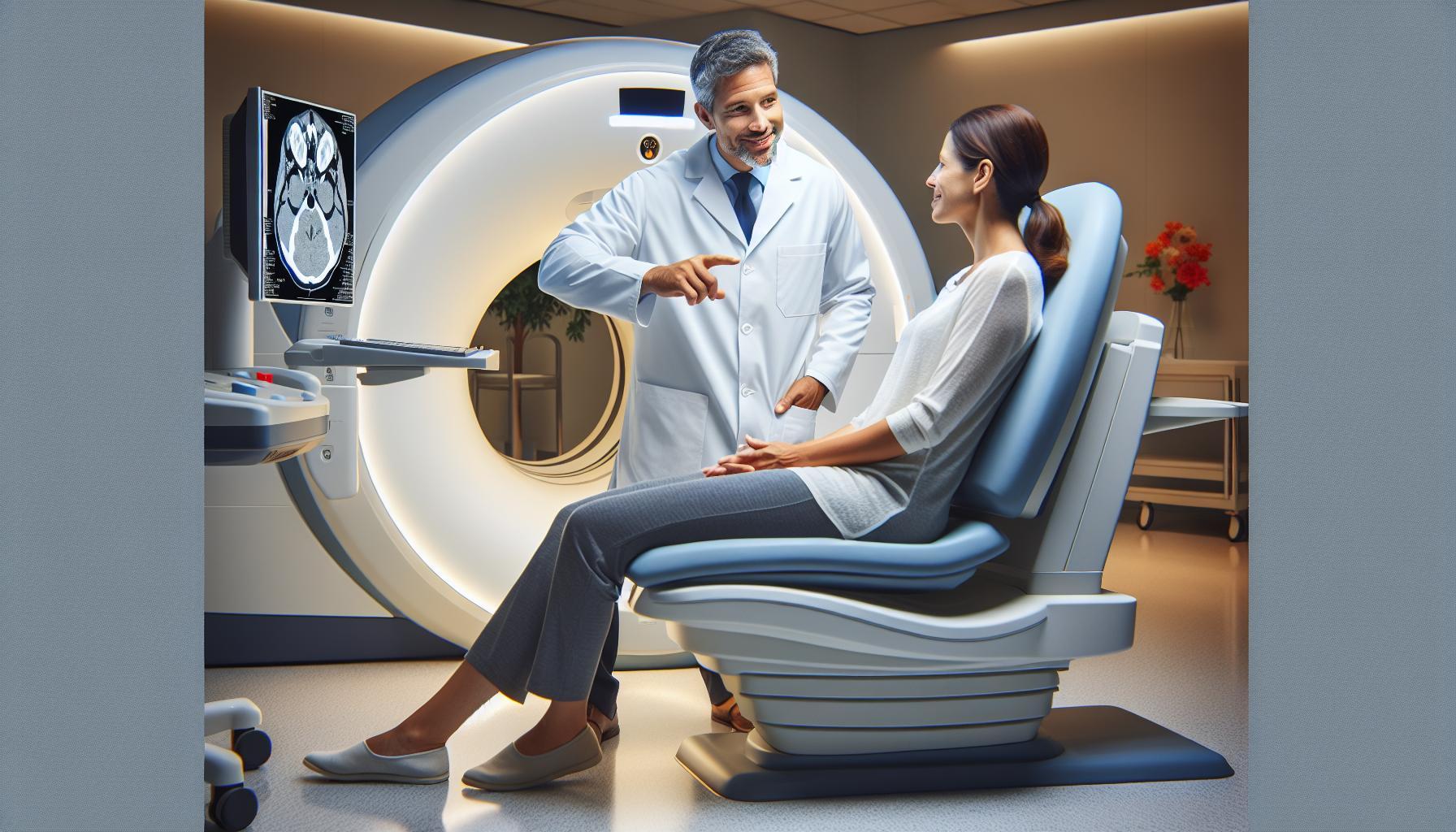
Undergoing a dental cone beam CT (CBCT) scan offers a unique view into your dental health, but understanding the procedure can help ease any apprehensions. As you arrive for your appointment, you’ll likely notice a calm environment designed to make you feel comfortable. The first step typically involves a brief consultation with your dental professional, who will explain the purpose of the scan and how it can assist in diagnosing your condition. This is a great opportunity to ask any questions and express any concerns, particularly about radiation exposure or how the scan will benefit your treatment plan.
Once you’re ready for the procedure, you’ll be asked to sit or stand in front of the CBCT machine. The equipment is designed to rotate around your head, capturing multiple images in just a few seconds. You’ll be instructed to remain still, which is crucial for obtaining clear, high-quality images. During the scan, you may hear whirring sounds, but it’s important to know that you won’t feel any discomfort. The radiation dose is minimal, often comparable to that of standard dental X-rays, and safety measures, such as protective lead aprons, will be in place to further ensure your protection.
Throughout the procedure, the technician will guide you, ensuring that you are positioned correctly. Aiming for precision, they might go over the arrangement a few times, so don’t hesitate to ask for clarification if you’re unsure about your positioning or what to expect. After the scan is complete, you’ll be free to return to your normal activities. Most importantly, remember that the information gathered from the CBCT scan is invaluable for your dental care, helping to create a comprehensive picture that aids in accurate diagnoses and treatment plans.
Finally, once your images are ready, your dental professional will discuss the results with you. This will help clarify any findings and next steps in your treatment journey, reinforcing the essential role of this advanced imaging technique in maintaining your dental health. The entire experience is designed not only to be efficient but also to provide reassurance about your safety and the valuable insights gained for your ongoing care.
Preparation Tips for Your CBCT Scan
Preparing for a dental cone beam CT (CBCT) scan is an important step to ensure that the procedure goes smoothly and provides the best possible results. One of the advantages of a CBCT scan is that it typically requires minimal preparation, allowing you to focus on what’s most important-your health. However, a few simple steps can help you feel more comfortable and informed about the process, particularly when considering aspects like radiation exposure and your personal well-being.
Start by discussing any concerns with your dental provider. Clarify any questions you may have regarding the scan’s purpose, what to expect, and how radiation exposure compares to standard dental X-rays. Understanding these points can alleviate anxiety. Generally, CBCT scans expose patients to low levels of radiation, similar to or sometimes even lower than traditional dental imaging techniques. This information can empower you and help dispel fears about safety during the procedure.
On the day of your appointment, wear comfortable clothing without any metal accessories, such as earrings, necklaces, or hairpins, which could interfere with the imaging. If you have a removable dental device, such as dentures or braces, ensure to follow your dentist’s guidance on whether these should be removed prior to the scan. Additionally, since the procedure typically takes only a few minutes, it’s wise to arrive a few minutes early to complete necessary paperwork and consultations.
Lastly, consider calming techniques, such as deep breathing exercises, if you’re feeling anxious about the scan. Practicing these methods can help reduce stress and enhance your overall experience. Remember, the purpose of the CBCT scan is to provide detailed images that will assist your dentist in diagnosing and planning your treatment effectively. Trust in the technology and the professionalism of your dental team as you prepare for this important step in your dental care.
Interpreting Your CBCT Scan Results
Understanding your dental cone beam CT (CBCT) scan results is a vital step in managing your dental health, and it can seem overwhelming at first. CBCT scans produce high-resolution, three-dimensional images that provide your dentist with detailed views of your teeth, jaw, and surrounding structures. These advanced images are crucial for accurate diagnosis and treatment planning, especially in complex cases such as implants, root canals, or orthodontic assessments.
When examining your results, your dentist will look for any abnormalities, such as bone loss, impacted teeth, or cysts. The clarity of CBCT images allows for a more precise identification of issues compared to traditional X-rays, which can be particularly beneficial in treatment planning. For instance, if you’re considering dental implants, the scan can help assess the bone structure and density, ensuring that the implants will be properly supported.
It’s essential to have a discussion with your dental provider about your specific results. They can explain what each finding means and how it relates to your overall dental health. You might also ask about the radiation exposure associated with the CBCT scan, reinforcing the understanding that while there is exposure, it is typically low and justified by the diagnostic benefits obtained from such detailed imaging.
In summary, offers not just a glimpse into your dental health but lays the groundwork for effective treatment strategies. Always feel empowered to engage in conversation with your dentist, asking questions and seeking clarification on what your scan reveals. This will not only enhance your understanding but also foster a sense of confidence in your dental care journey.
Cost Considerations for Cone Beam CT Scans
The cost of a dental cone beam CT (CBCT) scan is a critical factor for many patients considering this advanced imaging technology. Typically, patients can expect to pay between $100 and $500 for a single CBCT scan, depending on various factors such as geographic location, the complexity of the procedure, and the specific facility where the scan is performed. Understanding these variables can help you make informed decisions about your dental care.
Factors Influencing Cost
Several elements can affect the pricing of a CBCT scan:
- Location: Costs may vary significantly based on whether the scan is conducted in a metropolitan area versus a more rural setting.
- Type of Facility: Specialist dental clinics may charge differently than general dental practices or hospitals.
- Insurance Coverage: Some dental insurance plans may cover a portion of the cost, particularly if the scan is deemed medically necessary.
Before proceeding with a CBCT scan, it’s advisable to check with your dental provider and your insurance company regarding coverage. In many cases, your dentist will justify the need for the scan based on its importance in treatment planning, which could result in better long-term health outcomes.
The Value of CBCT Scans
While the upfront cost of a CBCT scan may seem high compared to traditional X-rays, the detailed 3D images provided can lead to more accurate diagnoses and treatment plans. This can potentially save money in the long run by reducing the need for additional procedures or unexpected complications. In instances such as implant placement or orthodontic evaluations, precise imaging can significantly enhance treatment success rates.
When discussing your CBCT scan with your dental provider, consider inquiring about available financing options or payment plans. Many clinics offer alternatives to help mitigate the cost burden. Additionally, understanding the scope of the benefits gained from the scan can further ease any concerns about its cost, allowing you to focus on the value it provides in your overall dental health management.
Feeling Anxious? Reassuring Insights on CBCT Safety
Feeling apprehensive about a dental procedure is entirely understandable, especially when it involves advanced technology like cone beam computed tomography (CBCT). However, it may help to know that the levels of radiation involved in a CBCT scan are relatively low compared to traditional imaging methods and the health risks associated with them are minimal. For instance, the radiation dose from a CBCT scan is often comparable to or even less than a single panoramic X-ray, which means that receiving a CBCT scan can be a safer and more efficient way to obtain detailed images of your dental structures.
CBCT technology offers several advantages that contribute to patient safety and comfort. The system is designed to capture 3D images of your teeth, jaw, and surrounding structures while minimizing exposure to radiation. The scan itself is quick, typically lasting only a few seconds, which reduces the time you’re exposed to any radiation. Many practices have adopted modern CBCT systems that employ sophisticated algorithms to adjust the radiation dose according to the specific needs of the imaging, ensuring optimal safety without compromising the quality of the images produced.
To further alleviate concerns, it’s crucial to discuss any worries about radiation exposure with your dental care provider. They can provide you with personalized insights based on your dental health history and the necessity of the scan for your treatment plan. Understanding the reasoning behind the use of CBCT and how it can lead to more accurate diagnoses and tailored treatments may help ease anxiety. By opting for this advanced imaging technology, you’re not only prioritizing your dental health but also participating in a more precise treatment approach that can lead to better outcomes.
For those who may still feel nervous about the procedure, consider bringing along any questions or concerns to your appointment. Most dental professionals are more than willing to explain the process in detail, helping you understand what to expect and effectively addressing any lingering anxieties. Remember, the goal of a CBCT scan is to enhance your care and promote your overall health, and being informed is the first step toward a calm and reassuring experience in your dental journey.
Q&A
Q: How does dental cone beam CT scan radiation compare to traditional medical CT scans?
A: Dental cone beam CT scans generally expose patients to lower radiation levels compared to traditional medical CT scans. While traditional CTs can deliver higher doses, cone beam scans typically range from 20 to 300 microsieverts, depending on specific settings and equipment used, making them safer for dental imaging contexts.
Q: What safety measures are taken during a dental cone beam CT scan to minimize radiation exposure?
A: During a dental cone beam CT scan, various safety measures are employed, such as selecting the lowest possible radiation dose, shielding non-target areas, and using digital imaging technology, which is more efficient. Patients are also instructed to stay still to ensure a clear image with minimal retakes.
Q: Are there risks associated with the radiation from a dental cone beam CT scan?
A: The risks associated with radiation from a dental cone beam CT scan are minimal when performed properly. The exposure is relatively low, but it is essential to limit unnecessary scans and discuss any concerns with your dentist or healthcare provider, especially for vulnerable populations like children.
Q: How can I prepare for a dental cone beam CT scan to ensure safety?
A: To prepare for a dental cone beam CT scan, it’s advisable to inform the provider of any medical conditions or allergies and discuss any medications you are taking. Wearing loose clothing without metal and removing jewelry can help streamline the process and enhance safety.
Q: What should I expect during the dental cone beam CT scan procedure?
A: During the dental cone beam CT scan, patients will typically sit or stand in a designated area while the machine rotates around their head. The scan lasts about 10-30 seconds, and patients need to remain still. There is no pain involved, and the procedure is generally quick and non-invasive.
Q: Can I request an alternative to a dental cone beam CT scan?
A: Yes, patients can request alternatives to dental cone beam CT scans if they have concerns about radiation exposure. Depending on the dental issue, options like traditional X-rays or MRI can be considered, but it’s crucial to discuss these alternatives with your dentist to ensure proper diagnosis and treatment.
Q: How often should I have a dental cone beam CT scan?
A: The frequency of dental cone beam CT scans varies based on individual needs. Generally, they are not performed routinely but are indicated for specific cases, such as planning dental implants or assessing complex dental issues. It’s important to follow your dentist’s recommendations based on your condition.
Q: What are common misconceptions about radiation exposure in dental cone beam CT scans?
A: A common misconception is that all radiation exposure is harmful. While it’s important to limit exposure, modern dental cone beam CT scans are designed to minimize risk, providing useful diagnostic information with relatively low radiation levels. Always consult your dentist for accurate information regarding your specific situation.
Closing Remarks
Understanding radiation exposure from dental cone beam CT scans is crucial for making informed decisions about your dental care. With advancements in technology, these scans offer detailed insights with minimized risk, reinforcing their value in effective diagnosis and treatment. If you have lingering questions about radiation safety or specific procedures, consider consulting your dental professional for tailored advice.
To deepen your knowledge, explore our articles on dental imaging safety and discover how to prepare for your upcoming dental appointments effectively. Don’t forget to join our newsletter for ongoing insights into dental health and the latest advancements in treatment options. By staying informed, you empower yourself to navigate your dental care confidently. Engage with us-leave your comments below and share your experiences with dental imaging!