Did you know that the terms “CAT scan” and “CT scan” refer to the same imaging procedure? As medical technology advances, so does the terminology, which can often confuse patients. Understanding whether these two terms are interchangeable is essential for anyone facing a diagnosis or medical examination.
This clarification not only enhances your health literacy but also empowers you to engage more confidently with your healthcare provider. In this article, we’ll explore the nuances behind CAT and CT scans, dispelling myths and providing insight into their roles in diagnosing and monitoring health conditions. Whether you’re preparing for your first scan or simply seeking knowledge, this guide will help clarify your understanding and alleviate any anxiety you might have about the process.
Are CAT Scans and CT Scans Identical? Understanding the Terminology
The terms CAT scan and CT scan often cause confusion among patients and healthcare consumers, but they refer to the same imaging technology. CAT stands for “computed axial tomography,” while CT refers to “computed tomography.” Both terms describe a diagnostic imaging method that combines multiple X-ray images taken from different angles and uses computer processing to create cross-sectional images of bones, blood vessels, and soft tissues inside the body. The evolution of terminology primarily reflects advancements in technology and standardization within the medical community.
Over time, the terminology has shifted toward CT scans, as the phrase “computed tomography” more accurately encompasses the capabilities and complexities of the technology. In everyday language, the terms can still seem interchangeable; however, healthcare professionals and technologists prefer to use CT scans when discussing the procedure in a clinical context. This change aims to promote consistency and clarity among healthcare providers and ensure patients understand the type of imaging they will undergo.
When patients hear about a CAT scan or CT scan, it’s essential for them to know that the procedure is designed to provide detailed images that help diagnose medical conditions such as cancers, internal injuries, or infections. Understanding that both terms signify the same technology can help alleviate concerns and questions about the imaging process. For anyone preparing for a scan, discussing this terminology with healthcare providers can enhance clarity and ease anxiety, paving the way for a more informed and comfortable experience.
History and Evolution of CAT and CT Scans
The development of CAT and CT scans marks a significant leap in medical imaging technology, transforming diagnostic practices for countless conditions. Initially introduced in the early 1970s, the term “CAT scan,” short for “computed axial tomography,” was widely used to describe this groundbreaking imaging technique, which allowed for cross-sectional imaging of the human body. As a novel approach, it utilized a combination of X-ray technology and computer processing to produce highly detailed images of internal structures, fundamentally changing the way doctors diagnose and treat diseases.
Over time, the term “CT scan,” which stands for “computed tomography,” became more prevalent within the medical community. This shift in terminology reflects not only a growing understanding of the technology’s capabilities but also a desire for clarity and precision in medical language. While CAT scan remains a familiar term to many patients, healthcare professionals favor CT scan to adequately encompass the complexities and advancements in imaging techniques that have occurred since the initial introduction of the technology.
This evolution in terminology also highlights the rapid progress in imaging technology itself. From the early days of CT scans producing grainy images, newer models now offer high-resolution, 3D images and advanced capabilities such as improved speed, reduced radiation exposure, and enhanced contrast in soft tissue visualization. As patients prepare for a CT scan today, they can rest assured that they will benefit from the latest advancements, making the process smoother and more effective for diagnostic purposes.
Understanding the can empower patients, reducing anxiety about medical procedures. By recognizing that both terms describe the same technology, patients can engage more confidently with their healthcare providers, ensuring a clearer understanding of their diagnostics and treatment options.
How CT Scans Work: A Step-by-Step Breakdown
The process of a CT scan is a marvel of modern medical technology that allows physicians to view the intricate details of the human body in cross-sectional slices. This imaging technique utilizes a combination of X-rays and advanced computing to create highly detailed images that can help in diagnosing a variety of conditions. To ensure a comprehensive understanding, here’s a step-by-step breakdown of how CT scans work.
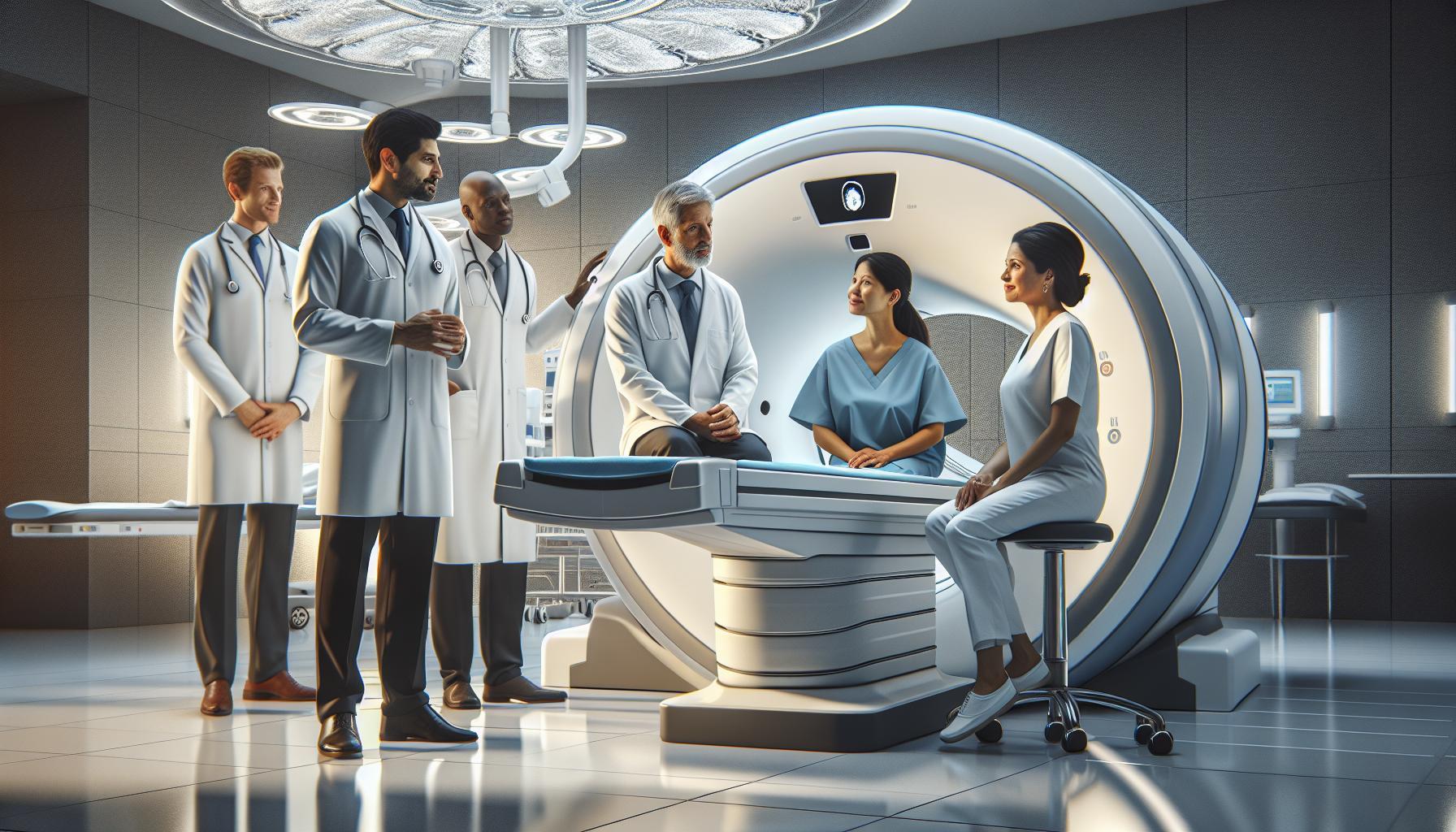
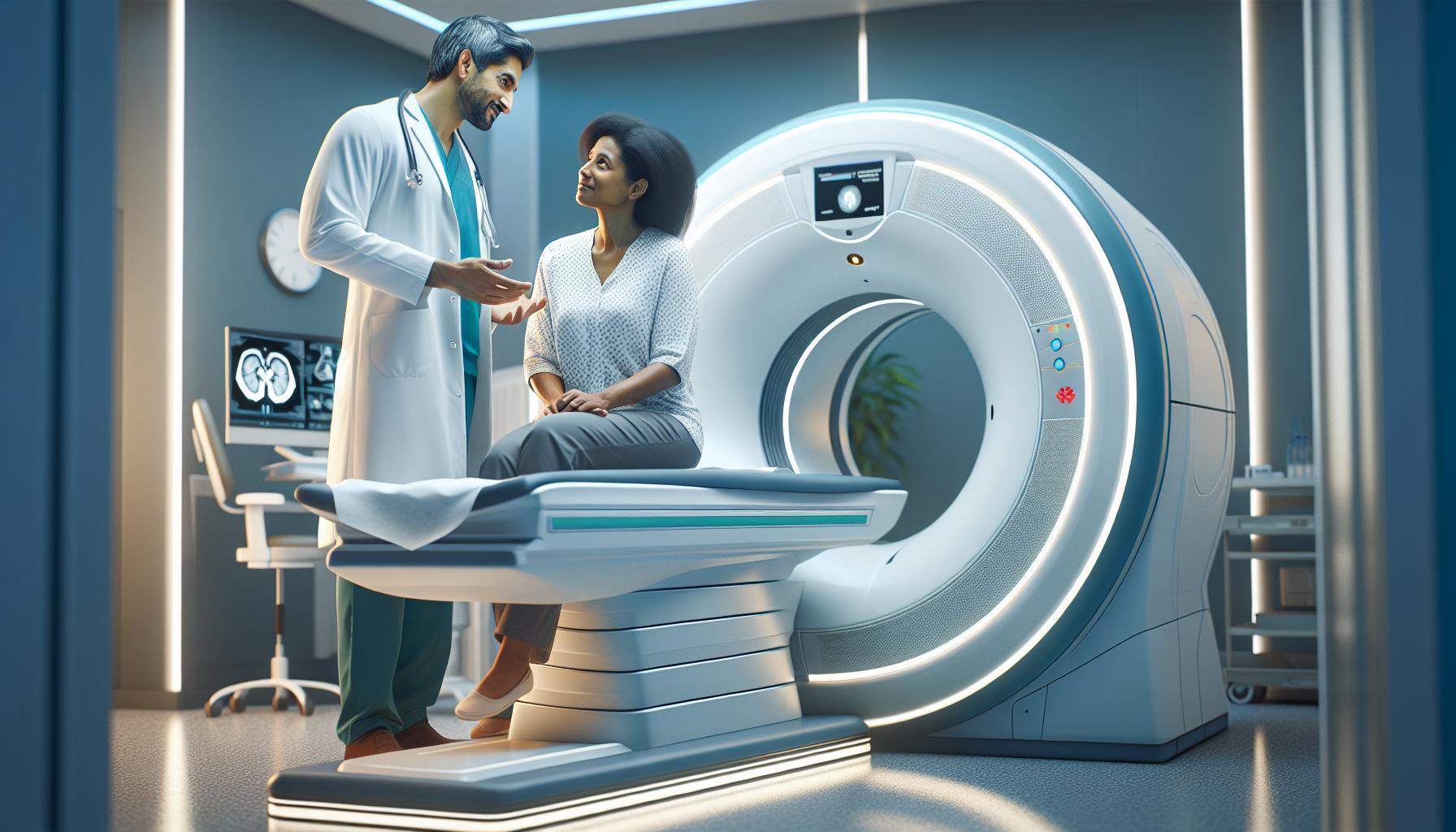
First, the patient is positioned on a movable table, which will slide into the CT scanner, often resembling a large doughnut. The technician may position the patient in a way that optimizes visibility of the area of interest. It’s important for patients to remain still during the procedure to prevent motion blur in the images.
Next, the scan begins. As the X-ray tube within the scanner rotates around the patient, it emits a series of thin beams through the body. These beams are detected by sensors positioned on the opposite side of the scanner. The data collected from the X-rays is then sent to a computer that processes the information and reconstructs it into detailed cross-sectional images of the organs, tissues, and structures within the body.
The entire process usually takes about 10 to 30 minutes, depending on the area being scanned and the protocols of the imaging center. Some scans may require the use of a contrast agent, which can be administered orally or intravenously, enhancing the visibility of certain tissues or blood vessels in the images. Patients are typically informed beforehand if and when a contrast agent will be used and what sensations they might experience.
In terms of safety and comfort, modern CT scans prioritize patient well-being. The amount of radiation used for a CT scan is carefully controlled, and while there is a small risk associated with radiation exposure, the benefits of accurate diagnosis often outweigh these concerns. Patients are encouraged to discuss any safety questions or prior medical histories with their healthcare provider prior to the scan, ensuring tailored care specific to individual needs. Ultimately, understanding how CT scans work can demystify the process, alleviating anxiety and empowering patients as they navigate their healthcare journey.
Key Differences Between CAT and CT Scans
The terminology surrounding imaging techniques can often lead to confusion, particularly when it comes to CAT scans and CT scans. Many individuals may wonder if these terms are interchangeable or if there are subtle differences worth noting. Both descriptors refer to the same diagnostic tool: a Computerized Axial Tomography (CAT) scan is essentially an older term that has largely been replaced by the more commonly used term, Computed Tomography (CT) scan. This shift in nomenclature is reflective of advancements in technology and enhancements in imaging capabilities that go beyond just axial imaging.
A significant distinction is that while “CAT scan” often referred to the original technology developed in the early 1970s, CT scans now encompass a broader range of imaging techniques and capabilities. Modern CT scans utilize sophisticated algorithms and processing software that allow for the generation of high-resolution images and even three-dimensional reconstructions of internal structures. Understanding this evolution gives patients insight into how far imaging technology has come and enables healthcare professionals to make more accurate diagnoses.
On a practical level, regardless of the terminology used, patients can expect similar experiences during either type of scan. The processes involved are virtually the same: patients will lie still on a table that slides into a ring-shaped scanner. As the X-ray beams rotate around them, images are captured, processed and presented for review by their healthcare provider. If you find yourself preparing for a CT scan, it’s comforting to know that whatever terminology is used, the technology has been refined to provide the best possible imaging outcomes.
Ultimately, the key takeaway is that while CAT scans and CT scans may be used interchangeably, understanding the advancements in technology underlying the ‘CT’ terminology can empower patients with knowledge. It highlights the importance of consulting with your healthcare provider about the specifics of your upcoming procedure, as they can offer guidance tailored to your individual needs and ensure you feel comfortable with the process.
Common Misconceptions About CAT and CT Scans
Misconceptions surrounding CAT and CT scans can cause unnecessary worry among patients, particularly when it comes to understanding their safety and purpose. One common misunderstanding is that the two terms refer to different technologies. In reality, both terms describe the same essential imaging process, with “CAT scan” being an earlier term replaced by “CT scan” as technology advanced. This change in terminology signifies not just a branding update but also improvements in imaging capabilities that enhance diagnostic accuracy.
Another prevalent myth is that CT scans are significantly more dangerous than traditional X-rays. While it is true that CT scans involve exposure to more radiation than a standard X-ray, the benefits of accurate diagnosis often outweigh the risks. Modern CT scanners are equipped with advanced technologies that minimize radiation exposure while still providing high-quality images. It’s vital for patients to discuss these concerns with their healthcare providers, who can explain the rationale for the procedure and its associated risks in straightforward terms.
Concerns may also arise regarding the comfort and experience of undergoing a CT scan. Many people fear cramped spaces or loud noises during the procedure. However, the CT scanning environment is designed with patient comfort in mind. Patients lie on a table that moves smoothly into a large, open-ended scanner, and they are generally only required to hold still for a few moments while images are taken. Technicians are trained to support patients through the process, often explaining each step before it happens, which can alleviate anxiety.
Lastly, the notion that results from CT scans can be misinterpreted or lead to unnecessary procedures contributes to many patients’ apprehensions. While it’s important for reading and interpreting CT scans to be performed by trained professionals, any unclear results should be followed up with further consultation and discussion. This ensures that patients are well-informed and understand their health status clearly, emphasizing the importance of communication with healthcare providers throughout the imaging process.
Preparing for a CT Scan: What Patients Need to Know
Preparing for a CT scan can seem daunting, but understanding the steps involved can significantly ease anxiety and ensure a smooth process. First and foremost, it’s essential to communicate openly with your healthcare provider. They will offer personalized instructions based on the specific type of scan you need and any pre-existing conditions.
In many cases, patients are advised to refrain from eating or drinking for a few hours before the procedure. This is particularly important for scans that involve contrast materials, which are used to enhance the images. Administering these substances can sometimes result in an upset stomach, so following fasting guidelines can lead to a more comfortable experience. If you have any allergies, especially to iodine or shellfish, be sure to inform your medical team, as this may affect the type of contrast used.
As you prepare, wear comfortable, loose-fitting clothing without metal fasteners, zippers, or belts. It’s advisable to arrive at the facility with ample time to complete any required paperwork and undergo a preliminary assessment. Bring along a list of your medications and any relevant medical history, as this will help the technicians understand your health background more comprehensively.
During the CT scan, you’ll lie on a table that will move through the scanner, which might seem intimidating at first. However, knowing that the process is quick-typically lasting only a few minutes-can be reassuring. The scanner will produce a series of images, capturing different angles without any pain involved. If you feel nervous, don’t hesitate to express your concerns to the staff; they are trained to help explain what will happen and provide reassurance throughout the procedure.
Remember that understanding the process and having clear communication with your healthcare provider not only enhances your comfort but also ensures the accuracy of diagnostic results. If you ever have questions or uncertainties before your scheduled CT scan, reaching out to your medical team is a vital step in the preparation process.
What to Expect During a CT Scan Procedure
Undergoing a CT scan can feel overwhelming for many patients, but understanding what the experience entails can help demystify the process. A CT scan, or CAT scan, is designed to provide detailed images of the inside of your body, utilizing specialized X-ray equipment that creates cross-sectional views. The whole procedure is typically swift and painless, often lasting only 10 to 30 minutes from start to finish.
As you prepare to undergo the scan, you will first be asked to lie down on a narrow table that slides into a large, cylindrical machine known as the CT scanner. It’s essential to remain as still as possible during the scan to ensure high-quality images; even slight movements can lead to blurriness. The staff will guide you through this step, often reminding you to hold your breath at certain intervals. While the machine does make some noise as it operates, it’s similar to a gentle humming, and wearing comfortable clothing helps ease any physical discomfort during the procedure.
If your scan requires the use of a contrast dye to enhance the images, you may receive it through an intravenous (IV) line or orally, depending on the type of exam. This process may produce sensations such as warmth or a metallic taste in your mouth but is generally not painful. Communication with the medical team is crucial-if you feel anxious or uncomfortable at any stage, don’t hesitate to voice your concerns. The technicians are skilled in providing reassurance and adapting the process to better meet your needs.
Finally, once the scan is complete, you’ll be able to resume your normal activities. Your healthcare provider will discuss the results with you after they are available, which usually takes a few days. Understanding what happens during a CT scan can help alleviate fears and empower you to approach the procedure with confidence and knowledge.
Safety Considerations: Are CT Scans Safe?
While many patients might feel apprehensive about medical imaging, it’s essential to know that CT scans-often referred to as CAT scans-are widely regarded as safe diagnostic tools when prescribed by a qualified healthcare provider. The technology itself has made significant advancements over the years, minimizing risk and enhancing the ability to capture detailed images of the body’s internal structures. Understanding the safety considerations associated with these scans can provide reassurance and empower you to make informed decisions about your health.
One of the most frequently discussed safety concerns regarding CT scans is the exposure to ionizing radiation. CT scans do involve a higher dose of radiation than conventional X-rays; however, the amount is typically considered safe when weighed against the diagnostic benefits. For instance, a CT scan can often provide crucial information that determines effective treatment plans, sometimes avoiding the need for more invasive procedures. To mitigate risk, healthcare professionals are trained to use the lowest possible radiation dose necessary to achieve the required imaging quality, a practice known as ALARA (As Low As Reasonably Achievable).
It’s also important to consider potential allergic reactions when using contrast materials for enhanced imaging. Patients should inform their healthcare provider of any known allergies, especially to iodine, which is commonly used in contrast dyes. Most reactions are mild, such as itching or a rash, but healthcare teams are equipped to manage any unexpected complications. If you’re concerned about allergies or reactions, don’t hesitate to ask your technician or radiologist questions ahead of time. They can provide additional reassurance and offer alternative imaging options if necessary.
Finally, the decision to perform a CT scan should always be made collaboratively with your healthcare team. They will evaluate your medical history, current health concerns, and the necessity of the scan in your diagnostic pathway. By fostering an open dialogue, you can engage in shared decision-making, ensuring that you feel comfortable with your care. Remember, knowledge and communication are your best tools for navigating medical procedures safely and effectively.
Understanding the Costs of CAT and CT Scans
Understanding the financial implications of diagnostic imaging, such as CT scans (also known as CAT scans), is essential for patients and their families. Costs can vary significantly based on factors like location, healthcare provider, and whether or not you have insurance coverage. Generally, the price of a CT scan can range from $300 to $3,000. This wide range illustrates the importance of being informed about potential expenses, enabling you to budget accordingly and explore your options.
When considering the costs, it’s vital to recognize different components that may contribute to the total amount. Major influencing factors include:
- Facility Fees: Depending on whether the scan takes place in a hospital, outpatient clinic, or imaging center, facility fees can vary significantly.
- Technician and Radiologist Fees: Professional costs for those conducting the scan and interpreting the results are often separate from the facility fee.
- Insurance Coverage: If you have health insurance, your plan may cover a portion of the cost. However, be aware of potential co-pays, deductibles, and the need for prior authorization.
- Geographic Location: Costs can differ based on the region; urban centers typically have higher prices compared to rural areas.
- Need for Contrast Agents: If your procedure requires the use of contrast materials, this can add additional costs.
To help manage these costs, consult with your healthcare provider and ask for a breakdown of expenses related to the CT scan. Many facilities provide price estimates, so don’t hesitate to inquire about this before undertaking the procedure. In some cases, it may be helpful to shop around for the best prices or consider discussing payment plans with your provider if the costs are overwhelming.
In navigating the landscape of medical imaging costs, knowledge is your ally. Engaging in open discussions with your healthcare team not only clarifies expenses related to your CT scan but ensures that you feel supported and informed throughout your medical journey. Taking proactive steps can alleviate financial anxiety and empower you in your healthcare decisions.
Interpreting CT Scan Results: What Do They Mean?
The results from a CT scan can feel overwhelming, especially when you’re waiting to learn what they might mean for your health. Understanding these images is crucial, as they provide valuable insights that can aid in diagnosing various medical conditions. Essentially, a CT scan (or CAT scan) generates cross-sectional images of the body using X-rays, allowing doctors to view structures inside without invasive procedures. The radiologist, a physician trained to interpret these images, plays a vital role in this process by examining them for any abnormalities or signs of disease.
When your results are ready, your healthcare provider will discuss them with you, providing clarity about what the images reveal. It’s important to keep in mind that while certain findings may suggest particular conditions, they do not always equate to a diagnosis. For instance, a CT scan might reveal a mass, but further testing-like a biopsy-may be necessary to determine whether it is benign or malignant. Therefore, it’s vital to ask questions and engage in an open dialogue with your provider. Seeking clarification on any terms or findings that seem uncertain can help alleviate anxiety.
Here are some common terms you might encounter when interpreting CT scan results:
- Lesion: An area of abnormal tissue. This could be due to many factors, including infection, injury, or disease.
- Mass: A collection of tissue that can be solid or fluid-filled; further evaluation is often needed.
- Radiopaque: Areas that appear white on the scan, indicating denser materials, such as tumors or calcifications.
- Radiolucent: Areas that appear darker, often indicating less dense tissues or fluid.
Ultimately, while a CT scan is a powerful diagnostic tool, its results must be interpreted in conjunction with your medical history, physical examination, and any other imaging or laboratory tests. Being informed and proactive in the conversation about your results empowers you to make educated decisions about your healthcare, alleviating some of the worries that often accompany waiting for results. Always remember, your healthcare provider is there to help guide you through understanding what these results mean for your health and next steps.
Advancements in CT Scan Technology: What’s New?
The world of medical imaging is continually evolving, and recent advancements in CT scan technology are revolutionizing how clinicians diagnose and treat various conditions. For patients, these innovations not only enhance diagnostic accuracy but also significantly reduce the time and discomfort associated with scans. One of the most exciting developments is the introduction of dual-energy CT, which allows for the simultaneous capture of images at two different energy levels. This capability provides radiologists with more detailed information about tissue composition, aiding in the differentiation between types of materials within the body. For instance, it can help differentiate between calcified plaque and non-calcified plaque in coronary arteries, providing crucial insights for cardiac assessments.
Another significant advancement is the use of artificial intelligence (AI) in CT imaging. AI algorithms are being integrated into CT scan workflows to assist radiologists in detecting abnormalities and interpreting images more efficiently. This technology can significantly reduce the workload on medical professionals while improving the accuracy of diagnoses. Enhanced imaging techniques, such as iterative reconstruction algorithms, have also improved image quality while reducing radiation exposure. This means patients can receive necessary scans without the added stress of high radiation doses, making CT imaging safer than ever.
In addition, advancements in technology have led to faster scanning times. High-speed CT scanners can now perform scans in mere seconds, reducing the need for patients to hold their breath and allowing for a more comfortable experience. This rapid imaging capability is particularly beneficial for emergency situations where timely diagnosis is critical, such as in trauma cases or strokes.
As these technologies continue to evolve, patients can feel reassured that they are benefiting from the latest improvements in CT imaging. It’s always advisable to discuss these advancements with healthcare providers, who can offer personalized guidance regarding the best imaging options and what to expect during the process. Being informed empowers patients, allowing them to approach their medical imaging with greater confidence and understanding of these valuable diagnostic tools.
When to Choose a CT Scan: Clinical Applications and Guidelines
When it comes to medical imaging, CT scans play a pivotal role in diagnosing a variety of health concerns, offering clarity when symptoms are vague or traditional methods yield inconclusive results. A CT scan, or computed tomography scan, uses advanced imaging technology to create detailed cross-sectional images of the body, essential for diagnosing conditions ranging from broken bones to cancer. Understanding when to opt for a CT scan can ensure timely and effective medical care, minimizing the anxiety associated with undiagnosed health issues.
In clinical practice, physicians may recommend a CT scan in several situations. For instance, if you present with severe abdominal pain that could stem from conditions like appendicitis or internal bleeding, a CT scan can provide critical insights. Additionally, CT scans are invaluable in trauma cases, where rapid assessment of internal injuries is essential. They are also highly useful in cancer diagnosis and monitoring, as they can reveal the size and shape of tumors, helping guide treatment decisions. Other common applications include detecting lung diseases, such as pneumonia, or assessing vascular issues like blood clots.
Understanding the guidelines for when a CT scan is appropriate can further empower patients. Generally, physicians consider factors like the patient’s age, medical history, and the specifics of their symptoms before recommending a scan. It is also essential for individuals to communicate with their healthcare providers regarding any allergies or previous reactions to contrast materials, if used during the scan. Nonetheless, while CT scans are powerful diagnostic tools, it’s important to remember that they should not be the first line of investigation; they are typically used when other imaging modalities-like X-rays or ultrasounds-are insufficient.
Before undergoing a CT scan, take a moment to prepare yourself by discussing any questions or concerns with your healthcare provider. This conversation is an excellent opportunity to express any worries about safety or radiation exposure. They can provide personalized insights into the scan’s necessity and clarify how the results will impact your treatment plan. Remember, every individual case is unique, and staying informed will help you navigate your healthcare journey with confidence and peace of mind.
Frequently asked questions
Q: Are CAT scans and CT scans identical?
A: Yes, CAT scans (Computed Axial Tomography) and CT scans (Computed Tomography) are the same thing. The terms are used interchangeably, with “CT scan” being the more modern terminology that reflects technological advancements in imaging techniques.
Q: Why are CAT scans referred to as CT scans now?
A: The term “CT scan” is used instead of “CAT scan” to emphasize the technological evolution from axial tomography to more sophisticated imaging methods. This shift reflects improvements in detail and diagnostic capabilities.
Q: What is the main purpose of a CT scan?
A: A CT scan provides detailed cross-sectional images of the body, allowing doctors to diagnose various conditions, assess injuries, and plan medical treatments effectively.
Q: How safe are CAT/CT scans?
A: CT scans are generally considered safe, with minimal risks involved. However, they involve exposure to radiation, so it’s important to discuss any concerns with your healthcare provider, especially for repeated scans.
Q: Can a CT scan replace other imaging tests?
A: While a CT scan is a powerful diagnostic tool, it may or may not replace other imaging tests like X-rays or MRIs. The best imaging method depends on the specific medical condition and the information needed.
Q: What preparations are required before a CT scan?
A: Preparation for a CT scan often includes fasting for a few hours before the procedure, especially if a contrast dye is used. Always follow your healthcare provider’s specific instructions to ensure accurate results.
Q: Are there alternatives to CT scans for diagnostic imaging?
A: Yes, alternatives include MRI (Magnetic Resonance Imaging), ultrasound, and conventional X-ray. Each method has its own advantages and is chosen based on the clinical scenario and required detail.
Q: What might the results of a CT scan indicate?
A: CT scan results can help identify a range of conditions, including tumors, internal injuries, infections, and blood clots. Consulting with a healthcare provider is essential to understand the implications of your results.
Wrapping Up
In conclusion, understanding that a CAT scan and a CT scan refer to the same imaging technology highlights the importance of clear medical terminology. If you found this information beneficial, don’t hesitate to explore our related articles on how to prepare for a CT scan and what to expect during the procedure. Knowledge is your best ally in managing health concerns, so consider subscribing to our newsletter for the latest updates and resources.
If you have any lingering questions about your upcoming scan or medical imaging in general, we encourage you to reach out to healthcare professionals. Their expertise can provide personalized guidance tailored to your specific needs. Lastly, feel free to share your experiences or thoughts in the comments below-your insights could help others in similar situations. Let’s continue this journey toward informed health decisions together!