When faced with sudden health concerns, knowing where to seek immediate care can be overwhelming. Urgent care centers have become a go-to solution for many, but do they offer comprehensive services like CT scans? Understanding this option is crucial for quick diagnosis and treatment, especially in emergencies.
In this guide, we’ll explore whether urgent cares perform CT scans, the conditions that might require such imaging, and how this can impact your care. Whether you’re experiencing unexpected pain or need imaging for a sports injury, knowing your options can make all the difference. Let’s dive into the details and equip you with the knowledge to make informed health decisions.
Understanding CT Scans in Urgent Care Facilities
CT scans, or computed tomography scans, are essential diagnostic tools frequently employed in urgent care settings to provide detailed images of the body’s internal structures. These scans utilize advanced imaging technology, combining X-rays with computer processing to produce cross-sectional views that help medical professionals visualize and evaluate various conditions. The ability to quickly diagnose injuries, infections, and other health issues makes CT scans invaluable, especially in time-sensitive situations where immediate care is crucial.
When considering a CT scan, it’s primarily recommended for examining complex cases, such as abdominal pain, severe head injuries, or suspected internal bleeding, where a clear view of the internal anatomy can significantly affect the treatment plan. The urgent care environment is equipped to handle such scenarios, offering immediate access to not just imaging but also subsequent care. CT scans available in these facilities cater to various needs, including scans focused on the chest, abdomen, or specific injuries, like those affecting the limbs or head.
Preparing for a CT scan typically involves simple steps. Patients may need to refrain from eating or drinking for a few hours before the procedure, particularly if a contrast dye is used to enhance the clarity of the images. It’s essential to inform healthcare providers about any existing medical conditions, allergies, or medications being taken, particularly regarding any iodine allergies, as this could affect the usage of contrast materials.
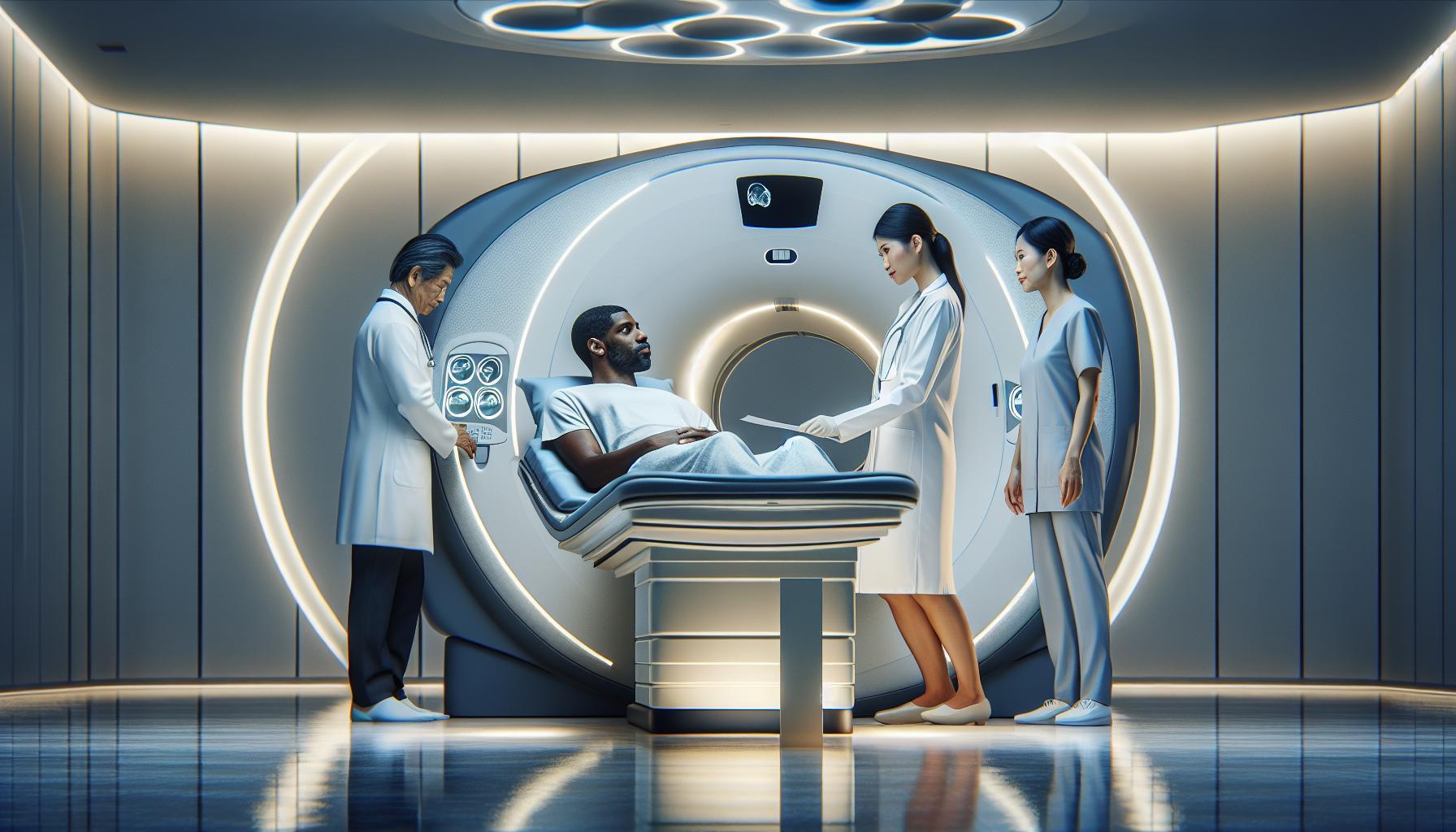
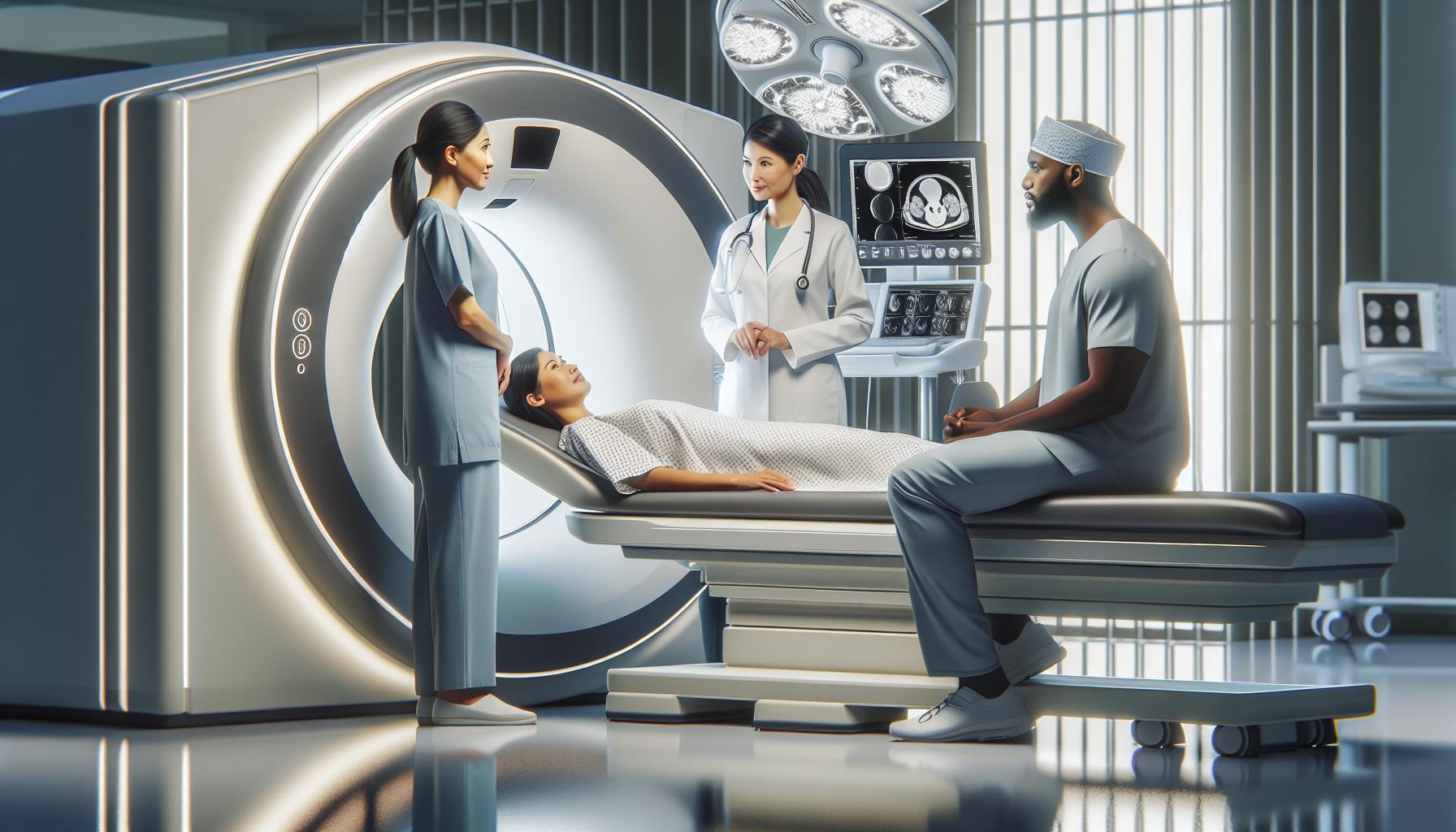
During the CT scan, patients will lie on a table that moves through a large, doughnut-shaped machine. Although the procedure may sound intimidating, it is usually painless and quick, lasting only a few minutes. Patients may hear buzzing or whirring sounds as the machine operates, but keeping still and following breathing instructions provided by the medical team can ensure the best possible images. With a better understanding of CT scans in urgent care, patients can approach their diagnoses with confidence and awareness, knowing they have access to rapid and effective medical interventions.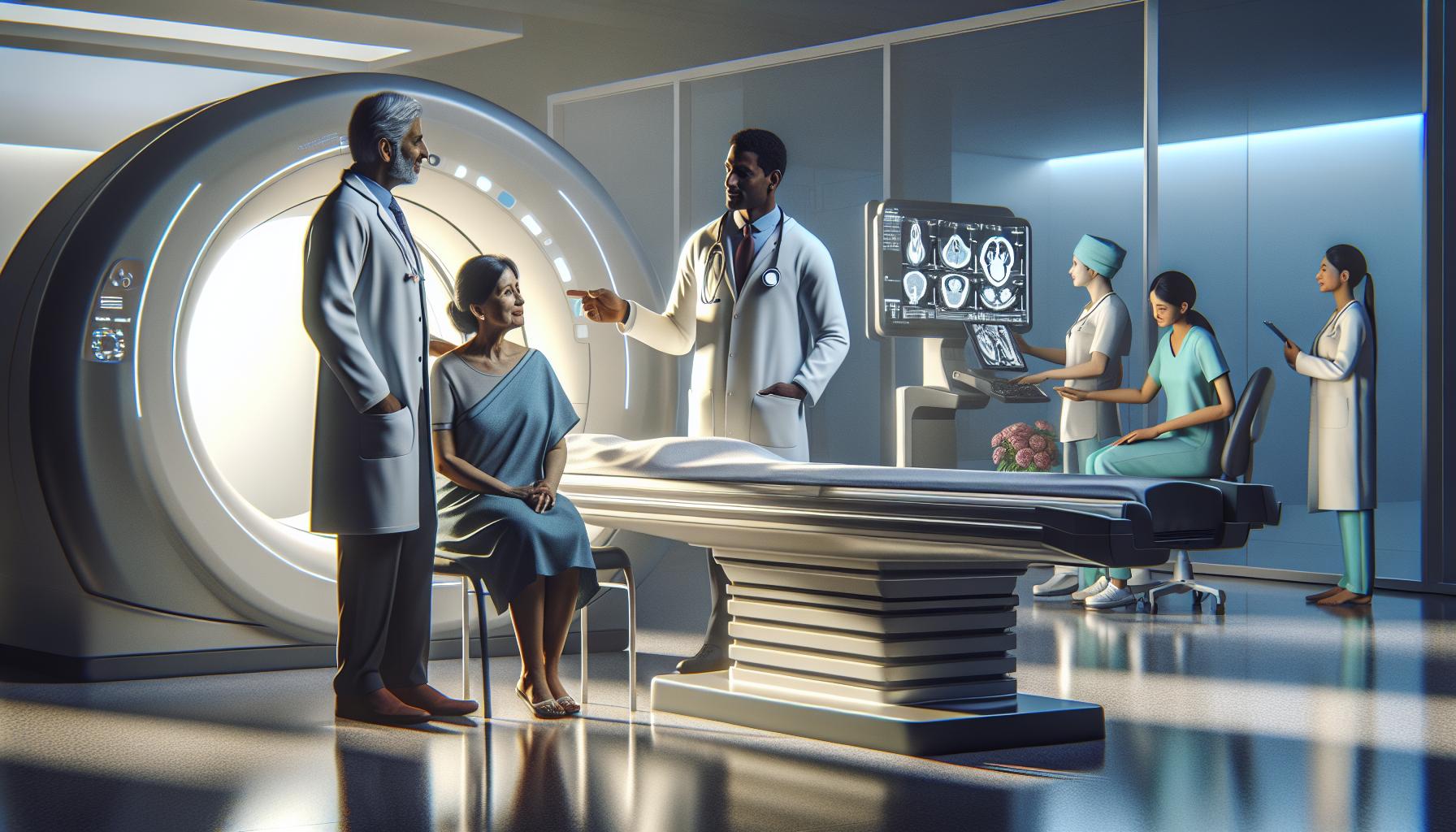
When Are CT Scans Recommended?
CT scans are essential diagnostic tools that can provide invaluable insights in urgent care settings, particularly when time is of the essence. These scans are often recommended in scenarios where immediate and detailed visualization of internal structures is critical for accurate diagnosis and effective treatment. For instance, if a patient presents with persistent abdominal pain, a CT scan can help to identify issues such as appendicitis, kidney stones, or any internal bleeding, which may require prompt medical intervention.
Aside from abdominal complaints, CT scans are also advisable for evaluating head injuries, especially after a fall or vehicle accident. In such cases, these scans can detect potential concussions, fractures, or hemorrhages that are not always visible through other imaging techniques. Chest CT scans are recommended for symptoms that include severe shortness of breath, unexplained chest pain, or suspected pulmonary issues. Each of these scenarios emphasizes the urgency that often necessitates the use of CT imaging in urgent care.
Consideration for a CT scan may also arise when there’s a need to assess cancer progress or detect tumors. If abnormalities are suspected from initial examinations or other imaging tests, a CT scan can provide a clearer picture, assisting healthcare providers in crafting an effective treatment plan. Understanding when CT scans are indicated can help alleviate anxiety surrounding the procedure and empower patients to engage proactively with their healthcare. Ultimately, the decision to perform a CT scan should be made collaboratively with healthcare professionals, who will weigh the patient’s symptoms, medical history, and the anticipated benefits of the scan versus the potential risks.
Knowing what to expect can help ease concerns about the process. Always feel free to ask your healthcare provider any questions or express any apprehensions prior to undergoing the imaging procedure. This open dialogue ensures that you are fully informed, supported, and prepared, helping to transform an intimidating experience into a manageable one.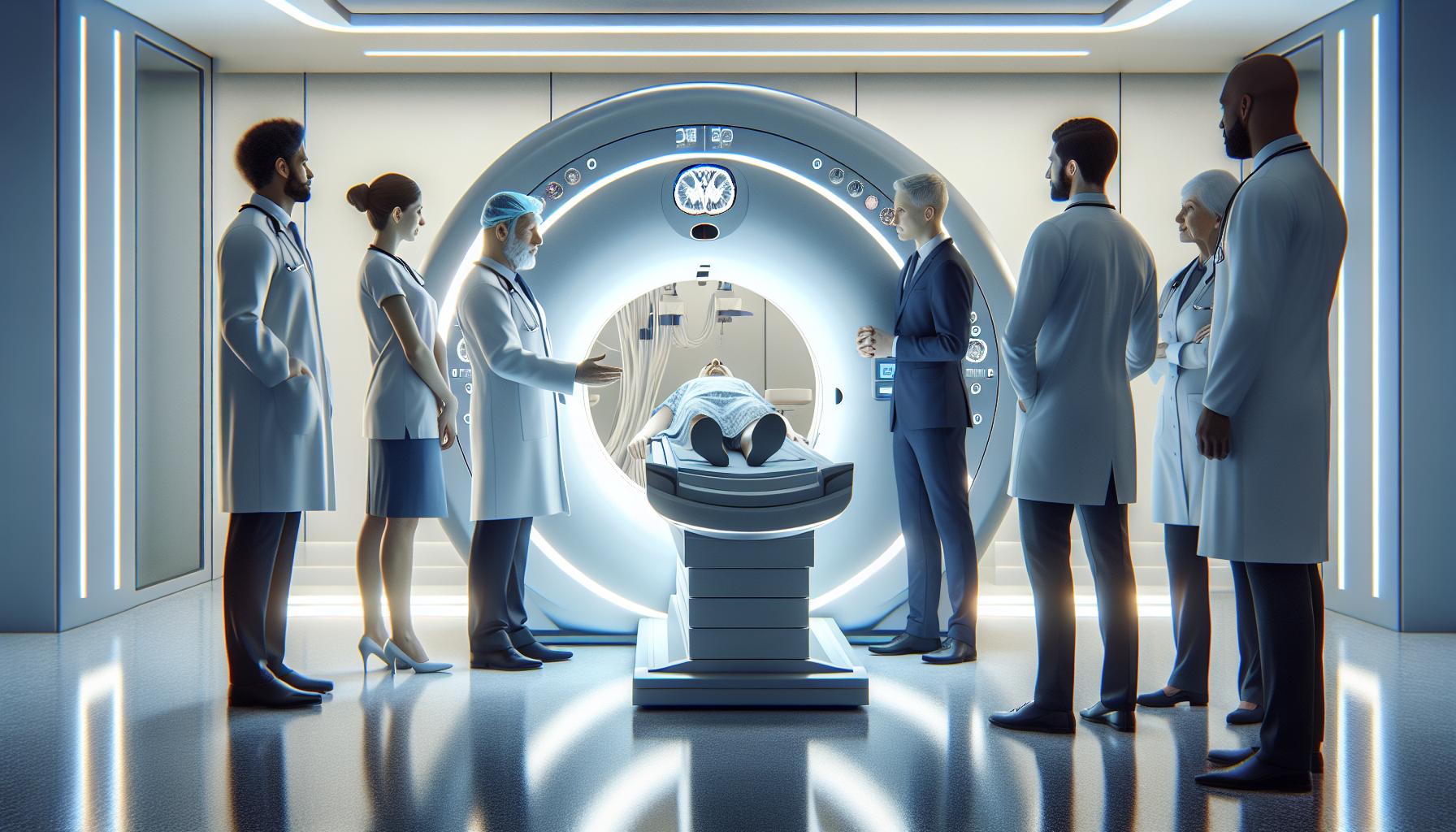
Types of CT Scans Offered in Urgent Care
The world of urgent care is designed to provide quick and effective answers to medical concerns, and CT scans play a vital role in achieving this goal. These imaging tests come in various types, each tailored to specific diagnostic needs. Understanding the different kinds of CT scans available can help you feel more at ease when faced with the possibility of undergoing one.
Common Types of CT Scans in Urgent Care
- Abdominal CT Scan: This scan is routinely used to investigate conditions related to the abdomen, such as appendicitis, kidney stones, or liver disease. With its ability to quickly identify issues, it is particularly valuable in emergency situations where abdominal pain is present.
- Head CT Scan: For patients with head injuries or unexplained neurological symptoms, a head CT scan is critical. It can detect bleeding, fractures, and other abnormalities that might indicate a concussion or more serious condition.
- Chest CT Scan: This scan is essential for evaluating lung-related symptoms such as shortness of breath, persistent cough, or unexplained chest pain. It helps in diagnosing conditions like pneumonia, pulmonary embolism, or tumors.
- Pelvic CT Scan: Often used for issues related to reproductive organs, a pelvic CT scan is vital in diagnosing conditions such as ovarian cysts or ectopic pregnancies. It can provide detailed images that facilitate swift decision-making regarding treatment.
- CT Angiography: This specialized scan visualizes blood vessels and is particularly beneficial for assessing vascular conditions. It’s commonly used for detecting blockages or aneurysms in the cardiovascular system.
Each type of CT scan serves a specific purpose and can expedite the diagnosis process, allowing healthcare professionals to begin treatment sooner. Urgent care facilities often have the capability to perform these scans on-site or coordinate with radiology services nearby. The seamless integration of imaging within urgent care settings ensures that patients receive timely evaluations and interventions, creating a smoother care experience.
Choosing to opt for a CT scan can feel overwhelming, but being informed about the options available helps demystify the process. As always, discussing your symptoms and concerns with your healthcare provider will guide you to the most appropriate imaging solution for your situation.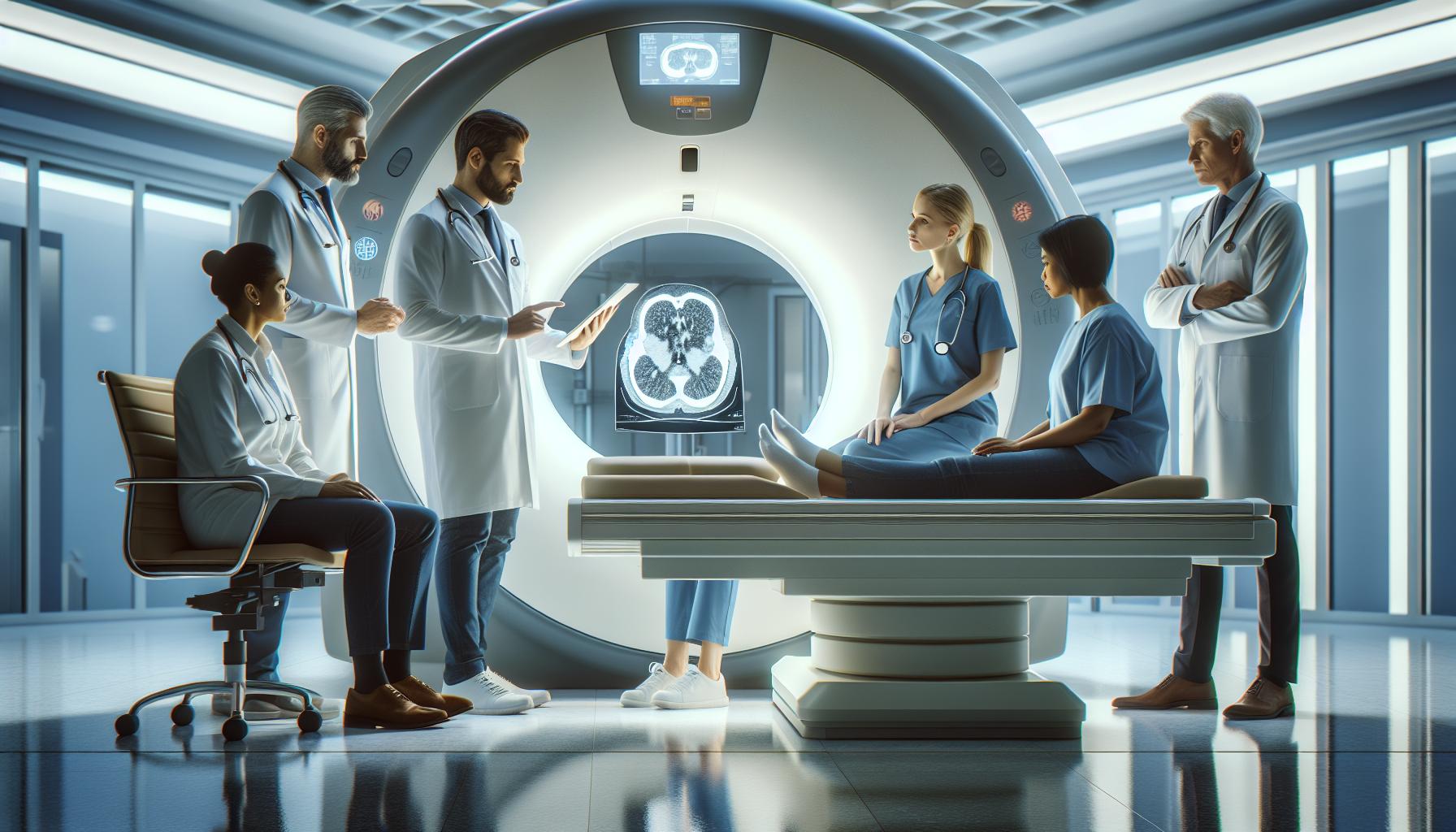
How to Prepare for a CT Scan at Urgent Care
Preparing for a CT scan at an urgent care facility can feel daunting, but knowing what to expect can ease your nerves and help make the process smoother. CT scans are essential diagnostic tools that provide crucial insights into your health, so taking a few simple steps before your appointment can enhance your experience and ensure the best possible results.
Before arriving for your CT scan, it’s important to inform your healthcare provider about any allergies, especially to contrast dye, which may be used during the procedure. If you have a history of kidney problems or diabetes, discuss this ahead of time, as it may influence the need for additional hydration or specific instructions. Most facilities will ask you to refrain from eating or drinking for a specified period, usually a few hours, prior to the scan, particularly if contrast dye is involved. This helps to ensure clear images and reduces potential complications.
On the day of your appointment, wear comfortable, loose-fitting clothing, as you may be asked to change into a hospital gown. Avoid clothing with metal, including zippers and buttons, which can interfere with the imaging process. If you have any jewelry, watches, or piercings in the area being scanned, remember to remove these items to avoid compromising the quality of the images. For those who might feel anxious about enclosed spaces, practice deep breathing, or let the staff know in advance so they can provide additional support.
Once you arrive at the urgent care facility, the staff will guide you through the registration process and may ask you to fill out forms regarding your medical history and current health status. Taking time to clarify any questions you have with the healthcare team about the procedure can also alleviate anxiety. Understanding the steps involved, including what will happen during and after the scan, allows you to feel more in control and reassured.
By adequately preparing for your CT scan, you are not only helping to maximize the effectiveness of the imaging itself, but you’re also taking proactive steps to ensure a calm and efficient experience at urgent care. Always remember to consult your provider if you have any uncertainties or specific concerns about the procedure.
What to Expect During a CT Scan Procedure
During a CT scan procedure, anticipation can often lead to anxiety, but understanding what to expect can significantly ease your concerns. A CT scan, or computed tomography scan, is a painless imaging technique that provides detailed cross-sectional images of your body’s internal structures. These scans are typically performed in a calm environment, designed to help you feel relaxed throughout the process.
Once you arrive at the urgent care facility and complete the necessary paperwork, a radiologic technologist will escort you to the scanning room. You will be asked to lie down on a cushioned table, which will slide into a large, donut-shaped machine known as the CT scanner. It’s essential to remain still during the scan to ensure clear images; however, the technologist will be in close contact with you throughout the procedure, ready to provide reassurance or address questions you may have.
The actual scanning process lasts only a few minutes. As the machine rotates around you, it captures multiple images from different angles. You may hear whirring noises and experience a brief sensation of movement. If contrast dye is used-typically injected into a vein to enhance the images-you might feel a slight pinch during the injection, followed by warmth that should pass quickly. It’s important to remember that this feeling is entirely normal, and staff are trained to help minimize any discomfort or anxiety you might feel.
After the scan is completed, you can typically resume your normal activities immediately. The images captured will be analyzed by a radiologist, who will prepare a report for your healthcare provider to discuss the findings with you. Understanding the purpose of your CT scan and the process involved can make the experience feel less daunting while ensuring you feel supported and informed throughout. Always feel empowered to ask questions; your healthcare team is there to make the process as comfortable and clear as possible.
Interpreting Your CT Scan Results: What You Need to Know
Understanding the results of a CT scan can be a crucial part of your healthcare journey, especially when seeking answers to health concerns. The radiologist who interprets your scan will prepare a detailed report based on the images captured, highlighting any abnormalities or areas of concern. This report is then shared with your primary care provider or the urgent care physician who ordered the scan. It’s important to remember that while the findings can sometimes lead to anxiety, they are essential for guiding your treatment plan.
After your healthcare provider discusses the findings with you, it’s natural to have questions or even feel overwhelmed. Here’s what you should consider as you interpret your CT scan results:
What to Look For in Your Report
- Key Findings: This section details any abnormalities detected in your images, such as tumors, fractures, or infections.
- Next Steps: Recommendations for further tests, referrals to specialists, or follow-up appointments may be included.
- Comparison to Previous Imaging: If you have had earlier scans, the report may compare current results to past imaging, providing insights into changes in your condition.
It’s vital to approach this information calmly. If there are terms or findings you don’t understand, discussing them with your healthcare provider can offer clarity and reassurance. They can translate the medical jargon into understandable language, helping you to process what the results mean for your health.
Keep Communication Open
Being proactive in your healthcare ensures you are an active participant in your recovery. Don’t hesitate to ask your provider:
- What the next steps are and how soon they should occur.
- Whether additional tests are necessary to clarify or confirm findings.
- About any lifestyle changes or treatments that may be recommended based on the results.
In some instances, follow-up care might be required, or other imaging methods could be suggested to further evaluate your condition. Always remember, you aren’t alone in this process. Engaging with your healthcare team creates a supportive network that nurtures your understanding and well-being. The more informed you are, the better prepared you’ll be to make decisions regarding your health.
Safety Measures with CT Scans: Risks and Benefits
Undergoing a CT scan can be a pivotal moment in your healthcare journey, providing vital insights that are essential to diagnosing and managing various medical conditions. While these scans are incredibly valuable tools, it is perfectly normal to have questions and concerns about their safety, risks, and benefits. Understanding these factors can help you make informed decisions and alleviate any anxieties surrounding the procedure.
CT scans utilize X-ray technology to create detailed cross-sectional images of the body, allowing healthcare providers to visualize structures inside without the need for invasive procedures. However, like any medical procedure, they come with inherent risks. One of the primary concerns associated with CT scans is radiation exposure. Although the doses are typically low and the risk of developing cancer from a single scan is minimal, repeated scans over time can increase cumulative exposure. It’s critical for patients to discuss these risks with their healthcare provider, especially if they anticipate needing multiple scans during their treatment journey. Your provider may consider alternative imaging techniques, such as MRI or ultrasound, which do not involve radiation when appropriate.
Despite these risks, the benefits of CT scans in urgent care settings cannot be overstated. They can quickly and effectively identify conditions ranging from fractures to internal bleeding, enabling timely interventions that could be life-saving. The speed and precision of CT imaging often facilitate expedited diagnosis and treatment compared to other imaging modalities. For example, in cases of head injuries, a CT scan can swiftly reveal bleeding or skull fractures, guiding immediate care that can be critical to recovery.
In preparing for and undergoing a CT scan, there are several practical steps you can take to ensure a smooth experience. If you have concerns about radiation, express them during your consultation; the healthcare team can provide personalized insights based on your medical history and the specific situation. Also, be sure to communicate any allergies, particularly to contrast materials, which may be used during some scans to enhance image quality. Understanding what to expect, including the procedure duration and comfort, can also ease anxiety. As always, engaging openly with your healthcare providers allows for a collaborative approach to your care, ensuring you feel supported and informed every step of the way.
Costs of CT Scans: What to Expect at Urgent Care
Navigating the costs associated with a CT scan at an urgent care facility is an important aspect of your healthcare experience, and understanding what to expect can significantly ease any financial concerns. Generally, the cost of a CT scan can vary widely based on factors like location, facility, and whether you are insured. In many urgent care centers, the out-of-pocket cost for a CT scan can range from $300 to $1,000, depending on the complexity of the scan and any additional services required.
When considering the financial aspect, it’s wise to check with your insurance provider prior to the procedure. Many insurance plans cover CT scans, but the amount you will owe can depend on your deductible and copayment structures. If you’re uninsured or have a high deductible, some urgent care facilities may offer payment plans or financial assistance programs to help manage the cost. Always feel empowered to inquire about these options during your visit.
Moreover, understanding the pricing models can also help alleviate any unexpected charges. Some facilities operate on a transparent pricing model that lists the cost of various procedures, including CT scans. This transparency can be beneficial in allowing you to make an informed decision about where to receive care. Don’t hesitate to discuss the cost upfront with the healthcare team-being open about your budget and concerns ensures they can provide you with the most accurate estimate and suggest the best course of action.
Lastly, recognizing that the costs associated with a CT scan are not solely about the procedure itself is crucial. It can also include consultations, interpretations by radiologists, and follow-up visits, all of which contribute to your overall healthcare expenditures. When you approach the process with knowledge and clarity, you can make choices that best support your health without undue financial stress.
Alternatives to CT Scans in Urgent Care
In certain situations, patients may seek settings for diagnostic imaging. While CT scans are highly effective for visualizing internal structures, they do involve radiation exposure and may not always be necessary. Understanding available alternatives can empower patients to make informed decisions tailored to their health needs.
One common alternative is the X-ray, which uses a lower dose of radiation to produce images of bones and certain soft tissues. X-rays are particularly useful for assessing fractures, dislocations, and some conditions affecting the lungs, such as pneumonia. They are quick and widely available, making them a go-to choice for urgent care facilities.
Another valuable option is ultrasound, especially beneficial for evaluating soft tissue structures, such as organs, muscles, and blood vessels. Ultrasound is radiation-free and provides real-time images, allowing healthcare providers to see blood flow and assess conditions like appendicitis or gallbladder disease. For expectant mothers, it is also the primary tool for monitoring fetal development.
MRI (Magnetic Resonance Imaging) is another imaging technology, although it is generally less accessible in urgent care due to longer scan times and higher costs. MRI is particularly effective for diagnosing brain, spinal, and joint conditions without exposure to radiation. In some cases, it may be pursued after initial evaluations using X-rays or ultrasounds.
It’s essential for patients to have open discussions with their healthcare providers about the most appropriate imaging option based on their specific health concerns. By understanding these alternatives, patients can feel more confident in their healthcare choices and reduce anxiety surrounding potential procedures. Always seek guidance from a medical professional to ensure that the chosen imaging method aligns with your individual health needs.
Common Conditions Diagnosed with CT Scans
Medical imaging through CT scans has revolutionized how we diagnose and manage a variety of health conditions. In many urgent care facilities, a CT scan can be performed quickly, providing essential information that guides treatment decisions. Understanding the can help patients appreciate the value of these imaging tools and reduce anxiety about their use.
One of the primary reasons for ordering a CT scan in urgent care is to evaluate potential head injuries. Conditions like concussions, skull fractures, and intracranial bleeding can be rapidly assessed, allowing for timely intervention. Additionally, CT scans are instrumental in diagnosing abdominal issues, such as appendicitis or diverticulitis. In fact, when a patient presents with sudden abdominal pain, a CT scan can confirm or rule out these serious conditions, facilitating quicker treatment and improving outcomes.
CT scans are also invaluable when it comes to identifying pulmonary conditions. They are often used to detect pulmonary embolisms, which can be life-threatening if unchecked. Similarly, in the case of suspected cancers, a CT scan can provide detailed images of tumors in various body parts, aiding in staging and treatment planning. Furthermore, CT imaging is essential for visualizing bone fractures, especially in more complex cases that X-rays might not fully illustrate.
In summary, CT scans serve a critical role in urgent care settings by aiding in the swift diagnosis of several urgent health issues, including trauma, abdominal emergencies, and potential malignancies. If you’re anxious about the process, discussing your concerns with healthcare professionals can provide reassurance and help guide decisions tailored to your health needs.
Patient Experiences: Real Stories with Urgent Care CT Scans
Experiences shared by patients who have undergone CT scans in urgent care settings highlight the process’s efficiency and clarity in critical situations. Many recount that arriving at urgent care with alarming symptoms, such as severe abdominal pain or a head injury, felt overwhelming. However, the swift decision to perform a CT scan provided much-needed reassurance. These patients often describe the relief of receiving rapid diagnostics, which not only confirmed conditions like appendicitis or fractures but also initiated timely treatment.
For instance, one patient shared their experience of visiting an urgent care facility after a fall. The doctors recommended a CT scan to rule out any internal injuries. The patient noted feeling anxious about the procedure initially, but the staff’s calm demeanor and straightforward explanations helped dispel concerns. After the scan, they learned that there were no significant injuries, which allowed them to focus on recovery without further stress.
Another common narrative involves individuals with suspected pulmonary issues. One woman detailed her ordeal of experiencing sudden shortness of breath, which led her to urgent care. A CT scan revealed a pulmonary embolism, a potentially life-threatening condition. She expressed gratitude for the quick action that started her treatment journey, emphasizing how the quick availability of imaging in urgent care allowed doctors to act fast in stabilizing her condition.
These stories reflect the vital role of CT scans in urgent care, providing patients with clarity amid uncertainty. Such experiences underscore the importance of discussing any apprehensions with healthcare professionals, who are committed to guiding and supporting patients through the process. Knowing that many find comfort in the rapid assessment and diagnosis that CT scans offer can empower others facing similar health challenges.
Guidance on Follow-Up Care After a CT Scan
Following a CT scan, understanding your next steps can significantly alleviate anxiety and ensure proper recovery and follow-up care. The CT scan is a vital tool for diagnosing potential issues quickly, but the work doesn’t stop there-effective follow-up care is essential for addressing any findings and optimizing your health outcome.
After receiving your results, it’s important to have a follow-up appointment with your healthcare provider to discuss what the findings mean for your condition. This appointment is your opportunity to ask questions and clarify any diagnosis or treatment plans. Keep a record of your symptoms and any changes you notice, as this information can be crucial in tailoring your follow-up care. For instance, if your CT scan identified a fracture, your provider may discuss pain management strategies and rehabilitation exercises to aid your recovery.
- Monitor Symptoms: Pay attention to any new or worsening symptoms you may experience after the scan. Inform your clinician about these changes, as they can impact your treatment decisions.
- Adherence to Treatment Plans: If your healthcare provider recommends medication or therapies based on your results, ensure that you follow their guidance closely. Adhering to prescribed treatment can enhance recovery outcomes.
- Schedule Follow-Up Tests if Needed: Sometimes, further imaging or tests may be necessary to gain clearer insights into your condition. Discuss any recommended follow-ups during your appointment.
- Ask about When to Return: Before you leave your follow-up appointment, ask your provider when you should return for a checkup or additional imaging. This proactive approach can help ensure continuous care.
Understanding the implications of your CT scan results can feel overwhelming, but you are not alone in this journey. Many patients have found comfort in lean support systems through friends, family, or counseling services. Sharing your experience with others can provide additional emotional strength, particularly as you navigate healthcare decisions post-scan.
Remember, the goal of your follow-up care is not just to treat the immediate findings of the CT scan but also to promote your overall health and well-being. Your healthcare team is there to support you; don’t hesitate to reach out with any questions or concerns during this crucial time. Recognizing the importance of follow-up care empowers you to take an active role in your health journey, ensuring the best possible outcomes.
Frequently Asked Questions
Q: Can urgent care centers perform CT scans?
A: Yes, many urgent care centers are equipped to perform CT scans. They use this imaging technology to quickly diagnose various conditions, especially in emergencies. However, it’s recommended to check with your specific urgent care facility regarding their imaging capabilities.
Q: What types of conditions can urgent care diagnose with a CT scan?
A: Urgent care centers commonly use CT scans to diagnose conditions like fractures, internal bleeding, and organ injuries. For more details on conditions treated, refer to our section on common conditions diagnosed with CT scans.
Q: Are CT scans safe to undergo in urgent care?
A: Yes, CT scans are generally safe. Urgent care facilities implement safety measures to minimize risks associated with radiation exposure. You can read more about this in our safety measures section.
Q: How do urgent care CT scan costs compare to hospital costs?
A: CT scans at urgent care centers often cost less than those at hospitals due to lower operational costs. Always inquire about pricing beforehand for a clearer understanding of potential expenses.
Q: What preparation is needed before a CT scan at urgent care?
A: Preparation typically involves fasting for a few hours prior to the scan and informing the staff about any allergies or medications. For detailed preparation steps, please see our guide on how to prepare for a CT scan.
Q: Can I get immediate results from a CT scan at urgent care?
A: Many urgent care centers can provide preliminary results quickly, often within the same visit. However, full interpretations may take longer, especially if specialized radiologists are involved.
Q: What can I expect after my CT scan at urgent care?
A: After your CT scan, you may be advised to return to see your healthcare provider for results. Usually, there are no immediate side effects, but you should follow any specific instructions provided by the staff.
Q: Are there alternatives to CT scans available at urgent care?
A: Yes, alternatives such as X-rays or ultrasounds may be offered depending on the condition being evaluated. These options involve less radiation and may be suitable in certain cases. For more information, check our alternatives section.
Concluding Remarks
As you explore the critical role that urgent care facilities play in providing quick access to CT scans, remember that understanding your options can lead to timely and effective treatment. If you have more questions about how CT scans work or need guidance on what to expect during your visit, check out our related articles on medical imaging and patient preparation.
Don’t wait to empower yourself with knowledge-consider signing up for our newsletter for the latest updates and exclusive resources on healthcare innovations. Your health is important, and taking the initiative today can make a difference. Remember, consulting with healthcare professionals is vital for personalized advice tailored to your needs. Share your experiences or ask questions in the comments below; your insights could help others on their journey! Explore our website further for in-depth guides and valuable resources that keep you informed and engaged.