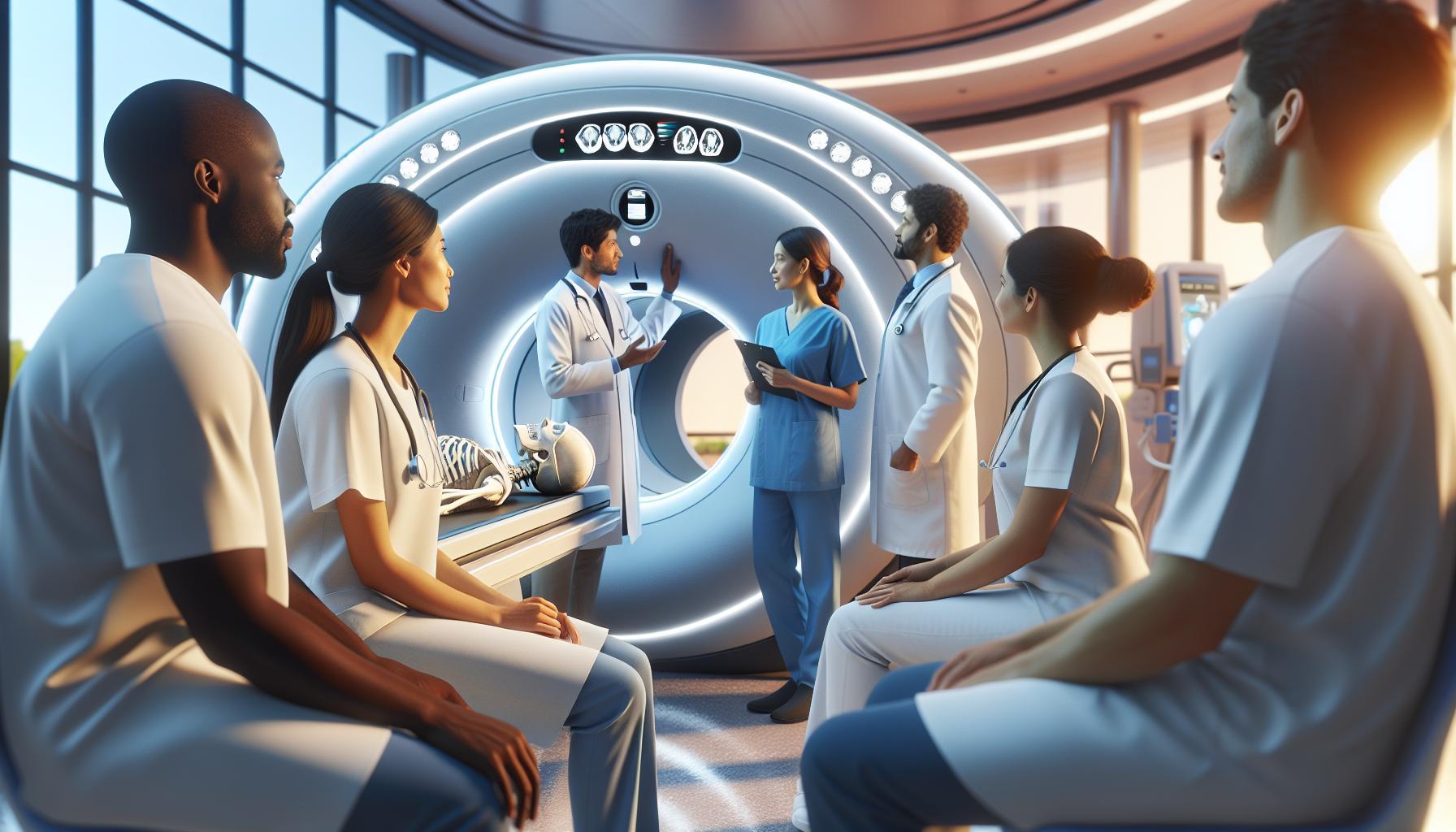
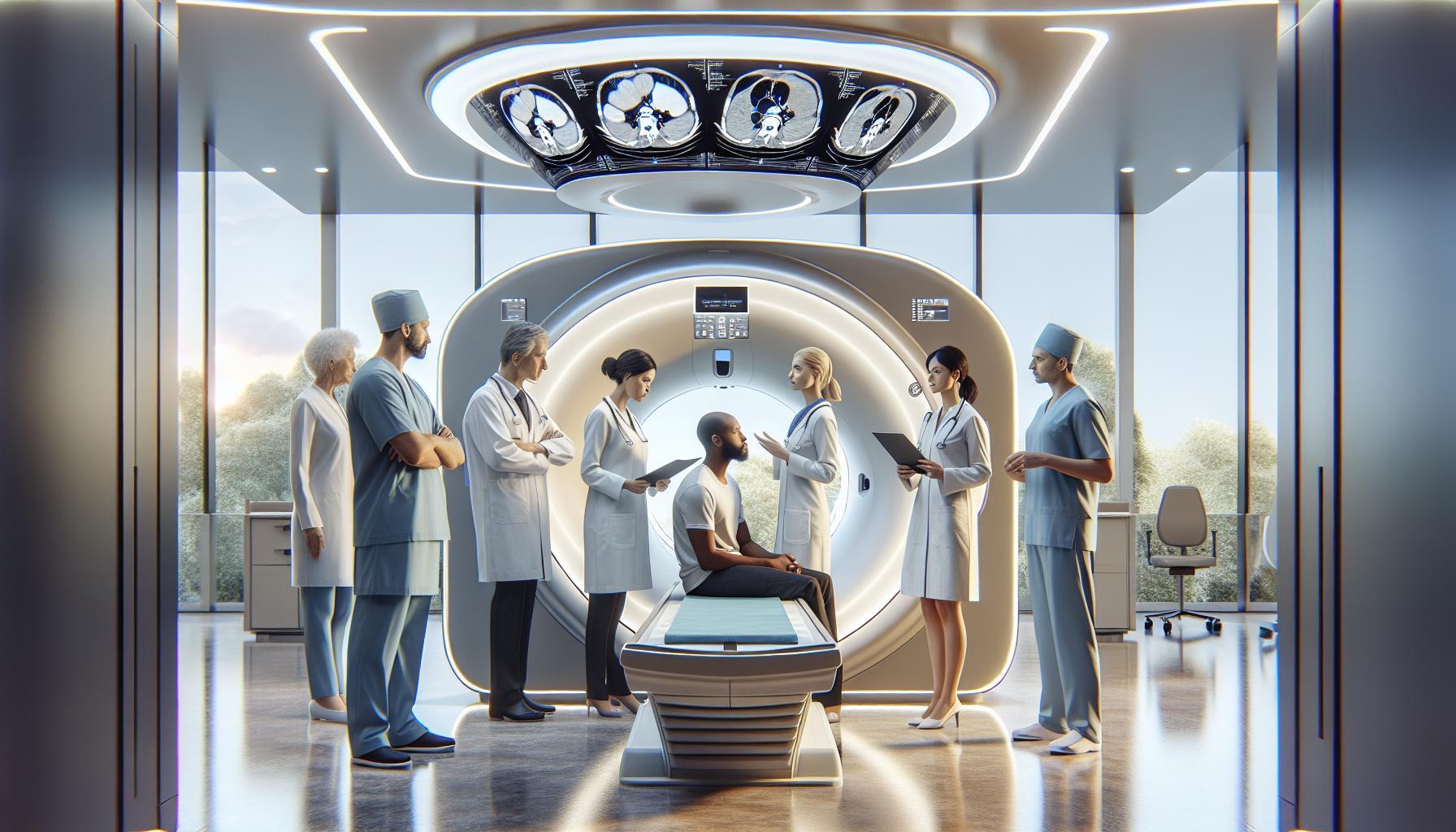
When it comes to diagnosing injuries, particularly fractures, understanding the capabilities of imaging technologies like CT scans is crucial. A CT scan, or computed tomography scan, uses advanced X-ray technology to create detailed cross-sectional images of the body, making it an invaluable tool for detecting broken bones that might not be visible on standard X-rays.
Many patients wonder how a CT scan can help in identifying fractures, especially when faced with persistent pain or swelling. Knowing whether a CT scan is appropriate not only helps clarify their medical situation but can also ease anxiety about potential injuries. This guide will walk you through everything you need to know about CT scans and their role in fracture detection, empowering you to make informed decisions about your health. Dive in to discover the ins and outs of this imaging technology and how it plays a pivotal role in accurate and timely diagnoses.
What is a CT Scan and How Does It Work?
A CT scan, or computerized tomography scan, is a sophisticated imaging technique that transforms X-ray technology into detailed, cross-sectional images of the body. By taking numerous X-ray images from different angles and using computer processing, it creates high-resolution pictures of bones, blood vessels, and soft tissues, offering a clearer view than standard X-rays. This advanced imaging capability makes CT scans invaluable in diagnosing conditions ranging from fractures to tumors, allowing healthcare professionals to see internal structures with remarkable clarity.
The process begins as the patient lies on a table that moves through a circular opening of the CT scanner. As the scan is performed, the machine emits X-rays in a rotating manner. These X-rays pass through the body and are detected on the opposite side, producing images of the targeted area. Because CT scans can rapidly collect data from multiple angles, they are especially useful in emergency situations where time is crucial, such as detecting acute injuries after trauma.
CT scans are beneficial for their speed and precision. They allow for the visualization of complex structures where traditional imaging might fall short. For instance, in the case of a suspected fracture, a CT scan can reveal not only the location of the break but also its nature-whether it’s a simple break or a complicated fracture involving nearby joints or tissues. This comprehensive view helps doctors plan appropriate treatments and interventions more effectively.
For patients, understanding this technology can alleviate anxiety about the procedure. Although it involves exposure to radiation, modern CT scanners minimize doses while maximizing image quality. This balance of safety and effectiveness underscores the importance of these scans in modern medical diagnostics. Always consult healthcare professionals for personalized recommendations and information regarding the need for a CT scan or any concerns you may have about the procedure.
Understanding Fractures: Types and Symptoms
Experiencing a fracture can be both alarming and painful. Understanding the types of fractures and their symptoms is crucial for prompt treatment and recovery. A fracture occurs when the integrity of a bone is compromised, and they can be classified into several types based on their characteristics and the mechanism of injury.
Types of Fractures
Fractures are commonly categorized as follows:
- Complete Fracture: The bone breaks into two or more pieces. It often results from high-impact trauma.
- Incomplete Fracture: The fracture does not extend through the entire bone. This type is common in children.
- Open Fracture: The break is accompanied by a wound in the skin, exposing the bone. This type carries a higher risk of infection.
- Closed Fracture: The bone is broken, but the skin remains intact, reducing the risk of infection.
- Greenstick Fracture: A partial fracture, often seen in pediatric cases, where the bone bends or cracks but does not break completely.
- Comminuted Fracture: The bone is shattered into several pieces, typically resulting from severe trauma.
Symptoms to Look For
Recognizing the symptoms associated with fractures can expedite medical intervention. Common signs include:
- Intense Pain: Immediate pain at the injury site, often worsening with movement or pressure.
- Swelling and Bruising: Localized swelling, discoloration, or bruising can occur around the fracture.
- Deformity: An abnormal shape or angulation of the affected limb may suggest a serious fracture.
- Inability to Use the Limb: Difficulty or inability to move the affected area often indicates injury.
- Sound at Injury: A snapping or grinding sound may be heard at the time of the fracture.
When experiencing such symptoms, it’s vital to seek medical attention promptly. A healthcare provider may utilize various imaging techniques, such as X-rays or CT scans, to diagnose the fracture accurately. These scans provide detailed views that are essential for determining the exact nature of the fracture and planning effective treatment. Always consult with a medical professional for personalized advice and to address any concerns regarding potential fractures. Understanding the types and symptoms of fractures equips you with essential knowledge that can lead to timely and appropriate care.
Why Choose CT Scans for Fracture Detection?
When it comes to accurately diagnosing fractures, CT scans offer unparalleled clarity and detail, making them a valuable tool in modern medical imaging. Unlike traditional X-rays, which can sometimes miss subtle fractures, CT scans provide a comprehensive 3D view of the bone structure. This advanced imaging technique is especially useful for complex fractures, such as those involving joints or areas where multiple bones connect, as it allows physicians to assess the full extent of the injury while minimizing the risk of oversight.
One of the primary advantages of CT scans in fracture detection is their ability to visualize intricate bone anatomy. This feature is particularly beneficial in scenarios where fractures are not easily identifiable or where additional detail is required to inform treatment decisions. For instance, in cases of comminuted fractures-where a bone is shattered into several pieces-a CT scan can help healthcare providers understand the number and orientation of the fragments, which is critical for planning surgical interventions and optimizing healing.
Moreover, CT scans are invaluable in trauma situations. When a patient presents with severe injuries, especially in high-stakes environments like emergency rooms, doctors need to make quick yet informed decisions. CT imaging allows for real-time assessment and can expedite the diagnosis completion process, leading to timely interventions. This ability to rapidly identify fractures can significantly impact patient outcomes, particularly in critical cases where immediate surgical intervention may be necessary.
In addition to their diagnostic capabilities, CT scans are also essential for post-injury evaluations. They help doctors monitor the healing process and assess whether a fracture is stabilizing as expected. Understanding the healing trajectory can guide treatment decisions and rehabilitative approaches, ensuring the best chances for recovery. Overall, the precision and detail provided by CT scans make them a cornerstone in the assessment and management of fractures, emphasizing the importance of utilizing this technology when traditional imaging methods fall short.
How Accurate Are CT Scans for Identifying Broken Bones?
Despite their common use, many patients wonder how accurate CT scans are for identifying broken bones. The answer is that CT scans are among the most reliable imaging technologies available, especially beneficial for detecting fractures that might be overlooked by traditional X-rays. With their ability to produce detailed cross-sectional images of the body, CT scans provide a three-dimensional view of complex anatomical structures, allowing for a more comprehensive analysis of bone injuries.
One of the key reasons for the high accuracy of CT scans in fracture detection is their superior resolution compared to X-rays. They can delineate finer details and visualize fractures in locations that are typically challenging to assess, such as the spine, pelvis, and joints. For example, in cases where a patient has suffered a high-energy trauma, a CT scan can help quickly confirm or rule out fractures, ensuring timely and appropriate treatment. This capability is particularly crucial in emergency situations, where rapid diagnosis can significantly affect patient outcomes.
Moreover, CT scans can detect subtle fractures, including hairline or stress fractures, that may not show up on standard imaging. This feature enables healthcare professionals to provide targeted treatment and preventive advice for future injuries. As technology advances, newer imaging modalities like low-dose CT scans further enhance safety without compromising diagnostic accuracy, making them a preferred option for many clinicians.
Patients often express concerns about radiation exposure from CT scans. It’s important to understand that while CT scans do involve higher radiation doses than X-rays, the benefits they provide-particularly in accurately diagnosing fractures and guiding treatment-often outweigh the risks. Healthcare providers carefully assess the necessity of a CT scan, ensuring that it is a justified part of the diagnostic process. Always feel comfortable discussing any concerns with your doctor, who can provide personalized guidance based on your specific health situation.
Preparing for a CT Scan: Step-by-Step Guide
Preparing for a CT scan can feel daunting, especially for those unfamiliar with the procedure. However, understanding the preparation process can ease anxiety and set the stage for a smooth experience. Generally, CT scans require minimal preparation, but following specific steps can help you feel more comfortable and ensure clear imaging results.
Start by discussing any medications you are currently taking with your healthcare provider. It’s crucial to inform them about any allergies, especially to contrast material, as some CT scans utilize a contrast dye to enhance images. If your scan requires contrast, you may be instructed to fast for a few hours beforehand. For example, if your appointment is scheduled for the afternoon, your doctor might recommend avoiding food or drink for 2-4 hours prior to the scan. Follow these guidelines closely, as they are designed to optimize your imaging results and minimize potential discomfort.
Additionally, wear comfortable clothing without metal fastenings, as jewelry, belts, and certain fabrics can interfere with the scan’s clarity. You may also be provided with a gown to wear during the procedure. Arrive at the imaging center early; this gives you extra time to complete any necessary paperwork and address any last-minute questions you might have.
Finally, mentally prepare for the scan by keeping in mind that the entire process is quick-usually lasting only 10 to 30 minutes. Engaging in deep breathing exercises or listening to calming music can help reduce pre-scan anxiety. Your technologist will guide you through the scan, explaining each step as it happens, which can further ease any concerns you may have. Remember, this imaging technique is a powerful tool in accurately diagnosing fractures, ensuring you receive the comprehensive care you need.
What to Expect During a CT Scan Procedure
During a CT scan, you’re stepping into a pivotal moment in diagnostic imaging that can reveal valuable insights about your body, especially in detecting fractures. The process is designed to be straightforward and efficient, usually taking around 10 to 30 minutes from start to finish. Here’s what you can expect when you arrive for your scan.
Upon entering the imaging room, you will notice a large, doughnut-shaped machine where the imaging occurs. After confirming your identity and the purpose of the scan, a technologist will guide you on how to position yourself-often lying down on a padded table that slides into the machine. It’s important to remain as still as possible during the scan to ensure clear images, particularly if you’re there for fracture evaluation. The technologist will instruct you when to hold your breath, typically for just a few seconds at a time, as your body is scanned from various angles.
As the scan progresses, you might hear a series of clicking and whirring sounds-these are normal and indicate that the machine is taking images. While this may feel a bit unusual, it’s perfectly safe. If contrast dye is used to enhance the images, it will typically be administered intravenously. You may sense a warming sensation as the dye is introduced, which can be surprising but is entirely normal. Communication is key; your technologist will be in constant contact, ensuring your comfort and addressing any concerns you might have throughout the procedure.
After the scan, you’ll be able to go about your day normally unless instructed otherwise. The results will typically be reviewed by a radiologist who will interpret the images and send a report to your doctor for further discussion. This step can be pivotal in determining not just fractures but the best treatment pathways for you. If you feel anxious about the scan or its results, remember that you’re not alone-many people share these feelings, and healthcare professionals are there to support and guide you through the process.
Analyzing CT Scan Results: Interpreting Findings
Analyzing the results of a CT scan can be a pivotal moment in understanding your health, particularly when assessing for fractures. CT scans produce detailed cross-sectional images of the body, making it easier for radiologists to identify any abnormalities, including broken bones. As you wait for your results, it’s important to know what these images typically reveal and how doctors interpret this complex data.
Radiologists examine the CT images for clear signs of a fracture, such as discontinuities in the bone structure, bone displacement, or unusual shapes that deviate from the norm. The advanced imaging technology provides a three-dimensional view of the affected area, allowing for a more thorough analysis compared to traditional X-rays. Often, the images will be enhanced using filters or contrast agents, which can further highlight any issues that may require closer scrutiny. Typically, the radiologist will categorize any fracture found as either simple, complex, or compound, based on the nature and severity of the break.
In some cases, the results might be straightforward, indicating a clear fracture that requires a specific treatment plan. However, there may be instances where the imaging does not show obvious signs of a fracture despite ongoing pain or symptoms. In such situations, healthcare professionals might recommend follow-up imaging or alternative diagnostic methods to ensure a comprehensive evaluation. It’s essential to discuss the findings in detail with your healthcare provider to understand their implications fully. They can provide clarity on any findings from the CT scan and the next steps in your treatment journey.
Lastly, patient anxiety around interpreting medical results is entirely valid. If findings are ambiguous or concerning, remember that you are not alone-many patients share similar experiences. Engaging openly with your healthcare team can provide reassurance and additional insights into your health. By taking the initiative to understand your CT scan results, you empower yourself and facilitate better communication with your healthcare providers, paving the way for a focused and effective treatment plan.
Common Misconceptions About CT Scans and Fractures
Not everything you hear about CT scans is accurate, especially regarding their role in detecting fractures. One common misconception is that a CT scan is the only imaging test needed to identify a broken bone. While CT scans provide more detailed images compared to X-rays and can reveal complex fractures or subtle issues, they are often part of a broader diagnostic approach. For instance, an initial X-ray may still be the first step taken to assess a suspected fracture due to its speed and lower radiation exposure.
Another prevalent myth is that CT scans can always identify fractures regardless of their size or location. While CT technology excels at visualizing intricate bone structures, small hairline fractures, especially in certain locations, might not be readily visible. In such cases, radiologists may recommend additional imaging methods or even repeated scans if symptoms persist, ensuring that no injury is overlooked.
Many patients express concern about the safety of CT scans due to the radiation exposure involved. Though this is a valid concern, modern CT technology has advanced considerably. Measures are in place to minimize radiation dose, and healthcare providers carefully assess whether the benefits of a CT scan outweigh the potential risks, ensuring that you receive the safest and most effective care. Discussing any worries with your healthcare provider is encouraged, as they can provide reassurance and detail about the necessity of the scan.
Lastly, some individuals mistakenly believe that the results of a CT scan are immediate and definitive. However, interpreting CT images requires specialized training, and it may take time for a radiologist to analyze the images and report findings to the referring doctor. This process is crucial, as it ensures that the interpretation is thorough and accurate, which in turn affects treatment decisions. Being aware of these misconceptions can empower patients to ask informed questions and engage more meaningfully in their healthcare decisions.
Alternatives to CT Scans for Fracture Diagnosis
When it comes to diagnosing fractures, there are several imaging alternatives to CT scans that can effectively evaluate bone injuries and assist in making an accurate diagnosis. Each alternative has its strengths, and understanding these options can help you and your healthcare provider determine the best approach for your specific situation.
One of the most common alternatives is the X-ray. Often the first line of imaging for suspected fractures, X-rays are quick, widely available, and involve relatively low radiation exposure. They are particularly effective for identifying most types of fractures, especially those that are visible as breaks in the bone. If an X-ray does not provide a clear diagnosis and there is still a suspicion of a fracture, further imaging may be warranted.
Magnetic Resonance Imaging (MRI) is another powerful diagnostic tool, particularly beneficial for assessing soft tissues and detecting stress fractures that may not be apparent on X-rays. MRI uses magnetic fields and radio waves to create detailed images of organs and tissues without the use of ionizing radiation. This makes it a safer option for certain populations, such as children and pregnant women. It is particularly useful for complex fractures, bone marrow edema, or soft tissue involvement.
Ultrasound is becoming increasingly utilized in some clinical settings for evaluating musculoskeletal injuries, particularly in children. This method uses high-frequency sound waves to produce images of the body’s internal structures. It is valuable for diagnosing certain types of fractures-especially in areas such as the ribs or extremities-and can also guide injections or aspirations if needed.
In cases where more intricate imaging is necessary, some healthcare providers may consider nuclear medicine scans. These scans involve injecting a small amount of radioactive material to assess bone metabolism and detect areas of increased activity, which may indicate fractures or stress injuries.
Ultimately, the choice of imaging will depend on various factors, including the type and location of the suspected fracture, patient history, and clinical symptoms. Collaborating with your healthcare provider will ensure that you receive the most appropriate and effective diagnostic imaging for your needs. Remember to discuss any concerns you have about radiation exposure or specific imaging methods, as your doctor can provide personalized advice to ease your anxiety and guide you through the process.
Costs and Insurance Coverage for CT Scans
The cost of a CT scan can vary widely based on several factors, including the location of the facility, the type of scan performed, and whether or not you have insurance coverage. On average, CT scans can range from $300 to $3,000. The cost is generally less in outpatient clinics than in hospital settings, making it essential to shop around and compare prices if time permits. For those without insurance, this fluctuation can be daunting, but some facilities offer payment plans or discounts for self-pay patients.
Insurance Coverage
When it comes to health insurance, most plans cover a CT scan if deemed medically necessary, especially for evaluating fractures. It’s crucial to verify with your insurance provider about specific coverage details, including any co-pays or deductibles you may be responsible for. Here are some steps you can take:
- Contact Your Insurance Provider: Ask if CT scans are covered under your plan, specifically for fracture detection.
- Get Pre-authorization: Some insurance plans may require pre-approval based on your physician’s recommendations.
- Inquire About Facility Networks: Staying within your insurance network can often lead to reduced out-of-pocket costs.
Affording a CT Scan
If cost is a significant concern, discuss it with your healthcare provider prior to the scan. They may be able to suggest alternatives, such as X-rays or MRIs, or provide options for financial assistance programs. Many hospitals also have financial counselors who can assist patients in navigating their bills and may offer payment options.
Understanding what to expect in terms of costs and insurance coverage can help alleviate anxiety surrounding the procedure. If you’re faced with a fracture that requires a CT scan, take a deep breath and remember that the imaging will provide essential information for your treatment plan, ultimately leading to better outcomes. Always consult your healthcare provider for personalized recommendations tailored to your situation.
Safety Concerns and Risks of CT Scans
While CT scans are invaluable tools for diagnosing fractures, it’s important to be aware of the safety concerns and potential risks associated with the procedure. One of the primary concerns is radiation exposure. CT scans use X-rays to create detailed images of the inside of the body, and while the level of exposure from a single scan is relatively low, it is significantly higher than that from a standard X-ray. The cumulative effect of multiple scans over time can lead to an increased risk of cancer, particularly in younger patients and those requiring frequent imaging.
Patient safety protocols are established to minimize these risks. Modern CT scanners are designed with advanced technology that reduces radiation exposure while maintaining image quality. For instance, many facilities employ dose-reduction techniques or protocols that adapt the scan parameters based on the specific body part being examined and the patient’s size. It’s essential for patients to discuss any concerns about radiation exposure with their healthcare providers, who can help weigh the benefits of obtaining accurate diagnostic information against these risks.
In some cases, the use of contrast material during the scan can pose additional risks. While contrast materials enhance the image quality by highlighting blood vessels and soft tissues, they can lead to allergic reactions in some patients. Reactions can range from mild (such as hives) to severe (like anaphylaxis), although such serious incidents are quite rare. Furthermore, those with kidney issues must be cautious, as contrast dye can affect renal function. Patients should always inform their healthcare providers about any allergies and pre-existing conditions before undergoing a CT scan.
Overall, understanding these safety concerns allows patients to make informed decisions about their healthcare. Always consult with your healthcare provider to address personal risks and establish if a CT scan is the right choice for fracture evaluation based on your medical history and specific circumstances. Being proactive about discussing any concerns not only fosters peace of mind but also contributes to safer, more effective medical care.
When to Consult a Doctor for Fracture Evaluation
It’s essential to recognize when a fracture may be present and necessitates professional evaluation. If you’ve recently experienced an injury, whether from a fall, sports accident, or any form of trauma, closely monitor your symptoms. Fractures often manifest a combination of pain, swelling, bruising, and difficulty moving the affected area. While some fractures may seem manageable, underlying damage might not be immediately apparent.
Consulting a doctor is crucial if you experience significant pain or swelling that does not improve with rest and ice after a few days. Additionally, if you notice deformity in the limb, inability to bear weight, or persistent symptoms after initial home care, seek medical attention. It’s important to remember that not all fractures are visible on the surface; some may require advanced imaging, such as a CT scan, to accurately diagnose.
Key Signs that Warrant a Medical Visit
- Severe Pain: Pain that feels intense or worsens with movement could indicate a fracture.
- Swelling and Bruising: Significant swelling and discoloration are common signs of a broken bone.
- Deformity: Abnormal angling or protrusion of the bone may suggest a serious injury.
- Inability to Use the Affected Area: Difficulty in movement or weight-bearing should prompt a doctor visit.
Don’t hesitate to schedule an appointment, even if symptoms seem mild. Early evaluation can lead to quicker recovery and prevent further complications, such as improper healing or chronic pain. A healthcare provider will conduct a thorough examination and may recommend a CT scan if necessary, allowing for comprehensive assessment and targeted treatment plans tailored to your individual needs. Always prioritize your health and seek expertise when in doubt about your condition.
Frequently asked questions
Q: Can a CT scan detect all types of fractures?
A: A CT scan is highly effective in detecting many types of fractures, particularly complex ones that standard X-rays might miss, such as those in the spine or pelvis. However, not all tiny or hairline fractures are always visible; consult a doctor for appropriate imaging if needed.
Q: How does a CT scan compare to an X-ray for fracture detection?
A: CT scans provide more detailed and comprehensive images compared to X-rays, making them superior for detecting subtle or complex fractures. While X-rays are often the first line of imaging, CT scans are recommended for a clearer diagnosis when necessary.
Q: What should I do if my CT scan shows a fracture?
A: If your CT scan reveals a fracture, follow your doctor’s recommendations, which may include rest, immobilization, or surgery, depending on the fracture’s severity. It’s essential to adhere to follow-up appointments for monitoring healing progress.
Q: Are there specific types of fractures that are better visualized by a CT scan?
A: Yes, CT scans excel in visualizing complex fractures such as vertebral, pelvic, or intra-articular fractures. They offer detailed cross-sectional images that can reveal the extent of injury and assist in surgical planning if needed.
Q: What is the turnaround time for receiving CT scan results?
A: Typically, CT scan results are available within a few hours to a couple of days, depending on the facility’s workflow. Ask your healthcare provider about the expected timeline for your specific case to stay informed.
Q: What precautions should I take before undergoing a CT scan for a suspected fracture?
A: Before a CT scan, inform your healthcare provider of any allergies, particularly to contrast dye, and disclose if you’re pregnant. Follow any preparation instructions they provide, such as fasting or hydration guidelines.
Q: Can I have a CT scan if I have already had an X-ray?
A: Yes, you can have a CT scan after an X-ray. In fact, doctors often use the two imaging modalities together to provide a comprehensive assessment of bone injuries and other related issues.
Q: Is it safe to have multiple CT scans for fracture evaluation?
A: While CT scans involve radiation exposure, they are generally safe and essential for accurate diagnoses. If multiple scans are necessary, your doctor will weigh the benefits against potential risks, ensuring your safety is paramount.
Final Thoughts
Whether you’re seeking quick answers about how a CT scan can accurately reveal fractures or looking for guidance on what to expect during the procedure, we’ve got you covered. Remember, if you suspect a broken bone, don’t hesitate to consult your healthcare provider-they can recommend the best course of action tailored to your needs.
For more insights, check out our articles on understanding different imaging techniques and tips for a stress-free imaging experience. Be proactive about your health; sign up for our newsletter for the latest updates and resources on medical imaging. Your well-being is our priority, and we’re here to support you every step of the way. Explore further, and empower yourself with the knowledge that helps you make informed decisions about your health!