In the ever-evolving landscape of medical technology, the CT simulator stands out as a crucial tool in radiation therapy planning. By providing detailed, 3D images of a patient’s anatomy, this equipment allows healthcare professionals to target tumors with incredible precision, ultimately improving treatment outcomes. Understanding what a CT simulator is and how it works can alleviate concerns about the imaging process and empower patients with knowledge.
If you’re facing a diagnosis that requires radiation therapy, you may be wondering how such advanced technology assesses your unique situation. The CT simulator not only helps in mapping the treatment area but also plays a vital role in enhancing patient safety and comfort during procedures. As we delve into the specifics of this essential medical equipment, you’ll discover how it contributes to tailor-made treatment plans, providing reassurance that your care is in skilled hands. Continue reading to deepen your understanding of this innovative technology and its impact on your healthcare journey.
What Is a CT Simulator and Its Purpose?
A CT simulator is a specialized imaging device that plays a crucial role in the planning and delivery of radiation therapy. Unlike standard CT scanners, CT simulators are specifically designed to create precise images that help healthcare professionals determine the optimal treatment strategy for patients undergoing radiation treatment for cancer. By allowing clinicians to visualize the tumor’s location, size, and proximity to healthy tissues, CT simulators enable meticulous planning for targeted radiation delivery, thus maximizing the therapeutic effects while minimizing harm to surrounding healthy structures.
One of the primary purposes of a CT simulator is to enhance the accuracy of radiation treatment planning. These simulators are equipped with features such as larger bore sizes, flat table tops, and advanced imaging software that facilitate the correct positioning of patients and the precise simulation of treatment setups. This allows for a realistic representation of the patient’s anatomy in relation to the tumor, which is essential in defining the treatment area accurately. Such detailed imaging ensures that radiation beams are targeted precisely to the tumor, enhancing the likelihood of successful treatment outcomes and reducing potential side effects associated with radiation exposure.
When utilizing a CT simulator, the process integrates the use of patient immobilization devices, laser positioning systems, and sophisticated imaging protocols, all of which combine to create a comprehensive picture of the patient’s condition. This method not only streamlines the treatment planning but also provides a reassuring environment for patients. By understanding how the CT simulator operates and its significance in their treatment protocol, patients can feel more informed and confident as they embark on their therapeutic journey. The ability to visualize the process allows patients to engage more actively in discussions about their care and treatment alternatives.
How CT Simulators Enhance Treatment Planning
Utilizing advanced technology, CT simulators have transformed radiation treatment planning into a more precise and patient-centered process. These devices go beyond the capabilities of traditional CT scanners by providing detailed three-dimensional imaging that is crucial for visualizing tumors and the surrounding anatomy. This meticulous imaging allows clinicians to develop highly tailored treatment plans that target cancerous tissues while sparing healthy organs, ultimately enhancing the effectiveness of the therapy.
The process begins with the CT simulator capturing images that outline the tumor’s shape, size, and location in relation to vital structures. By employing larger bore sizes and specialized table designs, CT simulators facilitate optimal patient positioning, which is essential for consistency in treatment delivery. Other features such as immobilization devices and laser positioning systems ensure that the patient is securely and comfortably positioned, minimizing movement during imaging. This level of detail not only improves the accuracy of radiation delivery but also promotes confidence in patients, allowing them to actively participate in discussions about their treatment options.
Moreover, the imaging acquired through CT simulators aids in generating precise treatment plans that are crucial for determining beam angles and dosages. This technical accuracy helps physicians devise strategies that leverage advanced radiation techniques such as intensity-modulated radiation therapy (IMRT) and image-guided radiation therapy (IGRT), which are designed to conform the radiation dose to the complex shape of tumors. By maximizing the dose to cancerous regions while minimizing exposure to healthy tissues, CT simulators significantly enhance the overall outcome of cancer treatments, reduce side effects, and contribute to an improved quality of life for patients.
As technology continues to advance, the role of CT simulators in treatment planning will likely expand, bringing even more sophisticated techniques that can further individualize patient care. It’s essential for patients to understand the significance of these innovations and have open conversations with their healthcare teams, as this empowerment can alleviate anxiety and foster a collaborative approach to their treatment journey.
Key Components of a CT Simulator
The advanced technology behind CT simulators serves a vital role in the precision of cancer treatment planning. At the heart of a CT simulator are several key components that work together to provide detailed imaging necessary for successful radiotherapy. Understanding these components can demystify the process and highlight how they enhance patient care.
Essential Components of a CT Simulator
- CT Scanner: The primary feature of a CT simulator is its specialized CT scanner. Unlike traditional CT scanners, these are designed with larger bore sizes, accommodating different patient sizes and improving comfort during scans. This enhanced design allows optimal visualization of the target area, which is crucial for effective treatment planning.
- Patient Positioning Systems: Accurate and consistent patient positioning is paramount. CT simulators often incorporate customized tables and immobilization devices such as plastic masks or vacuum bags. These tools help maintain the patient’s position throughout the scanning process, reducing movement that could blur images and compromise the treatment plan.
- Laser Localization Systems: To aid in proper alignment, CT simulators are equipped with laser positioning systems. These systems project laser lines onto the patient’s body to ensure accurate targeting of the treatment area. This feature not only enhances the precision of the scans but also instills confidence in patients as they see the targeted areas clearly marked.
- Image Processing Software: Once the imaging is completed, sophisticated software processes the scans to create detailed, three-dimensional reconstructions of the patient’s anatomy. This software is crucial for visualizing tumors in relation to surrounding tissues, assisting oncologists in developing tailored treatment plans that maximize radiation delivery to the tumor while minimizing exposure to healthy tissues.
The collaborative function of these components allows for meticulous preparation and planning. A CT simulator does not merely take images; it provides a comprehensive understanding of how to approach treatment effectively, ensuring that each patient’s unique needs are addressed with compassion and precision. This empowerment through technology helps console patients, knowing they are receiving the most accurate and personalized treatment possible.
Step-by-Step: How CT Simulators Work
The intricate process of how CT simulators work is vital in ensuring precise and effective treatment planning for cancer patients. From the moment a patient arrives for the simulation to the final imaging, every step is meticulously designed to enhance both comfort and accuracy, alleviating anxieties and streamlining the experience.
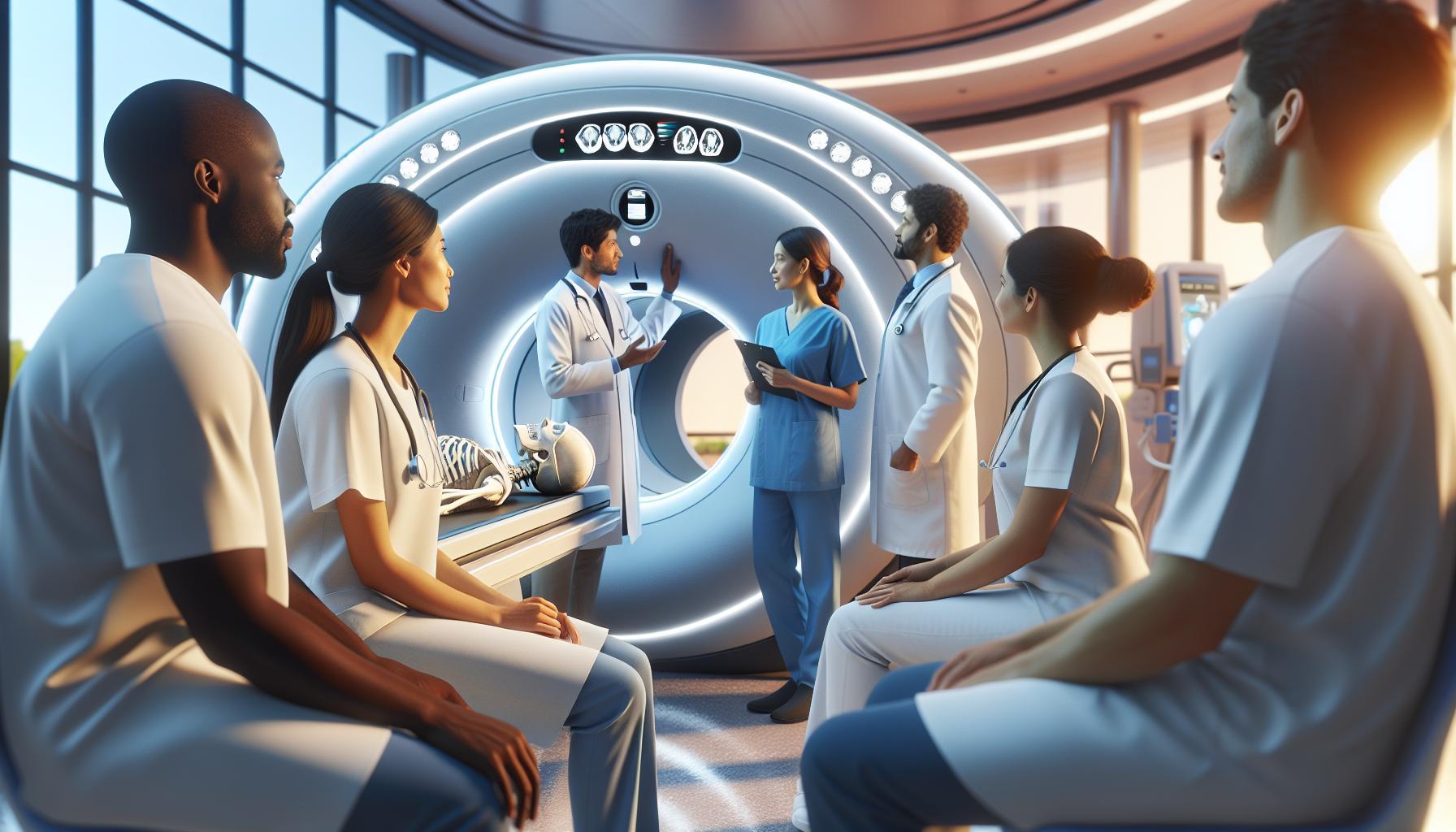
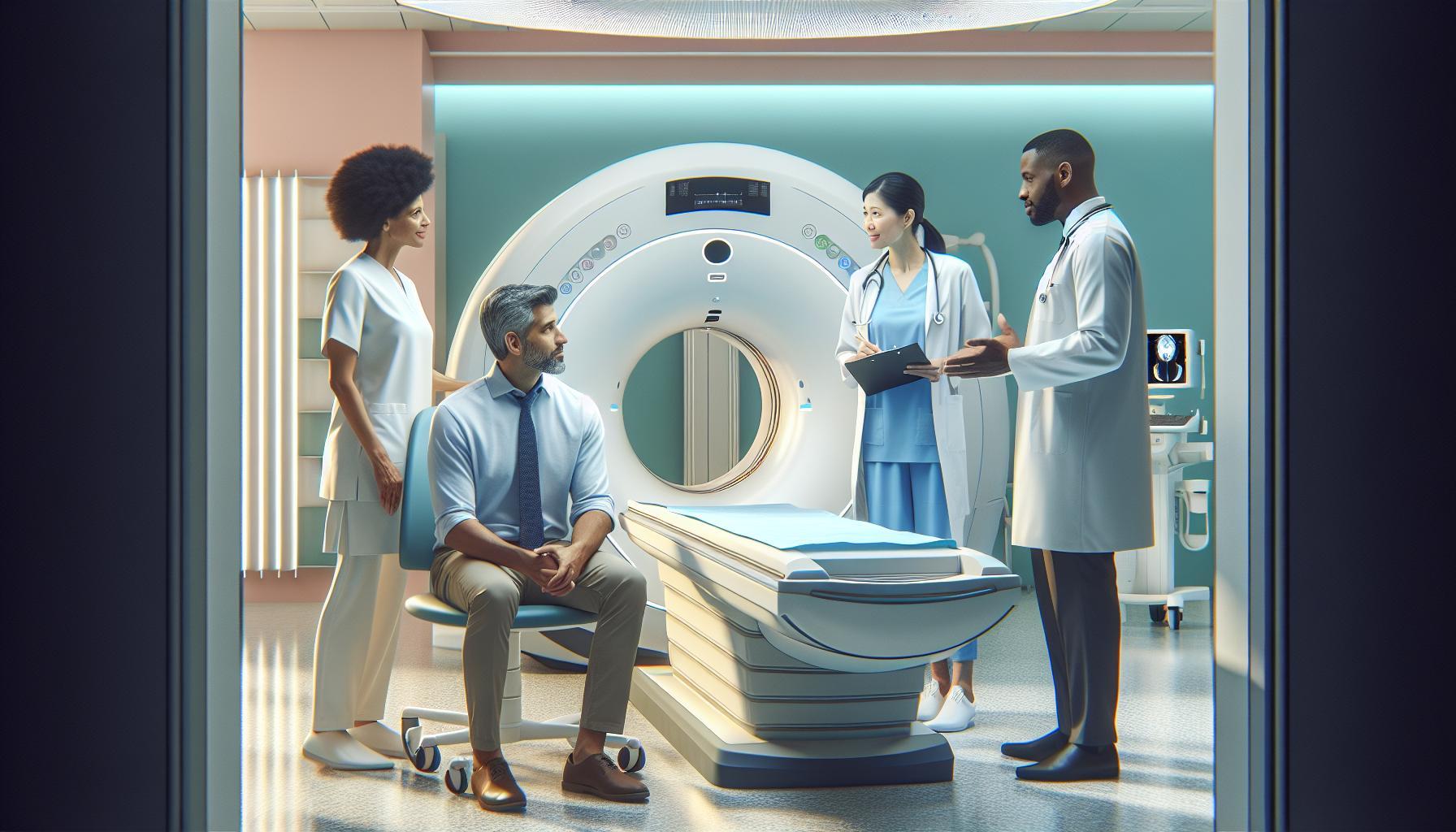
Initially, the patient is welcomed into a dedicated simulation room equipped with a specialized CT scanner, often referred to as a “big-bore” CT scanner. This larger bore accommodates various body types, making the experience more comfortable. As the patient lies on the examination table, they are positioned using customized immobilization devices, such as plastic masks or vacuum bags. These devices are crucial in minimizing movement during the scan, which can improve the quality of the imaging and ultimately the treatment plan.
Once the patient is situated, the CT simulator utilizes laser localization systems to project precise reference lines onto the patient’s body, ensuring correct alignment with the treatment area. This step not only increases the accuracy of the scans but also provides patients with visual reassurance about where treatment will be focused. After the positioning is finalized, the machine performs the CT scan, capturing detailed images of the targeted area.
After the imaging is complete, sophisticated software processes the scan results to generate comprehensive, three-dimensional reconstructions of the patient’s anatomy. This allows healthcare providers to visualize tumors in context with adjacent tissues, enabling the development of tailored treatment plans that maximize efficacy while protecting healthy organs. Thus, understanding the functionality of CT simulators sheds light on the integral role they play in radiation therapy, emphasizing the collaborative nature of technology and patient care in oncology.
Patient Preparation for CT Simulation
Preparing for a CT simulation can feel daunting, especially for patients concerned about the unfamiliarity of medical procedures. However, understanding the preparation process can alleviate anxieties and empower individuals to approach their simulation with confidence. A CT simulator primarily collects detailed imaging data crucial for radiotherapy planning, ensuring that treatment is both precise and effective.
Before the simulation, patients are typically instructed to avoid eating or drinking for several hours, particularly if contrast dye will be used during the imaging. It’s also essential to wear comfortable clothing, ideally without metal fasteners, as these can interfere with the scanning process. Patients should inform their healthcare team about any existing medical conditions, allergies, or medications they are taking, as this information helps tailor the simulation experience to their needs.
Upon arrival at the facility, patients will be greeted and guided through the process. Understanding what to expect can help ease nerves. The simulation room is equipped with a special CT scanner designed for treatment planning. Here, patients may be asked to lie on a flat table while the radiation therapists utilize various tools, like laser alignment systems, to position them accurately. Some patients might require specialized equipment like immobilization devices to limit movement during the scan, which is crucial for capturing high-quality images.
Lastly, it’s important for patients to know that they can ask questions and discuss any concerns with the medical team. Open communication not only builds trust but also caters to individual needs, enhancing the overall experience of the CT simulation. Being prepared and informed allows patients to focus on their health journey positively, knowing that each step taken is toward better treatment outcomes.
Safety Considerations in CT Simulation
Ensuring safety during a CT simulation is paramount, as it plays a critical role in the overall effectiveness of radiation therapy while also prioritizing patient well-being. The primary concern is the exposure to ionizing radiation, which, while beneficial for diagnostic and treatment planning purposes, can pose risks if not managed correctly. Therefore, it’s essential to ensure that the radiation dose is as low as reasonably achievable (ALARA). This principle guides healthcare providers in optimizing scan protocols to minimize exposure without compromising image quality.
Before the simulation, healthcare professionals conduct thorough evaluations to identify any factors that could increase risk. Patients should have an open dialogue with their medical team about their health history, including previous imaging studies and any existing conditions. This information assists in customizing the simulation process to enhance safety. Furthermore, for patients requiring contrast agents, precautions are taken to discuss potential allergies and pre-existing conditions, ensuring that any allergic reactions can be swiftly managed.
During the simulation process, a range of safety measures is implemented. Patients are positioned using immobilization devices designed to keep them still, not only to improve the quality of images but also to minimize unnecessary radiation exposure. Technological advances have enabled the development of state-of-the-art CT simulators equipped with software that accurately calculates the appropriate dosage based on individual patient factors and the type of imaging required.
In addition to physical safety measures, emotional well-being is an equally important aspect of the simulation experience. Many patients report feelings of anxiety before medical imaging procedures. To alleviate this, facilities often provide a calming environment and trained personnel who can offer reassurance. Patients should feel encouraged to ask questions and express their concerns; understanding the safety protocols in place can significantly reduce anxiety. Engaging in these conversations not only allows patients to feel more secure but also fosters a trusting relationship with their healthcare team.
In summary, a multifaceted approach to safety in CT simulation encompasses rigorous dose management, thorough assessments of patient history, and emotional support for patients undergoing the process. Each of these components plays an integral role in ensuring that the simulation is not only effective but also as safe as possible. Always remember, discussing any concerns with healthcare professionals can lead to personalized medical guidance that enhances the safety and effectiveness of your simulation experience.
Differences Between CT Simulators and Traditional Scanners
CT simulators play a crucial role in the planning and execution of radiation therapy, and understanding how they differ from traditional CT scanners can demystify the imaging process for patients. While both tools utilize similar technology to create detailed images of the body, their purposes and functionalities diverge significantly.
Traditional CT scanners are predominantly used for diagnostic imaging. They excel at producing high-resolution images that aid in identifying medical conditions, evaluating injuries, and monitoring diseases. These scanners typically have a standard bore size and are designed to capture images quickly, often without specific considerations for patient positioning or immobilization. This can lead to variability in image quality, especially if the patient is unable to remain still during the procedure.
In contrast, CT simulators are specialized equipment designed explicitly for preparing patients for radiation therapy. They come equipped with an 80 cm or larger bore, ensuring that the treatment area can be accurately visualized while accommodating the necessary positioning devices. These simulators offer a flat table top, which facilitates precise patient alignment, crucial for targeted radiation treatment. Additionally, they integrate with advanced virtual simulation imaging software, allowing healthcare providers to plan the most effective treatment strategy while minimizing radiation exposure to healthy tissues.
Key distinctions include the focus on patient positioning and immobilization in CT simulators, which ensures consistency in treatment planning. This precision is vital, as even slight misalignments can compromise the effectiveness of radiation therapy. Moreover, the imaging protocols utilized in CT simulators are tailored to the needs of radiation planning, often featuring options to simulate various treatment scenarios in advance. This level of preparation is not typically present in traditional CT scans, which may prioritize speed and broad diagnostic capability over customized treatment planning.
For patients preparing for radiation therapy, being informed about these differences can significantly alleviate anxiety. Understanding that CT simulators are designed with their specific treatment needs in mind can provide reassurance that healthcare professionals are taking every step to ensure the safest and most effective approach to their care. Always remember, maintaining a dialogue with the healthcare team about the simulation process and its purpose can lead to a more comfortable and informed experience.
Understanding CT Simulation Software Features
The software integrated into CT simulators plays a vital role in enhancing the precision and effectiveness of radiation therapy planning. These advanced software solutions are specifically designed to work in tandem with the imaging capabilities of CT simulators to ensure that patients receive targeted treatment while minimizing exposure to healthy tissues. Understanding the features of this software can empower patients and healthcare providers alike, fostering a transparent and informed approach to cancer care.
Among the key functionalities offered by CT simulation software are 3D visualization and image fusion capabilities. These features allow clinicians to see the tumor and surrounding anatomy in three dimensions, providing a comprehensive view that aids in making informed decisions regarding the optimal angles for radiation delivery. Additionally, the ability to fuse images from different modalities-such as MRIs or PET scans-enhances the accuracy of tumor targeting, ensuring that radiation is directed precisely where it’s needed.
Another important aspect of CT simulation software is dosimetry planning, which calculates the distribution of radiation dose within the patient’s body. This feature is critical for creating treatment plans that effectively destroy cancer cells while safeguarding healthy tissues. Moreover, dosimetric optimization tools enable clinicians to simulate various treatment scenarios, adjusting parameters to find the most effective approach with the lowest risk of side effects.
Practical considerations for patients include the reassurance that these software tools contribute to a safer and more effective treatment experience. The emphasis on accurate positioning and individualized treatment plans means that patients can feel confident that every possible measure is taken to enhance their outcomes. Discussing these features with your healthcare team can demystify the planning process and provide insight into the careful calculations that underpin your treatment strategy. Embrace the opportunity to be involved in your care by asking questions and understanding how the technology works in your favor.
The Role of CT Simulators in Radiation Therapy
The utilization of CT simulators in radiation therapy has transformed the way oncologists approach patient treatment plans. By creating detailed three-dimensional representations of a patient’s anatomy, these simulators enable clinicians to visualize the tumor and surrounding structures with remarkable accuracy. This advanced imaging capability is not merely an enhancement; it is essential for developing effective treatment plans that target cancerous tissues while preserving healthy ones.
One of the primary roles of CT simulators is to facilitate meticulous treatment planning. During the simulation, the patient is positioned precisely, and images of the tumor are captured. This process allows oncologists to determine the optimal angles and doses for radiation delivery, thereby increasing the likelihood of successful treatment outcomes. The integration of sophisticated software tools enhances this process further by allowing for dosimetric planning, which tailors radiation doses according to individual patient anatomy and specific tumor characteristics.
Patients often find comfort in knowing that CT simulators contribute significantly to reducing the risks associated with radiation therapy. With their enhanced precision, these simulators help minimize exposure to adjacent healthy tissues, which is crucial for avoiding potential side effects. Additionally, the incorporation of advanced features such as 3D visualization and image fusion ensures a comprehensive understanding of the treatment landscape, empowering healthcare providers to make informed decisions.
As oncologists utilize CT simulators to develop individualized treatment strategies, the role of patient engagement becomes vital. Understanding the significance of these simulators in radiation therapy can help patients feel more secure and involved in their treatment journey. Open discussions with healthcare teams about how CT simulators aid in planning can demystify the process and provide patients with the reassurance they need during challenging times. Ultimately, the sophistication of CT simulators allows for a more tailored, effective approach to cancer treatment, offering hope and improved outcomes for patients facing radiation therapy.
Cost Factors Associated with CT Simulation
Understanding the financial aspects of CT simulation is crucial for patients preparing for radiation therapy. The costs associated with CT simulators can vary significantly based on multiple factors, including the healthcare facility, the complexity of the case, and the geographic location. Essentially, investing in a CT simulation procedure is about receiving the highest quality of care, aiming to enhance treatment effectiveness while minimizing unnecessary exposure to healthy tissues.
One primary element influencing costs is the technology used. Modern CT simulators are equipped with advanced imaging capabilities that deliver high-definition scans, which can be more expensive than traditional imaging methods. Facilities that utilize the latest software for dosimetric planning may charge higher fees due to their capability to provide personalized radiation treatment plans tailored to individual anatomies.
Another cost factor is the expertise of the medical team. Involving highly trained radiologists and radiation oncologists skilled in interpreting CT simulation results can enhance the accuracy of treatment planning. Their involvement ensures that the entire process-from simulation to treatment-is executed with precision, ultimately affecting overall costs. Additionally, the time-consuming process of preparing images and planning treatment can also contribute to the price.
Insurance and Financial Considerations
Patients should also consider how their health insurance may impact the costs associated with CT simulations. Many insurance plans cover the cost of CT simulators as part of the radiation therapy process, but policies may differ greatly concerning copays, deductibles, and pre-approval requirements. It is advisable to verify coverage with your insurance provider prior to scheduling the procedure to avoid unexpected expenses. A proactive approach allows patients to budget better and possibly seek financial assistance programs offered by healthcare facilities, which can provide critical support during treatment.
In summary, while the financial implications of CT simulation can be multifaceted, understanding these factors can empower patients to navigate this process more comfortably. Discussing potential costs with healthcare providers and reaching out to insurance companies can provide clarity and reassurance, paving the way for smoother access to these vital medical services.
Future Trends in CT Simulation Technology
As the field of medical imaging continues to advance, stay informed about the , which promises to revolutionize patient care and treatment planning. Emerging innovations are focused not only on enhancing imaging quality but also on streamlining workflows and improving the overall patient experience during radiation therapy.
One significant trend is the integration of artificial intelligence (AI) and machine learning into CT simulators. These technologies can enhance image interpretation by identifying abnormalities that may not be visible to the human eye, leading to more accurate and personalized treatment plans. AI algorithms can analyze patient data quickly, reducing the time needed for treatment planning while also mitigating the risks of human error. For instance, predictive analytics using patient-specific data can optimize dosimetry, ensuring the most effective radiation delivery with minimal side effects.
Another trend gaining traction is the development of hybrid imaging systems that combine CT with other imaging modalities, such as MRI or PET scans. This fusion allows for comprehensive visualization of tumors and surrounding tissues, facilitating more precise targeting during radiation therapy. Such advanced imaging not only enhances the accuracy of tumor localization but also allows for better assessment of treatment responses, enabling adjustments to be made in real-time.
Patient safety and comfort also remain at the forefront of innovations. Newer CT simulators are designed with patient-centric features, such as improved immobilization devices that enhance comfort and reproducibility of positioning. Furthermore, the use of extensive 3D modeling and virtual simulation software enables healthcare providers to create and rehearse treatment plans before actual procedures, thereby fostering a more reassuring environment for patients.
As research and technology evolve, it is essential for patients to remain informed about how these advancements can improve their care journey. Engaging in open conversations with healthcare professionals can clarify how these innovations may apply to individual treatment plans, ensuring patients feel empowered and supported throughout their medical experience.
Real-World Applications of CT Simulators in Oncology
In the complex landscape of oncology, CT simulators play a crucial role in treatment planning and patient management. These advanced devices enable healthcare providers to visualize tumors in 3D, allowing for highly accurate targeting of radiation therapy. This capability directly translates into improved treatment outcomes, as it minimizes exposure to surrounding healthy tissues while effectively targeting cancerous cells.
One of the most significant applications of CT simulators in oncology is in the realm of radiotherapy. The enhanced imaging capabilities permit oncologists to meticulously plan the angles and intensity of radiation beams. For example, during simulation, patients are positioned using specialized immobilization devices that ensure reproducibility in their setup for each treatment session. This consistency enhances the accuracy of the dosimetry calculations, which are pivotal in determining the right radiation dose the tumor should receive.
Moreover, CT simulators facilitate the integration of various imaging modalities, allowing for a comprehensive assessment of tumor response over time. By combining CT with advanced visualization techniques such as MRI or PET scans, oncologists can gain insights into tumor metabolism and morphology. This holistic view not only aids in precise targeting during treatment but also enables swift adjustments to the therapy plan based on real-time evaluations of the patient’s response.
Despite the technological advances, the patient experience remains paramount. CT simulators have evolved to include features that enhance patient comfort, such as wider bore sizes and quieter operation. These enhancements aim to reduce anxiety during the simulation process, ensuring patients feel more at ease. Emphasizing patient education and open communication about the procedure can also significantly alleviate fears, allowing individuals to better understand how CT simulation contributes to their treatment journey.
In summary, the underscore their critical role in enhancing treatment efficacy and improving patient outcomes. This technology not only supports precise targeting during radiation therapy but also fosters an experience that prioritizes patient comfort and confidence.
Q&A
Q: What is the primary purpose of a CT simulator in medical imaging?
A: A CT simulator is primarily used to create precise images of a patient’s anatomy for treatment planning, particularly in radiation therapy. It allows healthcare providers to visualize the exact location of a tumor to optimize radiation delivery while sparing healthy tissue.
Q: How does a CT simulator differ from a traditional CT scanner?
A: The key difference is that a CT simulator is designed specifically for treatment planning in radiation therapy, using advanced imaging techniques to define treatment volumes. In contrast, traditional CT scanners focus more on diagnostic imaging without specialized treatment planning capabilities.
Q: What are the key components found in a CT simulator?
A: A CT simulator typically includes an X-ray tube, a detector array, a patient positioning system, and advanced software for image reconstruction and analysis. These components work together to produce high-quality images necessary for effective treatment planning.
Q: What preparation is needed for patients undergoing CT simulation?
A: Patients should wear loose, comfortable clothing and may need to avoid eating or drinking for a few hours before the simulation. It’s crucial for patients to discuss any medical conditions or medications with their healthcare provider prior to the simulation.
Q: How does CT simulation enhance the accuracy of radiation therapy?
A: CT simulation enhances accuracy by providing detailed anatomical images that enable precise localization of tumors. This facilitates the development of tailored treatment plans, ensuring that radiation targets the tumor effectively while minimizing exposure to surrounding healthy tissues.
Q: What safety considerations should be taken into account during a CT simulation?
A: Safety considerations include ensuring appropriate patient positioning, monitoring radiation exposure, and adhering to protocols for equipment use. It’s important for healthcare professionals to communicate any risks to the patient and obtain informed consent.
Q: What software features are commonly used in CT simulation?
A: Common software features in CT simulation include image slicing, 3D modeling, and dose calculation tools. These software capabilities help in visualizing complex structures and planning treatment approaches that are both effective and safe.
Q: Can a CT simulator be used for other applications apart from oncology?
A: While primarily used in oncology, CT simulators can also assist in planning for other treatments that require precise anatomical localization, such as certain orthopedic procedures or surgeries. They may be integrated into multidisciplinary treatment planning processes.
For more in-depth insights about CT simulators and their role in medical imaging, you may refer to the sections in your main article, particularly on treatment planning and safety considerations. Feel free to explore other aspects to enhance your understanding of this crucial medical equipment.
Closing Remarks
As you explore the world of medical imaging, understanding the role of a CT simulator is crucial for comprehending how advanced diagnostic techniques are applied in real practice. By leveraging this technology, healthcare providers can enhance precision in treatment planning and patient care. Don’t miss the opportunity to dive deeper into essential topics like CT scans and radiation safety-linked for your convenience!
If you found this information beneficial, consider signing up for our newsletter for the latest updates in medical technology. Still have questions? Book a consultation or check out our patient preparation guides for insights into what to expect during your imaging procedures. Your health journey is marked by informed decisions, and we are here to empower you every step of the way. Share your thoughts in the comments below-your feedback matters!