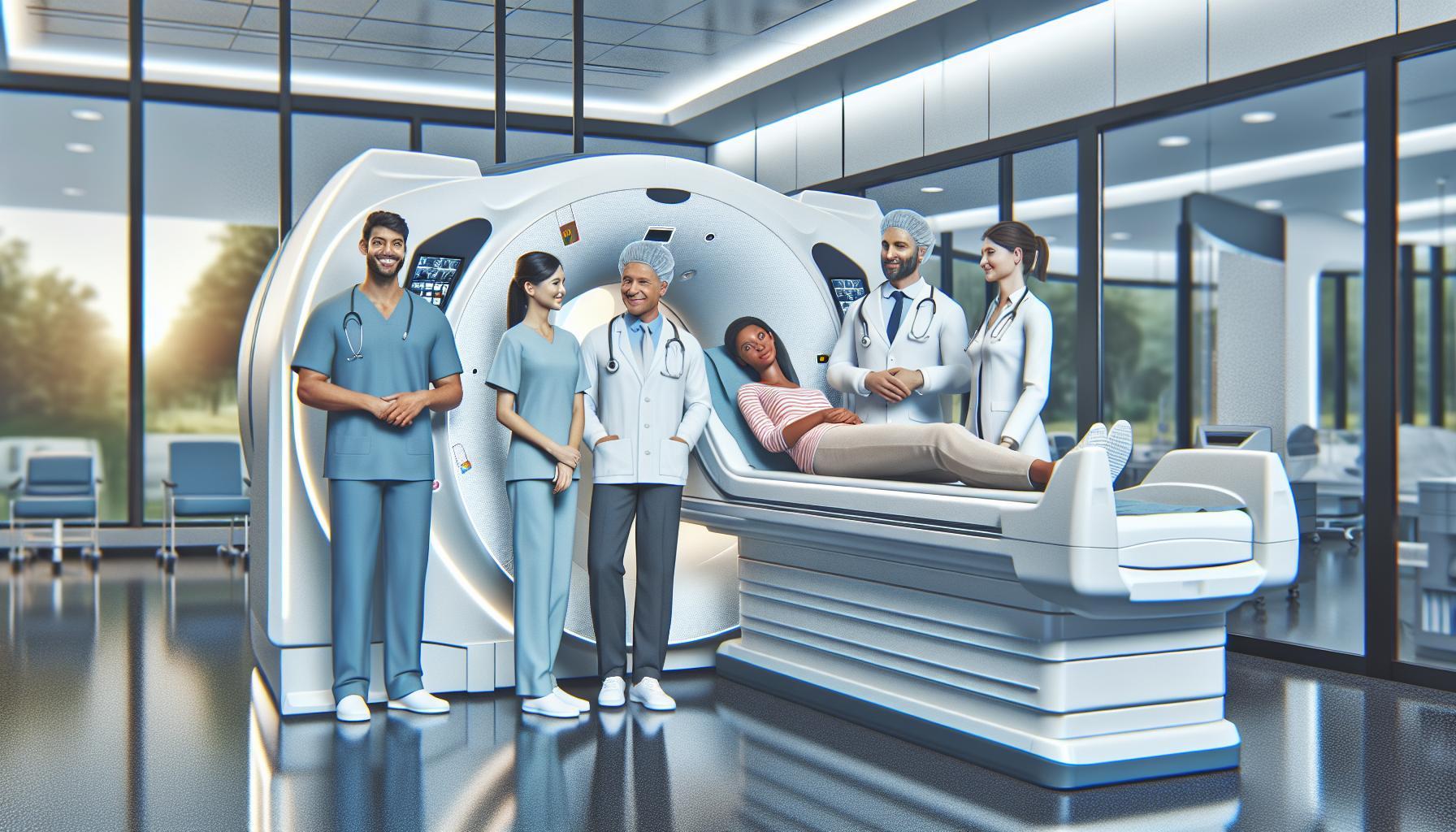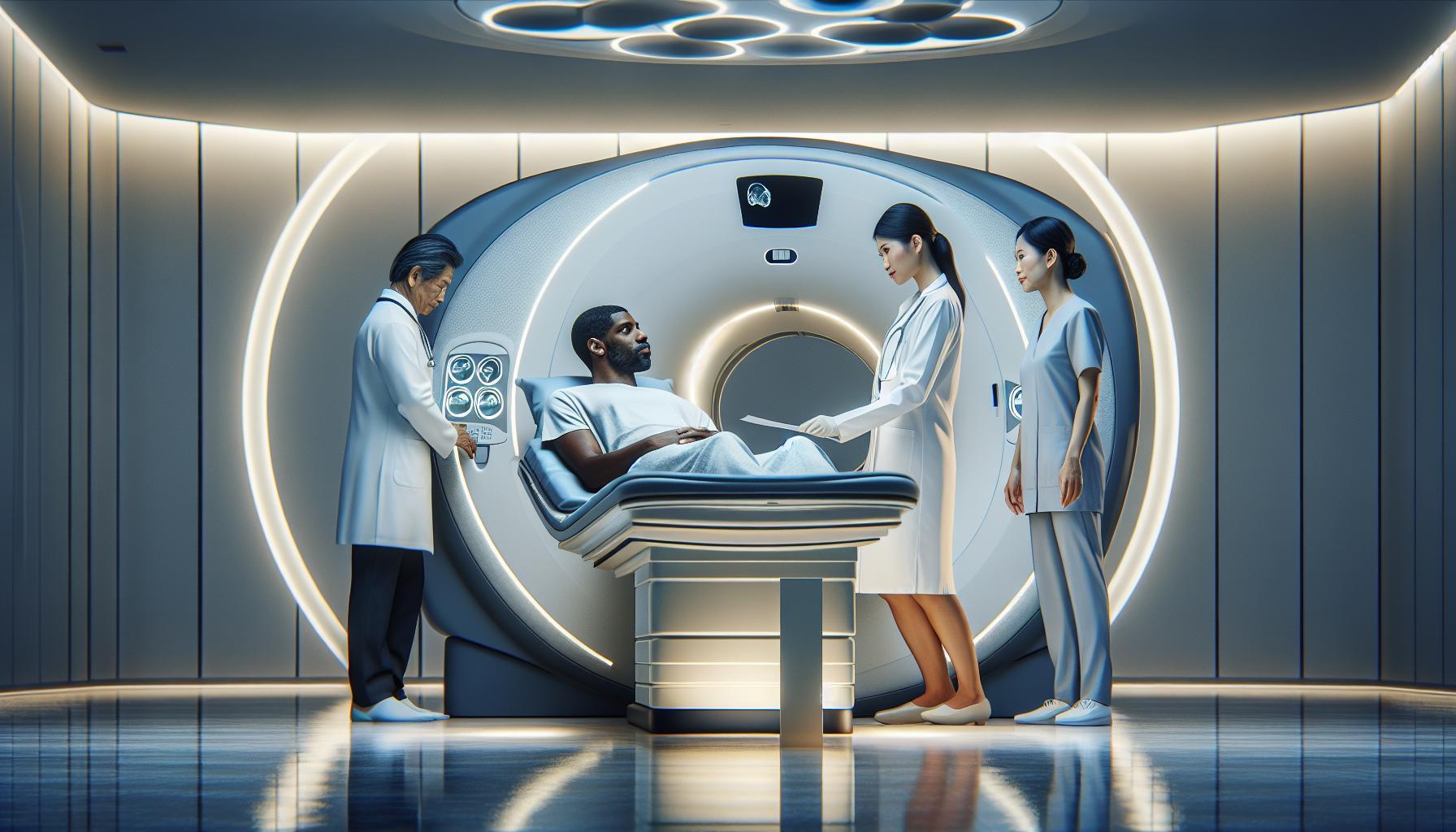
When you or a loved one needs a CT scan, knowing where to find a reliable imaging center can significantly ease the stress of medical decisions. CT scans play a crucial role in diagnosing and monitoring various health conditions, providing detailed images that help healthcare providers develop effective treatment plans.
Navigating the numerous options available can be overwhelming, especially if you’re unsure about the quality of care you’ll receive or the logistics involved. That’s why this guide is designed to help you quickly locate trustworthy CT scan facilities near you, ensuring you get the imaging services you need without unnecessary delay.
As you explore your options, remember that having access to quality imaging is vital for your health, empowering you with accurate information to discuss with your healthcare team. Continue reading to discover how to find the best CT scan centers close to you, along with practical tips to simplify the process.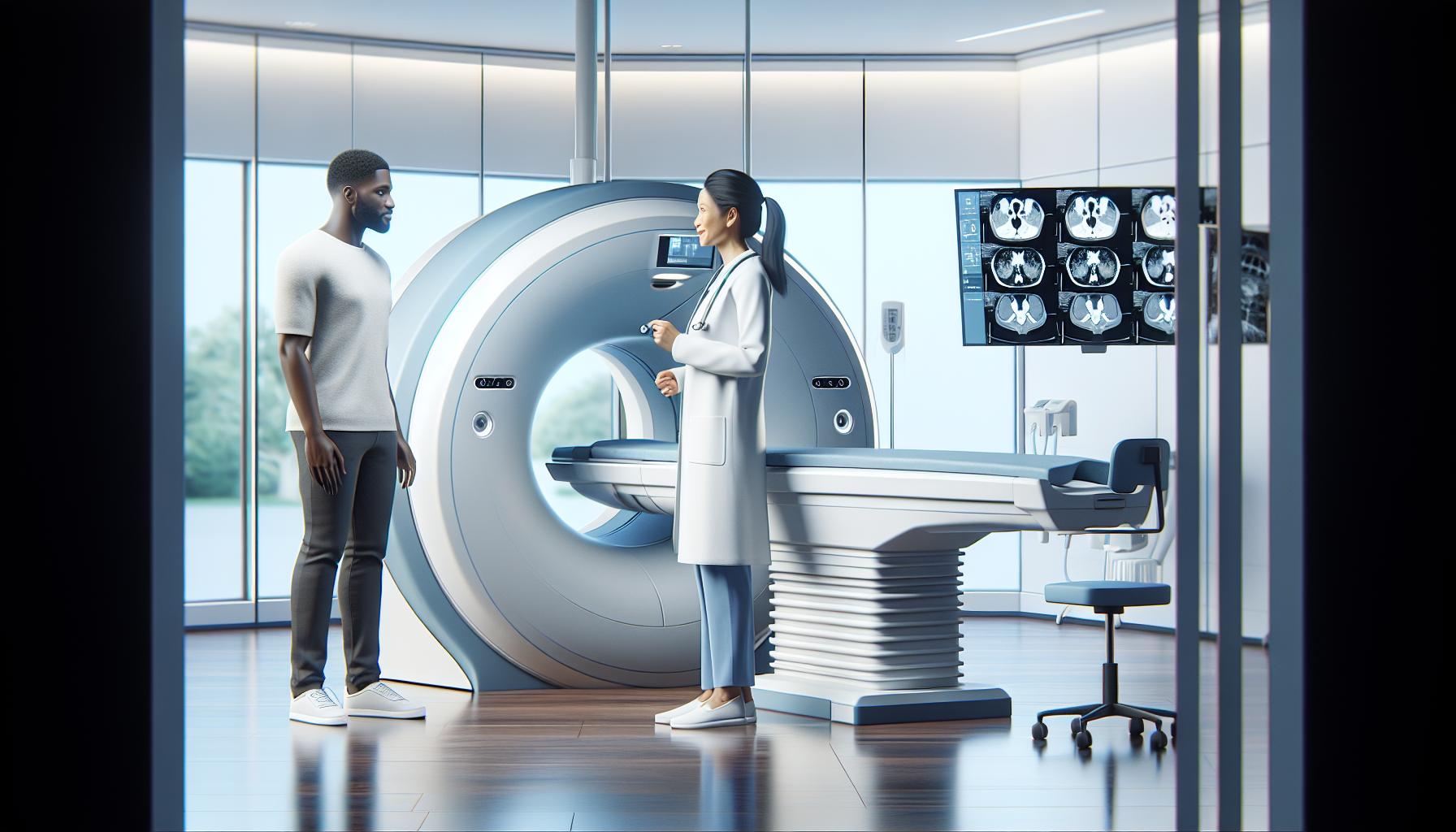
Where to Find CT Scan Locations Near You
Finding a conveniently located facility for your CT scan is essential to ensure a smooth, stress-free experience. Many hospitals, imaging centers, and outpatient clinics offer CT services, so you have various options to choose from. Utilizing online resources can simplify your search significantly. You may start by checking the websites of local hospitals or imaging centers, as many provide interactive maps and lists of services, including CT scans.
To streamline your search, consider using healthcare directories or imaging service platforms that allow you to filter results based on proximity, type of imaging needed, and patient reviews. Websites such as the American College of Radiology (ACR) offer searchable databases where you can enter your ZIP code to find accredited facilities nearby.
Additionally, your primary care physician can be a valuable resource. They can recommend trusted facilities based on your specific medical needs and may have existing relationships with local imaging centers. If you have insurance, it’s also wise to review your plan’s list of preferred providers to minimize out-of-pocket costs.
Once you’ve identified potential locations, don’t hesitate to call ahead and ask about their equipment, wait times, and any specific protocols you should know about. This proactive approach not only eases concerns but also helps ensure that you select a facility that meets your comfort and care standards.
Understanding the Importance of CT Scans
CT scans are invaluable tools in modern medicine, often serving as a crucial bridge between symptoms and diagnoses. These advanced imaging techniques allow healthcare professionals to visualize internal structures with remarkable clarity, enabling swift and accurate assessment of various medical conditions. The significance of CT scans extends beyond their technical prowess; they provide essential insights that can guide treatment decisions in urgent and non-urgent scenarios alike. For instance, a CT scan can quickly reveal the presence of tumors, internal bleeding, or fractures, which can be life-saving when time is of the essence.
When it comes to preparing for or receiving a CT scan, understanding its importance not only alleviates anxiety but also empowers patients to make informed decisions regarding their health. Knowing that a CT scan can dramatically enhance diagnostic accuracy helps underscore why seeking out the right facility is vital. Patients should be reassured that these scans are not just routine procedures; they are pivotal in shaping personalized treatment plans tailored to their specific needs, whether it be for cancer staging, identifying infections, or evaluating organ abnormalities.
In some cases, the decision to proceed with a CT scan arises from primary care visits, where healthcare providers assess symptoms and determine the necessity of further imaging. Patients experiencing severe headaches might be referred for a CT scan to rule out serious conditions like a brain aneurysm, while those with unexplained abdominal pain may need one to check for conditions such as appendicitis. The proactive role of CT imaging in diagnostics affirms its importance within the broader context of patient care, supporting the notion that effective imaging can significantly influence medical outcomes.
Lastly, as patients navigate their journey toward obtaining a CT scan, remembering the crucial role these images play will create both respect for the technology and confidence in the process. It’s essential to remember that open communication with healthcare providers about any concerns or questions regarding the scan can enhance understanding and comfort with the procedure. Therefore, recognizing that CT scans are an indispensable part of the diagnostic puzzle not only fosters trust in medical professionals but also empowers patients to engage actively in their health management.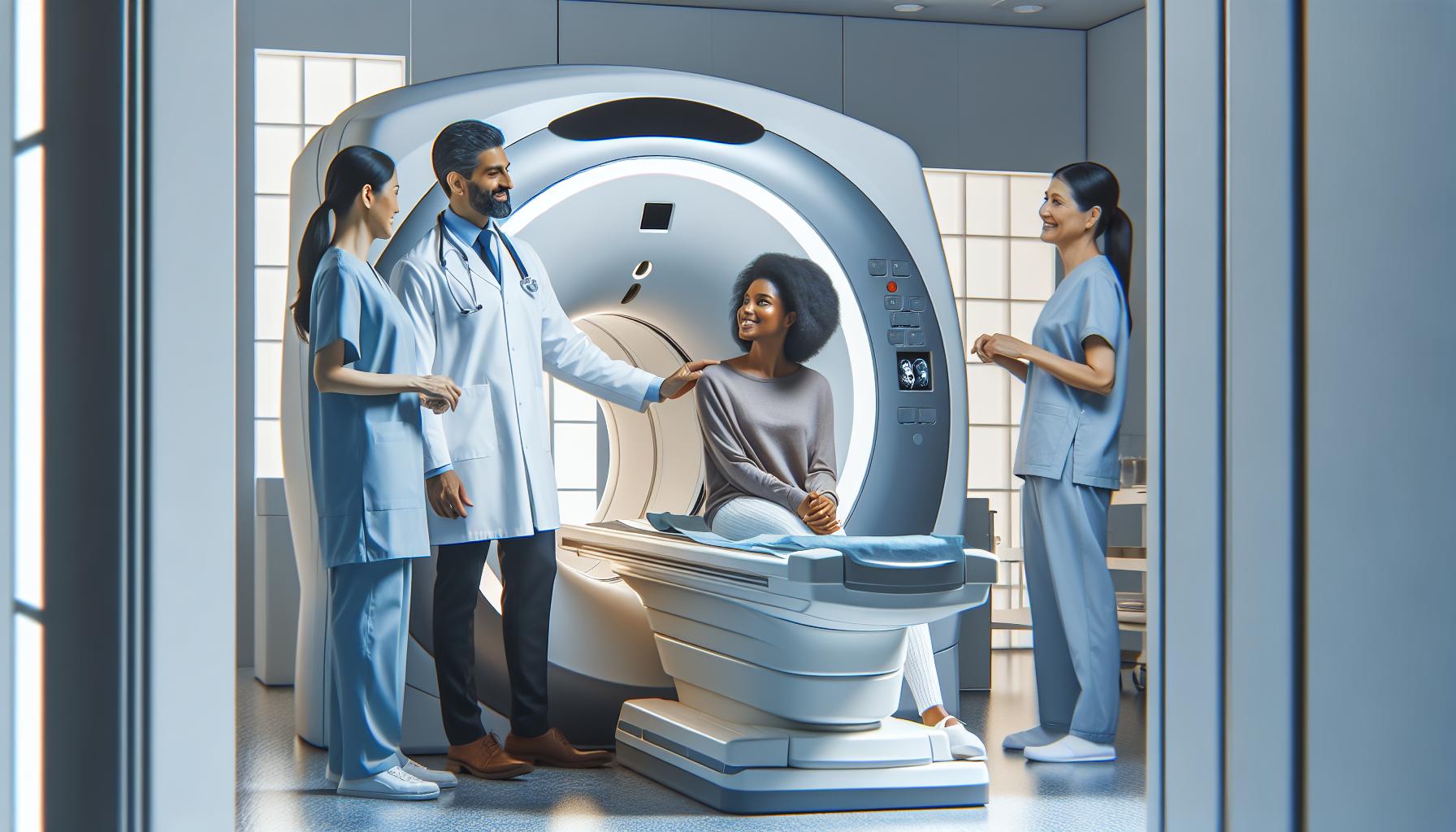
How to Prepare for Your CT Scan
Preparing for a CT scan may seem daunting, but understanding the necessary steps can help ease any anxiety you might be feeling. A well-prepared patient not only contributes to the efficiency of the procedure but also ensures the clearest images possible for accurate diagnosis. Before your appointment, there are several important considerations to keep in mind that will help you feel more at ease.
First, confirm any specific instructions provided by your healthcare provider. This may include dietary restrictions, particularly if your scan requires contrast material. Here are a few general preparation guidelines:
- Fasting: You may be required to fast for several hours before your scan, especially if you’ll need a contrast dye.
- Medications: Inform your doctor of any medications you are taking, especially anticoagulants or medicines for diabetes, as you may need to make adjustments.
- Clothing: Wear comfortable clothing without metal fasteners, zippers, or buttons. You may be given a gown to wear during the procedure.
- Pregnancy and breastfeeding: Always inform your healthcare provider if you are pregnant or breastfeeding as special precautions may be necessary.
When you arrive at the imaging center, you will typically check in and may have to fill out forms detailing your medical history. Please take a moment to discuss any concerns you have about the procedure with the technologist or radiologist. They are there to assist you and will walk you through each step of the scan, ensuring you’re comfortable and informed.
Finally, consider bringing a support person if it helps alleviate your anxiety. They can assist with your questions or simply provide comfort during the procedure. Remember, the goal of the CT scan is to support your healthcare journey, giving you and your provider clarity in diagnosing or monitoring health conditions. By focusing on these preparation tips and maintaining open communication with your healthcare team, you can approach your CT scan with confidence.
CT Scan Procedure: What to Expect
Undergoing a CT scan can be a pivotal moment in your healthcare journey, providing detailed images that help diagnose or monitor various medical conditions. This non-invasive procedure uses advanced technology to create cross-sectional images of your body, offering invaluable insights to your healthcare provider. As you prepare for this important step, knowing what to expect can significantly reduce your anxiety and increase the effectiveness of the scanning process.
Upon arrival at the imaging center, you’ll first check in at the front desk, where you may need to fill out forms related to your medical history. It’s an ideal time to discuss any concerns with the staff, who are there to support you through every step. Afterward, a radiologic technologist will guide you to the scanning room. You might be asked to change into a gown, ensuring that there are no metal objects that could interfere with the imaging. Depending on the area being scanned, you may also be positioned on a table that slides into the CT scanner, which resembles a large doughnut.
During the procedure, it’s crucial to remain still as the machine captures images. You’ll hear a series of whirring sounds, but rest assured, this is completely normal. If contrast dye is being used, you might feel a warm sensation or a metallic taste in your mouth, which usually subsides quickly. The scan typically lasts about 10 to 30 minutes, and the technologist will ensure your comfort throughout. If you need assistance or feel anxious at any point, don’t hesitate to communicate with them.
After the scan, you’ll be free to resume your regular activities unless instructed otherwise. The images will be analyzed by a radiologist, who will send a detailed report to your healthcare provider, allowing for informed decisions about further treatment or diagnostics. Understanding these steps can empower you as you navigate the CT scan process, reassuring you that you’re taking an important step towards better health.
Costs of CT Scans: Insurance and Payment Options
When considering a CT scan, understanding the financial aspect can be as critical as the procedure itself. The costs associated with CT scans can vary widely based on several factors, including the facility’s location, the complexity of the scan, and whether you have insurance coverage. Generally, patients can expect to pay anywhere from $300 to $3,000 depending on these variables. It’s essential to contact your imaging center ahead of time to get a quote, as some centers offer cash discounts or payment plans that can ease the financial burden.
Most health insurance plans cover CT scans when deemed medically necessary. Before scheduling your appointment, it’s wise to verify with your insurance provider to understand your benefits and any out-of-pocket expenses you might incur. Inquire whether the facility you plan to use is in-network, as this can drastically affect your costs. For those without insurance, some hospitals may have programs or policies in place to assist with financial assistance or sliding scale fees based on income.
Additionally, opting for outpatient facilities rather than hospitals can often result in lower costs for imaging services. For example, free-standing imaging centers usually have lower overhead costs and tend to pass those savings on to patients. Keep in mind that although costs are important, the quality of care and technology used at the facility should also weigh heavily in your decision-making process.
In the event you need to pay out of pocket or have high deductibles, consider discussing financing options with the imaging center. Some facilities offer payment plans that allow you to spread the cost over several months, making it more manageable. Always remember that while it’s important to find affordable options, ensuring quality and reliable imaging services should remain a priority.
Safety Measures During CT Scans
Undergoing a CT scan can feel daunting, but understanding the safety measures in place can offer reassurance and help alleviate any anxiety. One of the primary concerns for patients is the exposure to radiation during the scan. However, it is important to note that the medical community has established strict guidelines to minimize this exposure. Modern CT machines are designed to use the lowest possible dose of radiation while still producing high-quality images, ensuring that the benefits of the scan outweigh any potential risks.
To ensure safety during a CT scan, patients can expect the following protocols:
- Screening for Allergies: Prior to the scan, you will be asked about any allergies, particularly to contrast materials containing iodine, which may be used during the procedure to enhance image quality.
- Pregnancy Disclosure: If there is a possibility of pregnancy, it is crucial to inform the imaging center. They may suggest alternative imaging methods or postpone the scan until after childbirth to eliminate any risks.
- Lead Shielding: Lead aprons are often provided to shield parts of your body that are not being scanned from unnecessary radiation exposure.
- Monitoring Equipment: Advanced monitoring equipment is used during the scan to ensure that the procedure is carried out safely and effectively.
Your comfort during the procedure is also a top priority. The staff will guide you on how to position yourself and what to expect throughout the scan. Typically, patients are required to remain still during the imaging process, which can last only a few minutes. If you feel anxious, communicate with the technologist; they can provide support and reassurance.
Many imaging centers are committed to creating a positive environment, realizing that patient comfort contributes to the overall experience. For those with claustrophobia, some facilities offer wider-opening machines or have relaxation techniques to help ease your mind. Understanding these safety measures not only empowers you but also prepares you to focus on the importance of the diagnostic process in managing your health. Always consult your healthcare provider for personalized guidance tailored to your individual circumstances.
Interpreting Your CT Scan Results
Understanding the results of a CT scan can be an integral part of your healthcare journey, especially when navigating concerns about your health. The images produced from a CT scan provide critical insights into your body’s internal structures and help healthcare providers diagnose conditions ranging from fractures to more complex diseases like cancer. Once your scan is completed, the images are interpreted by a radiologist, a doctor specialized in diagnosing via imaging. This professional will analyze the scans, looking for abnormalities or issues that may need further investigation.
Once the radiologist reviews the scan, they will prepare a report that summarizes their findings. This report is then shared with your referring physician, who will discuss the results with you in the context of your symptoms and medical history. It’s common to feel anxious while waiting for these results, but remember that radiologists are highly trained to distinguish between normal and abnormal findings, and there are often clear protocols for follow-up if something requires further evaluation.
What to Expect from Your Results
- Timing: Results are typically available within a few days of the scan, but this can vary based on the facility and complexity of the images.
- Communication: Your doctor will reach out to you to discuss the findings, often during a scheduled follow-up appointment. In some cases, they may contact you sooner if the results indicate an urgent concern.
- Next Steps: Based on the findings, your healthcare provider might recommend further tests, a new treatment plan, or additional referrals to specialists if necessary.
It’s important to approach this process with an understanding that not all findings indicate a serious problem. Many anomalies observed in CT scans can be benign and require no immediate action. Having an open line of communication with your healthcare provider can help alleviate fears and provide clarity. Always feel empowered to ask questions about your results and what they mean for your overall health, ensuring you are fully informed and comfortable with your next steps in your healthcare journey.
Top Questions About CT Scans Answered
When it comes to understanding CT scans, many patients have questions that can help ease their concerns and clarify the process. One common query is regarding the safety of the procedure. It’s important to know that while CT scans do involve exposure to radiation, the levels are generally considered safe when performed as needed, especially when the potential benefits in diagnosis and treatment outweigh the risks. Facilities also utilize advanced technology to minimize exposure, ensuring that the procedure is performed with your safety in mind.
Anxiety about the preparation for a CT scan is another frequent concern. Preparing for a CT scan typically involves following specific dietary restrictions or temporarily discontinuing certain medications. For instance, if you are receiving a contrast dye, which enhances the images, you might be advised to refrain from eating for a few hours before the test. Knowing these details can help you feel more in control and less anxious about the procedure. Always consult with your healthcare provider for tailored preparation instructions, as they may vary based on the type of scan you’re undergoing.
Patients also often wonder how the results are communicated. After your CT scan, a radiologist will interpret the images and prepare a report. This report will then be shared with your healthcare provider, who will discuss the findings with you. In general, results can take a few days, but urgent results can be communicated more rapidly if needed. Understanding the timeline helps mitigate worry as you await your results.
Lastly, many individuals inquire about costs associated with CT scans and whether insurance will cover them. This can vary significantly based on your health plans and the specific imaging center you choose. Some facilities offer payment plans or financial assistance, making it crucial to inquire about options and get clarity regarding your coverage. Being informed about costs beforehand can alleviate financial stress and help you focus on your health.
Common Conditions Diagnosed with CT Scans
Many patients may not realize the pivotal role that CT scans play in diagnosing a variety of medical conditions. These advanced imaging techniques provide detailed cross-sectional images of the body, helping healthcare professionals spot abnormalities that may not be visible through other diagnostic methods. CT scans are frequently utilized for conditions affecting crucial areas, including the brain, chest, abdomen, and pelvis.
Some common conditions diagnosed through CT scans include:
- Trauma Injuries: CT scans are often the first line of imaging for patients with injuries from accidents. They quickly reveal any internal bleeding, fractures, or organ damage.
- Cancers: CT scans excel in detecting tumors and assessing the size and location of cancers, which is essential for planning treatment.
- Infections: In cases of unexplained fever or abdominal pain, CT scans can help identify infections in various organs, providing clarity to the underlying issue.
- Vascular Conditions: Hemorrhages, blood clots, and issues related to blood vessels are often evaluated with a CT scan, particularly in emergencies.
- Lung Diseases: Conditions like pneumonia, lung cancer, and chronic obstructive pulmonary disease (COPD) can be assessed through CT imaging, allowing physicians to get a clearer view of lung health.
- Abdominal Disorders: Problems like appendicitis, pancreatitis, and bowel obstructions are rapidly diagnosed via CT, speeding up the subsequent treatment process.
The details captured in a CT scan can significantly influence treatment decisions, ensuring that patients receive timely and appropriate care. If you’re concerned about any specific conditions, it’s important to discuss your symptoms and medical history with a healthcare provider, who can guide you on whether a CT scan is necessary and what to expect from the results.
Alternative Imaging Options to Consider
When evaluating imaging options, it’s important to know that CT scans are not the only choice available for medical assessments. Patients seeking diagnoses or evaluations for various conditions may also consider several other imaging modalities that can be either alternatives or complementary to CT scans. Each imaging technique offers unique benefits, depending on the specific medical inquiry and clinical situation.
- X-rays: Commonly used for quick assessments such as fractures or infections, X-rays offer a fast imaging solution without the extensive detail provided by CT scans. They are especially effective for evaluating bone structure.
- Magnetic Resonance Imaging (MRI): Unlike CT scans, which use radiation, MRIs employ strong magnetic fields and radio waves to create detailed images of soft tissues, making them ideal for neurological, musculoskeletal, and spinal assessments. MRIs can provide critical insights into conditions that CT scans might miss, particularly involving the brain and joints.
- Ultrasound: This imaging technique uses sound waves to produce images and is frequently used in obstetrics and emergencies involving solid organs. Ultrasounds are beneficial for evaluating conditions like gallbladder disease and are often preferred for assessing blood flow because they do not involve radiation.
- Positron Emission Tomography (PET): Often used in oncology, PET scans provide metabolic information about tissues. While they are sometimes combined with CT scans (PET/CT), they can also stand alone to assist in detecting cancer and monitoring treatment responses.
Choosing the right imaging technique often depends on the specific diagnosis and individual health conditions. It’s vital to consult with a healthcare professional who can consider your unique circumstances and guide you to the most appropriate imaging modality. Understanding the differences can alleviate any anxiety surrounding the imaging process, empowering patients to make informed decisions that suit their needs. Always prioritize discussing any concerns about imaging procedures with your physician, as they are ultimately best equipped to determine which type of imaging will provide the most valuable information for your health.
Choosing the Right Imaging Center for Your Needs
Selecting the right imaging center for your CT scan is crucial not only for obtaining accurate results but also for ensuring a comfortable and supportive experience. When searching for a facility nearby, consider starting with factors such as location, the availability of advanced technology, and the expertise of the staff. Many imaging centers specialize in specific types of examinations, which could influence your choice especially if your case requires particular attention or advanced imaging techniques.
Look for an imaging center that has positive patient reviews and a strong reputation. Recent testimonials can provide insights into patient experiences, including the professionalism of staff, wait times, and the overall atmosphere of the facility. Many centers today prioritize patient comfort, employing strategies such as reducing noise during scans and offering calming environments. Don’t hesitate to reach out to the center to ask about their protocols for patient care and support services, which can include educational resources and pre-scan consultations to alleviate any anxieties about the procedure.
Additionally, consider the insurance coverage and payment options available at the center. Confirm whether your insurance plan is accepted and inquire about any potential out-of-pocket costs. Some facilities provide direct billing services or payment plans for patients who may be concerned about expenses. Lastly, ensure the center meets regulatory standards and is accredited by relevant professional bodies, which signifies adherence to high-quality imaging standards. By taking these steps, you’ll be empowered to choose an imaging center that not only meets your medical needs but also supports your overall well-being throughout the diagnostic process.
Patient Reviews and Recommendations for Imaging Centers
When it comes to undergoing a CT scan, the experiences of previous patients can provide invaluable insights that help you make an informed decision about where to go for your imaging needs. Positive patient reviews often highlight aspects such as the professionalism of the staff, the cleanliness of the facility, and the overall atmosphere created to ease patient nerves. Many imaging centers emphasize the importance of patient comfort, and feedback from individuals who have undergone scans can reveal which facilities truly prioritize a supportive environment.
One common theme in patient recommendations is the level of communication and care provided by the medical staff. Look for centers noted for their informative pre-scan consultations where staff take the time to explain the procedure, address concerns, and ensure that any pre-scan preparations are understood. Patients often appreciate facilities that provide a welcoming environment, reducing anxiety through thoughtful design and clear communication. This can include simple touches like keeping waiting times minimal and offering resources to help demystify the scanning process.
Additionally, seek out reviews that specifically mention the quality of the imaging technology utilized at the center. Advanced equipment can enhance the clarity and precision of CT scans, potentially impacting diagnosis and treatment plans. Centers that showcase the latest technology often receive higher ratings from patients, as they correlate better imaging quality with improved healthcare outcomes.
To maximize your search, consider consolidating online reviews from various platforms and asking for referrals from your healthcare provider or friends who have experienced similar procedures. A well-rounded understanding of patient experiences can guide you toward a facility that aligns with your needs and offers reassurance during this essential medical process.
Q&A
Q: Where can I find imaging centers for CT scans near me?
A: To find imaging centers for CT scans near you, use online search tools like Google Maps or specialized healthcare directories. Search terms like “CT scan facilities near me” or check with your primary care physician for referrals.
Q: How do I choose the right imaging center for a CT scan?
A: Choosing the right imaging center involves checking their accreditation, reading patient reviews, considering the location for convenience, and inquiring about insurance acceptance. Visit sections on evaluating imaging centers in your article for detailed guidelines.
Q: What should I bring to my CT scan appointment?
A: Bring your insurance card, a valid ID, and any relevant medical records or referral notes. It’s also helpful to have a list of medications you’re currently taking to share with the medical staff. For a detailed preparation guide, refer to the article’s section on preparing for your CT scan.
Q: How do I know if a CT scan is necessary for my condition?
A: A healthcare provider usually recommends a CT scan based on symptoms and prior examinations. Discuss your specific health concerns with your doctor to understand the necessity and benefits of the scan.
Q: What is the average wait time for a CT scan appointment?
A: Average wait times for CT scans can vary based on the facility and the urgency of your condition, ranging from a few days to a few weeks. Contact your chosen imaging center to ask about their current availability.
Q: Are there any alternatives to a CT scan?
A: Yes, MRI, ultrasound, and X-rays are commonly used as alternatives depending on the medical necessity. Discuss with your healthcare provider which imaging method is the most suitable for your diagnosis.
Q: Can I get same-day CT scan services?
A: Some imaging centers offer same-day CT scan services, especially for urgent cases. It’s best to call ahead to check availability and ensure that the center can accommodate you on short notice.
Q: What questions should I ask before getting a CT scan?
A: Before your CT scan, ask about the procedure, how to prepare, the cost, whether it requires contrast dye, and who will interpret your results. This ensures you are well informed prior to your appointment.
Key Takeaways
Finding a nearby imaging center for a CT scan is crucial for your health, and taking action now can lead you to the timely care you need. Don’t hesitate-utilize our resources to quickly locate CT scan facilities that suit your needs. If you have questions about what to expect from the CT scan process, we have detailed guides on patient preparation and safety considerations that can provide peace of mind.
After securing your appointment, consider exploring our articles on understanding CT scan results and the importance of follow-up consultations with your healthcare provider. These steps will not only enhance your knowledge but also empower you to be proactive in your health care journey. Remember, knowledge is key, and we’re here to help every step of the way. Let’s ensure you’re fully informed and ready for your imaging needs-your health is worth it!