Stroke is a leading cause of disability and death worldwide, making timely detection crucial for effective treatment. Many wonder whether a CT scan can reveal a stroke, especially in emergencies. This imaging tool is essential in diagnosing different types of strokes, helping medical professionals determine the best course of action.
Understanding how CT scans work to identify strokes can empower you with valuable knowledge if you or a loved one ever face this medical urgency. With every second counting, knowing the role of a CT scan in emergency detection can alleviate anxiety and provide clarity during a critical time. Let’s delve deeper into how this technology can help in identifying strokes and what to expect during the process.
Will a Stroke Show on a CT Scan? Understanding Detection Techniques
When a stroke occurs, every second counts, and rapid diagnosis is critical for effective treatment. CT scans, or computed tomography scans, are invaluable tools in emergency settings for evaluating stroke patients. These scans utilize X-ray technology to create detailed images of the brain and can identify the presence of certain types of strokes quickly. For instance, in cases of hemorrhagic stroke, CT scans can visualize bleeding within the brain almost immediately, guiding emergency response teams in making vital decisions regarding treatment options.
Detecting ischemic strokes, which occur due to blocked blood flow, can be more complex, particularly in the early stages. In such cases, a CT scan may not always show abnormalities right away. However, a non-contrast CT scan is often the first step taken because it can rule out hemorrhagic strokes and help healthcare providers determine if further imaging is required, such as an MRI or CT angiography, which can provide more detailed information about blood flow and blockage in the vessels. If a stroke is suspected, it’s crucial to communicate symptoms clearly to medical staff, as treating a stroke promptly can significantly affect recovery outcomes.
Patient comfort during these procedures is taken seriously. CT scans are generally quick, often completed in just a few minutes. You may be asked to lie still on a narrow table while the machine captures images of your brain from different angles. Many modern facilities prioritize creating a calm environment, often reducing the noise and brightness of machines where possible. Although the process may feel uncomfortable, especially if you’re anxious about your health, know that the medical team is focused on providing you with the best possible care and support.
Empowering patients with knowledge about CT scans helps in alleviating fears related to the procedure. Maintaining open communication with your healthcare team can further ease anxiety and allow for a comprehensive understanding of your condition and the role of CT scans in diagnosis and treatment. If any concerns arise before the scan, don’t hesitate to reach out to your healthcare provider for reassurance and clarification.
How CT Scans Work in Emergency Settings
In emergency settings, the swift application of CT (computed tomography) scans is vital for diagnosing potential strokes, which can often determine patient outcomes. CT scans utilize advanced X-ray technology to create cross-sectional images of the brain, allowing medical professionals to visualize internal structures in detail. This speed and accuracy are critical since strokes require immediate medical attention, and any delay can lead to irreversible damage.
When a patient arrives at the emergency department with suspected stroke symptoms-such as sudden numbness, confusion, or difficulty speaking-the medical team typically acts quickly. The first step usually involves performing a non-contrast CT scan, which can effectively identify the presence of a hemorrhagic stroke by revealing any bleeding in the brain. In fact, CT scans are the gold standard for emergency stroke diagnosis, primarily due to their ability to provide immediate results and assist in making rapid treatment decisions.
For ischemic strokes, which are caused by blocked blood flow, the initial CT scan may not immediately show obstructions, particularly in the early phases. However, it serves a crucial initial purpose by ruling out hemorrhagic strokes. If no bleeding is detected but stroke is still suspected, clinicians might recommend further imaging studies, such as CT angiography or MRI, that can provide a more comprehensive look at blood vessels and potential clots.
During the scan, the patient lies on a narrow table that slides into the CT scanner, where a series of images are captured. This process is quick, usually lasting only a few minutes, which not only enhances diagnostic efficiency but also helps to minimize any discomfort or anxiety patients may feel about the procedure. The medical team is trained to provide reassurance and guidance, ensuring that each patient understands what to expect throughout the process. Being informed about the procedure can significantly alleviate concerns, aiding in a smoother experience and enabling patients to focus on their recovery.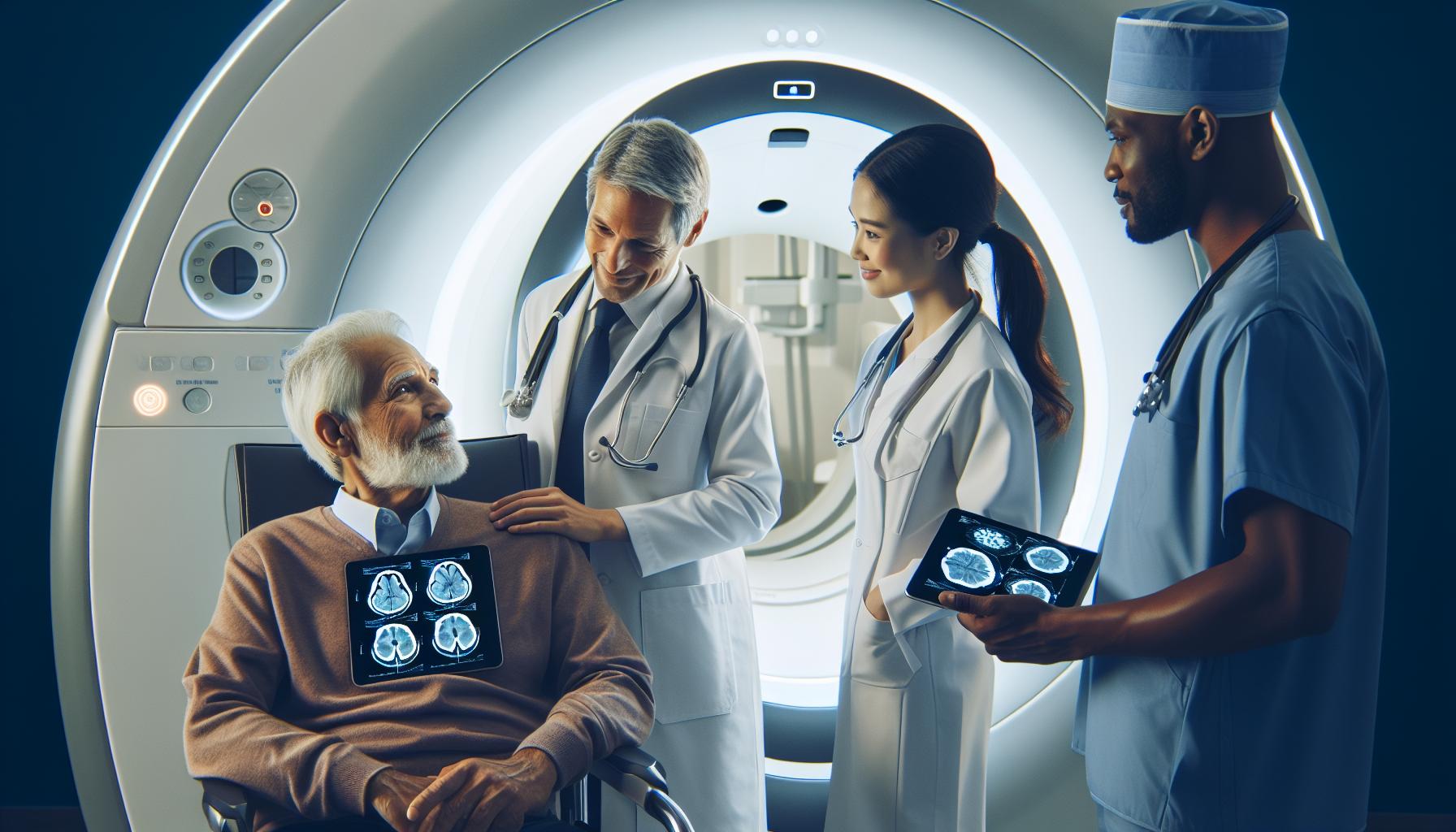
Recognizing Stroke Symptoms: A Quick Guide
Recognizing the early signs of a stroke can make a crucial difference in outcomes, and awareness of these symptoms can empower individuals to seek immediate medical attention. Strokes can manifest suddenly, and the ability to identify warning signs quickly is essential for minimizing damage and improving recovery potential. The acronym FAST can help you remember the primary symptoms to look out for:
- F for Face: Ask the person to smile. Check if one side of the face droops or if the person is unable to smile equally.
- A for Arms: Have the individual raise both arms. Look for weakness or if one arm drifts downward.
- S for Speech: Listen to the person’s speech. Is it slurred or strange? Ask them to repeat a simple phrase.
- T for Time: If you observe any of these symptoms, it’s time to call emergency services immediately.
These symptoms can vary between individuals, but quick recognition is vital. Other symptoms that may not fit into the FAST criteria include sudden confusion, difficulty walking, dizziness, or a severe headache with no known cause. Understanding these more uncommon symptoms can also aid in identifying a stroke.
For those who may be caring for elderly relatives or individuals with known risk factors (such as high blood pressure or a previous transient ischemic attack), regular discussions about stroke symptoms can be beneficial. Consider providing resources or even practicing what to do in an emergency.
In summary, staying informed about stroke symptoms and taking rapid action can save a life or significantly improve recovery outcomes. If you or someone else experiences these warning signs, do not hesitate-seek medical help immediately. Time is of the essence in stroke treatment, and every moment matters.
The Role of CT Scans in Stroke Diagnosis
CT scans play a crucial role in the swift diagnosis of strokes, acting as a key tool used by healthcare professionals in emergency settings. These specialized imaging tests provide detailed cross-sectional images of the brain, allowing doctors to identify and assess the type and extent of a stroke. One of the most significant advantages of CT scans is their ability to quickly reveal any bleeding in the brain, a critical step in determining whether a stroke is ischemic (caused by a blockage) or hemorrhagic (caused by bleeding). Timely detection through CT imaging can significantly affect treatment decisions and improve patient outcomes.
When a patient presents with symptoms indicative of a stroke, a CT scan is often the first line of investigation. The procedure typically takes only a few minutes, which is vital, as every second counts in stroke management. Patients lie down on a table that slides into a large, donut-shaped machine. During the scan, they might hear whirring sounds but are required to remain still to ensure clear images are captured. The radiologist or technician may inject a contrast dye intravenously to enhance visibility, although this step varies based on the clinical scenario.
The results from a CT scan can provide immediate insights into the condition of the brain. For example, if a scan shows an area of the brain that is darker than surrounding tissue, it may indicate a lack of blood flow consistent with ischemic stroke. Conversely, lighter areas could suggest hemorrhage. Understanding these images allows doctors to decide on the best course of action, such as administering clot-busting drugs or planning for surgical intervention.
For patients and their families, receiving a CT scan can feel daunting. It is important to approach the experience with a mindset informed by the knowledge that CT scans are pivotal for prompt and accurate diagnosis. Patients can be reassured that the procedure is quick, non-invasive, and typically involves minimal discomfort. Communicating openly with healthcare providers about any concerns can also help alleviate anxiety and ensure that individuals feel supported throughout their medical experience.
Types of Strokes: Is CT Effective for Each?
In the critical minutes following the onset of stroke symptoms, understanding the various types of strokes and how effectively a CT scan can diagnose them is essential. There are primarily two types of strokes: ischemic and hemorrhagic. Each type presents differently and requires specific evaluation methods, but CT scans serve as a frontline diagnostic tool for both.
Ischemic strokes, which account for approximately 87% of all stroke cases, occur when a blood vessel supplying blood to the brain gets obstructed. CT scans are particularly effective at detecting these strokes when performed shortly after symptoms begin. Initially, CT images may appear normal, but as the condition progresses, areas of disturbance-such as a darker region-may reveal reduced blood flow. In some instances, specialized CT techniques, like CT angiography, can further visualize the blood vessels and identify blockages.
Conversely, hemorrhagic strokes result from bleeding within or around the brain. These are more apparent on CT scans, which can quickly show blood accumulation. The sensitivity of CT imaging allows healthcare providers to make urgent decisions regarding treatment, such as whether surgical intervention is needed. In emergency settings, the rapid identification of hemorrhagic strokes is crucial, as immediate treatment can significantly reduce the risk of poor outcomes.
Overall, while CT scans are highly effective for identifying both types of strokes, their rapid execution and clear imaging capabilities make them indispensable in emergency situations. Understanding these distinctions empowers patients and families to engage more meaningfully in conversations about stroke diagnosis and treatment with their healthcare teams. If you have concerns about strokes or imaging, don’t hesitate to reach out to a medical professional for personalized advice.
What to Expect During a CT Scan for Stroke
During a CT scan for stroke assessment, the procedure typically unfolds in a straightforward yet vital manner. It’s essential to understand that a CT scan, which stands for computed tomography, uses advanced imaging technology to produce detailed cross-sectional images of the brain. This non-invasive method helps healthcare professionals quickly evaluate the brain for evidence of ischemic or hemorrhagic strokes, significantly influencing treatment decisions.
On arrival at the imaging facility, you’ll be greeted by a technologist who will guide you through the process. It’s common to feel a bit anxious, especially if stroke symptoms are present, but rest assured that the entire scan usually takes just a few minutes. Before beginning, you may be asked to remove any metal objects, such as jewelry or eyeglasses, to ensure clear imaging. You’ll then lie down on a motorized table that slides into the CT machine, which looks like a large donut. As the scan starts, you might hear whirring sounds and feel the table move, but this is perfectly normal.
What Happens During the Scan
During the procedure, you’ll be asked to remain very still and possibly hold your breath for a few seconds while the scanner captures the images. If a contrast dye is required for enhanced visualization-often used in cases where blood vessel blockage needs detailed observation-it will be administered through an intravenous (IV) line. While some patients experience a warm sensation during this injection, it generally subsides quickly and is mostly uneventful.
Understanding what to expect can alleviate some concerns. Here’s a quick overview of key aspects during the scan:
- Duration: The CT scan itself takes approximately 5 to 10 minutes.
- Positioning: You’ll lie on your back, with your head positioned in the center of the scanner.
- Contrast Usage: If contrast is necessary, you’ll receive it through an IV, enhancing the visibility of blood vessels and potential blockages.
- Communication: The technologist will communicate with you throughout the process, ensuring you feel comfortable.
After the scan, a radiologist will interpret the images, looking for signs of stroke. This interpretation process can take some time, but rest assured that the information gathered will be promptly relayed to your healthcare team for immediate action. Understanding these details of the CT scan can empower you to approach the procedure with confidence, and remember, it’s always okay to ask questions if you’re uncertain about any part of the process. Consulting with healthcare professionals for personalized guidance will ensure that you receive the best possible care tailored to your needs.
Preparing for a CT Scan: Patient Guidelines
Preparing for a CT scan can seem daunting, especially when the purpose is to diagnose a potentially serious condition like a stroke. It’s essential to equip yourself with the right information to ease any anxiety you may feel and to ensure a smooth and successful procedure. Knowing what you can do in advance will enhance your comfort and contribute to clearer imaging results.
Before your appointment, it is advisable to consult with your healthcare provider about any medications you may be taking, especially blood thinners or diabetes medications, which may need to be adjusted. Plan to arrive early at the imaging facility, allowing ample time for check-in and any necessary paperwork. It’s also beneficial to wear loose, comfortable clothing, as you may be asked to change into a hospital gown. Be prepared to remove jewelry or other metal accessories, as they can interfere with the imaging process.
In some cases, a contrast dye will be used to enhance the quality of the images obtained during your CT scan. If contrast is indicated, be sure to inform your technologist if you have any allergies, particularly to iodine or shellfish, as this could impact your treatment. Hydration is essential, so drink plenty of water before the scan unless instructed otherwise. This can aid in the elimination of the contrast dye from your system afterward and reduces the risk of discomfort during the injection.
On the day of the scan, it’s understandable to feel some nervousness. You might find it helpful to bring along a support person for reassurance. Remember that the scan itself is quick, usually taking no more than 10 minutes, and your technologist will guide you throughout the process. They will be there to answer any questions and ensure you feel at ease, which should help diminish any fears you might have. By being well-prepared, you can approach the day of your CT scan with confidence and initiate crucial steps toward receiving accurate and timely medical attention for stroke assessment.
Risks and Safety Concerns of CT Scans
Undergoing a CT scan, especially in an emergency setting for potential stroke diagnosis, can be unsettling. It’s essential to understand the associated risks and safety concerns to alleviate anxiety and prepare adequately. CT scans utilize X-rays to create detailed images of the body’s internal structures, which is invaluable in stroke detection. However, the radiation exposure from CT imaging is a common concern for many patients.
The quantity of radiation exposure from a CT scan is generally higher than that from conventional X-rays. While medical professionals take extensive precautions to minimize exposure, it’s crucial to discuss any previous imaging procedures with your healthcare provider to ensure that the cumulative radiation dose remains within safe limits. For most individuals, the benefits of timely and accurate stroke diagnosis far outweigh the minimal risks associated with exposure.
There may also be concerns regarding the use of contrast material, often employed to improve image quality during a CT scan. This contrast dye can sometimes lead to allergic reactions, although such occurrences are rare. It’s vital to inform your medical team of any known allergies, particularly to iodine or shellfish, and to discuss any history of kidney issues, as these may affect the use of contrast agents. If allergic reactions do occur, they generally can be managed effectively with prompt medical attention.
Post-scan, it’s beneficial to stay hydrated, especially if contrast material was used, to assist your body in eliminating it. While discomfort can be a temporary side effect of the contrast agent, such as a sensation of warmth or nausea, most patients experience no significant aftereffects. Engaging in a dialogue with your healthcare team before and after the procedure can help address any lingering concerns and provide reassurance throughout the experience.
In summary, while the risks associated with CT scans-radiation exposure and potential reactions to contrast agents-are valid, thoughtful management and clear communication with medical professionals can greatly reduce these concerns. Understanding the importance of the scan in promptly diagnosing a stroke empowers you to approach the process with confidence.
Understanding CT Scan Results: What They Mean
Understanding the results of a CT scan can be crucial for patients experiencing symptoms of a stroke or who are in emergency situations. The role of a CT scan in stroke diagnosis lies in its ability to visualize the brain’s structure and identify abnormalities. As a rapid imaging technique, it helps healthcare providers determine if there is bleeding in the brain, which is vital for an accurate diagnosis and treatment plan.
When interpreting CT scan results, medical professionals look for specific indicators of stroke, such as hypodense areas that may suggest ischemia (reduced blood flow) or hyperdense areas indicating bleeding. In many cases, acute ischemic strokes may not be immediately visible on a CT scan; it typically takes several hours for changes to become apparent. This is why follow-up imaging might be necessary to gain a more comprehensive understanding of the patient’s condition.
After a CT scan, patients may feel anxious about understanding the implications of the findings. It’s important to approach these results with an informed perspective. For instance, if the scan reveals no acute bleeding but shows signs of a previous stroke or chronic changes, this information is just as critical. It helps guide treatment options and preventive measures.
Tips for Understanding Your CT Scan Results:
- Ask your healthcare provider to explain the results in simple terms-don’t hesitate to seek clarification on medical jargon.
- Request a visual aid or copy of the images to better understand where abnormalities are located.
- Discuss potential next steps based on your results, whether it be further imaging, treatment options, or lifestyle changes to reduce the risk of future strokes.
Remember, the initial analysis of a CT scan is just the starting point in a larger diagnostic process. Engaging actively with your healthcare team and asking questions will empower you and reduce anxiety, ensuring you feel more in control of your health journey. It is essential to consult medical professionals for personalized guidance tailored to your specific situation.
Alternatives to CT Scans for Stroke Detection
In cases where a CT scan might not be the best option for diagnosing a stroke, there are several alternative imaging techniques and assessments that can provide valuable insights. Each method has unique attributes, advantages, and limitations, allowing healthcare providers to choose the most appropriate imaging strategy based on the patient’s specific situation.
One highly effective alternative is Magnetic Resonance Imaging (MRI). MRI uses strong magnetic fields and radio waves to create detailed images of the brain. Unlike CT scans, MRIs are particularly adept at detecting ischemic strokes, especially in the early stages when CT may show no significant changes. MRIs can identify both acute and chronic strokes because they better visualize changes in brain tissue, including edema (swelling) and areas of restricted blood flow. Some variations of MRI, such as Diffusion-Weighted Imaging (DWI), are even more sensitive to early stroke signs, which may lead to a quicker diagnosis and intervention.
Additionally, ultrasound can serve as an alternative, particularly for assessing blood flow in the carotid arteries-key vessels supplying blood to the brain. A Carotid Doppler Ultrasound can reveal blockages or narrowing in these arteries, which may predispose individuals to strokes. This non-invasive technique allows for quick assessments without the need for radiation exposure, making it suitable for certain patient populations.
Another approach is the utilization of Computed Tomography Angiography (CTA). While it still involves CT technology, CTA combines traditional CT imaging with a contrast agent to visualize blood vessels in the brain and neck. It can quickly assess vascular conditions that might cause a stroke, such as arterial blockages or aneurysms, providing critical information for treatment planning.
Before any imaging procedure, it’s important to consult with healthcare professionals who can guide you on the most suitable options based on individual health conditions and symptoms. Engaging with your healthcare team ensures you receive personalized care that aligns with your needs and safety considerations.
The Importance of Timely Stroke Diagnosis
An alarming statistic reveals that nearly 1 in 4 stroke survivors will experience another stroke within five years, underscoring the critical need for timely diagnosis and intervention. Stroke is a medical emergency that demands immediate attention, as the first few hours can determine outcomes and recovery. When a stroke occurs, every second counts; brain cells begin to die within minutes due to a lack of oxygen, leading to irreversible damage. This time-sensitive nature of stroke adds significant weight to the importance of rapid diagnosis via imaging techniques, particularly CT scans.
CT scans are pivotal in the acute setting for the identification of strokes. They can quickly distinguish between different types of strokes-ischemic or hemorrhagic-allowing for appropriate medical responses. An ischemic stroke occurs when a blood clot cuts off blood flow, while a hemorrhagic stroke results from bleeding in the brain. The ability of a CT scan to instantly visualize these conditions can guide treatment decisions, such as the use of clot-busting agents or surgical interventions, which are most effective when administered promptly.
Patients and their families must recognize the signs of a stroke, often summarized by the acronym FAST: Face drooping, Arm weakness, Speech difficulties, and Time to call emergency services. Immediate action can lead to a swift diagnosis and treatment, dramatically enhancing the chances of recovery. In scenarios where a CT cannot provide a conclusive diagnosis, alternative imaging methods such as MRI or CTA may be employed, expanding the window for effective treatment.
Furthermore, ongoing advancements in imaging technology promise even quicker and more accurate diagnostic capabilities in the future. Understanding the urgency and clarity that timely stroke diagnosis affords can empower individuals to act without hesitation when symptoms arise, ultimately improving outcomes and preserving quality of life. Always consult with healthcare professionals who can guide appropriate actions and reassure patients about the imaging process, ensuring that concerns are addressed and support is provided during critical moments.
Future Technologies in Stroke Imaging and Detection
Emerging technologies in stroke imaging and detection are poised to revolutionize how medical professionals diagnose and treat strokes. With an understanding that time is critical, researchers and healthcare innovators are focusing on methods that enhance the speed and accuracy of diagnosis. For instance, advanced imaging modalities, such as diffusion-weighted MRI (DWI), provide greater sensitivity in detecting ischemic strokes within minutes of occurrence, which is crucial in initiating timely interventions.
Enhanced Imaging Techniques
Recent developments in imaging technologies are not only improving the quality of images but also reducing the time required to interpret results. Techniques like computed tomography perfusion (CTP) help assess blood flow in the brain, offering insights that traditional CT scans may miss. This allows clinicians to make more informed decisions regarding treatment, including the potential for thrombolysis or mechanical thrombectomy in acute settings. Furthermore, the integration of artificial intelligence (AI) in imaging analysis can significantly speed up diagnosis by automating the detection of abnormalities. AI algorithms can learn from vast datasets to identify stroke-related changes in scans, thereby supporting physicians in clinical decision-making.
Point-of-Care Technologies
The rise of point-of-care ultrasound (POCUS) is another promising advancement. Portable devices can be deployed in emergency rooms to quickly assess the condition of the patient and aid in the detection of stroke symptoms. These technologies facilitate immediate evaluation and can transport images seamlessly between the healthcare team members, enhancing communication and coordination of care.
Future Prospects and Patient Empowerment
As imaging technologies continue to advance, the incorporation of augmented reality and 3D imaging techniques may further improve the visualization of cerebral structures during diagnosis. For patients and families, understanding these advancements can reduce anxiety surrounding diagnostic procedures and highlight the importance of timely medical intervention.
Additionally, education on recognizing stroke symptoms remains vital. Heightening awareness of technologies available for quick and accurate imaging can empower individuals to seek help without delay. Consulting healthcare professionals about the latest imaging options and understanding their applications fosters a collaborative environment where patient care takes precedence. In this era of rapid technological evolution, staying informed can lead to more informed discussions during medical consultations, ultimately enhancing outcomes for stroke patients.
FAQ
Q: Can a CT scan detect early signs of a stroke?
A: A CT scan can detect early signs of a stroke, particularly hemorrhagic strokes, which involve bleeding in the brain. However, ischemic strokes may not be visible immediately and could require follow-up imaging. Rapid diagnosis is essential for effective treatment.
Q: How soon after stroke symptoms should I get a CT scan?
A: It is crucial to get a CT scan within a few hours of experiencing stroke symptoms. The faster the diagnosis, the quicker the treatment can begin, helping to minimize brain damage. Call emergency services immediately if symptoms arise.
Q: What other imaging tests can detect a stroke?
A: Besides CT scans, MRIs (Magnetic Resonance Imaging) and MRA (Magnetic Resonance Angiography) can also be used to diagnose strokes. These tests provide detailed images of the brain and blood vessels, which can help determine the type and cause of the stroke.
Q: How accurate is a CT scan in diagnosing types of strokes?
A: CT scans are highly effective in diagnosing hemorrhagic strokes, but their accuracy in detecting ischemic strokes may be less in the initial hours. Follow-up imaging may be required for definitive diagnosis. Timely scans significantly improve treatment outcomes.
Q: What should I expect during a CT scan for stroke detection?
A: During a CT scan, you’ll lie still on a table that slides into the scanner. The procedure is quick, usually lasting around 10-15 minutes. You may hear clicking sounds, but it is painless. Follow any specific preparation instructions provided by the medical team.
Q: Does a CT scan involve any risks for stroke diagnosis?
A: CT scans expose patients to a low level of radiation, which is generally considered safe. However, it is important to inform your doctor of any allergies to contrast materials, as some scans require a dye injection. Discuss concerns with your healthcare provider.
Q: What happens if the CT scan results indicate a stroke?
A: If a CT scan shows signs of a stroke, immediate treatment will be initiated. The medical team may decide on medications or procedures to restore blood flow or reduce brain swelling, depending on the type of stroke diagnosed.
Q: How can I prepare for a CT scan when suspecting a stroke?
A: If you’re experiencing stroke symptoms, don’t worry about preparation; seek immediate medical attention. If a CT scan is scheduled later, inform your doctor about medications, allergies, and any previous reactions to imaging tests for appropriate guidance.
Future Outlook
Understanding whether a stroke will show on a CT scan is essential for quick detection and treatment. It’s crucial to know that time is of the essence; obtaining a CT scan can be lifesaving, as it helps identify blockages or bleeding in the brain that require immediate action. If you have concerns about stroke symptoms or risks, don’t hesitate to consult with a healthcare professional to discuss your individual circumstances.
For more insights on stroke awareness, check out our articles on stroke first aid and stroke diagnosis and treatment. Don’t forget to sign up for our newsletter to stay updated on essential health information. Share your thoughts or experiences in the comments below, and help us build a community focused on health awareness and support. Your proactive approach could make all the difference!