Navigating health concerns can be daunting, especially when symptoms suggest the possibility of a hernia. A CT scan is often a valuable tool in diagnosing this condition, providing clear imaging that reveals abnormalities. In fact, studies indicate that CT scans have high sensitivity and specificity for hernia detection, making them a reliable choice for both patients and healthcare providers.
If you’ve been experiencing discomfort or pain, understanding how a CT scan works and its ability to visualize hernias can bring peace of mind. It’s essential to know what to expect during the procedure, how to prepare, and the potential outcomes. This knowledge not only empowers you but also helps alleviate anxiety surrounding medical imaging.
Join us as we explore the accuracy of CT scans in detecting hernias, the technology behind the imaging process, and what steps you can take to ensure the best possible experience. Your health is a priority, and being informed is the first step towards peace of mind.
Will a CT Scan Detect a Hernia? Understanding the Basics
A CT (computed tomography) scan can be an invaluable tool in diagnosing hernias, providing detailed images of the body’s internal structures. Its ability to produce cross-sectional views allows healthcare professionals to assess not only the location of a hernia but also its size and any potential complications associated with it. This imaging technique is particularly beneficial because it can help identify hernias that may not be visible through physical examination alone, offering clearer insights for effective treatment planning.
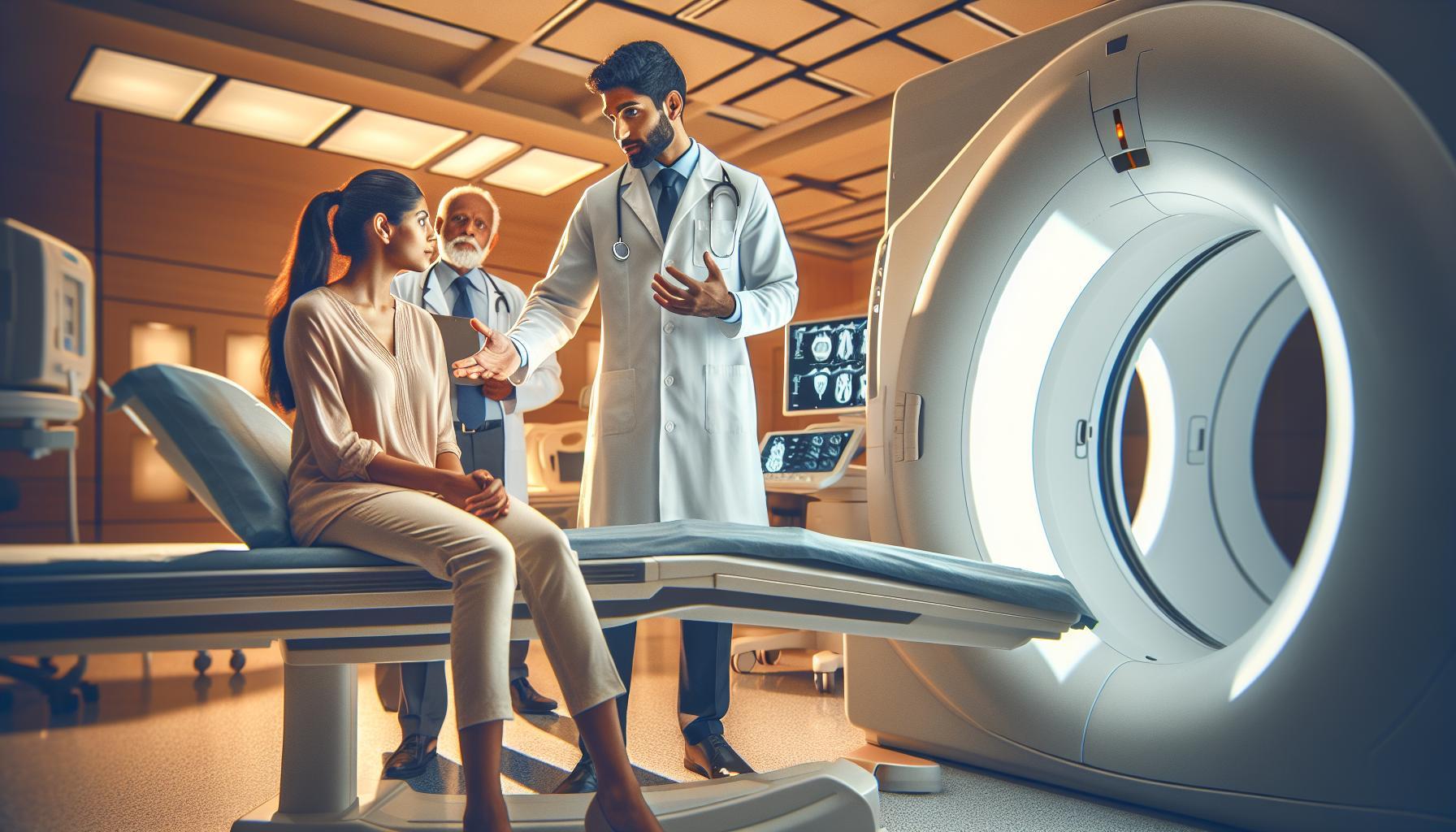
When it comes to understanding how a CT scan detects hernias, it’s essential to recognize that these scans utilize a series of X-ray images taken from different angles. The images are then processed by a computer to create detailed cross-sectional views of the body. During the scan, patients might be asked to lie on a table that moves through the CT machine, and a contrasting agent may sometimes be used to enhance visibility of certain structures. This process typically lasts between 10 to 30 minutes, depending on the complexity of the images needed.
Investigating various types of hernias-such as inguinal, umbilical, and hiatal-can also be done effectively with a CT scan. By providing high-resolution images, this method allows radiologists to clearly visualize not just the hernia itself, but also nearby tissues and organs. For this reason, CT scans are often chosen over other imaging forms when there’s a suspicion of complications like incarceration or strangulation, conditions that require immediate medical intervention. With its ability to facilitate accurate and conclusive diagnoses, a CT scan can significantly aid in the management of hernias, offering peace of mind to patients and healthcare providers alike.
How Do CT Scans Work for Hernia Detection?
A CT scan offers remarkable insight into the body’s internal structures, expertly identifying issues such as hernias, which may otherwise go undetected through standard physical examinations. This advanced imaging technique is pivotal, especially since it provides comprehensive, cross-sectional views of the abdomen. By effectively displaying the surrounding tissues and organs, CT scans empower healthcare providers to make informed diagnoses and treatment plans tailored to individual patient needs.
During a CT scan, the patient lies on a motorized table that gradually moves through a circular imaging machine. The machine takes X-ray images from various angles, which a computer then compiles into detailed 3D cross-sectional images of the body. In many cases, a contrast dye may be injected or ingested to enhance the visibility of certain structures, allowing the radiologist to identify a hernia more clearly. The entire process is relatively quick, generally lasting between 10 to 30 minutes, thus minimizing potential discomfort or anxiety for the patient.
Hernias, such as inguinal, umbilical, or hiatal, exhibit diverse characteristics that can significantly influence patient management and treatment options. The CT scan plays a crucial role in visualizing not only the hernia itself but also any complications that may arise, such as incarceration or strangulation, which can pose serious health risks. By enabling precise assessments of these situations, CT imaging serves as a vital tool in ensuring patients receive timely and appropriate care.
In summary, understanding how CT scans function in hernia detection can alleviate anxiety and prepare individuals for the experience. As you consider your options for imaging, remember that consulting a healthcare professional is essential for personalized guidance and to address any specific concerns related to your health and wellness. Their expertise will ensure the most accurate diagnoses and effective treatment plans tailored just for you.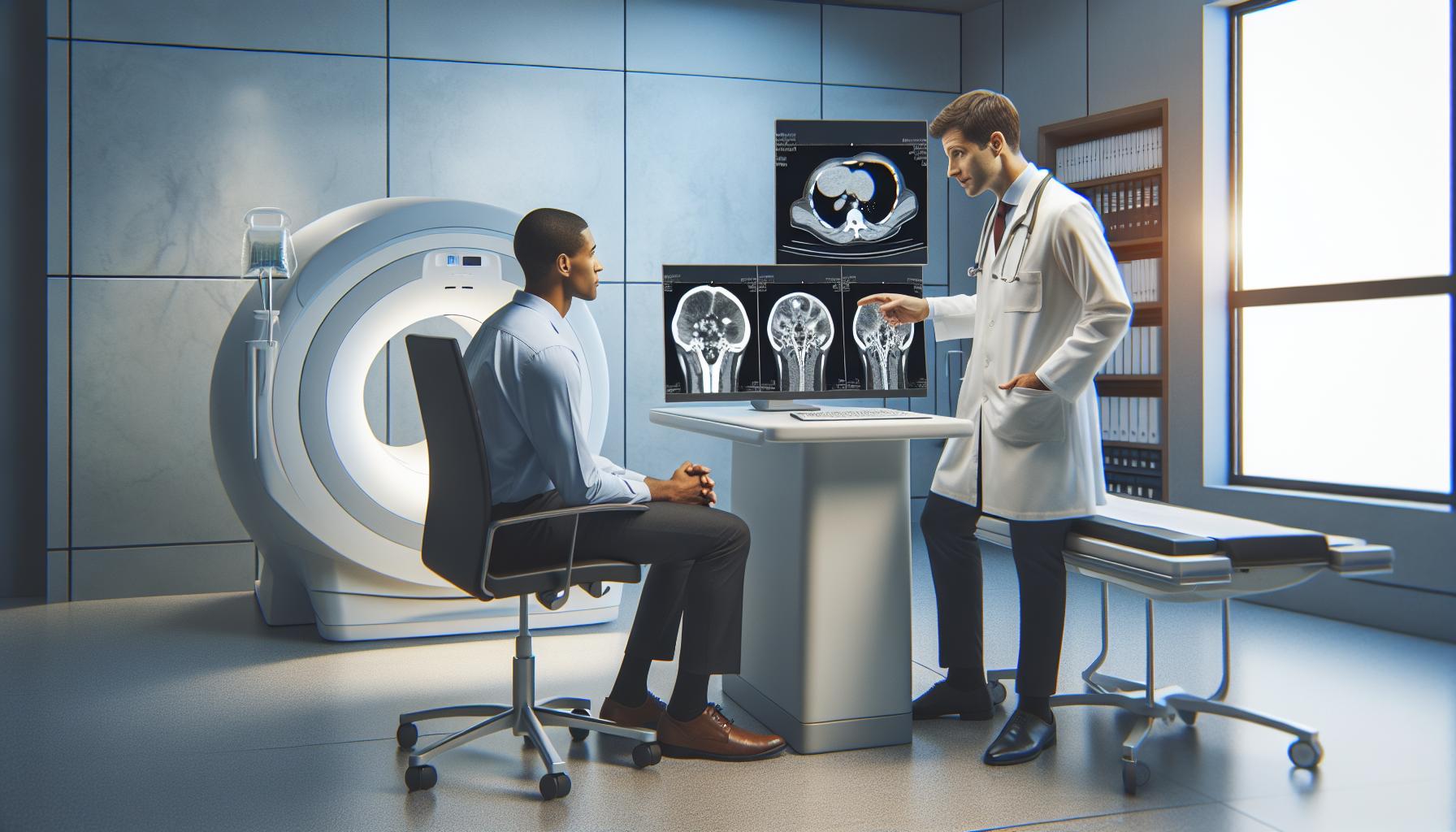
The Different Types of Hernias: A Comprehensive Overview
Many individuals may not realize the variety of hernias that can occur in the body, each with its unique characteristics and implications for treatment. Understanding these types can empower patients to seek appropriate medical advice and prepare for potential imaging procedures like CT scans more effectively.
Hernias occur when an organ or tissue protrudes through an abnormal opening in the surrounding muscle or connective tissue. Here are some of the most common types:
Inguinal Hernia
This is the most prevalent type, particularly in men. It occurs in the groin area, where fatty tissue or a part of the intestine bulges through the abdominal wall. Symptoms can include a noticeable lump, discomfort, or pain in the groin, especially when lifting heavy objects, bending, or coughing.
Umbilical Hernia
These hernias develop near the belly button (umbilicus) when tissue pushes through the abdominal wall. They are common in infants but can also occur in adults, especially those who are overweight or have had multiple pregnancies. Symptoms may include swelling around the navel, which may become more pronounced when coughing or straining.
Hiatal Hernia
This occurs when a part of the stomach pushes through the diaphragm into the chest cavity. Symptoms can include heartburn, difficulty swallowing, and chest pain. Hiatal hernias are more common in people over 50 and those who are obese, which can complicate the condition if left untreated.
Femoral Hernia
More common in women, a femoral hernia appears in the upper thigh, just below the groin. It can occur when tissue pushes through the femoral canal, and while often smaller than inguinal hernias, they are more prone to complications like strangulation. Symptoms often include a bulge in the upper thigh or groin area and discomfort.
Understanding these hernia types not only helps in identifying potential symptoms but also plays a crucial role in determining the necessary steps for diagnosis. Each type may require different approaches, and a CT scan can be particularly useful in examining both the hernia and any associated complications.
Moreover, it is essential to consult with healthcare professionals to discuss symptoms and imaging options. They can provide personalized guidance and reassurance, ensuring that patients are informed about the best course of action for their specific situations. Detecting hernias early can lead to better management and treatment options, enhancing overall patient outcomes.
Accuracy of CT Scans in Hernia Diagnosis
CT scans offer a detailed and highly accurate method for diagnosing hernias, which can sometimes be difficult to detect through physical examinations alone. Utilizing advanced imaging technology, CT scans produce cross-sectional images of the body that reveal not only the location of a hernia but also its size and any associated complications, such as strangulation or incarceration. The precision of this imaging procedure makes it an invaluable tool for healthcare professionals in crafting an effective treatment plan.
One of the key advantages of a CT scan in hernia diagnosis is its ability to differentiate between types of hernias. For instance, when a patient presents with groin pain, a CT scan can clarify whether it is an inguinal hernia or a femoral hernia, and it can assess the extent of the condition. Research indicates that CT scans can achieve accuracy rates above 90% for diagnosing hernias, making it one of the most reliable imaging modalities available. This high level of accuracy is particularly beneficial in complex cases where symptoms overlap with other gastrointestinal issues.
However, it’s essential to discuss any concerns with your healthcare provider before undergoing a CT scan. While the imaging technology is safe, understanding the reasons for the procedure can alleviate any anxiety. You might be reassured that the benefits typically outweigh the risks, especially in terms of obtaining clear, actionable insights into your condition. This clarity enables medical professionals to recommend the best possible interventions, whether that involves surgical repair or monitoring the hernia over time.
In summary, CT scans not only enhance the diagnostic accuracy for hernias but also empower patients through informed decision-making. If you suspect you have a hernia or are experiencing related symptoms, consulting with a healthcare professional is vital. They can provide tailored advice and guide you through the diagnostic process, ensuring your health and peace of mind are prioritized.
Benefits of Using CT Scans over Other Imaging Techniques
CT scans provide distinct advantages when it comes to diagnosing hernias compared to other imaging techniques. One of the most significant benefits is their ability to deliver highly detailed cross-sectional images of the body, allowing healthcare professionals to view hernias in the context of surrounding anatomical structures. This level of clarity enables physicians to not only visualize the hernia’s size and location but also to identify any complications, such as incarceration or strangulation, which can complicate treatment strategies.
Additionally, CT scans are exceptionally effective at distinguishing between different types of hernias. For example, a patient experiencing groin pain could be suffering from either an inguinal or femoral hernia. A CT scan can accurately differentiate between these conditions, which is crucial for determining the appropriate course of action. In many cases, CT scans boast an accuracy rate exceeding 90% for hernia diagnosis, making them one of the most reliable imaging modalities available. This high accuracy is especially important in difficult-to-diagnose situations where symptoms may overlap with other medical issues.
When comparing CT scans to alternatives like ultrasound or MRI, it’s important to note that while ultrasound is effective in certain cases, it can be operator-dependent and may not provide as comprehensive a view. MRI, on the other hand, is less accessible and can be more time-consuming and costly. CT scans, being quicker and often more readily available, can provide immediate insights that are critical for timely decision-making and intervention.
In preparing for a CT scan, patients can feel reassured knowing that the procedure typically takes less than 30 minutes, ensuring minimal disruption to their day. The scan’s speed and the detailed information it provides can alleviate patient anxiety by leading to quicker diagnoses and, consequently, faster treatment plans. It is essential, however, for individuals to discuss any concerns and pre-scan instructions with their healthcare provider to ensure they are adequately prepared and informed about the process and its benefits.
Preparing for a CT Scan: What You Need to Know
When preparing for a CT scan, especially to diagnose a hernia, understanding the steps involved can greatly enhance your experience and alleviate any concerns. CT scans provide critical insights but require some preparation to ensure optimal results. You’ll find that the process is straightforward, usually lasting less than 30 minutes, making it manageable for most patients.
Before your scan, it’s essential to consult with your healthcare provider about any specific instructions. Typically, you may be asked to avoid eating or drinking for several hours beforehand, particularly if contrast material is to be used. This contrast helps enhance the images by outlining structures more clearly. If you’re receiving a contrast injection, inform your doctor of any allergies, particularly to iodine or shellfish, as this could impact your treatment. Additionally, it’s advisable to wear comfortable clothing without metal fasteners; you might be provided with a gown for the procedure.
During the appointment, a technologist will guide you to the CT scanner, where you will lie down on a table that moves through the machine. It’s important to remain still and follow any breathing instructions given, as movement can affect image quality. Patients often find the experience less intimidating when they know what to expect. For individuals with anxiety or claustrophobia, discussing these feelings with the staff can be helpful; they may offer solutions such as sedation or a modified approach to ensure comfort.
Finally, after the scan, you’ll receive instructions on when and how to follow up regarding your results. This clear communication can reduce uncertainty and help you feel more confident about the next steps. Understanding the process empowers you to participate actively in your healthcare decisions, reinforcing the importance of consulting your provider with any further questions or concerns.
What to Expect During a CT Scan Procedure
A CT scan is a remarkable tool that allows doctors to visualize the internal structures of your body with incredible detail, providing valuable insights for diagnosing a variety of conditions, including hernias. As you prepare for your procedure, understanding what you can expect within the CT scan room can significantly reduce any anxiety you might feel and empower you to participate actively in your healthcare journey.
Upon arrival, you’ll be greeted by a team of experienced medical professionals who will guide you through each stage of the process. The first step involves changing into a hospital gown, which ensures that the scans are not obstructed by any metal items. Once you’re ready, a radiologic technologist will lead you to the CT scan machine, sometimes referred to as a “circular donut” due to its shape. Lying comfortably on the table, you will need to remain as still as possible. It’s essential to listen carefully to any instructions from the technologist, particularly about breath control, as certain movements can distort the images that are captured.
Throughout the scanning process, which typically lasts about 15 to 30 minutes, you may hear a series of clicking and whirring sounds. This is completely normal as the machine captures multiple images from various angles. If contrast dye is used to enhance the images, you’ll receive an injection either into your vein or through an oral solution before the scan. While some patients might feel a warm sensation or a slight metallic taste during this part, these sensations are temporary and do not indicate any cause for concern.
After the scan concludes, the technologist will assist you in getting back on your feet, and you can usually return to your normal activities right away. You will receive guidance on how and when to follow up for your results, allowing you to prepare for the next steps in your healthcare plan. Remember, it’s entirely normal to have questions or feel apprehensive, so don’t hesitate to voice any concerns with your healthcare provider. They are there to support you, ensuring your experience is as smooth and reassuring as possible.
Post-Scan: Understanding Your CT Scan Results
After completing your CT scan, the anticipation of understanding the results may weigh heavily on your mind. It’s important to remember that interpreting CT scans is a nuanced process, often involving radiologists-specialists trained to analyze these images and detect conditions such as hernias. A CT scan can reveal intricate details of your anatomy, identifying abnormalities that might indicate a hernia’s presence. However, before the results are delivered, your healthcare team will meticulously review the images.
Once your results are ready, the radiologist will draft a report that describes their findings. You may receive your results in several ways: through an online patient portal, a direct communication from your healthcare provider, or during a scheduled follow-up appointment. During this time, it’s completely normal to feel anxious about what the results may mean for your health. Here’s a brief overview of what you might encounter:
Understanding the Report
The report will typically outline the following:
- Diagnosis: Whether a hernia has been detected and its type (e.g., inguinal, femoral, umbilical).
- Size and Location: Relevant details about the hernia’s size and its location in your body.
- Any Additional Findings: Other potential issues that may have been identified during the scanning process.
Your healthcare provider will discuss the findings with you, placing them in the context of your symptoms and medical history. This collaboration ensures that you understand not only the scan results but also the implications for your treatment or next steps.
Real-World Scenarios
If your scan indicates a hernia, treatment options may vary, ranging from lifestyle adjustments and watchful waiting to surgical interventions. For instance, someone diagnosed with a small, asymptomatic hernia may be advised to monitor their condition, while another individual experiencing pain might be referred for surgical evaluation. Understanding your CT scan results empowers you to make informed decisions about your health and partner effectively with your medical team.
A supportive approach to this conversation can help ease feelings of uncertainty. Care providers are there to answer any questions, so don’t hesitate to articulate your concerns. Remember, every step of this process is designed to keep you informed and secure in your healthcare journey. An accurate interpretation along with clear communication paves the way for effective management of your condition.
Common Misconceptions About CT Scans and Hernias
Many people hold misunderstandings about how CT scans function in the context of diagnosing hernias. One prevalent myth suggests that CT scans can definitively show hernias in every case. While CT scans are powerful imaging tools that provide detailed cross-sectional images of the body, they do not capture every type of hernia. For example, small hernias, particularly in the early stages or those without significant protrusion, may not be visible on a CT scan. This limitation can leave patients confused or uncertain about their diagnosis.
Another misconception is that the radiation exposure during a CT scan is always dangerous. While it’s true that CT scans use ionizing radiation, the level of exposure is typically low and considered safe for the vast majority of patients. Medical professionals take great care to ensure that the benefits of obtaining a clear diagnosis outweigh any potential risks associated with radiation. For those concerned about this aspect, discussing alternatives with a healthcare provider is always encouraged.
Some believe that if a CT scan does not show a hernia, it means there is absolutely no issue. However, hernias sometimes remain undetectable on imaging studies. A thorough clinical examination by a healthcare provider is often essential, and symptoms should not be overlooked even if imaging results are negative. This is particularly important as patients may still experience pain or discomfort requiring further investigation or management.
Lastly, the notion that all types of hernias can be diagnosed the same way with CT scans may also lead to incorrect assumptions. Each type of hernia, such as inguinal, femoral, or umbilical, can present differently and may require specialized imaging or diagnostic approaches. Consulting with a healthcare professional can clarify which imaging method is most appropriate for individual symptoms and hernia types, helping ensure the most accurate diagnosis and treatment plan.
Understanding these misconceptions empowers patients to engage more effectively with their healthcare teams, fostering an environment where informed decisions about diagnosis and treatment can be made.
Safety and Risks Associated with CT Scans
Undergoing a CT scan can be a source of anxiety for many patients, especially when it comes to concerns about safety and potential risks. It’s essential to understand that while CT scans are a powerful diagnostic tool, they do involve some safety considerations. One of the most talked-about concerns is the exposure to ionizing radiation. It’s important to note that modern CT technology has advanced significantly, and the amount of radiation used in these scans is typically low. For most patients, the benefits of obtaining clearer diagnostic information far outweigh the risks associated with this level of exposure.
When considering a CT scan, it is normal to have reservations about how this might impact your health. According to studies, the risk of developing cancer from a single CT scan is very small and is comparable to the risk posed by other common activities, such as flying in an airplane or undergoing a single X-ray. However, patients who require multiple scans over time should discuss with their healthcare provider the potential cumulative effects of radiation exposure and any alternatives that might be available.
While safety is a significant concern, the procedure itself is generally quick, non-invasive, and does not usually cause discomfort. During a CT scan, you may be asked to lie still on a table that slides through the scanner. The machine will take a series of detailed images from different angles, which adds to the radiation exposure but also maximizes diagnostic accuracy. Some patients may receive a contrast material, either orally or through an IV, to enhance the images further. If you have concerns about allergies or prior reactions to contrast agents, be sure to discuss this with your healthcare team prior to the scan.
Lastly, always communicate openly with your healthcare provider about any concerns you have regarding the procedure. Open dialogue can help alleviate fears and ensure that your questions regarding the safety and necessity of the CT scan are addressed. Understanding the procedure and its implications will not only empower you but also enhance the level of care you receive.
Alternative Imaging Options for Hernia Diagnosis
When it comes to diagnosing a hernia, while CT scans are highly effective, there are several alternative imaging options available that can provide valuable insights. Each of these methods has its strengths and can be chosen based on the specific clinical scenario, patient history, and physician preference. An understanding of these alternatives can empower patients to engage in informed discussions with their healthcare providers.
One common imaging technique is ultrasound. This method uses high-frequency sound waves to create images of the structures within the body. Ultrasound is particularly useful in evaluating external hernias, as it can visualize the hernial sac in real-time and assess for contents that may be protruding. It is non-invasive, does not involve radiation, and can be performed quickly, often in a doctor’s office. Furthermore, ultrasound is especially advantageous for children and pregnant women, where minimizing radiation exposure is crucial.
Magnetic Resonance Imaging (MRI) is another alternative, particularly beneficial in complex cases or when soft tissue differentiation is needed. MRI provides detailed images without radiation, making it a safer option for certain populations. It is particularly useful for diagnosing sports hernias and distinguishing between intra-abdominal and groin pain. However, MRI is typically more expensive and less accessible than CT or ultrasound.
Lastly, X-rays can be employed in specific scenarios, especially when looking for complications associated with hernias, such as bowel obstruction. However, their utility for hernia diagnosis is limited compared to other modalities, as they do not provide detailed images of soft tissues.
Choosing the right imaging technique ultimately depends on various factors, including the type of hernia suspected, patient details, previous medical history, and available resources. It’s essential for patients to engage with their healthcare providers to determine the best approach tailored to their needs, ensuring they receive the most effective and safe diagnostic care possible.
When to Consult a Healthcare Professional About Hernias
When it comes to the possibility of having a hernia, knowing when to seek help can make a significant difference in your health and wellbeing. If you experience symptoms such as a noticeable bulge in your abdomen or groin area, especially when lifting, coughing, or straining, it’s important to consult a healthcare professional. This bulge may not always be visible but can indicate that a portion of tissue, or an organ, is protruding through a weakened area of muscle. Additionally, if you feel persistent pain or discomfort in these areas, or if the pain worsens with activity, do not hesitate to seek medical advice.
Understanding the progression of symptoms can also guide your decision. For instance, if you notice any sudden changes in the size of a bulge or if it becomes painful, this is a sign that immediate medical attention may be required. Another critical time to consult a healthcare professional is if you experience symptoms of an incarcerated hernia, such as nausea, vomiting, or difficulty passing gas. These could indicate that a part of your intestine is trapped, which can lead to serious complications if not treated promptly.
Consultation with a healthcare provider is particularly important for individuals with a history of hernias or abdominal surgeries. Regular check-ins can ensure that any new or recurring symptoms are properly evaluated. During your visit, your doctor may recommend imaging techniques, including CT scans, to accurately diagnose the type of hernia and assess its severity. Having a discussion about your symptoms and concerns can help to clarify the best next steps and the appropriate imaging options based on your individual case, thereby putting your mind at ease and ensuring you receive timely and effective care.
In summary, if you suspect a hernia or experience concerning symptoms, reaching out to a healthcare professional is an essential first step. They can provide an accurate diagnosis and develop a tailored treatment plan that addresses your specific needs, allowing for a healthier, more comfortable life. Remember, it’s always better to err on the side of caution when it comes to your health.
Q&A
Q: Can a CT scan reliably detect all types of hernias?
A: While CT scans are highly effective for detecting many types of hernias, including inguinal and hiatal hernias, their reliability can vary. Small or less common hernias may not be as easily identified. For thorough evaluation, consider discussing any specific concerns with your healthcare provider.
Q: How does a CT scan compare to an MRI for hernia detection?
A: CT scans are generally faster and provide clearer images of bones and soft tissues, making them effective for hernia detection. MRI, on the other hand, offers superior detail in soft tissue and is preferred for specific imaging needs. Consulting your doctor can help determine the best option for you.
Q: How accurate are CT scans in diagnosing a hernia?
A: CT scans have a high accuracy rate for diagnosing hernias, often between 80-95%. Accuracy can depend on the quality of the scan and the interpretation by radiologists. It’s crucial to correlate scan results with symptoms and medical history for an accurate diagnosis.
Q: What should I do if a CT scan does not show a hernia but I still have symptoms?
A: If your CT scan results are negative but symptoms persist, follow up with your healthcare provider. Further assessment may be necessary, which could include additional imaging tests or a referral to a specialist to explore other potential causes of your symptoms.
Q: Why is contrast used in CT scans for hernia detection?
A: Contrast material enhances the visibility of organs and tissues, allowing for clearer images during a CT scan. This improved detail helps in identifying the presence and extent of a hernia, making it less likely to go undetected. Discuss any concerns about contrast with your doctor.
Q: Are there any risks associated with CT scans for hernia diagnosis?
A: CT scans expose patients to radiation, but the risk is usually considered low compared to the benefits of accurate diagnosis. Most patients tolerate the procedure well. Consult with your physician regarding any specific health concerns prior to undergoing a scan.
Q: Can a hernia be diagnosed without a CT scan?
A: Yes, hernias can often be diagnosed through physical examinations, ultrasounds, or MRIs. These methods might be preferred depending on individual circumstances, such as the type of hernia suspected or the patient’s health condition, so discussing options with your healthcare provider is advisable.
Q: How long does it take to get results from a CT scan for a hernia?
A: Results from a CT scan typically take a few days to a week to process, depending on the facility. Radiologists will evaluate the images and send a report to your healthcare provider, who will then discuss the findings with you.
In Conclusion
If you’re wondering whether a CT scan can show a hernia, understanding the detection accuracy is key to your healthcare journey. Remember, early diagnosis can make a significant difference in treatment outcomes. Make sure to consult with your healthcare professional for personalized advice tailored to your specific situation.
For more insights, check out our articles on “Understanding Hernias: Types and Symptoms” and “The Role of Imaging in Diagnosing Medical Conditions.” These resources can empower you with essential knowledge and help you make informed decisions.
Don’t hesitate to subscribe to our newsletter for the latest updates and expert tips on medical imaging and health topics. Your health matters, and being well-informed is the first step toward taking charge of it. Share your thoughts and experiences in the comments below-your story could help someone else facing similar concerns. Let’s continue this journey towards better health together!