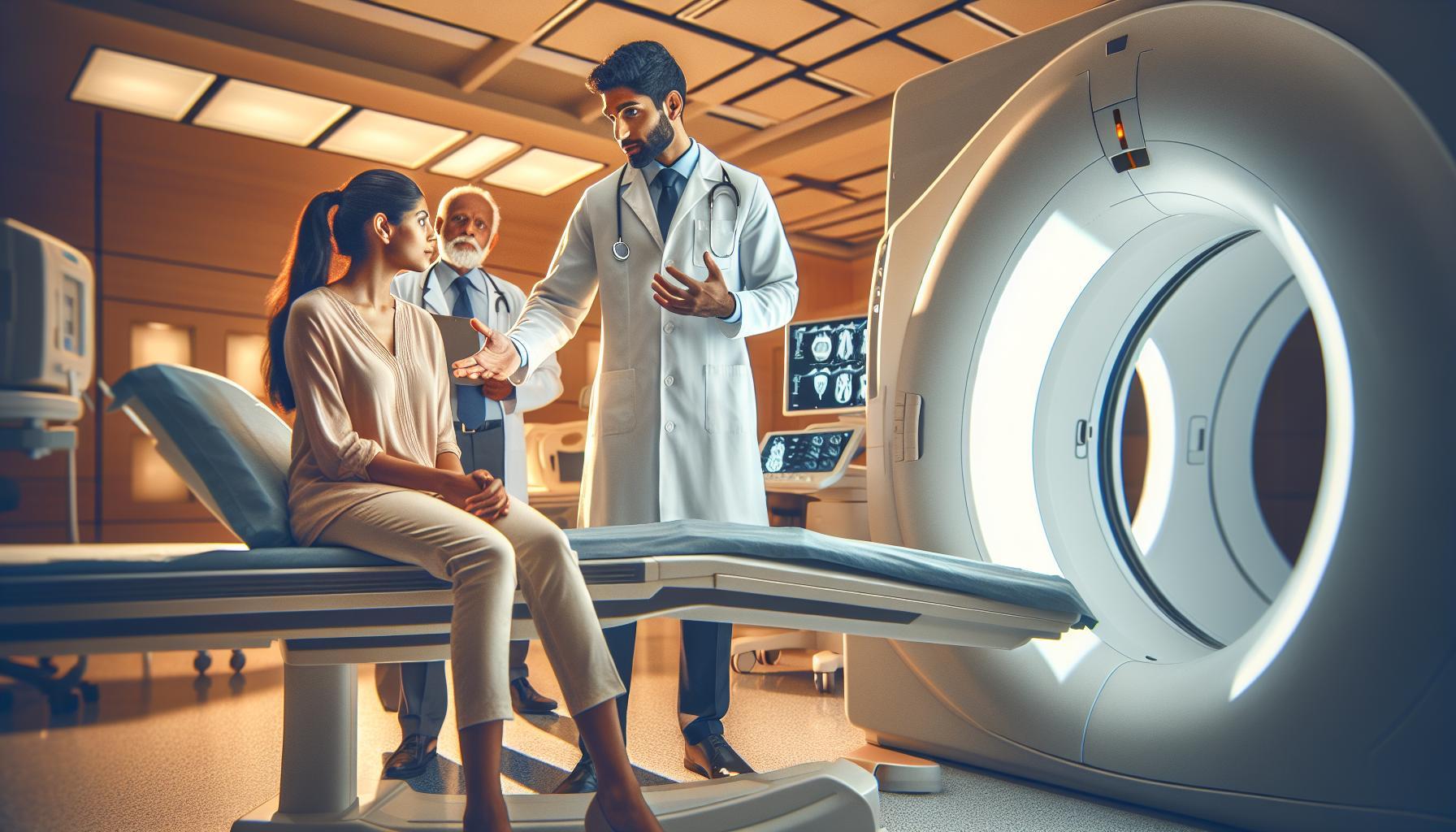
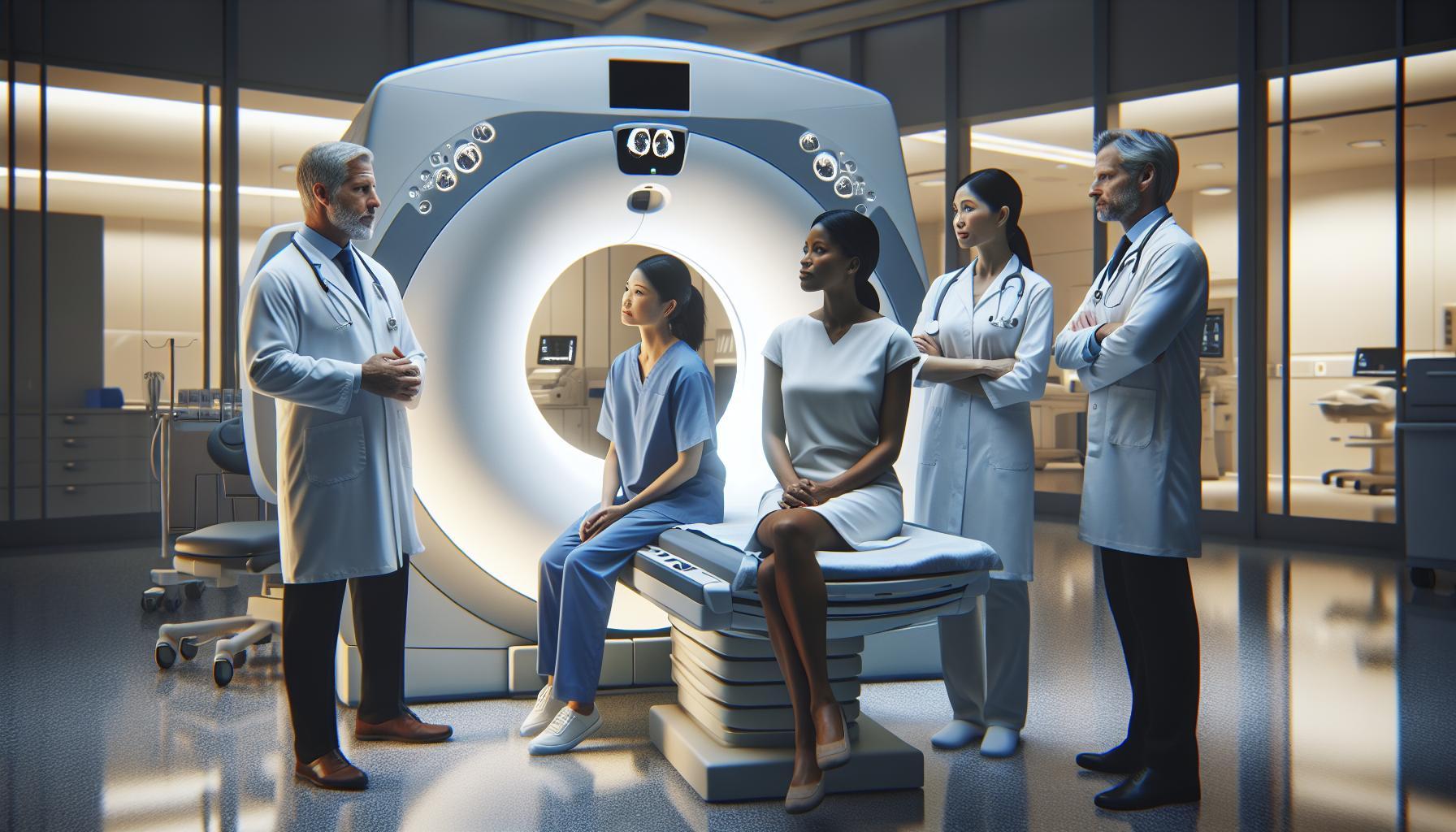
Cancer is a leading cause of death worldwide, affecting millions and instilling fear in many families. For those concerned about this disease, the question often arises: “Would cancer show up on a CT scan?” This inquiry is crucial, as early detection can significantly improve treatment outcomes. CT scans are powerful imaging tools frequently used to diagnose various health issues, including tumors. Understanding how these scans work, what they reveal, and when they’re most effective can empower you in your health journey.
Navigating the world of medical imaging can feel overwhelming, especially when worrying about potential cancer diagnoses. It’s natural to seek clarity and certainty amidst uncertainty. This article will guide you through the realities of CT scans, addressing common concerns, explaining procedures, and emphasizing the importance of professional medical advice. So, let’s explore the early detection truth behind whether cancer can show up on a CT scan and what that might mean for you or your loved ones.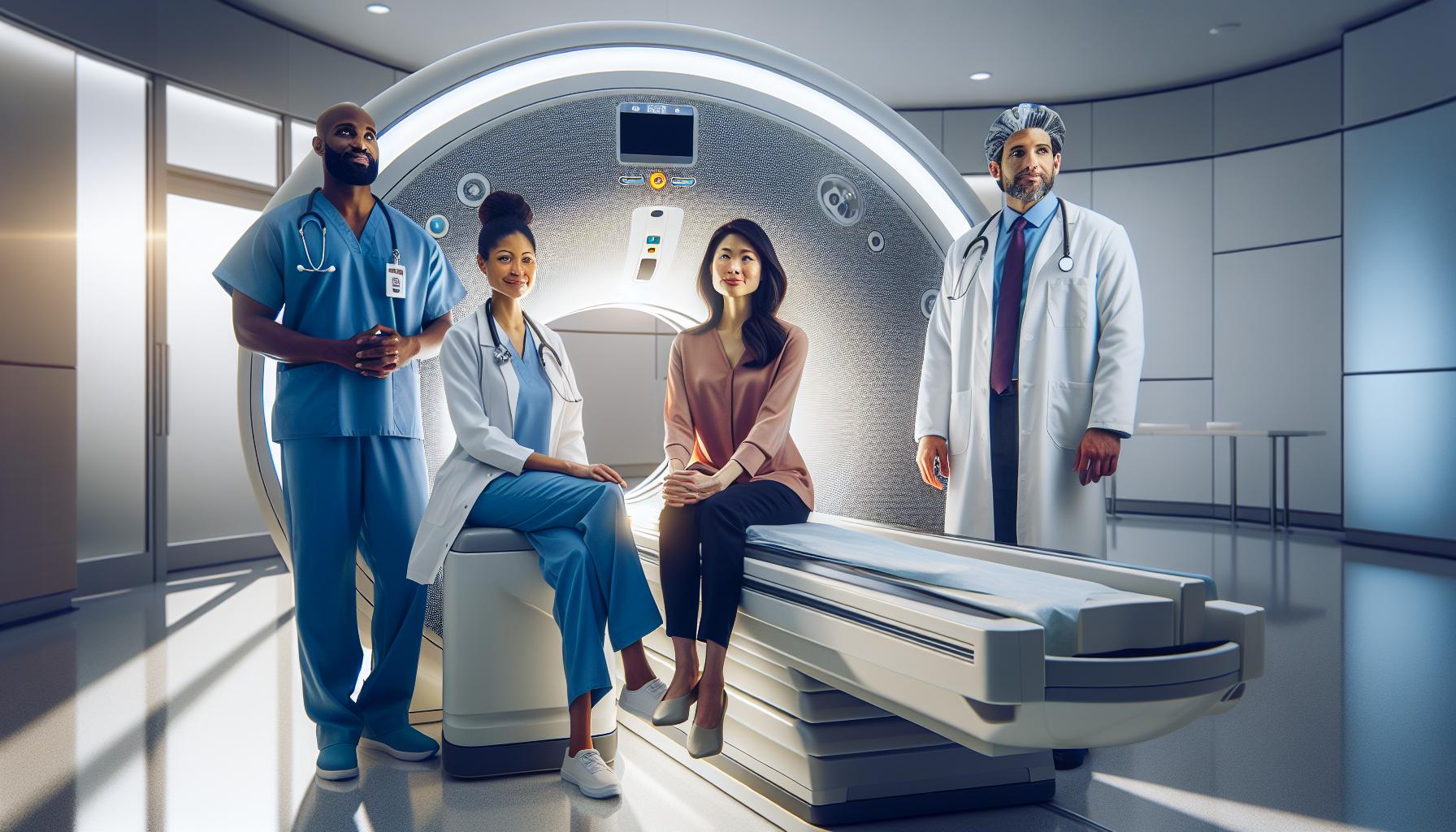
Understanding CT Scans: How They Work in Cancer Detection
A computed tomography (CT) scan is a powerful diagnostic tool that plays a crucial role in detecting cancer at its earliest stages. Unlike traditional X-rays, CT scans provide detailed, cross-sectional images of the body, allowing doctors to visualize internal organs, tissues, and abnormalities with remarkable clarity. This advanced imaging technique can reveal even small tumors that may not be visible through other examinations, significantly improving the chances of early diagnosis.
At the core of how CT scans function is the use of a rotating X-ray device that captures multiple images of the body from various angles. These images are then processed by computer software to create a comprehensive view of the area being examined. In cancers, the scans can highlight changes in tissue density, helping to differentiate between normal and abnormal tissues. Tumors often appear as distinct masses that contrast with surrounding healthy tissues, providing invaluable insight for oncologists in formulating treatment plans.
To maximize the effectiveness of a CT scan, patients may be asked to follow certain protocols, such as fasting prior to the procedure or using contrast materials to enhance image clarity. Understanding these steps can alleviate anxiety and enhance the quality of the imaging results. It’s also important to recognize that while CT scans are incredibly useful in diagnosing cancers, they are just one tool in a broader diagnostic arsenal. Consulting with healthcare professionals is essential for interpreting results and determining the most appropriate follow-up actions tailored to individual needs and circumstances.
In summary, CT scans are integral to modern cancer detection, offering a detailed glimpse into the body’s inner workings. Their ability to identify cancerous growths early can significantly improve treatment outcomes and survival rates, providing patients and their families with hope and actionable paths forward.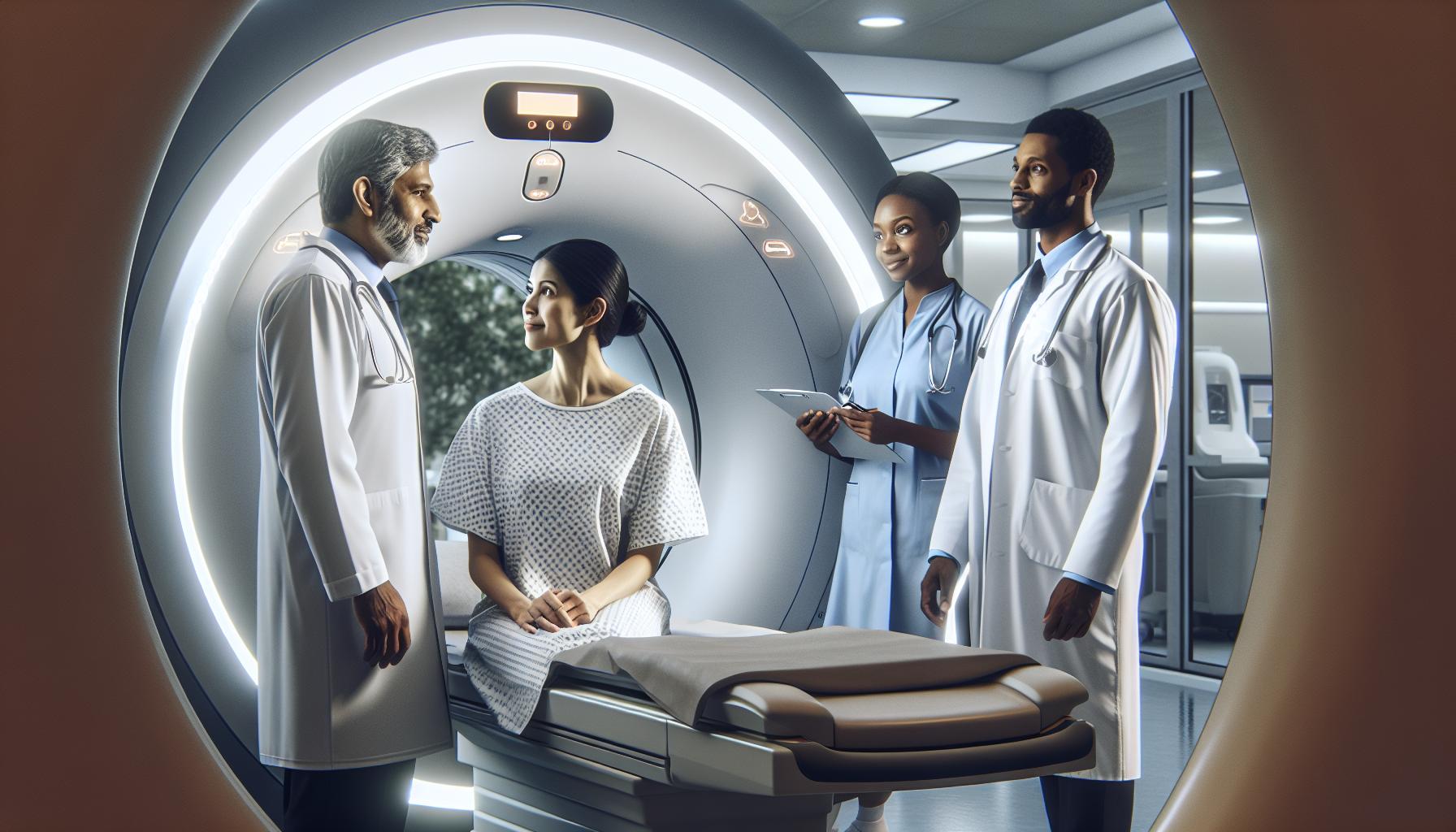
The Role of CT Scans in Early Cancer Diagnosis
A CT scan is a vital tool in the fight against cancer, acting as an early warning system that can identify tumors long before they manifest into more serious health issues. This imaging technique allows healthcare professionals to detect anomalies within the body, such as abnormal tissue growths or changes in organ structure. Such early detection is crucial because many cancers do not display symptoms until they reach advanced stages, making routine screenings particularly important for at-risk populations.
The power of CT scans lies in their ability to produce detailed, cross-sectional images of the body. The procedure involves a rotating X-ray device that captures numerous images from various angles, which are then compiled by a computer to create a comprehensive view of the area under investigation. In cancer detection, these scans can reveal tumors that may not be evident through traditional X-rays or physical examinations. For instance, a small lung nodule might be missed if only a standard X-ray is performed, but a CT scan can pinpoint its exact location and size, helping healthcare providers decide on the most appropriate course of action.
Patients can greatly benefit from understanding the role of CT scans in their medical care. When preparing for a CT scan, it’s important to follow any specific instructions provided by healthcare teams, such as fasting or using contrast materials, which can enhance visibility during the scan. These preparations not only improve the accuracy of the results but can also make the experience smoother and less stressful for patients. The results from a CT scan, while informative, need to be interpreted within the context of other diagnostic tests and patient history, emphasizing the importance of consulting a healthcare provider for personalized insights.
In summary, CT scans can be a key component in the early diagnosis of cancer, offering the potential for improved treatment outcomes. It’s essential for patients to engage in open discussions with their healthcare providers about the necessity of such scans, especially in high-risk groups or with a family history of certain cancers. Empowering patients with knowledge about their diagnostic options can significantly reduce anxiety and foster a more proactive approach to their health.
Common Types of Cancer Visible on CT Scans
CT scans are transformative tools in modern medicine, particularly for the early detection of various cancers. These scans can reveal a multitude of cancer types due to their ability to produce highly detailed images of internal tissues and structures. Patients may wonder, what specific cancers can be identified through this advanced imaging technique? Understanding the common malignancies visible on CT scans is crucial for recognizing the importance of early diagnosis and timely intervention.
One of the most common cancers that a CT scan can identify is lung cancer. Given the rise in smoking-related diseases and other risk factors, lung cancer screening has become increasingly vital. CT scans can detect small nodules in the lungs that may indicate early-stage cancer, allowing for quicker therapeutic strategies. Similarly, colorectal cancer can often be spotted through CT imaging, as the technology can effectively visualize the colon and surrounding tissues, highlighting any abnormalities that warrant further investigation.
CT scans are also instrumental in identifying liver cancer and pancreatic cancer, both of which often remain asymptomatic in their early stages. These scans can help distinguish between benign and malignant lesions, providing clear data that guides treatment decisions. Lymphoma and certain types of sarcomas are also often visualized through this technology, as they can manifest in various organs and lymphatic tissues, making early detection critical for successful outcomes.
Additional Common Types of Cancer Detected by CT Scans
- Kidney cancer: CT scans are effective in revealing tumors in the kidney, assisting in the evaluation of suspected renal masses.
- Head and neck cancers: These scans are invaluable in diagnosing tumors in areas such as the throat, nasal cavity, and sinuses.
- Breast cancer: While mammography is the primary tool for breast cancer screening, CT scans can further evaluate abnormalities found in mammograms or physical exams.
Understanding that CT scans can detect these cancers provides patients with vital awareness that may prompt them to discuss testing options with their healthcare providers, especially if they present risk factors or symptoms. This early detection not only enhances treatment efficacy but can also significantly increase survival rates. Remember, while CT scans play a crucial role in identifying cancer, they should be complemented with other diagnostic tests and a thorough evaluation by a medical professional. Emphasizing communication with your healthcare team can ensure that you feel empowered and informed regarding your health decisions.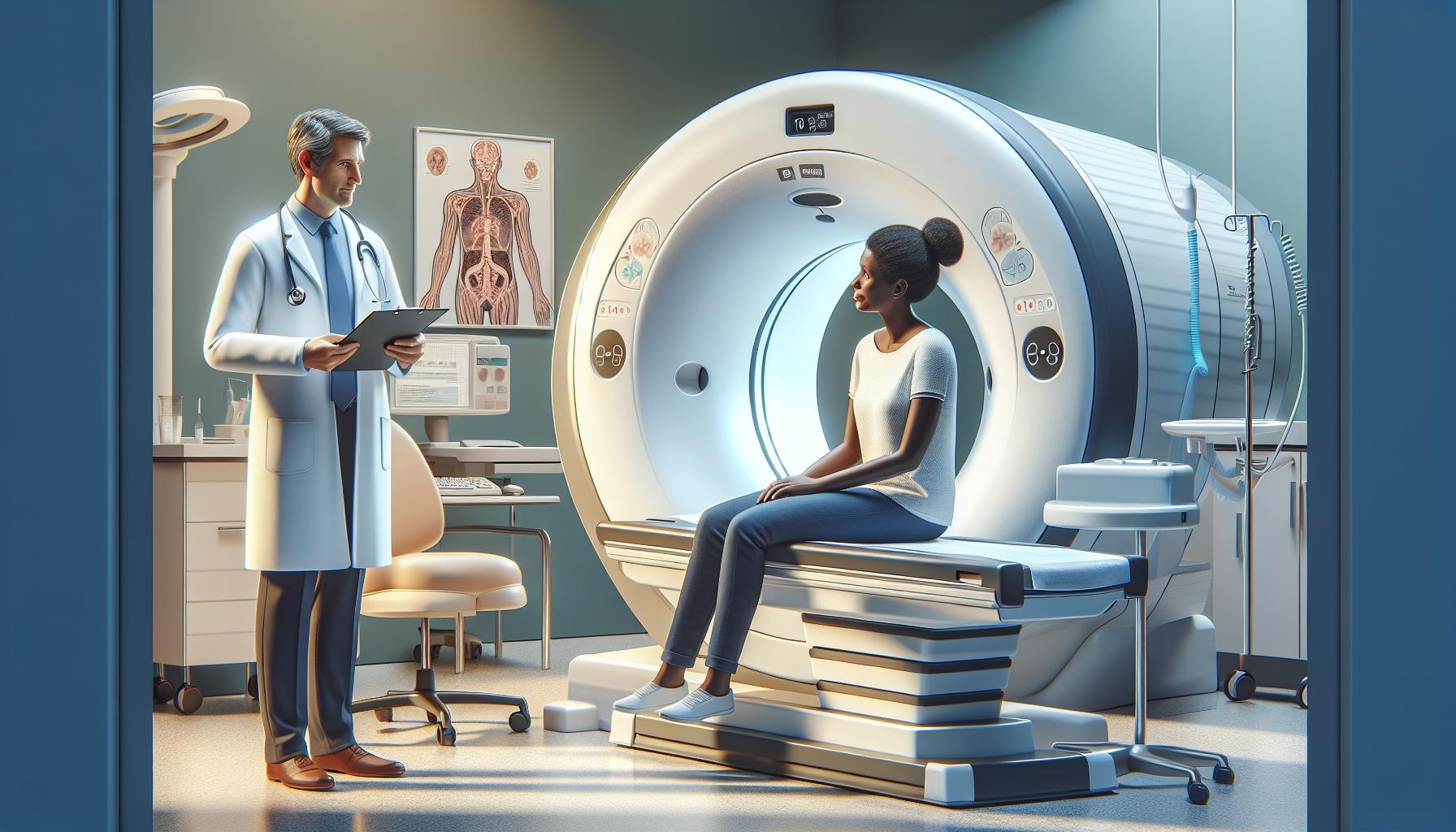
What to Expect During a CT Scan for Cancer
Undergoing a CT scan can feel daunting, especially when the purpose is to detect cancer. Understanding what to expect can help ease your mind and make the process more manageable. A CT scan, or computed tomography scan, is a non-invasive procedure that combines X-ray images taken from different angles. These images are processed by a computer to create detailed cross-sectional images of your body’s internal structures. This technology allows healthcare providers to see inside without making any incisions, offering crucial insights into potential tumors or abnormalities.
Prior to your scan, the technician may explain the procedure and answer any questions you might have. It’s crucial to wear comfortable clothing and, if necessary, you may be asked to change into a gown. Depending on the area being examined, you might need to avoid eating or drinking for a few hours beforehand. Occasionally, a contrast dye may be administered either by injection or orally to enhance image clarity. While some individuals may feel a warm sensation or slight discomfort during the injection, these feelings are usually temporary and manageable.
During the scan, you will lie on a motorized table that moves slowly through a hollow, cylindrical machine. The room is typically dimmed to help you relax. It’s important to remain still and may be required to hold your breath briefly, as movement can blur the images. The scan itself is painless and typically lasts only a few minutes. Be assured that the technicians are nearby and can communicate with you through a speaker, so if you feel anxious or uncomfortable at any point, you can let them know.
Once the images are captured, a radiologist will review them and send a report to your doctor, who will discuss the findings with you. While it’s natural to feel anxious about the results, remember that early detection through CT scans plays a vital role in effective cancer management, allowing for timely treatment options. It’s always beneficial to have open communication with your healthcare team, as they can provide guidance and support tailored to your individual circumstances.
Preparing for a CT Scan: Patient Guidelines
Preparing for a CT scan can significantly influence both your comfort during the procedure and the quality of the results obtained. Knowing how to prepare appropriately can alleviate anxiety and enhance the accuracy of the imaging, leading to potentially lifesaving insights.
First and foremost, it’s crucial to follow the guidelines provided by your healthcare team. These typically include dietary restrictions, especially if contrast dye will be used during the scan. You might be asked to avoid eating or drinking for several hours prior to the appointment. This fasting allows the contrast material to work more effectively, improving the clarity of the images. If your doctor suggests the use of contrast, be sure to inform them of any allergies, particularly to iodine, as this can affect the choice of contrast material.
Wear comfortable clothing and avoid garments with metal fasteners, zippers, or buttons, as these can interfere with the imaging process. You may also be required to change into a hospital gown for the scan. It’s a good idea to leave valuable items at home-jewelry, watches, and any other accessories that could cause confusion or delay. If you’re feeling unsure about the specifics, don’t hesitate to reach out to the imaging center prior to your appointment. They can provide detailed instructions tailored to your situation.
What to Bring
When visiting for your CT scan, make sure to bring:
- Your doctor’s referral and any prior imaging records.
- Insurance information or other payment details.
- A list of your current medications and medical history.
- Comfortable clothing that is easy to remove.
Lastly, prepare mentally for the experience. It can be helpful to practice relaxation techniques such as deep breathing or visualization to calm any nerves you may have. Understand that the scan itself is painless and quick, typically taking only a few minutes, and the healthcare team is there to help you throughout the process. By preparing adequately, you are taking an important step towards ensuring the best possible outcome from your CT scan, which is invaluable for early cancer detection and treatment planning.
Interpreting CT Scan Results: Key Indicators
Understanding the nuances of CT scan results can be vital in the journey towards effective cancer detection and treatment. Radiologists interpret these images for subtle signs indicative of malignancy, using a combination of visual patterns and quantitative measurements. For instance, the attenuation values, represented in Hounsfield Units (HU), help to differentiate tissues based on their density. Typical healthy tissue will yield a range of HU values; abnormal growths, on the other hand, might exhibit significantly higher or lower values, helping to signal potential issues.
A crucial aspect of interpreting CT scan outcomes involves recognizing specific indicators such as mass size, shape, and margins. For example, a well-defined, homogeneous mass may suggest a benign tumor, while irregular borders and a heterogeneous structure can raise concerns for malignancy. Additionally, the presence of lymphadenopathy-swollen lymph nodes-as observed on the scan may indicate spread or involvement of cancer, requiring further investigation or immediate action.
When receiving results, patience is key. It’s essential to schedule a follow-up consultation with your healthcare provider to discuss findings clearly and comprehensively. They will contextualize the images within your overall health, including any symptoms or concerns you’ve expressed, which is crucial for a tailored approach to diagnosis and treatment. Remember, while CT scans can provide critical insights, they are part of a larger diagnostic puzzle; other tests or symptoms will guide your medical team in making the most informed decisions.
Ultimately, being proactive and educated about what to expect from your CT scan results allows you to engage in discussions about your health with confidence. Empower yourself with questions and seek clarity wherever necessary-your health journey deserves careful attention and understanding.
Limitations of CT Scans in Cancer Detection
While CT scans are a powerful tool in the realm of cancer detection, they are not without their limitations. For many patients, it is essential to understand that these imaging techniques do not guarantee a definitive diagnosis. One significant issue is that certain cancers may not be visible on a CT scan, particularly at their early stages. For example, small tumors or those in specific locations can easily be overlooked, especially if they do not have distinct characteristics that set them apart from surrounding tissues.
Another limitation lies in the varying levels of sensitivity and specificity of CT scans for different types of cancers. Some tumors may produce imaging results that closely resemble benign conditions, leading to a higher rate of false positives. Conversely, certain malignancies might be missed entirely if they do not present with typical features. This uncertainty underscores the critical role of comprehensive evaluation and clinical assessment by healthcare professionals, who must synthesize imaging results with other diagnostic methods and patient history.
Additionally, the interpretation of CT images is inherently subjective and can vary significantly from one radiologist to another. This variability can impact the consistency of diagnoses. The issue becomes compounded in situations involving complex cases or overlapping pathologies, where distinguishing between a benign condition and cancer can be particularly challenging.
Ultimately, while CT scans provide invaluable insights, they represent just one component of a comprehensive diagnostic process. Patients should approach the results with an understanding that further diagnostic tests-such as biopsies, MRIs, or PET scans-might be necessary for a more accurate assessment of their health status. Engaging in open dialogue with healthcare providers and seeking second opinions when necessary can also empower patients to navigate the complexities of cancer detection.
Alternative Imaging Techniques for Better Diagnosis
In the quest for accurate cancer diagnosis, medical imaging offers a diverse toolkit beyond standard CT scans. While CT scans provide detailed cross-sectional images of the body, certain conditions may require alternative techniques to enhance detection rates. Each modality has unique features that can uncover aspects of pathology that a CT scan might miss, contributing to a more thorough diagnostic process.
Magnetic Resonance Imaging (MRI)
MRI employs strong magnetic fields and radio waves to produce high-resolution images, particularly effective for soft tissue visualization. This makes it invaluable in detecting tumors in the brain, spinal cord, and pelvic region. Unlike CT scans, MRIs do not involve ionizing radiation, which can be a concern for many patients. Additionally, MRI excels in distinguishing between benign and malignant tissues based on their chemical properties, providing essential clues for early cancer detection.
Positron Emission Tomography (PET) Scans
PET scans function by detecting metabolic activity rather than physical structure alone. By injecting a small amount of radioactive glucose, areas of high metabolic activity-often indicative of cancer-can be highlighted. This is particularly useful for assessing the spread of cancer (staging) and evaluating treatment effectiveness. Combining PET with CT scans (PET/CT) provides comprehensive insights by merging metabolic and anatomical information, greatly enhancing diagnostic accuracy.
Ultrasound
Ultrasound imaging utilizes sound waves to create images of soft tissues. This non-invasive method is often used for guiding biopsies and evaluating organ systems, such as the abdomen and pelvis. While not as definitive for diagnosis as some other modalities, an ultrasound can serve as a preliminary tool, especially in fluid collection or cystic lesions, and is often the first step in the assessment of an unknown mass.
Considerations for Patients
For patients navigating their options, it’s crucial to consult healthcare professionals who can evaluate individual symptoms and recommend appropriate imaging tests. Open communication about concerns and preferences regarding different imaging modalities fosters a supportive environment for making informed decisions. Each technique carries its own advantages and potential limitations, so a tailored approach enhances diagnostic outcomes. By understanding the roles of these alternatives, patients can engage more proactively with their healthcare journeys and seek the best path for early and effective cancer detection.
The Importance of Follow-Up Tests After CT Scans
Undergoing a CT scan can provide critical insights into the presence of tumors and other abnormalities, but it’s important to recognize that this initial imaging is often only the beginning of the diagnostic process. Follow-up tests play a vital role in confirming findings, determining the extent of disease, and guiding treatment decisions. While a CT scan can reveal suspicious areas, it does not always provide a definitive diagnosis. Therefore, follow-up tests, which can include additional imaging studies, blood tests, or biopsies, are essential to clarify the situation.
In many instances, a CT scan may detect a lesion that raises concern for malignancy. Your healthcare provider may recommend additional imaging techniques, such as MRI or PET scans, to gain different perspectives on the suspected abnormality. For instance, while CT scans excel at capturing structural details, MRIs can provide enhanced visualization of soft tissues, which may help differentiate between benign and malignant masses. This comprehensive approach ensures that your medical team has as much information as possible before deciding on a treatment plan.
Additionally, blood tests may be used to assess tumor markers, which can indicate the presence of specific types of cancer. In cases where cancer is strongly suspected based on CT findings, a biopsy-where a small sample of tissue is taken for laboratory analysis-may be crucial to confirm the diagnosis and tailor a treatment strategy. The combination of these follow-up measures creates a more complete picture, as they can reveal whether a tumor is aggressive, its potential spread, and how best to target it therapeutically.
Engaging in follow-up procedures can understandably be a source of anxiety for many patients. It’s essential to communicate openly with your healthcare team about any concerns or fears you may have. They can provide assurance and detailed explanations about the purpose and importance of these tests, helping to ease worries while emphasizing the role these tests play in ensuring your well-being. Remember, these steps are integral to achieving the best possible outcomes in cancer care. Consulting with medical professionals at each stage will empower you as an active participant in your health journey.
Advancements in CT Technology for Cancer Screening
Recent advancements in CT technology have significantly enhanced the capability of this imaging technique to detect cancers at earlier stages and with greater accuracy. One notable development is the introduction of high-resolution imaging, which allows for more detailed visualizations of structures within the body. This improvement means that even tiny tumors can be identified before they become more aggressive or spread to other areas. For instance, multi-detector CT scanners, which use multiple rows of detectors to capture more data per rotation, have been particularly effective in improving the sensitivity of tumor detection.
In addition to enhanced imaging capabilities, the integration of AI-driven algorithms and machine learning techniques into CT scan interpretation has revolutionized the diagnostic process. These technologies can analyze vast datasets rapidly, identifying patterns that may not be immediately visible to the human eye. By highlighting suspicious areas, AI tools assist radiologists by reducing the time spent on image evaluation and increasing diagnostic accuracy. This synergy between technology and human expertise ultimately leads to more reliable interpretations and quicker patient responses.
Furthermore, 253D reconstruction techniques have added a new dimension to CT imaging. This feature allows doctors to visualize complex structures in three dimensions, providing clearer insights into the location and extent of tumors. It aids in surgical planning by enabling surgeons to see the tumor in the context of surrounding tissues and organs, which is crucial for minimizing damage during procedures.
As these advancements continue to evolve, patients can feel a sense of reassurance knowing that the technology used in cancer detection is becoming more sophisticated. However, it remains essential to consult with healthcare professionals regarding the best imaging options based on individual health needs and conditions. Engaging in open discussions about the implications of these advancements ensures that patients are well-informed and can actively participate in their healthcare decisions.
Patient Stories: Real-Life Experiences with CT Scans
Every day, countless patients step into imaging centers, uncertain of what a CT scan might reveal about their health. For many, these scans play a pivotal role in early cancer detection, transforming fear into informed hope. Take Sarah, for example-a 45-year-old woman who had been experiencing unexplained pain in her abdomen. After undergoing a CT scan, doctors discovered a small tumor in its early stages. Thanks to this timely imaging, her treatment plan was initiated promptly, showcasing the essential role of CT scans in identifying potential health issues before they escalate.
Unique Perspectives on CT Experiences
Patients often share mixed feelings leading up to their scans. John, a retired teacher, recalls the anxiety of waiting for his appointment. However, he was reassured by the staff’s expertise and the non-invasive nature of the procedure. During the scan, he found comfort in hearing that the entire process would just take a few minutes. The clear, step-by-step explanations he received eased his concerns and made him feel more at ease. This kind of communication is crucial-understanding what to expect can help alleviate the stress often associated with medical procedures.
Transformative Impacts and Patient Empowerment
For others, the impact of their CT scan experience extends beyond personal health. Maria, a breast cancer survivor, found that sharing her story inspired those around her to prioritize their health screenings. She emphasizes the importance of advocating for oneself in healthcare: “Don’t hesitate to ask for a CT scan if you believe something is wrong. Early detection truly saves lives.” Her journey emphasizes a vital truth: feeling empowered in healthcare decisions can lead to better outcomes and encourages a culture of openness and proactive health management.
By listening to these real-life experiences, patients can learn that they are not alone in their worries. Most importantly, stories from individuals like Sarah, John, and Maria remind the community that while CT scans can seem daunting, they are a crucial ally in the fight against cancer. Every patient should embrace the opportunity to engage in their health care actively and consult with medical professionals to understand the best pathways for themselves.
Consulting Your Doctor: When to Consider a CT Scan
When it comes to assessing potential health issues, particularly those as serious as cancer, the decision to undergo a CT scan can feel overwhelming. Many patients wonder if a CT scan is necessary and how it can contribute to their diagnosis. Understanding the signs and symptoms that may prompt your physician to recommend a CT scan is essential in becoming an active participant in your healthcare journey.
If you are experiencing persistent symptoms such as unexplained weight loss, chronic pain, abnormal bleeding, or a lump that appears out of nowhere, discussing these concerns with your doctor is crucial. These symptoms might lead your physician to consider imaging tests like a CT scan to rule out or confirm the presence of cancer. It’s also important to consider your medical history and risk factors-such as family history or lifestyle choices-when evaluating the need for advanced imaging.
Key Considerations for a CT Scan
- Ask Questions: Don’t hesitate to reach out to your healthcare provider with any questions about the necessity of a CT scan. Understanding why it is being recommended can ease anxiety.
- Evaluate Symptoms: Make a list of any unsettling symptoms you’re experiencing, how long they’ve persisted, and any relevant family health history. This information can help your doctor make informed decisions.
- Discuss Results: After your scan, ensure you understand the results and the next steps, whether they indicate a need for further testing or the initiation of a treatment plan.
Your emotions about a CT scan-ranging from anxiety to uncertainty-are completely valid. Remember, a CT scan provides crucial visual insights that can aid in diagnosing issues early, potentially leading to more effective treatment options. Engaging in this dialogue with your physician not only reassures you but also empowers you to advocate for your health. Ultimately, the decision to proceed with a CT scan should always follow an open and informed discussion with your healthcare provider.
Faq
Q: Can a CT scan detect all types of cancer?
A: No, a CT scan cannot detect all types of cancer. While it is effective for visualizing many solid tumors, some forms of cancer, like blood cancers, may not be identifiable. It’s essential to consult your healthcare provider about the best imaging methods for specific cancers.
Q: How early can a CT scan detect cancer?
A: A CT scan can detect cancer at various stages, but early detection largely depends on the type of cancer and its location. Some cancers may show changes in the earliest stages, while others might not be visible until they have progressed.
Q: How accurate are CT scans in diagnosing cancer?
A: CT scans are generally accurate in identifying abnormalities, but they can sometimes produce false positives or negatives. It’s crucial to consider results alongside other tests and clinical evaluations for a reliable diagnosis.
Q: What are the risks of having a CT scan?
A: The primary risk of a CT scan is exposure to radiation, which can increase the risk of cancer over time. However, the benefits of diagnosing serious conditions often outweigh these risks. Always discuss concerns with your doctor before the procedure.
Q: What factors can affect the visibility of cancer on a CT scan?
A: Factors influencing visibility include the size and location of the tumor, the type of cancer, patient movement during the scan, and the quality of the imaging equipment used. Early-stage cancers may be more challenging to detect.
Q: How should I prepare for a CT scan to ensure accurate results?
A: Preparation may include fasting for a few hours before the scan and informing your doctor of any medications or existing health conditions. Follow your healthcare provider’s instructions for specific preparation guidelines.
Q: Are there alternative imaging techniques to detect cancer?
A: Yes, alternatives like MRI, PET scans, and ultrasounds are available. Each has its advantages and limitations, and the choice often depends on the specific clinical situation and cancer type. Discuss options with your doctor for personalized advice.
Q: What should I do if my CT scan shows abnormal results?
A: If your CT scan indicates abnormalities, follow up with your healthcare provider for further evaluation. This may include additional imaging, biopsy, or other tests to determine the nature of the abnormality and the next steps.
Key Takeaways
Understanding how cancer may show up on a CT scan is crucial for early detection and peace of mind. Remember, while CT scans are a powerful tool in identifying tumors and abnormalities, consulting with a healthcare professional is essential for personalized interpretation and guidance. To further empower yourself, check out our articles on the benefits of regular screenings and how to prepare for your CT scan, ensuring you have the best experience.
Don’t wait-take charge of your health today! Consider signing up for our newsletter for the latest insights on cancer detection and much more. Your next steps could significantly impact your well-being, so explore our resources and feel free to reach out with any questions or concerns. Here’s to your health and informed choices; we’re here to support you every step of the way!