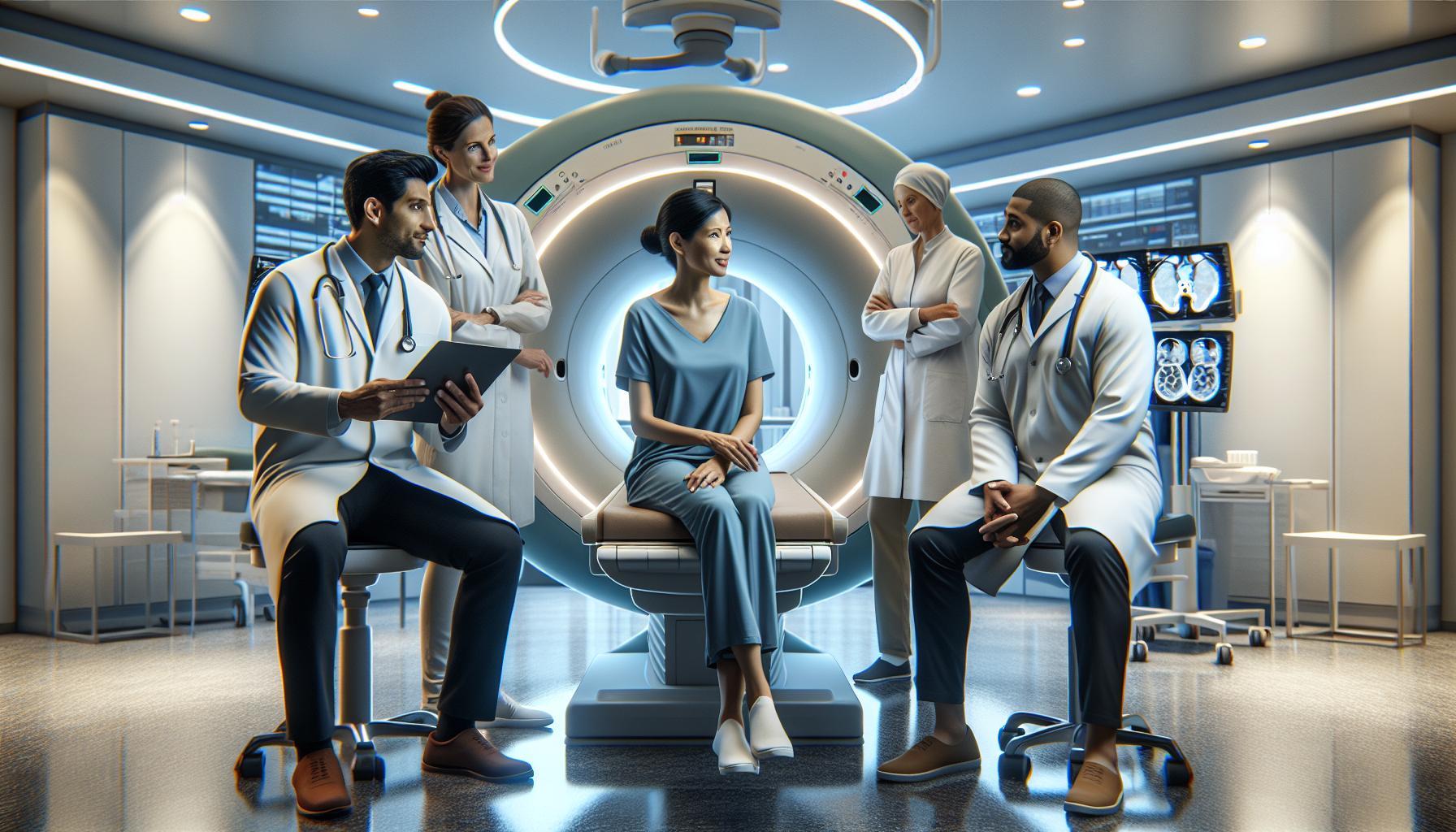
In urgent situations, knowing where to get a CT scan quickly can make all the difference in receiving timely medical care. A CT scan is a vital imaging tool that helps diagnose conditions ranging from fractures to tumors, enabling healthcare providers to assess the situation swiftly. Whether it’s for an unexpected injury or a troubling symptom, understanding your options for emergency and walk-in CT scans can alleviate concerns and help you take the next steps in your care journey.
With the right information, you can navigate the healthcare landscape more effectively. Many facilities now offer immediate access to CT imaging, providing peace of mind when time is of the essence. This guide will explore where you can find these services today, ensuring you stay informed and prepared when health challenges arise. Remember, getting the right imaging at the right time is crucial – let’s uncover the locations and options available to you.
Where to Find CT Scans Near Me Today
Finding a CT scan facility nearby can often feel daunting, especially when time is of the essence. Fortunately, there are various options available for obtaining this crucial imaging test, whether you’re experiencing an emergency or looking for a more convenient walk-in service. Most hospitals and diagnostic imaging centers are equipped to perform CT scans, and many are now offering extended hours to accommodate patients’ needs.
To locate a CT scan service near you, consider starting with a quick online search using terms like “CT scan near me” or “emergency imaging services.” This will provide a list of local facilities, including hospitals, outpatient imaging centers, and urgent care facilities. Additionally, you can reach out to your primary care physician or specialists who may have recommendations based on their knowledge of your condition and local resources.
It’s essential to check if the facility is equipped with the latest technology for clear and accurate imaging. Look for facilities that provide additional services like same-day appointments or walk-in availability, which can significantly reduce wait times. In emergency situations, local hospitals often have radiology departments that operate 24/7, ensuring that you receive care when you need it most.
Before heading to a facility, it’s advisable to call ahead to confirm availability, hours, and whether you need a referral or appointment. Many providers are also equipped to handle urgent cases and can facilitate faster imaging when necessary, allowing you to receive timely diagnostics and treatment. Remember, if you’re ever in doubt, consulting with a healthcare professional is always the best course of action to ensure you’re receiving the appropriate care for your specific situation.
Understanding CT Scans: What to Expect
A computed tomography (CT) scan is more than just an advanced imaging tool; it’s a significant gateway to diagnosing various medical conditions with precision. Understanding what to expect from your CT scan experience can alleviate anxiety and prepare you for the process ahead. Unlike traditional X-rays, CT scans provide detailed cross-sectional images of the body, allowing doctors to visualize organs, bones, and tissues in ways that are not ordinarily possible. This advanced technology is crucial for identifying abnormalities, assessing injuries, and guiding treatment decisions.
Before your appointment, you may be asked to change into a gown and remove any metal objects, such as jewelry or belts, which could interfere with the imaging. Some scans require the use of a contrast agent, which may be given through an intravenous line or taken orally. While this contrast is generally safe for most patients, it is essential to inform your healthcare provider of any allergies or kidney issues you may have.
During the actual scan, you will lie on a table that moves into a donut-shaped machine. It’s completely painless, though some patients may feel slight discomfort from lying still or from the IV contrast. The machine will generate a series of images while you are asked to hold your breath for a few seconds at a time-this helps eliminate motion blur. The entire process usually takes 10 to 30 minutes, and you’ll have plenty of time to ask the technician any questions that arise.
After your scan, the images will be evaluated by a trained radiologist, who will send a report to your physician. Your doctor will then discuss the results with you, explaining what they mean in the context of your health. It’s important to remember that while a CT scan can provide critical information, any findings will be interpreted alongside your medical history and other tests to ensure the most accurate diagnosis and treatment plan. Keeping an open line of communication with your healthcare provider can help address any concerns and clarify the next steps in your care journey.
Emergency vs. Walk-In CT Scan Services
In moments of uncertainty, knowing where to turn for imaging services can make a significant difference in your healthcare experience. When considering CT scan options, understanding the distinction between emergency and walk-in services is crucial for timely and appropriate care. Emergencies often arise unexpectedly-be it due to an accident, sudden severe pain, or any condition that necessitates immediate attention. In such cases, hospital emergency rooms (ERs) are typically equipped for urgent situations, enabling rapid access to CT imaging as part of the diagnostic process. Patients are usually prioritized based on the severity of their condition, thus if a CT scan is deemed necessary, it will be done as quickly as possible to inform treatment decisions.
Conversely, walk-in CT scan services cater to patients who may not be experiencing an urgent medical crisis but still require imaging. These facilities are often found in outpatient centers or diagnostic imaging clinics, allowing for more flexible scheduling without needing an appointment. They can be an excellent option for follow-up scans, screening purposes, or if your healthcare provider suggests further investigation into a non-urgent health issue. Patients utilizing walk-in services often report shorter wait times compared to emergency settings, though it’s always advisable to call ahead, as availability can vary based on demand.
When contemplating which service to use, reflect on your symptoms and the urgency of your situation. If you think your condition might worsen or requires immediate medical intervention, visiting an ER is the best choice. However, for less urgent cases, a walk-in CT scan can provide both expediency and convenience without overburdening emergency services. Remember, consulting with a healthcare professional about your symptoms can provide clarity on the best course of action for obtaining necessary imaging. Prioritizing your health and ensuring you have access to the information you need can empower you to make informed decisions during stressful times.
Preparing for Your CT Scan: A Step-by-Step Guide
Preparing for a CT scan can be a straightforward process, but knowing what to expect can ease any anxiety you may have about the procedure. The key to a smooth experience lies in proper preparation, both mentally and physically. Understanding the essentials can make this diagnostic tool work effectively for you.
First, it’s important to communicate with your healthcare provider regarding any medications you are currently taking and any health conditions you have. They may give you specific instructions based on your individual needs. Generally, you might be asked to wear comfortable, loose-fitting clothing to allow for ease of movement and to prevent interference with the imaging. If you’re instructed to avoid food or drink for a certain period before your scan-especially if contrast dye is involved-following these guidelines can significantly improve the quality of the images obtained.
Additionally, depending on the area being scanned, you may need to remove any jewelry, watches, or metal objects that could obstruct the imaging process. Understanding contrast injections can also be beneficial. If contrast material is to be used, ensure you inform the staff about any allergies, particularly to iodine or shellfish, as this might impact their approach.
On the day of the scan, arrive at the facility with ample time to complete any necessary paperwork and to undergo preliminary assessments like vital checks. During the procedure, the technician will guide you, which may involve lying on a moving table that slides into the scanner. It’s essential to stay still during the imaging, as movement can affect the results. The entire procedure typically lasts only a few minutes, and the clarity of the results will contribute to your physician’s ability to provide a precise diagnosis.
Being well-prepared not only enhances the effectiveness of your CT scan but also helps to foster a sense of calm, allowing you to focus on your health and subsequent care. If you have any questions or uncertainties, don’t hesitate to reach out to the healthcare professionals ahead of the appointment; they are there to support you through the entire process.
Cost of CT Scans: What You Need to Know
The cost of a CT scan can vary significantly, often leaving patients wondering what to expect when seeking this imaging service. On average, while the total charge for a CT scan in the United States can reach around $3,000 or more, many patients actually find themselves paying between $300 to $800 out of pocket, particularly if they have insurance or choose an outpatient facility that offers competitive pricing [[1]]. Understanding these financial aspects can alleviate some stress, making the process more approachable.
When considering where to obtain a CT scan, patients have several options. Emergency rooms usually offer CT imaging as part of their services, but this can be the most expensive route. On the other hand, walk-in clinics or outpatient imaging centers typically provide more affordable solutions and can often accommodate same-day appointments. Comparing facilities in your area may include checking for both price and the availability of advanced options or specific technologies.
However, it’s essential to consider factors that can influence the final cost. For instance, the area of the body being scanned, the complexity of the scan, and whether or not contrast material is used can all affect the total fee. Insurance plans can also significantly impact your out-of-pocket costs. Patients should verify their coverage beforehand to avoid unexpected expenses. Consulting with the imaging facility about their billing practices and payment plans can provide further financial clarity and help you make informed decisions.
Ultimately, being proactive and informed about the potential costs associated with CT scans will empower you as a patient. This way, you can focus more on your health needs rather than the financial burden associated with diagnostic imaging. When in doubt, reach out to your healthcare provider and the imaging facility for guidance tailored to your situation.
Safety of CT Scans: Myths vs. Facts
While many patients worry about the safety of CT scans, understanding the distinctions between myths and facts can ease those concerns and promote informed decision-making. One common myth is that CT scans expose patients to dangerously high levels of radiation. In reality, the amount of radiation used in a single CT scan is comparable to that of several standard X-rays or is roughly equivalent to the background radiation a person would be exposed to over a few years. Medical professionals are very careful to ensure that the benefits of the scan-such as thorough evaluation and diagnosis-outweigh any potential risks.
Understanding Risks
Every imaging test has its own associated risks, and it’s crucial to discuss these with your healthcare provider. The primary concern with CT imaging is radiation exposure, particularly for young children and pregnant women. In these cases, doctors may opt for alternative imaging methods, such as ultrasound or MRI, which do not involve radiation. It’s essential to let your medical team know about any past imaging to avoid unnecessary repeat scans.
Communicating with Healthcare Providers
Before undergoing a CT scan, patients should feel empowered to ask questions. Here are some queries that can be beneficial:
- What is the purpose of the CT scan?
- How will the results impact my treatment or diagnosis?
- Are there alternative imaging methods I should consider?
Being adequately informed helps alleviate anxiety and prepares you for what to expect during the procedure. Those navigating the healthcare system can rest assured that radiologists and technicians are trained to provide safe, precise imaging services.
In conclusion, while CT scans serve as a vital diagnostic tool, knowledge is essential for managing any fears regarding safety. Engaging in open conversations with your healthcare team ensures that your health remains the primary focus and that you receive the best possible care tailored to your needs.
Interpreting CT Scan Results: What Comes Next
Receiving the results of a CT scan can evoke a range of emotions, from anxiety to relief. Understanding what to expect next can help ease the uncertainty surrounding the outcome. Once the images are captured, a radiologist-an expert in interpreting medical images-will analyze the scans to identify any abnormalities or issues. They will generate a formal report detailing their findings and send it to your healthcare provider. Typically, this process can take anywhere from a few hours to a couple of days, depending on the facility’s workflow and the urgency of the case.
What Happens After the Report is Generated?
Once your healthcare provider receives the report, they will schedule a follow-up appointment with you to discuss the findings. It’s essential to prepare for this meeting by noting any symptoms or concerns you might want to address. Understanding the terminology and implications of the results can be confusing, so don’t hesitate to ask your provider questions. For example, you might inquire:
- What were the main findings from the CT scan?
- How do these results influence my current treatment plan?
- Are there any additional tests or follow-up scans needed?
This dialogue not only clarifies the next steps but also helps you feel more involved in your healthcare decisions.
Real-World Example
Consider a case where someone underwent a CT scan due to persistent abdominal pain. After the scan, the radiologist noted signs of inflammation in the appendix. When the patient met with their doctor, the findings were explained in detail, and they discussed treatment options, including surgery. This proactive engagement can significantly impact the patient’s understanding and comfort level, facilitating a collaborative approach to their care.
In summary, while the wait for CT scan results can be nerve-wracking, open communication with your healthcare provider is key to navigating what comes next. Being informed and involved in your healthcare journey empowers you, ensuring your health is managed with the utmost attention and care.
When to Seek a CT Scan: Signs and Symptoms
When your health is in question, knowing when to seek a CT scan can significantly ease your mind and provide essential insights into your condition. CT scans utilize advanced imaging technology to allow healthcare providers to view cross-sectional images of your body, leading to effective diagnosis and treatment planning. There are several signs and symptoms that may warrant a CT scan.
For instance, if you experience persistent pain in areas such as the abdomen, chest, or back, particularly if it’s accompanied by other symptoms like fever or unexplained weight loss, it’s crucial to consult with your healthcare provider. These could indicate underlying issues that need immediate attention. Additionally, traumatic injuries, such as those sustained from accidents or falls, can lead to internal bleeding or damage to organs, where a CT scan becomes vital for a comprehensive assessment.
Moreover, chronic symptoms, such as headaches that are worsening or changes in vision, may signal more serious conditions like tumors or aneurysms. Seek a CT scan if you’re dealing with shortness of breath, chest pain, or sudden changes in health status, as these may indicate conditions that could escalate rapidly if not assessed in a timely manner.
It’s essential to remember that while self-assessing can provide some clarity, only a qualified healthcare provider can determine the necessity for a CT scan based on your symptoms and medical history. If you’re considering walk-in options or emergency services, don’t hesitate to reach out for help. Taking proactive steps in your healthcare can lead to early detection and better outcomes.
Comparing CT Scans to Other Imaging Options
When considering imaging options for health assessments, understanding the distinctions between CT scans and other modalities is crucial. CT scans are particularly effective for providing detailed cross-sectional images of organs, bones, and tissues, offering healthcare providers a comprehensive view for diagnosis. However, various other imaging techniques exist, each with unique benefits and appropriate applications.
Key Imaging Modalities
- X-rays: The most basic form of imaging, X-rays are commonly used for examining bone fractures and joint issues. They are quick and widely available but provide limited information about soft tissues.
- Ultrasound: This imaging technique employs sound waves to create images of soft tissues and organs. It’s often used during pregnancy or to examine abdominal organs. Ultrasound is non-invasive and carries no radiation risk, but it may not penetrate as deeply into the body as CT scans.
- Magnetic Resonance Imaging (MRI): MRI uses powerful magnets and radio waves to generate detailed images, particularly effective for brain, spinal cord, and joint assessments. While providing more contrast for soft tissues compared to CT scans, MRIs are time-consuming and generally more expensive.
- Positron Emission Tomography (PET) Scans: Often combined with CT scans (PET/CT), this imaging type shows metabolic activity and can help in cancer diagnosis and monitoring. It is highly effective for identifying disease progression but is typically reserved for specific cases due to cost and availability.
Situational Usage
In emergency situations, CT scans are often the preferred choice due to their speed and diagnostic capabilities, especially for detecting internal injuries or bleeding after trauma. On the other hand, if a healthcare provider suspects a more chronic or developmental issue, they may recommend an MRI or ultrasound based on the patient’s specific symptoms.
Every imaging technique has its strengths, and the choice will depend on various factors, including the clinical question to be answered, the patient’s condition, and the urgency of the situation. Engaging in a thoughtful discussion with your healthcare provider will help clarify which imaging option is best suited for your needs and circumstances. Remember, being well-informed empowers you to make the best decisions for your health.
Patient Stories: Experiences with CT Scans
Undergoing a CT scan can be a daunting prospect for many patients, especially when faced with uncertainty about what the experience will be like. Hearing firsthand accounts from others can provide valuable reassurance and insight. For instance, Sarah, who went to the local emergency room after experiencing severe abdominal pain, recalls how her physician quickly ordered a CT scan to determine the cause. “I was nervous at first, especially with the loud noises of the machine,” she shared. “But the technicians were incredibly kind and explained every step of the way, which helped ease my anxiety.”
In another example, Michael had a CT scan at a walk-in clinic after hurting his leg in a sports accident. He appreciated the convenience and quick assessment. “I walked in, filled out some paperwork, and was called back for the scan within minutes. The whole process was so streamlined!” he said. His experience highlights the growing availability of these scans outside conventional hospital settings, offering flexibility for patients who need immediate care but want to avoid emergency departments.
It is also common for patients to want reassurance about safety. Emma, who had her first CT scan, was concerned about the radiation exposure. Her doctor took the time to explain the benefits versus the risks of the procedure, emphasizing how the imaging would lead to a better treatment plan. “After speaking with him, I felt much more comfortable going through with it. It was a necessary step, and I knew I was in good hands,” she recounted. This underscores the importance of clear communication between healthcare professionals and patients to alleviate fears and foster understanding.
In each case, the experience with CT scans was not merely about the procedure but the support received along the way-from the staff’s professionalism to the clarity of medical advice. For those considering where to get a CT scan today, whether in an emergency room or a walk-in clinic, these stories remind us that empathy and communication play crucial roles in healthcare, making patients feel seen, heard, and cared for throughout the process.
Telemedicine and CT Scans: Options for Remote Consultations
In today’s fast-paced world, the convenience of telemedicine has revolutionized access to healthcare services, including the vital imaging procedures like CT scans. Patients no longer have to navigate the challenges of in-person visits, especially when dealing with discomfort or mobility issues. With remote consultations, you can discuss symptoms, medical history, and concerns with a healthcare provider from the comfort of your home, making it easier to determine if a CT scan is necessary.
When utilizing telemedicine for CT scans, the process typically begins with a video consultation. During this appointment, a healthcare professional will evaluate your situation, discussing potential symptoms or concerns that may require imaging. This interaction allows for immediate guidance on the following steps, such as scheduling an appointment for the scan at a local facility or answering questions about preparation. Additionally, many providers are equipped to discuss what you might expect from the CT scan, alleviating any anxiety surrounding the procedure.
One of the significant advantages of telemedicine is the flexibility it offers. If you find a need for a CT scan during a late-night consultation or over the weekend, you can often connect with a provider outside traditional office hours, facilitating prompt diagnosis and treatment. Furthermore, telemedicine opens up broader options for where to obtain your scan, allowing you to compare local facilities or choose one affiliated with your healthcare provider that may offer better services or pricing.
For those considering remote consultations before scheduling a CT scan, be sure to prepare for your telemedicine appointment by gathering any relevant medical history and a list of your current medications. Keeping these details on hand can enhance the efficiency of your consultation, ensuring comprehensive care. Despite the distance, telemedicine retains a strong patient-centered approach, emphasizing clear communication, empathy, and support throughout your healthcare journey.
FAQ
Q: Where can I find a walk-in CT scan clinic near me?
A: To find a walk-in CT scan clinic nearby, check local urgent care facilities or imaging centers. Resources like Google Maps or healthcare provider websites can guide you to available services. Always call ahead to confirm availability.
Q: What should I do if I need an emergency CT scan?
A: If you need an emergency CT scan, go to the nearest hospital’s emergency department. They have imaging services available 24/7. Be prepared to explain your symptoms clearly to healthcare professionals for expedited care.
Q: Are there any 24-hour CT scan facilities?
A: Some hospitals and emergency imaging centers offer 24-hour CT scan services. Check with local hospitals or their websites for information on round-the-clock availability. It’s advisable to call ahead to confirm.
Q: Can I schedule a same-day appointment for a CT scan?
A: Yes, many imaging centers allow for same-day appointments for CT scans. Contact your local clinics directly or use their online booking system to secure a time slot, especially if it’s urgent.
Q: Do I need a referral for a CT scan at walk-in clinics?
A: While some walk-in clinics may allow self-referral for CT scans, most require a doctor’s referral. Check the specific clinic’s policies when planning your visit to avoid delays.
Q: How can I prepare for a walk-in CT scan today?
A: Preparation for a walk-in CT scan may include fasting for a few hours beforehand and removing metallic objects. Call the clinic for specific instructions to ensure an efficient process.
Q: What are the risks of getting a CT scan in an emergency?
A: While CT scans are generally safe, risks include radiation exposure and allergic reactions to contrast materials. In emergency situations, the benefits of diagnosis typically outweigh these risks. Consult your healthcare provider for more details.
Q: How much will a walk-in CT scan cost without insurance?
A: The cost of a CT scan without insurance can vary significantly, typically ranging from $300 to $3,000. It’s best to contact local imaging centers for specific pricing and inquire about payment plans if necessary.
In Retrospect
Finding a CT scan when you need it most is crucial, especially in emergency situations or when walk-in options are available. To ensure you receive the care you deserve, don’t hesitate to explore nearby urgent care centers, hospitals, or specialized imaging facilities today. Your health is a priority, and timely access to medical imaging can make all the difference.
If you have more questions about CT scans, including preparation tips or what to expect during the procedure, visit our guides on CT Scan Safety and Understanding Imaging Costs to empower yourself with knowledge. For ongoing insights and updates, consider subscribing to our newsletter, where we share valuable resources and tips on medical imaging. Don’t wait-take action now to secure your health and peace of mind!