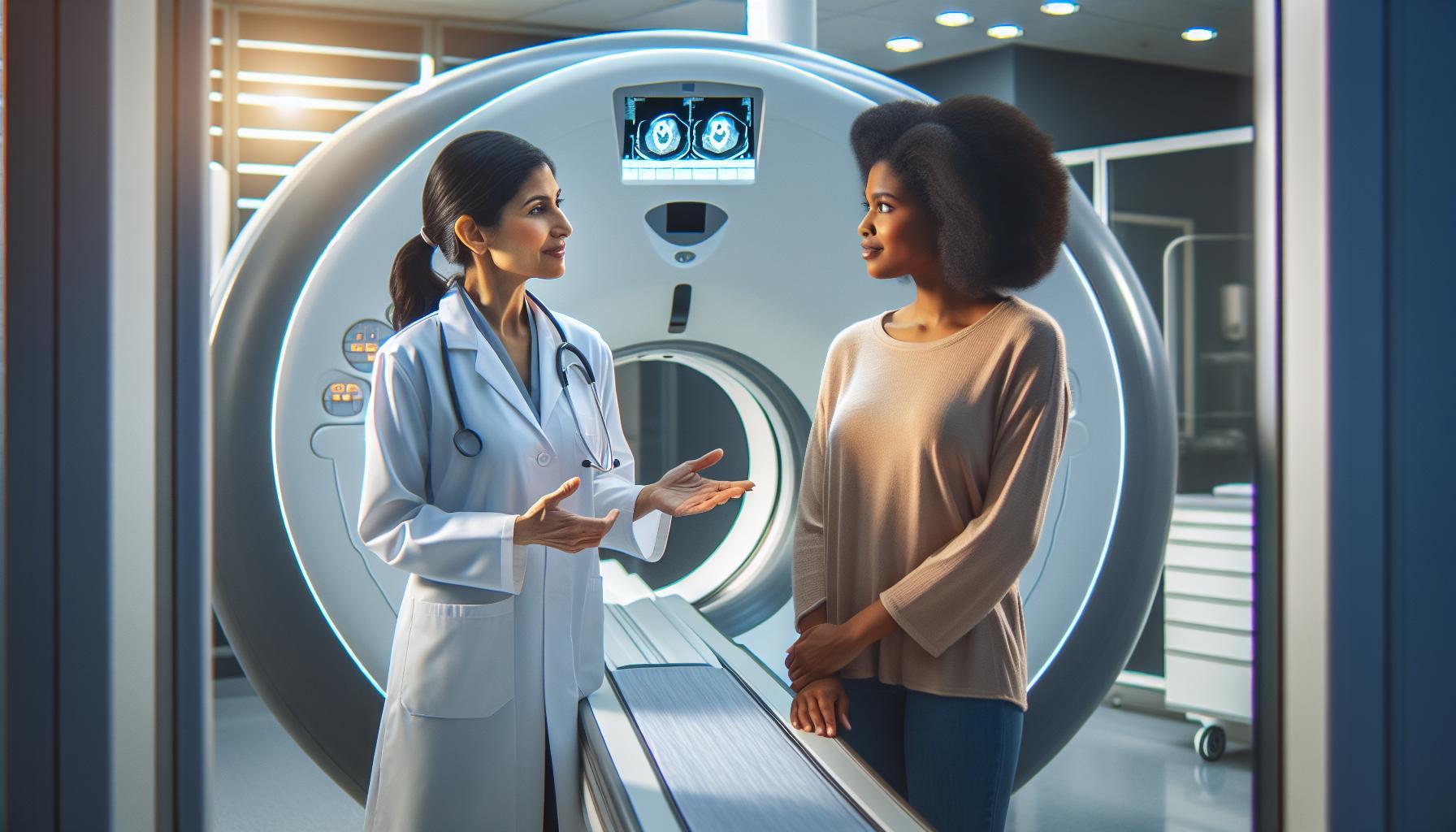
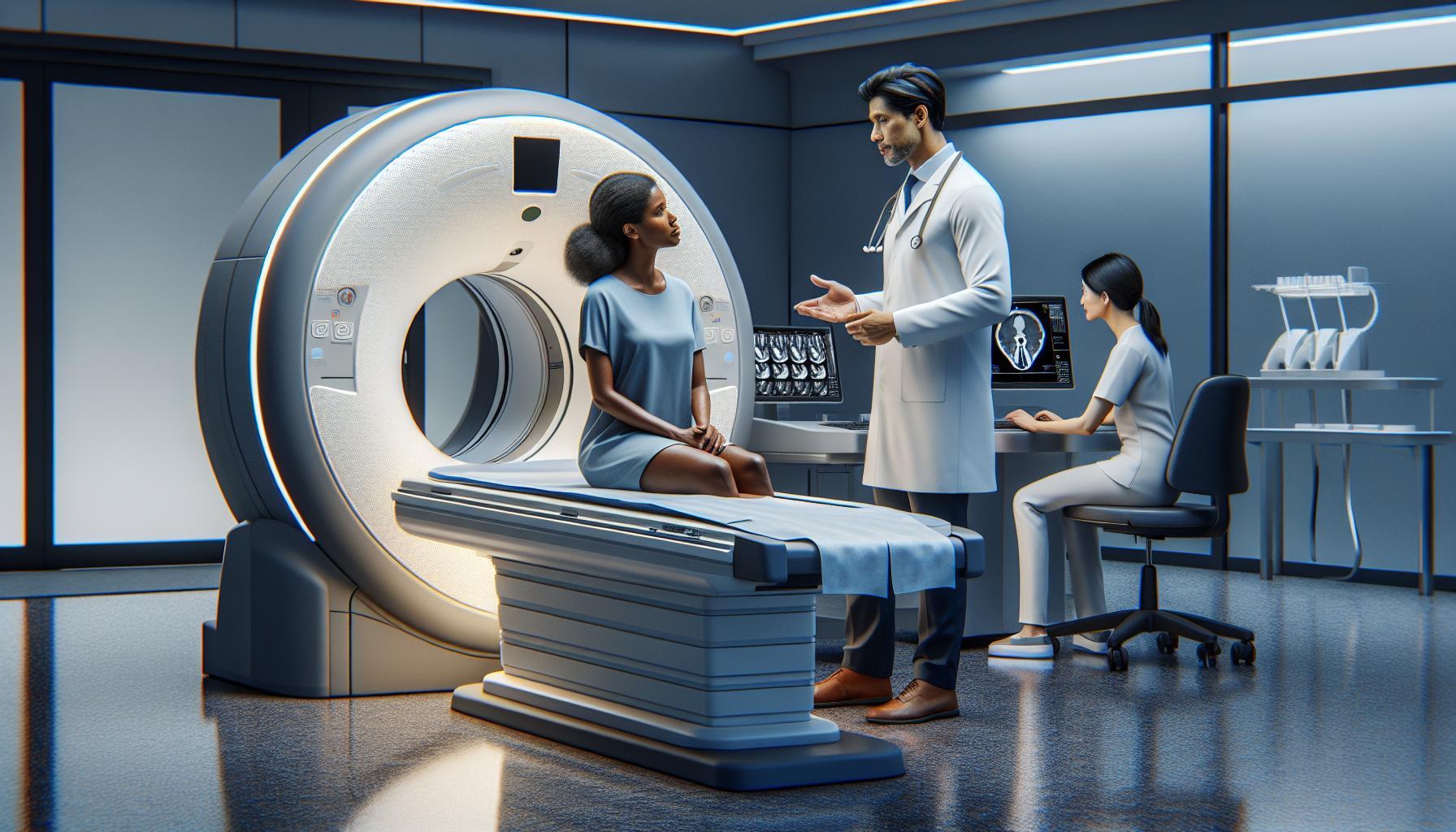
Preparing for a CT scan can be a source of anxiety for many, especially when it comes to dietary restrictions before the procedure. One common question that arises is whether it’s safe to enjoy a cup of coffee beforehand. Understanding the preparation guidelines is essential not only for your comfort but also for ensuring accurate imaging results.
While caffeine is a beloved morning ritual for countless people, its effects on your body may impact your scan results. Navigating these prep guidelines can help alleviate your concerns, minimizing uncertainty and empowering you to be well-prepared.
In this article, we’ll explore why certain restrictions are in place and offer clear advice on what you can consume before your CT scan. Follow along to ensure your upcoming appointment goes smoothly and contributes to your overall health journey.
Can You Drink Coffee Before a CT Scan? Understanding the Impact
It’s common for those preparing for a CT scan to wonder if they can enjoy a cup of coffee beforehand. While the thought of skipping your morning ritual may seem daunting, understanding its impact on the imaging process can help ease anxiety. Caffeine, found in coffee, is a stimulant that can affect your metabolism and bodily functions. This raises important questions regarding its influence on the clarity and accuracy of CT scan results.
Before undergoing a CT scan, it’s essential to follow the specific guidelines given by your healthcare provider, as they may vary based on the type of scan and the area being examined. Caffeine can potentially alter your body’s reaction to the imaging, especially if an intravenous contrast dye is used during the scan. Consuming coffee may lead to increased heart rates or anxiety, which might impede the technician’s ability to capture stable images. In some cases, caffeine may cause intestinal distention, which can obscure image clarity. Therefore, it’s often advisable to avoid caffeinated beverages, including coffee, in the hours leading up to the procedure.
To make the best decision for your situation, keep in mind the following practical considerations:
- Consult with your doctor: Always adhere to your healthcare provider’s instructions regarding food and drink prior to a CT scan.
- Stay hydrated: Water is typically encouraged, as hydration can aid in the imaging process and recovery post-scan.
- Consider the timing: If you’re unsure, you might opt for decaffeinated options or wait until after the procedure to enjoy your regular coffee.
By taking these factors into account, you can better prepare for your CT scan while feeling more in control of the process. Ultimately, clear communication with your healthcare team will help ensure that your scan goes smoothly, allowing for the most accurate results.
Why Proper Preparation for a CT Scan Matters
Proper preparation for a CT scan is essential for ensuring the most accurate and clear results. Many patients may not realize that their actions before the scan can significantly influence the quality of the images produced. For instance, while the thought of skipping that morning cup of coffee might seem unthinkable, understanding its effects can provide clarity and reduce any pre-scan anxiety.
Caffeine, found in coffee and other beverages, can stimulate the nervous system and affect heart rates. Elevated heart rates may interfere with image stability during the scan, making it more challenging for technologists to capture clear images. Additionally, caffeine can cause gastrointestinal distress or gases, potentially leading to obstructions that further complicate the diagnostic images. Therefore, sticking to the guidelines provided by your healthcare provider regarding food and drink is crucial.
To optimize preparation, patients should prioritize hydration and adhere to any fasting instructions specific to their procedure. Drinking plenty of water helps ensure that the body is hydrated, which is beneficial for kidney function, especially when contrast agents are used. Maintaining clear communication with your healthcare team also empowers you to understand the importance of these preparations, addressing any concerns or questions you may have.
By taking preparation seriously, you contribute to a smoother imaging process and, ultimately, more accurate diagnoses. This preparation not only enhances the efficiency of the procedure but also helps lessen the likelihood of needing repeat scans, thus reducing both wait times and emotional stress. The more informed and prepared you are, the more confident you can feel as you approach this important step in your healthcare journey.
The Science Behind CT Scans and Caffeine
The impact of caffeine on medical imaging, particularly during a CT scan, is an important consideration as it can significantly affect both the process and outcomes. Caffeine, primarily found in coffee, is a stimulant known for altering various body functions, such as increasing heart rate and affecting circulation. These physiological changes can complicate the imaging process by introducing motion artifacts on the scans. When heart rates rise, the stability needed for clear and precise imaging diminishes, making it harder for radiologists to interpret the results accurately.
Moreover, caffeine’s influence extends beyond heart rate; it can lead to various gastrointestinal reactions, such as bloating and gas, which might further obscure internal views during imaging. Gas, in particular, can create the illusion of polyps or other abnormalities on scans, leading to unnecessary follow-up tests and anxiety. Since CT scans rely on clear images for accurate diagnosis, minimizing potential disruptions caused by caffeine is essential.
Those preparing for a CT scan should actively consider the guidelines provided by their healthcare provider regarding caffeine consumption. Avoiding coffee before a scan is often recommended to ensure optimal imaging results. The goal is to promote a smoother process for both the patient and the medical team, facilitating an accurate diagnosis without the need for repeated imaging due to unclear results. Embracing this precaution can empower patients, alleviating anxiety about the upcoming procedure while supporting effective communication with their healthcare providers.
In summary, understanding how caffeine interacts with the body’s systems during a CT scan can help patients make informed choices. By adhering to preparation guidelines, individuals contribute to the precision of their medical evaluations, paving the way for timely and effective treatment.
Is Coffee Safe Before a CT Scan?
While the comforting aroma of coffee may be a cherished part of your morning routine, when it comes to undergoing a CT scan, it is advisable to think twice before indulging. Coffee, a popular source of caffeine, can trigger physiological responses such as increased heart rate and changes in circulation, both of which can adversely affect the clarity of CT images. This heightened cardiovascular activity can introduce motion artifacts during the imaging process, leading to less precise scans that may compromise the accuracy of your diagnosis.
It’s essential to recognize that caffeine’s impact extends beyond cardiac responses. It can also provoke gastrointestinal reactions like gas and bloating, further obscuring the visual landscape that radiologists rely on for interpretation. Such disturbances can mislead medical professionals, potentially resulting in unnecessary follow-up procedures or increased anxiety for you, the patient. Because clear and unobstructed images are critical for effective diagnosis, healthcare providers often recommend avoiding coffee and other caffeinated beverages in the hours leading up to your CT scan.
To ensure you receive the safest and most effective imaging results, consult with your healthcare provider about specific guidelines regarding caffeine consumption prior to your scan. They can offer personalized advice based on your medical history and the type of CT scan being performed. Understanding these recommendations empowers you to take an active role in your preparation, ultimately enhancing the quality of care you receive and reassuring any concerns you may have about the procedure. Embracing this precaution can signify a commitment to your health, fostering a collaborative environment between you and your medical team.
Effects of Caffeine on Imaging Results
Caffeine is often a cherished part of many people’s daily routines, but its impact on medical imaging, specifically CT scans, merits serious consideration. Even though the boost in alertness from that morning cup might feel beneficial, it’s crucial to understand how caffeine can affect imaging results. Primarily, caffeine induces physiological changes that can interfere with the clarity of CT images, potentially compromising the accuracy of diagnoses. For instance, caffeine can lead to an increase in heart rate and blood pressure, which may cause slight movements within the body during the scan process. This motion can introduce artifacts-unwanted distortions-that may obscure important diagnostic details.
Moreover, caffeine can provoke gastrointestinal issues such as gas or bloating, which can further cloud the visualization of internal structures. This poses a challenge for radiologists who rely on clear images to identify potential health issues accurately. Unintended alterations in the imaging results may lead to misinterpretations, unnecessary follow-up tests, and heightened anxiety for patients anxious about their health. Given the importance of obtaining precise scans, most healthcare providers recommend abstaining from coffee and other caffeinated beverages several hours before the procedure.
As you prepare for your CT scan, it’s beneficial to consider not just what to avoid, but also the kind of environment and mindset to foster. Try to maintain a calm state before your appointment, as stress can also impact heart rate and blood pressure. Ensuring a clear pathway for accurate imaging isn’t just about avoiding caffeine; it’s about creating the best conditions for your healthcare team to perform their jobs effectively. Remember, your healthcare provider is the best resource for guidance tailored to your situation, supporting you in making informed choices about your health and well-being leading up to your CT scan.
Steps to Prepare for Your CT Scan
In preparation for a CT scan, it’s crucial to follow certain guidelines to ensure the best possible imaging results. One vital step is to limit or avoid the intake of caffeinated beverages like coffee prior to your scan. Caffeine can lead to physiological changes that may alter your heart rate and blood pressure, potentially resulting in movement during the procedure, which could introduce artifacts in the images and obscure important diagnostic details.
To facilitate a smooth experience, here are some recommended steps to get ready for your CT scan:
Preparation Steps
- Consult Your Healthcare Provider: Before your appointment, discuss any medications or supplements you are currently taking, as some may need to be adjusted.
- Avoid Caffeine: Refrain from consuming coffee and other caffeinated products at least four to six hours before your scan. This will help minimize any potential impact on your results.
- Stay Hydrated: Drink plenty of water unless instructed otherwise. Proper hydration can help your body prepare for the procedure and may aid in the effectiveness of the imaging process if contrast dye is used.
- Follow Dietary Guidelines: Depending on the type of CT scan you are having, you may need to adhere to specific dietary restrictions. Your doctor will provide detailed instructions, which may include fasting for a certain period.
- Arrive Early: Get to your appointment ahead of time. This allows for check-in, necessary paperwork, and any pre-scan protocols you may need to complete.
Maintaining a calm and relaxed state before your scan can also contribute positively to the experience. Try visualization techniques or deep breathing exercises to reduce any anxiety you might feel about the procedure. Ultimately, by taking these steps, you’ll not only support the accuracy of the test results but also enhance your overall experience. Always remember, your healthcare provider is your best guide through this process, so don’t hesitate to contact them with any questions or concerns you may have regarding your CT scan preparation.
Alternatives to Coffee Before Your Scan
Choosing the right beverage in the hours leading up to a CT scan can significantly influence your comfort and the quality of the results. While coffee is often a go-to for many, exploring alternatives can help maintain your relaxation and ensure that your body is prepared for imaging. Herbal teas, such as chamomile or peppermint, can be excellent substitutes that provide warmth and comfort without the stimulating effects of caffeine. These options can also serve to soothe any pre-scan anxiety.
Water is another top choice-it keeps you hydrated and supports the imaging process, particularly if contrast dye is necessary for your scan. Staying well-hydrated aids in flushing out any potential remnants of medication or contrast from your system afterward. Additionally, if you desire some flavor, infused water can provide a refreshing twist. Adding slices of fruit, such as lemon or cucumber, can improve the taste without introducing caffeine.
If you find that you enjoy hot beverages, try decaffeinated coffee or a caffeine-free tea blend. Many herbal teas not only relax the mind but can also support digestion, which may be beneficial if dietary restrictions apply. Engaging in a cup of your favorite flavored tea can provide the comfort of a warm drink while ensuring you adhere to preparation guidelines.
As you prepare for your scan, remember that consulting with your healthcare provider can offer tailored advice specific to your situation, including recommendations on what best suits your needs while maintaining the integrity of the imaging process.
Common Myths About Coffee and CT Scans
Many individuals approach their CT scan preparation with a variety of beliefs, particularly concerning the consumption of coffee. One prevalent myth is that drinking coffee directly before a CT scan will improve the quality of images. On the contrary, caffeine can affect your body in ways that may compromise the clarity of imaging. The stimulating properties of caffeine might cause increased heart rate and anxiety, both of which can make it challenging for you to remain still during the procedure-an essential factor for obtaining clear images.
Another common misconception is that any beverage consumed before the scan is acceptable. However, while clear liquids like water are usually permitted, caffeinated beverages, including coffee, can lead to dehydration if consumed excessively. Dehydration can hinder the contrast imaging process, particularly if you are required to ingest or receive contrast dye during the scan. Remaining adequately hydrated is vital to ensure that the contrast material circulates properly in your bloodstream, allowing for better visualization of the areas being studied.
Patients often wonder if it’s alright to have coffee on the day of the scan if they are feeling anxious. While it’s understandable to seek comfort from familiar routines, opting for caffeine could exacerbate feelings of nervousness. Instead, consider soothing alternatives like herbal teas or warm water to help calm your mind without introducing stimulants. Always remember that discussing any doubts or concerns with your healthcare provider is crucial; they can offer tailored guidance based on your specific situation and the details of the scan, ensuring you’re well-prepared and at ease.
What to Expect During the CT Scan Process
During a CT scan, it’s essential to understand what the experience entails to alleviate any apprehensions. As you arrive at the imaging center, you will typically check in at the reception, where you’ll provide some basic information and confirm any details regarding your procedure. It’s a good time to ask any last-minute questions that might be on your mind. You’ll be guided to a changing area where you may need to change into a gown, which helps maintain cleanliness and provides comfort during the scan.
Once in the scanning room, the CT technologist will explain the procedure, detailing what to expect and how long it will take, typically around 10 to 30 minutes. You’ll be asked to lie down on a narrow table that will slide into the CT scanner, which resembles a large doughnut. This part can be intimidating for some, but rest assured that the table is designed for your comfort, and the scanner is not closed-in like an MRI machine. It’s crucial to remain as still as possible during the scan to ensure high-quality images, so the technologist may advise you on breathing techniques or offer calming suggestions.
If contrast dye is needed for a clearer image, you might receive it through an IV. The dye can provide additional information about blood flow and tissue characteristics but is generally well-tolerated. You may feel a warm sensation in your body as the dye is administered, which can be surprising but is perfectly normal. The CT scan will take several images of the area being studied from different angles, which the radiologist will later analyze.
Throughout the process, you will not be alone. The technologist will monitor you and communicate through an intercom, providing reassurance and instructions as needed. Once the scan is completed, you can resume your daily activities; there’s usually no downtime required. If you had contrast, your healthcare provider may discuss any post-scan instructions regarding hydration or monitoring for any side effects.
Being informed about the CT scan process not only helps reduce anxiety but also empowers you to advocate for your health. Remember, if you have specific concerns-such as previous reactions to contrast dyes or questions about coffee consumption on the day of your scan-bring these up with your healthcare provider in advance. They are there to ensure your experience is as comfortable and informative as possible.
Post-Scan Considerations: Eating and Drinking
After completing a CT scan, it’s important to follow some simple guidelines regarding eating and drinking to ensure your recovery goes smoothly. While there are generally no restrictions post-scan, especially if you didn’t receive contrast dye, some patients may have noticed changes in their body or are unsure about what they can safely consume.
If you were administered a contrast dye during your CT scan, your healthcare provider will likely emphasize the importance of staying hydrated. Drinking plenty of fluids helps flush the dye out of your system and can prevent any potential side effects, such as dehydration or constipation. It’s wise to avoid caffeinated drinks, including coffee, and opt for water, herbal tea, or clear broths for the first day after your scan. Staying hydrated supports your kidneys and aids in the expulsion of the contrast material from your body.
In addition to hydration, you can generally resume your normal diet unless your healthcare provider advises otherwise. Listen to your body-if you feel discomfort after eating or drinking, it may be beneficial to start with light meals. Gentle, easily digestible foods such as toast, rice, or bananas are good options, particularly if you experience any gastrointestinal upset.
Ultimately, while many people feel completely normal after a CT scan, being mindful of your body’s signals and maintaining adequate hydration is key. If you have any lingering concerns or questions about what you can eat or drink after your scan, don’t hesitate to contact your healthcare provider for personalized advice. Your health and comfort are their top priority, and they’re there to support your recovery fully.
Consulting Your Healthcare Provider: When to Ask
Consulting with your healthcare provider before undergoing a CT scan can significantly enhance your comfort and understanding of the procedure. Awareness of what to discuss can alleviate concerns and help you prepare effectively. Whether it’s the safety of consuming coffee prior to the scan, the impact of caffeine on your imaging results, or even anxiety about the procedure itself, being proactive in your communication is key.
It’s important to address specific questions, such as: “Can I have caffeine before my CT scan?” Often, your doctor will recommend avoiding coffee due to its potential effects on imaging clarity and bodily reactions during the scan. If you have a routine that includes coffee, informing your provider can help them offer tailored advice. They might guide you on alternatives and provide reassurance regarding your regular habits.
Moreover, each individual’s medical history plays a pivotal role. If you have pre-existing conditions, such as anxiety or gastrointestinal issues, these should be communicated effectively. Your healthcare provider can offer specific preparation strategies that align with your health needs, making the entire experience more manageable. For instance, if you tend to feel jittery from caffeine, they may suggest alternative beverages that will keep you calm without compromising your scan results.
Remember, this is your health, and the more informed you are, the better equipped you’ll be to navigate the process. Do not hesitate to reach out with any concerns-no question is too small, and your peace of mind is paramount. The goal of your healthcare team is to support you fully through this experience, ensuring you understand what to expect and how to prepare appropriately.
Q&A
Q: Can I have coffee the morning of my CT scan?
A: It’s generally recommended to avoid coffee before a CT scan. Caffeine can interfere with the imaging results and may affect your body’s hydration levels. Always consult with your healthcare provider for specific instructions regarding your appointment.
Q: What types of beverages are safe to drink before a CT scan?
A: Clear fluids like water or broth are usually safe to consume before a CT scan. Avoid any beverages with caffeine, dairy, or high sugar content. For detailed prep guidelines, refer to the “Steps to Prepare for Your CT Scan” section.
Q: Is it necessary to fast before a CT scan that requires contrast?
A: Yes, if you’re scheduled for a CT scan with contrast, fasting for a few hours beforehand is often required. Check your specific instructions as some protocols may vary based on the type of scan.
Q: What should I do if I accidentally drink coffee before my CT scan?
A: If you accidentally consume coffee, inform your healthcare team immediately. They may decide to reschedule your scan to ensure optimal imaging results. Refer to the “Consulting Your Healthcare Provider” section for more insights.
Q: How long before a CT scan should I stop eating and drinking?
A: It is typically advised to stop eating and drinking at least 4 hours before a CT scan that requires contrast. For scans that don’t require contrast, this may not be necessary. Please confirm with your healthcare provider.
Q: Can I take my regular medications before a CT scan?
A: Most medications can be taken before a CT scan, but it’s important to consult your physician, especially if your medications contain caffeine or ingredients that may affect hydration. Check out the “Consulting Your Healthcare Provider” section for more guidance.
Q: Will drinking water help with my CT scan preparation?
A: Yes, staying hydrated with water is essential, especially if you’re undergoing a CT scan with contrast. It helps your body process the contrast agent effectively. Follow tips in the “Steps to Prepare for Your CT Scan” section for best practices.
Q: Are there any specific foods I should avoid before a CT scan?
A: Avoid heavy, fatty, or spicy foods before your CT scan, especially if it’s with contrast. These may cause digestive issues that can affect imaging. Check specific dietary restrictions in the “Steps to Prepare for Your CT Scan” section for detailed information.
Concluding Remarks
Now that you’re equipped with the essential guidelines for preparing for your CT scan, it’s crucial to remember that your comfort and understanding are key to a successful experience. If you’re still unsure about whether you can consume coffee before your scan, don’t hesitate to reach out to your healthcare provider for personalized advice. For more insights on medical imaging preparations, explore our detailed guides on “Preparing for Your First CT Scan” and “Understanding CT Scan Results.”
Take charge of your health today by subscribing to our newsletter for the latest updates on medical procedures and tips tailored for you. Engaging with your health is empowering-share your thoughts in the comments below, or connect with others on our social platforms. Your knowledge and questions can pave the way for a healthier, more informed community!