
Experiencing a CT scan with contrast can be a daunting process for many, often leaving patients wondering what comes next, especially when it comes to nutrition. After this imaging procedure, it’s crucial to choose the right foods that support recovery and help your body eliminate contrast materials effectively. Understanding what to eat can make a big difference in your comfort and overall well-being.
Incorporating the right foods not only aids in digestion but also assists in replenishing your body’s nutrients. For many, the desire to alleviate any lingering discomfort or digestive upset is paramount. By addressing these concerns and providing practical dietary tips, this guide aims to empower you with knowledge for a smoother recovery. Let’s explore the best post-scan eating habits that keep you nourished and feeling your best, so you can focus on your health and recovery.
What to Eat After a CT Scan: Best Foods for Recovery
After undergoing a CT scan, especially one that involves contrast agents, the foods you choose to consume can significantly influence your recovery process. It’s essential to focus on nourishing your body with the right nutrients, which not only support healing but also help mitigate any lingering side effects from the contrast material.
Opt for easily digestible foods that are gentle on your stomach in the hours following your scan. Lean proteins, such as chicken, turkey, or fish, can be particularly beneficial as they help repair tissues and keep you satisfied. Incorporating a variety of vegetables-preferably cooked to aid digestion-such as carrots or spinach, can provide essential vitamins and minerals. Avoid heavy, greasy meals that could upset your stomach; foods like fried items or too much dairy might exacerbate any discomfort.
Staying hydrated is equally crucial. Drinking ample water helps flush the contrast material out of your system and aids digestion. Aim to drink at least 8-10 glasses of water in the first day after your scan. If you’re feeling particularly fatigued or dehydrated, electrolyte-rich options like coconut water or clear broths can replenish lost nutrients and improve energy levels.
For those who experience digestive discomfort following a CT scan, consider incorporating probiotics into your diet. Foods such as yogurt (if tolerated), kefir, or fermented vegetables can help restore the balance of good bacteria in your gut. If symptoms persist or if you’re unsure about what to eat, it’s always best to consult your healthcare provider for personalized advice tailored to your specific situation. Remember, your body worked hard during the procedure, and offering it the right fuel can make a significant difference in your recovery journey.
Understanding Contrast Agents: What They Are
When it comes to medical imaging, contrast agents play a crucial role in enhancing the clarity of the images obtained during procedures such as CT scans. These substances, often iodine-based, are introduced into the body to amplify the visibility of organs, tissues, and blood vessels on the scans. Understanding what contrast agents are and how they function can alleviate concerns surrounding their use. Essentially, these agents help healthcare providers identify abnormalities in areas that might otherwise be difficult to visualize.
Contrast agents work by altering the way X-rays penetrate the body. The iodine present in these agents is particularly effective because it absorbs X-rays more than the surrounding tissues, creating a stark contrast that enhances the diagnostic quality of the images. Patients may receive these agents orally or intravenously, depending on the area being examined. For instance, if a scan focuses on the gastrointestinal tract, patients might be asked to drink a contrast solution before the procedure. Alternatively, intravenous contrast may be administered to highlight blood vessels and organs.
While most individuals tolerate contrast agents well, some may experience side effects, ranging from mild reactions like warmth or a metallic taste in the mouth to more serious allergic responses. It’s vital to communicate any known allergies or previous reactions to contrast agents with your healthcare provider before the procedure. Moreover, hydration becomes essential post-scan; drinking plenty of fluids aids in clearing the contrast material from your system, minimizing potential side effects and promoting a smoother recovery.
At the heart of your recovery, remember that these advanced imaging techniques are designed to enhance your healthcare experience. By providing clearer, more detailed information, contrast agents empower your doctors to make informed decisions, paving the way for effective treatment plans. Always consult with your healthcare provider for personalized advice regarding contrast agents and what to expect during your imaging procedures. This proactive approach ensures you feel comfortable and informed throughout the process.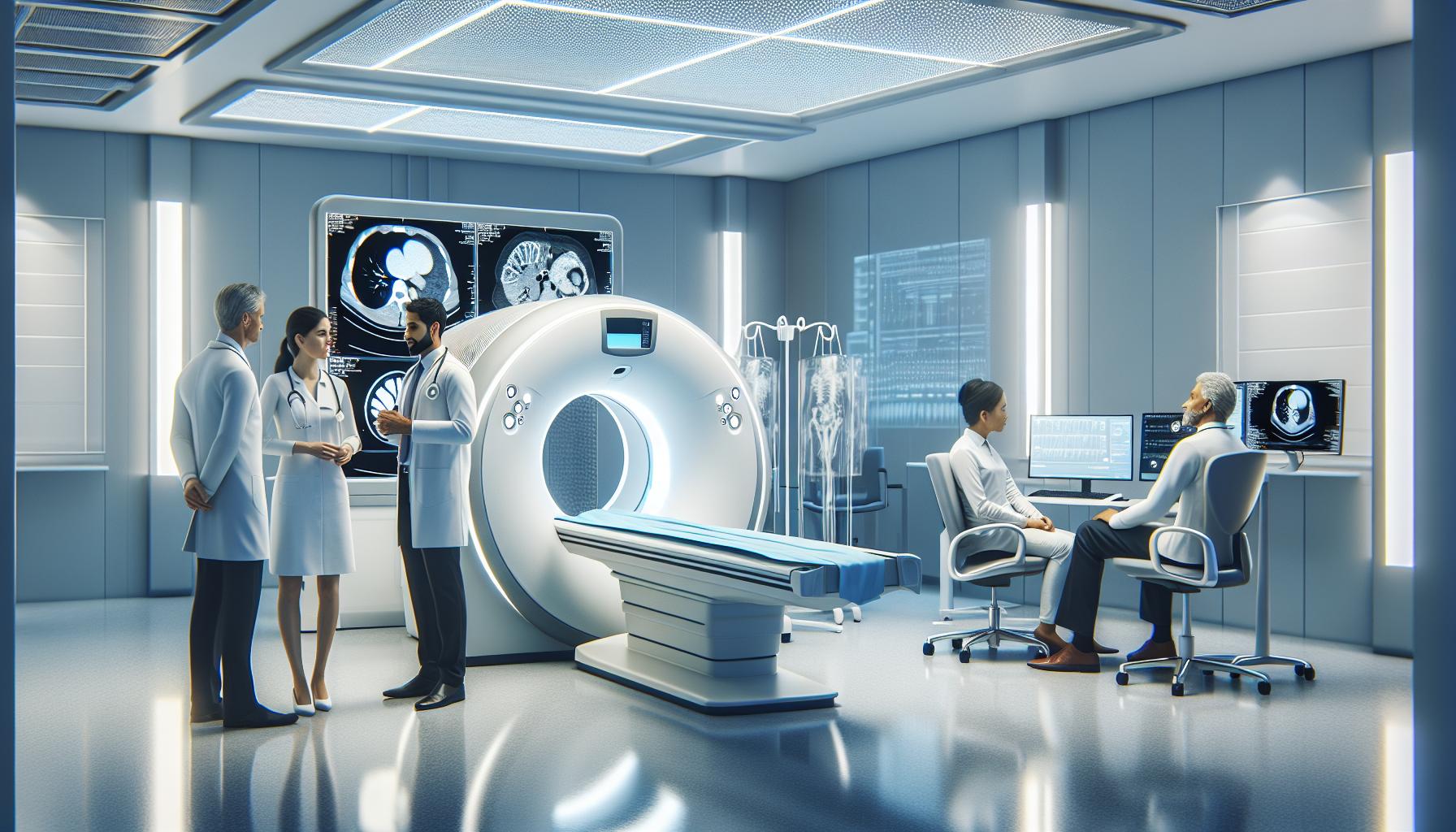
Healing Your Body: Nutritional Needs Post-Scan
After undergoing a CT scan with contrast, it’s vital to nourish your body to assist in its recovery process. Your dietary choices can significantly influence how well your body bounces back, allowing you to replenish nutrients lost during the procedure and support overall health. Providing yourself with the right foods can also ease any digestive discomfort that may arise from the contrast materials.
A well-rounded, nutrient-dense diet is essential in facilitating recovery post-scan. Focus on incorporating a variety of nutrient-rich foods, including:
- Fruits and Vegetables: These are packed with vitamins, minerals, and antioxidants. Opt for easily digestible options like bananas, applesauce, or steamed vegetables to help soothe your digestive system.
- Whole Grains: Brown rice, quinoa, and whole grain bread are excellent sources of fiber that promote digestive health and help maintain energy levels.
- Protein Sources: Include lean proteins such as chicken, fish, tofu, or legumes to aid in tissue repair and support immune function.
- Healthy Fats: Foods like avocados, nuts, and olive oil provide essential fatty acids that can help reduce inflammation and aid in recovery.
Ensuring your plate is colorful not only makes meals visually appealing but also ensures a diverse intake of nutrients. Consider hydrating options like soups or broths, which can help settle your stomach while also boosting hydration levels.
In the immediate hours after your scan, it might be wise to start with gentle foods. If you’ve experienced any gastrointestinal distress or bloating, sticking to bland options like oatmeal or rice can be beneficial. As your body adjusts, gradually reintroducing a broader range of foods will help in normalizing digestion and restoring balance. Always listen to your body’s cues and consult with your healthcare provider if you have specific dietary concerns or lingering symptoms.
With mindful eating and proper hydration, you can effectively support your recovery journey while ensuring that your body has the necessary tools to thrive post-CT scan.
Hydration Matters: Importance of Water Intake
Maintaining proper hydration is crucial after undergoing a CT scan with contrast. The contrast agents used in these scans can sometimes lead to dehydration, as they require the body to process and excrete excess fluids. Drinking water following your scan helps flush these substances from your system and supports your kidneys in doing their job effectively. Staying hydrated can also mitigate potential side effects such as nausea, dizziness, or headaches that may arise after the procedure.
To ensure optimal hydration, it is recommended to consume at least 8-10 glasses of water daily. This is especially important in the first 24 hours post-scan. You might find it helpful to keep a water bottle nearby as a reminder to drink regularly. Additionally, hydrating foods, such as water-rich fruits (like watermelon and oranges) and vegetables (like cucumbers and celery), can contribute to your overall fluid intake while also providing essential nutrients that support recovery.
While water is the best option, herbal teas and clear broths can also be beneficial, particularly if you experience any gastrointestinal discomfort. Avoid caffeinated beverages in the initial hours after your scan, as caffeine can act as a diuretic and may exacerbate dehydration. Listening to your body is key; if you feel thirsty or notice darker urine, it is a sign you need to increase your fluid intake.
By prioritizing hydration, you empower your body to recover more smoothly after the CT scan. Always remember to consult with your healthcare provider for personalized advice, especially if you have any existing health conditions or concerns about your hydration needs post-procedure.
Foods to Avoid After a CT Scan with Contrast
After a CT scan that employs contrast agents, being mindful of your dietary choices is crucial for a smooth recovery. The contrast material used during the procedure can sometimes cause gastrointestinal discomfort or other reactions in the body. To promote effective healing and minimize potential side effects, certain foods should be avoided in the immediate aftermath of the scan.
High-fat foods, such as fried items and heavy sauces, can exacerbate feelings of nausea or upset stomach, which are possible side effects following a contrast scan. Similarly, highly processed foods and those rich in sugars, like sweets and pastries, can lead to fluctuations in blood sugar levels, potentially heightening any feelings of discomfort. Instead, opting for light, easily digestible meals can be more soothing for your system.
Additionally, it’s wise to steer clear of dairy products if you experience any digestive issues post-scan. Dairy can be tough on the stomach and might contribute to bloating or discomfort, especially when paired with the effects of the contrast agent. On the other hand, bland foods like toast, crackers, and rice can be easier on your digestive system and may help absorb excess stomach acid.
Avoiding caffeine and alcohol is also advisable, as both can lead to dehydration. Since hydration is a priority after your scan, focusing on hydrating foods and clear liquids is a better choice. Listening to your body’s signals is key; if certain foods seem to worsen any post-procedural side effects, it’s a good idea to eliminate those from your diet temporarily. Always consult with your healthcare professional for tailored advice regarding your specific health needs and recovery after a CT scan with contrast.
Timing Your Meals: When to Eat Post-Procedure
After undergoing a CT scan with contrast, the timing of your meals can significantly impact your recovery experience. It’s essential to listen to your body and allow it to dictate when you’re ready to eat again. Typically, you may feel a bit different after the scan due to the contrast material, which can affect your digestion or lead to temporary discomfort. Therefore, waiting until you feel comfortable before reintroducing meals is crucial.
Most healthcare providers recommend waiting at least an hour after your CT scan before consuming anything. This allows your body to start processing the contrast agent. It’s wise, to begin with, light liquids such as water, broth, or clear juices to assess how your system responds. If you feel well and there are no adverse reactions, you can gradually progress to solid foods, starting with easily digestible options.
Understanding Meal Timing
Consider dividing your meals into smaller, more frequent portions throughout the day rather than sticking to large meals. This approach can help alleviate any discomfort and support digestion. Opt for foods like bananas, toast, or rice, which are gentle on the stomach. Here’s a simple timeline of meal timing after your scan:
- Immediately After the Scan: Begin with fluids to stay hydrated.
- After One Hour: If feeling well, try light solid foods.
- Within 24 Hours: Gradually return to a normal dietary pattern, monitoring how your body reacts.
Being mindful of what and when you consume food post-scan can streamline your recovery. Each person’s reaction may differ, so it’s crucial to adapt your meal schedule to what your body tells you. If you experience any discomfort or unusual symptoms, it’s essential to consult your healthcare provider for guidance tailored to your situation.
Gut Health: Restoring Digestive Balance After Contrast
After your CT scan with contrast, it’s common to experience some digestive disruption due to the contrast material used during the procedure. Your gastrointestinal system may need a little time to bounce back and restore its natural balance. Supporting your gut health through proper dietary choices can play a significant role in a smooth recovery.
Incorporating fiber-rich foods can be particularly beneficial as they help in promoting regular bowel movements and can alleviate any potential constipation caused by the contrast dye. Foods like oatmeal, fruits (such as apples and pears), vegetables (like broccoli and spinach), and whole grains can encourage healthy digestion. Probiotic-rich foods, such as yogurt or kefir, can also aid in restoring the balance of gut flora, which may have been temporarily affected.
Staying hydrated is crucial after the procedure. Drinking adequate water not only helps flush out the contrast material but also supports overall digestive function. Adding hydrating fruits, such as watermelon or oranges, can enhance your fluid intake while providing essential vitamins and minerals. Remember to avoid overly processed or heavy foods, which can burden your digestive system.
As your gut responds to these changes, pay attention to how you feel. If you notice persistent discomfort or any unusual gastrointestinal symptoms, consulting your healthcare provider is vital to ensure that everything is progressing well. Listening to your body and making mindful food choices can pave the way for a swift and comfortable recovery.
Supplements to Consider After Your CT Scan
Following a CT scan that utilizes contrast agents, many individuals seek ways to support their recovery and minimize any potential side effects. Supplements can play a significant role in bolstering your body’s natural healing processes and restoring balance after the procedure. While your body is generally quite capable of processing and eliminating the contrast material, certain supplements can offer additional support for your overall health and well-being.
One important supplement to consider is Selenium, a powerful antioxidant that helps protect cells from damage. Foods rich in selenium include Brazil nuts, fish, and eggs, but supplementation may also be beneficial if your dietary intake is low. Similarly, Vitamin C and Vitamin E are excellent for enhancing antioxidant defenses. They can help combat oxidative stress that may result from the contrast agents used in imaging. Inclusion of these vitamins in your post-procedure routine can be beneficial not just for recovery but also for immune function.
Another area of focus should be Omega-3 fatty acids, often found in fish oil or flaxseed oil supplements. Omega-3s have been shown to reduce inflammation and promote heart health, both of which are essential during your recovery period. Additionally, considering the importance of gut health after the potential disruption caused by contrast agents, probiotics can be particularly beneficial. These supplements help restore the natural balance of bacteria in your digestive tract, which may be crucial for alleviating any digestive discomfort experienced post-scan.
Before starting any new supplement routine, it is essential to consult with your healthcare provider. They can tailor recommendations based on your individual health needs and ensure that any supplements will not interfere with other medications or conditions. Remember, while supplements can support your recovery, they are most effective when used alongside a balanced diet and adequate hydration. Taking the time to embrace these practices can empower your body to heal more effectively after your CT scan.
Tips for Managing Side Effects of Contrast
Experiencing side effects after a CT scan with contrast can be disconcerting, but understanding how to manage these effects can significantly ease your recovery. Many patients report sensations ranging from temporary nausea to feeling flushed or experiencing mild discomfort at the injection site. These symptoms are usually short-lived, but taking proactive steps can help you feel more comfortable and return your body to its normal state.
To address common side effects, staying hydrated is paramount. Drink plenty of water before and after the procedure to assist your kidneys in processing the contrast material effectively. This helps in flushing out any remnants from your system and can alleviate feelings of nausea. Alongside hydration, incorporating ginger tea or peppermint can be beneficial. Both have natural anti-nausea properties that may help settle your stomach.
Another consideration is your diet following the scan. Consuming light, easily digestible foods can help mitigate digestive discomfort. Think along the lines of bananas, rice, and applesauce-these foods are kind on the stomach and can help maintain energy levels without overwhelming your digestive system. If you experience constipation, which can happen after contrast, including fiber-rich foods such as whole grains, leafy greens, and fruits can also aid in regulating your system.
Furthermore, watch for symptoms at the injection site. If you notice significant swelling, redness, or persistent pain, it’s important to contact your healthcare provider immediately. This could indicate an allergic reaction or infection, requiring prompt attention. Remember that while it’s common to feel some discomfort, attentive care to your body will facilitate a smoother recovery. Always consult your healthcare professional if you have persistent or worsening symptoms, as they can provide tailored advice suitable for your specific situation.
Consulting Your Doctor: When to Seek Advice
After undergoing a CT scan with contrast, it’s crucial to remain attentive to how your body responds following the procedure. While many patients recover smoothly, others may experience unexpected reactions that warrant a conversation with their healthcare provider. If you find yourself feeling unusually fatigued, experiencing persistent nausea, or if any discomfort escalates beyond what’s expected, don’t hesitate to reach out for guidance. Your instincts about your health are valuable, and consulting your doctor can provide reassurance and the information needed for safe recovery.
Certain symptoms, such as significant swelling, redness, or pain at the injection site, should be addressed promptly. These may indicate a reaction to the contrast material or even an infection. Promptly discussing these concerns can lead to timely interventions and peace of mind. Similarly, if you have gastrointestinal disturbances like prolonged constipation or diarrhea after the procedure, your doctor can advise on dietary adjustments or treatments to restore balance to your digestive system.
Understanding the importance of hydration in your recovery process is vital. If you notice significant urinary changes, such as decreased output or signs of dehydration, these are worth discussing with your physician. Staying well-hydrated helps your body eliminate the contrast material, but sometimes additional support is necessary if your kidneys are struggling.
Always keep communication open with your healthcare provider post-scan. This not only helps you navigate any immediate concerns but also aids in your overall recovery process. They can guide you on best practices for reintroducing foods, timing your meals, and what supplements may support your healing journey. Empowering yourself with knowledge and maintaining an ongoing dialogue with your medical team is key to a successful recovery.
Real-Life Recovery Stories: Patient Experiences
Many patients find comfort and insight in the shared experiences of others who have navigated the recovery process after a CT scan with contrast. Hearing how others managed their recovery can provide practical ideas and reassurance. For example, one patient, Emily, recounted her experience of feeling anxious before her scan but was pleasantly surprised when the procedure went smoothly. Afterward, she chose to focus on hydration, sipping on water and herbal teas throughout the day. She complemented her fluid intake with light meals, including oatmeal and steamed veggies, which helped her feel stable and nourished as her body adjusted.
Another patient, Mark, faced some digestive discomfort post-scan due to the contrast agent. Remembering a tip from his physician, he quickly turned to yogurt and banana smoothies to settle his stomach. He explained how the probiotics in the yogurt made a noticeable difference in his gut health over the next few days. His experience illustrates that the right food choices can aid recovery significantly, particularly in maintaining digestive balance.
Additionally, Sarah’s story highlights the importance of listening to one’s body. After her CT scan, she experienced fatigue and focused on consuming nutrient-rich foods such as quinoa, spinach, and lean proteins. She made a conscious effort to avoid heavy or fried foods, as recommended by her doctor, to minimize any potential discomfort. Her careful approach and prioritization of nutritious meals not only helped her recovery but also left her feeling more energized and revitalized.
These personal accounts underscore the variety of ways to enhance recovery through thoughtful food choices, hydration, and listening to one’s body after a CT scan. If any unexpected symptoms arise or recovery feels longer than expected, consulting a healthcare professional ensures that personalized advice and support are just a conversation away. By learning from others and applying their insights, patients can forge a smoother recovery pathway during this important healing time.
Faq
Q: What foods should I eat after a CT scan with contrast?
A: After a CT scan with contrast, eat light, easily digestible foods such as broth, plain rice, bananas, and toast. These foods can help ease digestion and allow your body to recover efficiently. Incorporating lean protein and vegetables later can promote healing [1[1].
Q: How long should I wait to eat after a CT scan with contrast?
A: It’s advisable to wait a few hours after your CT scan before eating. Start with clear liquids, and only introduce solid foods when you feel ready. This helps your body process the contrast material without overwhelming your digestive system [3[3].
Q: Can I eat normally after a CT scan with contrast?
A: While you may resume most eating habits shortly after a CT scan, it’s better to stick to light meals initially. Avoid heavy, greasy foods, and monitor your body’s response before returning to a regular diet [2[2].
Q: Is hydration important after a CT scan with contrast?
A: Yes, hydration is crucial after a CT scan with contrast. Drinking plenty of water helps flush the contrast out of your system more efficiently, aiding in recovery and reducing the risk of dehydration [1[1].
Q: Are there any foods to avoid after a CT scan with contrast?
A: After a CT scan with contrast, it’s best to avoid high-fat, spicy, or heavy foods, as these can irritate your stomach. Limit caffeine and alcohol as well, since they can lead to dehydration [1[1].
Q: What supplements might help after a CT scan with contrast?
A: Consider taking probiotics to help restore gut health and balance after the contrast administration. Additionally, vitamin C can support your immune system, aiding recovery [3[3].
Q: How can I manage side effects from contrast after a CT scan?
A: To manage side effects from contrast, ensure adequate hydration, and consume light, easily digestible meals. If you experience nausea or discomfort, peppermint tea or ginger can help soothe your stomach [2[2].
Q: When should I consult a doctor after a CT scan with contrast?
A: Consult your doctor if you experience severe reactions such as difficulty breathing, rash, or persistent nausea after a CT scan with contrast. These could be signs of an allergy or other complications [3[3].
In Retrospect
After your CT scan with contrast, nourishing your body is vital for a smooth recovery. Stick to light meals and stay well-hydrated to help flush out the contrast material effectively. For more in-depth guidance, don’t miss our article on “What Foods Aid Recovery Post-Procedure?” and explore our tips on “Hydration Strategies After Imaging.”
Have lingering questions or concerns? We invite you to leave a comment below or share your experience! Your feedback not only helps others but also fosters our community of informed patients. Remember, your health journey doesn’t end here-subscribe to our newsletter for ongoing support and resources tailored to your needs. Equip yourself with knowledge and confidence as you navigate medical procedures. Your well-being is our priority!