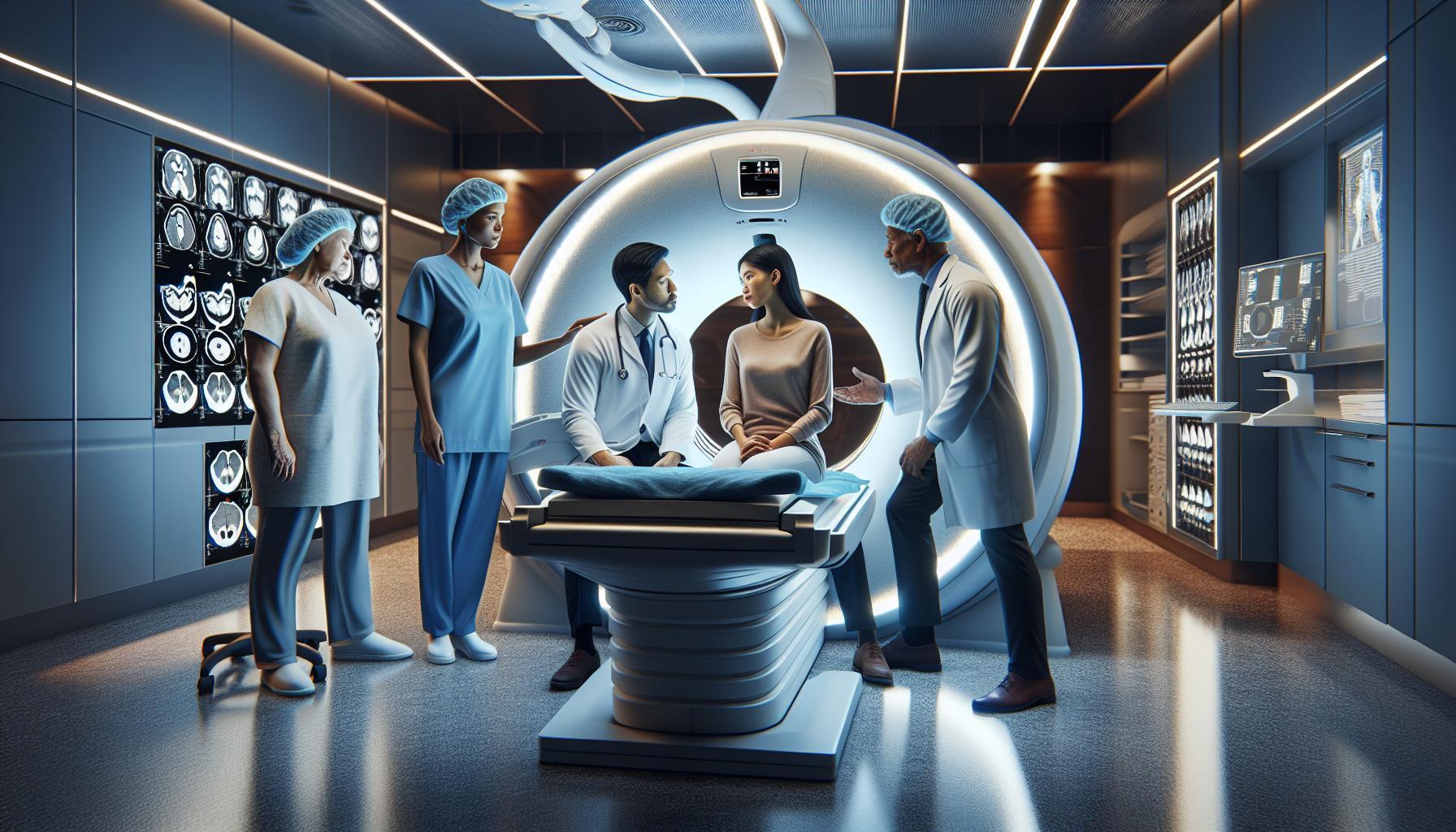
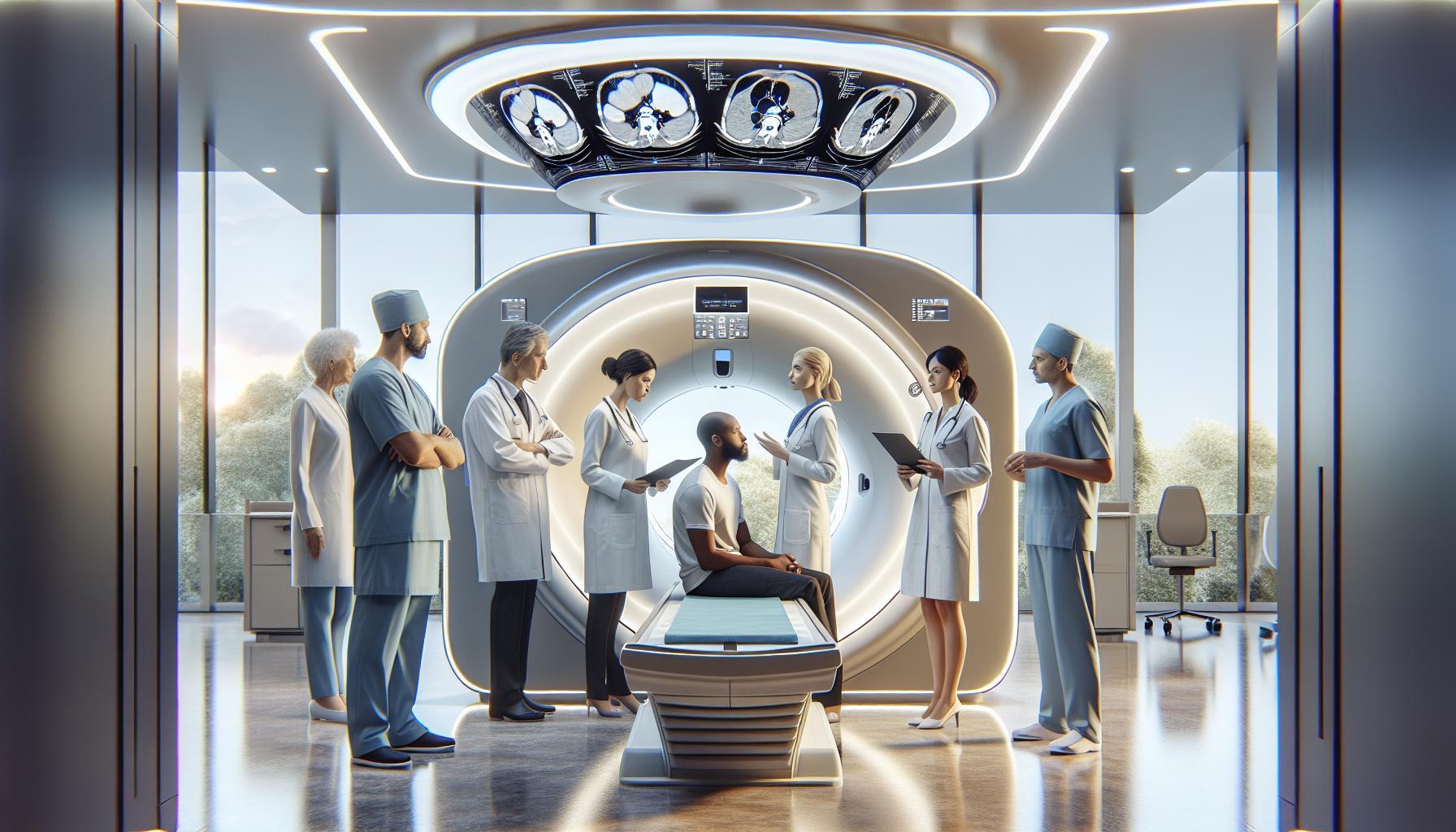
After undergoing a CT scan with contrast, you may wonder why avoiding alcohol is often advised. The answer lies in safety and your overall health. Alcohol can interfere with your body’s ability to process the contrast material used during the procedure, potentially leading to undesirable side effects or complications.
Understanding these precautions not only empowers you to make informed decisions about your health but also helps ensure the accuracy of your test results. This article will explore the reasons behind the recommendation to abstain from alcohol after a CT scan and the importance of following such guidelines for your safety and well-being. By staying informed, you can navigate your medical experiences with confidence and peace of mind.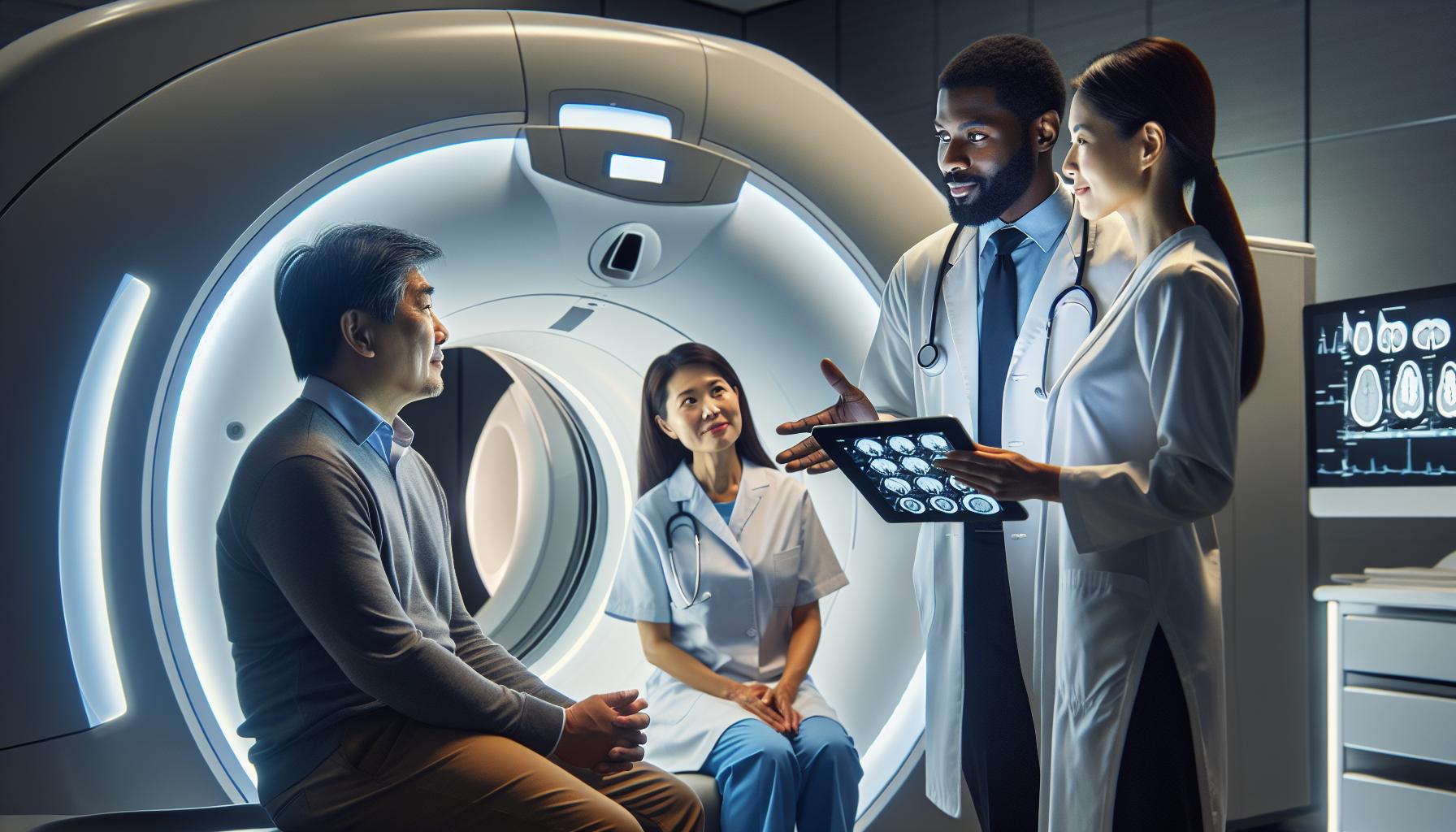
Understanding CT Scans with Contrast: Key Basics
Understanding CT scans with contrast is essential for patients preparing for this widely used imaging technique. CT scans, or computed tomography scans, provide detailed images of the body’s internal structures, helping healthcare providers diagnose various conditions. The use of contrast agents-substances that improve the visibility of these structures-is a common practice during the procedure. These agents can be administered orally or intravenously, allowing for clearer differentiation between tissues and blood vessels, which is crucial for accurate diagnosis.
When preparing for a CT scan with contrast, it’s important to understand the role that these agents play in enhancing image quality. Because contrast media can highlight abnormalities, such as tumors or inflammation, they significantly contribute to improving diagnostic accuracy. However, the introduction of these agents into the body can trigger certain reactions, thus necessitating precautions regarding alcohol consumption both before and after the scan. Alcohol may interfere with the effect of the contrast agent and can also exacerbate potential side effects such as nausea or dehydration.
In light of safety considerations, it’s advisable to avoid alcohol for at least 48 hours prior and, depending on the individual’s health status, possibly after the scan as well. This precaution helps ensure that the body can process the contrast agent effectively and reduces the risk of adverse effects. Always engage in an open dialogue with your healthcare provider to discuss any concerns regarding contrast usage, alcohol restrictions, and how to best prepare for your CT scan. The collaboration ensures that the procedure goes smoothly and safely, giving you peace of mind during this important diagnostic process.
The Importance of Alcohol Restrictions Before a CT Scan
Preparing for a CT scan with contrast involves more than just getting to the hospital on time; it requires careful consideration of various factors, including the consumption of alcohol. Understanding the necessity of avoiding alcohol before the procedure can significantly enhance the safety and effectiveness of the imaging process. When patients consume alcohol, it can interfere with the way contrast agents function within the body, potentially resulting in less accurate images. Moreover, alcohol can exacerbate side effects related to the contrast itself, such as nausea and dehydration, making the overall experience uncomfortable.
To facilitate a clear diagnostic process, it’s recommended to abstain from alcohol for at least 48 hours prior to your CT scan. This waiting period allows your body to process and eliminate any residual alcohol, ensuring that the contrast agent can work optimally and improve the visualization of internal structures. Many patients may not realize that their typical alcohol consumption, even in moderate amounts, can cause unexpected reactions when juxtaposed with contrast agents, which are designed to enhance image quality. By adhering to these alcohol restrictions, you not only promote clarity in the imaging results but also prepare your body to handle the contrast agent more effectively.
In conversations with healthcare providers, patients may express concerns about the potential effects of avoiding alcohol. It’s important to acknowledge these worries while emphasizing that following these guidelines is in the best interest of their health and diagnostic accuracy. It’s an opportunity to educate yourself about why these precautions exist and how they contribute to a smoother diagnostic process. Ultimately, prioritizing your health by observing alcohol restrictions before a CT scan will support both your well-being and the likelihood of obtaining the most accurate results during your imaging. Always consult your healthcare provider for personalized advice tailored to your specific health needs, ensuring peace of mind as you prepare for this important procedure.
How Alcohol Affects Contrast Agents in Imaging
While preparing for your CT scan with contrast, it’s vital to understand how alcohol can impact the effectiveness of the imaging process. The use of contrast agents is essential to enhance the visibility of blood vessels and tissues during a CT scan, allowing for more accurate diagnoses. However, alcohol consumption can interfere with these agents in several significant ways, leading to potential complications and less reliable imaging results.
One major concern is that alcohol can alter the body’s physiological responses, potentially affecting how contrast agents are absorbed and processed. For instance, alcohol is a diuretic, which means it promotes urine production and can lead to dehydration. This state of dehydration can hinder the kidneys’ ability to filter and excrete the contrast agent, increasing the risk of adverse effects during and after the scan. Additionally, if the body is unable to effectively eliminate the contrast agent, it may remain in the body longer than intended, elevating the risk of kidney damage, especially in individuals who may already have compromised renal function.
Moreover, the sedative effects of alcohol can affect the patient’s state during the scan. Patients under the influence may experience heightened anxiety or other sensory distortions, which could lead to difficulty remaining still, thereby compromising image quality. The result may be the need for repeat scans, further burdening the patient and the healthcare system. With this in mind, abstaining from alcohol both before and after your CT scan is crucial not only for your health but also for producing the clearest and most reliable images for diagnostic purposes.
By prioritizing your well-being and adhering to the recommended alcohol restrictions, you not only enhance the accuracy of the imaging results but also minimize the potential for complications. Remember, the goal is to ensure the best possible outcome for your diagnostic needs. Always consult with your healthcare provider for personalized guidelines suited to your health status and procedures.
Potential Risks of Alcohol After a CT Scan
The decision to forgo alcohol after a CT scan, particularly one involving contrast agents, can significantly influence your overall health and recovery. Though the scan may seem complete, the impact of alcohol on your body and the imaging contrast remains an essential consideration. Consuming alcohol in the hours or days following your scan can complicate the elimination of the contrast agent from your system and may lead to dehydration, putting additional strain on your kidneys. This risk is particularly pronounced in those with pre-existing kidney conditions, where the potential for harm escalates, highlighting the importance of being mindful about post-scan alcohol consumption.
Furthermore, alcohol can have lingering effects that interfere with your body’s recovery processes. For instance, it can disrupt your hydration levels, which are crucial for effectively flushing out the contrast material. Remaining well-hydrated not only aids in the excretion of the contrast agent but also mitigates the risk of post-scan complications. If dehydration sets in from alcohol use, the kidneys may struggle to function optimally, leading potentially to kidney damage or prolonged retention of the contrast dye, which can provoke further medical concerns.
Before consuming alcohol after your CT scan, consider the overall state of your health and recovery. If you feel unwell or experience any unusual symptoms-such as trouble urinating, persistent discomfort, or signs of dehydration-it’s advisable to delay alcohol consumption and consult with your healthcare provider. They can offer guidance tailored to your specific situation, ensuring your health remains the priority during this recovery phase.
Ultimately, it’s vital to listen to your body and prioritize your well-being. Abstaining from alcohol for at least 24 hours post-scan fosters an environment conducive to healing and ensures that any lingering contrast materials pass through your system safely. By taking these precautions, you not only safeguard your health but also enhance the long-term success of the diagnostic procedures you’ve undergone.
Guidelines for Post-CT Scan Alcohol Consumption
Following a CT scan with contrast, understanding the implications of alcohol consumption is crucial for your safety and recovery. Alcohol can interfere with the body’s natural processes, particularly right after your imaging procedure. Whether it’s a social gathering or a moment of relaxation, taking a moment to pause can be critical to your health.
It’s generally advisable to avoid alcohol for at least 24 hours after your CT scan. This timeframe allows your body to effectively eliminate the contrast agent used during the procedure, significantly reducing any potential strain on your kidneys. Alcohol can lead to dehydration, complicating the clearance of contrast material from your system, and making it harder for your kidneys to function optimally.
Here are some important guidelines to follow during the post-scan period:
- Timing Matters: Avoid alcohol for at least 24 hours; this helps your body reset and recover.
- Hydrate: Focus on drinking plenty of water to aid in flushing out the contrast. Consider non-caffeinated, non-alcoholic beverages that support hydration.
- Watch for Symptoms: If you experience any unusual symptoms like persistent discomfort, difficulty urinating, or signs of dehydration, consult with your healthcare provider before consuming alcohol.
- Consult Your Doctor: If you’re unsure about when it’s safe to resume drinking, it’s always best to reach out to your healthcare professional for personalized advice.
By prioritizing your hydration and allowing your system the necessary time to recover, you not only safeguard your health but also enhance the effectiveness of the diagnostic process you have undergone. Following these guidelines can alleviate concerns and encourage a smoother path to recovery.
What to Expect During a CT Scan with Contrast
During a CT scan with contrast, the experience can be both quick and straightforward, helping ensure that detailed images are captured for accurate diagnosis. Understanding the procedure can significantly alleviate anxiety, making your visit smoother and more comfortable. As you prepare for your scan, it’s essential to know what to expect, especially with the introduction of contrast material, which enhances the quality of the imaging.
Upon arrival, you will typically be asked to change into a hospital gown and leave personal items behind to avoid interference with the scan. A healthcare professional will explain the process and answer any questions you may have. The contrast material, often administered through an intravenous (IV) line, is intended to improve the visibility of specific organs or blood vessels in your body. As the contrast flows into your bloodstream, you may feel a warm sensation or a brief flush; this is normal and should subside shortly.
During the scan, you will lie down on a table that moves into the CT scanner. You may be instructed to hold your breath for short intervals while images are being taken-this helps produce clearer pictures. The entire process usually takes less than 30 minutes, and while the machine may produce some noise, it is generally not uncomfortable. It’s crucial to stay as still as possible during the images capture, as any movement can affect the results.
Once the scan is complete, you will be monitored briefly to ensure you do not experience any adverse reactions to the contrast material. Here, you may also receive post-procedure instructions, which importantly highlight the recommendation to avoid alcohol for at least 24 hours. This precaution helps your body process the contrast safely, protecting your kidneys and ensuring that hydration levels are maintained.
Understanding these steps and their importance can empower you to engage actively in your healthcare journey, leading to more favorable outcomes and a better overall experience. Always consult with your healthcare provider regarding preparations and any personal health considerations, particularly in relation to alcohol consumption.
Preparing for Your CT Scan: Dos and Don’ts
Preparing for a CT scan with contrast can feel a bit daunting, but being well-informed and following a few simple guidelines can ease your anxiety and enhance the overall experience. One key area of focus is the use of alcohol before and after your scan. Knowing the dos and don’ts surrounding alcohol consumption is vital for your safety and well-being.
Before your CT scan, it’s crucial to refrain from alcohol for at least 24 hours. This is because alcohol can interfere with how your body processes the contrast material, which is essential for capturing detailed images of your organs and tissues. Alcohol can lead to dehydration and affect kidney function, both of which are particularly concerning after administering contrast agents. Here are some practical tips to keep in mind:
- Do stay hydrated: Drink plenty of water before and after your scan. Hydration helps your kidneys flush out the contrast material effectively.
- Do communicate with your healthcare provider: Share any concerns about alcohol consumption or other medications you may be taking. They can provide personalized advice based on your health history.
- Don’t consume alcohol: Avoid drinks like beer, wine, or spirits during the recommended period, as this allows your body to recover better from the procedure.
- Don’t skip meals: Eating a light meal (unless instructed otherwise) can help maintain your energy levels and prevent any nausea that may occur.
Being proactive in your preparation can make a difference in your experience and recovery. Following these recommendations will help ensure that your procedure goes as smoothly as possible, allowing for accurate imaging and a safer recovery process. Always remember that your healthcare team is there to support and guide you, so don’t hesitate to seek their advice regarding any specific concerns you may have about alcohol or other aspects of your upcoming scan.
Common Myths About Alcohol and CT Scans
Misconceptions about the relationship between alcohol consumption and CT scans can often lead to confusion, anxiety, or even harmful practices. One prevalent myth is that drinking alcohol in moderation before or after a CT scan will not significantly impact the procedure or recovery. In reality, even small amounts of alcohol can affect your body’s ability to process the contrast agents used in scans. Alcohol can lead to dehydration and may alter kidney function, complicating the effectiveness of imaging and the overall health outcomes.
Another common misunderstanding is the belief that it’s safe to consume alcohol shortly after a CT scan. Many people think that since the contrast material is only present in the body temporarily, drinking alcohol shortly after the scan won’t interfere with the recovery process. In truth, it is advisable to avoid alcohol for at least 24 hours post-procedure. This time frame allows your kidneys to effectively eliminate the contrast material, reducing the risk of side effects, such as potential allergic reactions or kidney strain.
Some individuals may also think that because they feel fine, it’s okay to resume their normal drinking habits. This assumption can be misleading. Just because you do not feel immediate adverse effects does not mean that alcohol is not influencing your recovery. Taking the time to avoid alcohol after a CT scan is a precaution that enhances your overall safety and well-being.
It’s essential to approach this topic with care and seek clarity from healthcare professionals. They can provide personalized advice based on your medical history, alleviating any concerns you may have about alcohol and its effects on CT imaging and your health. Following guidelines and dispelling these myths are crucial for ensuring that the benefits of your CT scan are maximized.
Consulting Your Healthcare Provider: Best Practices
Consulting with your healthcare provider before and after a CT scan with contrast is essential for ensuring a safe and effective imaging experience. Engaging in an open dialogue about your medical history, current medications, and any concerns you might have is a critical step toward personalized care. It’s not uncommon for patients to feel anxious about the scan and its implications. By discussing these feelings with your provider, you can gain reassurance and clarity, which can significantly ease pre-scan anxiety.
Your healthcare provider can offer tailored advice regarding alcohol consumption surrounding your CT scan. While general guidelines recommend avoiding alcohol for at least 24 hours post-scan, individual circumstances, such as your overall health, kidney function, and any existing medical concerns, may necessitate a different approach. For instance, if you have a history of kidney issues, abstaining from alcohol for a longer period could be beneficial. Ask your provider about how alcohol might interact with the contrast agent used in your scan, especially if you have underlying health conditions.
Moreover, being proactive in this conversation can empower you as a patient. Bringing a list of any medications you’re taking, including over-the-counter drugs or supplements, can help your provider assess any potential risks. Additionally, if you’re unsure about the terminology or instructions your provider uses, don’t hesitate to ask for clarification. Understanding what to expect from the CT scan and why certain precautions, like avoiding alcohol, are crucial can alleviate unnecessary worry.
Finally, remember that every patient’s experience is unique. Real-life stories from others who have undergone similar procedures can also provide valuable insights. Ask your provider for resources where you can share experiences or gain tips from past patients. Together with your healthcare professional, you can navigate the process safely and confidently, ensuring that your imaging results are as accurate as possible while prioritizing your health and well-being.
Real Patient Experiences: Alcohol and CT Scans
Many patients have concerns about alcohol consumption before and after a CT scan with contrast. Sharing experiences can illuminate the importance of following medical guidelines regarding alcohol and contrast safety. For instance, one patient, Sarah, shared that she initially felt anxious about whether to enjoy a glass of wine after her scan. After discussing her situation with her healthcare provider, she learned that alcohol could interfere with the elimination of the contrast material from her body, potentially straining her kidneys, especially since she had a history of mild renal impairment. This conversation alleviated her doubts, allowing her to prioritize her health and recovery.
Another patient, John, recounted his experience where he disregarded the advice to avoid alcohol for 24 hours post-scan. He felt perfectly fine after the procedure but soon experienced mild nausea and discomfort. After discussing the issue with his doctor, he learned that although he hadn’t experienced any severe side effects, alcohol might have impacted how his body processed the contrast dye. He now emphasizes this lesson to friends scheduled for similar procedures, highlighting the value of adhering to medical advice, especially when it concerns something as seemingly mundane as alcohol consumption.
It’s essential to remember that everyone’s body responds differently, and experiences may vary. A shared story might inspire or reassure others considering their own situations. To help prepare, patients are encouraged to keep track of their experiences and ask questions during their consultations. Whether it’s about personal sensitivities or pre-existing conditions, engaging with healthcare professionals can facilitate better-informed decisions about alcohol consumption and overall health during the imaging process.
The Role of Hydration in Recovery After a CT Scan
Staying well-hydrated after a CT scan with contrast is an often-overlooked yet essential aspect of the recovery process. The contrast agents used during imaging help create detailed images of the body, but they also require proper management to ensure safe elimination from your system. One key aspect of this management is adequate hydration. Drinking plenty of fluids can help your kidneys flush out the contrast dye more effectively, minimizing any potential strain on these vital organs.
Specifically, the role of hydration becomes critical in helping to prevent any complications that may arise from the contrast material. For example, dehydration could lead to a higher concentration of contrast residue in the body, which might increase the risk of side effects or renal issues, especially in individuals with pre-existing kidney conditions. Thus, taking in fluids post-scan, particularly water, can greatly assist in expelling the contrast.
Practical Tips for Hydration After Your CT Scan
- Drink Water: Aim to drink at least 8-10 glasses of water throughout the day following your scan. If you feel any discomfort, increasing your water intake can be particularly beneficial.
- Avoid Caffeine and Alcohol: While it might be tempting to indulge after ensuring the scan is done, both caffeine and alcohol can exacerbate dehydration. Wait at least 24 hours post-scan before consuming these beverages.
- Incorporate Hydrating Foods: Focus on consuming fruits and vegetables with high water content, like cucumbers, melons, and oranges, which can also aid in hydration.
Listening to Your Body
While it is generally recommended to hydrate well, it’s also crucial to listen to your body. If you experience any unusual symptoms such as prolonged nausea, dizziness, or difficulty urinating, seek medical advice promptly. Your healthcare provider can give you guidance tailored to your specific health needs and circumstances. Engaging in open communication with medical professionals about your hydration habits and any concerns will empower you to navigate your recovery confidently and maintain your health effectively.
Long-Term Health Considerations After a CT Scan
Understanding the implications of contrast-enhanced CT scans is crucial, especially concerning lifestyle choices such as alcohol consumption. Alcohol can have a significant impact on the body’s ability to recover and process the contrast agents used during the scan. After receiving contrast, the kidneys are tasked with filtering the dye from your system. Alcohol can impair kidney function, introducing additional stress to these vital organs at a time when they need to efficiently eliminate the contrast.
Long-term considerations extend beyond the immediate effects of a CT scan. Individuals with existing kidney issues or those at risk for renal complications should exercise particular caution regarding alcohol intake. Research indicates that even moderate alcohol consumption can exacerbate underlying health problems. For instance, those with diabetes or hypertension may find their conditions complicating the potential risks associated with alcohol, especially following imaging procedures that impact kidney workload.
Moreover, alcohol can lead to dehydration, a condition that can hinder the kidneys’ ability to properly function. In the days following a CT scan, focusing on hydration aids recovery and reduces risks of complications associated with contrast materials. Incorporating hydrating foods into your diet can help, as these foods offer both hydration and nutrients necessary for overall recovery.
Ultimately, while one may feel well immediately after a scan, consulting your healthcare provider about when it is safe to resume alcohol consumption is imperative. They can offer personalized advice tailored to your specific health situation, allowing you to make informed decisions about your wellbeing. Balancing safety and personal health while empowering yourself with knowledge will help mitigate any potential long-term effects after a CT scan.
FAQ
Q: Why is it important to avoid alcohol after a CT scan with contrast?
A: Avoiding alcohol after a CT scan with contrast is crucial as it helps in the proper elimination of the contrast agent from your system. Alcohol can interfere with kidney function, increasing the risk of dehydration and potentially leading to complications. For more insights, see the section on “Potential Risks of Alcohol After a CT Scan” in our article.
Q: What are the side effects of drinking alcohol after a CT scan with contrast?
A: Drinking alcohol after a CT scan with contrast can lead to nausea, dehydration, and impaired kidney function. It may also exacerbate any reactions to the contrast material. For a detailed discussion, refer to “How Alcohol Affects Contrast Agents in Imaging.”
Q: How long should I wait to drink alcohol after a CT scan with contrast?
A: It is generally recommended to wait at least 48 hours before consuming alcohol after a CT scan with contrast. This allows your body to effectively process and eliminate the contrast agent. For further guidance, please check the “Guidelines for Post-CT Scan Alcohol Consumption” in our article.
Q: Can alcohol impact the results of a CT scan?
A: Yes, consuming alcohol before or after a CT scan can impact the results. Alcohol may affect your hydration levels and body chemistry, potentially leading to misleading imaging outcomes. For more on preparation, see “Preparing for Your CT Scan: Dos and Don’ts.”
Q: Is it safe to take medication with alcohol after a CT scan?
A: Combining alcohol with certain medications after a CT scan can be unsafe, as it may enhance side effects or interfere with the drug’s effectiveness. Always consult your healthcare provider for personalized advice regarding medication and alcohol interaction. Check our section on “Consulting Your Healthcare Provider: Best Practices” for more information.
Q: What should I do if I accidentally consume alcohol after my CT scan?
A: If you accidentally consume alcohol after your CT scan, stay hydrated and monitor how you feel. If you experience concerning symptoms, contact your healthcare provider for guidance. Awareness of the situation can mitigate potential risks; refer to “Real Patient Experiences: Alcohol and CT Scans” for more insights.
Q: Will a small amount of alcohol affect my recovery after a CT scan?
A: A small amount of alcohol may not significantly hinder recovery for everyone, but it could still increase the risk of dehydration or kidney strain. It’s best to prioritize hydration and follow your doctor’s recommendations. For details, explore “The Role of Hydration in Recovery After a CT Scan.”
In Conclusion
Thank you for exploring the crucial topic of why avoiding alcohol after a CT scan with contrast is vital for your safety. By understanding the potential interactions and the importance of following expert guidance, you’re taking proactive steps to protect your health. If you still have questions or concerns, be sure to consult your healthcare provider for personalized advice tailored to your situation.
To dive deeper, check out our articles on the safety measures during medical imaging and the ins and outs of contrast dyes. Exploring these resources can help you feel more confident and informed about upcoming procedures. Remember, being prepared is key-so sign up for our newsletter for more insights and updates! Your health journey is important, and we’re here to support you every step of the way. Feel free to leave a comment or share your experiences; we love hearing from you!