After undergoing a CT scan with contrast, many patients may wonder why they should avoid caffeine. While caffeine is a common part of many diets, its consumption immediately following such imaging procedures can pose risks to health and test accuracy. Understanding the reasons behind this recommendation is essential for your wellbeing and ensuring optimal results from your tests.
Caffeine’s effects on hydration and metabolism can interfere with the contrast material used in these scans, potentially leading to inaccurate readings or unwanted side effects. For those already feeling anxious about medical procedures, managing dietary choices like caffeine can seem overwhelming. By recognizing the importance of avoiding caffeine, you can take proactive steps to safeguard your health and support your body during recovery.
Curious about how caffeine impacts your body post-scan? Continue reading to uncover the reasons and recommendations that will empower you to make informed choices after your medical imaging procedures.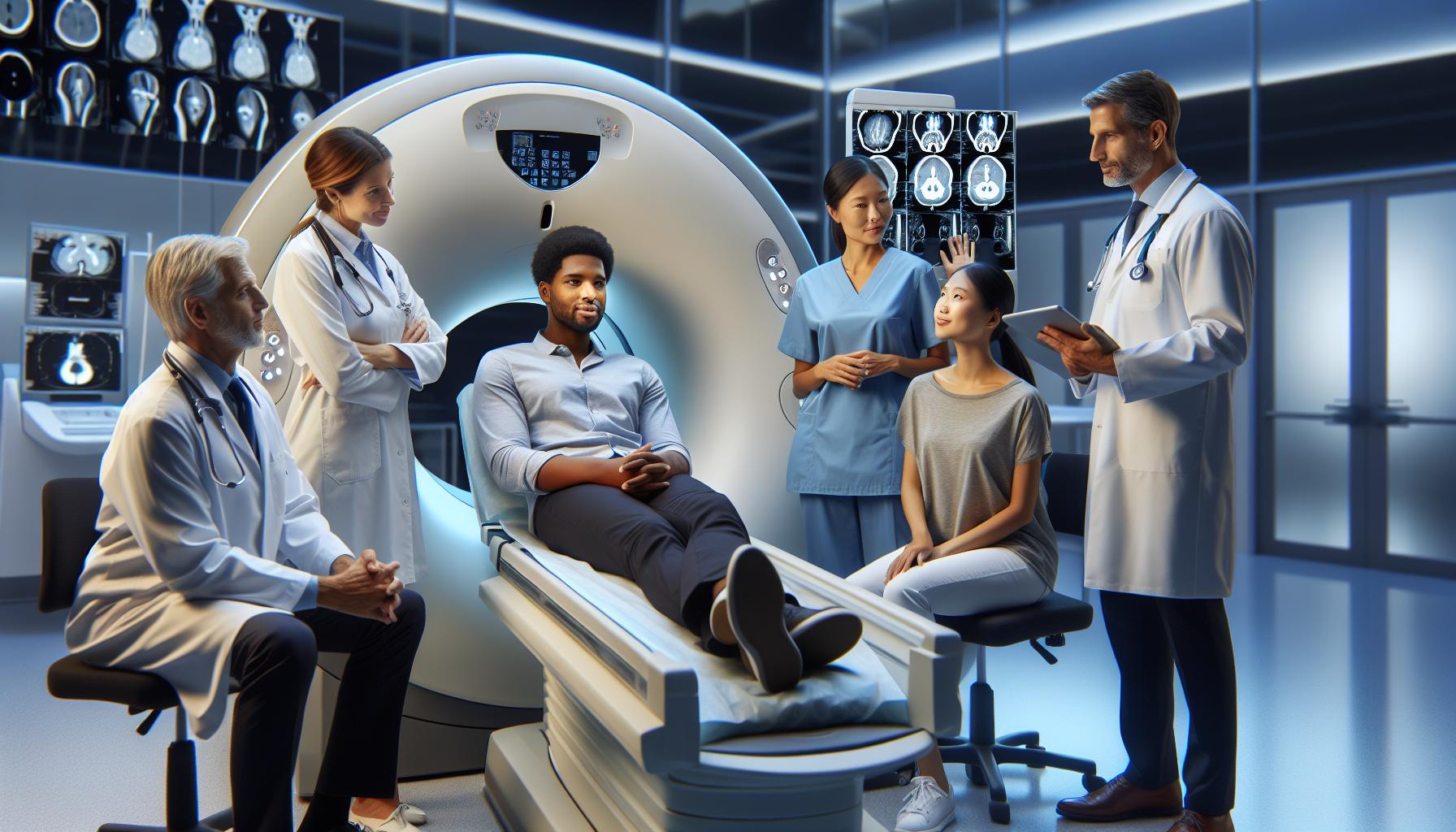
Why is Caffeine Restricted After a CT Scan?
Caffeine is a well-known stimulant that can have various effects on the body, and after a CT scan with contrast, there are specific reasons for the restriction of its intake. Primarily, caffeine can potentially interfere with the imaging results due to its ability to cause mild dehydration, which can affect how contrast material is absorbed and distributed in the body. When a patient consumes caffeine after receiving contrast material, it may lead to more pronounced dehydration, which can alter the visibility of the tissues and organs that the scan is meant to evaluate.
In addition to potential imaging complications, caffeine may cause anxiety or agitation in some individuals, which can lead to increased heart rates and changes in blood pressure. These physiological responses can complicate the interpretation of CT scan results, as stress-related reactions may mimic or mask underlying health issues. Therefore, it is advisable to limit caffeine intake post-scan to ensure that the body settles after the procedure, allowing for clearer and more accurate imaging if additional scans are required later.
To promote optimal hydration and well-being, healthcare professionals often recommend drinking water or herbal teas instead of caffeinated beverages following a CT scan with contrast. By following these guidelines, patients can help maintain the integrity of their imaging results while also supporting their overall health in the recovery phase post-scan. Always consult your healthcare provider for personalized advice that takes into account your medical history and specific circumstances.
Understanding CT Scans with Contrast
When a physician recommends a CT scan with contrast, it signifies the need for detailed images of your internal organs to aid in diagnosis, treatment planning, or monitoring conditions. This advanced imaging technique utilizes a series of X-ray images taken from different angles, combined with a special dye, also known as contrast material, to enhance the visibility of specific areas or structures within your body, such as blood vessels, tissues, and organs.
The contrast material can be administered intravenously or ingested, depending on the area being examined. For instance, if the scan is focused on the abdomen, patients may be asked to drink a contrast solution. Once injected or swallowed, the contrast dye absorbs X-rays differently than surrounding tissues, allowing for clearer images. This enhancement is crucial, particularly for identifying abnormalities like tumors, clots, or inflammations that might not be visible on standard X-rays.
Understanding the preparation for your CT scan, particularly with contrast, is vital to ensure you achieve optimal results. Patients are often instructed to avoid eating or drinking for several hours prior to the scan to prevent any potential complications and enhance the effectiveness of the contrast medium. Hydration before the procedure is essential, but after receiving contrast, it’s particularly important to maintain good fluid intake. Staying well-hydrated assists in flushing out the contrast material from your system and minimizing potential side effects, such as renal stress or allergic reactions. This is where the advice to avoid caffeine comes into play; by steering clear of caffeinated drinks, you support your body’s hydration levels without introducing the risk of dehydration linked to caffeine’s diuretic properties.
Overall, a CT scan with contrast is a powerful tool in modern medicine, providing critical insights into a patient’s health. As with any medical procedure, it’s beneficial to follow your healthcare provider’s guidelines and recommendations to ensure a smooth experience and accurate imaging results.
The Science Behind Contrast Material and Caffeine
In the realm of medical imaging, understanding the intricate relationship between caffeine and contrast material can significantly influence the quality of diagnostic outcomes. When a contrast agent is introduced into the body during a CT scan, it enhances the visibility of certain structures, allowing radiologists to detect abnormalities with greater precision. However, adding caffeine into the mix can complicate this process.
Caffeine is known to have diuretic effects, meaning it can increase urine production and potentially lead to dehydration. Post-CT scan, adequate hydration is crucial for flushing out contrast materials from the body. When patients consume caffeinated beverages, they may inadvertently hinder this natural detoxification process, as caffeine can counteract efforts to stay hydrated. This is particularly important given that effective removal of contrast agents helps minimize the risk of adverse reactions, such as kidney stress or allergic responses.
Moreover, caffeine may also elevate heart rate and blood pressure in some individuals, which could interfere with the assessment of cardiovascular structures during a CT scan. If these physiological changes occur post-scan, it becomes challenging for healthcare providers to interpret imaging results accurately. Therefore, refraining from caffeine not only supports hydration efforts but also ensures the precision and reliability of the diagnostic images.
Patients can contribute to their own well-being by adhering to pre-scan instructions regarding caffeine intake. Staying well-informed and proactive helps ensure that the complex imaging process yields the most accurate and beneficial results aligned with their health needs. Consultation with healthcare professionals can provide personalized advice, reassuring patients that their precautionary measures will lead to optimal imaging outcomes.
Health Risks of Caffeine Post-CT Scan
The aftermath of a CT scan can leave many patients with questions about how to best care for their bodies, especially when it comes to dietary choices. One common concern is the role of caffeine in the recovery process. Caffeine, while a beloved stimulant for many, can pose certain health risks immediately following a CT scan with contrast material. Understanding these risks can empower patients to make informed choices that support their recovery.
Caffeine’s diuretic properties can lead to increased urine production, which may undermine the body’s hydration efforts after a CT scan. Consuming caffeine can exacerbate dehydration, particularly important when the body is working to eliminate contrast agents used during the scan. Adequate hydration is essential for flushing out these materials effectively; thus, caffeine intake might impede this detoxification process, potentially leading to unnecessary complications such as kidney stress.
Additionally, caffeine can elevate heart rate and blood pressure, which may interfere with diagnostic assessments. These physiological changes could skew results during follow-up evaluations, making it harder for healthcare providers to assess the heart and vascular structures accurately. This is particularly concerning for patients who may already be dealing with conditions that require close monitoring. By abstaining from caffeine post-scan, patients not only support their hydration but also aid in ensuring that subsequent medical evaluations are precise and reliable.
For those navigating the recovery process after a CT scan, staying informed and proactive can make a significant difference. Avoiding caffeine is a simple yet impactful step toward optimizing health and ensuring the accuracy of future imaging studies. Consulting with healthcare professionals can provide additional personalized guidance, allowing patients to feel confident in their post-scan choices.
What Happens During a CT Scan with Contrast?
Undergoing a CT scan with contrast can be a crucial part of diagnosing various medical conditions. This advanced imaging technique allows healthcare providers to visualize internal structures in greater detail. During the procedure, a contrast agent, typically containing iodine, is used to enhance the clarity of the images obtained, highlighting areas of concern and improving the accuracy of the diagnosis. The process is designed to be as comfortable as possible for the patient.
As you prepare for the scan, a healthcare professional will explain the steps involved. First, you will be positioned on a table that moves through the CT scanner, a large, circular machine. While the scan itself is quick-usually just a few minutes-your entire visit may take longer due to preparation and observation. The contrast agent may be administered intravenously or orally, depending on the type of scan being performed. Many patients report feeling a warm sensation as the dye enters their body, which is perfectly normal and temporary.
Once the scan begins, you’ll be instructed to remain still and may be asked to hold your breath briefly at certain points. This helps ensure that the images are clear and accurate. After the scan, you’ll be monitored for a short time to check for any immediate reactions to the contrast material. It’s not uncommon to experience some mild side effects like a metallic taste in your mouth or a slight headache.
Post-scan care is equally important, especially regarding hydration and attention to dietary habits, including the avoidance of caffeine. Caffeine’s diuretic effects can compromise your hydration levels, so it’s advisable to drink plenty of fluids, which aids in flushing out the contrast material from your system and supports your overall recovery. Understanding the process and the associated care steps helps ease anxiety and fosters a more positive experience. Always consult your healthcare provider for personalized advice related to your specific situation.
Preparing for Your CT Scan: Essential Tips
Undergoing a CT scan with contrast is a significant step toward understanding your health better. As you prepare for this procedure, it’s crucial not only to know what to expect but also to adopt certain best practices to ensure optimal results and your overall well-being. One critical aspect is your dietary choices, particularly the avoidance of caffeine before and after the procedure.
Caffeine can act as a diuretic, meaning it encourages the body to expel water, which may lead to dehydration. After receiving a contrast agent, usually based on iodine, your body must adequately hydrate to help flush out this substance. Dehydration can adversely affect how well your body processes the contrast, potentially leading to complications or less effective imaging results. Drinking plenty of fluids is essential for aiding in recovery and ensuring the contrast material is cleared from your system.
Additionally, some individuals may experience heightened heart rates or blood pressure fluctuations due to caffeine consumption, which could interfere with the monitoring process after the scan. Therefore, it’s advisable to limit or eliminate caffeine in the 24 hours leading up to your appointment. To replace your usual caffeine sources, consider hydrating with clear fluids like water, herbal teas, or electrolyte drinks. Being proactive about these dietary modifications will not only prepare you for the scan but will also enhance your overall experience during recovery. Engaging with your healthcare provider to clarify these recommendations will help ensure that you are fully prepared for your CT scan.
Alternative Drinks: What Can You Have?
Staying hydrated is vital, especially following a CT scan with contrast. While many may reach for their typical caffeinated drinks, it’s essential to seek alternative beverages that promote hydration and support your body’s recovery while eliminating caffeine. The goal is to help flush the contrast material from your system without the diuretic effects of caffeine, ensuring that you maintain optimal hydration levels.
Hydrating Alternatives
Consider incorporating these caffeine-free options into your routine:
- Water: The best choice for hydration. Aim for at least 8-10 glasses per day to help your body eliminate the contrast agent effectively.
- Herbal Teas: Calming and naturally caffeine-free, options such as chamomile or peppermint can be soothing. Just make sure they don’t contain caffeine additives.
- Electrolyte Drinks: Choose low-sugar electrolyte drinks that replenish fluids and minerals, especially if you sweat during recovery.
- Fruit Infused Water: Add slices of lemon, cucumber, or berries to your water for a refreshing flavor boost without caffeine. This not only makes hydration more enjoyable but also adds vitamins.
- Clear Broth: Options like chicken or vegetable broth can also provide hydration while offering some nutrients to support your recovery.
Special Considerations
Remember, while herbal teas and electrolyte beverages are generally safe, always check ingredient labels for hidden caffeine. Hydrating adequately can make a significant difference in how you feel post-procedure and can help ensure your imaging results are as accurate as possible.
Engaging with your healthcare provider about hydrating options is always a wise decision, allowing for personalized advice based on your health circumstances. Embracing these alternatives not only helps you steer clear of caffeine but also enhances your overall well-being during your recovery from the CT scan.
Identifying Caffeine Sources to Avoid
Caffeine can be surprisingly prevalent in many foods and drinks, which can make it challenging to avoid, especially if you’re adhering to post-CT scan recommendations. Understanding where caffeine hides is essential for ensuring a safe and thorough recovery process. Common sources of caffeine include not only your morning coffee but also tea, soda, energy drinks, and even some over-the-counter medications. As you prepare for your post-scan hydration plan, it’s vital to identify these sources to maintain optimal hydration without the diuretic effects caffeine can impose.
To effectively navigate your choices, here’s a guide to help you spot common caffeine-containing items and steer clear of them:
- Coffee: Regular and decaffeinated varieties can still contain small amounts of caffeine, particularly if blended or brewed in certain ways.
- Tea: Both black and green teas are well-known sources of caffeine, while some herbal teas may contain it as well-always check the label.
- Soft Drinks: Many sodas have caffeine, including popular brands and energy sodas, which often contain significantly higher levels.
- Energy Drinks: These can have exceptionally high caffeine content, sometimes exceeding the amounts found in coffee.
- Medications: Some prescription and over-the-counter medications, especially pain relievers and cold medications, may list caffeine as an ingredient.
- Chocolate: Both dark and milk chocolate contain caffeine, so be mindful of snacks that include chocolate.
It is wise to closely read ingredient labels and nutrition facts. Opting for herbal, caffeine-free alternatives can satisfy your beverage needs without the risks associated with caffeine consumption after a CT scan with contrast.
If you have any uncertainties about specific products or brands, engaging with your healthcare provider can offer clarity and ensure that you receive personalized advice based on your health history and imaging needs. Taking these precautions not only aids in your recovery but also empowers you with knowledge about your dietary choices moving forward.
Patient Experiences: Insights and Stories
Navigating a medical procedure like a CT scan can be a source of anxiety and uncertainty. Many patients who have undergone a CT scan with contrast have shared their experiences, particularly regarding the restriction of caffeine before and after the procedure. One patient, Sarah, recounted her experience of feeling jittery and anxious as the scan approached. She was a daily coffee drinker, so the idea of avoiding caffeine was daunting. However, she soon realized that complying with the guidelines helped her feel more relaxed during the scan itself. This preparation allowed her body to respond better to the contrast material used, reflecting the importance of hydration without the diuretic effects of caffeine.
Others have highlighted the unexpected caffeine sources that can complicate the restriction. Mark, a frequent consumer of energy drinks and sodas, found himself needing to read labels diligently, realizing that even some herbal teas could contain caffeine. This experience served as a wake-up call about how often caffeine slipped into his diet, emphasizing the need to be informed and proactive. His story underscores the importance of not just following doctor’s orders but actively researching dietary choices in the days leading up to the scan.
For many, the post-scan period is just as critical. Jessica shared how after her scan, she felt the effects of having abstained from caffeine. Initially fatigued, she adopted caffeine-free herbal teas and infused waters, discovering that these options not only kept her hydrated but also provided comfort. This transition helped her avoid the rebound effect that sometimes follows caffeine withdrawal, illustrating how gentle choices can support a smoother recovery.
It’s vital to remember that these experiences, while informative, are not a substitute for professional medical advice. Engaging with healthcare providers about any concerns can offer tailored insights suited to individual health needs and procedures. Understanding the reasons behind caffeine restrictions can alleviate some anxiety and help patients approach their scans with more confidence and knowledge. Recognizing that many share similar journeys can also create a sense of community and support among those preparing for medical imaging.
Consulting Your Healthcare Provider: Questions to Ask
Understanding the importance of communication with your healthcare provider can significantly enhance your experience before and after a CT scan with contrast. Patients often have a plethora of questions, particularly surrounding the dietary restrictions like avoiding caffeine. It’s crucial to engage in open dialogue regarding these guidelines, as they can affect both the quality of the imaging results and your overall comfort during the procedure.
When preparing for your appointment, consider asking the following questions to gain clarity:
- What are the specific reasons for avoiding caffeine? Understanding the rationale behind this request can empower you to adhere to the guidelines more easily. Caffeine can affect how your body responds to contrast materials, so clarifying this may reflect how seriously you should take the restriction.
- How long before and after the CT scan should I avoid caffeine? Specifications can vary, so having a clear timeline will help you manage your caffeine intake without confusion.
- Are there any alternative beverages you recommend? Exploring suitable hydration options can help you feel more comfortable. Your provider may suggest caffeine-free teas or flavored waters that meet your liquid needs without the jittery side effects of caffeine.
- What should I expect if I accidentally consume caffeine? Knowing the potential impacts can alleviate anxiety related to potential mistakes. This information can help you plan appropriately should an accidental intake occur.
- Can my daily medications interact with the contrast material? It’s essential to review all medications you are taking, ensuring that nothing conflicts with the contrast agent used during your scan.
Always feel comfortable expressing your concerns and discussing any previous experiences with medical procedures. Sharing instances where you may have reacted poorly to certain medications or substances can provide your healthcare team with valuable insights, tailoring the approach to ensure your comfort and safety. Remember, your understanding and cooperative engagement are critical components in ensuring optimal care and effective imaging results. Engaging with your healthcare provider not only enhances your own experience but also contributes to a more successful procedure overall.
Alternatives to Contrast Imaging Techniques
Exploring can provide patients with viable options when traditional methods present difficulties or concerns. It is essential to understand that certain imaging technologies can effectively offer insight into a patient’s health without relying on contrast agents, which may necessitate caffeine restrictions. Recognizing these alternatives allows patients to navigate their diagnostic journeys with more flexibility and comfort.
One promising alternative is Magnetic Resonance Imaging (MRI), which can provide detailed images of soft tissues without the need for iodine-based contrast materials, often used in CT scans. For patients who are sensitive to contrast agents or who have been advised to avoid caffeine, MRI can be an excellent choice, especially in examining areas such as the brain, spinal cord, and joints. MRI uses magnetic fields and radio waves to create images, minimizing the risk of adverse reactions that some patients may face with contrast.
Another option is Ultrasound, which employs sound waves to create images of organs and structures in the body. This technique is particularly advantageous for examining fluid-filled structures, such as the heart or bladder, and can also assess conditions related to pregnancy. Ultrasound does not utilize ionizing radiation or contrast agents, making it a safe choice for many patients, and it generally requires less preparation than CT.
Additionally, X-rays can serve as a basic yet effective alternative for certain diagnostic needs. While they typically provide less detailed images compared to CT, they can reveal fractures, infections, and other critical conditions with minimal preparation. For some situations, particularly in emergency settings, a standard X-ray may be faster and eliminate the complications associated with contrast dye usage altogether.
As patients consider alternative imaging techniques, it is vital to pursue discussions with healthcare providers. They can guide you in selecting the most suitable imaging method based on your specific health needs and medical history. Always be proactive in communicating any concerns or questions regarding imaging procedures and potential restrictions, like those surrounding caffeine consumption after contrast CT scans. Engaging with your healthcare team will empower you to make informed decisions that enhance your comfort and care during diagnostic processes.
Long-Term Effects of Caffeine and Imaging Results
The effects of caffeine typically dissipate within hours, but its influence on imaging results, particularly after a CT scan with contrast, can extend beyond the immediate timeframe. When caffeine is consumed soon before or after a CT scan, it can potentially affect how contrast agents function in the body. Caffeine is a stimulant that can change vascular response and alter blood flow, which might lead to less-than-optimal imaging quality or misinterpretations of results. Patients are often encouraged to avoid caffeine to ensure that their imaging provides the clearest and most accurate results, making it easier for healthcare providers to diagnose and formulate treatment plans effectively.
During a CT scan with contrast, the objective is to achieve high-contrast images that can reveal critical details about internal structures. Caffeine’s potential to increase heart rate and elevate blood pressure may lead to vasoconstriction, which could interfere with the expected distribution of the contrast material. In situations where precise imaging is paramount-such as detecting tumors or other abnormalities-this interference can have significant implications. Healthcare providers typically advise a caffeine-free period before and following the scan, eliminating any variable that might compromise the diagnostic quality of the imaging results.
Moreover, it’s essential to acknowledge individual differences in caffeine metabolism. For someone who regularly consumes high doses of caffeine, the withdrawal effects after sudden cessation can mimic anxiety symptoms, which could affect how a patient presents during the imaging process. Feeling jittery or anxious could complicate the scan, making it more challenging to stay still and cooperate during the procedure. Therefore, following healthcare recommendations regarding caffeine consumption enhances overall comfort and ensures the best possible outcomes from imaging technologies. Always consult with your healthcare provider regarding personal dietary habits and how they may affect your imaging experience, ensuring tailored advice based on your specific health circumstances.
Frequently asked questions
Q: Why do healthcare providers recommend avoiding caffeine after a CT scan with contrast?
A: Healthcare providers recommend avoiding caffeine after a CT scan with contrast because caffeine can interfere with the effectiveness of the contrast material and lead to dehydration, which may affect imaging results. It is essential to stay well-hydrated and allow the body to process the contrast properly.
Q: How long should I avoid caffeine after a CT scan with contrast?
A: It is generally advised to avoid caffeine for at least 24 hours after a CT scan with contrast. This timeframe allows your body to fully process the contrast material and can help prevent any potential negative interactions or dehydration.
Q: What are the risks of consuming caffeine after a CT scan with contrast?
A: Consuming caffeine after a CT scan with contrast may lead to dehydration and could affect the quality of the imaging results. It may also cause increased heart rate and blood pressure, which could be concerning in certain patients, particularly those with underlying health issues.
Q: Can I drink decaffeinated coffee after a CT scan with contrast?
A: While decaffeinated coffee contains minimal caffeine, it is best to consult your healthcare provider before consumption after a CT scan with contrast. Hydrating with water or clear fluids is generally recommended to ensure optimal recovery and imaging results.
Q: What should I drink instead of caffeine after a CT scan with contrast?
A: After a CT scan with contrast, it is advisable to drink water or clear fluids. Staying hydrated helps flush out the contrast material and supports overall recovery. Avoiding caffeine-containing beverages during this period is key to optimal health.
Q: Will caffeine affect the outcome of my CT scan results?
A: Yes, caffeine can potentially affect the outcome of your CT scan results. It may interfere with the contrast material, leading to suboptimal imaging. For the best results, follow your healthcare provider’s advice and avoid caffeine as recommended.
Q: What are the symptoms of dehydration after consuming caffeine post-CT scan?
A: Symptoms of dehydration can include thirst, dry mouth, dizziness, fatigue, and dark-colored urine. If you experience these symptoms after consuming caffeine post-CT scan, increase your fluid intake and consult your healthcare provider.
Q: Is there any specific reason why caffeine may cause complications with contrast material?
A: Caffeine can cause vasoconstriction, narrowing blood vessels, which may affect blood flow and the distribution of contrast material. This can lead to less effective imaging, which is why avoiding caffeine is recommended before and after a CT scan with contrast.
The Conclusion
As you prepare for your CT scan with contrast, remember that avoiding caffeine is essential for ensuring accurate results and minimizing potential risks. By prioritizing your health through these simple guidelines, you can help your healthcare team make the best possible assessment. If you want to learn more about preparing for imaging tests, consider checking our detailed guides on CT scans explained and what to expect during a contrast procedure.
Feeling uncertain about any aspect of your upcoming scan? We invite you to reach out with any remaining questions or concerns. Your peace of mind is our priority. Don’t forget to subscribe to our newsletter for the latest in medical imaging insights and tips. Take this important step in your health journey, and remember, informed patients are empowered patients!