When facing a CT scan, many patients might wonder: how long will it take? Understanding the time involved can help alleviate anxiety and ensure you’re prepared. On average, a CT scan can range from just a few minutes for standard scans to upwards of 30 minutes-or more-if contrast material is used or if it’s a specialized procedure.
This guide will walk you through what to expect, addressing any concerns about the length and nature of the scan. Whether you’re preparing for your first CT scan or are just curious about the procedure, knowing the typical duration can help you feel more in control and informed. Let’s explore the timing details, so you can focus on your health with confidence and peace of mind.
Understanding CT Scan Basics: What to Expect
A CT scan, or computed tomography scan, is a widely used diagnostic tool that combines X-ray imaging with computer technology to produce detailed cross-sectional images of the body. This advanced imaging technique can provide valuable insights into a variety of health conditions, from internal injuries to tumors, and is often faster and more efficient than traditional X-rays or MRIs. For those about to undergo this experience, understanding what to expect can allay fears and demystify the process.
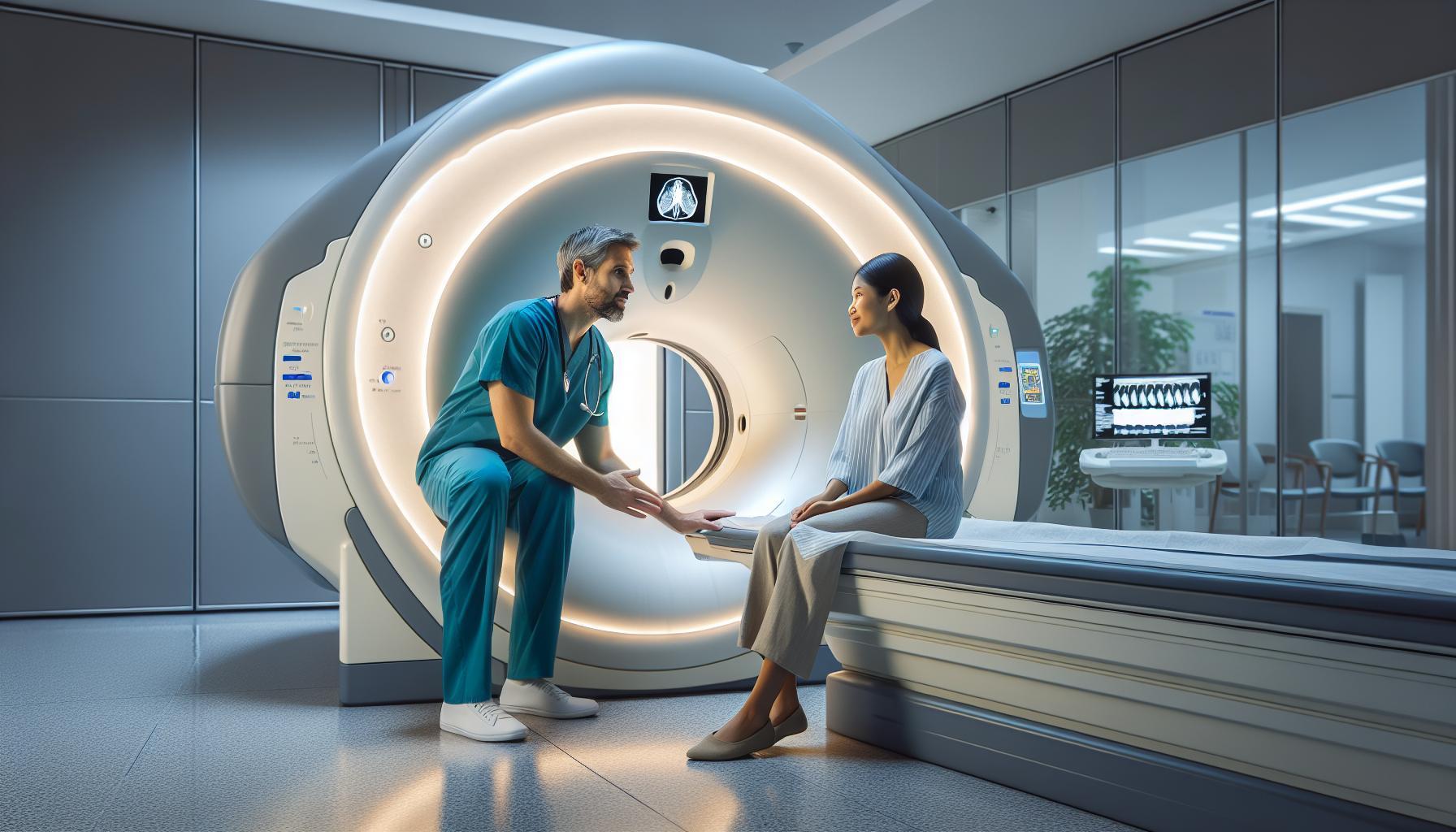
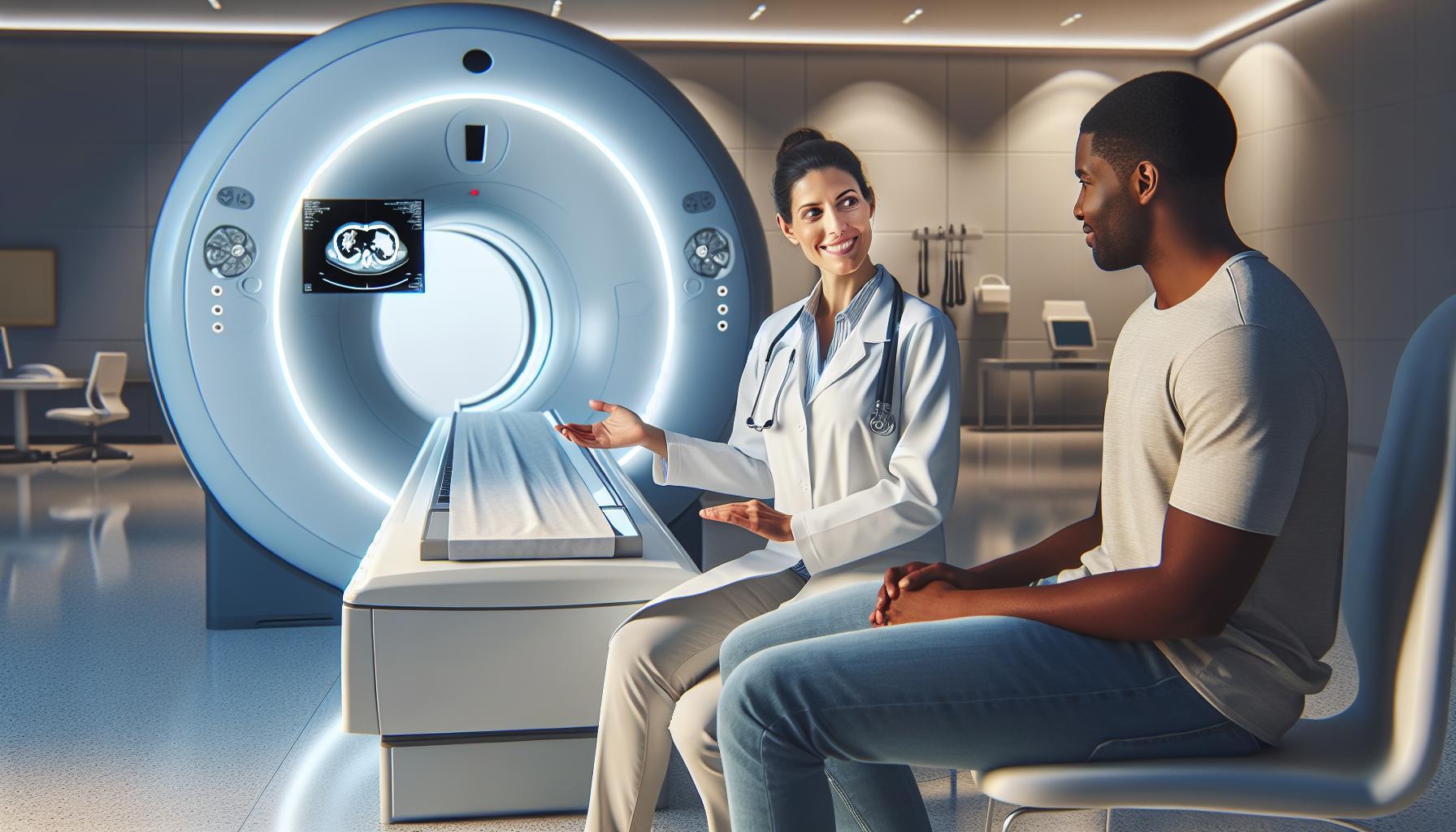
During a typical CT scan, you will lie on a motorized table that moves through a large, doughnut-shaped machine. A series of X-ray images will be captured from various angles, which a computer then compiles into a highly detailed image. The entire procedure is relatively quick, with most non-contrast scans taking between 5 to 10 minutes, while those requiring contrast material may take a bit longer, ranging from 10 to 30 minutes due to preparation and scanning times [[2]]. The experience is generally straightforward, yet having the right information can help mitigate any pre-scan anxiety.
To prepare for your CT scan, it’s crucial to follow any instructions your healthcare provider gives you regarding food intake and whether you’ll need to refrain from certain medications. Wearing comfortable clothing without metal fastenings is also advisable, as metal can interfere with imaging results. If a contrast dye will be used, be prepared for some additional steps, which might include staying hydrated or undergoing a brief assessment for allergies.
Overall, understanding these basics can empower you as a patient. By knowing what to expect during the CT scan process-how it operates, the typical duration, and how to prepare-you can approach your appointment with greater confidence and ease. Remember, if you have specific questions or concerns, your healthcare provider is always there to offer personalized guidance.
Key Factors Influencing CT Scan Duration
The duration of a CT scan can vary significantly, influenced by several key factors that patients often encounter. Understanding these factors can help set realistic expectations and ease any anxieties associated with the procedure.
One major element affecting the time required for a CT scan is the type of scan being performed. For instance, a standard CT scan without contrast is generally quick, typically lasting between 5 to 10 minutes. However, if the scan involves the use of contrast material, preparation and administration may extend the time to 10 to 30 minutes [[2]]. Additionally, specialized scans, such as CT angiography, can take considerably longer, ranging from 30 minutes to potentially over an hour due to the complexity of the imaging required.
Another critical factor is the specific area being examined. Scans of larger body parts or those necessitating detailed imaging will naturally require more time. For example, CT scans of the abdomen might take longer than those focused only on a limb. Moreover, the patient’s unique anatomy and any particular conditions being evaluated can contribute to the scan’s complexity and duration.
Preparation plays a significant role as well. Proper preparation before the scan, such as restricting food intake or undergoing hydration protocols, can streamline the process and potentially reduce waiting times. Individual factors, including the need for additional imaging or adjustments made during the scan, can also influence the overall length of the appointment.
In summary, while the actual scanning process is relatively fast, various factors such as the type of CT scan, the specific area of focus, and effective preparation must be considered. This awareness allows you to navigate your expectant journey through a CT scan with more confidence. Always feel free to discuss any concerns or specific scenarios with your healthcare provider to ensure a smooth experience.
Step-by-Step Guide: Preparing for Your CT Scan
Preparing for a CT scan can feel daunting, but understanding the steps involved can help ease your worries and ensure a smooth experience. A CT scan, or computed tomography scan, uses advanced imaging technology to create detailed pictures of the inside of your body, and proper preparation can significantly streamline the process. Here’s a helpful guide to getting ready for your upcoming scan.
Consult Your Healthcare Provider
Before your scan, it’s crucial to discuss any specific instructions with your healthcare provider. They may order blood tests, especially if you’re receiving a contrast agent, which can affect your kidneys. Be sure to inform them about any allergies, particularly to iodine or shellfish, as well as any medications you’re currently taking. This conversation sets a personalized plan tailored to your health needs.
Diet and Hydration Guidelines
Depending on the type of CT scan you are having, you may need to follow specific dietary instructions. For some scans, particularly those of the abdomen or pelvis, you may be asked to fast for several hours prior. It’s essential to stay hydrated as this can facilitate better imaging, especially if you’re having a scan with contrast. Drinking plenty of water in the days leading up to the procedure will help.
Contrast Material Preparation
If your scan requires contrast material to enhance the images, you will likely need to arrive early to allow time for this step. The contrast material can be administered orally (as a drink) or via an intravenous line, depending on the scan. If you’re receiving it through an IV, it can take additional time for the IV to be placed and for the contrast to be injected into your system.
What to Wear and Bring
On the day of your scan, wear comfortable clothing that is easy to remove, as you might be asked to change into a hospital gown. Avoid wearing metal accessories like jewelry, glasses, and watches, as these can interfere with the imaging results. Additionally, bring along any previous imaging studies or reports related to your current condition, as they can provide valuable context for your healthcare team.
Arriving at the Facility
Arrive at the imaging center or hospital with enough time to complete any additional paperwork or to check in. This helps ensure that your scan begins on schedule and reduces time spent waiting. Be prepared for a brief review of your medical history by the radiology staff, who will confirm your details and clarify any instructions you’ve been given.
Following these preparatory steps can make your experience with a CT scan smooth and efficient. Remember, if you have any uncertainties or concerns, reaching out to your healthcare provider for guidance can provide additional reassurance.
CT Scan Procedure: What Happens During the Scan
During a CT scan, the procedure is designed to be as straightforward and comfortable as possible, reducing any potential anxiety you may feel. As you lie on the scanning table, a large circular machine will rotate around you. This machine, known as a CT scanner, uses X-rays to capture detailed images of your body from different angles, which a computer then processes to create cross-sectional images for your physician to evaluate. A typical scan can take anywhere from a few minutes to half an hour, depending on the areas being examined and whether contrast material is used.
Your healthcare team will direct you throughout the process. Initially, you’ll be positioned on the examination table, which may involve adjusting your body to ensure precise imaging. They may ask you to hold your breath for a few seconds while the scan is in progress, as this helps improve image clarity. It’s essential to stay still during the scan, but you are not alone; the staff will remain nearby and monitor you throughout. If you feel uncomfortable or anxious at any point, be sure to communicate with the technician, as they are there to help ease your experience.
After the imaging is complete, the technician will help you get up from the table, and you can resume your regular activities, unless otherwise instructed. If contrast was required for your scan, you may be monitored for any reactions, but most patients tolerate it well. The entire experience is designed to be efficient while providing your healthcare providers with the critical information needed to make informed decisions about your health.
Types of CT Scans and Their Time Requirements
Knowing the different types of CT scans and their associated time requirements can greatly alleviate anxiety and help you prepare for your imaging appointment. CT scans are versatile diagnostic tools tailored to assess various body parts, each with a unique time frame based on complexity and the area being scanned. For instance, a simple CT scan of the abdomen may take around 10 to 15 minutes, while a scan of the chest may require closer to 20 minutes. The duration can vary based on several factors, including the type of contrast material used and the specific protocol of the imaging facility.
Common Types of CT Scans
- Abdominal CT Scan: Typically lasting about 10 to 15 minutes, this scan provides detailed images of organs such as the liver, pancreas, and kidneys. It’s often performed to investigate abdominal pain or other gastrointestinal issues.
- Chest CT Scan: Usually taking 15 to 30 minutes, this scan offers insights into lung conditions, tumors, or infections. Patients may be asked to hold their breath briefly during parts of the scan to enhance image quality.
- CT Angiography: This scan often takes 30 minutes or longer and focuses on blood vessels, helping to detect issues such as blockages or aneurysms. It usually requires the use of contrast dye, which necessitates additional monitoring.
- Brain CT Scan: Generally completed in about 15 to 20 minutes, this imaging focuses on the head and can reveal strokes, tumors, or other neurological conditions.
Variability in duration can also arise due to the need for more extensive imaging or additional scans for thorough assessments. It is essential to discuss any questions or concerns regarding the scan with your healthcare provider, as they can offer more personalized information based on your specific situation. Being aware of what to expect can not only help manage your time effectively but also alleviate concerns about the scanning process itself.
Waiting Times: From Referral to Appointment
When faced with the prospect of a CT scan, the timeline from referral to appointment can often feel overwhelming. Understanding the waiting times involved is essential for managing anxiety and expectations around the process. Typically, the time between your physician’s referral for a CT scan and the actual appointment can range from a few days to several weeks, depending on various factors such as facility availability and urgency of medical need.
Once you’ve received a referral, the next step usually involves scheduling the appointment. If the scan is categorized as routine, expect to wait longer, possibly up to a couple of weeks. However, if the situation is urgent-such as trauma or suspected serious conditions-most facilities prioritize these cases, aiming to schedule you within a day or even a few hours. It’s crucial to communicate openly with your healthcare provider about the urgency of your situation, as they can often facilitate quicker appointments.
Patients should also consider any preparatory steps needed before the scan, which can impact timing. For instance, if a contrast dye is required, you may need to arrive early to receive this. Additionally, some facilities might have specific requirements, such as fasting or other preparatory measures, which can further influence your schedule. Being proactive in understanding and adhering to these requirements can help ensure a smoother process.
Finally, it’s beneficial to reach out to the imaging facility directly if you’re feeling uncertain about the timeline, as they can provide more specific information and help alleviate any concerns. A well-informed patient is typically a less anxious one, and knowing what to expect around the timing of your CT scan can significantly ease the emotional burden during this waiting period.
Safety Measures: What to Know Before Your Scan
Understanding the safety measures involved in a CT scan can significantly ease the anxiety often experienced by patients. Prior to the procedure, it’s important to communicate any allergies, particularly to iodine or contrast materials, as these substances are commonly used during scans. This conversation will help ensure that appropriate alternatives are considered. If you have concerns about radiation exposure, discussing these with your healthcare provider is advisable, as they can explain the protocols in place to minimize risks.
Preparation for your CT scan may include specific instructions regarding diet and medications. For instance, if your scan requires contrast dye, you may be asked to fast for several hours beforehand. It’s essential to follow these instructions to ensure the scan’s effectiveness; inadequate preparation could necessitate rescheduling your appointment. Additionally, if you are pregnant or suspect that you might be, be sure to inform your doctor, as special precautions may be taken to protect the developing fetus.
After arriving at the imaging facility, you’ll likely be asked to change into a gown and remove any metal objects, such as jewelry or eyeglasses, that might interfere with the imaging process. The staff is trained to guide you through each step, ensuring comfort and clarity. If at any point you feel uneasy, don’t hesitate to speak up. Knowledge and comfort are key; understanding what to expect can transform a potentially intimidating experience into a straightforward procedure.
Finally, familiarize yourself with the aftercare instructions provided post-scan, especially if contrast dye was used. Hydration is often encouraged to help flush the dye from your system. Remember, the healthcare team is there to assist you throughout the process, and knowing that you can reach out to them with any concerns can make all the difference in how you feel about your CT scan experience.
After the CT Scan: Recovery and Next Steps
After undergoing a CT scan, many patients wonder what comes next and how to ensure a smooth recovery process. The experience is typically straightforward, but understanding the post-scan protocol can provide peace of mind. If you received contrast dye during your scan, it’s particularly important to focus on hydration. Drinking plenty of fluids helps flush the dye from your system, reducing the potential for any side effects or discomfort.
Following the scan, your healthcare provider will inform you of any specific aftercare instructions tailored to your situation, especially if you were administered contrast. Here are some common steps to take:
- Stay Hydrated: Aim to drink at least 8-10 glasses of water in the 24 hours following your scan if contrast was used. This encourages your kidneys to effectively remove the contrast material.
- Monitor for Reactions: Keep an eye out for any unusual symptoms such as rash, itching, or swelling, which could indicate an allergic reaction to the contrast dye. If these occur, contact your healthcare provider immediately.
- Manage Discomfort: If you experience any minor discomfort or soreness at the injection site (if contrast was used), applying a cool compress can help alleviate these symptoms.
- Follow Up on Results: Depending on the examination, results may be available within a few days. Be sure to schedule a follow-up appointment with your doctor to discuss the findings and any further actions that may be needed.
In terms of returning to daily activities, most patients can resume their normal routines shortly after the procedure, unless otherwise advised by their healthcare provider. It’s always wise to consult your doctor if you have any lingering concerns or if you experience unexpected symptoms. They can provide tailored advice based on your individual health needs and the specifics of your scan.
By being proactive in your recovery and staying informed about what to expect after your CT scan, you can significantly reduce anxiety surrounding the procedure. This post-scan period is an opportunity to reflect on your health journey, and caring for yourself adequately will set a solid foundation for the road ahead.
Cost Considerations: How Much Does a CT Scan Cost?
When considering a CT scan, understanding the financial implications is crucial for effective planning. The average cost of a CT scan in the United States ranges significantly, from approximately $300 to $6,750, with an average cost around $3,275. Factors affecting the price include where the scan is performed-whether in a hospital, outpatient facility, or imaging center-and whether you have insurance coverage. For those with insurance, out-of-pocket costs can vary widely based on your policy’s terms, including deductibles and copays. Knowing these variables can help you navigate your healthcare expenses more effectively.
Cost Variations to Keep in Mind
Several elements can influence how much you will ultimately pay for a CT scan:
- Type of Facility: Costs generally differ between inpatient hospitals and outpatient centers. Hospitals may charge higher rates compared to outpatient imaging facilities.
- Geographic Location: Prices tend to be higher in urban areas compared to rural regions, reflecting differences in demand and operational costs.
- Type of CT Scan: Specific scans, like those using contrast dye, may incur additional charges due to the materials and extra resources involved.
- Insurance Coverage: Understanding your specific insurance plan is essential, as networks may negotiate different prices with providers.
To ease concerns regarding payment, consult with your healthcare provider beforehand. They can offer estimates and may work directly with facilities to secure the best rates. Additionally, ask about payment plans or financial assistance programs if you’re concerned about potential costs.
Ultimately, financial transparency and preparation can significantly reduce anxiety surrounding your CT scan, allowing you to focus on your health and recovery rather than financial stress. Knowing what to expect can empower you to take informed steps regarding your healthcare choices.
Interpreting Your Results: What Happens Next?
Receiving the results of a CT scan can be an anxious time, particularly when you’re awaiting crucial information about your health. Understanding how these results are interpreted and what the next steps are can help alleviate some of that anxiety. The interpretation process often begins soon after the scan is completed. Radiologists, specialized doctors trained to read and analyze imaging studies, review the images generated by your CT scan for any abnormalities or concerns that may need further investigation.
Once the radiologist has analyzed your results, they will compile a report detailing their findings. This report then gets sent to your primary care physician or referring specialist, who will discuss the results with you. Depending on the context of your scan and the findings, you might receive results quickly, sometimes within a day or two, or it may take longer if further tests or consultations are needed. It’s essential to have open lines of communication with your healthcare provider, as they can not only interpret the medical jargon but also explain how the results fit into your overall health picture.
In some cases, you may be asked to come in for a follow-up appointment to discuss the findings in person. During this appointment, be prepared to ask questions about anything you don’t understand, including the implications of your results and the potential next steps, whether that’s further testing, treatment options, or a watch-and-wait approach. It’s normal to have concerns and feelings about what results might mean, so don’t hesitate to express your worries. Engaging your healthcare team in an open dialogue can empower you, helping you understand your health better.
Lastly, it’s worth noting that not all CT scan results indicate an immediate issue. Various benign conditions can also show up on scans. The key is to focus on your path forward, collaborating with your medical team to determine the best course of action tailored to your specific situation. Your health journey is a partnership, and being informed will help you navigate it confidently.
Common Concerns: Addressing Anxiety About CT Scans
While it’s natural to feel anxious before a CT scan, understanding the procedure and recognizing your feelings can significantly ease your concerns. A CT scan is generally a quick process, often taking only 10 to 30 minutes, allowing your healthcare provider to obtain critical diagnostic information swiftly. Many patients worry about the machines themselves, the potential for discomfort, or the implications of the results. Remember, medical imaging technology has advanced considerably, making scans safer and more efficient than ever.
Preparation can make a big difference in your experience. Before your appointment, ensure you understand any instructions from your healthcare provider, such as dietary restrictions or medication adjustments. Arriving at the facility feeling informed and prepared often alleviates anxiety and fosters a sense of control. Speak openly with the radiologic technologist about any fears or discomforts you might have; they are trained to help ease your anxiety. Engaging in guided breathing or mindfulness techniques can also help calm your nerves as you wait for the procedure to begin.
Addressing Common Fears
Several common concerns arise for patients facing a CT scan:
- Radiation Exposure: It’s important to realize that the radiation dose from a CT scan is low, especially compared to the imaging benefits it provides in diagnosing conditions.
- Claustrophobia: If you’re prone to feeling confined, let your technologist know. They can provide reassurance throughout the scan or help you consider an open CT option.
- Understanding Results: Many worry about what the results could mean for their health. It’s helpful to remember that your healthcare provider will guide you through the findings and any next steps.
Focusing on what you can control and seeking support from your medical team can reduce anxiety significantly. By recognizing your feelings and arming yourself with knowledge, you can approach your CT scan with greater confidence and peace of mind.
Patient Testimonials: Real Experiences with CT Scans
Hearing from others who have experienced a CT scan can demystify the process and provide reassurance. Many patients express that their initial anxiety turned into relief once they understood what to expect. For instance, Sarah, a 35-year-old mother, shared that she felt intimidated by the idea of being placed inside the machine. However, once she arrived at the imaging center and spoke with the staff, her worries began to dissipate. “The technologist explained everything step-by-step,” she recounts. “Knowing that I was only going to be in there for about 10 minutes made it a lot easier to handle.”
Another patient, Tom, highlighted the importance of preparation. “I was nervous about the contrast dye,” he explained, referring to the substance often used to enhance images. “But I spoke with my doctor beforehand, and they assured me that it was safe and helped a lot with my concerns, especially about allergies.” Tom’s experience underscores the importance of open communication with healthcare providers, which can alleviate fears and create a sense of control leading up to the scan.
Moreover, many individuals emphasize the role of the waiting room experience. “I found engaging in breathing exercises while waiting helped calm my nerves,” noted Lisa, who mentioned how she practiced mindfulness techniques as she sat in the waiting area. This allowed her to approach the scan feeling balanced and ready rather than panicked. Her success shows that simple strategies can make a significant difference in easing anxiety.
These testimonies reveal that while the thought of a CT scan can be daunting, real patient experiences reveal the potential for comfort and ease during the process. Engaging in conversations with the medical team, preparing in advance, and using calming techniques can transform what many see as a stressful event into a manageable and even empowering experience. Encouragingly, most patients find that the procedure is swift and straightforward, often taking only 10 to 30 minutes from start to finish, making it another reason to approach the scan with optimism.
Frequently Asked Questions
Q: How long does a typical CT scan take?
A: A typical CT scan generally takes between 5 to 30 minutes, depending on the type of scan. Simple scans, like a head CT, may take around 5-10 minutes, while more complex scans, such as those of the abdomen, may take up to 30 minutes or more [1[1].
Q: What factors can affect the duration of a CT scan?
A: Several factors can influence the duration of a CT scan, including the body part being scanned, the complexity of the procedure, and whether contrast material is used. Preparation time and the need for multiple positions may also extend the scan duration [2[2].
Q: Are there any types of CT scans that take longer than others?
A: Yes, specialized CT scans, such as CT angiography, typically take longer, ranging from 30 minutes to an hour. Routine scans may be quicker, often taking around 5-15 minutes [3[3].
Q: What should patients do to prepare for a CT scan to ensure it goes quickly?
A: To ensure a quicker CT scan, patients should follow pre-scan instructions carefully, such as fasting if required, wearing comfortable clothing, and providing any necessary medical information to the technician [2[2].
Q: Can I see my CT scan results immediately after the procedure?
A: No, patients typically cannot see their CT scan results immediately. Radiologists need time to analyze the images before providing a report to the referring physician, which may take a few hours to a few days [3[3].
Q: How does the use of contrast affect CT scan time?
A: The use of contrast can extend the duration of a CT scan as it requires additional preparation and monitoring time. This can add approximately 15-30 minutes depending on the procedure type [1[1].
Q: What happens if a patient moves during a CT scan?
A: If a patient moves during a CT scan, it can result in blurred images, possibly necessitating a repeat scan. It’s vital for patients to remain still during the procedure to ensure accurate results [2[2].
Q: Are there any side effects from a CT scan that might influence its duration?
A: While CT scans are generally safe, some patients might experience mild side effects from contrast dyes, such as allergic reactions. Such occurrences can delay further imaging or require additional medical evaluations, potentially extending the overall timeline of the procedure [3[3].
In Summary
Understanding the duration of a CT scan can help alleviate any anxiety you may have about the procedure. Remember, while the scanning itself typically takes just a few minutes, additional time for preparation and consultation is often necessary. If you’re eager to learn more about medical imaging, consider exploring our in-depth guides on MRI procedures and X-ray safety.
Don’t hesitate to reach out for personalized assistance or to schedule a consultation. Your health is paramount, and having accurate information empowers you to make informed decisions. For more vital insights and updates, sign up for our newsletter and stay connected. Your journey to understanding medical procedures starts here-let’s continue exploring together!