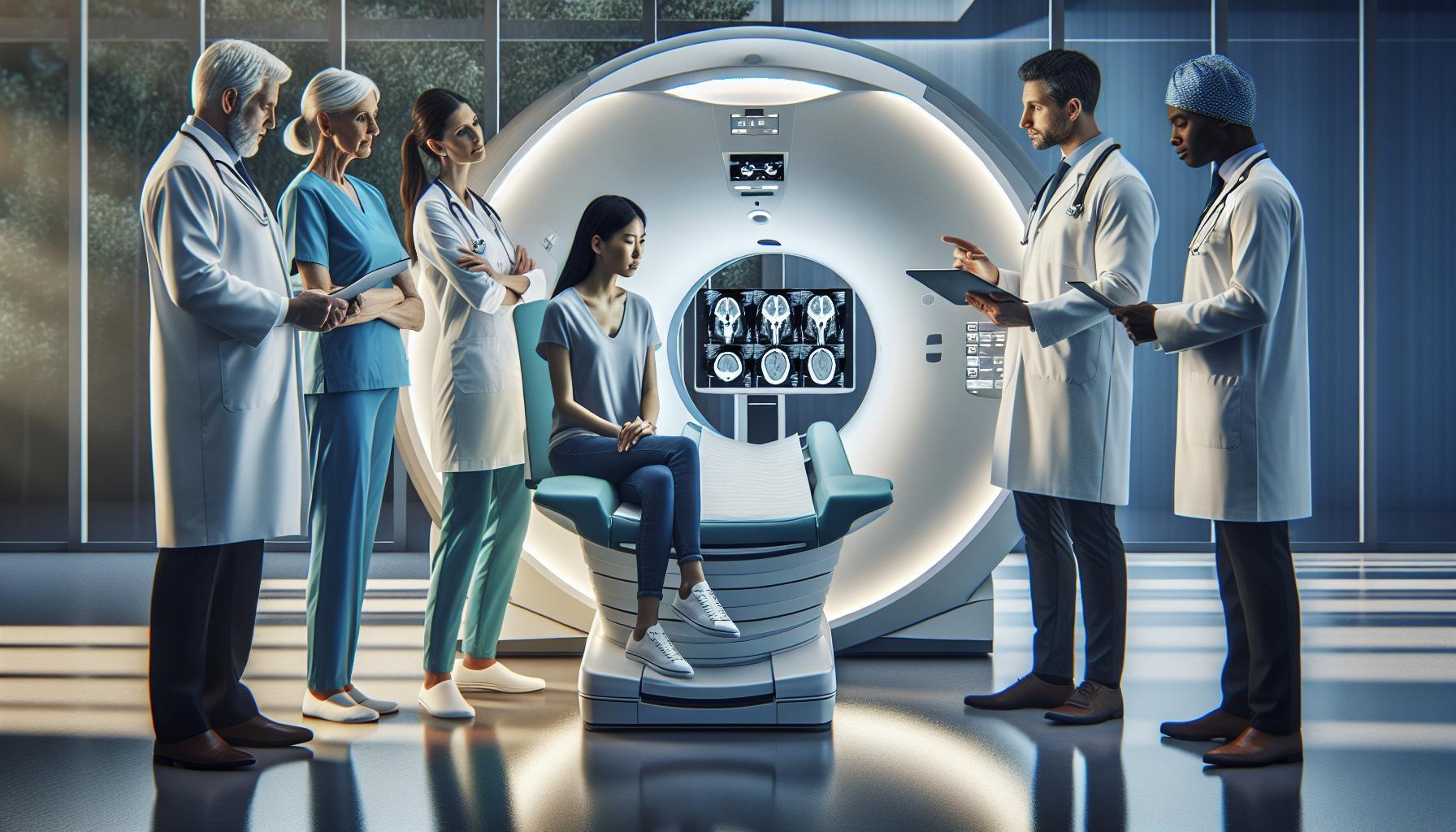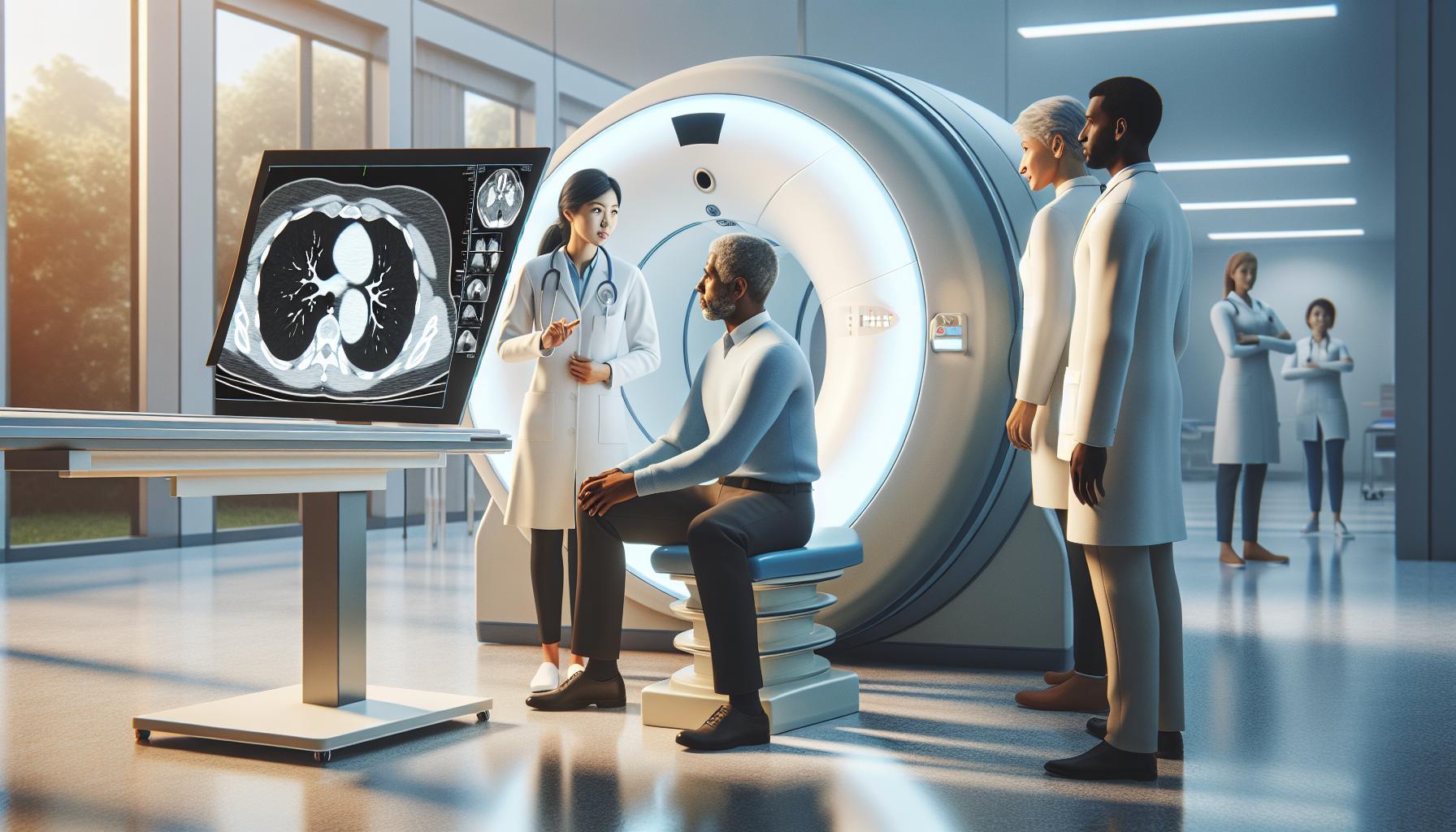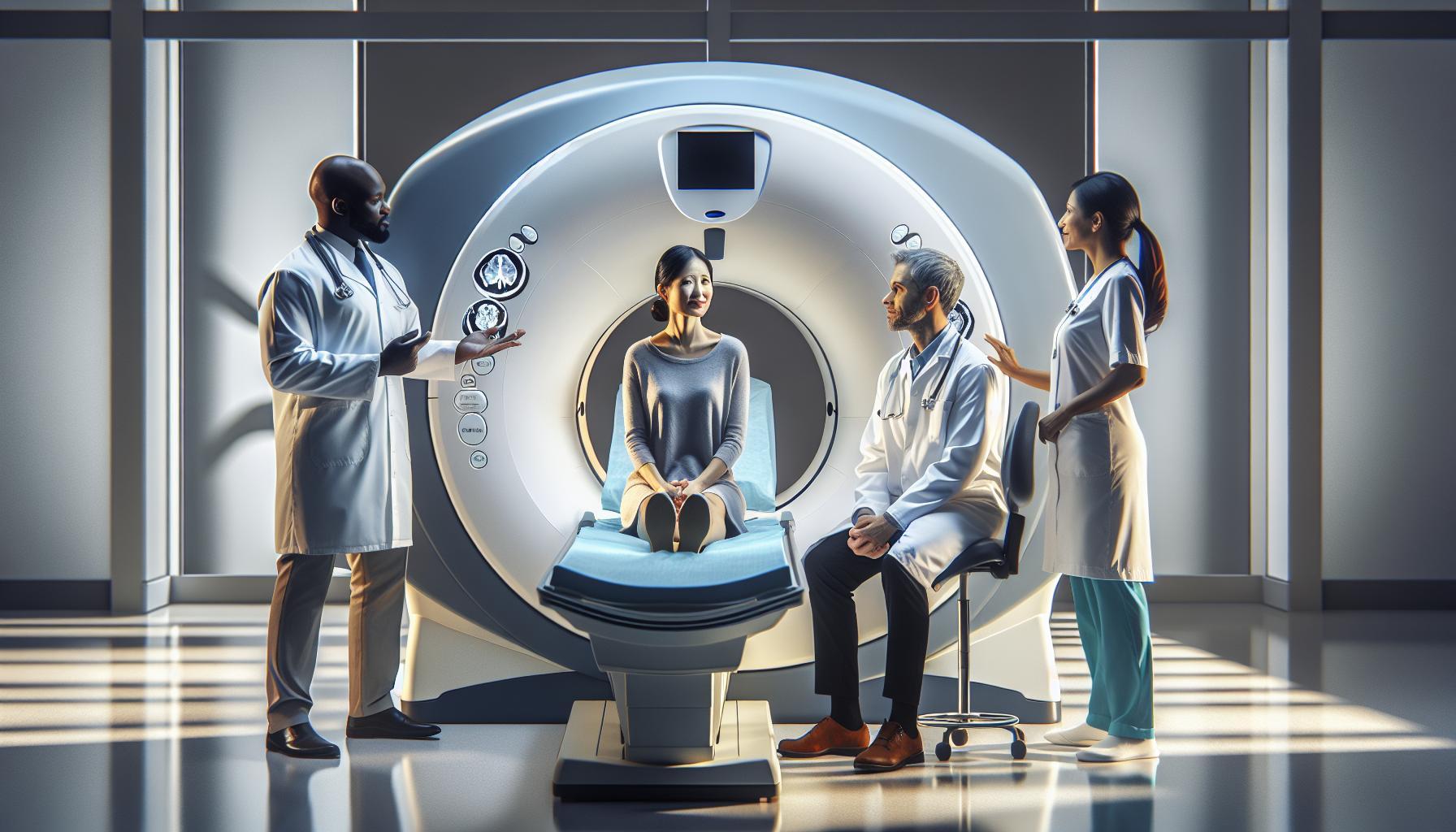
Imagine sitting in a doctor’s office, grappling with the uncertainty of a potential diagnosis. When concerns arise about brain tumors, patients often wonder about the effectiveness of imaging techniques like CT scans. These advanced machines play a crucial role in identifying various brain conditions, including tumors, but how accurate are they?
In this article, we’ll delve into the reliability of CT scans in detecting brain tumors, exploring accuracy rates, what patients can expect during the procedure, and why understanding these factors is vital for informed decision-making. Whether you’re facing a possible diagnosis or simply seeking knowledge, empowering yourself with this information can help alleviate some anxiety and clarify your next steps. Read on to discover the significant role CT scans play in brain tumor detection and learn how to navigate this important aspect of your health care.
Can a CT Scan Diagnose a Brain Tumor?
A CT scan can be a critical tool in the diagnosis of brain tumors, often serving as the first imaging test when a doctor suspects a mass or abnormality in the brain. Utilizing specialized X-ray technology, this procedure creates detailed cross-sectional images that provide insight into the structure and condition of the brain. CT scans are particularly effective at identifying certain types of tumors, such as larger or more aggressive masses, and can help assess their size and location, which is crucial for treatment planning.
While CT scans are beneficial, their effectiveness can vary. Factors such as the tumor’s size, type, and position within the brain can influence detection rates. For example, smaller tumors or those located in tricky areas might evade the resolution capabilities of a CT scan, potentially leading to false negatives. Additionally, the presence of certain anatomical variations and overlapping structures can further complicate readings. That’s why CT scans are often complemented by other imaging techniques, such as MRI, which provides higher resolution images and greater soft-tissue contrast.
When undergoing a CT scan intended to diagnose a brain tumor, it’s important to maintain open communication with your healthcare provider regarding any symptoms you’ve experienced. Such nuances can assist radiologists in interpreting the images with greater context, improving the likelihood of an accurate diagnosis. Remember, a positive diagnosis of a brain tumor via CT scan can be daunting, but understanding the process and what the results mean can empower you in discussing next steps with your medical team.
How Accurate Are CT Scans for Tumor Detection?
Using a CT scan to detect brain tumors can be a concerning yet crucial step in understanding your health. Research indicates that these scans are particularly effective for visualizing larger tumors or those located in specific areas of the brain. The accuracy of CT scans in detecting tumors generally varies based on several factors, such as the tumor’s size, type, and precise location. For instance, larger tumors are typically easier to identify due to their distinct presence within the brain’s structure, while smaller tumors, especially those positioned in complex areas surrounded by brain tissue, may evade detection, leading to false negatives.
Several studies suggest that the overall accuracy of CT scans for brain tumor detection can range from 70% to 90%, depending on these variables. When considering other diagnostic methods, it’s essential to acknowledge that CT scans present a trade-off between speed and detail. While they provide rapid imaging that is especially valuable in emergency situations, their resolution for soft tissue contrast may not be as fine as that of MRI scans. This is why healthcare providers often recommend MRI scans for follow-ups or if initial CT results are inconclusive, especially for smaller or more subtle tumors.
It’s also beneficial to remember that technological advancements and the expertise of the radiologist play critical roles in the interpretation of CT images. Well-trained specialists are adept at recognizing subtle signs that could suggest the presence of a tumor. Therefore, sharing detailed symptoms and medical history with your healthcare provider can significantly enhance the diagnostic process. This collaborative effort can lead to a more accurate and timely diagnosis, allowing for more effective treatment planning. Always consult with your medical team to discuss any findings and the implications for your next steps.
Factors Influencing CT Scan Accuracy
The effectiveness of a CT scan in diagnosing brain tumors is influenced by several significant factors, each playing a crucial role in how well the scan can identify abnormalities within the brain. Understanding these elements can help alleviate concerns and clarify what to expect during the diagnostic process.
One of the primary factors affecting accuracy is the size of the tumor. Larger tumors, typically greater than 2 centimeters, are generally more visible on a CT scan due to their distinct shape and mass effect on surrounding tissues. In contrast, smaller tumors, especially those less than 1 centimeter, can be more challenging to detect, potentially leading to missed diagnoses or false-negative results. The location of the tumor within the brain also matters; tumors situated in complex or less accessible regions can be obscured by normal brain structures.
Additionally, the type of tumor significantly impacts detection rates. Certain tumor types, like meningiomas, tend to be more readily identified, while others, such as gliomas or lymphomas, may present more subtle signs that can be easily overlooked. The contrast enhancement during a CT scan can further aid in visualization when a contrast agent is used. This can help distinguish tumors from normal brain tissue, especially those that are not easily identifiable through standard imaging.
Another essential aspect is the expertise of the radiologist. Their experience and skill in interpreting CT scans are vital. A well-trained radiologist will be better equipped to identify atypical signs of a tumor and correlate them with the patient’s history and presenting symptoms. Sharing comprehensive medical history and symptoms with your healthcare provider can significantly enhance the diagnostic accuracy of a CT scan.
To summarize, the accuracy of CT scans for detecting brain tumors hinges on various factors, including tumor size, location, type, use of contrast, and the interpreting radiologist’s expertise. By mindful collaboration with healthcare professionals, patients can take proactive steps to ensure a thorough evaluation and timely diagnosis, which are critical for effective treatment planning.
CT Scans vs. Other Imaging Techniques
When it comes to diagnosing brain tumors, choosing the right imaging technique is crucial. While CT scans are a valuable tool due to their speed and wide availability, they are not the only option. Other imaging modalities, such as MRI (Magnetic Resonance Imaging), provide different advantages that can significantly influence the diagnostic process.
One of the key differences between CT scans and MRIs is the level of detail each can provide. MRI scans utilize powerful magnets and radio waves to produce detailed images of soft tissues, making them particularly effective for visualizing brain structures. In many cases, MRIs can detect smaller tumors and provide better contrast resolution than CT scans. For example, MRI is often preferred for examining tumors that reside near critical structures in the brain, where subtle differences in soft tissue need to be appreciated. However, MRIs are generally more time-consuming and may not be as accessible in emergency situations.
Another imaging technique worth considering is PET (Positron Emission Tomography). PET scans can detect metabolic activity within the brain, which can be useful in identifying tumors that may not be visible on a CT scan. Often used in conjunction with CT or MRI, PET imaging can help physicians differentiate between benign and malignant growths based on their metabolic characteristics. However, factors such as the availability of technology and the patient’s condition can influence the choice of imaging.
Patients should also be aware that while CT scans are generally quicker, they expose individuals to a small amount of ionizing radiation. In contrast, MRIs do not involve radiation, making them a safer option for many patients, especially those requiring multiple scans over time. In making a decision about which imaging modality to use, it is essential to discuss individual circumstances, including any previous imaging results, current symptoms, and overall health, with a healthcare provider. By understanding the strengths and limitations of each approach, patients can feel empowered to participate in the decision-making process regarding their diagnostic evaluation.
What to Expect During a CT Scan
During a CT scan, patients can expect a series of clear and efficient steps aimed at obtaining detailed images of the brain. One of the marvels of this technology lies in its speed-typically, a CT scan can be completed in just a matter of minutes. As you arrive for your scan, it’s essential to understand that the experience is designed to be straightforward and minimally stressful, allowing you to focus on your health.
Upon entering the CT room, you will be greeted by a trained technician who will guide you through the process. During the scan, you will lie on a narrow table that moves through a large, donut-shaped machine called the CT scanner. This machine will take images from various angles, creating cross-sectional views of your brain. It’s common to hear whirring sounds as the machine operates, but it’s important to remain still during the imaging to ensure high-quality results. The technician may provide specific instructions such as holding your breath briefly at certain points; following these simple instructions is crucial for acquiring the best images.
Most importantly, understanding the safety protocols can ease any anxiety. The amount of radiation used in a CT scan is relatively low, and the benefits of accurately diagnosing potential brain issues often outweigh these risks. For those concerned about discomfort, rest assured that the procedure is non-invasive, and many patients report feeling minimal to no discomfort.
Additionally, if you are receiving a contrast agent in your scan, the technician will explain how it works. This agent, usually administered through an IV, helps to enhance the images, making tumors or other abnormalities more visible. You may experience a warm sensation as the contrast is injected, which is completely normal. Being prepared for these aspects of the CT scan can help alleviate apprehension and foster a sense of control during the procedure. Always discuss any concerns with your healthcare provider, who can offer personalized insights and support tailored to your individual situation.
Preparing for Your CT Scan: A Step-by-Step Guide
Preparing for a CT scan can significantly ease any anxiety you may feel about the procedure. Having a clear plan for what to expect and how to get ready can help create a more comfortable experience. For instance, it’s essential to communicate openly with your healthcare provider about any medications you are taking or health conditions that may affect the scan.
To get started, follow this straightforward step-by-step guide:
Step-by-Step Preparation for Your CT Scan
- Consult Your Doctor: Discuss any medications, allergies, or underlying conditions. Your doctor may provide specific instructions depending on your health status.
- Medication Management: Make sure you know whether to take your regular medications on the day of the scan. In some cases, sedation may be necessary, particularly for children or individuals with anxiety.
- Dietary Restrictions: You may be asked to avoid eating or drinking for a specific period before the scan, especially if you are receiving contrast material. Follow these instructions carefully to ensure optimal imaging results.
- Clothing Considerations: Wear comfortable, loose-fitting clothing. You may be asked to change into a gown, so it’s best to leave any jewelry, accessories, or heavy clothing at home to avoid delays.
- Understanding the Contrast Agent: If your CT scan requires a contrast agent for better visualization, familiarize yourself with what to expect. This agent is usually injected through an IV and might cause a brief warm sensation. Ask your technician for more information about its role in your examination.
- Arriving Promptly: Plan to arrive early for your appointment. This gives you time to fill out any necessary paperwork and allows the staff to address any last-minute concerns.
- Relaxation Techniques: If you’re feeling anxious, practice some breathing exercises, listen to calming music, or bring a reassuring item from home to help you feel more at ease.
By following these preparation steps, you can gain confidence heading into your CT scan. Remember, it’s important to maintain an open line of communication with your healthcare team, who can provide tailored assistance based on your specific needs. Engaging with them can help alleviate any uncertainties you have, ensuring that you are well-prepared for the imaging process.
Understanding CT Scan Results and Reports
The results of your CT scan will ultimately hold significant importance in diagnosing potential health concerns, including the presence of a brain tumor. Your healthcare provider will receive a detailed report generated by a radiologist, who interprets the images taken during the scan. This report will outline the findings, including any abnormalities in the brain structure, and detail whether there are any indicators of tumors or other conditions. It’s essential to understand that while a CT scan can identify potential tumors, it is not a definitive diagnostic tool for brain tumors alone; further testing may be recommended based on the findings.
Once you receive your report, take the time to discuss its contents with your doctor. They will provide context regarding what the findings mean for your health. If a mass is detected, your doctor may suggest additional imaging studies, such as an MRI, which offers greater detail on soft tissues and is particularly useful for evaluating brain tumors. Understanding the language used in your CT scan report can be daunting, which is why it’s important to ask your healthcare provider for explanations of specific terms or findings.
For many patients, the waiting period between the scan and the appointment to review results can be a source of anxiety. It’s important to remember that your healthcare team is there to support you. Preparing questions in advance can help clarify any doubts you may have about results or next steps. Engaging in relaxation techniques, such as mindfulness or gentle exercise, can also lessen anxiety as you await more information about your health situation. Prioritizing open communication with your provider facilitates not just understanding but also a sense of control over your care.
Common Misconceptions About CT Scans
Many people hold misconceptions about CT scans, especially regarding their capabilities in diagnosing brain tumors. One prevalent myth is that a CT scan can provide a definitive diagnosis of a brain tumor-a misunderstanding that can lead to unnecessary anxiety. In reality, while a CT scan is an essential tool that can indicate the presence of abnormalities in the brain, it is not the singular diagnostic test for tumors. It usually requires further investigation, often through an MRI, which offers more detailed imaging of soft tissues.
Another common misconception is the belief that CT scans are inherently risky due to radiation exposure. Although it’s true that CT scans use radiation, the amount is relatively low compared to other medical procedures. Healthcare providers are trained to weigh the risks against the benefits, ensuring that when a CT scan is recommended, it is necessary for accurate diagnosis and treatment planning. Patients should feel empowered to discuss their concern about radiation exposure with their doctor, who can provide informed guidance.
Additionally, some individuals think that having a CT scan guarantees immediate answers about their health status. However, interpreting CT scan results can take time, as radiologists require a careful assessment of the images before reporting their findings. It’s completely normal to experience a wait period before receiving results, and this time can be used to prepare questions for your healthcare provider. It’s important to maintain open communication with your medical team throughout this process, as they can offer reassurance and clarity regarding next steps and the implications of the findings.
In summary, being well-informed about CT scans can alleviate anxiety and improve the experience for patients undergoing imaging studies. By clarifying these common misconceptions, individuals can approach their diagnosis with a more balanced perspective, knowing they have a valuable tool at their disposal for understanding their health condition. Consulting healthcare professionals will always provide the most personalized and accurate guidance based on individual circumstances.
The Role of CT Scans in Treatment Planning
Understanding how CT scans contribute to treatment planning can significantly ease the mind of patients facing medical challenges, especially when it comes to diagnosing conditions like brain tumors. Once initial assessments are complete, including the possibility of a brain tumor, imaging becomes crucial for determining next steps. Specifically, CT scans help in visualizing the size, location, and potential impact of tumors on surrounding brain structures, thereby informing treatment decisions.
The information gleaned from a CT scan can be pivotal in creating a personalized treatment plan for patients. For instance, if a scan reveals the presence of a brain tumor, medical professionals can assess its characteristics and decide whether surgical intervention is necessary, if therapy or chemotherapy should be considered, or if a watch-and-wait approach is appropriate. Moreover, further imaging might be dictated based on CT findings, guiding an accurate and timely response to the tumor’s behavior.
In treatment planning, CT scans serve as baseline imaging. This means that subsequent scans can be compared to track the progress of the tumor and the effectiveness of ongoing treatments. Such comparisons can provide invaluable insights into how well a patient is responding to therapy, leading to adjustments in treatment if necessary-essentially tailoring care to optimize outcomes.
Furthermore, the use of contrast material during CT imaging can enhance the visibility of certain tumors, making it easier for physicians to delineate the boundaries of the tumor and make informed recommendations. Patients might find comfort knowing that every image taken contributes to a strategic approach in addressing their health, ensuring that they receive the most appropriate care based on current evidence. Always consult with your healthcare provider to discuss the specifics of your situation and how imaging results will influence your treatment plan.
What Should You Do After Your CT Scan?
After undergoing a CT scan, it’s natural to feel a mix of anticipation and anxiety regarding the results. Understanding the next steps can help ease your mind and empower you to take charge of your health.
Once your scan is complete, the imaging technician will let you know when you can leave. If contrast material was used, it’s essential to drink plenty of fluids afterward to help flush it from your system. While most people can resume their normal activities immediately, you may want to wait until your healthcare provider discusses the results to avoid unnecessary stress, as clarity often comes from professional interpretation.
Typically, your healthcare provider will review the CT images and integrate this information with your medical history and symptoms to formulate a comprehensive view of your condition. Depending on your situation, results could be available within a few days. You might prefer to schedule a follow-up visit to discuss the findings in detail. During this appointment, be prepared to ask questions about your results, potential next steps, and what they mean for your treatment options.
Remember that while waiting for results can be a challenge, it’s essential to practice self-care during this period. Engaging in calming activities such as reading, going for a walk, or practicing mindfulness can be beneficial. If any side effects arise from the scan, such as nausea or discomfort, don’t hesitate to reach out to your provider for guidance.
Ultimately, the most crucial step after a CT scan is to maintain open communication with your healthcare team. They are your advocates and can provide the support and information you need as you navigate through understanding your health.
Exploring Cost and Insurance Coverage for CT Scans
The cost of a CT scan can vary significantly depending on a variety of factors, including the location of the facility, whether the scan is performed in an outpatient center or a hospital, and if any contrast dye is used during the procedure. On average, a CT scan in the U.S. can range from $300 to $3,000. The price will often reflect the complexity of the procedure and the specific area being scanned, such as the brain or other body parts. It’s essential to check with your local imaging centers to understand their fee structures.
Insurance coverage is a critical aspect of managing the expenses associated with CT scans. Most health insurance plans generally cover CT scans if they are deemed medically necessary. To navigate coverage, it’s advisable to:
- Contact your insurance provider: Before scheduling the scan, verify what your plan covers, including any copayments, deductibles, or out-of-pocket Maximums.
- Obtain a pre-authorization: Some insurers require prior approval for certain imaging tests. Your doctor can help facilitate this process.
- Compare in-network and out-of-network facilities: Utilizing facilities that are in-network with your insurance may significantly reduce your costs.
In some cases, patients may also qualify for financial assistance programs or discounts, especially when dealing with high costs associated with scans. Discussing payment options with the imaging center before the appointment can alleviate financial stress and allow you to focus on your health.
While understanding the costs and insurance coverage can be daunting, approaching the process with thorough preparation can make it manageable. Always keep open lines of communication with your healthcare provider and the imaging facility to ensure you have a clear understanding of what to expect financially, allowing you to concentrate on receiving the necessary diagnostic care.
When to Consult a Specialist After a CT Scan
Following a CT scan, especially one targeting potential issues like a brain tumor, knowing when to reach out to a specialist can be crucial for your health journey. If your scan results indicate any abnormal findings or if you continue to experience concerning symptoms, consulting a specialist should be your next step. For instance, if you’re experiencing persistent headaches, vision changes, or neurological symptoms, even if the CT scan doesn’t show definitive results, seeking further evaluation is advisable.
It’s essential to have a follow-up discussion with your healthcare provider to interpret the CT scan results accurately. They can guide you on whether a referral to a neurologist or an oncologist is necessary based on the findings. Delays in consulting a specialist can mean missing key opportunities for early diagnosis and treatment, which can significantly impact your prognosis if a brain tumor is present.
Be proactive in your health care. If the results of your CT scan are uncertain or if you have ongoing fears or questions, don’t hesitate to seek a second opinion. Many patients find that talking through their concerns with a specialist provides not only clarity but also peace of mind regarding their condition and the recommended next steps. This could include additional imaging, biopsies, or other diagnostic procedures to explore the situation further.
Finally, consider the emotional aspect of waiting for results. It can be stressful and anxiety-inducing. Reach out to supportive friends, family, or support groups that can provide encouragement as you navigate your healthcare decisions. Remember, being informed and proactive is vital in your journey to health.
Frequently Asked Questions
Q: How reliable are CT scans for detecting brain tumors?
A: CT scans are generally reliable for detecting brain tumors, with accuracy rates varying based on tumor type and location. While they can identify many tumors, additional imaging techniques like MRI may be needed for a more thorough evaluation, particularly for smaller or less distinct growths.
Q: Can a CT scan miss a brain tumor?
A: Yes, a CT scan can miss a brain tumor, particularly if the tumor is small or located in complex regions of the brain. Factors such as the quality of images and the experience of the radiologist can also influence detection. Always consult with a healthcare professional for further assessment if symptoms persist.
Q: What are the limitations of using CT scans for brain tumor detection?
A: Limitations of CT scans include lower sensitivity for certain tumor types, the potential for false positives, and the inability to provide detailed information about tumor composition. Advanced imaging techniques like MRI are often recommended for more comprehensive evaluations.
Q: Are there specific symptoms that indicate the need for a CT scan for brain tumors?
A: Symptoms that may warrant a CT scan include persistent headaches, changes in vision, seizures, sudden personality changes, and difficulty with coordination. If you experience any of these symptoms, it’s essential to consult a healthcare provider for an appropriate evaluation.
Q: How do CT scans compare to MRIs for brain tumor detection?
A: CT scans are quicker and can be more accessible than MRIs, but MRIs provide superior detail and are more sensitive for detecting brain tumors. For comprehensive assessments, radiologists often recommend using both imaging techniques in conjunction with each other.
Q: What types of brain tumors can a CT scan detect?
A: A CT scan can detect various types of brain tumors, including gliomas, meningiomas, and metastatic tumors. However, the detection efficacy varies, so further tests may be necessary for accurate diagnosis and characterization.
Q: What should I expect during a CT scan for brain tumor evaluation?
A: During a CT scan, you will lie on a table that moves through a large, donut-shaped machine. You may be asked to hold your breath briefly while images are taken. The process is quick, typically lasting about 10-30 minutes, and is non-invasive and painless.
Q: What steps should I take after having a CT scan?
A: After a CT scan, you can resume normal activities unless otherwise instructed by your healthcare provider. Await your doctor’s interpretation of the results, which may take a couple of days. If you experience any unusual symptoms, contact your provider immediately.
Closing Remarks
In conclusion, understanding the accuracy of CT scans in detecting brain tumors is crucial for informed decision-making about your health. While CT scans are effective diagnostic tools, they may not capture every nuance of a brain tumor, prompting the need for further discussions with your healthcare provider. If you’re still uncertain or anxious about the next steps, consider exploring our comprehensive guide on preparing for a CT scan or our article on the differences between CT and MRI scans.
We encourage you to leave a comment if you have questions or experiences to share, and don’t forget to subscribe to our newsletter to stay updated on the latest advancements in medical imaging. For more insights on related topics, check out our resources on brain health and early detection strategies. Taking charge of your health starts with knowledge, so continue to seek reliable information and consult with professionals for personalized care.