When it comes to diagnosing serious health conditions like cancer, accurate imaging is crucial. A CT scan, or computed tomography scan, utilizes advanced technology to create detailed images of the body’s internal structures, helping healthcare professionals detect abnormalities, including tumor formations. This makes it an invaluable tool in early cancer detection and management.
Understanding how CT scans can show cancer and their accuracy in detection is essential for anyone navigating health concerns or medical evaluations. Many patients may feel anxious about the implications of undergoing such tests, but knowing what to expect can alleviate some of that stress.
In this article, we will delve into the effectiveness of CT scans in identifying cancer, addressing common questions and concerns. By exploring the detection accuracy and the scanning process, you will gain valuable insights to empower your healthcare journey, making informed decisions alongside your healthcare provider.
Understanding CT Scans and Cancer Detection
A CT scan, or computed tomography scan, serves as a powerful tool in cancer detection, employing a combination of X-ray imaging and computer processing to produce detailed cross-sectional images of the body. This advanced technology allows healthcare professionals to visualize internal organs, tissues, and even blood vessels with precision, aiding in the early diagnosis of various cancers. Its rapid data acquisition and ability to generate 3D images make CT scans integral in the evaluation of cancer spread, treatment planning, and follow-up assessments.
When it comes to cancer detection, CT scans are particularly effective for visualizing tumors within the chest, abdomen, and pelvis. Conditions such as lung cancer, liver cancer, pancreatic cancer, and kidney cancer can often be diagnosed or monitored through this imaging technique. The scan provides clarity on tumor size and location, which is vital information for determining the appropriate course of treatment. However, it’s important to note that while CT scans are a useful diagnostic tool, they are not infallible. False positives can occur, prompting further testing or biopsies, and in some cases, can lead to unnecessary anxiety for patients.
In preparation for a CT scan, understanding the role of contrast dye is essential. Contrast dye enhances the visibility of specific areas within the body, allowing for a clearer image during the scan. Patients may need to fast for a few hours prior to the procedure, especially if contrast is to be used. It’s also crucial to inform the healthcare provider of any allergies, particularly to iodine, as this could affect the choice of contrast medium used during the scan.
Ultimately, staying informed and prepared can significantly reduce patient anxiety and enhance the overall experience with CT scans. Engaging in open discussions with healthcare providers about the purpose of the scan, the procedure itself, and what the results may indicate will help empower patients in their journey towards understanding potential health concerns.
How Accurate Are CT Scans for Cancer?
While many patients may feel anxious about undergoing a CT scan, particularly when it comes to cancer detection, it’s important to understand how accurate these scans can be. CT scans are designed to provide detailed images of internal organs, allowing healthcare professionals to identify abnormalities like tumors with significant precision. In fact, studies suggest that CT scans can detect tumors as small as a few millimeters in size, depending on their location and the type of cancer being examined.
The accuracy of CT scans is not just dependent on the imaging technology itself but also on various factors including the specific type of cancer being screened for, the patient’s individual anatomy, and the experience of the radiologist interpreting the images. For instance, CT scans are highly effective in diagnosing certain cancers such as lung, liver, and pancreatic cancer. However, the detection rates may vary; for example, lung cancer detection rates through CT scanning can exceed 90% in high-risk populations, exemplifying its reliability in identifying potentially life-threatening conditions early on.
Despite their advantages, it’s essential to consider that CT scans can sometimes yield false positives, which could lead to unnecessary biopsies or further imaging tests. This can understandably generate anxiety for patients waiting for results. It’s crucial for patients to engage in open discussions with their healthcare providers to fully understand what the scans entail, along with the implications of both positive and negative results.
Ultimately, while CT scans are a powerful diagnostic tool in the fight against cancer, their effectiveness is enhanced when combined with other diagnostic methods and a thorough clinical evaluation. Patients should feel empowered to ask questions and express any concerns with their healthcare team, ensuring that each scan is part of a comprehensive approach to their health.
Types of Cancer Detectable by CT Scans
CT scans have revolutionized cancer detection, offering a non-invasive way to visualize internal structures and abnormalities. These imaging tests employ advanced X-ray technology to produce detailed cross-sectional images of the body, which can help in identifying several types of malignancies at various stages of development. Their ability to highlight differences in tissue density makes them invaluable in a cancer diagnosis, as they can differentiate between healthy and abnormal tissues.
Key
CT scans are particularly effective for diagnosing the following cancers:
- Lung Cancer: CT scans are often used for lung cancer screening in high-risk patients. With a detection rate exceeding 90% in some studies, they can visualize nodules or tumors in the lungs that are not visible through standard X-rays.
- Colorectal Cancer: These scans can help visualize the colon and detect tumors or polyps that may indicate cancerous changes, especially when combined with a colonoscopy.
- Pancreatic Cancer: CT imaging provides critical details about pancreatic tumors, which can be difficult to detect early due to the organ’s location.
- Liver Cancer: CT scans help identify tumors in the liver, allowing for effective treatment planning.
- Kidney Cancer: The detailed images produced by CT can help locate kidney masses and assess their size, which is essential for treatment decisions.
Various factors, including the cancer type, the specific location in the body, and the patient’s unique anatomy, can influence the effectiveness of CT scans. Although they are powerful tools, they are often used in conjunction with other imaging techniques such as MRI or ultrasound to increase diagnostic accuracy. Engaging in open dialogue with healthcare providers can help patients understand the role of CT scans in their overall cancer assessment and management journey. This collaborative approach ensures that each patient receives optimal care tailored to their specific needs.
The Role of Contrast Dye in CT Imaging
When it comes to enhancing the accuracy of CT scans, the use of contrast dye plays a pivotal role. This special dye, which can be administered orally or intravenously, enhances the contrast between different tissues and organs in the body, allowing for clearer and more detailed images. By highlighting areas of concern, contrast dye helps radiologists identify potential abnormalities that may be indicative of cancer or other medical conditions. For instance, when scanning the abdominal region, contrast dye can illuminate vascular structures and tumors, making it easier to differentiate between healthy and diseased tissues.
The administration of contrast dye can vary based on the specific scan being performed and the area of the body being examined. In many cases, patients may experience a brief sensation of warmth or flushing as the dye is injected, which is typically harmless and passes quickly. However, it’s important for patients to inform their healthcare providers of any allergies, particularly to iodine, as some contrast agents are iodine-based. This can help tailor the procedure to individual needs and ensure safety.
Preparation for a CT scan with contrast dye often involves fasting for a few hours beforehand. This step is essential, as it helps prevent any potential gastrointestinal issues and enhances the visual clarity of the images. Patients should also be aware that hydration post-procedure is crucial, as it helps flush the contrast dye from the system, minimizing any temporary side effects and aiding in recovery.
Overall, the inclusion of contrast dye in CT imaging significantly increases the potential for early cancer detection. By providing additional clarity to the images, it aids in the accurate diagnosis and monitoring of various conditions. As always, it’s vital for patients to consult with their healthcare team to discuss any concerns or questions they may have about the process and the implications of the results. This collaborative approach not only ensures a thorough understanding but also empowers patients to take an active role in their healthcare journey.
Preparing for a CT Scan: What You Need to Know
Preparing for a CT scan can feel daunting, but understanding the steps involved can significantly ease your mind and improve your experience. Many patients wonder about the best ways to get ready for this important diagnostic procedure, especially if it aims to detect issues like cancer. Knowing how to prepare can make a noticeable difference in the clarity of the images obtained and the overall procedure.
Firstly, if your scan requires the use of contrast dye, which is common for enhancing details in your imaging results, it’s typically advised that you fast for several hours before the appointment. This means abstaining from eating or drinking anything except water-usually starting at least 4 hours prior. Fasting helps to ensure that your gastrointestinal tract is clear, which can help avoid complications and provide clearer images of the organs and tissues being examined.
It’s equally important to stay hydrated after the procedure. Drinking plenty of fluids aids in flushing out the contrast dye from your system, helping to minimize any transient side effects and enhance recovery post-scan. Be open with your healthcare provider about any allergies you might have, especially to iodine, as many contrast materials contain it. This dialogue is vital for tailoring your care and preventing any adverse reactions.
In addition to dietary preparation, consider logistical aspects as well. Arriving at the facility early allows you to complete any pre-procedure paperwork without rush and gives you time to ask any last-minute questions. Wear comfortable, loose-fitting clothing, as you may need to change into a gown for the scan. If you have any medical devices, body piercings, or concerns about claustrophobia, discuss these with your healthcare team beforehand, so they can make necessary accommodations.
In summary, being prepared not only enhances the quality of the scan results but also instills a sense of control and calm around the procedure. While it’s natural to feel apprehensive about medical imaging, remember that this step is critical in identifying potential health issues early, including cancer, and that your healthcare team is there to support you through every step.
What to Expect During a CT Scan Procedure
Undergoing a CT scan can be an important step in accurately diagnosing potential health issues, including cancer. Understanding what to expect during the procedure can help ease any anxiety you may feel. A CT scan-short for computed tomography-uses X-rays to create detailed cross-sectional images of your body, allowing physicians to view structures and detect abnormalities.
When you arrive for your CT scan, you’ll typically check in at the front desk, where a staff member may ask you questions about your medical history and any medications you’re taking. After this, a healthcare professional will guide you to the imaging room. It’s important to wear comfortable clothing without metal fasteners, as you may need to change into a hospital gown.
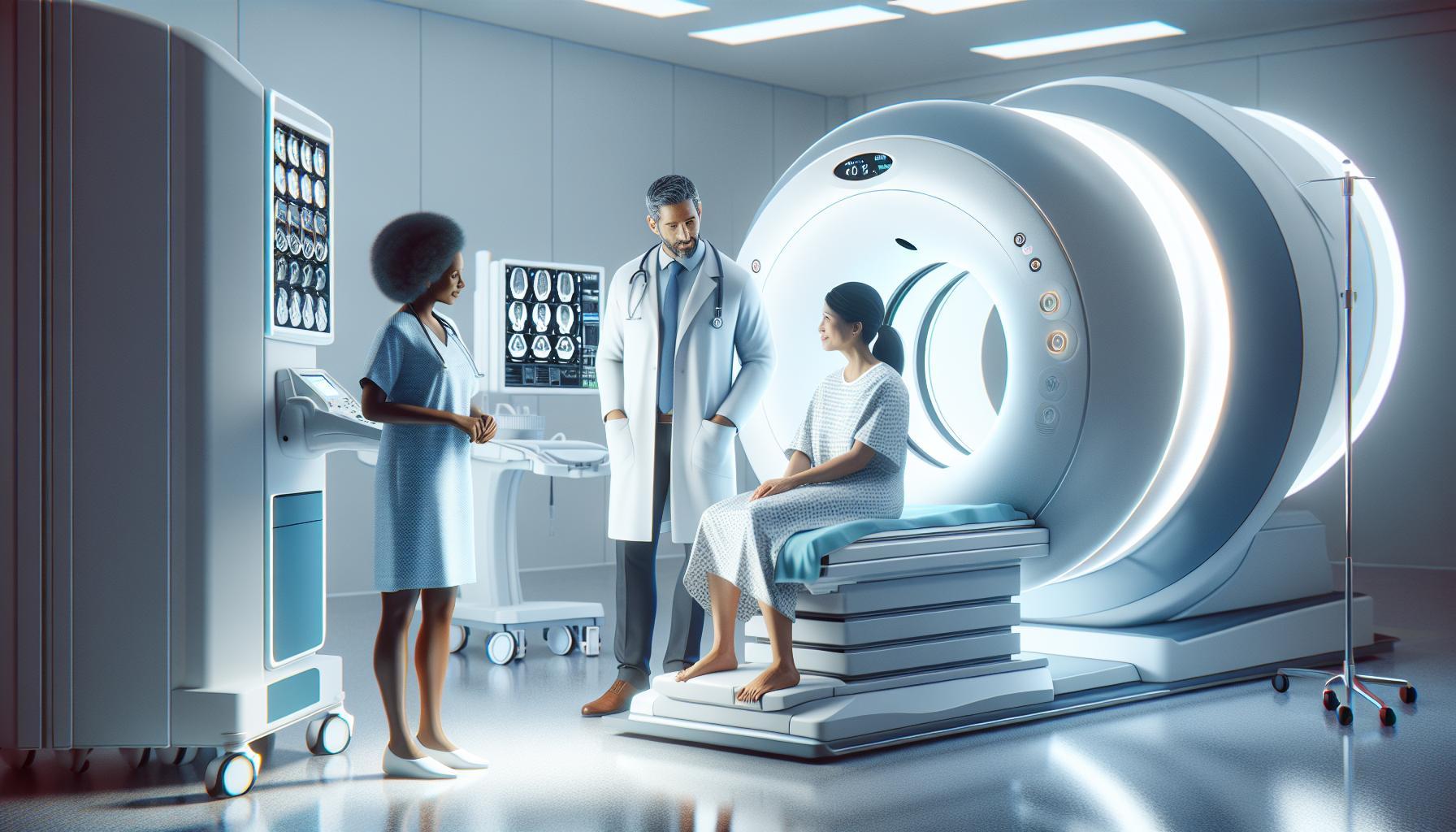
Once in the imaging room, you’ll be instructed to lie down on a padded table that slides into the CT scanner, a donut-shaped machine. The technician will position you appropriately, often asking you to hold still and may request you to hold your breath at certain points to get the clearest images. During the scan, which usually lasts between 10 to 30 minutes, you’ll hear humming and whirring from the machine as it takes images. The procedure is painless, but some individuals may feel claustrophobic; if this is a concern, discuss your feelings with the staff, who can provide reassurance and support.
Additionally, if your scan involves contrast dye, a healthcare provider will administer it either through an intravenous (IV) line or orally before the scan. While you might experience a warm sensation or slight discomfort during the injection, these feelings typically pass quickly. After the scan, the technician will help you off the table, and you’ll be free to resume your normal activities unless otherwise advised. Your healthcare provider will discuss the results with you at a later appointment, giving you an opportunity to ask any questions about the findings and the next steps in your care.
Interpreting CT Scan Results: A Patient’s Guide
Understanding the nuances of your CT scan results can be daunting, especially when the possibility of cancer is on the line. The images generated provide a wealth of information, but interpretation requires a skilled radiologist, who will examine the scans for signs of abnormal growths or changes in tissue density. A clear understanding of what these images reveal can empower you in your healthcare journey.
When you receive your results, they may describe the presence or absence of masses, nodules, or other abnormalities. Key terminology to familiarize yourself with includes terms like “lesion,” “density,” and “calcification.” A lesion generally refers to any abnormal tissue area, not necessarily indicating cancerous changes; it could be benign, thus requiring further examination. Abnormalities in density might suggest changes in the tissue that could warrant additional testing or observation. Sometimes, the findings will be classified as “indeterminate,” meaning further investigation is recommended to reach a definitive conclusion.
After receiving your scan results, it’s important to ask questions. Your healthcare provider may recommend follow-up imaging or a biopsy if results are unclear. Engage in a detailed discussion with them to understand the implications of what was found. Consider preparing specific questions beforehand. For instance:
- What do the results mean for my overall health?
- Are there any concerns regarding the findings?
- What are the next steps in my diagnosis or treatment?
Being proactive in discussing these points not only helps clarify your situation but also strengthens your role in the decision-making process. As you navigate this phase, remember that it’s normal to feel anxious or overwhelmed; reaching out for support from loved ones or professional counseling can also be beneficial. Ultimately, your healthcare provider is your most reliable guide in interpreting results and determining the best path forward.
Limitations and Risks of CT Scans in Cancer Diagnosis
In the realm of cancer diagnosis, while CT scans stand out for their ability to provide detailed images of the body’s internal structures, they are not without limitations and risks. One significant concern is the potential for false positives, where non-cancerous abnormalities may appear suspicious, leading to unnecessary anxiety and further invasive testing. Conversely, false negatives can also occur, meaning some cancers may go undetected. Factors such as the scan’s quality, the radiologist’s expertise, and the specific type of cancer can all influence detection accuracy.
Another important consideration is the exposure to radiation. CT scans deliver a higher dose than standard X-rays, which raises concerns about the cumulative effects of radiation, particularly for patients undergoing multiple scans over time. This risk is especially pertinent for younger individuals and those with pre-existing conditions. While the diagnostic benefits often outweigh these concerns, healthcare providers must carefully evaluate the necessity of each scan against potential risks.
Patient Considerations for CT Scans
Before undergoing a CT scan, patients should engage in an informed discussion with their healthcare providers. Here are some key points to consider:
- History of Previous Imaging: Share any prior scans or imaging studies, as this can help avoid unnecessary repeat scans.
- Alternative Options: Discuss whether other imaging methods, such as MRI or ultrasound, may be appropriate for your situation, especially if radiation exposure is a concern.
- Symptoms and Tests: Ensure your healthcare provider considers your specific symptoms and overall health when recommending a CT scan.
Recognizing these limitations allows patients to feel more empowered in their healthcare journey. Staying informed and involved in discussions with medical professionals can lead to more personalized and effective care decisions, minimizing wasteful procedures while maximizing health outcomes.
Alternative Imaging Techniques for Cancer Detection
When it comes to detecting cancer, various imaging techniques exist alongside CT scans, each with unique advantages that cater to different diagnostic needs. While CT scans are known for their ability to provide detailed cross-sectional images of the body, alternative imaging methods like MRI, ultrasound, and PET scans can also play crucial roles in cancer detection and management.
MRI (Magnetic Resonance Imaging) is particularly valuable due to its high contrast resolution, which makes it effective for soft tissue evaluation. This is especially useful for visualizing brain tumors, spinal cord tumors, and certain types of cancers, such as prostate and breast cancer. Unlike CT scans, MRIs do not use ionizing radiation, making them a safer option for patients concerned about cumulative radiation exposure.
Ultrasound is another non-invasive imaging technique that employs sound waves to create images of internal organs. It is often used to evaluate masses in the abdomen and pelvic area, guiding biopsies, or assessing the size and characteristics of tumors. While not as detailed as CT or MRI scans, ultrasound is valuable for real-time imaging and can help determine whether further imaging is necessary.
PET (Positron Emission Tomography) scans, often used in combination with CT scans (PET/CT), provide functional imaging that highlights metabolic activity within tissues. This is particularly beneficial in staging cancer, monitoring treatment response, and detecting recurrent disease. By showing how tissues are functioning, PET scans can sometimes reveal issues that may not yet be visible on anatomical imaging provided by CT or MRI.
Choosing the right imaging technique is a decision best made in consultation with your healthcare provider, who can consider various factors, including the specific type of cancer, the area of the body in question, and the patient’s medical history. Being informed about these alternatives empowers patients to engage in meaningful discussions with their healthcare teams, ensuring comprehensive and personalized cancer care.
The Future of CT Scans: Advancements in Technology
As technology continues to transform the field of medical imaging, CT scans are evolving to improve their efficacy in detecting cancer. Recent advancements are not only enhancing the resolution and speed of scans but also reducing patient doses of radiation, addressing one of the principal concerns surrounding repeated imaging. One such innovation, called iterative reconstruction, helps produce high-quality images from lower doses of radiation by using complex algorithms. This technology minimizes risks while retaining diagnostic accuracy, fostering confidence in the use of CT scans for cancer detection.
Another exciting development is the integration of artificial intelligence (AI) into CT imaging processes. AI algorithms can analyze vast amounts of imaging data more quickly and accurately than human radiologists. These systems assist in identifying subtle signs of cancer that may be missed by the human eye, such as tiny tumors or atypical lymph node patterns. By flagging potential abnormalities for further review, AI-driven tools enhance diagnostic precision and streamline workflow, ultimately leading to quicker, more reliable patient outcomes.
Moreover, multi-energy CT technology introduces a new dimension to imaging by providing additional information about the composition of tissues. This technique uses different energy levels during the scanning process, allowing for enhanced differentiation between various types of tissue and potentially distinguishing between benign and malignant lesions. Such advancements empower healthcare providers to make more informed decisions regarding patient management and treatment pathways, underscoring CT scans’ roles in comprehensive cancer care.
Incorporating these innovations into clinical practice holds promise for the future of cancer detection. As technology progresses, regular communication with healthcare providers remains essential. Patients should discuss the implications of these advancements and determine the best imaging approaches tailored to their unique circumstances, ensuring a proactive stance in their healthcare journey.
Cost of CT Scans: What Patients Should Know
The financial aspect of undergoing a CT scan can often be a source of anxiety for many patients. Understanding the costs involved not only empowers individuals to make informed decisions but also helps to alleviate some of the stress associated with potential diagnoses. Generally, the costs for a CT scan can range significantly, often between $300 to $3,000, depending on various factors such as location, facility type, and whether contrast dye is used. It’s essential to check with both the imaging facility and your insurance provider to grasp the financial implications, including deductibles, copayments, and overall network status.
Factors Influencing Cost
Several factors can influence the overall cost of a CT scan. These include:
- Facility Type: Costs can vary between outpatient imaging centers, hospitals, and academic medical centers.
- Type of Scan: The complexity of the scan, such as whether it’s a routine scan or one requiring advanced techniques, may impact pricing.
- Location: Urban centers may have different pricing structures compared to rural areas, often reflecting local market conditions.
- Insurance Coverage: Your specific plan’s coverage can greatly influence how much you’ll pay out-of-pocket. It’s recommended to contact your insurance provider ahead of time for clarity.
Financial Assistance and Options
If costs are a concern, many facilities offer financial assistance programs or payment plans to help manage expenses. Additionally, patients should not hesitate to ask about cash discounts if you are paying out-of-pocket. Hospitals and imaging centers may have different pricing for patients without insurance, and being proactive in asking questions can lead to significant savings.
Taking the time to understand the potential costs associated with a CT scan is a crucial part of the healthcare journey. It helps you focus more on your health and wellbeing rather than being bogged down by financial uncertainties. Always consult with your healthcare provider and financial advisors at your imaging facility to navigate your specific situation effectively.
Consulting Your Doctor: Next Steps After a CT Scan
Following a CT scan, it’s essential to understand the significance of the results and what steps you should take next. The findings from your scan can provide crucial insights into your health, particularly concerning the detection of cancer. Discussing your results with your doctor is vital to gain a clear understanding of what they mean for your diagnosis and treatment options.
During your consultation, your doctor will explain the results in detail, helping to interpret what the imaging suggests regarding potential abnormalities or the presence of cancer. They may use visual aids or diagrams to help clarify complex information. If any areas of concern were detected, your doctor might recommend further testing or referral to a specialist for more in-depth evaluation. This systematic approach ensures that you receive comprehensive care tailored to your specific circumstances.
It’s natural to have questions and anxieties during this time. Make a list of your concerns beforehand-whether about the implications of the findings, potential treatment plans, or overall health management. This proactive approach will allow you to engage more effectively during your appointment and ensure all your concerns are addressed. Remember, no question is too small; your health and peace of mind are paramount.
Following your appointment, if additional tests are required, be sure to clarify preparations, potential risks, and what to expect next. Courageously navigating this process can feel daunting, but seeking clarity and remaining engaged with your healthcare team is empowering. Always keep open lines of communication with your doctor, and don’t hesitate to reach out if you experience new symptoms or have additional queries post-consultation. Your proactive involvement is a crucial part of your healthcare journey and can significantly impact your outcomes.
Faq
Q: Can a CT scan detect cancer in early stages?
A: Yes, a CT scan can detect cancer in its early stages by providing detailed images of internal organs and structures. This can help identify tumors that may not be visible through other imaging methods. Early detection is crucial for effective treatment; consult your doctor for the best screening approach.
Q: What types of cancer are most commonly diagnosed using CT scans?
A: CT scans are commonly used to diagnose cancers of the lungs, liver, pancreas, and kidneys. They’re also effective in identifying metastatic cancer, where the disease has spread from its original site. Consult the section on “Types of Cancer Detectable by CT Scans” for more details.
Q: How does a CT scan differentiate between cancerous and non-cancerous growths?
A: A CT scan differentiates between cancerous and non-cancerous growths based on the size, shape, and density of lesions. Radiologists analyze these criteria to assess whether a growth appears suspicious. Understanding imaging features is explored in the “Interpreting CT Scan Results” section.
Q: Are there risks associated with CT scans when checking for cancer?
A: Yes, while CT scans provide valuable information, they expose patients to radiation, which can increase cancer risk over time. Additionally, false positives may occur, leading to unnecessary anxiety and tests. It’s essential to weigh risks and benefits with your healthcare provider.
Q: What alternative imaging techniques are available for cancer detection?
A: Alternatives to CT scans for cancer detection include MRI scans, ultrasound, and PET scans. Each method has unique advantages, such as no radiation exposure with MRI. Refer to the “Alternative Imaging Techniques for Cancer Detection” section for a comprehensive comparison.
Q: How often should someone have a CT scan for cancer screening?
A: Screening frequency varies based on individual risk factors, family history, and the specific cancer type being monitored. Generally, high-risk individuals may need more frequent scans. Discuss personal screening plans with your healthcare provider for tailored guidance.
Q: What steps should I take to prepare for a CT scan?
A: Preparation for a CT scan typically involves fasting for a few hours, especially if contrast dye is used. Your doctor will provide specific instructions based on the scan type. Ensure to hydrate post-scan unless instructed otherwise. More details can be found in the “Preparing for a CT Scan” section.
Q: How quickly will I receive results from a CT scan?
A: Results from a CT scan are usually available within a few days, as radiologists analyze the images. Your healthcare provider will discuss the findings with you promptly. Understanding the timeline is important; check the “What to Expect During a CT Scan Procedure” section for more context.
Key Takeaways
Understanding the role of CT scans in cancer detection is crucial for informed health decisions. While they can be a powerful tool for identifying tumors and assessing their size, accuracy can vary based on several factors. If you have lingering questions or concerns about the process, reaching out to a healthcare professional can provide personalized guidance tailored to your situation.
Explore our resources on CT scan preparation and safety to empower yourself further on this topic. Be sure to check out our articles on “Understanding Medical Imaging” and “Navigating Cancer Screenings” for more insights. Don’t hesitate to subscribe to our newsletter for the latest updates and expert advice on health topics that matter to you. Your health journey is important-stay informed, stay proactive!