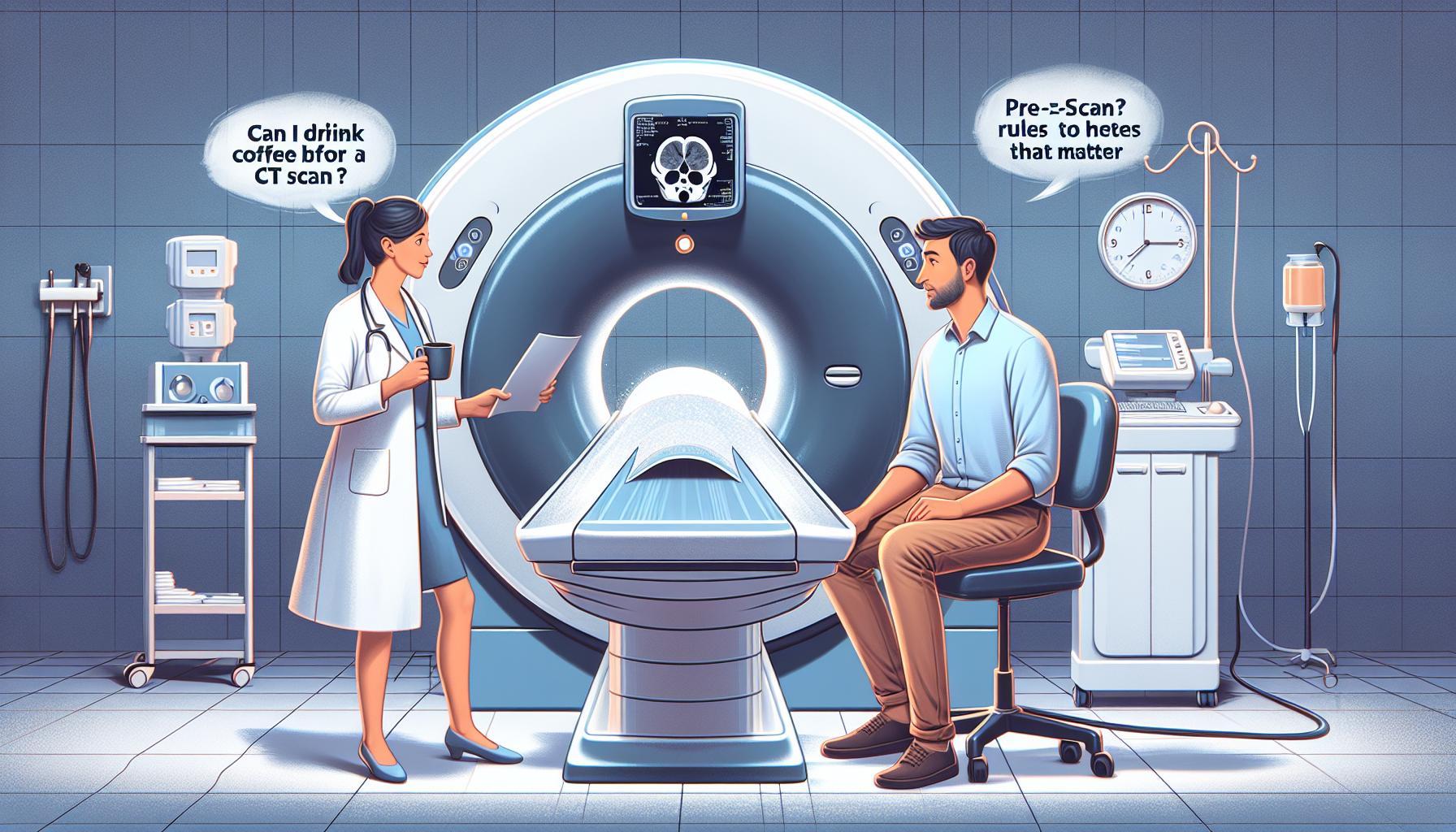
Preparing for a CT scan with contrast can be a source of anxiety, especially when it comes to dietary restrictions. Many patients wonder if they can enjoy a cup of coffee beforehand. Understanding the rules around food and drink before your procedure is crucial for achieving accurate imaging results. This clarity can help ease your concerns and ensure a smoother experience.
While coffee may be a beloved morning ritual, it could potentially affect your scan. The caffeine in coffee might alter how your body reacts to the contrast material, leading to less optimal imaging. This is why it’s essential to be informed about the specific guidelines your healthcare provider recommends.
In this article, we will explore the dos and don’ts of drinking coffee before a CT scan with contrast. We aim to empower you with the knowledge you need to feel confident and prepared, ensuring a successful procedure that prioritizes your health and safety.
Can You Drink Coffee Before a CT Scan?
Before undergoing a CT scan, particularly one that involves the use of contrast material, it’s common to question whether drinking coffee is permissible. While the idea of skipping that morning cup might seem daunting, it’s essential to consider the potential effects of caffeine on both your comfort and the accuracy of the scan. Generally, it is advised that patients refrain from consuming any caffeinated beverages, including coffee, prior to the scan. Caffeine can influence the body in several ways, such as increasing heart rate and potentially leading to dehydration, which may complicate the imaging results.
When preparing for a CT scan with contrast, it’s crucial to follow the dietary guidelines provided by your healthcare provider. Typically, patients are instructed to avoid food and drink for at least a few hours before the procedure. This preparation is vital to ensure that the contrast agent can be administered effectively and that it provides the clearest possible images. Drinking coffee could not only interfere with these guidelines but may also cause unnecessary anxiety in patients who are sensitive to caffeine’s effects.
Instead of coffee, consider opting for clear fluids that are caffeine-free, which may help to keep you hydrated and at ease. This could include water, clear broth, or herbal tea. The key is to maintain a light and calming intake prior to your scheduled scan. Always remember, if you have specific concerns or require personalized insight, your best avenue is to reach out to your healthcare provider for tailored advice. This way, you can approach your CT scan with confidence, knowing you’re fully prepared for the procedure.
Understanding CT Scans With Contrast
Before delving into a CT scan with contrast, it’s vital to understand the workings of this imaging technique and its significance in diagnosing various medical conditions. A CT (computed tomography) scan employs X-ray technology in conjunction with computer processing to create detailed cross-sectional images of the body. When contrast material is used, either orally or intravenously, it enhances the visibility of specific organs or blood vessels, effectively highlighting areas that need further examination. This can be crucial for accurately diagnosing conditions such as tumors, infections, or internal injuries.
During the procedure, the patient lies on a table that moves through a tunnel-like structure called a gantry, which contains the X-ray source and detectors. The contrast agent, often iodine-based, works by increasing the contrast between different tissues. This allows radiologists to make more precise assessments of the target areas. It’s essential to follow your healthcare provider’s instructions regarding preparation, as the effectiveness of the contrast can be significantly impacted by what you consume before the scan.
To ensure optimal imaging results, patients are typically instructed to avoid certain substances, such as caffeine, prior to the scan. Caffeine can affect heart rate and hydration levels, which may skew the clarity of the resultant images. Therefore, adherence to pre-scan dietary guidelines is crucial. If you have lingering questions or concerns, don’t hesitate to engage with your doctor or radiology technician; they can provide clarity and reassurance to enhance your overall understanding of the process and what to expect, ensuring a smoother experience.
Effects of Caffeine on Imaging Results
Caffeine, a common stimulant found in coffee and many other beverages, can significantly impact the results of imaging tests like CT scans. When preparing for a CT scan with contrast, it’s important to understand that caffeine can affect both the physiological responses in your body and the quality of the images produced. Studies have shown that caffeine can elevate heart rate and alter hydration levels, which may interfere with the accuracy of the imaging results.
The presence of caffeine in your system can lead to increased anxiety and restlessness, which might cause difficulties in remaining still during the scan. This movement can blur the images, making it harder for healthcare providers to interpret results accurately. In cases where a contrast agent is used, the interaction between the agent and physiological changes caused by caffeine could potentially lead to misleading interpretations or an overall diminished quality in visualization.
Before your scan, consider minimizing caffeine intake and hydrating properly with water. A well-hydrated body can help ensure that the contrast agent is more effective, thereby improving the clarity of the images. It’s essential to follow your healthcare provider’s recommendations regarding coffee and caffeine consumption to maximize the success of your scan and help facilitate an accurate diagnosis.
Ultimately, consulting with your medical team will ensure you are adequately prepared. They can provide personalized advice based on your health status and the specifics of your upcoming CT scan, helping to alleviate any worries you may have about preparation guidelines.
Preparing for a CT Scan: Dietary Guidelines
When it comes to preparing for a CT scan, especially one that involves contrast, understanding dietary guidelines can significantly enhance the experience and outcomes. For many patients, the anxiety of the procedure is compounded by uncertainty regarding what to eat or drink beforehand. One key dietary consideration is the intake of caffeine, commonly found in beverages like coffee, which may need to be restricted prior to the scan.
To ensure optimal imaging results, it’s generally advised to refrain from consuming coffee or any caffeinated drinks at least 24 hours before the CT scan. Caffeine can elevate heart rates and induce anxiety, factors that could complicate the process and lead to less accurate images. Instead, focus on hydrating with plenty of water. Proper hydration not only helps your body function but also aids in the efficacy of the contrast agent, ultimately leading to clearer and more reliable images.
Here are a few practical steps to follow when preparing for your CT scan:
- 24 Hours Before: Avoid caffeine and limit alcohol. Instead, opt for herbal teas or simply flavored water.
- The Night Before: Eat a light dinner and avoid heavy or greasy foods that could upset your stomach.
- Morning of the Scan: Follow any specific instructions provided by your healthcare provider, which may include fasting or additional dietary restrictions.
It’s essential to remember that each individual’s situation can vary, so your healthcare provider should be your primary resource for guidance. Adhering to these dietary guidelines not only sets you up for a smoother procedure but also promotes a sense of calm as you approach your scan day. Being well-informed and prepared can empower you, transforming a potentially stressful experience into a more manageable one.
Alternatives to Coffee Before a Scan
Making dietary adjustments before a CT scan can feel daunting, especially when coffee is often a cherished part of your morning routine. The good news is that there are several enjoyable alternatives to help you stay hydrated and calm without the need for caffeinated drinks. Embracing these options not only aligns with your preparation requirements but can also support your body’s needs during this important imaging procedure.
Consider sipping on herbal teas, which offer a warm and soothing experience without the jitters associated with caffeine. Varieties like chamomile or peppermint can not only hydrate you but also have calming effects, easing any pre-scan anxiety. If you prefer something cold, flavored water infused with fruits or herbs can be refreshing and delightful. For instance, adding slices of cucumber or berries can make the hydration process feel like a treat rather than a chore.
Another great alternative is clear broth, which can provide warmth and flavor while also keeping you hydrated. Bone broth, for example, is nutrient-rich and may help stave off hunger while you prepare for your scan. Remember to ensure that any options you choose are caffeine-free and align with any specific instructions from your healthcare provider.
It’s essential to involve your healthcare team in this process. They can offer personalized recommendations tailored to your health needs, ensuring you feel supported and informed as you approach your CT scan. Being aware of what you consume not only contributes to the quality of your imaging results but also empowers you to take charge of your health journey, transforming potential anxiety into proactive preparation.
When Is It Safe to Consume Beverages?
When preparing for a CT scan, particularly one that requires contrast, understanding the timing of beverage consumption is crucial for optimal imaging results. The general recommendation is to avoid all food and drink for a specified period before your procedure-often four to six hours-especially anything containing caffeine. Caffeine can potentially interfere with the contrast material and the quality of the images produced, leading to less accurate results.
If your appointment is scheduled in the morning, this may mean you will need to refrain from coffee, tea, or any caffeinated beverages from the night before. However, this doesn’t mean you have to be completely parched. Clear fluids, such as water or clear broth, are usually permitted. It’s also important to discuss with your healthcare provider whether you can have other non-caffeinated beverages in the hours leading up to your scan.
In some cases, particularly if sedation is involved or if you’re a diabetic requiring a careful watch on blood sugar levels, your doctor may have specific guidelines on what you can consume and when. For example, clear liquids might be allowed up until one hour before the scan to ensure you remain hydrated without impacting the imaging quality.
By adhering to these preparation protocols, you not only enhance the clarity of your scan but also ease your healthcare provider’s ability to assess your condition accurately. Always prioritize communication with your healthcare team, as their advice will be tailored to your individual health needs and the specific requirements of your upcoming procedure.
Consequences of Ignoring Preparation Rules
Ignoring preparation rules before a CT scan can lead to significant complications that may not only affect the quality of the imaging but also necessitate additional procedures. It’s essential to recognize that the guidelines set by healthcare providers-such as the recommendation to avoid caffeine-are in place to ensure the most accurate diagnoses possible. When caffeine and other prohibited substances are consumed too close to the scan, they can interfere with the effectiveness of the contrast material, leading to suboptimal images. Poor-quality images can obscure critical findings, potentially causing misdiagnosis or delayed treatment.
For example, imagine a patient who consumes coffee right before their scheduled CT scan. The caffeine could increase heart rate or alter kidney function, which are vital considerations when administering contrast. These changes can lead to a situation where the radiologist cannot confidently interpret the images, resulting in the need for a repeat scan. Not only does this delay the diagnostic process, but it also involves additional time, costs, and, in some cases, further exposure to radiation.
Moreover, neglecting these preparation rules can cause anxiety and uncertainty. Patients may find themselves facing unexpected delays in their healthcare journey if they do not receive their results on time due to compromised imaging. This scenario emphasizes the importance of adhering to preparatory guidelines, fostering a smoother experience and better outcomes. For peace of mind and optimal health management, always consult your healthcare provider if you’re unsure about dietary restrictions leading up to your scan. They can provide tailored advice to ensure your preparations align with the necessary protocols for the most accurate results.
Expert Insights: Medical Opinions on Caffeine
Understanding the impact of caffeine on medical imaging is essential for achieving optimal results during a CT scan. Medical experts consistently advise patients to avoid caffeine-containing beverages like coffee before a CT scan, particularly when contrast material is involved. The reason for this recommendation lies in caffeine’s physiological effects, which can interfere with the imaging process.
Caffeine is a stimulant that can elevate heart rate and potentially affect kidney function, both critical parameters when interpreting CT scans with contrast. Increased heart rate can lead to motion artifacts on the images, making it more challenging for radiologists to assess the quality of the provided information. Additionally, caffeine can affect blood flow, which may alter the distribution of contrast agents in your body. This alteration can result in misleading images and could necessitate repeating the scan, which can delay diagnosis and treatment.
It’s also vital to recognize the anxiety that is often associated with pre-scan preparations. Experts advocate for clear and open communication between patients and healthcare providers regarding any dietary restrictions, including those around caffeine. The medical community emphasizes being well-informed as a way to alleviate patient worry. Engaging in a dialogue can help address concerns, ensuring that individuals understand the rationale behind these guidelines and feel empowered in their care process. Always consult with your healthcare professional beforehand to receive tailored advice, as they possess the insights necessary for your specific situation and can help ensure that your imaging is both safe and effective.
Patient Experiences: What Others Recall
Many patients facing a CT scan with contrast often share their experiences, particularly about the dietary restrictions leading up to the test. One common theme is confusion about what they can consume, especially concerning coffee. Several individuals recalled how they were initially hesitant to skip their morning rituals, feeling anxious about missing their caffeine fix. However, most of them quickly learned that adhering to medical guidelines was crucial for the quality of their imaging results.
For instance, a patient named Sarah remembered how she was informed about the need to avoid coffee due to its potential effects on her heart rate and blood flow. Despite her initial frustration, she opted to substitute coffee with herbal tea. This change not only helped her adhere to the preparation rules but also alleviated her anxiety leading up to the scan. She reported feeling more relaxed and focused on the purpose of the imaging rather than her cravings.
Another patient, Mark, had an interesting take on his pre-scan experience. He noted that following the dietary guidelines made him feel more in control of his health journey. Instead of coffee, he prepared for the scan by hydrating with water and consuming light meals. The outcome was a smooth scanning process, which he attributed to the clarity of his images. Mark emphasized the importance of taking these recommendations seriously, highlighting that understanding the rationale behind them-such as preventing potential motion artifacts-helped him recognize their essential role in ensuring accurate diagnostic results.
These personal stories underscore the necessity of open communication with healthcare providers about any concerns regarding dietary restrictions before a CT scan. Implementing small changes can make a significant difference in both comfort and imaging effectiveness. Engaging with medical professionals allows patients to navigate their prep with confidence, transforming what could be a stressful experience into a more manageable one. Remember, being informed and prepared can lead to a smoother imaging process and ultimately better outcomes.
Common Myths About CT Scan Preparation
Many patients preparing for a CT scan encounter a variety of misconceptions regarding dietary restrictions, particularly surrounding coffee consumption. One prevalent myth is that drinking coffee before a scan won’t significantly affect the results. However, caffeine can influence physiological responses, such as heart rate and blood pressure, which may in turn impact how well the images are captured. Understanding the truth behind these myths is crucial for ensuring that the imaging process is as effective as possible.
Another common belief is that only solid foods need to be avoided before a CT scan; some may feel that drinking clear liquids, including coffee, is permissible. While clear liquids are generally allowed, coffee often contains compounds that can lead to dehydration and increase anxiety, potentially interfering with relaxation during the procedure. Instead of relying on caffeine to help with jitters, it’s wise to opt for water or herbal teas, which hydrate without added complications.
Many believe that once they have arrived at the imaging center, any prior dietary choices no longer matter. In reality, the preparation started well before the appointment affects image quality. Adhering to guidelines about food and drinks in the hours leading up to the scan can help minimize the chances of artifacts or distortions on the images. Patients can be their own advocates by asking their healthcare providers for clear instructions regarding pre-scan diets.
Lastly, it’s often assumed that if a patient feels fine, their preparation was adequate, thereby dismissing the need for strict adherence to guidelines. This is misleading; many factors can compromise imaging quality without immediate physical symptoms. Engaging in an open dialogue with healthcare providers about these concerns is essential. Patients can better align their choices with medical requirements and empower themselves to achieve better imaging results. Being informed helps alleviate unnecessary worry and makes the scanning experience more manageable and effective.
Post-Scan Considerations: What to Expect
After completing a CT scan, especially one with contrast, patients often have questions about what to expect and how to care for themselves in the following hours. Understanding this phase is crucial for ensuring a smooth recovery and optimal imaging results. First and foremost, it’s important to note that most patients can resume their normal activities almost immediately after the procedure, but some precautionary measures can enhance comfort and safety.
Many individuals might experience mild effects from the contrast material used during the scan. These can include sensations like a warm flush or a metallic taste in the mouth, which typically resolve quickly. However, remain vigilant for any unusual symptoms, such as hives, difficulty breathing, or swelling; these may be signs of an allergic reaction to the contrast agent and require immediate medical attention. To mitigate minor side effects, drinking plenty of fluids, particularly water, is advised as this helps flush the contrast material from your system, reducing the risk of dehydration.
Dietary Considerations
In the hours following your CT scan, it’s generally recommended to keep a light diet. Foods that are easy to digest, such as toast, bananas, or broth, may be beneficial. If you had a scan with a contrast agent, avoiding caffeine, including coffee, immediately after the scan can also be wise. While coffee is comforting for many, its diuretic properties can exacerbate any dehydration effects from the contrast material, possibly leading to increased discomfort or anxiety.
Consulting Your Healthcare Provider
If you have lingering questions or concerns, don’t hesitate to reach out to your healthcare provider for personalized advice. They can offer guidance based on your individual health status and the specifics of the scan you underwent. An open dialogue is essential; whether you’re curious about the results of your scan, the contrast agent you received, or any recommendations for follow-up care, ensuring you feel informed can greatly reduce anxiety associated with the medical process.
Ultimately, post-scan care is about comfort and safety. Being mindful of what you consume and remaining aware of how your body feels after the procedure can help you navigate this time effectively. By prioritizing hydration and sensible eating, you can support your recovery while awaiting the all-important results of your CT scan.
Consulting Your Doctor: Personalized Advice
Before undergoing a CT scan with contrast, many patients find themselves grappling with questions about their diet and preparations, particularly concerning the consumption of coffee. While coffee can be a beloved morning ritual, its potential effects on imaging results and patient comfort make consultation with your healthcare provider essential. They can clarify whether you should avoid caffeine before your scan and help you understand the reasoning behind their recommendations.
A healthcare provider can provide insights based on your specific health conditions, the type of contrast agent being used, and potential interactions that may be relevant to you. For instance, if you’re a coffee drinker who experiences anxiety or dehydration related to caffeine, your doctor may advise steering clear of coffee prior to the scan to ensure the most comfortable experience possible. It’s also helpful to discuss any medications you’re taking, as some may have contraindications with caffeine or might be affected by the contrast material.
If you’re unsure about the timing of consuming food and beverages on the day of your scan, your provider can offer tailored guidance. Consider discussing your pre-scan routine openly. Sharing your typical dietary habits, including coffee intake, can help your provider give the best advice for your unique situation. Sometimes, simple adjustments to your routine can yield significant benefits in terms of overall comfort and underlying health during medical procedures.
Remember, fostering open communication with your healthcare provider empowers you to make well-informed decisions about your health. Their professional insights can help alleviate anxiety and ensure a smoother process as you prepare for your CT scan. By prioritizing an informed dialogue, you’re not only preparing effectively for your scan but also actively participating in your healthcare journey.
FAQ
Q: Can I drink coffee the morning of my CT scan with contrast?
A: It’s generally advised to avoid coffee before a CT scan with contrast, as caffeine can interfere with certain imaging results. It’s best to follow your healthcare provider’s instructions to ensure optimal imaging quality.
Q: What beverages can I have before a CT scan with contrast?
A: Clear fluids like water or clear juices are typically allowed before a CT scan with contrast. Always confirm with your doctor regarding specific beverages to avoid any potential issues during the imaging process.
Q: How does caffeine affect CT scan results?
A: Caffeine can potentially alter physiological responses and may affect the distribution of contrast agent during a CT scan, leading to less accurate results. It’s advisable to abstain from caffeine products as per preparation guidelines.
Q: Are there any risks of drinking coffee before a CT scan?
A: Yes, drinking coffee may lead to dehydration or increased anxiety levels, negatively impacting your CT scan experience and results. Following dietary guidelines is crucial for obtaining clear images.
Q: How long before a CT scan should I avoid food and drink?
A: Typically, patients are advised to avoid food and clear liquids for 4-6 hours before a CT scan, but specific guidelines can vary. Check with your healthcare provider for personalized instructions.
Q: What should I do if I accidentally drank coffee before my CT scan?
A: Inform your healthcare provider immediately if you consumed coffee before your scan. They will advise you on whether the scan should proceed or be rescheduled based on the potential impact of caffeine on the results.
Q: Can I consume non-caffeinated drinks before a CT scan with contrast?
A: Non-caffeinated drinks, especially clear fluids like water or herbal tea, are generally acceptable. However, always verify with your medical team to ensure compliance with your specific dietary restrictions.
Q: Is it necessary to avoid caffeine before all types of imaging?
A: While avoiding caffeine is particularly emphasized before CT scans with contrast, other imaging tests may have different requirements. Always consult your doctor regarding dietary restrictions for various imaging modalities.
To Wrap It Up
As you prepare for your CT scan with contrast, remember that staying informed is key. While coffee can be a comforting ritual, understanding its effects on the procedure is crucial for a smooth experience. Be sure to follow the guidelines provided, and if you have any lingering questions about food and drink prior to your scan, consult your healthcare provider.
Explore more about CT scan preparation and patient safety by checking out our detailed guides on CT Scan Procedures and Costs and What to Expect During Your Scan. Don’t miss our newsletter for the latest insights into medical imaging technology and health tips! Your journey to clarity and comfort starts here-take that next step now.