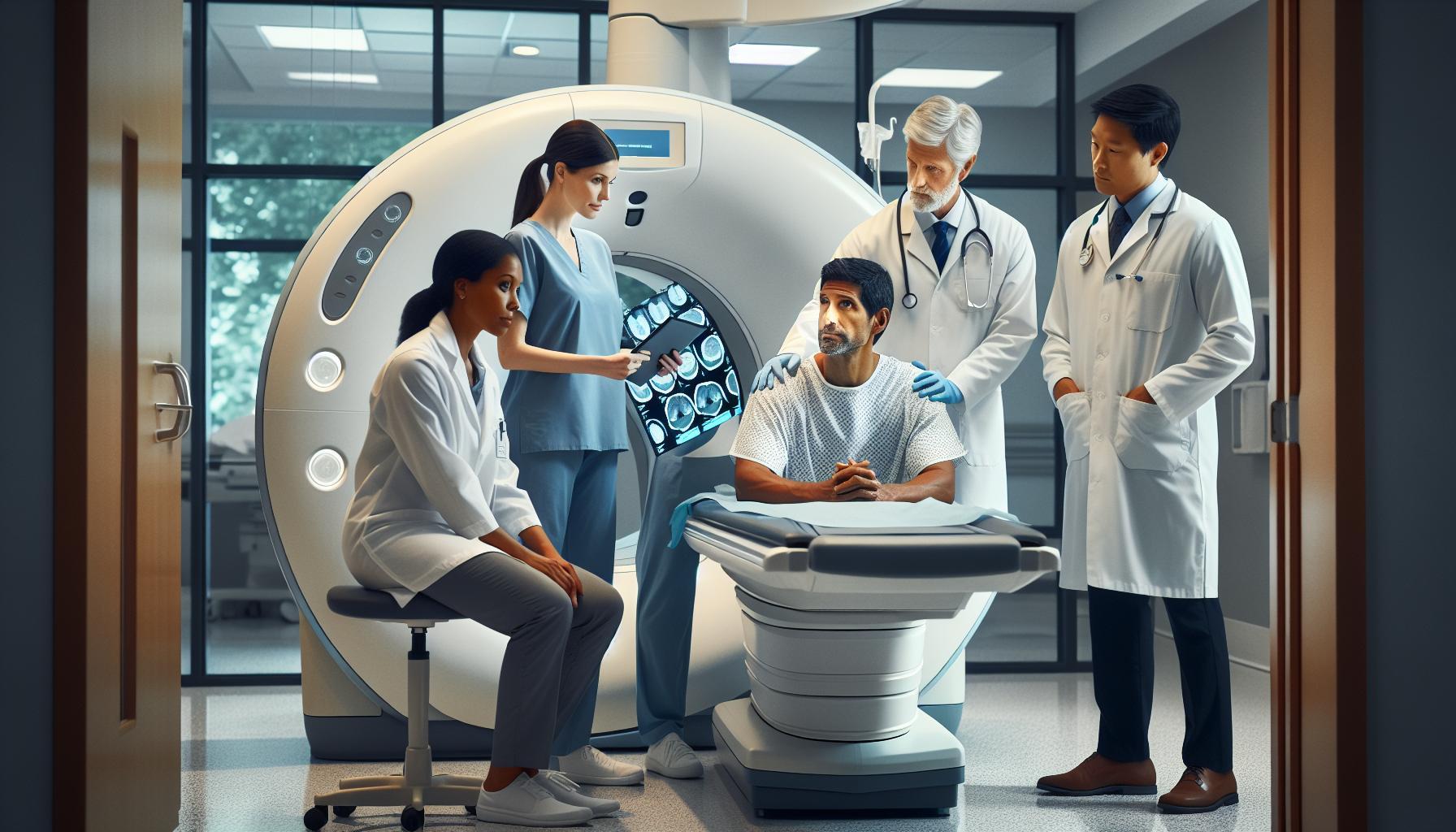
When considering a CT scan, many patients find themselves questioning not just the necessity of the procedure, but also the associated costs. Did you know that prices for CT scans can vary dramatically based on location, facility, and insurance coverage? Understanding these factors is crucial for making informed healthcare decisions.
This guide will explore the costs of CT scans, providing you with the knowledge needed to navigate the financial aspects of imaging. By comparing prices and recognizing potential savings, you can ease the financial burden while prioritizing your health. Whether you’re facing a routine screening or a more complex diagnostic procedure, we’ll empower you with practical tips to find affordable imaging options. Continue reading to uncover how you can make financially savvy choices without compromising your care.
Understanding the Basics of CT Scans
When considering a CT scan, it’s essential to grasp the underlying principles that make this imaging technique a staple in modern medicine. A CT scan, or computed tomography scan, employs a series of x-ray images taken from different angles around the body, which are then processed by a computer to create cross-sectional images (or “slices”) of bones, blood vessels, and soft tissues. This method provides detailed views that are crucial for accurate diagnosis, treatment planning, and monitoring of various conditions. For instance, doctors might use CT scans to detect tumors, internal injuries, or conditions that affect the heart and lungs, highlighting the scan’s diagnostic versatility.
One of the key elements contributing to patients’ understanding of CT scans is the technology’s advanced capabilities. Unlike traditional x-rays, which produce flat images, CT scans offer three-dimensional representations, enhancing the clarity and detail of internal structures. This advancement can significantly impact patient outcomes, as detailed imaging leads to more precise diagnoses and targeted treatments. Additionally, while many patients may feel apprehensive about undergoing scans due to the reliance on radiation, it’s worth noting that CT technology has evolved to minimize exposure while maximizing imaging quality. Medical professionals continuously assess the necessity of scans and weigh the benefits against potential risks, reinforcing a patient-centered approach to healthcare.
Preparing for a CT scan is a straightforward process that typically requires minimal effort from the patient. Though specific instructions may vary based on the nature of the scan, common guidelines include fasting for a few hours beforehand, especially if contrast material is to be utilized. It’s also advisable to inform your healthcare provider of any medications or allergies, which can help tailor the experience to ensure your safety and comfort. Understanding these steps can alleviate concerns and foster a more relaxed approach to the procedure, empowering patients with knowledge about what to expect before, during, and after the scan.
Factors Influencing CT Scan Costs
Understanding the costs associated with a CT scan can feel overwhelming, but taking a closer look at the factors influencing these expenses can empower you to make informed decisions. CT scan prices vary widely based on several elements, making it essential to grasp what contributes to this variability. Factors include the type of facility where the scan is performed, geographical location, the technology used, and whether contrast materials are needed.
One significant element affecting CT scan costs is the type of facility. Scans conducted in hospitals typically carry higher costs due to the overhead associated with more extensive services and emergency care. In contrast, outpatient imaging centers often offer competitive pricing, sometimes providing the same quality of imaging without the associated hospital charges. Additionally, the geographical location plays a crucial role; urban centers may present higher prices than rural settings due to differences in demand, competition, and operational costs.
Another vital consideration is the specific technology utilized for the scan. Advanced CT machines, which result in higher resolution images and less radiation exposure, may come at a premium. Furthermore, if your scan requires contrast dye for enhancing image clarity, this can also influence the total cost. Patients sometimes face variable fees based on the contrast material used, so it’s beneficial to inquire about these specifics prior to your appointment.
Navigating the complexities of CT scan costs doesn’t have to be daunting. Engaging in discussions with your healthcare provider about pricing and understanding your insurance coverage can also reveal potential savings. Don’t hesitate to explore multiple imaging facilities and request cost estimates, as these steps can significantly impact your overall expenses. By arming yourself with information and being proactive, you can approach the necessity for a CT scan with greater ease and confidence.
Comparing Costs Across Different Providers
Many patients are surprised to learn just how much CT scan prices can differ not only from facility to facility but also based on location and the specific services offered. Understanding these variances can significantly impact your decision-making and overall healthcare expenses. Whether you are facing a routine evaluation or a more complex diagnostic requirement, can lead to substantial savings.
When evaluating CT scan costs, it’s critical to consider the types of facilities available. Hospitals tend to charge more for imaging services compared to standalone outpatient imaging centers. This difference is primarily due to the overhead costs that hospitals incur, which can include emergency services and additional amenities. For instance, an outpatient center might charge between $300 to $800 for a CT scan, while a similar service in a hospital could range from $1,000 to $3,000. It’s wise to contact multiple facilities to obtain estimates and discuss any available pay-in-full discounts.
Another factor influencing CT scan pricing is geographic location. Urban areas often present higher costs due to increased demand and living expenses. Patients in metropolitan regions might want to check out neighboring suburbs or rural imaging centers, which could offer more competitive pricing without compromising on quality. Additionally, consider accessing online tools or services that allow users to compare imaging costs in their area, providing a clearer overview of what different providers charge.
Moreover, do not forget to factor in the potential costs associated with contrast materials if your scan requires them. These can sometimes be a surprising addition to the overall bill, varying significantly by facility. Make it a point to ask about these fees during your inquiries, as they can help paint a more accurate picture of potential costs. By being proactive and thorough in your research, you’ll position yourself to make the best choice for both your health and your budget.
Insurance Coverage and CT Scan Expenses
Many people find themselves wondering about the role of insurance when it comes to covering CT scans, especially given the significant costs associated with these imaging procedures. Understanding your insurance coverage can not only alleviate some financial stress but also help you navigate your healthcare options more effectively. Most health insurance plans do cover CT scans, but the extent of that coverage can vary based on several factors, including the reason for the scan, your policy’s specifics, and whether the facility is in-network.
Before scheduling a CT scan, it’s vital to verify your insurance benefits. Start by contacting your insurance provider or checking their online portal to confirm whether the procedure is covered. Key factors to ask include:
- Is a pre-authorization required for coverage?
- What percentage of the costs will the insurance cover?
- Are there any deductibles or out-of-pocket maximums I should be aware of?
- Does the facility where I’m getting the scan fall within my insurance network?
Doing your homework in advance can help prevent unexpected expenses. For instance, scans at hospitals may be billed at a higher rate than those at outpatient centers, even with the same procedure. Additionally, if your physician recommends a CT scan for a specific diagnosis, having that documented can also increase the likelihood of your insurance accepting the claim.
Another consideration is any additional costs that may arise, such as charges for contrast materials used during the scan. Even though insurance might cover a significant portion of the CT scan itself, these supplementary costs could lead to a higher out-of-pocket expense. Always inquire about these potential fees when discussing your procedure with the facility.
Navigating the complexities of insurance and CT scans can indeed feel overwhelming, but being informed empowers you to make smarter healthcare decisions. Remember, if anything remains unclear, don’t hesitate to consult with your healthcare provider or a hospital financial advisor to help clarify any details regarding costs and insurance coverage.
Cost-Saving Strategies for Medical Imaging
Understanding the cost of medical imaging, particularly CT scans, can seem daunting. However, there are numerous strategies patients can employ to effectively manage and reduce expenses. One of the most significant ways to save is through diligent research. Comparing prices across various facilities is crucial. While hospitals may typically charge higher rates, outpatient imaging centers often offer competitive pricing for the same procedures. Websites that aggregate medical costs can provide valuable insights into average prices in your area, enabling you to make informed choices.
Another effective approach is to communicate openly with your healthcare provider. Discuss your concerns about cost before the scan; they may recommend alternatives, such as different imaging techniques or facilities that provide similar services at a lower price. Moreover, if your physician can justify the medical necessity of the scan, it could help in securing better coverage terms from your insurance, minimizing your out-of-pocket expenses.
Patients should also be aware of potential hidden fees associated with CT scans. Charges may extend beyond the imaging itself to include costs related to preparation, contrast materials, or follow-up appointments. When discussing your scan, it is beneficial to inquire about all expected charges upfront. This proactive approach can help avoid surprise bills after the procedure, allowing for better financial planning.
Lastly, consider enrolling in a healthcare savings program or checking if your employer offers health benefit plans that include imaging discounts. These programs often facilitate lower rates for services and can significantly alleviate costs associated with necessary medical imaging. Remember, keeping informed and prepared is key to managing your healthcare expenses effectively while ensuring you receive the necessary medical attention.
Hidden Fees: What to Watch For
Navigating the costs associated with CT scans can be challenging, especially when unexpected expenses arise. Many patients are surprised to learn that the quoted price for a CT scan may not cover the entire financial picture. Hidden fees can often make the final bill noticeably higher than anticipated. By being aware of these potential charges, you can better manage your expenses and gather a clearer understanding of your financial responsibilities.
One common source of hidden fees includes the use of contrast materials. These substances are sometimes essential for enhancing the quality of the CT images, but they can add significant costs if not factored into the original quote. It is essential to discuss with your healthcare provider whether contrast will be necessary for your procedure and what the associated costs may be. Similarly, charges for facility fees may apply, particularly if the scan is performed in a hospital setting as opposed to an outpatient imaging center. Always ask for a breakdown of facility fees to ensure that you are fully informed about what you will be billed.
Follow-up appointments or additional tests may also incur extra costs. After the imaging, your doctor may recommend further evaluation or tests based on the scan results. These subsequent visits can bring about additional co-pays and laboratory fees, often catching patients off guard. To avoid unpleasant surprises, inquire about any likelihood of follow-up appointments during your initial consultation.
It’s wise to talk openly with your healthcare provider’s office regarding the total expected costs. By being proactive in asking detailed questions, you can create a thorough understanding of the overall financial commitment. In some cases, discussing your concerns about costs may even lead to finding alternative options or financial assistance programs that could ease the financial burden. Finally, reviewing your insurance policy details beforehand can provide clarity on what exactly is covered and what is not, helping you to anticipate extra expenses more accurately. Remember, the goal is to empower yourself with knowledge, allowing you to make informed decisions about your health without the shock of unexpected bills.
Preparing for Your CT Scan: A Step-by-Step Guide
Undergoing a CT scan can be a vital step in diagnosing and managing health issues, but many patients feel anxious about the process. Knowing what to expect and how to prepare can significantly ease these worries, making the experience smoother and more manageable.
Before your appointment, it’s important to clarify a few key points with your healthcare provider. First, inquire whether you need to adjust your medications or follow any specific dietary instructions prior to the scan. Depending on the type of CT scan-such as those using contrast dyes-you may need to fast for several hours beforehand. If contrast material is involved, confirm any allergies to contrast agents, as this can influence the provided substances and the procedure.
Arriving prepared can make a difference. Wear comfortable clothing that is easy to remove, as metal fasteners and zippers may need to be taken off for imaging. You might also want to limit jewelry and accessories. Arrive early to complete any necessary paperwork and ensure that all insurance and payment arrangements are in order; this will give you ample time to address any last-minute questions or concerns about costs or assistance programs.
During the scan, you’ll be guided by a radiologic technologist who will explain the process in detail. Being calm and still is crucial for clear images, so take a moment to practice deep breathing techniques if you find yourself feeling anxious. You may be asked to hold your breath briefly at times to ensure the highest-quality images are captured.
Finally, don’t hesitate to discuss follow-up steps with your doctor after the scan. Understand what the next stages of care will involve, including how and when you’ll receive your results. Being proactive in your healthcare keeps you informed and empowers you in your medical journey. Each of these steps is not only pivotal in ensuring a successful CT scan but also in navigating the associated costs effectively, creating a more comprehensive understanding of your healthcare experience.
Safety and Risks Associated with CT Scans
Undergoing a CT scan is often a crucial step in diagnosing health conditions, providing precise imaging that helps detect issues ranging from tumors to internal injuries. However, it’s important to be mindful of the safety concerns and potential risks associated with this type of imaging. The most prominent risk relates to exposure to ionizing radiation. While a single CT scan involves a higher dose of radiation than conventional X-rays, advances in technology, such as dose-reduction techniques, have significantly minimized this risk.
Patients should also be aware of specific risks when contrast materials are used. These agents help highlight certain areas within the body and can enhance the quality of the images obtained. However, some individuals may experience allergic reactions or kidney-related issues, particularly those with pre-existing conditions. Discussing your medical history with your healthcare provider before the scan is crucial for identifying any potential risks.
Another aspect to consider involves the psychological impact of the procedure. Many patients experience anxiety or fear surrounding the scan, often linked to uncertainties about the results or concerns regarding their health. It’s helpful to remember that these feelings are common and that open communication with your medical team can provide reassurance. Discussing your concerns and understanding the necessity of the scan can help alleviate some of this anxiety.
Lastly, if you are pregnant or might be pregnant, it is vital to inform your healthcare provider. They may suggest alternative imaging methods that do not use ionizing radiation, such as ultrasounds or MRIs, depending on the situation. Being informed can empower you to make decisions that prioritize both your safety and health while ensuring you receive the necessary care. Always consult your healthcare professional for personalized advice tailored to your unique circumstances.
What to Expect During a CT Scan
Undergoing a CT scan can seem daunting, but knowing what to expect can ease your anxiety and help you prepare for the experience. When you arrive at the imaging center, the staff will guide you through the process, ensuring you feel comfortable and informed. Typically, you will be asked to change into a gown, and you may need to remove any metal objects that could interfere with the scan, such as jewelry or belts.
Once you’re ready, you’ll lie down on a padded table that slides into a large, doughnut-shaped machine called a CT scanner. It’s crucial to stay still during the imaging process to ensure clear images are produced. The scan itself is usually quick, lasting only a few minutes. You may hear whirring and clicking sounds as the machine works, which is a normal part of the process. Depending on the type of scan, you might be asked to hold your breath briefly at certain points to reduce movement and improve the quality of the images captured.
If your scan requires contrast material, this might be administered through an IV or orally, depending on the type of imaging being performed. While the contrast agent helps enhance the images by highlighting specific tissues or organs, it’s essential to communicate with your healthcare team if you have any allergies or concerns about this step. Post-scan, you might need to wait for a short period until the staff confirms that they have the necessary images.
After the procedure, you can resume your normal activities unless instructed otherwise. The images will be reviewed by a radiologist, and your healthcare provider will discuss the results with you in a follow-up appointment. Being well-informed about the entire process-from the initial preparation to waiting for results-can be incredibly reassuring, helping you feel more in control and less anxious about the experience. Always remember that the imaging team is there to assist you and address any questions you may have throughout the procedure.
Interpreting Your CT Scan Results
Understanding the results of a CT scan is crucial in deciphering your health status and ensuring appropriate follow-up care. After the radiologist analyzes your images, the findings will be compiled in a report that details any anomalies, diagnoses, or further actions recommended. This report will typically be sent to your healthcare provider, who will discuss the findings with you during a follow-up appointment, making this a vital step in your healthcare process.
It’s natural to feel anxious while waiting for these results. Many patients wish to understand specific terms used in the report, such as “lesion,” “mass,” or “thickening.” To clarify, a lesion can refer to any abnormal tissue, while a mass may indicate a potentially concerning growth that requires further exploration. If your scan involved using contrast agents, details regarding the effectiveness of contrast uptake will also be included, shedding light on organ function and structural integrity.
Preparing for your follow-up discussion with your physician may help ease the interpretation of these findings. Bring a list of questions regarding your results and their implications for your treatment. Consider seeking clarification on:
- What do the results mean in the context of your overall health?
- Are there any additional tests or scans recommended based on the findings?
- What are the next steps for treatment or monitoring if any abnormalities are noted?
Navigating your health can feel overwhelming, but remember that your healthcare provider is there to support you. Engaging in open conversations about your CT scan results not only equips you with vital information but also fosters a strong doctor-patient relationship, ultimately empowering you to make informed decisions about your health moving forward.
Navigating Follow-Up Care After a CT Scan
Waiting for follow-up appointments after a CT scan can be a time filled with uncertainty. However, understanding the steps to take can significantly ease anxiety and help you prepare for a productive discussion with your healthcare provider. After your scan, the radiologist will interpret the images and create a detailed report outlining any findings, which will typically be sent to your primary doctor. This report may highlight areas that require further investigation, follow-up scans, or immediate interventions based on the results.
To assist in navigating these waters, it is advisable to approach your healthcare provider’s office with a proactive mindset. Begin by jotting down any questions or concerns you have about the results that you wish to address during your visit. Here are some useful topics to consider:
- Clarification of Results: Ask your doctor to explain terms or findings in the report, such as “lesion” or “abnormal growth.” Understanding these terms can demystify your diagnosis.
- Next Steps: Inquire about recommended actions following the results. This may include further tests, referrals to specialists, or specific treatment plans.
- Follow-Up Appointments: Discuss how soon further evaluations will be necessary and what to expect during these visits.
It’s also essential to familiarize yourself with potential costs associated with follow-up care and additional scans. By having this conversation with your healthcare team, you can explore options for cost-saving practices that might be available based on your situation and insurance coverage.
Remember that engaging openly with your healthcare provider can help turn a daunting experience into a manageable one. They are your partners in this journey, offering professional insights tailored to your individual health needs. Taking an active role in these discussions empowers you, ensuring that you fully understand your health status and options for the future.
Future Trends in CT Scan Technology and Costs
The landscape of CT scan technology is evolving rapidly, ushering in innovations that promise to enhance both diagnostic clarity and patient experience while potentially reducing costs. As medical imaging technology advances, new techniques and systems are making CT scans more efficient and accessible. High-definition imaging, virtual reality integration for planning procedures, and artificial intelligence (AI) algorithms for interpretation are just a few examples of how the field is transforming.
Enhanced Imaging Techniques
Recent advancements in imaging techniques have improved the quality of CT scans significantly, leading to more accurate diagnoses with fewer scans needed. For instance, iterative reconstruction technology allows for lower radiation dose without compromising image quality. This improvement is crucial in reducing patients’ exposure to radiation, which is often a primary concern associated with CT scans. As these technologies become standard, patients may find themselves facing lower costs due to fewer necessary visits and follow-ups.
Artificial Intelligence and Cost Efficiency
Artificial intelligence is also making a mark in CT scan analysis, with algorithms that can quickly and accurately identify anomalies in images, potentially speeding up the diagnostic process. By automating certain aspects of image evaluation, radiologists can focus on higher-level assessments, leading to more timely treatments. This increased efficiency might indirectly lower costs per scan when financial resources can be reallocated from repetitive tasks to patient care and support.
Telehealth and Remote Access
The integration of telehealth into diagnostic imaging is another trend that is shaping the future of CT scans. Patients can now consult with radiologists remotely to discuss results, share images securely, and make follow-up appointments without needing to travel. This flexibility not only enhances patient convenience but also reduces costs associated with travel and time away from work, addressing a common barrier to accessing necessary imaging services.
Ultrasound-CT and MRI hybrid technologies are on the horizon, suggesting a future where multi-modal imaging could outperform single-modality tests in certain scenarios, potentially leading to more personalized treatment plans. The hope is that such innovations will streamline diagnostic processes and lower the total costs incurred during a patient’s healthcare journey.
In conclusion, as technology develops and new methodologies emerge, patients can look forward to a future where CT scans not only promise enhanced diagnostic power but also aim to reduce the financial burden associated with medical imaging. Staying informed about these trends can empower patients to make more knowledgeable decisions regarding their health and healthcare expenditures.
Faq
Q: How much does a CT scan typically cost without insurance?
A: A CT scan generally costs between $300 and $3,000 without insurance, with averages around $1,200 depending on the type of scan and location. To save on imaging, consider shopping around or using facility price transparency tools.
Q: Are there ways to lower the cost of a CT scan?
A: Yes, you can lower the cost by comparing prices from different imaging centers, asking about self-pay discounts, using health savings accounts (HSAs), or checking for community health programs that offer reduced rates.
Q: What is the difference in cost between a CT scan and an MRI?
A: Generally, a CT scan is less expensive, ranging from $300 to $3,000, whereas an MRI typically costs between $400 and $3,500. The choice between the two may also depend on the type of examination needed.
Q: Can you negotiate the cost of a CT scan?
A: Yes, many facilities may allow negotiation, especially if you are paying out-of-pocket. It’s beneficial to inquire about pricing upfront to explore potential discounts or payment plans.
Q: How does insurance coverage affect CT scan costs?
A: Insurance coverage can significantly influence CT scan costs. Depending on your plan, you might pay a copayment or coinsurance, and the total cost also depends on whether the facility is in-network or out-of-network.
Q: Do different hospitals charge different rates for the same CT scan?
A: Yes, costs for the same CT scan can vary widely between hospitals and imaging centers. Factors include the facility’s location, reputation, and whether the procedure is performed on-site or referred to a specialty clinic.
Q: What are the hidden costs associated with CT scans?
A: Hidden costs may include facility fees, radiologist interpretation fees, and follow-up consultations. Always request a complete breakdown of potential costs before undergoing a scan to avoid surprises.
Q: Is there financial assistance available for CT scans?
A: Many hospitals have financial assistance programs for eligible patients, offering reduced fees or payment plans. Contact the facility’s billing department for information on assistance options.
In Retrospect
In conclusion, understanding the costs associated with CT scans is essential for informed health decisions. By comparing prices and knowing your options, you can save significantly on imaging services while ensuring you receive high-quality care. If you have concerns about out-of-pocket expenses or insurance coverage, don’t hesitate to reach out to your healthcare provider.
For more insights into medical imaging and to further explore ways to navigate your healthcare expenses, check out our articles on “Understanding Imaging Costs” and “Preparing for Your CT Scan.” Don’t miss our tools designed to help you find affordable imaging services in your area.
Take control of your health journey today-sign up for our newsletter to stay updated on the latest in medical imaging and tips to save on healthcare costs. Your well-being is our priority, and we’re here to support you every step of the way!