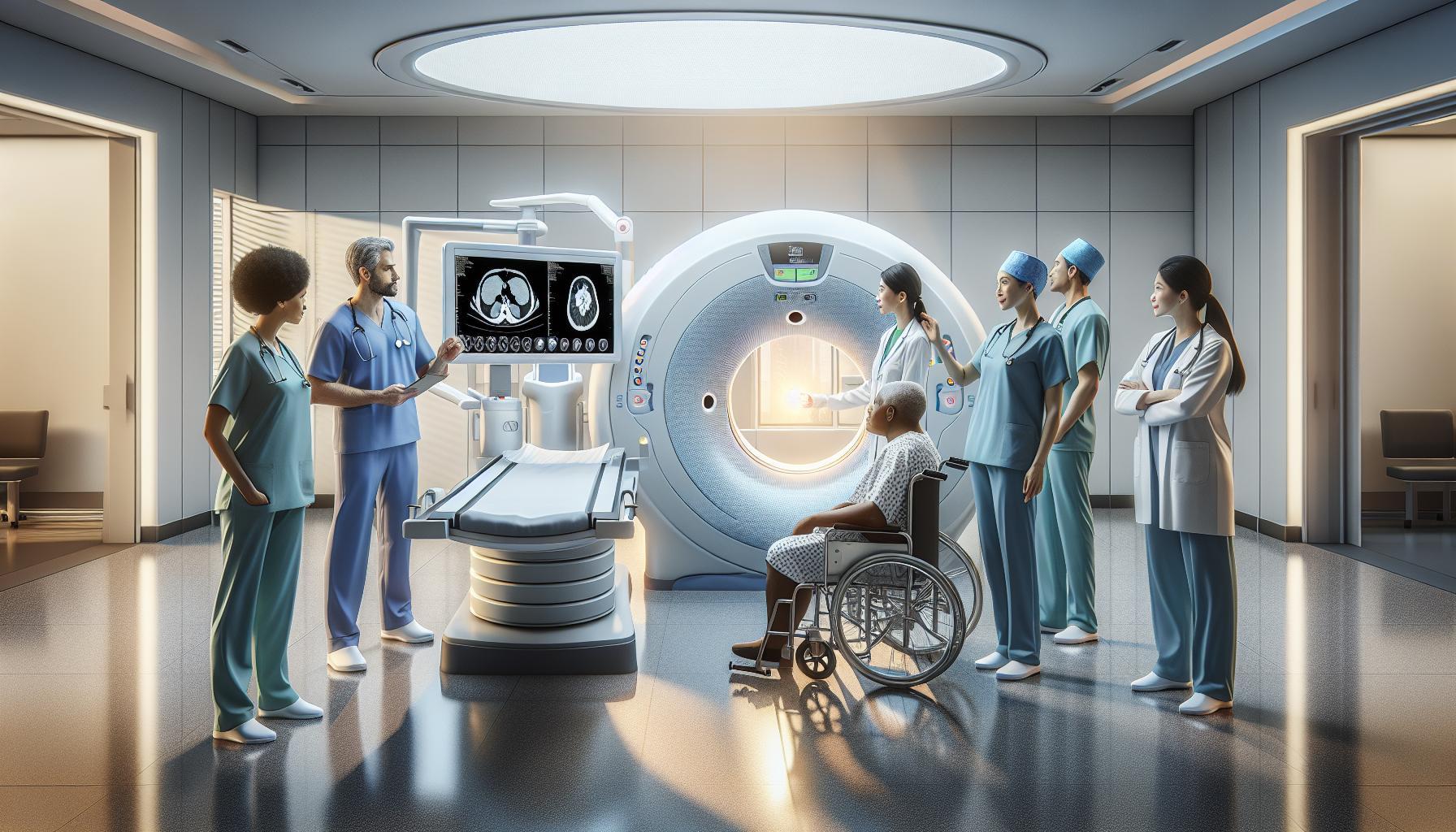
Navigating the healthcare landscape can be daunting, especially when it comes to understanding costs associated with medical procedures like CT scans. Did you know that depending on various factors, the price of a CT scan can range from as low as $300 to possibly exceeding $3,000? This discrepancy can leave many patients feeling confused about what to expect, especially when they are already dealing with health concerns.
Understanding the financial implications of a CT scan is crucial not only for budgeting but also for making informed healthcare decisions. Whether you’re preparing for a routine check-up or facing a potential diagnosis, knowing the average costs and what influences them can empower you as a patient. As we delve into a detailed breakdown of CT scan prices, helpful insights will guide you through the complexities, ensuring you feel equipped to navigate your healthcare journey with clarity and confidence.
How Much Does a CT Scan Cost?
The cost of a CT scan can greatly vary, making it an important consideration for anyone needing this diagnostic tool. On average, prices can range from $300 to $3,280 depending on several factors such as the location, facility type, and whether the scan includes contrast material. For those without insurance, CT scans can cost anywhere from $300 to $2,000 at outpatient imaging centers, while hospital prices could be significantly higher, often exceeding $7,000 [1[1].
Several elements contribute to the price of a CT scan. These may include the specific body part being scanned, the use of contrast agents, and the fees charged by the facility and the radiologist interpreting the images [2[2]. It’s also critical to consider geography, as prices vary widely across different regions and even between facilities within the same city [3[3].
To better prepare for the out-of-pocket expenses, it’s advisable to contact your healthcare provider or the imaging center directly. Inquire about the total costs, the expected insurance coverage if applicable, and any additional fees that might arise during the process. Understanding these financial aspects can empower patients to make informed decisions about their healthcare and alleviate some of the anxiety often associated with medical imaging.
Understanding Different Types of CT Scans
The world of CT scans encompasses a variety of types tailored to meet specific diagnostic needs, ensuring that healthcare providers can gain the precise images required for effective patient care. Understanding these different types is essential, not just for managing costs but also for being prepared for what each scan entails.
A conventional CT scan, often referred to as a “regular” or “non-contrast” scan, captures cross-sectional images of the body using X-rays. This type is widely used for a multitude of reasons, such as diagnosing injuries, detecting tumors, and evaluating internal bleeding. The cost for this standard procedure typically falls on the lower end of the price spectrum, generally ranging from $300 to $1,200 depending on the facility.
On the other hand, specialized scans such as CT angiography or CT scans with contrast agents are more intricate and may carry higher costs, often between $600 and $3,500. These scans involve injecting a contrast dye to enhance visibility of blood vessels and tissues, providing clearer images for assessing conditions like vascular issues or internal organ health. The necessity for this additional step can lead to significant variations in pricing largely influenced by factors like facility type and geographic location.
It’s important also to acknowledge emerging technologies, such as low-dose CT scans primarily used for lung cancer screening, which aim to reduce radiation exposure. While they may be designed for specific populations, their cost may vary based on insurance coverage and local healthcare markets. Along with traditional CT scans, some modern facilities may also offer advanced options like functional CT, which evaluates how organs function over time.
Ultimately, understanding these various CT scan types not only informs you about potential costs but also helps prepare you for discussions with healthcare providers. If you’re unsure which scan is necessary for your condition, engaging in a conversation with your doctor can clarify your options and help set realistic expectations regarding both the financial and health aspects of your diagnostic journey.
Factors That Influence CT Scan Pricing
The cost of a CT scan can vary significantly depending on a multitude of factors, which can often lead to confusion for patients seeking these essential diagnostic services. Understanding what influences pricing can empower you to make informed decisions and alleviate some of the stress associated with medical expenses.
One of the primary considerations is the location where the scan is performed. Urban areas or major cities may have higher costs due to increased overhead, while facilities in rural regions may offer more competitive rates. Additionally, the type of facility plays a crucial role; hospital-affiliated imaging centers typically charge more than standalone or outpatient imaging centers. This discrepancy often arises from the broader range of services provided by hospitals, which can include emergency care and specialized medical staff availability.
The specific type of CT scan required also impacts pricing. Routine scans tend to be less expensive compared to specialized scans like CT angiography, which involves injected contrast materials, substantially increasing the complexity and cost of the procedure. Furthermore, insurance coverage can dramatically alter out-of-pocket expenses, as different plans negotiate varying rates with providers. Patients should not hesitate to contact their insurance company prior to scheduling a scan to understand their coverage and the associated costs.
Lastly, hidden fees can contribute to the overall price of a CT scan. Charges may include those for the radiologist’s interpretation of the results, facility fees, and other ancillary costs. Being proactive and asking about all potential fees beforehand can help you budget more accurately for your medical care. By understanding these key factors, you can better navigate the financial aspects of obtaining a CT scan, leading to a more manageable and less stressful experience.
Insurance Coverage for CT Scans Explained
Understanding how insurance covers CT scans can help demystify the financial aspect of this important diagnostic tool. For many patients, the prospect of undergoing a CT scan comes with concerns about costs, especially if they don’t fully grasp how their specific insurance plan operates. Most health insurance plans do cover CT scans when deemed medically necessary, but the exact amount you might have to pay out-of-pocket can vary significantly based on your specific plan and provider agreements.
When preparing for a CT scan, it’s crucial to confirm whether your insurance provider requires pre-authorization. Some plans mandate this step to determine if the scan is medically necessary, which can lead to unexpected delays if not addressed prior to the appointment. To avoid any surprises, contact your insurance company and ask them to clarify coverage details, including what percentage of the costs will be covered and what your deductible is.
Additionally, it’s wise to inquire about the participating facilities within your network. Using an in-network imaging center can lead to substantial savings compared to going out-of-network. Insurers often negotiate lower rates with network providers, which directly translates to lower copays or coinsurance for you. If you’re unsure whether a facility is in-network, your insurance provider’s website usually includes a directory or you can call their customer service for assistance.
In summary, while most insurance plans cover CT scans, it’s essential to be proactive in understanding the specific terms of your policy and the facilities you choose. By taking these steps, you can mitigate potential costs and feel more at ease knowing that you are making informed decisions about your healthcare. Remember to consult healthcare professionals for personalized advice, as they can guide you through the process and help ensure that your scan is both necessary and covered.
Out-of-Pocket Costs: What to Expect
Understanding the potential out-of-pocket costs associated with a CT scan can alleviate some anxiety for patients preparing for this crucial diagnostic tool. Typically, the price you might pay without insurance can range from approximately $300 to $3,000, depending on several variables such as the complexity of the scan, the facility’s location, and whether contrast material is used. To truly prepare, it’s beneficial to anticipate how your specific circumstances might influence these costs.
If you have health insurance, your out-of-pocket expenses can greatly differ from those without coverage. Insurers often negotiate rates with imaging centers. In some cases, patients may only be responsible for a copay or coinsurance amount post-deductible. To navigate these waters effectively, consider the following actionable steps:
- Confirm Coverage: Reach out to your insurance provider to inquire about coverage specifics for the CT scan. Understand your plan’s deductible and how much of the procedure’s cost will be your responsibility.
- Check Facility Network Status: Determine whether the facility where you plan to have the scan is in-network. Using an in-network provider generally results in lower costs.
- Ask About Additional Fees: Inquire if there are potential extra charges for administration, radiologist fees, or any pre-procedure assessments that might arise.
- Estimate Total Costs: Utilize online cost estimation tools provided by many insurers or facilities to get a clearer picture of the final amount you may owe.
By proactively seeking clarity on these factors, you can reduce surprises and better manage your finances regarding your healthcare. Rest assured, open communication with both your healthcare provider and insurance company is essential to ensure that you’re making informed decisions throughout this process. If you have specific concerns or need tailored advice, do not hesitate to consult with your healthcare professionals, as they can provide guidance suited to your situation.
Hidden Fees Associated with CT Scans
Hidden fees can often transform the experience of getting a CT scan from a straightforward procedure into a financial puzzle. Understanding these additional costs can empower patients with knowledge, helping to mitigate any surprises when it’s time to settle the bill. These fees, while sometimes overlooked, can considerably elevate the overall cost, making it essential for patients to be well-informed.
One common hidden fee arises from radiologist interpretation costs. After your scan is completed, a radiologist-a physician specially trained to interpret imaging studies-reviews the results. This expert insight is crucial for accurate diagnosis but often entails a separate charge that might not be bundled with the facility fee. It’s advisable to confirm if this fee is included or billed separately when scheduling your CT scan.
Another area to watch for includes administrative fees. Some facilities impose charges for various administrative tasks such as handling paperwork, scheduling appointments, or managing medical records. Though these fees may seem minor in isolation, they can accumulate quickly and impact your final bill. It’s prudent for patients to ask beforehand about any possible administrative charges.
Additionally, contrast material fees are often a hidden cost, especially for scans requiring intravenous (IV) contrast. If your CT scan necessitates the use of contrast dye to enhance image detail, the associated costs may not always be included in the initial quoted price. This is particularly relevant for patients who may have allergies or specific health conditions that require alternative preparations, which can also incur extra costs.
Finally, always keep in mind location-based variances. Prices can differ significantly between hospitals and outpatient imaging centers due to factors like facility overhead and local market conditions. Therefore, if you have the flexibility to choose where you have your scan, comparing costs between facilities and inquiring about any hidden fees can lead to substantial savings.
By staying proactive and asking the right questions, you can minimize the financial burden of . Communication with your healthcare provider and clarity on billing practices can aid in navigating this complex landscape, ensuring that the focus remains on your health rather than unexpected expenses.
Comparing Costs: Hospital vs. Imaging Centers
When considering where to obtain a CT scan, understanding the cost differences between hospitals and independent imaging centers can significantly impact your overall expenses. Typically, the costs associated with a CT scan at a hospital can be substantially higher than those at a dedicated imaging facility. This difference largely arises from the higher overhead costs hospitals incur, including inpatient care services, emergency provisions, and additional administrative support. In contrast, outpatient imaging centers are often streamlined for efficiency and specialize solely in diagnostic imaging, allowing them to offer more competitive pricing.
One of the main advantages of choosing an imaging center is the potential for lower costs. For example, a CT scan at an imaging center might range from $300 to $800, while the same procedure at a hospital can easily exceed $1,500. Additionally, many imaging centers provide more straightforward pricing, reduction of hidden fees, and sometimes offer attractive packages for cash payments. When contacting facilities for quotes, it’s wise to ask about the complete breakdown of costs to avoid surprises.
Moreover, wait times can also differ greatly between the two options. Hospitals often prioritize emergency cases, which can lead to longer wait times for CT scans. Imaging centers usually operate on an appointment basis, making it possible to get your scan done more quickly.
Before making a decision, consider the following points:
- Type of CT Scan: The complexity of the scan may dictate which facility is better suited for your needs.
- Insurance Considerations: Some insurance plans have partnerships with particular imaging centers, leading to better coverage and lower out-of-pocket costs.
- Quality and Technology: Research the quality of imaging equipment used at both types of facilities. Accredited imaging centers often provide state-of-the-art technology and qualified radiologists.
By carefully comparing options and asking informed questions, you can make a confident choice that aligns with your financial situation and medical needs, ensuring that quality care remains at the forefront of your decision-making process.
Preparing for Your CT Scan: A Step-by-Step Guide
Preparing for a CT scan can feel daunting, but understanding the steps involved will help ease any anxiety. A CT scan (computed tomography scan) is a non-invasive imaging technique that provides detailed pictures of your body’s internal structures, assisting physicians in diagnosing various health conditions. To ensure a smooth experience and the best possible results, consider the guidelines below.
Before your appointment, it’s crucial to consult with your healthcare provider about any specific instructions tailored to your medical needs. For example, you may be asked to avoid eating or drinking for a few hours prior to the scan, especially if contrast material will be used. This preparation helps ensure clear images and reduces the risk of complications. If you have asthma, kidney issues, or a history of allergic reactions to contrast agents, be sure to communicate this information to your doctor.
On the day of the scan, wear comfortable clothing without metal fastenings, as metallic objects can interfere with the imaging results. If you’re required to wear a gown, the facility will provide one. Remember to bring along any necessary paperwork, such as your prescription or referral from your doctor, and your insurance information if applicable. Arriving a little early is advisable; this gives you time to settle in and complete any required paperwork or consent forms.
Once you’re at the imaging center or hospital, the preparation steps include undergoing a brief safety screening. The technician will explain the procedure while addressing any questions or concerns you may have. In many cases, the actual scanning process is quick, typically lasting only 10 to 30 minutes. Just remember to remain still during the imaging and follow any breathing instructions given to you.
Incorporating these steps into your preparation can enhance your CT scan experience, ensuring it proceeds smoothly and efficiently. Knowledge is empowering, so understanding what to expect can significantly reduce stress related to the procedure. If you have further questions, do not hesitate to reach out to your healthcare provider for personalized advice.
What to Expect During the CT Scan Procedure
A CT scan, or computed tomography scan, is a powerful diagnostic tool that provides intricate images of your body’s internal structures, allowing healthcare providers to identify conditions that might be difficult to assess with other imaging methods. As you prepare for the procedure, it’s helpful to know what to expect, both for your comfort and to maximize the effectiveness of the scan.
Upon arrival at the imaging center or hospital, you will likely check in at the front desk, where you’ll provide any necessary paperwork, including your prescription and insurance information. After this, a technician will lead you to the examination room. Before the scan begins, the technician will ensure that you are positioned correctly on the scanning table, which will slide into the CT machine. Depending on the area being scanned, you may need to lie flat or on your side.
During the actual scan, the machine will emit a series of X-rays that capture cross-sectional images of your body from various angles. You’ll be asked to remain as still as possible, and there may be moments when you need to hold your breath briefly to ensure clear images. The entire process usually lasts between 10 to 30 minutes, making it a relatively quick procedure. Many patients find the experience straightforward and uneventful, though some may feel mild discomfort from lying in a fixed position.
After the scan, you may be monitored briefly, especially if you received contrast material intravenously. It’s normal to feel a little disoriented as you exit the machine, but any discomfort should subside quickly. Once everything is complete, you can resume your normal activities unless otherwise instructed by your doctor. Your healthcare provider will discuss the results with you, typically within a few days, ensuring you understand what they mean for your overall health and any next steps needed.
In summary, knowing what to expect during your CT scan can greatly reduce anxiety and help you feel more prepared. While the thought of undergoing a scan may seem daunting, the procedure itself is designed to be as efficient and comfortable as possible, providing essential insights into your health. Always remember to address any concerns with your healthcare provider beforehand so you can proceed with confidence.
Safety of CT Scans: Risks and Considerations
Undergoing a CT scan can feel daunting, but understanding the safety considerations inherent to this procedure can help ease your worries. It’s important to recognize that while CT scans are powerful diagnostic tools that provide detailed images of your body’s structures, they do involve exposure to ionizing radiation. The amount of radiation from a single CT scan is generally low and considered safe for diagnostic purposes, but it’s essential to minimize unnecessary exposure. For instance, healthcare providers typically evaluate the necessity of the scan against the potential benefits, especially in more vulnerable populations such as children or pregnant women.
Patients may sometimes wonder about the risks associated with the contrast materials used in certain CT scans. These substances, such as iodine-based contrast agents, can cause allergic reactions in some individuals. It’s crucial to communicate any known allergies or previous reactions to your healthcare provider prior to your scan. They can make informed decisions about the use of contrast and provide necessary precautions, such as premedication if there is a history of allergic responses. Even though serious reactions are rare, being informed empowers you to engage actively in discussions about your care.
In certain scenarios, alternative imaging techniques like MRI or ultrasound may be more suitable, particularly when radiation exposure is a concern. If you feel anxious about the safety aspects of CT scans, don’t hesitate to ask your healthcare professional about your options and the necessity of the procedure. Engaging in this dialogue fosters an understanding of the medical decision-making process and ensures that you feel comfortable and informed every step of the way. Ultimately, the goal is to strike a balance between obtaining necessary medical imaging and safeguarding your health throughout the process.
Interpreting Your CT Scan Results
Understanding the outcome of a CT scan can often be as challenging as the decision to undergo one. These scans yield detailed images of your body’s internal structures, making them crucial tools for diagnosis and treatment planning. However, interpreting these results involves both the radiologist’s expertise and your ability to understand what these findings mean in the context of your overall health.
After your CT scan, a radiologist will analyze the images and compile a report outlining their observations. This report is then sent to your healthcare provider, who will discuss the results with you. It’s important to be prepared for this conversation by considering any questions or concerns you might have. For instance, you might ask:
- What do the findings mean for my condition?
- Are there any follow-up tests or treatments recommended based on the results?
- What are the next steps if the scan shows abnormalities?
Receiving your results can be emotional, especially if there are unexpected findings. Remember that CT scans can reveal a range of conditions, some of which may not require immediate action, so it’s vital to keep an open dialogue with your healthcare provider. They can help clarify any complex medical jargon and put the results into perspective, discussing how they relate to your symptoms, medical history, and future healthcare plans.
While interpreting your results, you may also come across terms or phrases that are unfamiliar. For example, understanding the difference between benign and malignant findings can be crucial in framing your next steps. It’s completely normal to feel anxious about what you read or hear; therefore, your healthcare team is there to support you and will guide you through any necessary actions or further evaluations. Always prioritize being informed and engaged in your healthcare decisions-this approach not only empowers you but also fosters a better understanding as you navigate your health journey.
When to Follow Up After a CT Scan
Following a CT scan, knowing when to follow up can significantly impact your health journey and peace of mind. It’s essential to understand that the results of a CT scan can take time to process, as the radiologist needs to carefully analyze the images and compile a report. Generally, you should anticipate receiving the results within a few days, but this timeline can vary based on the facility and the specifics of your case. Make sure to inquire about how and when you will receive your results during your appointment; this will give you a clearer timeframe to expect.
Once you retrieve your CT scan results, your healthcare provider will discuss the findings with you. If there are concerns or significant findings, your doctor may recommend a follow-up appointment sooner rather than later. Additionally, if the scan indicates the need for further diagnostic imaging, lab tests, or specific referrals to specialists, schedule those promptly to ensure timely management of any identified health issues. Being proactive in coordinating these follow-up steps can be crucial, especially if the findings could impact your ongoing care.
Moreover, don’t hesitate to reach out to your healthcare provider’s office if you haven’t received your results within the expected time frame. Maintaining open lines of communication is vital. You might also want to keep a list of any symptoms you may be experiencing or any changes in your health status to discuss during your follow-up. This information can be valuable in interpreting the CT scan results in the context of your overall health.
Ultimately, the follow-up process should feel like a partnership with your healthcare provider. By being engaged and informed, you can navigate the post-scan phase with confidence, leading to the best possible outcomes for your health. Always remember that your concerns and questions are valid-don’t hesitate to discuss them with your medical team.
FAQ
Q: How much does a CT scan cost without insurance?
A: A CT scan can cost up to $6,750 when paying out-of-pocket. The price often depends on the specific type of scan and location. It’s crucial to shop around for prices and inquire about any available discounts[1].
Q: Are there additional costs associated with a CT scan besides the scan itself?
A: Yes, additional costs may include physician fees for interpretation, facility fees, and any follow-up appointments. It’s essential to ask the provider for a complete breakdown of all potential charges[3].
Q: How much does a CT scan typically cost with insurance?
A: Costs can vary widely, but with insurance, you might pay between $100 and $1,000 for a CT scan, depending on your plan’s coverage and deductible amounts. Always check with your insurance provider for specific benefits and coverage[2].
Q: What factors affect the cost of a CT scan?
A: The cost of a CT scan is influenced by factors such as the type of scan required, the facility’s location, whether a contrast dye is used, and if you have insurance coverage. Evaluating multiple providers may help find the best price[3].
Q: Can I find discounted rates for a CT scan?
A: Yes, many facilities offer discounts or packages through services like MDsave, which can help reduce costs significantly, sometimes by up to 50%. It’s advisable to inquire about discounts upfront[2].
Q: What is the average out-of-pocket cost for a CT scan?
A: The average out-of-pocket cost for a CT scan ranges from $300 to $3,280, depending on the scan type and facility. Patients are encouraged to confirm costs with their chosen provider prior to the procedure[3].
Q: How can I prepare for the costs of a CT scan?
A: To prepare financially for a CT scan, check with your insurance for coverage details, compare prices among local facilities, and ask about payment plans or discounts beforehand to avoid unexpected expenses[2].
Q: What are the differences between hospital and imaging center CT scan costs?
A: CT scan costs at hospitals tend to be higher due to facility fees and overhead. Imaging centers usually offer lower prices for similar services. It’s essential to compare both options to find affordable care[3].
The Way Forward
Understanding the costs associated with getting a CT scan is crucial for making informed healthcare decisions. After learning about the factors that influence pricing, from location to insurance coverage, we encourage you to take proactive steps in your health journey. If you have further questions or require personal guidance, don’t hesitate to consult your healthcare provider.
For additional insights, explore our articles on Preparing for a CT Scan and Understanding Medical Imaging Costs. These resources can enhance your knowledge and ease any concerns you may have. Remember, you’re not alone in navigating these important healthcare decisions-join our community for updates and expert advice by signing up for our newsletter today. Your health is valuable; stay informed and empowered!