Kidney stones affect millions of people and can lead to severe pain and complications, so understanding their detection is crucial for timely treatment. While CT scans are widely regarded as one of the most effective imaging methods for diagnosing kidney stones, questions often arise about their reliability. Can a CT scan miss these painful stones?
In this article, we delve into the intricacies of CT scans and their ability to detect kidney stones, addressing both the strengths and limitations of this common imaging technique. By exploring various aspects of detection reliability, we aim to equip you with essential knowledge that empowers informed discussions with your healthcare provider. Your understanding of the nuances in imaging can lead to better management of your health and peace of mind during this challenging experience.
Can CT Scans Detect All Kidney Stone Types?
While CT scans are highly effective in detecting kidney stones, they do have limitations concerning different stone types. For instance, the most common type of kidney stones, calcium oxalate stones, are generally well-visualized on CT images. However, certain minimally sized stones, particularly smaller than 3 mm, may be more challenging to detect. These small stones might not cast enough of a shadow on the scan to be identified, particularly if they are located in parts of the kidney that are obscured by anatomical structures.
Moreover, some types of stones, such as uric acid stones, may not be as easily detected since they could be less dense than their calcium counterparts. The density of the stones plays a crucial role in their visibility on a CT scan, and stones with similar densities to surrounding tissues can sometimes be overlooked. This is why it is essential for healthcare providers to consider patient history and symptoms alongside imaging results when diagnosing kidney stones.
Taking proactive steps before the scan can also increase detection accuracy. For instance, hydration can help in better visualization of the urinary tract and kidney structures on a CT scan. Patients should be encouraged to drink sufficient fluids in the hours leading up to the procedure, as this can help to distend the urinary system, making it easier for the scan to capture clearer images. Ultimately, while CT scans are a powerful tool in identifying kidney stones, discussing concerns and symptoms with a healthcare provider remains crucial for achieving accurate diagnosis and effective treatment.
Understanding the Limitations of CT Imaging
Despite their high accuracy, CT scans have a range of limitations that may affect their ability to detect kidney stones reliably. Surprisingly, smaller stones-especially those measuring less than 3 mm-can often go unnoticed in a scan. This is primarily due to their inability to cast a distinct shadow against the surrounding tissue. When these stones are situated in challenging locations, such as beneath other anatomical structures, the likelihood of them being missed increases significantly. Thus, while CT imaging remains one of the most effective tools in diagnosing kidney stones, it is not foolproof.
Another critical factor impacting detection is the type of kidney stone present. The most common type, calcium oxalate stones, is generally well-visualized; however, uric acid stones, which are less dense, may not be as readily detectable due to their similar radiographic density to surrounding tissues. These nuances highlight the importance of a tailored clinical approach. Healthcare providers are encouraged to weigh the results of imaging studies alongside a patient’s symptoms and medical history, as this comprehensive evaluation aids in confirming a diagnosis that a CT scan alone might miss.
Patient preparation can also play an influential role in detection accuracy. Hydration prior to a CT scan not only enhances visualization of the urinary tract but can also help to dilate the kidneys and urinary passages. Adequate fluid intake may result in clearer images, thus improving the chances of identifying smaller or less prominent stones. Therefore, when advised to drink fluids before a procedure, it is wise to follow this guidance to optimize the imaging results.
Ultimately, while CT scans are a cornerstone of kidney stone diagnosis, understanding their limitations is essential. Engaging in open discussions with healthcare providers about symptoms, potential stone types, and personal medical history can significantly enhance diagnostic accuracy and lead to more effective management strategies for kidney stone issues.
Common Factors Influencing Detection Rates
Despite the high accuracy of CT scans in diagnosing kidney stones, several factors can influence detection rates significantly. For instance, the size and composition of the stones play critical roles. While larger stones are typically more easily identified, smaller stones, particularly those under 3 mm, might evade detection due to their inability to create a substantial contrast against surrounding tissues. Stones smaller than this threshold can blend in, resulting in missed diagnoses. Furthermore, the location of the stones within the urinary tract is equally crucial; if they are tucked beneath other structures, the chances of visibility during a CT scan decrease.
Another factor that can impact detection is the type of kidney stones present. Calcium oxalate stones, which are the most prevalent type, generally appear distinctly on CT scans. In contrast, uric acid stones pose a challenge as they have a density similar to the surrounding soft tissues, making them less visible. It’s important to recognize that not all stones present the same imaging challenges, and healthcare providers often rely on a combination of imaging results and clinical symptoms to make an accurate diagnosis.
Patient hydration before a CT scan cannot be overlooked, as it enhances the clarity of the images obtained. When patients arrive well-hydrated, the urinary tract appears more prominent, allowing for better visualization of stones. Therefore, patients are advised to follow hydration guidelines provided by their healthcare teams. Engaging in clear communication with providers about symptoms and potential stone types will further clarify the assessment process and improve detection reliability.
In summary, while CT imaging remains a gold standard for kidney stone diagnosis, understanding the interplay of these influencing factors empowers patients and helps them navigate the diagnostic process more effectively.
Comparing CT to Other Imaging Modalities
When considering the best way to diagnose kidney stones, it’s essential to understand the options available. While CT scans are heralded for their accuracy and speed, other imaging modalities also play significant roles in identifying kidney stones effectively. Each method has its own strengths and limitations, and knowing these can help patients make informed decisions alongside their healthcare providers.
Ultrasound
Ultrasound is a non-invasive imaging technique that uses sound waves to create images of the internal structures of the body. This method is often used as a first-line imaging tool, particularly in pregnant patients or those needing to avoid radiation exposure. One of the advantages of ultrasound is its ability to visualize stones in real-time and assess both kidneys, the ureters, and the bladder. However, it can be less sensitive than CT scans, especially for smaller stones or if the stones are obscured by bowel gas or other structures.
X-ray (KUB)
Kidney, ureter, and bladder (KUB) X-rays can also be useful in some cases. They can reveal certain types of stones, particularly calcium-based stones, but they have a significant limitation: they cannot detect uric acid stones since these do not show up on standard X-rays. Additionally, KUB X-rays are less detailed than CT scans, making it harder to pinpoint the size and exact location of the stones.
MRI
While not commonly used for kidney stone detection, magnetic resonance imaging (MRI) can be beneficial in specific circumstances, such as in patients with contraindications to CT imaging or those requiring more detailed soft tissue resolution. However, similar to ultrasound, MRI may miss certain types of stones and typically takes longer than CT, making it less suitable for acute cases.
Ultimately, the choice of imaging should be based on individual patient circumstances, including medical history, the type of stones suspected, and any contraindications to specific imaging techniques. Collaborating with a healthcare provider can help determine the right approach tailored to each patient’s needs, ensuring the best possible outcomes while addressing concerns about radiation and the efficiency of the diagnostic process. Being informed and proactive in discussions about imaging modalities can significantly enhance the diagnostic pathway for kidney stones.
Patient Preparation for Accurate CT Scans
Before undergoing a CT scan to assess for kidney stones, understanding the preparation process can significantly enhance the accuracy of the results and ease any anxiety around the procedure. A well-prepared patient can help ensure that the imaging is as clear and effective as possible, leading to better diagnosis and treatment.
First and foremost, it’s essential to discuss any medication you’re currently taking with your healthcare provider. Some medications might affect your kidneys or the scan results, and your doctor may advise you to pause certain prescriptions before the procedure. Patients are usually also instructed to avoid foods or drinks that might interfere with the scan, such as those high in calcium or sugar, as these can create artifacts on the images that may obscure the stones.
In most cases, fasting for several hours before the scan will be required, typically around 4 to 6 hours. This fasting period helps to reduce the amount of gas in the intestines, which can otherwise obstruct the visibility of the kidneys and urinary tract. Drink plenty of water leading up to your appointment unless advised otherwise; staying hydrated can aid in flushing out uric acid, which is crucial if uric acid stones are suspected.
Once you’ve completed the necessary pre-scan steps, you’ll arrive at the imaging center or hospital, where a healthcare professional will guide you through the process. You’ll likely be asked to change into a hospital gown and to remove any metal objects, such as jewelry, which can interfere with the accuracy of the images. During the scan, you may be given a contrast dye, either orally or through an IV, to enhance the clarity of the images, helping healthcare providers detect stones more effectively.
After the CT scan, it’s important to follow up with your healthcare provider to discuss the results and any further actions that may be needed. Understanding and preparing adequately for the scan not only helps in obtaining the best possible images but also supports your overall experience, making it a more pleasant process during what can be a challenging time.
What to Expect During a CT Scan
Undergoing a CT scan can feel daunting, particularly when anxious about potential kidney stones. Understanding what to expect during the procedure can greatly alleviate anxiety and set your mind at ease. A CT scan is a quick and painless imaging technique that delivers detailed images, allowing physicians to assess for kidney stones effectively.
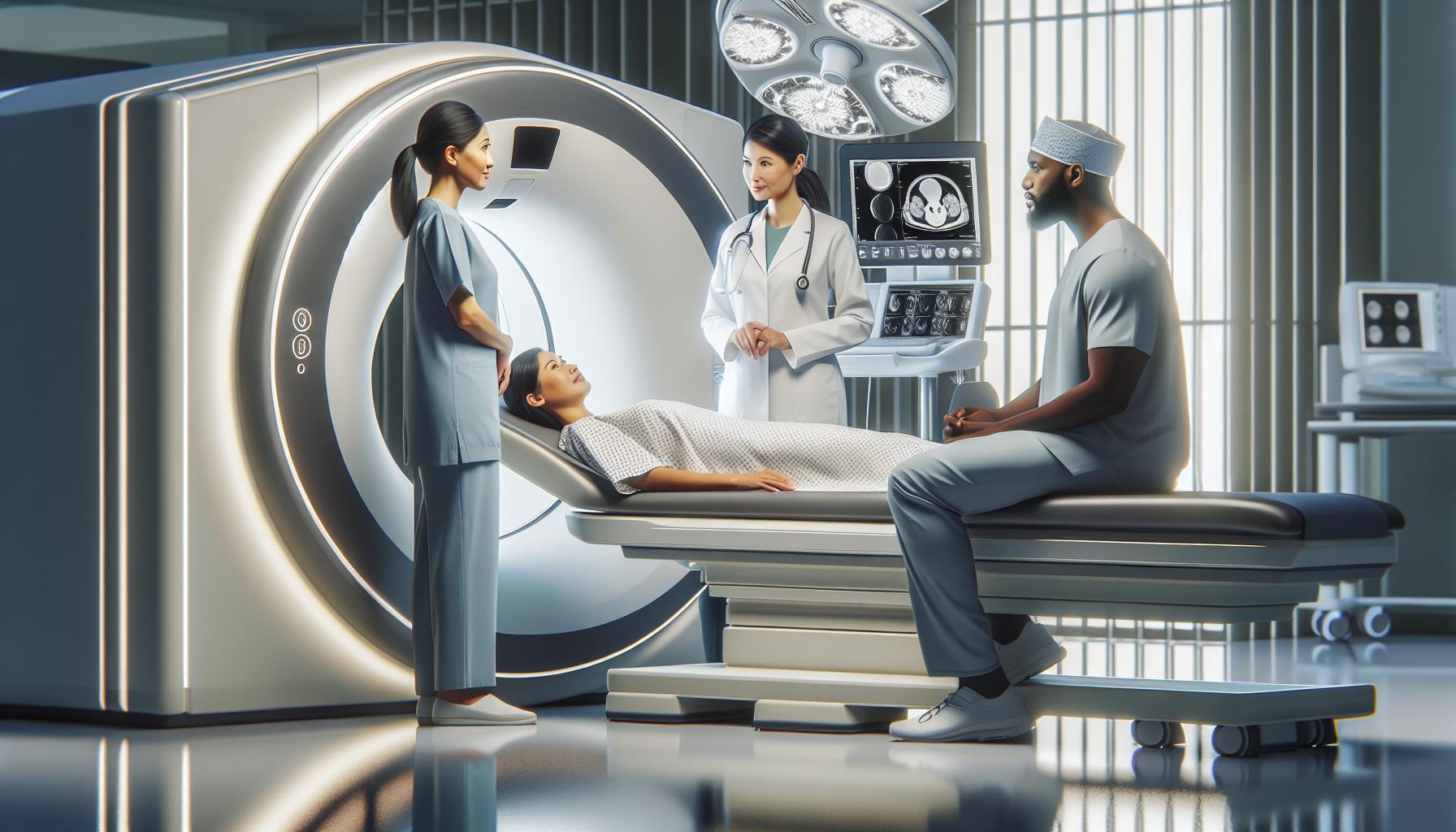
When you arrive for your scan, you’ll check in and go through any necessary paperwork. After that, a medical professional will guide you to the imaging room. It’s common to change into a hospital gown from your clothing to minimize any interference from metal objects or fasteners. Prior to the scan, you may be asked to lie down on a narrow, padded table that will slide into the CT machine, which looks similar to a large doughnut.
Once positioned correctly, the technician will give you clear instructions. You might hear them ask you to hold your breath at certain points-this brief pause helps to eliminate any movement that could blur the images. It’s essential to remain still during the scan, typically lasting only a few minutes. During the procedure, you may also receive contrast media, either through an IV or orally, to enhance image clarity and assist in the detection of stones. This contrast is generally safe, although some individuals may experience a warm sensation for a few moments after administration.
After the scan, you can resume your normal activities right away. The medical team will review your images and discuss the findings with you during a follow-up appointment. This is an excellent opportunity to ask questions and clarify any worries about your health moving forward. Remember, being well-informed about the CT scan process can empower you during this experience, helping you make the most out of it while ensuring that any potential kidney stones are accurately detected.
Recovery and Follow-Up After a CT Scan
After completing a CT scan, patients often wonder what comes next, especially if there are concerns about kidney stones. Generally, the immediate recovery process is smooth and straightforward, allowing you to resume your regular activities or work shortly after leaving the imaging center. It’s important to know that any contrast material used during the scan is typically well tolerated and any minor side effects, like a warm sensation, will dissipate quickly.
A key part of your recovery involves understanding the results of the scan. These results are usually reviewed by a radiologist, who will analyze the images and provide a report to your referring physician. Expect a follow-up appointment to discuss these findings in detail, where your doctor can explain the implications of the results and the next steps moving forward. It’s completely normal to feel anxious awaiting these results, so don’t hesitate to reach out to your healthcare provider with questions or concerns.
### Understanding the Follow-Up Process
During your follow-up appointment, the conversation will likely focus on your specific situation:
- Results Review: Your doctor will share whether any kidney stones were detected and discuss their size, location, and type, which is crucial for planning further treatment or lifestyle changes.
- Treatment Options: If stones are found, your doctor might recommend dietary changes, medication, or further testing to determine the best approach to manage your condition.
- Monitoring: In some cases, your physician may suggest regular follow-ups to monitor for new stones or to assess the effectiveness of recommended treatments.
### Emotional Support and Information
Going through the healthcare process can feel overwhelming. Engaging openly with your healthcare team about your worries or symptoms can provide reassurance and clarity. Remember that each patient’s journey is unique, and it’s perfectly okay to seek emotional support from family, friends, or counseling services if needed. Your proactive involvement in the conversation about your health will empower you to make informed decisions and feel more in control of your situation.
Understanding CT Scan Results for Kidney Stones
The results from your CT scan can feel like a turning point in understanding your kidney health. It’s crucial to recognize that while CT scans are highly effective in detecting various types of kidney stones, they are not infallible. There are instances where smaller stones or those in certain locations may evade detection. A comprehensive report from a radiologist, who reviews your images, plays a pivotal role in clarifying any ambiguities related to your results.
When you receive your scan results, your doctor will discuss the specifics-whether stones were found, their size and type, and how they might impact your health. For example, calcium oxalate stones are the most common type detected by CT scans, but uric acid stones may require further investigation if not identified. Understanding what type of stones you may have is critical, as it influences treatment options, dietary recommendations, and the likelihood of recurrence.
During your follow-up appointment, don’t hesitate to ask about aspects of the results that may cause concern. Inquire not only about the findings but also about the imaging process itself. Understanding the variability in detection can empower you; this knowledge allows for a more informed discussion with your healthcare provider. Additionally, if you feel the need for a second opinion, express this to your physician-it’s perfectly normal to seek further assurance regarding your health and treatment plan.
Ultimately, and perhaps most importantly, maintaining open communication with your healthcare team is key. Don’t shy away from discussing your fears, questions, or uncertainties regarding kidney stones and their implications. Your proactive approach in navigating these conversations can lead to a clearer understanding of your condition, making you feel more in control of your health journey.
Risks and Safety Considerations of CT Imaging
While CT scans are a powerful tool in diagnosing kidney stones, it’s essential to recognize the associated risks and safety considerations to ensure patient well-being during the process. One key aspect to be mindful of is the exposure to ionizing radiation, which occurs during a CT scan. Although the radiation dose from a single CT scan is generally considered low, repeated scans raise cumulative exposure and potential long-term risks, such as increased likelihood of cancer. It’s crucial for patients to discuss with their healthcare providers about the necessity of the scan and to explore whether alternative imaging methods, which may carry less risk, could suffice.
Preparation for a CT scan can also enhance safety and effectiveness. Patients are typically advised to stay well-hydrated and follow specific dietary recommendations prior to the procedure. For instance, avoiding certain foods or fasting may improve the clarity of images. Additionally, it’s vital for patients to inform their radiologist about any allergies, particularly to contrast materials if one is used, and to disclose their medical history, including kidney problems or past reactions to imaging agents. This careful communication allows for preemptive measures to minimize allergic reactions and other complications.
A supportive environment is equally important. Addressing patient anxiety about the procedure can help ease tension. Knowing what to expect can make a significant difference in their comfort level. For instance, understanding that the scan itself usually lasts only a few minutes can alleviate fears associated with prolonged immobilization. Technological advancements in CT imaging have also improved safety measures, such as automatic exposure control, which adjusts the amount of radiation used based on the patient’s size and the area being scanned, further enhancing patient safety.
Ultimately, it’s imperative for patients to stay informed about the risks involved with CT imaging while also advocating for their health. Keeping an open dialogue with healthcare providers ensures that all concerns are addressed, and patients can make educated decisions about their diagnostic imaging needs. By combining knowledge with effective communication, individuals can take proactive steps towards managing their health and navigating their treatment pathways confidently.
The Role of Contrast Media in Detection
Using contrast media in CT scans can significantly enhance the detection of kidney stones, allowing for clearer visualization of structures within the urinary tract. This added clarity can be particularly beneficial in identifying stones that may otherwise be obscured or missed by standard imaging techniques. Contrast media, usually containing iodine, helps to highlight blood vessels and other tissues, thus providing detailed images that facilitate accurate diagnoses.
When a healthcare provider orders a CT scan with contrast for kidney stones, they aim to improve the diagnostic accuracy by ensuring that both the stones themselves and the surrounding anatomical structures are clearly visible. This is especially useful in complex cases where kidney stones may be located near other structures, such as the ureters or bladder. The enhanced detail can assist in determining the size, location, and potential complications arising from the stones, which is essential for planning appropriate treatment options.
However, it’s essential for patients to communicate openly with their healthcare provider regarding any allergies or previous reactions to contrast materials. Those with certain conditions, such as kidney disease, may require special considerations, and alternate imaging methods might sometimes be more appropriate. Patients should feel empowered to ask questions about the benefits of using contrast media in their specific case, as well as any risks involved.
In preparation for the CT scan, patients may need to follow specific instructions about hydration and dietary restrictions, as these can influence the effectiveness of the contrast agent. Staying well-hydrated is particularly crucial, as it can assist in clearing the contrast from the body post-scan. By engaging in a supportive dialogue with healthcare professionals and following recommended guidelines, patients can enhance their comfort and the overall efficacy of the diagnostic process.
Expert Insights: When to Seek a Second Opinion
When dealing with kidney stones, the stakes can feel high, especially if your initial imaging tests seem unclear or inconclusive. It’s crucial for patients to feel empowered in their healthcare journey, and knowing when to seek a second opinion can be a pivotal step. If concerns arise regarding the reliability of a CT scan in detecting kidney stones-whether it’s about potential missed diagnoses or just a nagging feeling about your evaluation-don’t hesitate to explore further recommendations.
One of the most common scenarios requiring a second opinion is when symptoms persist despite a prior diagnosis. If you’re experiencing ongoing pain, blood in your urine, or other troubling signs even after your CT scan, it may be indicative that a stone was missed or that there’s another underlying issue. In such cases, consider consulting a specialists who focuses specifically on urology or nephrology. They may suggest additional imaging studies, such as an ultrasound or MRI, which can offer different perspectives or even confirm the prior findings.
When engaging with healthcare professionals, ask thoughtful questions about your CT scan results and their implications. If you’re unsatisfied with the response or feel that your concerns are being overlooked, trust your instincts. Getting a second opinion can not only reaffirm the original assessment but also open up discussions about alternative treatment options or additional diagnostic techniques tailored to your condition. It’s essential to have a healthcare team that listens and addresses your concerns with care and expertise.
Ultimately, proactive participation in your healthcare decisions is vital. Seeking a second opinion is not just a backup plan; it’s a testament to your commitment to understanding your health better. Remember, clarity about your condition helps pave the way to effective treatment, so prioritize your health and peace of mind in this process.
Advancements in CT Technology for Kidney Stone Detection
Rapid advancements in CT technology have significantly improved the detection of kidney stones, making it one of the most effective imaging modalities available. One of the primary innovations is the development of high-resolution multidetector CT scanners, which are capable of capturing detailed cross-sectional images of the urinary tract in a fraction of a second. This speed and precision greatly enhance the ability to visualize even the smallest stones, which might previously have been obscured or missed by older imaging techniques.
Moreover, newer techniques such as dual-energy CT have emerged, allowing for differentiation between various types of kidney stones based on their composition. This capability is crucial because it not only aids in accurately identifying the presence of stones but also provides valuable information regarding their chemical makeup. Understanding the type of stone can influence treatment decisions and preventive measures. For instance, calcium oxalate stones may require different dietary adjustments compared to uric acid stones, leading to more tailored treatment plans for patients.
Improved Image Processing and Software Enhancements
In addition to hardware improvements, advancements in image processing software have played a pivotal role in enhancing the reliability of CT scans for kidney stone detection. Algorithms now assist radiologists by highlighting potential areas of concern, thereby reducing the chances of human error. These software tools can perform complex calculations and analyses, offering radiologists clearer views and identifying subtle abnormalities that could indicate the presence of stones or other complications.
It is also essential for patients to understand that the effectiveness of a CT scan can be impacted by factors such as body habitus and stone location. Recent advancements have allowed for position-specific imaging protocols that can optimize results based on an individual’s anatomy. This personalization ensures that the imaging technique employed is best suited to the patient’s unique circumstances, further improving detection rates.
Overall, these technological innovations not only enhance the accuracy of kidney stone detection but also empower healthcare providers to offer more precise and efficient care. By staying informed about these advancements, patients can engage more effectively with their healthcare team, discussing the best imaging options available to address their specific needs and concerns.
Q&A
Q: Can a CT scan miss small kidney stones?
A: Yes, a CT scan can miss small kidney stones, particularly those less than 3 mm in size. Factors such as stone composition and location may impact detection, emphasizing the need for follow-up imaging if symptoms persist. For more on limitations, refer to the section on “Understanding the Limitations of CT Imaging.”
Q: What factors affect the reliability of CT scans for kidney stones?
A: Factors that affect CT scan reliability include stone size, location, and the quality of the imaging equipment used. Patient movement and certain anatomical variations can also influence results. For a deeper insight, check the section on “Common Factors Influencing Detection Rates.”
Q: How accurate are CT scans in detecting kidney stones compared to ultrasounds?
A: CT scans are generally more accurate than ultrasounds for kidney stone detection. They can clearly visualize both radio-opaque and non-opaque stones, while ultrasounds may miss smaller stones and heavily rely on the skill of the technician. For a comparison, see “Comparing CT to Other Imaging Modalities.”
Q: What can patients do to prepare for a CT scan to improve stone detection?
A: Patients should maintain hydration and follow fasting guidelines as instructed by their healthcare provider. Clear communication about any medications and existing health conditions can also enhance accuracy. For detailed preparation tips, consult the section “Patient Preparation for Accurate CT Scans.”
Q: When should a second CT scan be considered for kidney stones?
A: A second CT scan may be warranted if there are persistent symptoms despite previous imaging, or if the initial scan results are inconclusive. Consulting a healthcare professional for personalized advice is crucial in such situations. Additional insights are available in “Expert Insights: When to Seek a Second Opinion.”
Q: Are there any alternatives to CT scans for detecting kidney stones?
A: Yes, alternatives include ultrasounds and X-rays, which can be effective, particularly in specific cases. However, CT scans are preferred for their high sensitivity. For a comprehensive overview, review “Comparing CT to Other Imaging Modalities.”
Q: Can the type of kidney stone affect CT detection?
A: Yes, the composition of kidney stones can influence CT detection rates. Calcium stones are usually easily detected, while certain cysteine and uric acid stones may be less visible. Explore more in “Can CT Scans Detect All Kidney Stone Types?”
Q: What should I do if my CT scan results show no stones but symptoms persist?
A: If your CT scan shows no stones but symptoms continue, consult your healthcare provider to discuss further investigation or alternative diagnostic options. Recognizing that imaging may miss certain conditions is essential for ongoing care. Check the follow-up recommendations in “Recovery and Follow-Up After a CT Scan.”
Wrapping Up
Understanding the detection reliability of CT scans for kidney stones is crucial for effective diagnosis and treatment. While CT scans are highly accurate, they may sometimes miss smaller stones, so it’s essential to consult with your healthcare provider about your specific case. If you have any lingering questions or concerns, don’t hesitate to reach out to a specialist or explore our related articles on imaging technology and preparation tips for scans.
We invite you to further your knowledge by checking out our resources on kidney stone prevention and treatment options, as well as our comprehensive guide on preparing for medical imaging techniques. Your journey toward better health starts with informed decisions, so take action now by signing up for our newsletter for the latest insights or scheduling a consultation to discuss your imaging needs. Don’t forget to share your thoughts or experiences in the comments-your story might just help someone else on their health journey!