When preparing for a CT scan, many patients wonder about everyday habits, such as coffee consumption. Did you know that what you eat or drink before your procedure can impact the results? Understanding whether you can enjoy that morning cup of coffee is crucial. It’s natural to have concerns about guidelines and instructions leading up to your imaging appointment, as adhering to them is essential for accurate results and timely diagnosis.
In this essential preparation guide, we’ll explore the nuances of coffee and its potential effects on your CT scan process. From understanding why certain restrictions might be in place to providing you with actionable tips, we aim to ease your anxiety and empower you with knowledge. As you read on, you’ll discover not only the recommendations regarding coffee consumption but also practical steps for ensuring your visit goes smoothly. Remember, consulting your healthcare provider is always key to personalized guidance in preparation for your scan.
Can I Drink Coffee Before a CT Scan? Understanding Medical Guidelines
It’s common for patients to wonder about their morning cup of coffee when preparing for a CT scan. While coffee is a beloved ritual for many, it’s essential to approach this question with care and attention to medical guidelines. Most healthcare providers recommend avoiding any food or drink, including coffee, for a few hours prior to your scan, particularly if contrast material will be used. This guideline exists largely to prevent potential complications and ensure that imaging results are as clear and accurate as possible.
Caffeine can stimulate the gastrointestinal system, which may lead to bowel movement changes that can obscure imaging results or make interpretation more challenging. Additionally, the effects of caffeine, when combined with certain sedatives or medications that may be given during the procedure, can sometimes amplify anxiety levels, making the scanning process more uncomfortable. Given these considerations, it’s best to err on the side of caution and refrain from drinking coffee in the lead-up to your scan.
Instead of coffee, consider hydrating with water or consuming clear liquids, as these are generally acceptable before a CT scan. Following the specific instructions provided by your healthcare team regarding fasting is vital, as they will tailor advice based on your unique medical situation and the type of scan you will undergo. Always feel empowered to ask your healthcare provider questions if you’re unsure; they can offer personalized guidance to ensure a smooth experience before, during, and after your CT scan.
The Impact of Caffeine on Imaging Results
Caffeine, a common stimulant found in coffee, tea, and many soft drinks, can significantly impact the results of imaging tests, particularly CT scans. When consumed before a scan, caffeine can stimulate the gastrointestinal tract, potentially causing motility changes that may obscure vital imaging details. This means that bowel movements can shift suddenly, altering the state of the intestines and complicating the interpretation of results. Radiologists rely on clear and stable imaging to diagnose conditions effectively, so any interference caused by caffeine can reduce the accuracy of findings.
Moreover, caffeine can heighten anxiety levels in some individuals, which complicates the patient experience during the scan. Many patients may already feel nervous about the procedure, and when combined with caffeine’s stimulating effects, this anxiety can intensify. As such, it can be more challenging to remain still during imaging, leading to blurry or unusable images. Avoiding caffeine prior to a CT scan is therefore advisable to maintain a calm and stable environment both physically and mentally.
In light of these factors, it is wise to consider alternative beverages before your scan. Hydration is a key component of preparation, and opting for water or clear liquids will ensure you remain well-hydrated without compromising the imaging quality. Following your healthcare provider’s instructions on fasting and fluid intake is crucial for optimal imaging results, as they can offer tailored recommendations based on your specific medical situation. Always feel free to discuss any concerns with your healthcare team to enhance your preparation and experience.
Alternative Beverages to Consider Pre-Scan
To optimize your CT scan experience and ensure the best possible imaging results, considering your beverage choices before the procedure is vital. It’s well known that hydration is essential, but what you hydrate with can greatly affect the quality of your scan. Therefore, opting for alternatives to coffee and other caffeinated drinks can significantly enhance your preparation.
One of the most straightforward choices is plain water. Staying hydrated with water not only keeps your body in balance but also supports proper kidney function during imaging. If you need a little variety, clear broths or herbal teas are excellent choices, as they provide nutrients without introducing any stimulants that may affect the scan’s outcomes. These options are generally caffeine-free, making them safe for consumption leading up to your CT scan.
Additionally, some patients find that drinking electrolyte drinks can be beneficial. Look for variants that are low in sugar and do not contain caffeine. These can help maintain hydration and may even assist in ensuring consistent organ function during the imaging process.
It’s crucial to consult with your healthcare provider regarding your specific dietary restrictions and preparation requirements based on the type of CT scan being performed. They may offer personalized recommendations regarding what to drink and when to stop consuming fluids altogether. This will help you feel more confident and relaxed, enabling a smoother experience during your scan. Always remember, maintaining an open line of communication with your healthcare team is key to alleviating pre-scan anxiety and ensuring the best possible imaging results.
Preparing for Your CT Scan: Step-by-Step Checklist
Preparing adequately for a CT scan can significantly influence the quality of the imaging results and your overall experience. It’s not just about ensuring correct positioning during the scan; it also involves making thoughtful choices about what to eat and drink beforehand. Adhering to a well-structured checklist can alleviate anxiety and contribute to more accurate diagnostic outcomes.
Step-by-Step Checklist
- Consult Your Healthcare Provider: Before your appointment, have a thorough discussion with your doctor about any specific instructions related to your health history and the type of CT scan being performed. They may provide tailored advice regarding dietary restrictions.
- Understand Fasting Requirements: Depending on the type of scan, you may need to fast for several hours before the procedure. Clarify how long you should refrain from eating or drinking-this is especially important if your scan involves contrast material.
- Avoid Caffeine: To enhance imaging clarity, it’s generally recommended to avoid coffee and other caffeinated beverages at least 24 hours before your scan. Caffeine can interfere with certain imaging results, particularly for scans assessing cardiac function.
- Hydration Matters: While avoiding caffeine, maintain hydration by drinking plenty of water. This supports kidney function and helps prepare your body for the imaging process.
- Gather Relevant Medical Documents: Ensure you bring any necessary medical records, previous imaging studies, and insurance information to your appointment. This can streamline the process and assist in proper diagnosis.
- Wear Comfortable Clothing: Choose loose-fitting, comfortable clothes free of metal fasteners (like zippers or buttons) to facilitate a smooth scanning process. You may be asked to change into a hospital gown.
- Plan for Assistance: If you’re receiving sedation or contrast dye, arrange for someone to drive you home afterward. Being prepared can ease your worries about the procedure and minimize post-scan anxiety.
Following these preparation steps can empower you to approach your CT scan with confidence. Remember, being well-prepared not only enhances your personal comfort but also ensures that the healthcare team can obtain the best possible images for an accurate diagnosis. Always keep the lines of communication open with your healthcare provider-ask questions, clarify doubts, and understand that they are there to support you every step of the way.
Understanding the Importance of Fasting Before a CT Scan
Fasting before a CT scan is crucial for ensuring that the imaging results are as accurate and reliable as possible. When you undergo a CT scan, especially one that involves contrast materials, having a clear digestive system allows for better visualization of the organs and structures being examined. This is particularly important in scans focused on the abdomen. Eating or drinking substances that can influence digestion, such as coffee, may produce gas or residual food particles that interfere with the imaging process, leading to inconclusive or unclear results.
In general, it’s advised to refrain from all food and beverages for a specified period prior to your scan, which your healthcare provider will clarify based on your individual situation. Fasting helps in reducing the likelihood of complications that could arise from having a full stomach when the contrast dye is administered. Additionally, being in a fasting state enables the medical team to accurately assess any potential issues without the interference of digestive processes.
Moreover, many patients might worry about the discomfort of fasting, but understanding its significance can make the process easier. Keeping hydrated-by drinking clear fluids as advised, typically water-is an effective way to maintain comfort and support your body during this time. Remember, your healthcare provider is your best resource for guidance on the recommended fasting duration and specific recommendations tailored to your health needs. Engaging in open communication about your concerns and preparations can help alleviate any anxiety you may have about the procedure and enhance your overall experience.
What to Expect During Your CT Scan Process
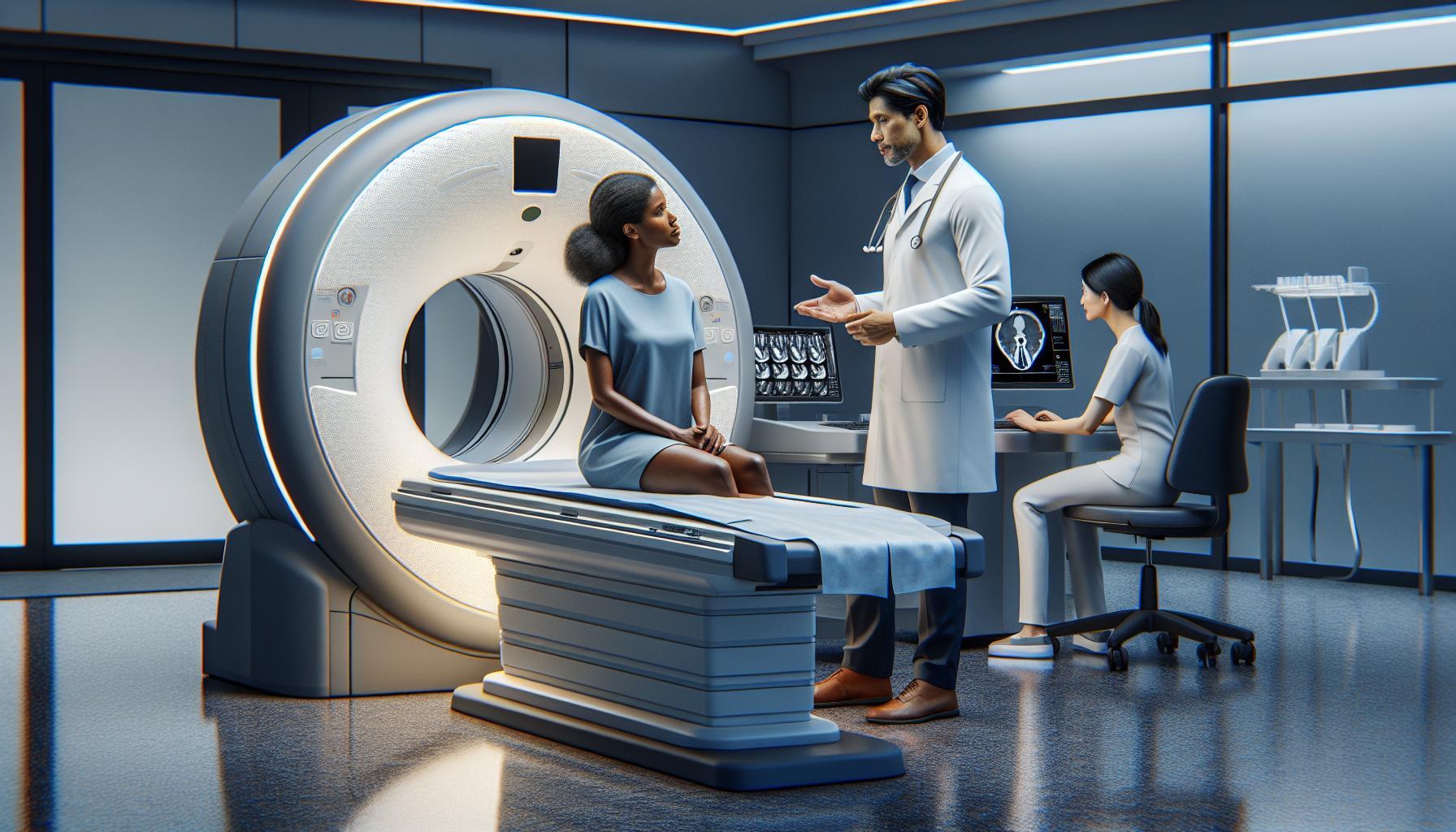
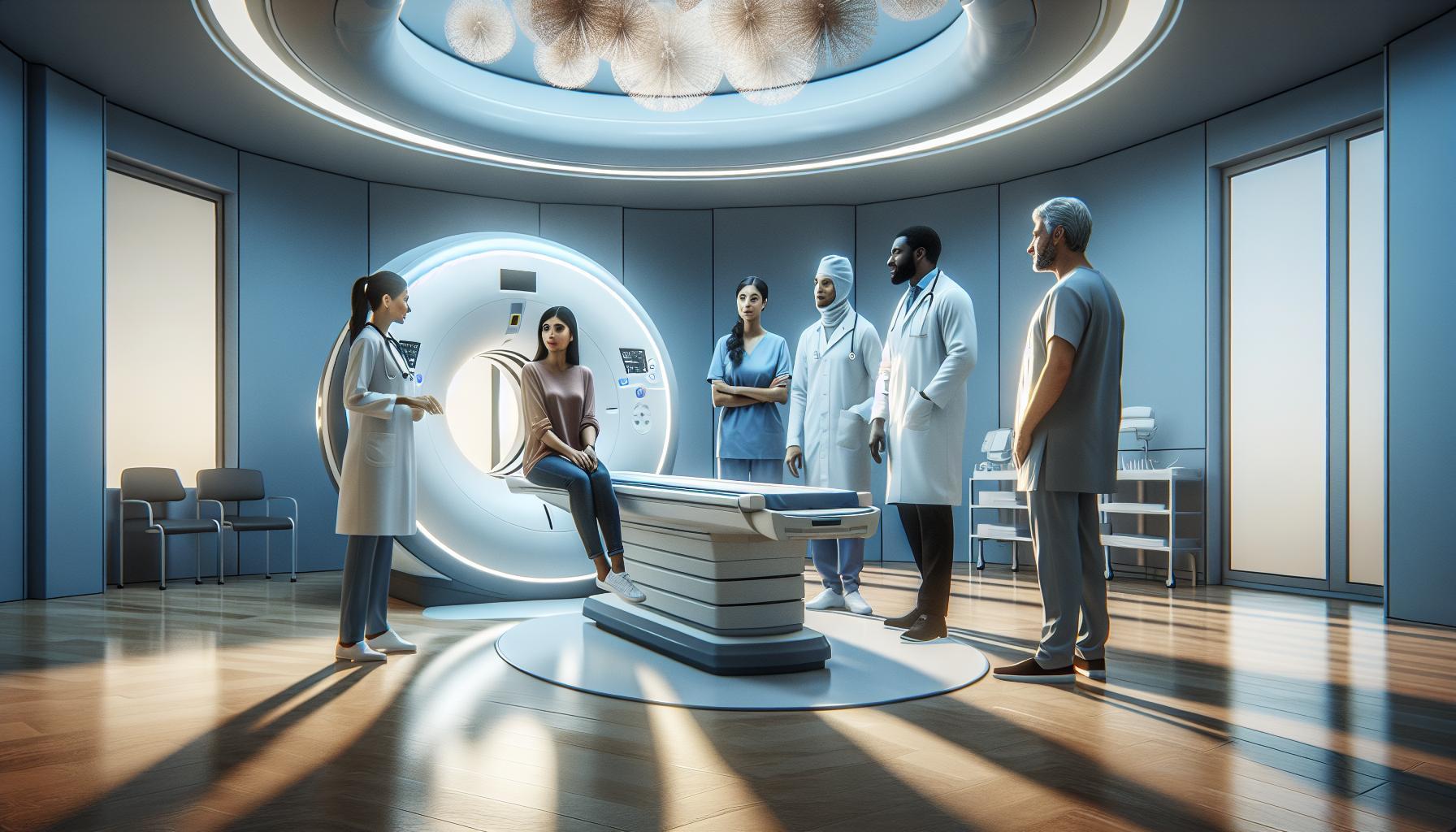
Undergoing a CT scan can be an anxiety-provoking experience for many patients, but knowing what to expect can help ease your concerns. Before the scan, you will typically be asked to change into a hospital gown and remove any jewelry or items that could interfere with imaging. This ensures maximum clarity in the images captured during the procedure. The process will begin with a technician explaining the procedure in detail, allowing you to ask any questions at that time.
Once you’re prepared, you’ll lie down on a narrow table that slides into a large, donut-shaped machine called a CT scanner. It’s essential to remain still during the scan to capture the clearest images possible. As the machine begins to whir and moves gradually, you may hear soft noises; these are normal and indicate the machine is working to create detailed images of your body. Depending on the specific area being scanned, you may be asked to hold your breath momentarily.
If your scan requires contrast material, you might receive it through an intravenous line or as a drink-this helps highlight specific areas of the body. It’s normal to feel a warm sensation or a metallic taste in your mouth when the contrast is administered. Throughout the process, the technician will monitor you from another room but will be in constant communication through an intercom, ensuring you feel supported and informed.
After the scan, you can typically resume your normal activities unless advised otherwise by your healthcare provider. The images will be reviewed by a radiologist, and your doctor will discuss the results with you at a follow-up appointment. Remember, being informed and communicating openly with your healthcare provider can significantly enhance your comfort during this medical experience.
Common Myths About CT Scans and Food Intake
Many misconceptions surround the guidelines regarding food and drink intake before undergoing a CT scan. One prevalent myth is that caffeine consumption has no effect on the imaging results, leading many patients to confidently enjoy their morning coffee before an appointment. However, it’s crucial to understand that caffeine can impact certain diagnostic evaluations, especially when contrast materials are involved. For example, caffeine may influence the heart rate or alter the results in scans focused on the abdomen or pelvis, where precise imaging is critical.
Another common belief is that fasting requirements are exaggerated. Some patients think a light snack or a small beverage won’t cause an issue. In reality, medical professionals typically recommend fasting for a specific period before a CT scan, particularly if contrast will be used. This ensures that the stomach is empty and that any imaging is as clear as possible. Deviating from these guidelines, even with seemingly slight indulgences, could lead to the need for repeat imaging or inconclusive results, potentially delaying diagnosis or treatment.
It’s also important to address the myth that you can resume normal eating and drinking patterns immediately after a CT scan. While some patients may feel fine, the administration of contrast materials can require a few hours of observation. This leads to uncertainty about whether you can safely consume certain foods or beverages, including coffee. Consulting with your healthcare provider for tailored advice on when to resume normal dietary habits is always best, ensuring your comfort and safety post-scan.
As you prepare for a CT scan, equipping yourself with accurate knowledge will help alleviate anxiety and ensure optimal results. Always remember, the most reliable source of information regarding medical preparation is your healthcare provider, who can give you personalized guidance tailored to your health needs.
Dealing with Anxiety: Tips for Your CT Scan Day
Feeling anxious before a CT scan is entirely normal-it’s a common experience for many individuals facing medical imaging. Understandably, concerns about the procedure, preparation guidelines, and even what to expect afterward can weigh heavily on your mind. To empower you during this time, here are some practical tips designed to ease your anxiety and help you plan effectively for a stress-free CT scan day.
One beneficial way to manage anxiety is to prepare yourself with knowledge about what the scan entails. Familiarize yourself with the CT scan process, including the procedure’s duration, how the machinery works, and the purpose of the imaging. Most scans are quick, often lasting only 10 to 30 minutes, and knowing the timeline can help mitigate your worries. Additionally, if you have questions or concerns about the use of contrast materials or fasting protocols, reach out to your healthcare provider ahead of time. They can clarify any uncertainties, ensuring you feel supported and informed.
Engaging in relaxation techniques can significantly help manage pre-scan jitters. Consider deep breathing exercises or guided imagery, where you visualize a calming and safe space. You might also find comfort in bringing along a support person to the appointment. Sharing your experience with a friend or family member can create a sense of security. If hospital surroundings feel overwhelming, listening to soothing music through headphones while waiting can provide a welcome distraction.
Finally, it’s important to remember that you’re not alone in feeling this way. Healthcare professionals are accustomed to dealing with anxious patients and are there to help you through the process. Don’t hesitate to express your concerns to them, as they can offer reassurance or additional support tools. Ultimately, addressing your anxiety before a CT scan involves a combination of information, supportive practices, and open communication with your medical team-steps that collectively foster a more calming and positive experience.
How to Communicate with Your Healthcare Provider
When facing a CT scan, it’s essential to foster open communication with your healthcare provider to address any concerns about preparation, particularly regarding caffeine consumption. Numerous patients find themselves uncertain about drinking coffee before their scan, as the effects of caffeine can vary significantly based on individual health statuses and the type of scan being performed. To navigate these uncertainties, it’s crucial to approach discussions with your healthcare provider armed with specific questions and an understanding of your personal health situation.
Begin by sharing any medical conditions you may have that could influence your caffeine tolerance. Conditions like anxiety disorders or heart issues may require adjustments to your typical caffeine intake. Don’t hesitate to ask your provider directly if coffee or other caffeinated beverages could interfere with the accuracy of the imaging results. Phrasing questions like, “Is it okay for me to drink coffee before my CT scan?” or “Can you explain how caffeine might affect the scan results specific to my situation?” opens the floor for detailed responses tailored to your needs.
Inquire also about the specific preparations required before your scan. For instance, your provider may highlight a fasting protocol or suggest alternatives to caffeine that can help ease your pre-scan anxiety without compromising the quality of the imaging. It’s essential to clarify the timing-when you should stop consuming food or beverages, including coffee, and if any other specific preparations are necessary. This not only helps you feel more prepared but also allows for a smoother scanning process.
Open dialogue with your healthcare provider promotes not only clarity about your CT scan preparation but also builds a trusting relationship. Remember, your provider is there to assist you, so expressing any apprehensions or seeking detailed explanations is not only encouraged but beneficial. Engaging in this way ensures you receive personalized advice that supports your health and peace of mind.
Post-Scan: What You Can Eat and Drink After
After undergoing a CT scan, many patients wonder what they can safely eat and drink to ease back into their regular routine. Understanding the dietary options available to you post-scan is important for your comfort and recovery. Typically, once the scan is complete, you should be able to resume normal eating and drinking as soon as you’re feeling ready, especially if no contrast material was used during the procedure.
If you received a contrast agent, your healthcare provider may recommend drinking plenty of fluids, particularly water, to help flush it out of your system. This is especially true in the case of iodine-based contrast, which can remain in the body and may cause dehydration if not properly managed. Here are some practical suggestions for what to consume after your CT scan:
- Water: Staying hydrated is crucial. Aim for at least 8-10 glasses throughout the day unless otherwise directed.
- Light Meals: Start with light, easily digestible foods like toast, crackers, clear broths, or bland fruits such as bananas.
- Avoid Heavy Foods: It’s wise to steer clear of rich, greasy, or spicy foods for a few hours post-scan, as these might upset your stomach.
- Caffeine Considerations: If you typically consume caffeine, consult your healthcare provider on when it’s appropriate to reintroduce it. For some, it may help alleviate headaches or fatigue, while others may need to wait.
Following these guidelines can facilitate a smoother transition back to your normal diet. If you experience any discomfort, such as nausea or any unexpected side effects, it is important to reach out to your healthcare provider for advice tailored to your specific situation. Always prioritize your comfort and health, and remember that your provider is there to support you post-procedure.
Understanding CT Scan Costs and Insurance Coverage
When preparing for a CT scan, one of the considerations that often arises is the potential costs involved. The financial aspect of medical imaging can be a source of stress and confusion for many patients. Understanding what a CT scan entails and how insurance typically covers it can empower you to make informed decisions about your healthcare.
CT scan costs can vary significantly based on several factors, including the type of scan required, the facility where the scan is performed, and whether any contrast materials are used. On average, without insurance, a CT scan might range anywhere from $300 to over $3,000. However, many insurance plans partially or fully cover the costs, especially if the scan is deemed medically necessary by your healthcare provider. It’s beneficial to check with your insurance company to understand your specific benefits and any potential out-of-pocket costs before proceeding.
How to Navigate Costs and Insurance
To help ensure you are prepared and informed, consider the following steps:
- Verify Coverage: Contact your insurance provider to confirm that the CT scan is covered under your plan and to understand any co-payments or deductibles that might apply.
- Request an Estimate: Many imaging centers can provide a cost estimate upfront. Don’t hesitate to ask for a written estimate detailing all possible charges.
- Look for In-Network Facilities: Receiving your scan at an in-network facility usually results in lower costs compared to out-of-network providers.
- Discuss Financial Assistance Options: If cost is a concern, inquire about payment plans or financial assistance programs offered by the facility.
Addressing financial concerns prior to undergoing a CT scan can alleviate stress and allow you to focus on your health. Always consult your healthcare provider to ensure the procedure is necessary, and feel free to advocate for yourself regarding insurance and cost questions. Remember, being informed is an essential part of your healthcare journey.
Faq
Q: Can I drink coffee if my CT scan requires fasting?
A: No, if your CT scan requires fasting, you should avoid coffee as it may disrupt the fasting process. Fasting usually restricts any food or drink, including coffee, to ensure clear imaging results. Always follow your healthcare provider’s specific instructions regarding fasting.
Q: What beverages can I consume before a CT scan?
A: Before a CT scan, it’s often recommended to stick to water unless otherwise directed by your healthcare provider. Clear fluids may be allowed, but avoid any beverages with caffeine or high sugar content, as these can interfere with results. Check the preparation guidelines for your specific scan.
Q: How does caffeine affect CT scan results?
A: Caffeine can potentially affect scan results by causing changes in your body’s hydration levels and affecting the way certain tissues appear on imaging. To ensure accurate results, it’s typically advised to avoid caffeine before a CT scan, based on your doctor’s recommendations.
Q: Is it okay to drink decaffeinated coffee before a CT scan?
A: While decaffeinated coffee has less caffeine, it may still contain substances that could affect imaging. It’s best to avoid all coffee types before your CT scan and stick to water or clear fluids unless your healthcare provider gives you specific guidelines.
Q: How long should I fast before a CT scan?
A: Fasting requirements for a CT scan vary, but it generally ranges from 4 to 8 hours before the procedure. Always confirm with your healthcare provider for the exact timeframe to ensure optimal imaging results.
Q: Should I inform my doctor about my coffee consumption?
A: Yes, it’s crucial to inform your doctor about your coffee consumption and any other dietary habits prior to your CT scan. This allows them to give you tailored preparation instructions and assess how it could impact your results.
Q: What should I do if I accidentally drink coffee before my CT scan?
A: If you accidentally consume coffee before your CT scan, inform your healthcare provider immediately. They will advise whether to proceed with the scan or reschedule it to ensure accurate results.
Q: Can I eat or drink anything after my CT scan?
A: Yes, after your CT scan, you can typically resume your normal eating and drinking immediately, unless you received sedation or specific instructions from your healthcare provider. Check the post-scan guidelines for more detailed information.
In Retrospect
As you prepare for your CT scan, remember that understanding your dietary restrictions, including the specifics about coffee consumption, is vital for accurate results. If you still have questions about what to eat or drink before your appointment, don’t hesitate to consult your healthcare provider-they’re your best resource for personalized advice.
In the meantime, explore our detailed guides on medical imaging preparations and safety tips to empower yourself further. Check out our articles on “What to Expect During a CT Scan” and “Post-CT Scan Care: Essential Tips” for more comprehensive insights. If you found this guide helpful, consider subscribing to our newsletter for ongoing expert advice and updates. Your health matters, and being well-informed is the first step in your care journey!