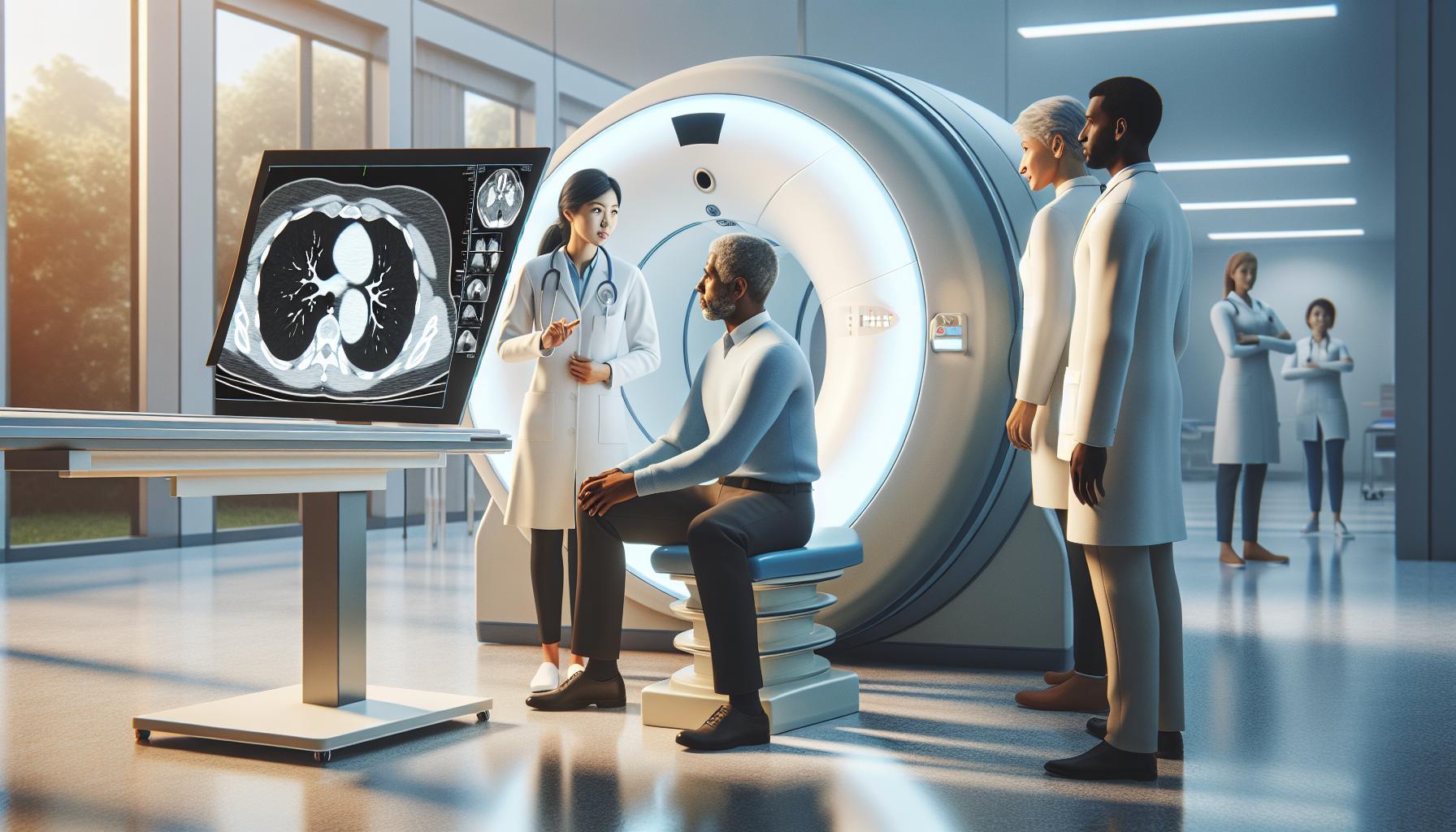
Lung nodules can be a source of anxiety for many, particularly when it comes to understanding their nature and potential health implications. In the realm of medical imaging, the comparison between PET/CT and PET scans is crucial for accurate diagnosis and treatment planning. While both imaging techniques offer valuable insights, the question remains: Is PET/CT more accurate than PET alone for assessing lung nodules?
By blending the functional imaging of PET with the anatomical detail of CT, PET/CT holds the promise of enhanced accuracy in identifying whether a lung nodule is benign or malignant, which is vital for effective management. Understanding these differences can empower you to navigate your healthcare decisions more confidently and alleviate concerns surrounding lung health. Continue reading to explore how these imaging modalities work together and what they mean for you and your well-being.
Understanding PET and PET/CT Imaging Techniques
PET and PET/CT imaging techniques have become crucial tools in the early detection and diagnosis of lung nodules. Positron Emission Tomography (PET) provides insights into metabolic activity by using a radioactive tracer, which highlights areas of increased cellular activity often associated with tumors. However, PET alone may sometimes fall short in spatial resolution, leading to challenges in accurately locating and characterizing lung nodules.
When PET is combined with Computed Tomography (CT), the result is a PET/CT scan, which aligns metabolic data from the PET scan with detailed anatomical images from the CT scan. This dual imaging technique significantly enhances accuracy, allowing healthcare providers to differentiate between benign and malignant nodules more effectively. The hybrid approach improves lesion localization and quantifies metabolic activity, ultimately assisting in more informed clinical decisions.
The preparation for a PET or PET/CT scan is relatively straightforward but essential for achieving optimal results. Patients are typically advised to fast for a few hours before the test to reduce background interference from normal biological processes. This ensures that the radioactive tracer is absorbed primarily by the tissues of interest, resulting in clearer images. Understanding these imaging modalities is vital, as it empowers patients to engage in discussions with their healthcare providers, ensuring they feel informed and supported throughout their diagnostic journey.
How Lung Nodules are Detected and Analyzed
Lung nodules are small growths in the lungs that can often raise concern. Understanding how these nodules are detected and analyzed is crucial for early diagnosis and treatment. The process typically begins with imaging tests, where advanced techniques like Positron Emission Tomography (PET) and Computed Tomography (CT) play essential roles. PET imaging is particularly valuable because it reveals metabolic activity within the lungs, using a radioactive tracer that highlights areas where glucose metabolism is heightened, often indicative of cancerous cells.
When a lung nodule is identified, the healthcare team typically assesses its characteristics, including size, shape, and location, through imaging studies. If a nodule appears suspicious based on these factors, further analysis is warranted. In this context, utilizing PET in conjunction with CT can provide a more comprehensive view. The enhanced detail from the CT aspect allows for precise anatomical localization, while the PET component offers insights into the metabolic behavior of the nodule. Together, they significantly improve the ability to distinguish between benign and malignant nodules.
Following the initial detection, doctors may classify lung nodules using several criteria, including their size and growth rate, which can be monitored over time with follow-up imaging. Regular monitoring is vital since some nodules may simply be benign scars or infections rather than aggressive tumors. Additionally, biopsy procedures may be considered if imaging findings suggest malignancy.
Patients experiencing anxiety about their lung nodules can take comfort in knowing that a combination of advanced imaging techniques and careful monitoring strategies exists to accurately assess their condition. Engaging in open discussions with healthcare professionals about imaging results and next steps can empower patients and clarify any uncertainties regarding their health.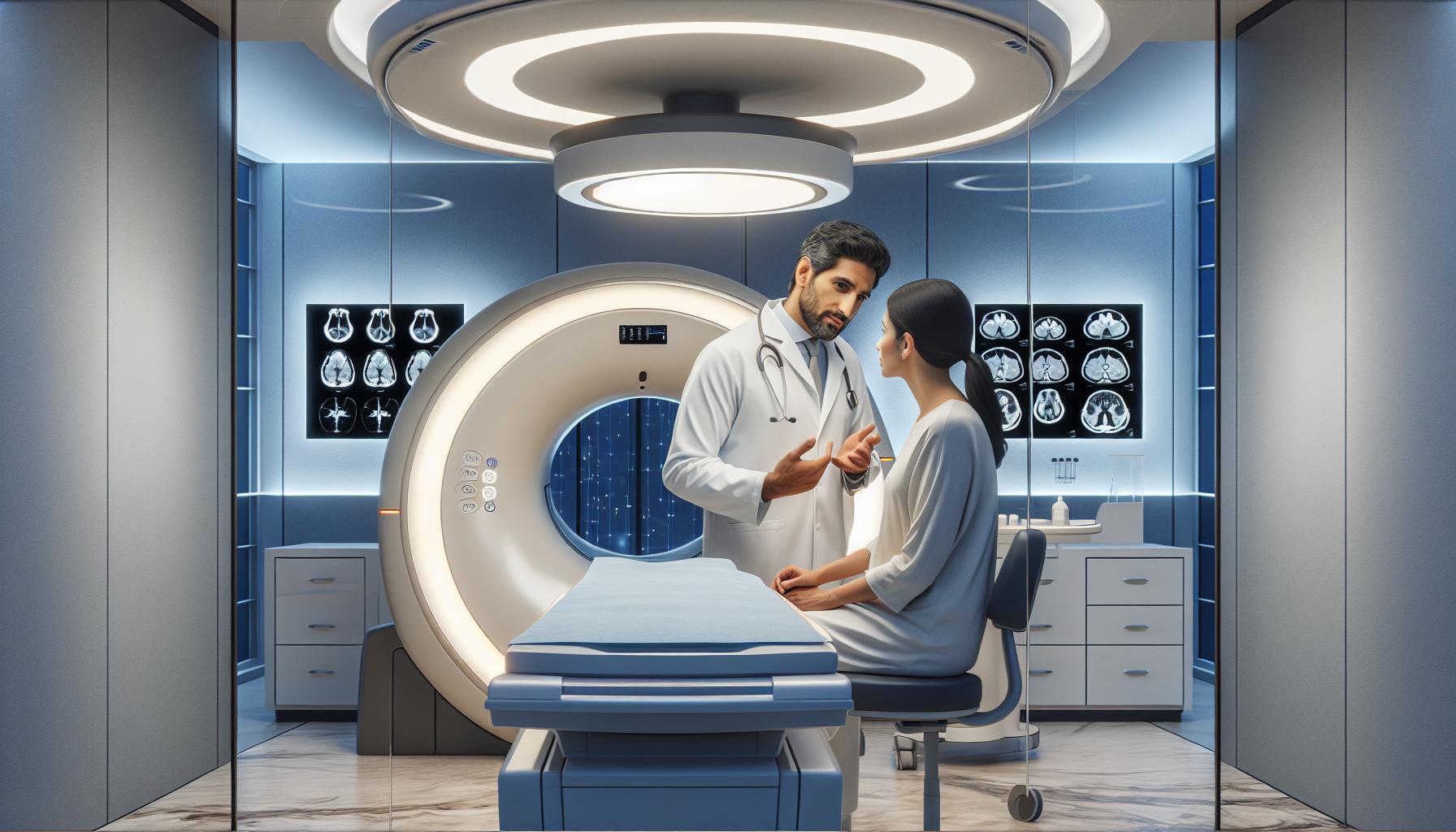
The Advantages of Combining PET with CT
When it comes to diagnosing lung nodules, harnessing the strengths of both Positron Emission Tomography (PET) and Computed Tomography (CT) provides a powerful tool for healthcare professionals. The integration of these two imaging modalities not only enhances the accuracy of diagnoses but also supports more tailored treatment plans for patients. PET is exceptional for illuminating metabolic activity within tissues-often revealing abnormalities that suggest malignancy-while CT excels at producing detailed anatomical images. This collaboration creates a multidimensional understanding of lung nodules that is invaluable in clinical practice.
One of the standout advantages of combining PET with CT is the improved specificity and sensitivity in identifying malignant versus benign nodules. For instance, while a nodule that appears benign in size might still show signs of increased metabolic activity on a PET scan, the CT component can present exact detailed images of the nodule’s characteristics, such as its shape and edges. This synergy allows radiologists to make more informed decisions, reducing the likelihood of unnecessary biopsies and providing patients with more accurate prognoses.
Moreover, this combination aids in staging lung cancers more accurately. Understanding how far a cancer has spread can significantly impact treatment decisions and potential outcomes. When PET scans indicate higher glucose metabolism in nearby lymph nodes, complemented by CT imaging revealing their size and location, oncologists can develop a more effective treatment strategy tailored to the patient’s specific state.
For patients preparing for these scans, knowing that their healthcare team will utilize the combined data from both imaging tests can alleviate some of the anxiety surrounding uncertain diagnoses. This informed approach reinforces the importance of engaging in open conversations with healthcare providers; they can explain not only the results of the scans but also the next steps in the diagnostic journey. Together, PET and CT represent a holistic approach that empowers patients through a clearer understanding of their health status.
Comparative Accuracy: PET vs. PET/CT
Assessing the accuracy of lung imaging can often feel daunting, especially when faced with potential lung nodules that require close examination. Positron Emission Tomography (PET) alone can provide crucial insights into metabolic activity, but its effectiveness can be notably enhanced when combined with Computed Tomography (CT). This fusion of imaging techniques not only improves diagnostic capability but also guides treatment options more effectively.
One of the primary advantages of PET/CT over standalone PET lies in its superior ability to precisely characterize lung nodules. While PET scans identify areas of increased metabolic activity, they can sometimes be ambiguous regarding the underlying processes-benign conditions can mimic the metabolic patterns of malignancy. In contrast, CT scans offer high-resolution images that illustrate the detailed anatomy of lung nodules, allowing for better assessment of their size, shape, and density. This dual perspective significantly elevates the accuracy rates when distinguishing between benign and malignant nodules, thereby affecting patient management.
Moreover, studies have shown that the combination of PET with CT results in an increased diagnostic performance, with sensitivity and specificity rates reaching new heights. For instance, a nodule that appears to be of a certain type on a PET scan may not raise alarms, but the CT findings might reveal critical characteristics that prompt further evaluation or intervention. This integrative approach not only enhances the accuracy of detecting lung cancer but also plays a vital role in staging the disease, thus ensuring that patients receive the most appropriate and tailored treatment plans.
As patients prepare for these scans, understanding the comparative advantages of PET/CT can reduce anxiety and enhance confidence in the diagnostic process. It is essential for individuals undergoing assessment to engage in open communication with their healthcare providers regarding the results and implications of their scans. Through the integration of these advanced imaging modalities, patients are granted a clearer and more actionable understanding of their health, empowering them on their journey to well-being.
Factors Influencing Accuracy of Imaging Modalities
Factors such as patient preparation, technical specifications of the imaging equipment, and physician expertise can significantly impact the accuracy of PET and PET/CT imaging modalities. Understanding these factors can provide reassurance and help patients feel more in control when facing diagnostic procedures for lung nodules.
One of the foremost considerations influencing imaging accuracy is proper patient preparation. For optimal results, patients may need to adhere to specific dietary restrictions leading up to the scan. For example, avoiding carbohydrates can enhance the uptake of the radioactive tracer used in PET scans, resulting in clearer images. Staying well-hydrated can also aid in the imaging process. Failure to follow preparation guidelines may lead to false readings, creating unnecessary worry about detected nodules.
Technical Factors
The capabilities of the imaging technology itself play a critical role in how accurately lung nodules are detected and analyzed. High-resolution equipment can provide more detailed images, enhancing the ability to differentiate between benign and malignant nodules. Additionally, advancements in imaging software and processing techniques can improve the interpretation of the scan results, allowing radiologists to identify subtle changes in nodular characteristics that may indicate a diagnosis of lung cancer.
Another essential factor is the experience and expertise of the interpreting radiologist. Differentiating between similar imaging presentations requires a skilled eye, and a radiologist’s familiarity with PET/CT imaging specifics can make a substantial difference in diagnosis. Their understanding of underlying biological principles, as well as awareness of the patient’s clinical history, empowers them to provide more accurate interpretations and guiding treatment plans.
In summary, while PET/CT imaging is a powerful diagnostic tool, its efficacy is influenced by multiple factors, from how well patients prepare for the scan to the proficiency of the medical professionals involved. Engaging in open discussions with healthcare providers about these aspects can alleviate concerns and foster better patient outcomes. As you approach your imaging appointment, remember that knowledge and preparation are your best allies in navigating this diagnostic process.
Understanding Sensitivity and Specificity in Imaging
Understanding how medical imaging techniques work can significantly impact the anxiety many feel when facing possible lung issues. Sensitivity and specificity are two essential metrics that help gauge the effectiveness of imaging modalities like PET and PET/CT in detecting lung nodules. Sensitivity refers to the test’s ability to correctly identify those with the disease (true positive rate), while specificity relates to correctly identifying those without the disease (true negative rate). Both factors are crucial in determining if a particular imaging technique is suitable for recognizing and diagnosing lung nodules.
For instance, a high sensitivity in a PET scan means that it can effectively detect most lung nodules, important in early cancer detection where timely treatment could be life-saving. However, greater sensitivity may come with lowered specificity, leading to situations where benign nodules are wrongly identified as malignancies, which can cause unnecessary stress for patients. In contrast, PET/CT imaging combines the metabolic insights of PET with the anatomical details from CT, often yielding improved sensitivity and specificity. This synergy allows radiologists to better differentiate between benign and malignant nodules, thereby enhancing diagnostic confidence.
It’s essential to recognize that these metrics can vary based on several factors, including the type and size of the nodules, the patient’s overall health, and even the specific imaging technology employed. Ensuring accurate readings is not solely reliant on the imaging statistics but also involves meticulous patient preparation, maintaining proper hydration, and following dietary guidelines. Engaging openly with healthcare providers can also empower patients with knowledge about what to expect and how best to prepare for these imaging tests, thereby alleviating concerns and fostering more straightforward discussions about results and next steps.
By understanding sensitivity and specificity, patients can appreciate how these concepts underpin the diagnostic process. This knowledge not only prepares them for what lies ahead in their journey but also helps in navigating the emotional landscape that accompanies medical testing.
The Role of Radiologists in Image Interpretation
In the realm of medical imaging, the expertise of radiologists is paramount, especially when it comes to interpreting the results of sophisticated imaging techniques like PET and PET/CT scans. Radiologists are highly trained professionals who dedicate their careers to understanding the nuances of imaging data and translating that information into actionable clinical insights. Their role is crucial in determining whether lung nodules detected in scans are benign or malignant, which ultimately informs the care pathway for the patient.
When interpreting PET/CT images, radiologists first analyze the metabolic activity of nodules seen in the PET scan and then correlate that with the anatomical details provided by the CT scan. This combination significantly enhances the accuracy of diagnoses. For example, a radiologist might observe a nodule that appears metabolically active on the PET scan, but through the CT component, they can assess its size, shape, and the presence of any surrounding structures, allowing for more informed decisions regarding potential biopsies or further monitoring. This multifaceted approach reduces uncertainty, improving patient outcomes by ensuring that precise and timely interventions can be initiated.
Furthermore, communication is a critical part of a radiologist’s role. They often collaborate with oncologists, primary care doctors, and other specialists to discuss findings and develop comprehensive treatment plans. Keeping patients informed is just as crucial; radiologists ensure that both healthcare providers and patients understand the results and implications of the scans. This may include clearly explaining the next steps in management, addressing patients’ questions about their diagnosis, and alleviating concerns about potential outcomes.
In summary, the interpretation of imaging studies is not a solitary task-it requires a multidisciplinary approach where radiologists serve as key interpreters and communicators of complex information. Patients can find comfort in knowing that their radiologist is not just a viewer of images, but an integral part of their healthcare team, committed to providing clarity and support through informed diagnostic procedures. Engaging with healthcare professionals, asking questions, and discussing those results can empower patients to take an active role in their health journey, significantly reducing anxiety about the diagnostic process.
Patient Experiences: Preparing for PET/CT Scans
Preparing for a PET/CT scan can feel daunting, but understanding the steps involved and what to expect can significantly ease any apprehensions. These advanced imaging techniques are crucial for accurately detecting lung nodules, and being well-prepared enhances the quality of the results. Before your appointment, your healthcare team will provide you with specific instructions tailored to your situation, but there are general guidelines that can help you get ready.
Prior to the Scan
To ensure the best possible imaging results, you might be advised to fast for several hours before the test-typically at least six hours. This helps enhance the visibility of the imaging, as certain foods and sugars can affect how your body takes up the radioactive glucose used in a PET scan. Additionally, it’s vital to stay hydrated; just remember to avoid any foods or drinks, especially those containing caffeine, right before the scan. Medication should be taken as directed by your healthcare provider, so check with them if you have any concerns regarding your prescriptions.
The Day of the Scan
Arriving early can help alleviate stress. When you arrive at the imaging center, you’ll check in and complete any necessary paperwork. Next, you’ll receive an injection of a radiotracer, typically a form of glucose labeled with a radioactive substance, known as 18F-FDG. After the injection, a waiting period usually follows-often about 30 to 60 minutes-during which the tracer will circulate in your body. During this time, it is essential to remain still and avoid any physical activity to allow for optimal absorption of the tracers into areas of metabolic activity, which is particularly important when evaluating lung nodules.
Once you enter the scanning room, you’ll lie down on a padded table that will move through the PET/CT scanner. It’s common to feel some anxiety about the confined space; however, the technicians will be present and will guide you through every step, ensuring you’re comfortable. Throughout the procedure, you’ll need to hold very still so the images produced are clear and accurate. The entire process usually takes about 30 minutes to an hour.
After the Scan
Post-procedure, there are generally no restrictions on your activities, but you may be advised to drink plenty of water to help flush the radioactive material from your body. Your healthcare provider will discuss the results with you at a follow-up appointment, providing clear explanations and next steps based on the findings. Keep in mind that while waiting for results can be anxiety-inducing, staying engaged with your healthcare team and asking questions can help alleviate concerns.
By arming yourself with knowledge and staying connected with your medical professionals, you can navigate the preparations and procedures with confidence, ensuring the best possible outcomes in the assessment of lung nodules through advanced imaging techniques.
Potential Risks and Safety of PET/CT Procedures
Undergoing a PET/CT scan can feel daunting, but understanding the potential risks and safety measures associated with this advanced imaging technique can help alleviate concerns. While PET/CT scans are generally safe and serve as powerful diagnostic tools, it is crucial to be aware of both the risks and the precautions in place to protect patients.
One of the primary considerations is the exposure to radiation. PET/CT scans do involve radiation, as they combine the two imaging techniques to provide detailed images of the body. The amount of radiation from a single PET/CT scan is generally comparable to the amount received from several years of natural background radiation, but it’s essential to discuss any concerns about radiation exposure with your healthcare provider, particularly if you are pregnant, breastfeeding, or have a history of sensitivity to radiation.
In rare cases, patients may experience an allergic reaction to the radiotracer (typically 18F-FDG) used during the procedure. Symptoms may include hives, difficulty breathing, or swelling. If you have a known allergy to any contrast agents or radiopharmaceuticals, inform your healthcare team before the procedure, as they may take additional precautions or choose alternative imaging methods.
Moreover, while discomfort is minimal, some individuals may feel anxious about the confined space of the imaging machine. It is helpful to communicate any feelings of claustrophobia to the technician beforehand; they can provide guidance, support, and techniques to help manage anxiety during the scan. Remember that the procedure typically lasts only about 30 minutes to an hour, and you can often listen to music or bring distractions to ease your mind.
In conclusion, while PET/CT scans carry certain risks, healthcare providers are equipped to ensure patient safety through various protocols and measures. By staying informed and proactively communicating with your medical team, you can feel more at ease and empowered throughout the process, ensuring that you receive the valuable diagnostic information necessary for your health.
What to Expect: Results and Next Steps
After undergoing a PET/CT scan, many patients find themselves eager yet anxious about the results. Understanding the timeline and process of how results will be communicated can help alleviate some of that tension. Typically, the radiologist will interpret the images within a few days after the scan, compiling a detailed report that will be sent to your referring healthcare provider. This provider, who is familiar with your medical history and current condition, will then review the findings with you in a follow-up appointment or through other communication methods.
It’s essential to remember that the results of a PET/CT scan can provide critical insights into the presence and characteristics of lung nodules. In many cases, a clear identification of whether a nodule is benign or malignant can be achieved more effectively with PET/CT than with PET alone, thanks to the additional anatomical detail provided by the CT component. This may influence the next steps in diagnosis or treatment, such as further imaging, biopsy procedures, or a watchful waiting approach depending on the results.
- Ask Questions: Don’t hesitate to ask your healthcare provider to clarify any terms or results you don’t understand. It’s important that you feel informed and confident moving forward.
- Next Steps: Be proactive in discussing what the next steps in your care will be. This may involve scheduling additional tests, meeting with a specialist, or setting up a follow-up to monitor the nodules over time.
- Emotional Support: Consider reaching out for emotional support if the results are concerning. Support groups or mental health professionals can offer valuable resources as you navigate this process.
In the days following your scan, maintain communication with your healthcare provider’s office regarding your results. If you have not received your report after a week or so, it’s reasonable to call and inquire. Being informed and engaged in your healthcare journey can help empower you and ease any anxiety you may experience as you await important diagnostic information.
Insurance Coverage and Cost Considerations
Understanding the financial implications of a PET/CT scan can provide peace of mind as you prepare for this important procedure. Many patients worry about the costs associated with imaging studies, especially regarding whether their insurance will cover the expenses related to diagnosis and treatment. In general, most health insurance plans do cover PET/CT scans when deemed medically necessary. It’s crucial, however, to confirm with your specific insurance provider, as coverage can vary significantly based on individual policies and the specific indications for the scan.
Before scheduling your PET/CT scan, take the time to contact your insurance company to inquire about coverage specifics. Questions to ask might include:
- Is pre-authorization required? Some insurance plans mandate prior approval before covering a PET/CT scan.
- What portion of the cost will I be responsible for? Understanding your deductible and co-pay amounts can help you plan financially.
- Are there any particular facilities that are in-network? Using a facility within your insurance network can help minimize out-of-pocket costs.
It’s also essential to discuss costs and payment options with the imaging center where you will undergo the procedure. Many facilities are willing to provide upfront pricing or offer payment plans for those who are uninsured or underinsured. Moreover, consider reaching out to the hospital’s financial assistance office if you’re concerned about costs, as they can help identify potential options based on your financial situation.
Ultimately, while cost considerations are important, the priority should always be on the quality of care you receive. Ensuring that you have adequate imaging for accurate diagnosis and treatment planning can lead to better health outcomes. So, take the time to understand your insurance coverage, discuss details with healthcare professionals, and prepare accordingly so you can approach your PET/CT scan with confidence.
Emerging Technologies in Lung Nodule Imaging
With ongoing advancements in medical imaging, the landscape of lung nodule detection and analysis is transforming rapidly. New technologies are being developed to enhance the precision and interpretability of scans, significantly impacting patient outcomes. For instance, researchers are exploring machine learning and artificial intelligence in imaging analysis, which can assist radiologists in identifying and characterizing lung nodules more accurately. These tools analyze large datasets of imaging studies to discern patterns that may not be visible to the human eye, thereby enhancing diagnostic accuracy and reducing variability in interpretation.
Innovative Imaging Techniques
Another exciting development is the advent of high-resolution imaging techniques such as digital PET and dual-energy CT. Digital PET offers improved detector technology that enhances spatial resolution and reduces noise, making it easier to visualize smaller nodules. Similarly, dual-energy CT uses two different X-ray energy levels to provide more detailed information about the composition of lung nodules, distinguishing between benign and malignant lesions more effectively than traditional methods.
Moreover, hybrid imaging technologies are gaining traction. Techniques such as PET/MRI are under investigation for lung imaging, combining the metabolic information provided by PET with the excellent soft tissue contrast of MRI. This approach has the potential to deliver more comprehensive insights into lung health, improving the diagnostic process for lung nodules further.
Real-World Applications and Future Directions
As these technologies move toward clinical application, the implications for patient care are profound. Not only do they promise to detect lung nodules more reliably, but they may also assist in the management of results – enabling more personalized treatment plans based on precise imaging data. Patients can expect a more streamlined experience with quicker diagnostic turnaround times and potentially less invasive follow-up procedures.
In light of these advancements, engaging with healthcare providers about the latest imaging options is crucial. Ensuring that you understand the available technologies and their benefits can empower you as a patient. Discussing these emerging modalities during your consultations can open avenues for more targeted screenings, potentially leading to earlier intervention and improved outcomes. Always consult your healthcare professionals to explore which options are best suited for your individual health needs.
Q&A
Q: How does PET/CT improve the detection of lung nodules compared to PET alone?
A: PET/CT combines metabolic data from PET with anatomical information from CT, enhancing accuracy in identifying lung nodules. This dual approach facilitates precise localization and characterization of nodules, which can increase diagnostic confidence compared to using PET alone.
Q: What are the limitations of using PET for lung nodule diagnosis?
A: PET may have limitations in spatial resolution and can lead to false positives due to high metabolic activity in benign conditions. These challenges can complicate diagnosis without the anatomical context provided by CT, making PET/CT a preferable option.
Q: Are there specific types of lung nodules that PET/CT detects better than PET?
A: Yes, PET/CT is particularly effective for detecting small or irregularly shaped nodules that may be missed by PET. It offers better insight into nodule borders and relationships with surrounding tissues, aiding in differential diagnosis.
Q: What does the accuracy of PET/CT mean for lung cancer staging?
A: The accuracy of PET/CT significantly impacts lung cancer staging by providing a comprehensive view of tumor spread. It helps in assessing lymph node involvement and distant metastases, leading to more informed treatment plans.
Q: How does patient preparation differ for PET vs. PET/CT scans?
A: Preparation for both scans involves fasting for a few hours beforehand. However, PET/CT may require additional guidelines, such as hydration and avoiding certain medications, to ensure optimal imaging quality. Always consult with the healthcare provider for specific instructions.
Q: What role do radiologists play in interpreting PET/CT results for lung nodules?
A: Radiologists are critical in analyzing PET/CT results, integrating imaging data to assess lung nodules’ size, shape, and metabolic activity. Their expertise helps differentiate between benign and malignant conditions, guiding clinical decisions.
Q: Can PET/CT scans miss lung nodules that PET alone would detect?
A: While unlikely, PET/CT scans can miss small nodules that PET alone might detect due to factors like scan timing and patient movement. Nonetheless, the combined approach generally enhances detection capabilities and diagnostic accuracy.
Q: Why is sensitivity and specificity important in lung nodule imaging?
A: Sensitivity refers to the ability to correctly identify true positives, while specificity indicates the capability of a test to identify true negatives. High sensitivity and specificity in lung nodule imaging, especially with PET/CT, are crucial for effective diagnosis and treatment planning.
In Conclusion
As we’ve explored, PET/CT scans provide a comprehensive view of lung nodules, enhancing diagnostic accuracy through advanced imaging techniques. If you’re concerned about lung health, acting quickly can be crucial. Consider discussing your options with a healthcare professional to determine the best imaging strategy for your situation.
To learn more about medical imaging processes, check out our detailed guide on the differences between PET and CT scans, or explore patient preparation tips for imaging procedures. Don’t hesitate to subscribe to our newsletter for the latest insights and resources that empower your healthcare decisions. Remember, understanding your health is the first step towards peace of mind-so take action today!