As medical technology advances, concerns about cancer detection continue to rise, especially regarding the effectiveness of imaging techniques like CT scans. A CT scan can provide detailed images of the body’s internal structures, making it a valuable tool in identifying tumors and other abnormalities. Understanding how these scans work and their role in early detection may alleviate worries and empower you to take charge of your health.
If you’ve ever wondered whether a CT scan can reveal cancer, you’re not alone. Many patients feel anxious about the possibility of a serious diagnosis, yet knowledge can be an effective antidote to fear. This article will explore how CT scans function in detecting tumors, the types of imaging techniques available, and the relevance of timely detection in your healthcare journey. Stay with us as we demystify this essential imaging process and enhance your understanding of its capabilities and limitations.
Understanding CT Scans for Cancer Detection
Understanding the intricacies of CT scans reveals how they play a crucial role in detecting tumors and identifying cancerous growths. A CT scan, or computerized tomography scan, combines X-ray images taken from different angles and uses computer processing to create cross-sectional images of bones, blood vessels, and soft tissues inside the body. This advanced imaging technique allows for a detailed view of the internal structures, making it an essential tool in cancer detection and diagnosis.
CT scans are particularly useful for identifying various types of tumors due to their ability to produce high-resolution images. For example, they can effectively detect lung, liver, and pancreatic cancers, as well as certain types of lymphomas. When examining a suspected tumor, the scan helps healthcare professionals to ascertain its size, shape, and exact location, which are important factors in designing an appropriate treatment plan.
Before a CT scan, it is beneficial for patients to understand the preparation required. Hydration is key, as it helps with the imaging process. In certain cases, a contrast dye may be administered to enhance image clarity. Patients should inform their healthcare providers about any allergies, especially to iodine-based dyes, as precautions may be necessary.
The analysis of a CT scan result involves a careful review by radiologists, who describe findings and share impressions with the referring physician. This step is critical, as it determines the necessity for further tests or interventions. While CT scans are incredibly valuable, they do come with limitations, including exposure to radiation and the potential for false positives or negatives. Thus, discussions with healthcare providers about the significance of the findings in the context of individual health history are vital. Understanding these aspects empowers patients, helping them navigate their healthcare journey with confidence and informed decision-making.
How CT Scans Work in Tumor Identification
When it comes to detecting tumors, CT scans stand out for their ability to provide high-resolution images that reveal even the smallest abnormalities within the body. This advanced imaging technology utilizes X-ray equipment combined with computer processing to generate detailed cross-sectional images, allowing medical professionals to visualize internal organs, bones, blood vessels, and soft tissues with impressive clarity. As such, CT scans have become a critical tool in early cancer detection and ongoing monitoring of previously diagnosed tumors.
During the process, the CT scanner rotates around the patient, capturing images from multiple angles. These images are then analyzed using sophisticated software, creating slices of the area being examined. This capability means that a healthcare provider can distinctly identify not just the presence of a tumor, but also vital characteristics such as its size, shape, and proximity to nearby structures. For instance, lung tumors might be evaluated for their potential spread to lymph nodes or other organs, while abdominal scans could highlight masses in organs like the liver or pancreas.
In preparation for a CT scan focused on tumor identification, it is essential that patients follow specific guidelines to ensure optimal results. Staying well-hydrated can improve image quality, and in some instances, contrast material may be necessary to enhance visibility. This material is typically administered intravenously or orally, providing a more comprehensive view of the targeted area. Understanding the purpose of these preparations can help alleviate patient anxiety and promote cooperation during the procedure.
While CT scans are an invaluable asset in cancer detection and management, it’s also important to recognize their limitations. Factors such as radiation exposure and the possibility of incidental findings can pose challenges in diagnosis and lead to further testing. Therefore, open communication with healthcare providers about what the findings mean in the context of individual health history is essential, allowing for a well-rounded approach to diagnosis and treatment. By grasping how these scans function and the considerations surrounding them, patients can navigate their healthcare decisions with greater confidence and clarity.
Common Types of Tumors Visible on CT
The ability of CT scans to identify various tumor types across different organs is one of their most striking capabilities. Utilizing advanced imaging technology, these scans can reveal a range of tumors, from benign growths to malignant masses, providing critical information that aids in diagnosis and treatment planning.
Among the common tumors that can be detected via CT scans are lung tumors, which may present as solitary nodules or as part of a larger process such as lung cancer. CT imaging helps to assess their size, shape, and location, as well as any potential involvement of surrounding lymph nodes. Similarly, liver tumors, including hepatocellular carcinoma and metastatic cancer, can be effectively visualized with CT, allowing healthcare providers to evaluate the extent of disease and consider treatment options.
CT scans are also instrumental in identifying abdominal tumors, which may emanate from organs such as the pancreas, kidneys, or adrenal glands. For instance, pancreatic tumors often appear as irregular masses, prompting further investigation or intervention based on their characteristics. Additionally, in the context of colorectal cancer, CT scans can reveal significant details about the tumor’s size and any associated lymph node involvement, thereby guiding surgical decisions.
When it comes to brain tumors, CT imaging can rapidly visualize swelling or masses in the cerebral tissues, offering critical insights into the type and potential aggressiveness of the tumor. In pediatric cases, CT scans can help detect neuroblastoma or other childhood cancers early, which is essential for improving prognosis.
Understanding the types of tumors visible on CT scans empowers patients and their families, enabling them to engage in informed discussions with their healthcare providers. This knowledge fosters a greater sense of control and reassurance during the diagnostic process, a crucial element as patients navigate the complexities of cancer detection and management. Always consult with your healthcare team for personalized insights on your specific condition, as they can provide tailored information and support throughout your care journey.
Patient Preparation for a CT Scan
Preparing for a CT scan can feel daunting, especially when navigating the complexities surrounding cancer detection. However, understanding what to expect can empower patients and help alleviate anxiety. A CT scan, or computed tomography scan, is a crucial tool in identifying tumors due to its ability to provide detailed cross-sectional images of the body. Whether you’re having a routine scan or one requested for specific cancer examination, there are essential steps to consider for optimal results.
Before your appointment, it’s vital to communicate with your healthcare provider about any medications you are taking, allergies, and previous reactions to contrast materials, if applicable. You may be advised to refrain from eating or drinking for several hours before the scan, particularly if a contrast dye will be used. This pre-scan fasting helps to minimize potential complications and ensures that the images captured are as clear and informative as possible. Be sure to wear comfortable clothing, avoiding metal buttons or zippers, as these can interfere with image quality.
On the day of the scan, arrive early to complete any necessary paperwork and undergo a full pre-scan briefing. During this time, you will be asked to remove any jewelry or accessories that could obstruct the imaging process. If a contrast agent is used, it may be injected into a vein, which could cause a temporary sensation of warmth or a metallic taste in your mouth-this is completely normal.
While in the scanner, you’ll lie still as the machine takes images. It’s essential to remain calm and follow the technologist’s instructions, such as holding your breath at specific intervals to ensure the best possible images. Remember, you can always ask questions at any point during the process, and the staff is there to support you. This proactive preparation can make a significant difference, transforming potential apprehensions into a more straightforward, manageable experience. Always consult with your healthcare team for tailored advice based on your specific situation to ensure a seamless CT scan process.
What to Expect During a CT Scan
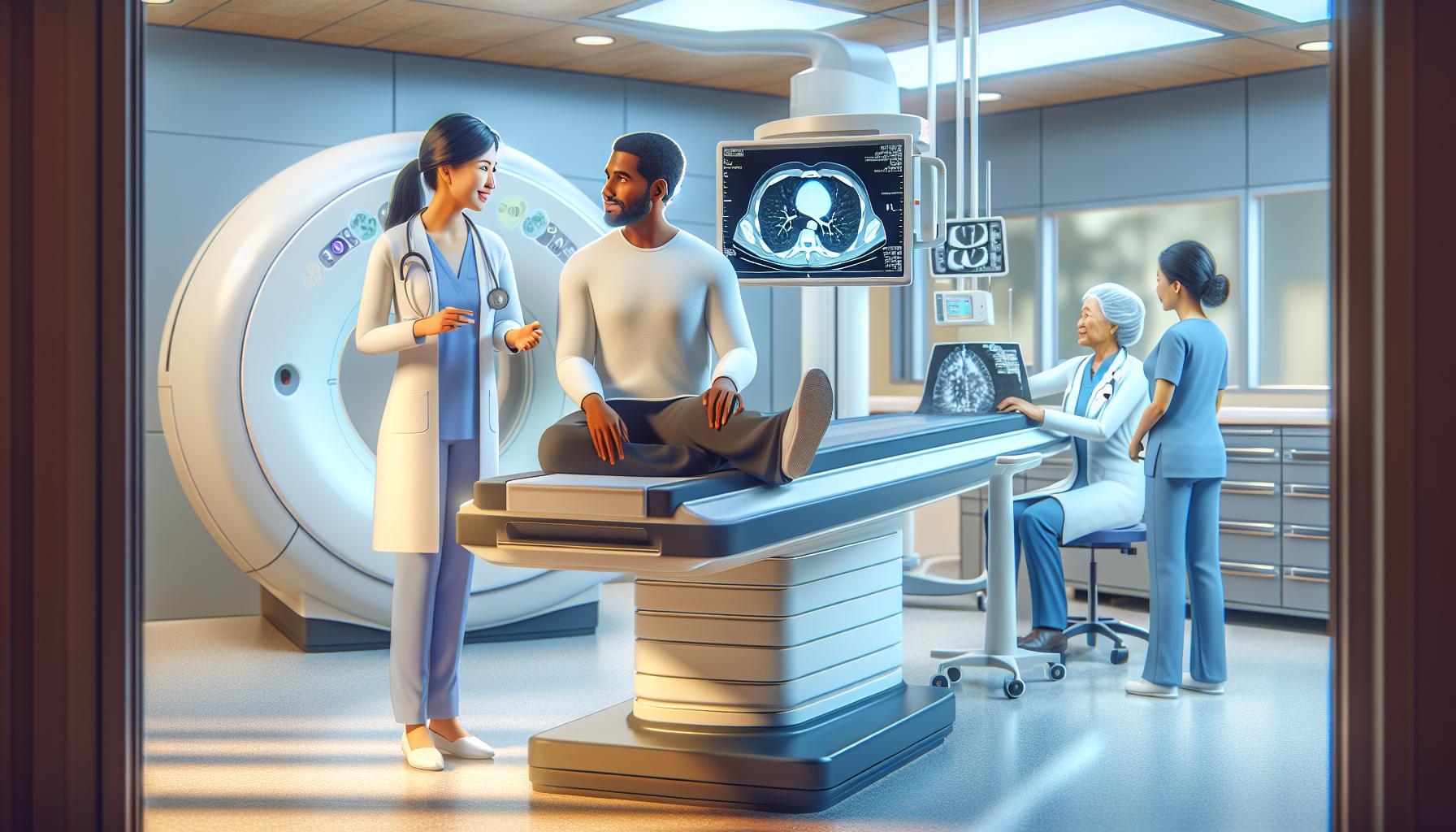
During a CT scan, patients can expect a process that is both straightforward and efficient, designed to yield detailed images that are critical for detecting tumors and other abnormalities. It often begins with a warm and welcoming environment where you can communicate any concerns you may have to the radiology staff. Their primary goal is to ensure that you feel comfortable and informed throughout the process.
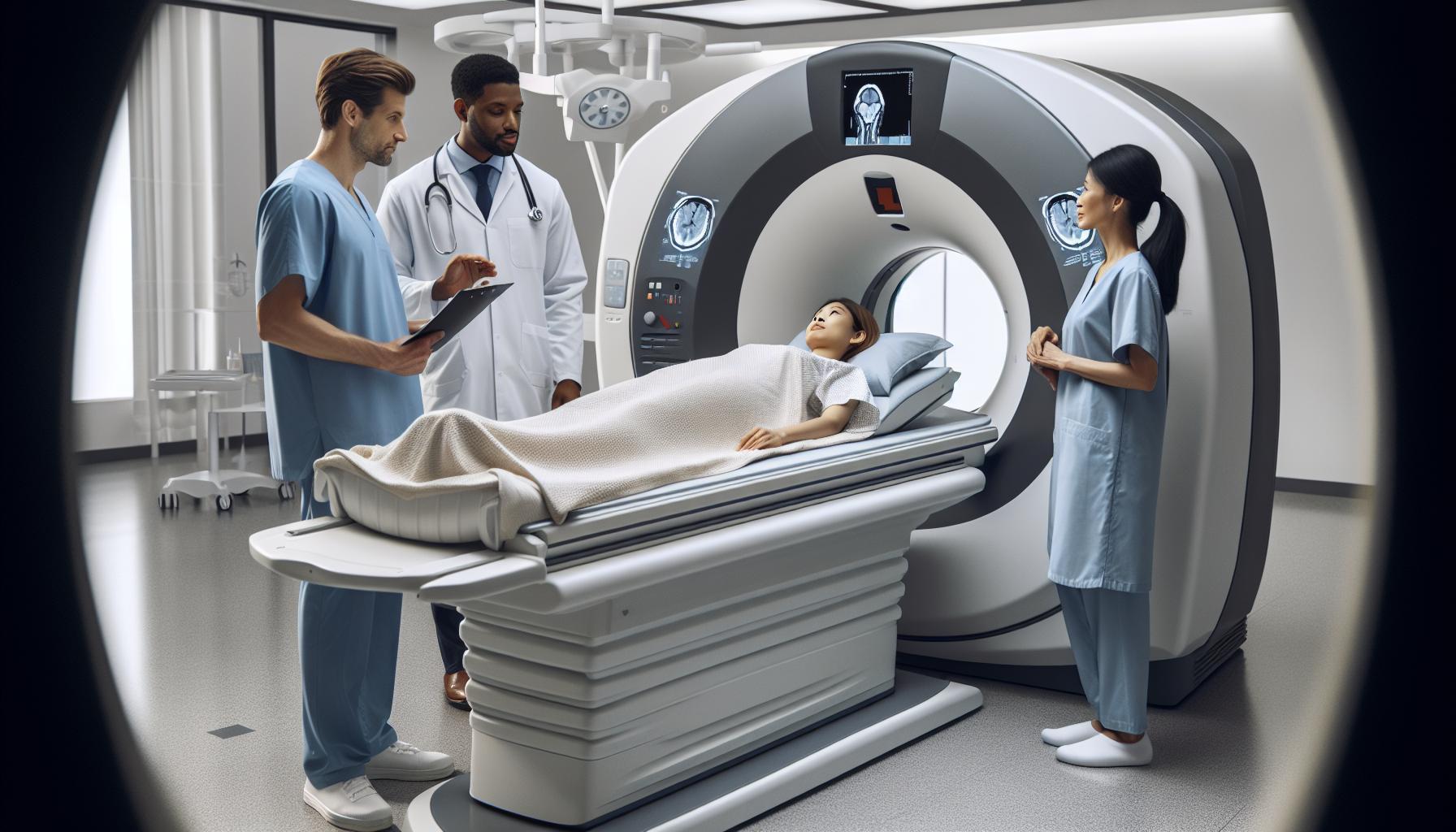
As you lie on the scanning table, the technologist will position you appropriately and provide simple instructions, which are crucial for obtaining clear images. During the scan, the machine rotates around you, capturing multiple images from different angles. This part of the procedure is generally quiet, with only the humming of the machine and occasional sounds as it processes your images. It’s important to stay still-much like taking a photograph-to prevent motion blur, which could compromise the clarity of the results. The entire procedure usually takes only a few minutes, though the exact duration may depend on the complexity of the scan.
A very common aspect of many CT scans involves the use of contrast material, which enhances the visibility of certain areas within the body. If contrast is used, it might be administered through an intravenous (IV) line, creating a temporary sensation of warmth or a metallic taste. These sensations can be surprising but are generally fleeting and normal. It’s essential to breathe normally, and if you’re instructed to hold your breath, it will be for only a short time.
Post-procedure, you may wait a little for the radiologist to review the images before you leave. This initial review helps ensure everything was captured properly. The actual reading of the scan and delivery of results will, however, typically occur later, as radiologists take the time to analyze the images thoroughly. Always remember that you can ask your healthcare provider for information about the process, expectations, and any particular concerns you have regarding the scan and its implications for your health. This proactive engagement can help demystify the process and reduce anxiety related to cancer detection and diagnosis.
Post-Scan Process: Analyzing Results
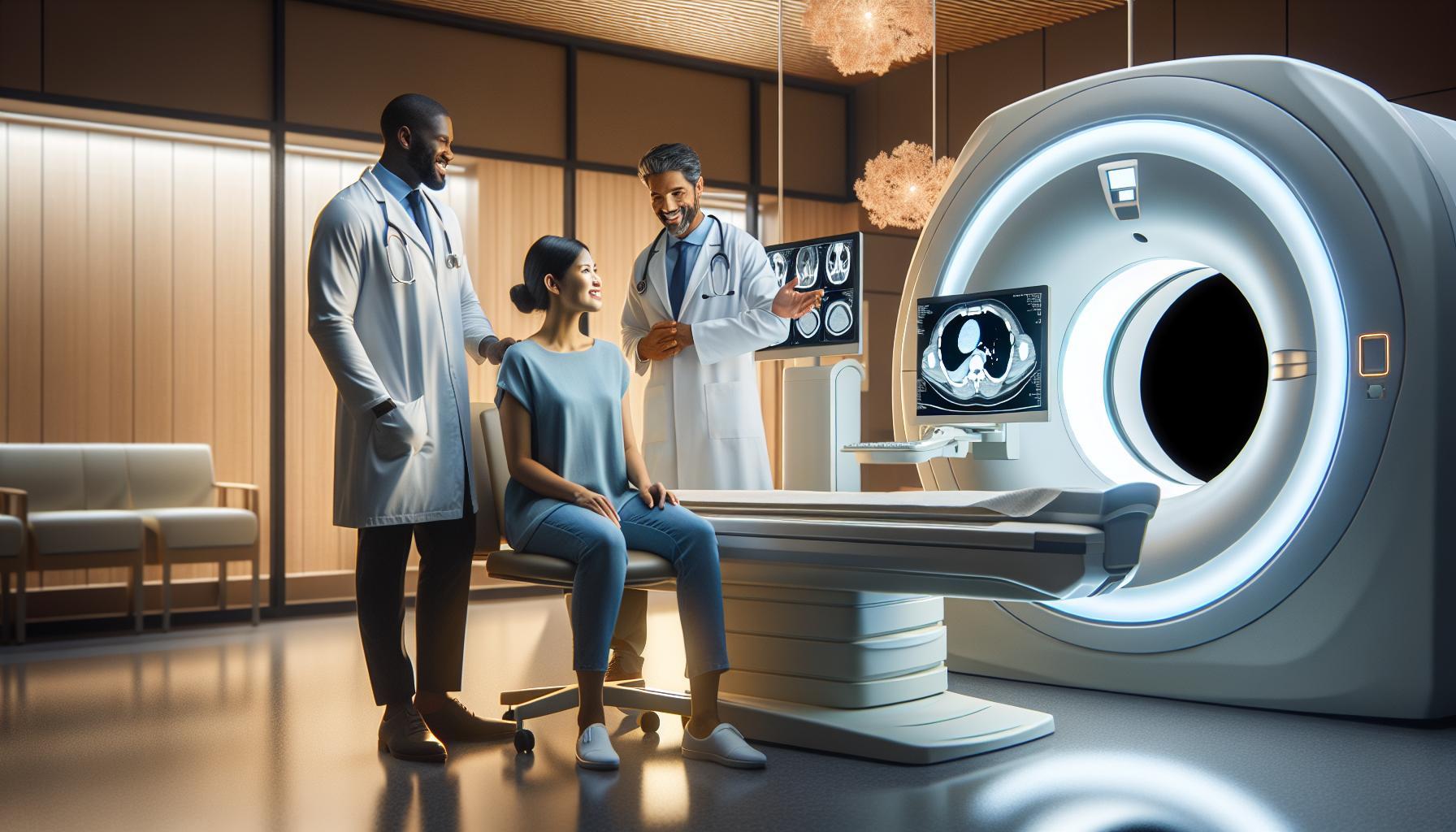
After a CT scan, the journey of understanding your results begins, often filled with anticipation and questions. The images captured during the scan undergo a meticulous review by a radiologist, a medical professional specialized in interpreting diagnostic images. This process isn’t instantaneous; radiologists require several hours to days to adequately analyze the images and create a detailed report. Their careful examination ensures that subtle details, which could be crucial for diagnosis, aren’t overlooked.
Once the report is ready, your healthcare provider will discuss the results with you. This conversation is an opportunity for you to clarify any doubts, ask about the implications of the findings, and understand what the next steps may entail. If any abnormalities are detected, such as tumors or lesions, your provider will explain what these results mean in the context of your health and may recommend further testing, monitoring, or treatment options.
It can be helpful to prepare questions ahead of this meeting, including:
- What did the scan show?
- Are there any concerning findings?
- What further tests or procedures are necessary?
- How should I interpret these results in terms of my overall health?
- What are the next steps moving forward?
A supportive approach is important during this phase. It’s normal to experience a mix of emotions, from relief to anxiety, as you process the information. Your care team is there to guide you through understanding your results and to ensure that you feel informed and empowered to make decisions regarding your health moving forward. Always remember, it’s vital to approach your healthcare professional with any additional questions or concerns that surface after receiving your results; they are your best resource for navigating your health journey.
Limitations of CT Scans in Cancer Diagnosis
While CT scans are invaluable in detecting and diagnosing various cancers, they do possess certain limitations that patients and their healthcare providers should be aware of. Understanding these constraints can help manage expectations and inform discussions about individual health scenarios.
One significant limitation of CT scans is their varying sensitivity across different types of tumors. For instance, while CT scans are often effective for identifying larger masses, smaller tumors, particularly those in the early stages of cancer, can be easily missed. This is particularly true for certain cancers like lung cancer, where small nodules may not be detected unless they grow beyond a specific size. Additionally, overlapping structures within the body can obscure images, making it difficult to differentiate between a tumor and surrounding tissue. This challenge can sometimes lead to false positives, where benign conditions are incorrectly identified as malignant.
Another important factor is the exposure to radiation. Although the doses from a single CT scan are relatively low, repeated or unnecessary scans can accumulate radiation exposure over time, which may theoretically increase cancer risk. Therefore, it’s crucial for both patients and doctors to weigh the potential benefits of a CT scan against its risks, especially when alternative imaging options, such as MRI or ultrasound, might be available with no ionizing radiation.
Finally, CT scans may not provide comprehensive information on the biological nature of a tumor. While they can show the presence of abnormal masses, they may not reveal essential details about their aggressiveness or the specific type of cancer, which is crucial for treatment decisions. To glean this information, additional tests, such as biopsies or molecular profiling, are often necessary, highlighting the importance of a multi-faceted diagnostic approach.
In conclusion, awareness of these limitations fosters informed discussions with healthcare providers about the most effective cancer detection strategies. It empowers patients to advocate for their well-being while underscoring the need for personalized medical guidance tailored to their unique circumstances.
Alternative Imaging Techniques for Tumor Detection
When it comes to detecting tumors and diagnosing cancer, several imaging techniques can serve as alternatives to CT scans. While CT scans are widely recognized for their ability to provide detailed cross-sectional images of the body, other methods can offer unique advantages, especially in certain clinical scenarios. Understanding these alternatives can help patients make informed decisions alongside their healthcare providers.
Magnetic Resonance Imaging (MRI)
MRI is another powerful imaging tool that utilizes strong magnets and radio waves to create detailed images of the body. Unlike CT scans, MRIs do not use ionizing radiation, making them a preferred option in certain situations, particularly for brain, spinal, and soft tissue tumors. For example, an MRI may be utilized to evaluate the extent of a brain tumor and plan for treatment. With advanced imaging techniques like functional MRI (fMRI), clinicians can also assess tumor impact on brain function.
Ultrasound
Ultrasound employs sound waves to produce images of the inside of the body. It is particularly useful for detecting tumors in organs like the liver and bladder, especially in cases where radiation exposure is a concern, such as in pregnant patients or children. An ultrasound is a non-invasive option that can guide biopsies, enabling physicians to obtain tissue samples from suspicious areas without the need for more invasive surgeries.
Positron Emission Tomography (PET) Scans
PET scans offer a specialized approach by assessing metabolic activity within tissues. Cancerous tumors often have higher metabolic rates than surrounding normal tissues, which makes PET scans valuable for detecting the presence and spread of cancer. They are frequently combined with CT scans (PET/CT) to provide comprehensive anatomical and functional information, improving the accuracy of cancer diagnosis and staging.
Combining Imaging Modalities
In many cases, healthcare providers may recommend a combination of imaging techniques to enhance diagnostic accuracy. For example, if a CT scan reveals a potential tumor, an MRI may be used to further characterize its nature, or a PET scan might provide insights into its metabolic behavior. This multidisciplinary approach ensures that patients receive the most accurate and personalized care possible.
By discussing these alternative imaging techniques with your healthcare provider, you can better understand the best options for your specific situation. Each method offers unique benefits and limitations, so making an informed choice is essential for effective tumor detection and subsequent treatment planning. Always consult with your healthcare team to determine the most suitable imaging strategies tailored to your needs.
Advancements in CT Technology and Cancer Detection
Recent advancements in CT technology have significantly enhanced its role in cancer detection, offering greater precision and clarity in identifying tumors than ever before. Modern CT scanners are equipped with high-resolution detectors and advanced algorithms that allow for rapid image acquisition, drastically reducing the time patients need to remain still during the scan. This not only improves patient comfort but also minimizes artifacts that can interfere with accurate diagnosis.
One notable development is the implementation of dual-energy CT imaging, which utilizes two different energy levels of X-rays to differentiate between various types of tissues. This technique can improve the visualization of tumors by highlighting differences in tissue composition, enabling oncologists to better assess the nature of the tumor, such as whether it is benign or malignant. Additionally, innovations in software analytics assist radiologists in interpreting images more effectively, helping them identify subtle changes in tumors over time.
Another advancement is the integration of artificial intelligence (AI) in CT imaging. AI algorithms can rapidly analyze vast amounts of imaging data, assisting in the early detection of tumors that might be overlooked by the human eye. These systems are being trained to recognize patterns associated with various types of cancers, facilitating faster and more accurate diagnoses. By flagging potential issues for further examination, AI may streamline the workflow in radiology departments, allowing for more timely interventions.
While these technological advancements provide hopeful prospects for cancer diagnosis, the importance of discussing imaging results with a healthcare professional cannot be overstated. Engaging in conversations about the implications of CT scan findings ensures that patients receive tailored care based on their individual health profiles. This compassionate approach not only fosters patient understanding but also empowers them to participate actively in their healthcare journey.
Addressing Concerns: Safety and Risks of CT Scans
As with any medical procedure, it’s natural for patients to have concerns about the safety and risks associated with CT scans. While these imaging tests are invaluable in identifying potential tumors, understanding their safety profile can help ease anxieties and empower patients with knowledge.
CT scans use X-rays to create detailed images of the inside of the body, which does involve exposure to a small amount of radiation. In most cases, the benefits of diagnosing serious conditions like cancer far outweigh potential risks. The radiation dose from a single CT scan is comparable to the amount a person naturally absorbs from the environment over several years. That said, it’s crucial to consider cumulative exposure, especially for individuals who may require multiple scans over time. Physicians are trained to evaluate the necessity and frequency of imaging in a way that minimizes unnecessary radiation exposure.
Patients should also be aware of the potential for contrast media used during some CT scans, such as iodine-based dyes, which are injected to enhance image quality. While rare, allergic reactions can occur. Discussing allergies or previous reactions to contrast agents with your healthcare provider can help mitigate these risks. For individuals with kidney issues, the use of contrast media will be carefully assessed to avoid further complications.
To promote a safe experience, always communicate openly with medical professionals about any concerns prior to the scan. Understanding the rationale behind the scan and its expected outcomes can significantly reduce anxiety. Remember that your healthcare team is there to address your concerns and provide reassurance throughout the process.
Cost Considerations for CT Scans and Insurance Coverage
Navigating the financial aspects of a CT scan can add another layer of stress during an already challenging time. Understanding the factors that influence the cost of CT scans can empower patients to make informed decisions about their medical care. The price of a CT scan can vary widely based on several factors, including the facility where the scan is performed, geographic location, whether contrast dye is used, and whether the patient has health insurance.
Typically, the cost of a CT scan can range from $300 to $3,000. In many cases, hospital-based imaging centers tend to charge more than independent imaging centers. For those without insurance, this can be a significant financial burden. Patients should inquire about pricing before undergoing the procedure, as some facilities may offer payment plans, discounts, or financial assistance programs.
Insurance Coverage
Most health insurance plans cover CT scans when they are deemed medically necessary. However, coverage specifics can vary by provider and plan. It’s crucial to check with your insurance company to understand your benefits and any potential out-of-pocket costs, such as co-pays or deductibles. Here are some key points to consider:
- Pre-authorization: Some insurance plans may require pre-authorization for the procedure. Ensure that your healthcare provider submits the necessary documentation in advance.
- In-Network vs. Out-of-Network: Using an in-network provider can significantly reduce costs. Verify whether the imaging facility is within your network.
- Documentation: Keep detailed records of all communications with your insurance company regarding pre-authorization and coverage to avoid surprises later.
In some instances, facilities may offer self-pay rates for uninsured patients, which could be more favorable than the sticker price. It’s advisable to discuss these options with the front desk staff when scheduling your CT scan.
Ultimately, being proactive about understanding the costs associated with a CT scan and the insurance coverage can alleviate stress. Don’t hesitate to reach out to your healthcare provider’s billing department for clarification about any billing questions, ensuring you have a clear understanding going forward.
When to Consult Your Doctor About CT Scans
Knowing when to consult your doctor about the need for a CT scan can be pivotal in your health journey, especially concerning cancer detection. If you’re experiencing concerning symptoms such as persistent pain, unexplained weight loss, or abnormal lumps, it’s important to communicate these to your healthcare provider. They can determine whether a CT scan is warranted based on your medical history and current health status.
If you’ve been diagnosed with a particular type of cancer, regular monitoring may be essential. In such cases, discussions with your doctor about how often you should undergo imaging studies like CT scans are crucial. This proactive approach not only helps in assessing any changes in the tumor’s size or progression but also aids in evaluating the effectiveness of ongoing treatment strategies.
Moreover, asking about the role of a CT scan in your overall diagnostic process is always encouraged. For instance, you might want to understand how a CT scan complements other procedures, such as an MRI or PET scan, which can provide different insights. Being informed about these aspects empowers you as a patient and helps you engage actively in your treatment plan.
Always remember that if you feel uncertain or anxious about the necessity of a CT scan, it’s essential to voice these feelings with your healthcare provider. They can offer reassurance, clarify any concerns, and guide you through the rationale behind recommended imaging. Understanding the “why” behind your care can significantly reduce anxiety and help you take an active role in your health outcomes.
FAQ
Q: Can a CT scan detect all types of cancer?
A: No, CT scans cannot detect all types of cancer. They are particularly effective for certain cancers, such as lung, liver, and abdominal tumors, but may not detect other types that require different imaging techniques or biopsies for confirmation. Always consult your doctor for a comprehensive evaluation.
Q: How accurate are CT scans in diagnosing cancer?
A: CT scans are generally accurate for diagnosing many types of cancer, with sensitivity rates ranging from 70% to 90%, depending on the tumor type and size. However, false positives or negatives can occur, so follow-up tests might be necessary to confirm results.
Q: What should I tell my doctor before a CT scan for cancer diagnosis?
A: Inform your doctor about your medical history, current medications, allergies, and whether you might be pregnant. This information helps ensure your safety and the effectiveness of the scan. For specific details, refer to the “Patient Preparation for a CT Scan” section of the article.
Q: Are there any risks associated with having a CT scan?
A: While CT scans involve exposure to radiation, the risk is typically low compared to the benefits of accurate cancer detection. However, excessive imaging can accumulate radiation over time. Discuss any concerns with your healthcare provider to understand individual risk factors.
Q: How do CT scans compare to other imaging techniques for cancer detection?
A: CT scans provide detailed cross-sectional images, making them superior for many cancers compared to standard X-rays. However, MRI and PET scans may be more effective for certain types of tumors or conditions. Each imaging method has benefits, and the best choice depends on individual patient needs.
Q: What follow-up steps should I take if my CT scan shows a suspicious area?
A: If a CT scan reveals a suspicious area, your doctor may recommend additional imaging studies, such as an MRI or PET scan, or a biopsy for definitive diagnosis. It’s crucial to discuss follow-up options with your healthcare provider to determine the best course of action.
Q: Can you eat or drink before a CT scan?
A: Guidelines on eating or drinking before a CT scan vary based on the type of scan. For abdominal scans, fasting for several hours is often required. Always check with your healthcare provider or follow instructions provided prior to your appointment for specific requirements.
Q: What is the role of contrast agents in CT scans for cancer detection?
A: Contrast agents enhance the visibility of certain areas during a CT scan, helping to highlight blood vessels and organs, which can improve the detection of tumors. Your healthcare provider will assess whether a contrast agent is needed based on the scan purpose.
Future Outlook
Understanding the role of CT scans in detecting tumors is crucial for anyone concerned about cancer. While CT scans are effective in identifying abnormalities, it’s essential to remember that not every cancer will appear on this imaging. If you’re feeling uncertain or have lingering questions, consider reaching out to your healthcare provider for personalized advice and next steps regarding your health.
For further information, explore our articles on how to prepare for a CT scan and what to expect during the procedure. These resources can help reduce anxiety by providing practical insights into the process. Don’t hesitate to sign up for our newsletter for the latest updates on medical imaging and health options, or leave your thoughts in the comments below-your engagement helps us build a supportive community. Empower yourself with knowledge and take proactive measures for your health today!