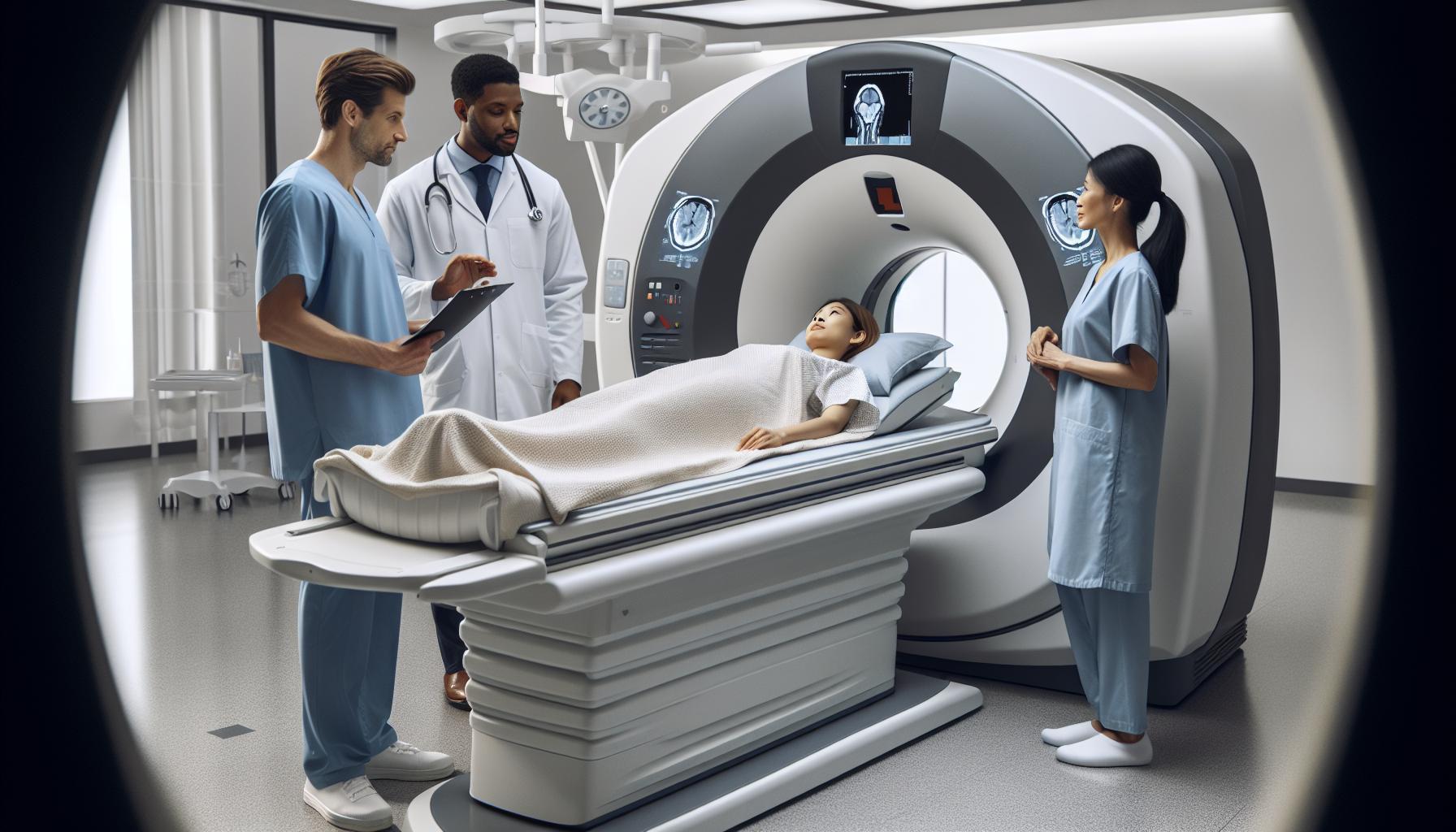
When it comes to understanding what’s happening in your abdomen, a CT scan is a powerful tool that can reveal a wealth of information. This non-invasive imaging technique provides detailed images of your internal organs, making it crucial for diagnosing a variety of conditions ranging from infections to tumors.
Many individuals may find themselves facing unexplained symptoms such as abdominal pain, bloating, or digestive issues, and it’s natural to seek answers. Knowing what a CT scan can show not only alleviates some of that uncertainty but also highlights its role in guiding effective treatment. As you explore the twelve conditions that a CT scan can detect, you’ll gain insight into how this technology can empower you and your healthcare team in making informed decisions. Understanding these possibilities might just be the key to unlocking your path to better health.
What is a CT Scan of the Abdomen?
A CT scan of the abdomen is a powerful diagnostic tool that utilizes advanced imaging technology to create detailed cross-sectional images of the abdominal organs. This non-invasive procedure allows healthcare professionals to view soft tissues, organs, and other structures with precision. The resulting images can aid in identifying various medical conditions, making it a crucial step in effective diagnosis and treatment planning.
During the scan, the patient lies on a table that slides through a large, doughnut-shaped machine. X-ray beams rotate around the body, capturing multiple images from different angles. A computer then processes these images into a comprehensive series of slices, providing a three-dimensional view of the abdominal cavity. This detailed visualization helps in detecting abnormalities such as tumors, infections, and internal injuries, creating a clearer picture of the patient’s health status.
The ability of a CT scan to reveal a wide range of conditions makes it an invaluable resource in modern medicine. From identifying appendicitis to diagnosing cancers of various organs, this method can uncover critical information. Furthermore, it plays a significant role in monitoring the progression of diseases and evaluating the effectiveness of treatments. Patients often find reassurance in knowing that they are receiving the most accurate assessments possible, enabling informed decisions about their healthcare journey.
Ultimately, understanding how CT scans function and what they can reveal allows patients to engage more actively in their medical care. While the procedure may seem daunting, knowing that this advanced imaging technique can lead to early detection and better outcomes can help alleviate apprehension. As always, consulting healthcare professionals for tailored guidance based on individual needs and circumstances is paramount.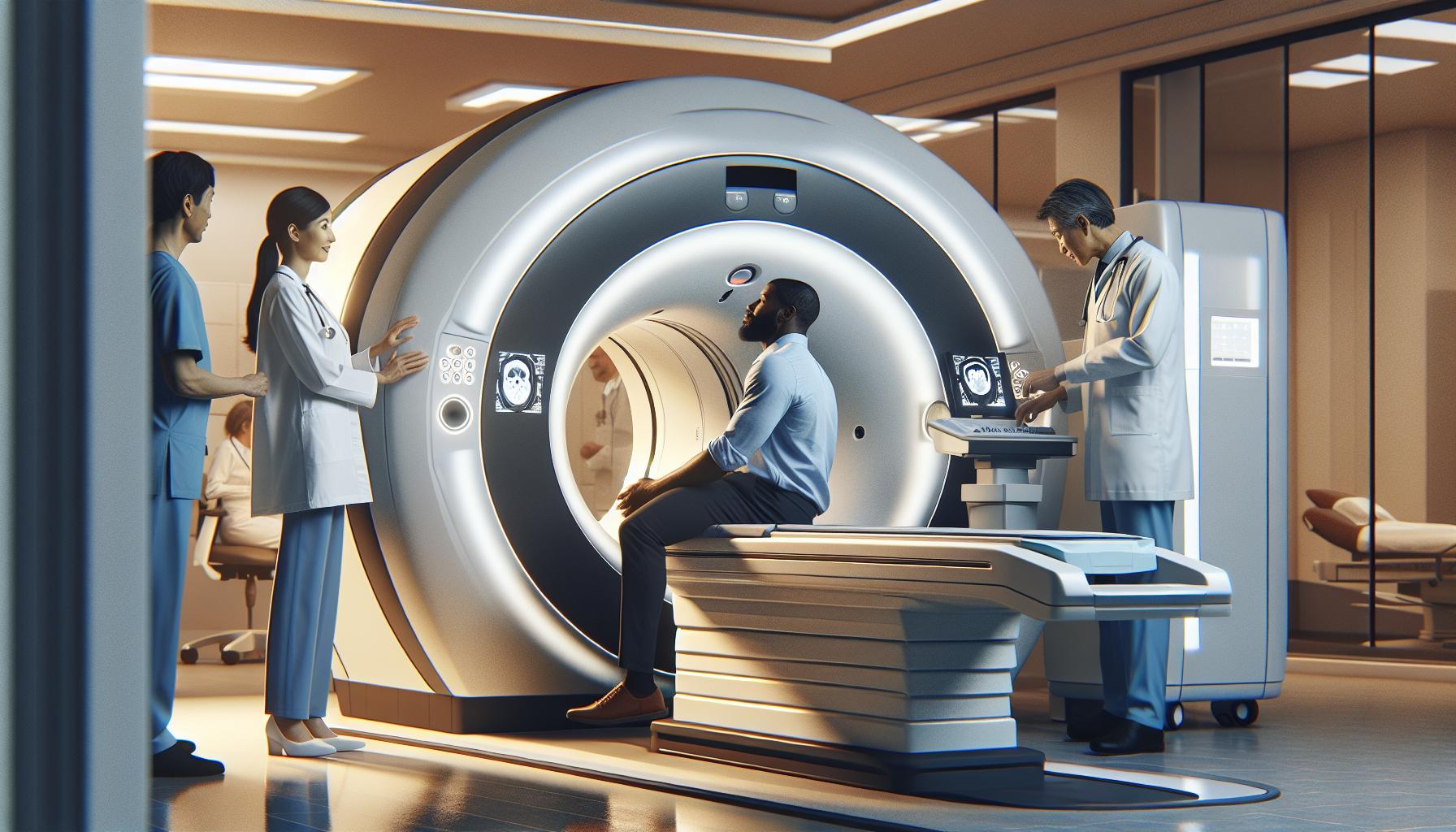
How Does a CT Scan Work?
Understanding the intricacies of how a CT scan operates can greatly demystify the experience, helping to ease any anxieties you may have. A CT scan, or computed tomography scan, employs a remarkable technology that combines multiple X-ray images taken from different angles around the body. These images are then processed by a computer to create detailed cross-sectional views, or “slices,” of internal structures. This non-invasive procedure allows healthcare professionals to visualize soft tissues, organs, and even blood vessels in the abdomen with remarkable clarity.
During the scan, you will lie on a motorized table that gently slides into a large, doughnut-shaped machine. As this process occurs, a series of X-ray beams rotate around your body. It’s important to remain still during the scan, as movement can blur the images. The X-ray beams pass through the body and are detected on the opposite side. A computer transforms the data captured by the sensors into cross-sectional images, which your doctor can review. This intricate process happens swiftly, often completing within minutes, ensuring minimal disruption to your day while still yielding valuable diagnostic information.
The ability of CT technology to produce high-resolution images facilitates the detection of various conditions within the abdomen. Whether it’s identifying tumors, assessing internal injuries, or diagnosing infections, the precision of a CT scan can be crucial in informing the next steps in your medical care. In addition, using a contrast agent may enhance visibility for certain conditions, allowing more detailed observation of structures and tissues.
If you’re preparing for a CT scan, knowing these details not only helps reassure you but also empowers you to engage with your healthcare team about your health journey. Always feel comfortable asking questions or voicing concerns as you take this important step towards better understanding your health.
Essential Conditions Detected by CT Scans
CT scans of the abdomen are indispensable tools in modern medicine, capable of revealing intricate details of internal structures that are often difficult to visualize through other methods. These scans can help in the detection of a variety of essential health conditions, providing invaluable information that aids in diagnosis and treatment planning. With their ability to produce detailed images of soft tissues, organs, and blood vessels, CT scans are especially useful in identifying a range of ailments.
Among the most critical conditions detectable through abdominal CT scans are:
- Tumors and Cancers: CT scans can identify tumors in organs such as the liver, pancreas, kidneys, and spleen, allowing for early diagnosis of cancers, which can significantly impact treatment outcomes.
- Internal Injuries: Following accidents or traumas, CT scans help assess damage to internal organs and bleeding, potentially guiding immediate surgical interventions.
- Appendicitis: In cases of suspected appendicitis, a CT scan can confirm the diagnosis by revealing an inflamed appendix surrounded by fluid.
- Diverticulitis: This condition, characterized by inflammation of the diverticula in the colon, can be diagnosed through the clear images provided by a CT scan.
- Kidney Stones: CT scans are effective in locating kidney stones and determining their size and position, which is crucial for planning treatment.
- Infections: Various abdominal infections, such as abscesses or pancreatitis, can be visualized, providing guidance for treatment.
- Organ Enlargement: Abnormal enlargement of organs, such as the liver or spleen, can indicate underlying health issues that require further evaluation.
- Blood Vessel Disorders: Conditions like aortic aneurysms or blockages can also be detected, enabling timely and appropriate medical response.
- Intestinal Obstructions: A CT scan can illustrate the presence of blockages in the intestines, facilitating diagnosis and intervention.
- Pancreatic Disorders: Whether it’s pancreatitis or pancreatic cancer, CT scans are crucial for visualizing problems with the pancreas.
- Gallstones: These can be readily identified in the gallbladder or bile ducts using CT imaging, providing insight into potential complications.
- Circulatory Issues: CT scans can reveal issues related to blood flow, such as clots or other vascular anomalies.
The clarity and detail of CT images make them a cornerstone in diagnosing these important conditions, which, if detected early, can often lead to a more favorable prognosis and informed treatment strategies. While the technology is powerful, it is essential to maintain open communication with healthcare professionals regarding any concerns or symptoms you may have; this proactive engagement can ultimately enhance your health management and outcomes.
Understanding the Risks and Safety of CT Scans
Although CT scans are powerful tools for diagnosing various abdominal conditions, it’s natural to have concerns regarding their safety and associated risks. One of the primary considerations in undergoing a CT scan is exposure to radiation. CT scans use X-ray technology to produce detailed images of the body’s internal structures, and while they deliver relatively higher doses of radiation compared to regular X-ray exams, modern technology has led to a significant reduction in radiation levels. Medical professionals carefully consider the benefits of the scan against these risks, ensuring that each scan is justified based on clinical need.
It’s also crucial to note that the benefits of a CT scan often far outweigh the potential risks. For instance, detecting potentially life-threatening conditions such as tumors, organ injuries, or internal bleeding can significantly impact treatment plans and improve health outcomes. However, patients should always discuss their specific circumstances with healthcare providers, especially if they have a history of previous scans, are pregnant, or have underlying health conditions. Engaging in a dialogue can help clarify any uncertainties and reinforce the importance of the scan in guiding appropriate care.
Furthermore, there are precautions in place to minimize risk during the process. For example, medical staff typically uses the lowest possible radiation dose to achieve the necessary image quality. This approach is essential, especially for populations who may need frequent imaging, such as those undergoing ongoing cancer treatment. If a patient is particularly anxious about radiation exposure, they can explore alternative imaging options like MRI or ultrasound, which do not involve radiation.
Overall, understanding the safety measures and the rationale behind the use of CT scans can help alleviate concerns. The aim of these scans is to provide clear and critical information that enhances diagnosis and treatment planning, ultimately contributing to better health outcomes. Always consult with a healthcare professional to ensure individual risks are managed effectively while maximizing the benefits of diagnostic imaging.
Preparing for Your Abdomen CT Scan
Before undergoing an abdominal CT scan, preparing properly can help ensure a smooth experience and accurate results. This imaging test offers a detailed view into the body’s internal structures, helping detect a range of conditions from tumors to organ injuries. Being well-prepared not only enhances the quality of the images obtained but also reduces any potential stress associated with the procedure.
To prepare effectively, you may be instructed to avoid eating or drinking for a certain period prior to the scan, commonly for at least four hours. This fasting requirement minimizes the presence of food in your stomach, ensuring clearer images of your abdominal organs. If your healthcare provider has recommended the use of a contrast dye to enhance your scan, you’ll likely receive specific instructions regarding hydration and possible allergies, especially if you have a history of contrast reactions.
It’s also advisable to discuss any medications you are currently taking with your healthcare provider. This conversation can help them give tailored advice on whether to continue taking certain medications before the scan, particularly if they affect your kidney function. Additionally, if you are pregnant or suspect you might be, be sure to communicate this to your doctor, as it may impact the approach to your imaging.
Lastly, wearing comfortable clothing is recommended since you will be asked to change into a hospital gown for the procedure. Avoid clothing with metal fasteners, as they can interfere with the imaging process. By being informed about the preparations necessary for your abdominal CT scan, you can approach the appointment with confidence, ensuring both your comfort and the effectiveness of the diagnostic procedure. Always remember that discussing any concerns or questions with your healthcare team can provide reassurance and further clarify preparation steps tailored to your situation.
What to Expect During the CT Scan Procedure
Undergoing a CT scan can seem daunting, but understanding what to expect can help ease anxiety significantly. As you arrive at the imaging center, a friendly staff member will guide you through the process and ensure you’re comfortable. Typically, you will change into a hospital gown, and it’s a good opportunity to ask any lingering questions you may have. Knowing you can engage with the healthcare providers about your concerns can greatly enhance your comfort level before the procedure begins.
Once you’re settled, you will lie on a special table that slides into the circular opening of the CT scanner. The machine may look intimidating at first, but it’s designed to be as noninvasive and quick as possible. During the scan, which usually lasts only about 10 to 30 minutes, the scanner will take detailed cross-sectional images of your abdomen. You may be asked to hold your breath for short periods to ensure clear images, but this is a simple request that ensures the best results. The entire experience is often compared to receiving a series of brief, gentle “taps” as the X-ray beams pass through your body.
Throughout the procedure, it’s important to remain still-any movement can blur the images. For those who may feel claustrophobic, many facilities offer calming music or even the option to keep their eyes closed. Some machines are also wider, reducing feelings of confinement. After the scan, you can typically return to your normal activities immediately, as there are no medications or anesthesia involved.
In terms of safety, advancements in technology mean that CT scans expose you to a minimal dose of radiation, which is outweighed by the diagnostic benefits. However, always feel empowered to discuss any concerns regarding radiation exposure with your healthcare provider. Engaging with your medical team before, during, and after the CT scan can help ensure that all your questions are answered and that you feel secure throughout the process.
Interpreting Your CT Scan Results
Interpreting the results of a CT scan can feel overwhelming, yet understanding the key insights from your imaging can provide clarity about your health. A CT scan of the abdomen is particularly useful in diagnosing a variety of conditions, ranging from injuries to chronic illnesses. Depending on what your doctor is investigating, the scan can offer a wealth of information regarding organs such as the liver, pancreas, kidneys, and intestines.
The radiologist will analyze the detailed images produced by the CT scan to look for any abnormalities. Typical findings might include the presence of tumors, cysts, or inflammation, and they will assess the size, shape, and position of the organs involved. Conditions like appendicitis, pancreatitis, or certain types of cancer can often be diagnosed through these detailed images. It’s essential to remember that a radiologist’s interpretation is a component of your overall diagnosis, which means your healthcare provider will consider these findings alongside your symptoms, medical history, and other tests.
After your scan, the results will typically be available in a relatively short time frame, often within one or two days. Your healthcare provider will discuss the findings with you, explaining what they revealed in clear, understandable terms. It is natural to have questions, so don’t hesitate to ask for clarifications about anything that seems unclear or concerning. In some cases, further tests may be recommended based on the findings; for instance, if a mass is detected, additional imaging or a biopsy might be needed for a definitive diagnosis.
Ultimately, being informed about how to interpret your CT scan results empowers you to engage confidently in your healthcare journey. Knowing what to expect not only alleviates anxiety but also fosters a supportive dialogue between you and your healthcare team. Remember, it’s your health, and having a clear understanding is crucial to navigating your treatment options effectively.
Common Misconceptions About CT Scan Imaging
Many patients have questions about the safety and effectiveness of CT scans, particularly regarding their concerns and misconceptions. One widespread belief is that CT scans are overly dangerous due to the radiation exposure involved. While it’s true that CT scans use a higher dose of radiation compared to standard X-rays, the amount is generally considered safe for diagnostic purposes. The benefits of obtaining precise images that can diagnose serious health conditions often outweigh the minimal risks associated with radiation exposure. Additionally, advancements in CT technology have significantly reduced radiation levels in many cases.
Another common myth is that CT scans are only used to identify cancer. In reality, a CT scan of the abdomen can reveal a range of conditions beyond tumors. It’s valuable for diagnosing appendicitis, kidney stones, pancreatitis, and bowel obstructions, among others. This imaging technique provides a detailed view of internal organs, which aids medical professionals in developing comprehensive diagnostic conclusions. Many patients might also think that the process is painful or highly invasive. However, a CT scan is a non-invasive procedure where you simply lie on a table while the machine takes images; most patients find the experience to be quick and painless.
Furthermore, some individuals might assume that if a CT scan doesn’t reveal any abnormalities, they are entirely healthy. It’s important to remember that while CT scans are powerful diagnostic tools, they cannot confirm the absence of every possible issue. Other tests and a thorough evaluation of symptoms and medical history are essential for complete health assessments. This understanding emphasizes the significance of ongoing dialogues with healthcare providers to discuss all aspects of one’s health.
Being informed about these misconceptions can help alleviate anxiety and empower individuals to engage actively in their healthcare. Always consult with a healthcare professional if you have questions or concerns about what a CT scan entails or if it’s the right choice for your particular situation. Your health journey is unique, and having clear information promotes a better understanding of what to expect.
How CT Scans Compare to Other Imaging Techniques
A CT scan is a powerful diagnostic tool that provides detailed images of the body, particularly useful for examining the abdomen. Unlike traditional X-rays, which give a flat image, CT scans produce cross-sectional “slices” that reveal more information about the structures inside the body. But how do they stack up against other imaging techniques like MRI and ultrasound? Understanding the differences can help patients make informed decisions about their healthcare.
CT scans are particularly favored for their speed and immense detail, which are essential in emergency settings. For instance, when a patient arrives in the emergency department with severe abdominal pain, a CT scan can quickly identify issues such as appendicitis or internal bleeding. Contrast this to an MRI, which, while offering excellent soft tissue contrast and detail, takes significantly longer and is less effective for imaging bones or detecting acute conditions. This makes CT scans more suitable for situations where time is critical.
Another important comparison is with ultrasound. While ultrasounds are excellent for evaluating organs like the liver or kidneys and guiding certain procedures, they may not adequately visualize all abdominal structures, especially in patients with obesity or gas in the intestines. Moreover, ultrasound relies heavily on the operator’s skill, while CT scans provide standardized images that can be reviewed by any trained radiologist. This consistency further enhances the CT scan’s role in diagnosing conditions like kidney stones, tumors, and infections.
Key Differences in Imaging Techniques
| Imaging Technique | Best Used For | Duration | Radiation Exposure |
|---|---|---|---|
| CT Scan | Bone injuries, internal bleeding, tumors, and acute abdominal conditions | 5-15 minutes | Yes, higher levels |
| MRI | Soft tissue evaluation, brain imaging, joint issues | 30-60 minutes | No |
| Ultrasound | Liver, kidneys, pregnancy, and guiding procedures | 15-30 minutes | No |
In conclusion, while each imaging technique has its unique strengths, CT scans offer unrivaled detail and speed, particularly in emergency situations. Patients should consult their healthcare providers to determine the most suitable imaging method based on their specific symptoms and medical history. Understanding these differences can empower individuals to actively participate in their healthcare journey, alleviating anxiety associated with medical imaging while ensuring they receive the most effective diagnosis possible.
Cost Considerations for CT Abdomen Scans
Understanding the financial implications of a CT scan is crucial, especially when facing potential abdominal conditions. The cost of a CT abdomen scan can vary widely based on several factors, including the facility, geographic location, and whether you have insurance. On average, patients can expect to pay between $300 and $3,000, depending on these variables. For those without insurance, the price tag can be daunting, highlighting the importance of discussing costs upfront with your healthcare provider.
When evaluating costs, consider that imaging facilities often provide a “cash price,” which can be lower than the amount billed to insurance companies. It’s beneficial to inquire about this option. Additionally, some hospitals and clinics have financial assistance programs that can help reduce patient expenses. Always ask if there are discounts for uninsured patients or payment plans available if you find the costs overwhelming.
Insurance Considerations
For those with insurance coverage, it’s essential to check your plan specifics. Some plans may require prior authorization before the scan is performed, and your out-of-pocket costs may depend on factors such as your deductible, co-pay, and network status of the facility. Contacting your insurance provider beforehand can clarify what is covered and what you might need to pay.
As you navigate the complexities of CT scan costs, remember that your health shouldn’t be compromised due to financial concerns. Discuss any worries regarding affordability with your healthcare provider. They may be able to recommend alternative diagnostic options if necessary or direct you to resources for financial assistance, ensuring you receive the care you need without undue stress.
The Role of CT Scans in Treatment Planning
A CT scan of the abdomen is a remarkably powerful tool in modern medicine, not just for diagnosis but also for guiding treatment decisions. When patients present with symptoms such as severe abdominal pain, bloating, or unexplained weight loss, a CT scan can provide critical information. It can reveal a wide range of conditions, from appendicitis and kidney stones to tumors and infections. This makes it an invaluable resource for healthcare providers, allowing for tailored treatment plans that address specific patient needs.
The results of a CT scan can significantly impact treatment strategies. For example, if a scan indicates a tumor, oncologists can develop a targeted approach, which might include surgery, chemotherapy, or radiation therapy. Conversely, findings that point towards a less severe condition can prevent unnecessary interventions, allowing for a more conservative management approach. Understanding whether an abdominal issue is structural or functional is key to determining the best course of action, which ultimately improves patient outcomes.
Preparing for a CT scan involves more than just the procedure itself; it’s about understanding its role in your treatment plan. Effective communication with your healthcare provider can help clarify what to expect from the CT scan and how the results will influence your treatment decisions. Always discuss your symptoms and concerns openly, as this enables a more accurate interpretation of the results and ensures that all possible conditions are considered. This collaborative approach not only enhances the diagnostic value of the scan but also fosters a sense of reassurance and empowerment for patients navigating their healthcare journey.
In summary, CT scans are fundamental to crafting effective treatment plans. They provide critical insights that guide healthcare providers in making informed decisions, thereby enhancing patient care. By engaging with your healthcare team and understanding the implications of your CT scan results, you are taking an active role in your health management.
Next Steps After a CT Scan: What If Conditions Are Detected?
Receiving the results of a CT scan can evoke a mix of anticipation and anxiety. Understanding what to expect next is essential, especially if the imaging reveals potential health concerns. A CT scan of the abdomen can detect various conditions, including appendicitis, pancreatitis, tumors, and kidney stones. If abnormalities are found, it’s important to approach the next steps with clarity and support.
Following a CT scan that shows potential abnormalities, your healthcare provider will discuss the results with you in detail. They may recommend further testing, such as blood tests or additional imaging, to obtain a comprehensive understanding of your condition. These next steps are crucial for confirming a diagnosis and designing an appropriate treatment plan. For instance, if a mass is detected, your doctor might suggest a biopsy to ascertain whether it is benign or malignant.
It’s natural to have questions and concerns during this time. Remember to maintain an open dialogue with your healthcare provider. Ask about the implications of your findings, what treatment options are available, and the expected outcomes for each. Some common follow-ups might include:
- Referral to a Specialist: If a significant issue like a tumor is found, you may be referred to an oncologist or another specialist for expert management.
- Treatment Plans: Depending on the condition, treatment could range from medication management to surgical interventions.
- Monitoring Strategies: For conditions that require observation, your provider may schedule regular follow-ups with additional imaging to track changes over time.
Understanding the significance of your results and the actions that follow can empower you in your healthcare journey. It’s important to engage actively, ask questions, and voice any worries you have. Knowledge transforms anxiety into confidence, allowing you to make informed decisions about your health. Your healthcare team is there to support you every step of the way, guiding you towards the best health outcomes based on the findings from your CT scan.
Frequently asked questions
Q: What conditions can a CT scan of the abdomen detect?
A: A CT scan of the abdomen can detect conditions such as tumors, appendicitis, internal bleeding, kidney stones, pancreatitis, and inflammatory bowel disease. It provides detailed images that help identify abnormalities in organs and tissues within the abdominal cavity.
Q: How does a CT scan compare to an MRI for abdominal imaging?
A: A CT scan provides quick, detailed images using X-rays, making it ideal for detecting bone issues and internal bleeding. In contrast, an MRI uses magnets and radio waves, offering better soft tissue contrast, which can be more useful for diagnosing some cancers or brain conditions.
Q: Can a CT scan detect abdominal aortic aneurysms?
A: Yes, a CT scan is highly effective in detecting abdominal aortic aneurysms. It provides a clear view of the aorta, allowing healthcare providers to assess the size and location of any aneurysms for timely intervention.
Q: What should you avoid before a CT scan of the abdomen?
A: Patients are usually advised to avoid eating or drinking for several hours prior to the scan and to inform their doctors about medications and allergies. Follow the specific preparation instructions provided by your healthcare team.
Q: How long does it take to get CT scan results for the abdomen?
A: CT scan results typically take a few hours to a few days to be processed and reviewed. Your doctor will discuss the findings with you and may recommend further steps based on the results.
Q: Is a CT scan safe for detecting problems in the abdomen?
A: Yes, CT scans are generally safe. However, they do involve exposure to radiation. The benefits of diagnosing conditions usually outweigh the risks, but discuss any concerns with your healthcare provider, particularly if you may require multiple scans.
Q: What symptoms might lead to a CT scan of the abdomen?
A: Symptoms that may prompt an abdominal CT scan include severe abdominal pain, persistent nausea or vomiting, unexplained weight loss, changes in bowel habits, and visible swelling or distension in the abdomen.
Q: Can a CT scan visualize the liver and detect liver diseases?
A: Yes, a CT scan can effectively visualize the liver and detect various liver diseases, including cirrhosis, liver cancer, and fatty liver disease, by providing detailed images of the liver structure and its surrounding tissues.
Key Takeaways
Understanding what a CT scan can reveal about abdominal conditions is crucial for early diagnosis and effective treatment. From detecting tumors to identifying internal injuries, this advanced imaging technology plays a vital role in your healthcare. If you have further questions or need guidance, don’t hesitate to explore our related articles on CT scan preparations and safety measures, or consider scheduling a consultation with a healthcare professional to discuss your specific concerns.
Take the first step towards better health-schedule your CT scan today and stay informed about your body. For more valuable insights, check out our comprehensive guide on medical imaging and how it shapes patient care, or learn about what you can expect during your CT scan process. Your journey to understanding your health continues here-engage with us and empower yourself with knowledge!