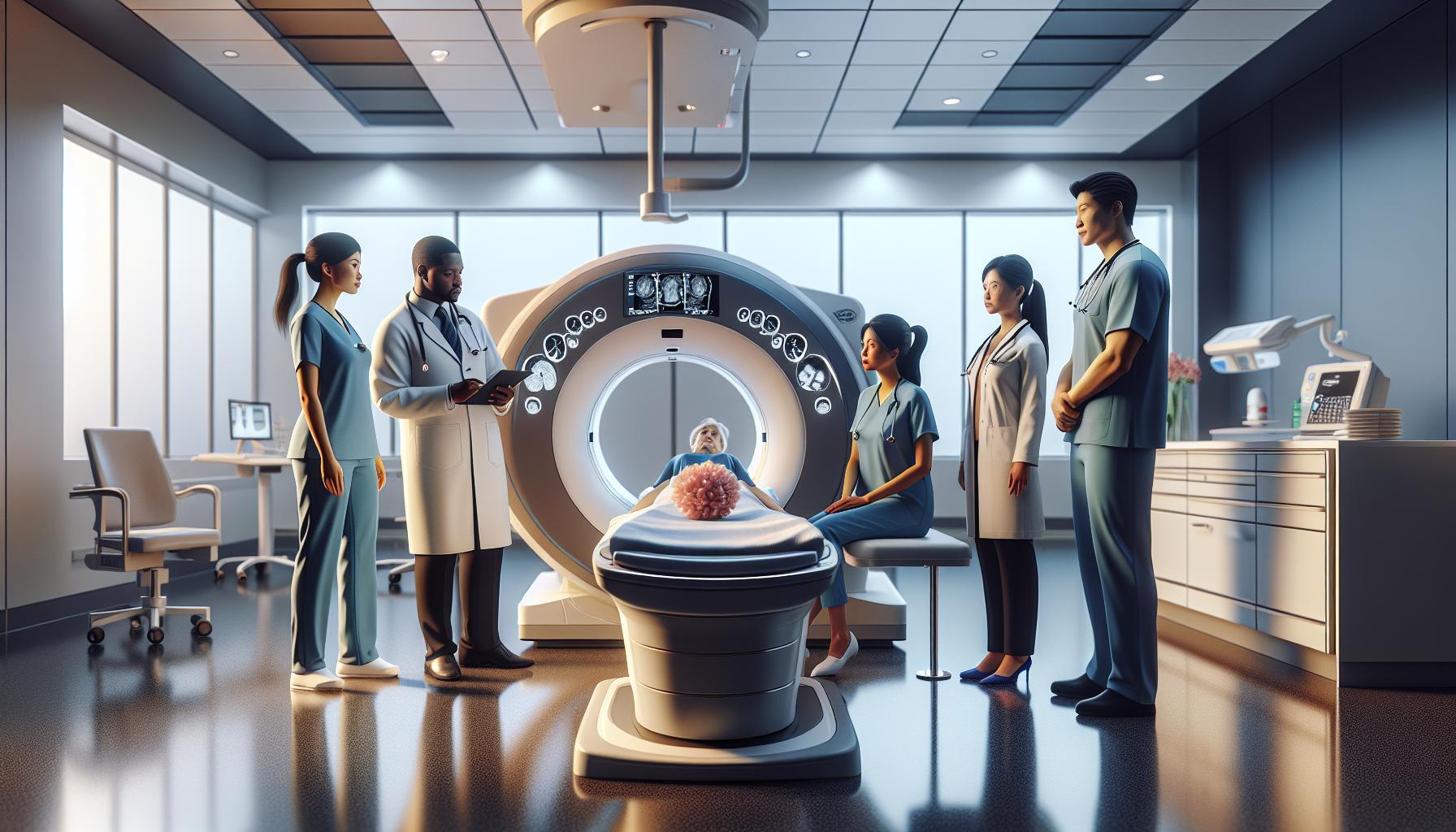
Did you know that a CT scan can create detailed images of the insides of your body, helping to detect potential tumors? This powerful imaging tool plays a crucial role in cancer diagnosis, offering insights into the size and location of masses. For many, the question of whether a CT scan can reveal tumors directly affects their health decisions.
As you navigate concerns about cancer detection, understanding the capabilities and limitations of CT scans can empower you during medical discussions. It’s natural to feel anxious about the possibility of a cancer diagnosis, but being informed can help you approach these conversations with confidence. Join us as we explore how CT scans work, the types of tumors they can detect, and what to expect during the scanning process. Your health information is vital, and knowledge can be a source of comfort during uncertain times.
Understanding CT Scans and Tumor Detection
A CT scan, or computed tomography scan, stands as one of the most refined diagnostic tools available for detecting tumors and other anomalies within the body. It employs a series of X-ray images taken from various angles, which are processed by a computer to create cross-sectional images of bones, blood vessels, and soft tissues. This state-of-the-art technology allows healthcare providers to visualize the body’s internal structures in great detail, making it instrumental in identifying suspicious masses or tumors that may indicate cancer. In fact, CT scans are particularly effective at detecting certain types of cancers, such as bladder, colorectal, kidney, ovarian, and stomach cancer, thereby facilitating early diagnosis, which is crucial for successful treatment [[3]](https://americanhealthimaging.com/5-cancers-a-ct-scan-can-easily-detect/).
When evaluating a CT scan for tumor detection, it’s important to understand how these scans can aid in the diagnosis process. While a CT scan does not definitively diagnose cancer by itself, it plays a critical role in revealing the presence, size, and location of a tumor. Radiologists analyze the detailed images generated by CT scans to distinguish between cancerous and non-cancerous tissues, providing physicians with vital information needed for treatment planning. This imaging technique can also help determine whether cancer has spread to nearby lymph nodes or organs, which is a key factor in determining the stage of cancer and the most appropriate treatment options [[1]](https://www.cancercenter.com/diagnosing-cancer/diagnostic-imaging/ct-scans).
Despite their strengths, CT scans come with limitations that patients should be aware of. For example, they may not capture very small tumors or detect certain cancers that are better revealed using other imaging techniques. Additionally, variations in individual patient anatomy or motion during the scan can affect the clarity of the images and the visibility of tumors. Thus, the interpretation of these scans should always be performed by a qualified radiologist who can integrate these findings with clinical evaluations and possibly recommend follow-up imaging to ensure an accurate diagnosis and monitoring [[2]](https://www.radiologyassociatesimaging.com/news-and-views/2023/2/14/how-accurate-is-a-ct-scan-for-cancer).
The process of understanding CT scans and their role in cancer detection highlights not only the technology’s capabilities but also the importance of collaborative care involving patients, radiologists, and oncologists. Engaging in conversations with healthcare professionals about any scan results can empower patients to take an active role in their healthcare journey and possibly minimize the anxieties associated with such diagnostic procedures.
How CT Scans Work for Cancer Diagnosis
CT scans have revolutionized the way healthcare providers detect and diagnose cancer, offering detailed insights into the body’s internal structures. This advanced imaging technique works by combining a series of X-ray images taken from different angles, which are then processed by a computer to create intricate cross-sectional images of various tissues and organs. With a CT scan, doctors can visualize not only bones and blood vessels but also soft tissues, making it possible to spot abnormalities such as tumors that may indicate the presence of cancer.
In the process of diagnosing cancer, the primary role of a CT scan is to provide vital information regarding the size, shape, and location of any potential tumor. While a CT scan alone cannot confirm whether a mass is cancerous, it is a powerful tool that can significantly enhance the diagnostic process. Radiologists meticulously analyze the images generated by the scan to differentiate between benign conditions and malignant growths. This assessment is crucial, as it helps in formulating an appropriate treatment plan and can also reveal whether cancer has spread to nearby lymph nodes or other organs.
Despite its effectiveness, it’s important to approach CT scans with an understanding of their limitations. For instance, while they can detect larger tumors, very small ones might be missed, or certain cancers may be better visualized using alternative imaging techniques. Factors like patient movement during the scan or variations in individual anatomy can affect image quality as well. Therefore, it’s essential to interpret the results in conjunction with clinical evaluations and, when necessary, follow-up imaging. This collaborative approach can provide a clearer picture of a patient’s health status and potential treatment options.
To further enhance the accuracy of CT scans, healthcare teams often utilize contrast agents, which are substances injected into the patient to enhance the visibility of specific areas in the body. This can help highlight tumors and other abnormalities against surrounding tissues, allowing for a more detailed analysis. By understanding how CT scans work in cancer diagnosis, patients can feel more informed and engaged in their healthcare decisions, ultimately reducing anxiety and fostering a sense of empowerment in their treatment journey.
Limitations of CT Scans in Identifying Tumors
The precision of a CT scan can be impressive, yet it is crucial to understand that this imaging technique has its boundaries, particularly when it comes to identifying tumors. While a CT scan excels at providing clear images of larger masses, it may struggle to detect smaller tumors or certain types of cancer that do not present as distinctly on the scans. For instance, conditions such as pancreatic or ovarian cancers can be elusive, often requiring more sensitive imaging modalities, like MRI or PET scans, for effective detection.
Several factors can influence the visibility of tumors during a CT scan. Patient movement is a common concern; any slight shift during the scan can distort the images, making it challenging for radiologists to spot irregularities. Additionally, the anatomical variation between patients can impact image quality. Structures that may appear normal in one individual could obscure a potential tumor in another. This variability emphasizes the necessity for healthcare providers to combine scan results with clinical evaluations and patient history for accurate diagnosis.
Moreover, the way a tumor relates to surrounding tissues can affect its detectability. Tumors that blend in with adjacent organs or structures may not be easily distinguished, particularly if they are smaller than 1-2 centimeters. Radiologists employ their expertise to interpret complex images, but they must often rely on additional imaging or diagnostic procedures to confirm the presence or absence of cancer.
While this information can feel daunting, it serves to reinforce the importance of a comprehensive diagnostic approach. If a CT scan yields ambiguous results, discussing with your healthcare provider about potential follow-up imaging or alternative diagnostic tests can lead to more definitive answers. Understanding these limitations helps equip patients with realistic expectations and emphasizes the collaborative nature of effective cancer diagnosis.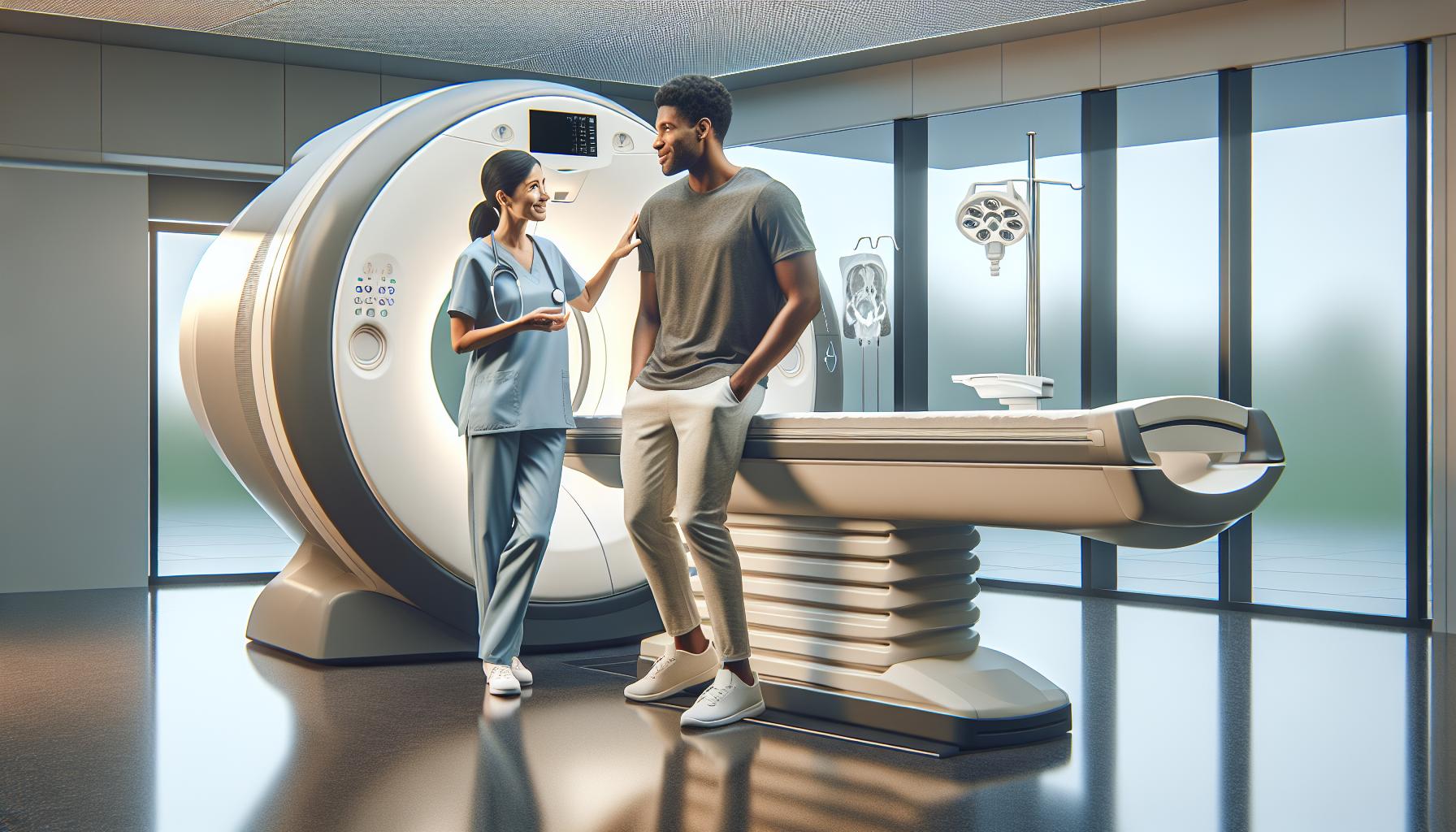
Preparing for a CT Scan: A Patient’s Guide
Preparing for a CT scan can feel daunting, but understanding what to expect can significantly ease your anxiety. A CT (computed tomography) scan is often a key tool used by doctors to detect tumors and other abnormalities within the body. Knowing how to prepare can help ensure that the images produced are as clear as possible, allowing for accurate diagnosis. The preparation process generally involves a few straightforward steps that help you feel comfortable and ready for the scan.
Before your CT scan, it’s essential to inform your healthcare provider about any medications you are taking, allergies (especially to contrast material), and your medical history. Transparency about these elements can help avoid potential complications. In many cases, you might be advised to avoid eating or drinking for several hours prior to the scan, particularly if you’ll be receiving contrast material, a dye used to improve image quality. Make sure to confirm any specific dietary restrictions with your doctor.
On the day of your scan, wear comfortable, loose-fitting clothing without metal zippers or buttons, as these can interfere with the imaging. You may be asked to change into a hospital gown for the procedure. It’s also helpful to arrive early to complete any necessary paperwork and to ensure you have ample time to relax before the exam. Consider bringing along something to read or listen to, as some waiting may be involved.
Once you are at the facility, a healthcare provider will guide you through the process. If contrast material is part of your scan, it will usually be administered either orally or through an intravenous (IV) line. Many patients find the procedure quick and painless, lasting only minutes. Knowing what to expect can empower you during this experience, allowing you to focus on your health and the next steps in your care journey. Always remember to ask your healthcare team any questions or express any concerns; they are there to support you throughout the process.
What to Expect During a CT Scan
A CT scan is a crucial tool in the detection of tumors and abnormalities, providing detailed cross-sectional images of the body that can help your healthcare provider identify suspicious masses. Understanding what happens during this process can greatly alleviate anxiety. As you prepare to enter the CT scan room, you might notice the large, doughnut-shaped machine that will be responsible for capturing detailed images of your internal structures. The procedure is generally quick and painless, often lasting just a few minutes.
Once you’re positioned on the scanning table, a technician will instruct you to lie still and may ask you to hold your breath briefly while the machine captures the images. It’s important to remain as relaxed as possible. The CT scanner rotates around you while taking a series of x-ray images from different angles, which are then processed by a computer to create detailed cross-sectional images of your body. Stronger magnets, sound waves, and precise technology allow the scan to identify even small tumors that may not be visible on standard x-rays.
It’s natural to feel apprehensive about the experience, but try to remind yourself that CT scans are one of the most effective ways doctors can detect issues early, potentially leading to better treatment outcomes. If you’re receiving contrast material during the scan-often used to enhance image clarity-you might experience a warm sensation and slight metallic taste, which is completely normal. This temporary feeling will pass quickly, but if you have any concerns about discomfort or reactions, don’t hesitate to communicate with the medical staff.
After the scan is complete, the radiologist will analyze the images, and the results will typically be shared with your doctor. They will discuss the findings with you, providing clarity on any detected tumors or abnormalities. Understanding this process can empower you, as knowledge often helps to alleviate fears. Always feel encouraged to ask questions or express concerns with your healthcare team before, during, and after your scan, as they are there to support you throughout your cancer detection journey.
Reading and Interpreting CT Scan Results
After undergoing a CT scan, the images captured will be meticulously analyzed by a radiologist, a physician specialized in interpreting medical imaging. It’s important to understand that while CT scans are an incredibly powerful tool in detecting tumors, the interpretation of these images can be quite nuanced. Radiologists utilize their expertise to differentiate between various types of tissues and to identify any anomalies, such as tumors, that might indicate the presence of cancer or other medical conditions.
When reading CT scan results, it is common to encounter terminology that may seem complex. Here are some key phrases that might appear in your report:
- Lesion: A general term for an area of abnormal tissue; this could be benign or malignant.
- Mass: Typically refers to a lump or tumor, which can be further classified as either cancerous or non-cancerous.
- Density: Refers to how the tissue appears on the scan; tumors often have different density than surrounding healthy tissues.
- Contrast enhancement: Indicates how well the tumor absorbs the contrast agent, which can help in identifying its characteristics.
Your healthcare provider will discuss these findings with you and will help contextualize the results based on your medical history and any symptoms you may be experiencing. If a tumor is detected, your doctor will explain its size, location, and potential implications. With this information, they can guide you on the next steps, which may include further imaging, biopsies, or treatment options.
It’s natural to feel anxious when awaiting results, but being informed about what the findings might mean empowers you as a patient. Don’t hesitate to ask your healthcare provider clarifying questions about your CT scan results. Understanding your results fully can give you a clearer picture of your health and the treatment pathway ahead. Remember, open communication with your medical team is vital in navigating the complexities of cancer diagnosis and treatment.
Comparing CT Scans to Other Imaging Techniques
One of the fascinating aspects of medical imaging is how various techniques complement each other in diagnosing and monitoring diseases, particularly cancer. While CT scans are widely recognized for their ability to produce detailed cross-sectional images of the body, they are not the only tool available to healthcare providers. Each imaging modality has its strengths and limitations, making it crucial to understand how they compare and when to use them.
CT Scans vs. MRI
CT scans use X-ray technology to create images quickly, which is particularly useful in emergency settings or when time is of the essence. They excel in visualizing bony structures and detecting certain types of tumors in the abdomen and chest. Conversely, MRI (Magnetic Resonance Imaging) employs powerful magnets and radio waves to produce high-resolution images, especially of soft tissues such as the brain, muscles, and ligaments. While MRI is often more effective for detecting brain tumors and spinal cord abnormalities, it typically takes longer and is less accessible in urgent situations.
CT Scans vs. Ultrasound
Ultrasound, which utilizes sound waves to generate images, is often preferred for examining soft tissues and monitoring conditions related to pregnancy, as it involves no radiation exposure. It is particularly useful for guiding biopsies and assessing organ function. However, ultrasound may not provide the detailed anatomical information that a CT scan can offer, especially for complex conditions like cancers that affect the lungs or gastrointestinal tract.
CT Scans vs. PET Scans
Positron Emission Tomography (PET) scans are another imaging technique that can be highly beneficial when looking for cancer. They work by revealing metabolic activity within the body, which can indicate tumor presence and help assess cancer treatment efficacy. When combined with CT scans (PET/CT), the two modalities offer complementary information: the PET component highlights active cancerous areas, while the CT component provides precise anatomical localization. This combination is invaluable for cancer staging and monitoring.
Choosing the Right Imaging Technique
Selecting the most appropriate imaging method often depends on the specific clinical question being asked. Factors such as the type of cancer, the patient’s specific medical conditions, and the urgency of the situation will guide healthcare providers in their choices. It’s essential to have open discussions with your medical team about which imaging techniques are best suited for your diagnosis and treatment plan. Each method offers unique insights, and together, they form a comprehensive picture, aiding in timely and accurate cancer detection and management.
The Role of Contrast Agents in CT Scans
When it comes to enhancing the clarity and effectiveness of CT scans, contrast agents play a pivotal role. These substances, often administered intravenously or orally, help highlight specific areas of the body, making it easier for healthcare professionals to identify abnormalities such as tumors. The use of contrast agents can significantly improve the detail of images captured during a CT scan, allowing for a more accurate assessment of a tumor’s size, shape, and relationship to surrounding tissues.
Understanding Contrast Agents
Contrast agents contain iodine or barium, which are radiopaque substances that absorb X-rays more effectively than surrounding tissues. This property enables better differentiation between normal and abnormal structures on the scan. For example, when a contrast agent is used, a tumor may become vividly outlined against the background of soft tissues and organs, facilitating a clearer visual understanding of its boundaries and any potential spreading into adjacent areas. For patients, this means that the resulting images are more likely to capture important details needed for diagnosis and treatment planning.
Preparing for a CT Scan with Contrast
Before undergoing a CT scan with contrast, it’s essential for patients to inform their healthcare provider of any allergies, particularly to iodine, as some individuals may experience allergic reactions. Additionally, patients with certain kidney conditions may require special precautions since contrast agents can affect renal function. It’s common for the medical team to ask patients to fast for a few hours prior to the scan, depending on the type of contrast being used. Following these instructions helps ensure that the scan is as effective and safe as possible.
Real-world scenarios often emphasize the importance of using contrast agents. For instance, if a tumor is detected during a routine scan, the subsequent use of contrast can assist greatly in determining if the cancer has spread to nearby lymph nodes, thereby influencing the course of treatment. This dual capability not only aids in accurate diagnosis but also plays a crucial role in developing personalized treatment plans based on the precise staging of the cancer.
In summary, while CT scans are powerful tools for tumor detection, the addition of contrast agents can significantly enhance their utility. Understanding this aspect of CT imaging empowers patients to engage actively in their healthcare decisions, always in consultation with their medical team regarding any concerns or questions they may have about the procedure and preparations involved.
Factors Influencing Tumor Visibility on CT
The ability of a CT scan to visualize tumors effectively can be influenced by several key factors. Understanding these elements can help patients and their healthcare providers optimize imaging results for accurate diagnosis and treatment planning.
One major aspect affecting tumor visibility is the size and type of the tumor. Larger tumors tend to be more easily detectable compared to smaller ones. Moreover, the characteristics of the tumor itself, such as its density and location within the body, play a vital role. For example, tumors that are denser than the surrounding tissue, like certain types of cancers, are usually more visible on scans. Conversely, some tumors may be isodense, meaning their density is similar to that of surrounding tissues, making detection more challenging.
The use of contrast agents is another critical factor that enhances the visibility of tumors on CT scans. As discussed previously, contrast materials help distinguish abnormal growths from normal tissues by providing a clearer outline of the tumor. When contrast agents are used effectively, they significantly improve the chances of identifying tumors that might otherwise be overlooked. It is also important for patients to convey their complete medical history, including any allergies, especially to iodine-based contrast agents, to ensure safety and effectiveness during their imaging procedures.
Another consideration is the timing and quality of the imaging process. The technician’s skill and the quality of the CT equipment can affect how well a tumor is captured in the images. High-resolution scans and experienced operators can enhance the detection rates of tumors. Additionally, body movements during the scan can result in blurred images, further complicating the interpretation. Patients are often advised to remain as still as possible during the procedure, and breath-holding may be required during certain phases of the scan to optimize image quality.
In summary, considerations such as tumor size and type, the use of contrast agents, and the techniques employed during the scanning process all play integral roles in the visibility of tumors on CT scans. Likewise, discussing these factors with healthcare professionals can empower patients to approach their imaging with a sense of assurance, knowing they are taking proactive steps in their healthcare journey.
Interpreting CT Scan Findings with a Radiologist
Effective interpretation of CT scan findings is crucial in diagnosing and managing cancer. A radiologist, with specialized training, plays an essential role in this process by analyzing the images produced during the scan, noting any abnormalities, and assessing their significance. These professionals utilize their expertise to differentiate between healthy tissue and potential tumors, often looking for size, shape, and density variations that can indicate the presence of malignancy.
During the interpretation process, the radiologist carefully reviews the images, which may be taken in multiple slices or angles, to gain a comprehensive view of the area of concern. They often use a variety of criteria to identify suspicious areas, focusing on factors such as:
- Size: Larger tumors are generally easier to identify than smaller ones.
- Density: Tumors that are denser than surrounding tissues may stand out more clearly on the scans.
- Contrast Enhancement: The use of contrast agents can significantly aid in delineating tumors from normal tissue.
- Location: The tumor’s location can affect visibility; some areas of the body are more difficult to image.
After the review, the radiologist prepares a detailed report that includes their findings and recommendations for further action, which may involve additional imaging, biopsies, or consultations with oncologists. This report is then shared with the referring physician, who will discuss the results with the patient, providing context and explaining the next steps.
Understanding this process can alleviate some anxiety patients may feel. It can be beneficial to ask questions about the findings and potential implications during follow-up consultations. Keeping a proactive mindset and maintaining open communication with healthcare providers will empower patients to make informed decisions regarding their health journey.
The Importance of Follow-Up Imaging for Cancer
In the journey of cancer detection and management, follow-up imaging plays a vital role that cannot be overstated. Regular imaging after an initial CT scan can significantly enhance the understanding of a patient’s condition, helping to track the progression or regression of tumors. For instance, if a CT scan identifies a suspicious mass, subsequent imaging can provide clarity on whether the mass is growing, stable, or shrinking in response to treatment. This ongoing assessment is crucial, as timely interventions can make a substantial difference in treatment outcomes.
Enhancing Diagnostic Accuracy
Follow-up imaging allows healthcare providers to refine their diagnosis by viewing changes over time. Tumors may not always present the same characteristics during initial imaging. Changes in size, shape, or density can suggest whether a lesion is benign or malignant. Moreover, the timing of follow-up scans can be strategically planned based on treatment protocols; for instance, scanning several weeks after initiation of chemotherapy can reveal its effectiveness early on, potentially altering treatment plans if necessary.
Guiding Treatment Decisions
Another essential aspect of follow-up imaging is its role in determining the next steps in a patient’s care plan. When a tumor is observed over time, radiologists can provide insights into how well a treatment is working. This can lead to more personalized care, where therapies are adjusted based on real-time data rather than assumptions. Patients often find reassurance in seeing tangible evidence of their progress through follow-up imaging, which can be a powerful motivator in adhering to treatment plans.
Empowering Patients through Knowledge
For patients, understanding the purpose and importance of follow-up imaging can mitigate anxiety related to the unknowns of their diagnosis. Open communication with healthcare providers about what to expect during these imaging sessions, the potential findings, and their implications for treatment can offer peace of mind. Patients should feel empowered to ask questions and express any concerns they have about their imaging schedule or results. This proactive approach not only enhances their understanding but also fosters a collaborative relationship with their medical team.
In summary, follow-up imaging is an indispensable tool in cancer care that guides treatment decisions, enhances diagnostic accuracy, and empowers patients. By actively engaging in this process, individuals can take a more active role in their healthcare journey, fostering hope and clarity as they navigate the complexities of cancer treatment.
Advancements in CT Technology for Better Detection
Recent advancements in CT technology are revolutionizing the way tumors are detected and diagnosed. One significant innovation is the introduction of photon-counting computed tomography (CT) systems. This cutting-edge technology utilizes novel X-ray detectors made from cadmium telluride (CdTe), enhancing image quality and contrast, which are crucial for accurately identifying tumors. These detectors operate on a photon-counting basis, allowing for improved spatial resolution and reduced radiation doses for patients. Such advancements can help clinicians better distinguish between malignant and benign lesions, leading to more precise diagnoses and tailored treatment plans.
Improved Image Quality and Contrast
The design of photon-counting detectors helps capture higher-quality images with greater detail. Traditional CT systems often rely on mixed signals that can obscure small tumors or create ambiguous images. In contrast, the new systems’ ability to provide clearer images reduces the incidence of false positives and negatives-essentially refining the detection process. Enhanced image contrast enables radiologists to observe subtle changes in tissue density, which may indicate the presence of a tumor that could have previously gone undetected. This is especially important in early cancer detection, where the size and characteristics of a tumor can greatly influence treatment outcomes.
Integration of Artificial Intelligence
Another significant improvement comes from the integration of artificial intelligence (AI) into CT imaging and interpretation. AI algorithms can analyze imaging data much faster than a human, highlighting potential areas of concern for further examination by radiologists. By training on extensive datasets, AI can learn patterns associated with various types of tumors, leading to quicker and often more accurate diagnoses. This technology acts as a powerful tool for radiologists, alerting them to findings that may require immediate attention and potentially expediting the patient’s care.
Patient-Centric Approaches and Personalized Medicine
The advancements in CT technology also pave the way for more personalized medicine approaches. By using higher-resolution imaging, oncologists can gather detailed information about the tumor’s characteristics, such as its location, size, and surrounding tissue involvement. This guided information is crucial for determining the most effective treatment strategies tailored to the individual patient. Moreover, lower radiation doses associated with new detection technologies make the process safer, especially for patients requiring frequent imaging.
In conclusion, the evolution of CT technology represents a significant leap forward in cancer detection capabilities. These advancements not only improve diagnostic accuracy and efficiency but also enhance patient safety and personalized care, ultimately leading to better treatment outcomes. As technology continues to evolve, ongoing consultations with healthcare professionals remain vital to ensure optimal use of these cutting-edge tools in cancer care.
Q&A
Q: Can a CT scan definitively detect tumors?
A: A CT scan can identify abnormalities such as tumors based on their size and location, but it does not definitively diagnose cancer. Further testing, including biopsies, is often required for confirmation of cancerous cells [2].
Q: What types of tumors can be seen on a CT scan?
A: CT scans are effective in detecting various types of tumors, including those in organs like the lungs, liver, and kidneys. They are useful for locating and measuring tumors rather than determining their nature [3].
Q: How accurate are CT scans in detecting cancer?
A: The accuracy of CT scans in detecting cancer varies, depending on factors such as tumor size and location. Generally, CT scans are reliable, but their effectiveness may be enhanced by using contrast agents [1].
Q: Can CT scans miss certain tumors?
A: Yes, CT scans can occasionally miss tumors, especially if they are small or located in complex anatomical areas. It is important to discuss follow-up imaging with your healthcare provider if initial results are inconclusive [3].
Q: How does a contrast agent improve tumor visibility on a CT scan?
A: A contrast agent enhances the visibility of tumors on CT scans by increasing the contrast between the tumor and surrounding tissues, making it easier for radiologists to identify abnormalities [1].
Q: Why might a doctor recommend a CT scan when monitoring cancer?
A: Doctors often recommend CT scans during cancer monitoring to assess the size and spread of tumors, evaluate treatment effectiveness, or identify potential recurrences, allowing for timely medical decisions [2].
Q: Are there risks associated with CT scans for detecting tumors?
A: While CT scans are considered safe, they expose patients to higher doses of radiation than regular X-rays. It is crucial to weigh these risks against the potential benefits and discuss them with your healthcare provider [1].
Q: What should patients know before getting a CT scan to detect a tumor?
A: Patients should inform their healthcare provider about any allergies, especially to iodine or contrast materials, and discuss their medical history. Following specific preparation instructions is vital for the scan’s effectiveness [3].
Wrapping Up
Understanding the cancer detection power of CT scans can be vital in your healthcare journey. These advanced imaging techniques offer valuable insights, making it possible to identify tumors and other anomalies early. If you’re concerned about whether a CT scan is right for you, consider your next steps-consult with a healthcare professional for personalized advice, or explore our resources on the safety and preparation for a CT scan.
Stay informed about your health; dive deeper into our articles on CT Scan safety and radiology second opinions to gain more insights. Additionally, don’t forget to sign up for our newsletter for updates on the latest in medical imaging and cancer detection. Your journey towards health starts with knowledge-take action today!