Did you know that while a CT scan is a powerful diagnostic tool, it has its limitations, especially when it comes to assessing nerve damage? Understanding whether a CT scan can show nerve injuries is crucial for patients experiencing unexplained pain or neurological symptoms. This article will explore the capabilities of CT imaging, its strengths, and its shortcomings in diagnosing nerve damage.
It’s normal to feel concerned if you’re faced with symptoms like numbness or tingling, and knowing how imaging techniques work can empower you in your healthcare journey. As we delve into the specifics, we aim to illuminate the essential factors you should discuss with your healthcare provider, helping you make informed decisions about your diagnosis and treatment options. Understanding these limitations could lead you to seek complementary imaging modalities that may provide a clearer picture of your condition.
Understanding CT Scans and Their Purpose
A CT scan, or computed tomography scan, offers detailed images of structures inside the body, making it a vital tool in modern diagnostic medicine. Unlike traditional X-rays, which provide a flat image, CT scans produce cross-sectional views of the body using a series of X-ray images taken from different angles. These images are then processed by a computer to create a comprehensive, three-dimensional view of the scanned area. This advanced imaging capability allows healthcare professionals to identify various health conditions, from fractures and tumors to internal bleeding and infections.
Understanding the purpose of CT scans is essential, particularly when it comes to evaluating conditions related to the nervous system. While CT scans are excellent for visualizing bony structures and detecting mass effects like tumors, they may not be the best standard for assessing soft tissues or nerve damage. Instead, healthcare providers often use CT scans in conjunction with other imaging modalities to obtain a more complete picture. For instance, an MRI (magnetic resonance imaging) might be recommended to provide greater detail of the brain and spinal cord, areas often critical in assessing nerve integrity.
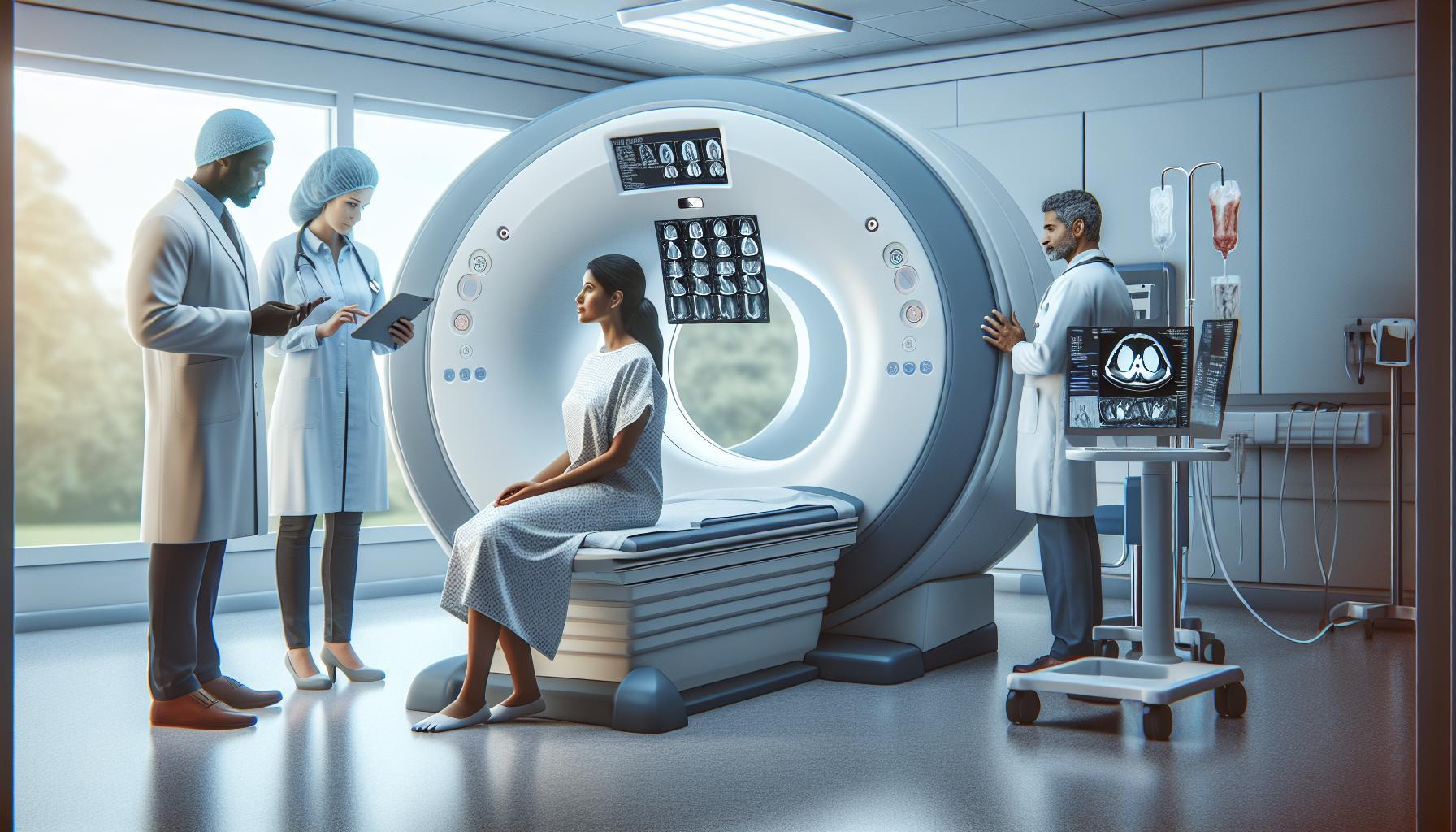
When considering a CT scan, patients may have questions about the safety and preparation for the procedure. It’s crucial to know that CT scans are non-invasive but involve exposure to radiation, which is typically low and well-regulated. During the procedure, patients lie on a table that moves through the scanner while the machine rotates around them, capturing images. To prepare, patients are generally advised to wear comfortable clothing without metal fasteners and may need to avoid eating or drinking for a few hours beforehand, depending on the scan type.
Ultimately, while CT scans serve a key role in diagnosing various conditions, recognizing their limitations helps set realistic expectations. Patients should consult their healthcare providers to understand the appropriate imaging techniques for their specific symptoms and the best course of action for diagnosis and treatment, fostering informed decision-making in their healthcare journey.
Can CT Scans Detect Nerve Damage?
CT scans are a cornerstone in diagnostic imaging, known for their ability to provide detailed images of internal structures. However, when it comes to detecting nerve damage, their effectiveness is limited. While CT scans excel at visualizing bony anatomy and detecting larger lesions or structural abnormalities, they fall short in evaluating the soft tissues where nerves reside. This is primarily due to the nature of CT imaging, which is not designed to provide the level of contrast required to visualize fine nerve structures.
One of the common misconceptions is that a CT scan can definitively reveal nerve damage. In reality, while a CT scan may show if there is an external factor affecting the nerves, such as a herniated disc or bone fragment, it does not directly visualize nerve injuries or damages. Nerve fiber injuries are microscopic and require other imaging techniques to assess them adequately. For instance, Magnetic Resonance Imaging (MRI) is often the preferred method for evaluating soft tissues, including nerves, as it offers better contrast and detail, crucial for identifying issues like nerve compression or inflammation.
Moreover, healthcare providers often take a comprehensive approach when evaluating nerve damage. This can include a combination of imaging techniques and clinical assessments. For example, if a patient presents with symptoms such as weakness, numbness, or pain, the physician may initially order a CT scan to rule out fractures or tumors before transitioning to MRI for more detailed assessment. This method ensures a more thorough evaluation and helps in determining the most appropriate treatment strategy.
For patients, understanding these differences can alleviate anxiety regarding their diagnostic journey. It’s vital to communicate openly with healthcare providers, ask questions about the imaging process, and discuss any concerns regarding symptoms. Empowerment through knowledge not only helps in making informed decisions but also enhances the overall experience, making the healthcare process more manageable.
Limitations of CT Imaging for Nerve Evaluation
The intricate structure of nerves, combined with their small size and the complexity of nerve damage, can make evaluation challenging, especially when relying on CT imaging. While computed tomography is a powerful tool in medical diagnostics, particularly for viewing bony structures and larger abnormalities, it possesses notable limitations in assessing nerve integrity and function.
CT scans primarily excel at visualizing the skeletal system and identifying significant pathologies, such as fractures or tumors. However, they lack the necessary resolution and contrast to depict fine nerve structures effectively, which can lead to a misunderstanding of their capabilities. For example, while a CT scan might reveal the presence of a herniated disc that could compress a nerve, it is far less equipped to show whether that nerve is actually damaged or inflamed. Consequently, a patient experiencing neurological symptoms may receive a CT scan that appears normal, potentially leading to misinterpretation of their condition and delayed diagnosis.
When considering imaging for nerve damage, it’s essential to understand that most nerve injuries are often microscopic. To visualize these, more sensitive modalities, such as Magnetic Resonance Imaging (MRI), are employed, as they provide superior contrast for soft tissues, including nerves. MRI is instrumental in identifying conditions like nerve compression, inflammation, or entrapment, offering a clearer picture of the underlying issues that a CT scan may overlook.
For those undergoing evaluation for nerve-related problems, it’s advantageous to discuss this diversity in imaging options with your healthcare provider. They can integrate the information from various imaging techniques to form a comprehensive assessment, ensuring that all aspects of nerve health are addressed. Open communication is crucial, allowing for tailored diagnostics that align with individual symptoms and medical history. Understanding these limitations empowers patients, helping reduce anxiety and setting realistic expectations as they navigate their healthcare journey.
Alternative Imaging Techniques for Nerve Damage
The intricacies of nerve damage often elude detection through conventional imaging techniques like CT scans, highlighting the necessity for alternative modalities that can provide a more detailed understanding of nerve structures and conditions. One of the most effective alternatives is Magnetic Resonance Imaging (MRI). Unlike CT scans, which rely on ionizing radiation and are adept at imaging bone, MRIs utilize powerful magnets and radio waves to create detailed images of soft tissues, making them particularly suited for visualizing the delicate architecture of nerves, nerve roots, and surrounding tissues. MRI can easily reveal issues such as nerve compression, inflammation, or damage due to trauma, providing invaluable insights into the patient’s condition.
Another promising technique is Ultrasound imaging, which uses high-frequency sound waves to create real-time images of nerves and surrounding structures. This can be especially beneficial in evaluating peripheral nerves and guided interventions like nerve blocks. Ultrasound not only assists in visualizing nerve entrapments and abnormalities, but also allows for dynamic studies, giving healthcare providers insight into how nerves function during movement, which can be crucial for diagnosing conditions such as carpal tunnel syndrome or other entrapment syndromes.
Electromyography (EMG) and Nerve Conduction Studies
Electromyography (EMG) paired with Nerve Conduction Studies (NCS) offers another layer of diagnostic capability. These tests assess the electrical activity of muscles and the speed of conduction of electrical impulses through nerves, respectively. EMG can help determine if nerve damage is present by evaluating muscle responses to stimulation, while NCS measures how well the nerves can transmit signals. Together, they can clarify the nature and extent of nerve injuries more accurately than imaging alone.
When considering these alternatives, it is essential for patients to communicate openly with their healthcare providers. Discussions regarding symptoms, prior imaging results, and the specific questions a patient might have are paramount in determining the most appropriate imaging technique. This collaborative approach not only helps tailor the diagnostic process to an individual’s needs but also alleviates anxiety, as patients gain a clearer understanding of their situation and the rationale behind the recommended imaging studies. With these advanced tools, physicians can paint a comprehensive picture of nerve health, leading to more accurate diagnoses and effective treatment plans.
Preparing for a CT Scan: What Patients Need to Know
Undergoing a CT scan can be a straightforward process, yet understanding how to prepare for it can help ease any concerns you might have. One interesting point to consider is that CT scans are typically quick-most scans last only a few minutes! However, being informed about the preparation steps can make the experience smoother and less stressful.
Before your CT scan, it is essential to discuss your medical history with your healthcare provider. Be open about any allergies, especially to iodine or contrast materials if you will receive them during the scan. Additionally, inform your doctor if you are pregnant or suspect you might be, as this will help them take necessary precautions. If you are taking medications, they may advise you on whether to continue them or not before the procedure.
To prepare physically for a CT scan, your provider may recommend fasting for a period leading up to the examination, particularly if you will receive contrast dye. Generally, fasting for about four to six hours is standard practice. Make sure to drink plenty of water to stay hydrated unless instructed otherwise. It is also wise to wear comfortable clothing without metal zippers or buttons, as they can interfere with imaging quality.
When you arrive for your appointment, you will be guided to the imaging room, where a technologist will explain the procedure. You will lie down on a table that slides into the CT machine. It may be beneficial to practice deep breathing or visualization techniques to remain calm during the scan, as you might need to stay still and possibly hold your breath for short periods while images are captured. Knowing what to expect can greatly reduce anxiety, allowing for a more comfortable experience. Always remember that your healthcare team is there to support you, so don’t hesitate to ask them any questions or express your concerns.
Interpreting CT Scan Results: What to Expect
Understanding how to interpret the results of a CT scan can be crucial for patients. It’s important to know that CT scans, while powerful diagnostic tools, have limitations when it comes to assessing specific nerve damage. The results you receive can provide valuable information but may require further evaluation to fully understand any nerve-related issues.
Once the scan is completed, the images are analyzed by a radiologist who specializes in interpreting imaging studies. The radiologist will look for signs of abnormalities such as structural changes or lesions in the tissues surrounding nerves. For instance, if there is compression of a nerve root due to a herniated disc or bones, this may be clearly visible. However, subtle nerve injuries or functional nerve damage might not be apparent on the scan, highlighting the inherent limitations of CT imaging in these scenarios.
Patients should expect to receive a report from the radiologist within a day or two, which will detail the findings. It’s common to have a follow-up appointment with your healthcare provider to discuss these results in detail. During this appointment, you can ask questions and express any concerns. Your doctor may explain next steps, which could include additional imaging studies, such as MRI scans, that can provide more detailed information about nerve tissues.
To empower yourself throughout this process, consider keeping a list of questions to ask your doctor. Examples might include inquiries about what specific findings mean in relation to your symptoms, whether further tests are needed, and the potential next steps for treatment based on the results. Remember, while CT scans are an important part of the diagnostic puzzle, ongoing communication with your healthcare team is essential for a comprehensive understanding of your health.
The Role of Radiologists in Nerve Assessment
Once the complex images generated by a CT scan are captured, they don’t just sit on a computer waiting to be interpreted; they are meticulously analyzed by radiologists. These medical professionals are experts in imaging technology and play a crucial role in determining the presence of nerve damage, particularly as CT imaging can illuminate structural changes around nerves.
Radiologists focus on identifying any potential abnormalities that may suggest nerve-related issues. For instance, they look for indicators such as herniated discs, fractures, or tumors that could compress nerve roots. The ability to detect visible anomalies is a strength of CT imaging. However, while a CT scan can show structural deformities that might impinge on nerves, subtle nerve injuries often go unnoticed. This is where the expertise of the radiologist becomes essential; they can guide further investigations when CT results might be inconclusive.
During the review process, radiologists will prepare a report summarizing their findings, which typically includes both the identified issues and potential implications for the patient’s condition. They may also recommend additional imaging studies, like MRIs, which provide a more nuanced view of soft tissues and are better suited for detecting functional nerve damage. Patients can feel empowered by knowing that their radiologist is not only interpreting their scan but also working collaboratively with their healthcare team to ensure comprehensive care.
Moreover, it’s vital for patients to understand that they can – and should – engage with their radiologists and healthcare providers. Asking clarifying questions about the results or discussing what steps might follow can alleviate anxiety and foster a more informed approach to their health care. This partnership ensures that all necessary perspectives are considered in the assessment of nerve function and overall well-being.
Common Misconceptions About CT Scans and Nerve Damage
Many people hold misconceptions about what a CT scan can reveal, especially when it comes to detecting nerve damage. One common belief is that CT scans can effectively assess and diagnose all types of nerve injuries. In reality, while CT imaging excels at visualizing bone structures and certain soft tissue abnormalities, it often falls short in portraying the detailed functionality of nerves. Unlike MRI, which provides clearer images of soft tissues, CTs primarily show structural changes that may indirectly suggest nerve issues. For instance, a herniated disc or fracture can be identified on a CT scan, but subtle nerve injuries themselves may not be visible.
Another misconception is that a normal CT scan guarantees that nerve damage does not exist. It’s crucial to understand that the absence of visible structural problems on a CT image doesn’t rule out nerve complications. Nerve injuries can be functional rather than structural, meaning they may not correspond to physical changes detectable by a CT scan. This often leads to frustration for patients seeking answers to persistent pain or numbness despite normal scan results. The nuances of nerve function require a more comprehensive approach that sometimes involves complementary testing, such as electromyography (EMG) or MRI, which provides a different perspective.
Patients should be aware that the role of radiologists is not merely to read CT results but to interpret them within the broader context of a patient’s symptoms and history. When communicating with healthcare providers, discussing any ongoing symptoms or concerns can aid in deciding the most appropriate imaging strategy. Engaging in an open dialogue helps ensure that all potential avenues for diagnosis and treatment are explored, empowering patients to take an active role in their healthcare journey.
It’s also essential to remember that technology is continuously evolving. While current CT scans may have limitations regarding nerve evaluation, ongoing advancements might enhance their capabilities in the future. Staying informed and involved in your care process while consulting with qualified professionals will equip you with the best approach to understanding nerve-related issues and ultimately lead to more effective management strategies.
Patient Testimonials: Experiences with CT Scans
Many individuals share their experiences with CT scans, often reflecting a mix of relief, anxiety, and hope. Understanding the limitations of CT imaging, especially in relation to nerve damage, helps patients set realistic expectations. For instance, one patient shared her journey after experiencing persistent back pain and numbness in her legs. Despite her worries, the CT scan results were normal, showing no fractures or obvious structural problems. This, while initially disheartening, opened the door to further discussions with her physician about nerve function, leading to additional testing with MRI and EMG, which ultimately provided a clearer picture of her condition.
Emphasizing the role of comprehensive evaluation, another patient highlighted how his initial CT scan did not reveal any nerve damage despite ongoing symptoms. He noted that while the CT provided clarity on structural issues, like bone alignment, it was the subsequent tests that identified a herniated disc impinging on a nerve. This underscores a crucial point: CT scans excel at visualizing certain structural abnormalities, but they may not capture the subtleties of nerve injuries that require more in-depth imaging techniques.
Preparing for a CT scan can also be an anxiety-filled experience. Several patients reflected on their pre-scan nerves and shared practical advice. Many highlighted the importance of discussing their specific symptoms with healthcare providers beforehand, which can aid radiologists in contextualizing the findings. One thoughtful patient prepared herself by writing down all her symptoms and questions, making her consultation more productive. This proactive communication transformed her anxiety into empowerment, ensuring that her concerns were addressed during the imaging process.
Ultimately, sharing these experiences is about fostering understanding and patience throughout the diagnostic journey. Many patients found solace in the fact that a negative CT result does not equate to an absence of issues. This perspective not only alleviated their anxiety but also encouraged a broader approach to diagnosis-one that emphasizes the importance of collaboration between patients and healthcare professionals in determining the most effective pathway to treatment. No matter the outcome of a CT scan, the journey of inquiry and exploration is just as critical to health management.
When to Seek Further Evaluation After a CT Scan
Patients often find themselves in a difficult position when their CT scan results come back normal, despite persistent symptoms. Understanding when to seek further evaluation can significantly affect patient outcomes and lead to the identification of underlying issues that may require additional testing or intervention. If you continue to experience unexplained pain, weakness, or numbness in your limbs after a CT scan, it’s essential to consult with your healthcare provider to discuss your concerns and potential next steps.
One critical aspect to consider is the nature of your symptoms. Symptoms that progressively worsen or are accompanied by new developments, such as bowel or bladder dysfunction, significant weakness, or loss of coordination, warrant immediate attention. These could be indicators of serious underlying conditions that a CT scan may not detect. Moreover, if your healthcare provider has not identified a clear cause for your symptoms, consider asking for a referral to a specialist, such as a neurologist or orthopedic surgeon, who can offer a fresh perspective and recommend advanced imaging methods, such as MRI or electromyography (EMG), which are more effective in evaluating nerve damage.
It’s also crucial to advocate for yourself during follow-up visits. Prepare a thorough list of your symptoms, their progression, and any factors that alleviate or exacerbate them. This documentation can provide valuable insight for your doctor. Additionally, if you feel that your concerns are not being addressed, do not hesitate to seek a second opinion. Engaging in open dialogue about your worries is a vital step toward obtaining the appropriate care.
In cases where additional evaluations are necessary, your healthcare team will work with you to outline the process, suggesting tests tailored to your needs based on the initial findings. Emphasizing the importance of recognizing ongoing symptoms and seeking further evaluation can lead to accurate diagnoses and effective treatment plans, paving the way for improved health and well-being. Remember, navigating healthcare can feel overwhelming, but being proactive in your evaluation journey is a key part of advocating for your health.
Future Innovations in CT Imaging Technology
The landscape of CT imaging technology is rapidly evolving, promising enhanced capabilities that may significantly improve the detection of nerve damage and related conditions. Innovations in this field aim not only to provide clearer images but also to minimize exposure to radiation and reduce scan times, making the process more accessible and less stressful for patients.
One exciting advancement is the development of dual-energy computed tomography (DECT). This technique utilizes two different energy levels during the scan, allowing for better differentiation of tissues and the ability to create more detailed images of nerve fibers. By improving contrast resolution, DECT can potentially identify subtle changes in nerve structures that traditional CT scans might miss.
Moreover, the integration of artificial intelligence (AI) in CT imaging is revolutionizing the way scans are interpreted. AI algorithms can assist radiologists by automatically highlighting potential areas of concern, enhancing diagnostic accuracy. For patients, this means quicker turnaround times for results and a more streamlined process for identifying underlying issues. AI’s ability to learn from vast datasets may also lead to more personalized and precise evaluations over time.
Benefits of Future Innovations
- Increased Precision: Enhanced imaging technologies could improve the detection of small nerve issues.
- Reduced Radiation Exposure: New scanning techniques and protocols aim to lower the dose of radiation patients receive.
- Faster Scanning Times: Innovations are focused on speeding up scan durations, minimizing discomfort and anxiety.
As these advancements continue to unfold, they underscore the importance of staying informed and engaged with your healthcare provider. Patients are encouraged to ask about new technologies available in their imaging facilities and discuss how these innovations might impact their diagnostic process. Emphasizing collaboration between patients and healthcare professionals can foster a better understanding of ongoing symptoms and the best possible approaches to evaluation.
FAQ
Q: Can a CT scan help in diagnosing nerve disorders?
A: Yes, a CT scan can assist in diagnosing nerve disorders by providing detailed images of the structures surrounding nerves, such as bones and soft tissues. However, it is not the most effective method for directly visualizing nerve damage, as some nuances may be missed. Consider complementary imaging techniques for more comprehensive evaluation.
Q: What are the limitations of CT scans for nerve evaluation?
A: CT scans have limitations in assessing nerve damage, primarily because they visualize anatomical structures rather than the nerves themselves. They may not detect subtle changes in nerves and can miss conditions like neuropathy. Alternative imaging methods, such as MRI, often provide better detail for nerve assessment.
Q: How can I prepare for a CT scan focused on nerve assessment?
A: To prepare for a CT scan, inform your healthcare provider of any medications, allergies, or previous medical conditions. Follow fasting guidelines if advised, and wear comfortable clothing without metal fasteners. During the exam, stay still and follow instructions for the best imaging results.
Q: What should I expect from CT scan results regarding nerve damage?
A: CT scan results will typically be available within a few days. They will highlight any abnormalities in surrounding tissues but may not provide conclusive evidence of nerve damage. Discuss results with your healthcare provider to understand their implications and consider further tests if needed.
Q: Are there alternative imaging techniques to CT scans for detecting nerve damage?
A: Yes, MRI is frequently used as an alternative to CT scans for detecting nerve damage. It offers superior soft tissue contrast, allowing for better visualization of nerve structures. Other options include ultrasound and electromyography (EMG), which can help assess nerve function more effectively.
Q: When should I consider a follow-up after a CT scan for nerve assessment?
A: Follow-up after a CT scan is advisable if the initial results were inconclusive or if symptoms persist. Discuss with your healthcare provider the need for further evaluations or alternative imaging studies to clarify any concerns regarding nerve damage.
Q: What are common misconceptions about CT scans and nerve damage?
A: A common misconception is that CT scans can reliably diagnose nerve damage, when in reality, they are primarily used for evaluating bones and surrounding tissues. Many patients believe CT scans can replace MRI; however, MRI is generally preferred for nerve assessments due to its detailed imaging capabilities.
Q: How accurate are CT scans in detecting conditions related to nerve issues?
A: CT scans can accurately detect structural issues that may affect nerves, like tumors or fractures. However, their accuracy in diagnosing specific nerve conditions is limited, often requiring complementary imaging techniques for a full assessment of nerve health. Consult a specialist for tailored insights.
The Conclusion
In conclusion, while CT scans are a valuable tool for diagnosing many conditions, they have limitations when it comes to assessing nerve damage. Understanding these limitations empowers you to have informed discussions with your healthcare provider about alternative imaging methods that might be more effective for your specific needs. If you’re seeking more insights, check out our articles on “MRI vs. CT: What You Need to Know” and “Understanding Nerve Damage: Symptoms and Treatment Options.”
Don’t forget to take the next step towards your health-consider scheduling a consultation with your doctor to explore your symptoms further. And if you found this information helpful, sign up for our newsletter for more expert advice and resources that will keep you informed. Your health is important; stay proactive and engaged in your care journey!