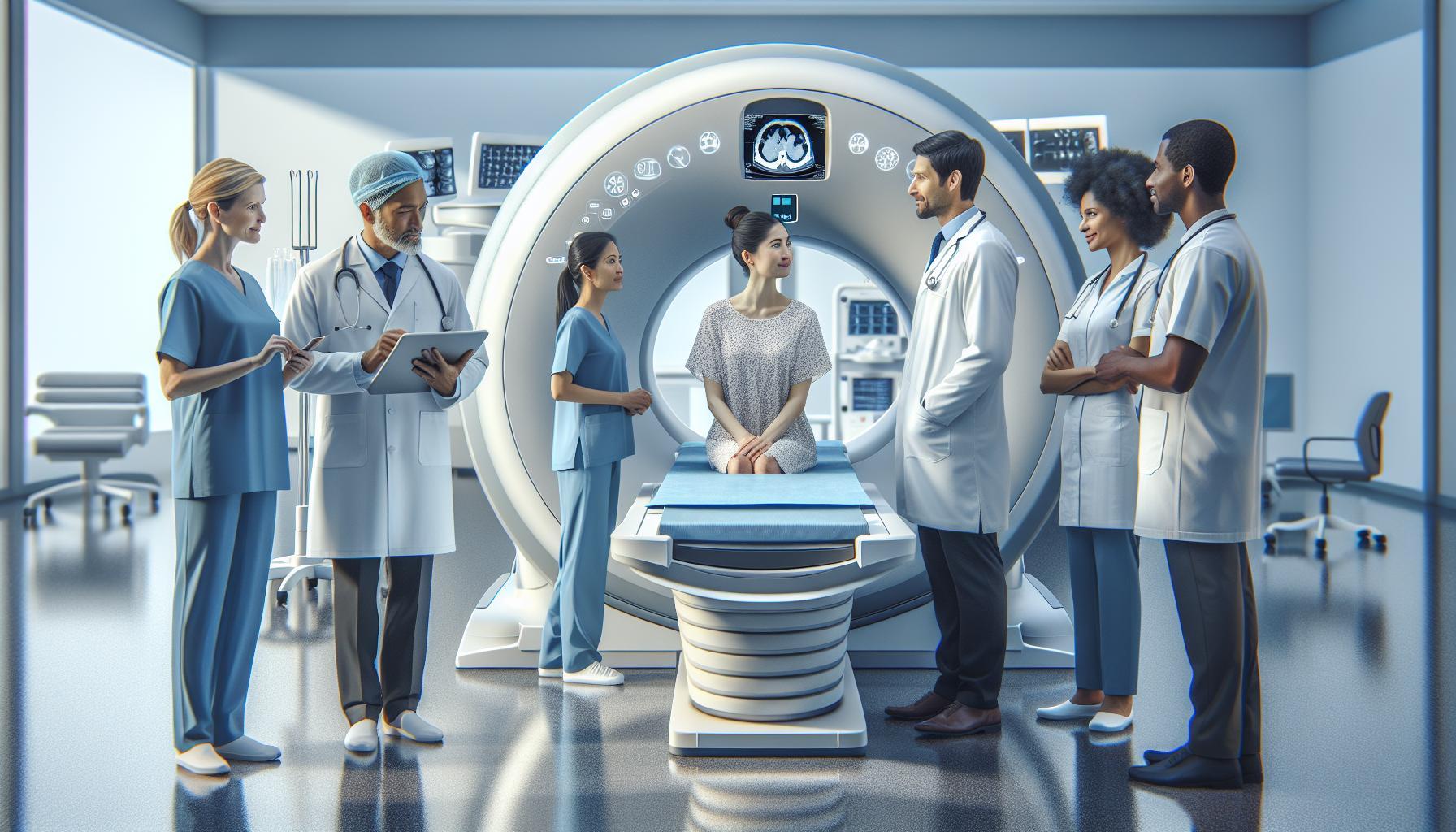
When it comes to brain health, timely detection can make a significant difference, especially regarding conditions like brain cancer. A CT scan, or computed tomography scan, is a powerful imaging tool that helps healthcare professionals visualize the brain and identify any abnormal growths. Understanding how these scans work and their role in diagnosing brain cancer can empower you with essential knowledge about your health.
If you’ve been experiencing concerning symptoms, such as persistent headaches or changes in vision, a CT scan may be a crucial step in finding answers. Throughout this article, we will explore the process of a CT scan, what it can reveal about your brain health, and why consulting with a healthcare provider is vital for personalized medical advice. Your health matters, and being informed can help alleviate anxiety and guide you toward the right steps for diagnosis and treatment.
Understanding CT Scans: A Patient’s Guide
A CT scan, or computed tomography scan, offers a powerful method for obtaining cross-sectional images of the body, making it an invaluable tool in modern medicine. This imaging technique is particularly effective for visualizing various brain structures, providing detailed information that can be crucial for diagnosing conditions such as brain cancer. CT scans use X-ray technology combined with computer algorithms to produce sharp, clear images, allowing healthcare professionals to detect tumors, bleeding, and other abnormalities within the brain.
When preparing for a CT scan, it’s essential to know what to expect and how to optimize your experience. The procedure generally takes about 10 to 30 minutes, depending on the complexity of the images required. Patients are typically asked to lie down on a table that slides into a large, doughnut-shaped machine. It’s important to remain still during the scan to ensure that the images are not blurred. The technician may provide you with earplugs or headphones to minimize noise, as the machine produces a series of clicking and whirring sounds while it operates.
For individuals considering a CT scan for brain cancer detection, understanding key symptoms that prompt such imaging is beneficial. These may include persistent headaches, seizures, unexplained nausea, visual disturbances, or sudden cognitive changes. Discussing these symptoms with a healthcare provider can lead to timely diagnosis and treatment.
Preparation is also essential. Patients are advised to inform their doctors about any medications, allergies, or health conditions prior to the scan. In certain cases, a contrast dye may be used to enhance image clarity. If this is necessary, you may need to fast for a certain duration before the procedure. Following the scan, results are typically available within a few days, and your doctor will discuss the findings with you to determine the appropriate next steps.
In summary, CT scans serve as a critical tool in the early detection and evaluation of brain abnormalities, including cancer. By understanding the process, preparing adequately, and communicating effectively with healthcare professionals, you can approach your CT scan with greater confidence and peace of mind.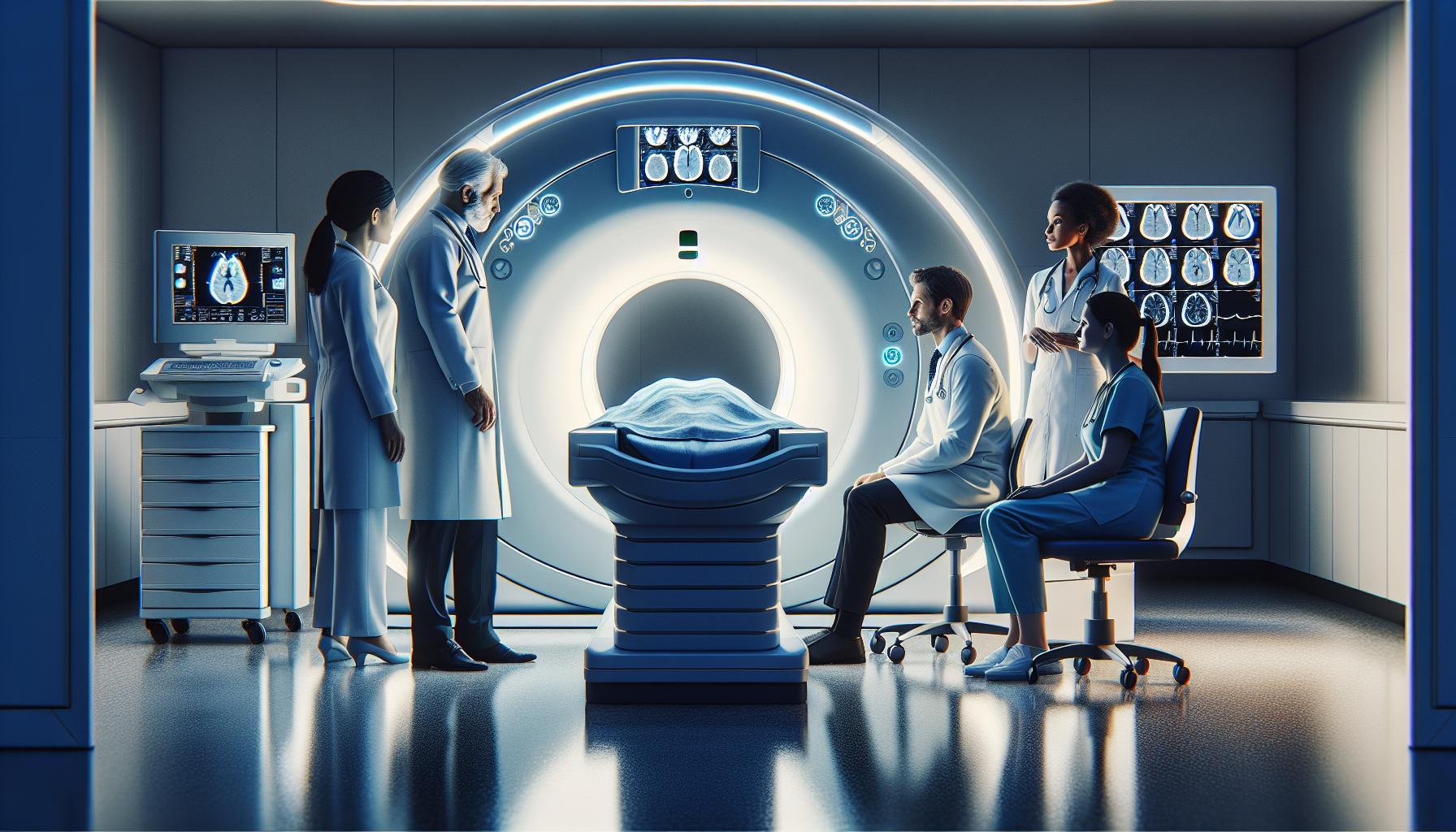
How Effective Are CT Scans for Brain Cancer Detection?
A CT scan stands out as one of the most powerful tools available for detecting brain cancer, offering rapid imaging that can reveal critical details about tumors and structural abnormalities in the brain. This advanced imaging technique employs multiple X-ray images taken from various angles, which a computer then processes to create cross-sectional views, equivalent to slices of bread in a loaf. These detailed images enable doctors to identify tumors, measure their size, and assess their exact location, which is vital for planning treatment effectively.
When evaluating the effectiveness of CT scans in brain cancer detection, studies indicate that they can be highly accurate, especially in identifying larger tumors or those that cause visible physical changes. For instance, CT scans are particularly useful in emergency situations, such as a patient presenting with severe headaches or neurological symptoms, leading to immediate intervention if a mass is identified. Nonetheless, it is essential to recognize that while CT scans are excellent for initial assessments, they may not always reveal smaller tumors or subtle brain tissue changes as clearly as other imaging techniques, like MRI scans.
Factors Influencing Effectiveness
Several factors can influence how effectively a CT scan detects brain cancer:
- Size and Type of Tumor: Larger tumors are generally easier to detect than smaller ones. Certain types of tumors may also have characteristics that make them more visible on a CT scan.
- Contrast Dye: Often, a contrast dye is administered to enhance visibility. This dye helps outline blood vessels and highlights abnormalities in the brain, providing clearer images for diagnosis.
- Patient Factors: Individual patient anatomy and existing conditions can affect image quality. Obesity or certain health conditions may obscure images and make interpretation more challenging.
Ultimately, while a CT scan is a critical tool in the diagnostic process, it is not the sole determinant in confirming brain cancer. Collaboration with healthcare professionals and follow-up procedures, such as MRI scans or biopsies, are often necessary to confirm a diagnosis and plan appropriate treatment pathways. By engaging in open discussions with your healthcare team, you can better understand how these imaging tools work together to provide a comprehensive view of your health.
Key Symptoms That Prompt a CT Scan
Experiencing unexplained symptoms can be unsettling, especially when they relate to brain health. Certain signs warrant attention and may lead your healthcare provider to recommend a CT scan as a diagnostic tool. Recognizing these symptoms early can play a crucial role in timely intervention and management, making it essential to be aware of what to look for.
Common symptoms that may prompt a CT scan include persistent headaches that seem different from usual headache patterns. These can be indicators of increased intracranial pressure or the presence of a tumor. Other significant signs include sudden changes in vision, such as blurred or double vision, which could suggest pressure on the optic nerve or other neurological issues. If you experience confusion, difficulty speaking, or significant memory problems, these may also lead to a CT scan, as they can be suggestive of serious underlying conditions, including tumors or bleeding.
It’s important to note the role of seizures and neurological deficits, such as weakness or numbness in a limb. If a person has a sudden onset of these symptoms, especially if they are accompanied by altered consciousness, a CT scan may be necessary to rule out structural abnormalities. Ultimately, your healthcare provider will combine these symptoms with clinical examination findings to determine the appropriateness of imaging tests like a CT scan.
If symptoms worsen or new ones emerge, seek medical attention promptly. Engaging in open discussions with your healthcare team, based on your unique health situation, can assist you in understanding the necessity of a CT scan and what steps you should take next. Remember, early detection is key and can significantly influence outcomes in managing potential brain-related conditions.
What to Expect During a CT Scan Procedure
Undergoing a CT scan can be a vital step in diagnosing brain cancer or other neurological conditions, but many patients find themselves anxious about what the procedure entails. Knowing what to expect can greatly alleviate nervousness and prepare you for the experience. A CT scan is a painless, non-invasive imaging procedure that uses X-rays to create detailed images of the body’s internal structures, including the brain.
When you arrive for your CT scan, the first thing you’ll encounter is the friendly healthcare staff. They’ll guide you through the process and answer any questions you may have. Typically, you will be asked to change into a hospital gown to ensure that any metal objects are removed, as these can interfere with the imaging. Depending on the type of scan being performed, a contrast dye may be administered intravenously, allowing for clearer images of the brain. This contrast material helps to highlight areas of concern, making it easier for doctors to identify any abnormalities.
Once you’re ready, you’ll lie down on a narrow table that slides into the CT scanner, which resembles a large doughnut. It’s important to remain still during the scan to produce clear images. The machine will emit a series of X-ray beams that rotate around you, capturing images from various angles. You may hear buzzing or clicking sounds as the machine operates, which is perfectly normal. The entire process typically takes only about 10 to 30 minutes, but it can feel longer if you’re feeling anxious. Taking deep breaths and focusing on relaxing can help ease any discomfort or tension you may experience.
After your scan, the images will be reviewed by a radiologist who will prepare a report for your doctor, detailing any findings. You’ll usually receive your results during a follow-up appointment, allowing for a thorough discussion about any next steps based on the findings. Remember, while waiting for results can be stressful, the information gained from a CT scan is crucial in ensuring proper diagnosis and treatment. Engaging with your healthcare team about any worries or questions can provide additional reassurance during this process.
Preparing for Your CT Scan: Tips for Patients
Undergoing a CT scan is a crucial step in diagnosing conditions such as brain cancer, and preparing adequately can significantly ease the experience. Taking a few proactive steps can help streamline the process and minimize any anxiety you may feel. First and foremost, it’s important to confirm your appointment details, including the time and location, to ensure a smooth check-in.
Before your scan, you may need to refrain from eating or drinking for a few hours, especially if contrast dye will be used. This helps improve the quality of the images taken and reduces the risk of nausea during the procedure. Be sure to clarify any dietary restrictions with your healthcare provider beforehand. Understanding that the scan will typically take about 10 to 30 minutes helps set expectations; it can feel longer if you’re anxious, so consider practicing deep breathing or mindfulness techniques to stay calm while waiting.
On the day of your appointment, wear comfortable clothing that does not contain metal, such as zippers or buttons, which can interfere with the imaging. Arriving with a prepared list of your medical history, current medications, and any relevant allergies can also aid the healthcare staff in providing the best care possible.
After checking in, the staff will guide you through the steps involving any necessary preparations before entering the scanning room. If contrast dye is required, they will explain its purpose and how it enhances the imaging process. Additionally, don’t hesitate to voice any concerns or questions you have about the procedure-your comfort is a priority. This preparation not only sets the stage for a successful CT scan but also empowers you as an informed patient, reinforcing your partnership with your healthcare team during this important diagnostic process.
Risks and Safety of CT Scans: What You Need to Know
While CT scans are invaluable tools for diagnosing conditions such as brain cancer, understanding the associated risks and safety precautions is essential for patients. One of the primary considerations is the exposure to radiation. A CT scan exposes you to more radiation than traditional X-rays, which has led to concerns about the potential risk of developing cancer later in life. However, it’s important to note that the risk from a single scan is very small, often outweighed by the benefits of detecting serious health issues early. The diagnostic advantage provided by CT scans can outweigh the minimal risks, especially in cases where timely treatment could significantly improve outcomes.
Safety Precautions
Medical professionals implement several safety measures to minimize risks, especially regarding radiation exposure. Here are key points to note:
- Justification: Doctors typically recommend CT scans only when necessary, often based on the presence of specific symptoms or when other imaging techniques have not provided adequate information.
- Technique Optimization: Radiologists and technicians use techniques that limit radiation exposure, including adjusting the scan’s parameters to suit your size and the area being examined.
- Contrast Agents: If contrast dye is required, the radiology team will conduct an assessment to determine if you have any allergies or kidney issues, as these can complicate the use of these agents.
- Pregnancy Considerations: If there is a possibility of pregnancy, inform your healthcare provider, as they may suggest alternative imaging methods to avoid unnecessary radiation to the fetus.
Understanding these safety aspects can help patients make informed decisions regarding their health. Open communication with your healthcare provider can alleviate fears and ensure that necessary precautions are taken. This collaboration is vital, as your healthcare team can tailor their approach based on your specific circumstances, guiding you through the process with the utmost care and professionalism.
Interpreting CT Scan Results: A Closer Look
Understanding the results of a CT scan can feel daunting, especially when it involves concerns like brain cancer. It’s important to remember that these scans are powerful diagnostic tools, providing detailed images that help doctors identify potential issues. When interpreting the results, radiologists look for specific signs, including tumors, swelling, or abnormal growths in the brain. Each finding can indicate different conditions, some more serious than others, which is why having the results explained by a healthcare professional is crucial for clarity and reassurance.
Clear communication is essential once the scan is complete. Expect your healthcare provider to discuss the findings in depth, including what the results suggest about your health. For example, if a mass is found, it may require further evaluation through additional imaging or tests to determine if it’s benign or malignant. Understanding the terminology, such as “lesion” or “mass,” can be overwhelming. Therefore, asking questions about what each term means and how it relates to your health is vital in navigating this process.
In many cases, additional imaging techniques like MRI or PET scans may be recommended to gain a more comprehensive view. Patients may also be referred to a specialist, such as a neurologist or oncologist, for further assessment. Staying proactive by asking for second opinions or further tests can provide peace of mind and ensure that all possible health issues are thoroughly investigated. Remember that the discussion around your CT scan results should empower you with knowledge and the steps needed for your healthcare journey.
Ultimately, the experience of receiving CT scan results can evoke a range of emotions, from anxiety to relief. Keeping an open line of communication with your healthcare team will help ease these feelings and provide a sense of control over your health. Reviewing the results together allows you to build a personalized plan moving forward, focusing on what steps are necessary for your specific situation.
Alternatives to CT Scans for Brain Imaging
While CT scans are widely used to detect brain cancer, there are several effective alternatives that can provide valuable imaging information without exposing patients to ionizing radiation. These non-invasive techniques help obtain detailed images of the brain, allowing doctors to assess and diagnose a range of conditions, including tumors, infections, and structural abnormalities.
One prominent alternative is the Magnetic Resonance Imaging (MRI) scan. Utilizing powerful magnets and radio waves, MRI produces high-resolution images of the brain without radiation exposure. This method excels at visualizing soft tissues and can reveal subtle differences between healthy and affected areas, making it particularly useful for distinguishing between benign and malignant tumors. MRI scans can also provide different views and patterns, enhancing the ability to detect issues that might be missed on a CT scan. However, patients with certain implants or devices, such as pacemakers, may not be eligible for MRI due to the magnetic field.
Another option is the Positron Emission Tomography (PET) scan, a technique that can be used alongside CT or MRI to assess brain function and metabolism. PET scans involve injecting a small amount of radioactive glucose, highlighting areas of high activity, which may indicate tumor presence or other abnormalities. This functional imaging approach provides insights into how brain tissues are responding to disease, thereby helping healthcare professionals tailor treatment approaches effectively.
Additionally, Ultrasound is sometimes utilized, particularly in pediatric cases or when other methods are not viable. While less common for adults, it uses sound waves to create images of the brain and can be helpful in specific situations, such as assessing brain structure or blood flow.
When considering these alternatives, it’s essential to have an open and informed discussion with your healthcare provider. They can guide you toward the most appropriate imaging option based on your symptoms and medical history. Patients should feel empowered to ask questions about the different procedures, their purposes, and any associated risks. Remember, comprehensive imaging plays a crucial role in the effective diagnosis and treatment of brain cancer, so actively participating in the conversation about your care will help ensure the best possible outcomes.
Cost of CT Scans: What to Consider
The price of a CT scan can vary significantly based on multiple factors, making it essential to understand what influences these costs. On average, patients can expect to pay between $300 to $3,000 for a CT scan, depending on whether it’s performed at a hospital or an outpatient facility, the part of the body being scanned, and if contrast material is required for better image clarity. This substantial range emphasizes the importance of being informed and prepared when facing a CT scan.
When considering the cost of a CT scan, several elements come into play:
- Location: Prices can differ widely between urban and rural centers, as well as between hospitals and private imaging centers.
- Type of Scan: A simple head CT scan might cost less than a complex scan of the abdomen or pelvis that requires advanced imaging technology.
- Insurance Coverage: If you have health insurance, the out-of-pocket cost is often lower. It’s crucial to check with your provider to understand what is covered under your plan and any deductibles that may apply.
- Additional Fees: Be aware of potential extra costs, such as consultation fees, radiologist interpretation fees, or facility fees.
To navigate the financial aspects effectively, patients should consider reaching out to their healthcare providers or imaging facilities for detailed pricing before scheduling a CT scan. Many facilities provide financial counseling services, helping patients understand their options, including payment plans for those facing high costs. Additionally, having a conversation with your doctor about the necessity of the scan and discussing alternatives may offer pathways to save on expenses while still ensuring comprehensive care.
Being proactive and informed about the costs associated with CT scans not only alleviates potential financial stress but also empowers patients to make decisions based on their medical and financial needs. By asking the right questions and exploring available resources, you can ensure the imaging process is as smooth and transparent as possible, contributing positively to your overall healthcare experience.
The Importance of Follow-Up After Your CT Scan
A CT scan can serve as a crucial diagnostic tool, particularly in identifying conditions such as brain cancer. However, obtaining results from the scan is just the beginning of the journey. The follow-up process is vital for understanding the results, determining next steps, and ensuring comprehensive care. Not only does it provide a platform to discuss findings with healthcare professionals, but it also helps patients clarify any concerns they may have regarding their health.
After your CT scan, it’s common to feel a mix of anxiety and anticipation as you await further information. Scheduling a follow-up appointment with your doctor is essential to interpret the results effectively. Your healthcare provider can explain what the images revealed, discuss any abnormalities, and outline potential implications for your treatment plan. It’s a great time to discuss not just the results, but also the need for any further tests, such as MRIs or biopsies, which might be necessary for a definitive diagnosis.
During the follow-up, consider preparing a list of questions that you might have. This could include inquiries about the nature of the findings, treatment options, potential side effects, and the next steps in your care journey. Engaging actively in this conversation will help you feel more informed and empowered. It’s also an opportunity to discuss any symptoms you are experiencing, which can significantly impact treatment decisions.
In cases where a potential issue is identified, having a solid follow-up plan is crucial. This may include referrals to specialists or scheduling additional imaging tests. A follow-up allows healthcare professionals to monitor your condition more effectively, fostering a responsive care approach tailored to your needs. Being involved in this process not only aids in the timely identification of any changes but also helps you feel more assured and supported throughout your treatment journey. Always prioritize open communication with your healthcare team; they are your best resource for navigating the complexities of your health post-scan.
Expert Insights: When to Consult a Specialist
If you’re experiencing persistent headaches, sudden changes in vision, or seizures, it’s essential to consider consulting a specialist, as these may be signals warranting further examination through advanced imaging technologies like CT scans. Patients often find themselves unsure about when to reach out for expert advice. Recognizing the signs can make a vital difference in early detection and treatment, particularly concerning serious conditions such as brain cancer.
When contemplating whether to seek a consultation, pay attention to specific symptoms that are not only disconcerting but also persistent. These may include:
- Frequent or worsening headaches: Especially those that seem different from usual headache patterns.
- Unexplained nausea or vomiting: Particularly if coupled with headaches and vision changes.
- Neurological deficits: Such as weakness, numbness, difficulty speaking, or balance issues.
- Changes in mood or personality: Significant shifts that can indicate underlying issues in brain function.
If you experience any of these symptoms, it’s prudent to consult with a healthcare provider who may recommend a CT scan as a first step. After the scan, interpreting the images can be complex, requiring the expertise of a specialist in radiology or neurology. Following a diagnosis, specialists such as neuro-oncologists or neurosurgeons can provide tailored treatment options and management plans that are crucial for your condition.
Even if initial symptoms appear vague or unrelated, a proactive approach to your health is essential. Engaging a specialist early not only facilitates timely interventions but also fosters a holistic care environment where your concerns are addressed comprehensively. Timely consultation and subsequent imaging can provide clarity and peace of mind, allowing for a strategic and informed approach to your health journey. Always prioritize clear communication with your healthcare team, as their insights will empower you to navigate the complexities surrounding your symptoms and help you understand the role of imaging technology in your diagnosis and treatment.
Patient Stories: Experiences with CT Scans and Brain Cancer
In the journey to understand brain health, many patients find themselves navigating the uncertainties surrounding CT scans and the potential for brain cancer diagnosis. For Sarah, a vibrant 37-year-old mother of two, a seemingly innocuous series of migraines led her down this path. After experiencing persistent headaches that grew increasingly severe, she sought medical advice. Her physician recommended a CT scan, stating it was a crucial step in ruling out serious conditions, including brain cancer. As Sarah prepared for her scan, she was inundated with questions and fears, a common scenario for many in her shoes.
The waiting room on the day of her scan was filled with apprehension, but the staff’s professionalism eased her anxiety. She described the CT scan process as straightforward, with clear instructions from the technicians. “They explained everything to me in detail, from how I’d need to lie still to the sounds I would hear during the scan,” Sarah recalled. This kind of transparency is important; patients should feel informed and supported. She marveled at how quickly the procedure was completed, shedding some of her initial fears.
When the results came back, the relief she felt was palpable. Fortunately, Sarah was cleared of brain cancer-her headaches were attributed to tension and stress rather than anything more serious. This experience empowers her to advocate for herself and others, emphasizing the importance of recognizing symptoms and seeking timely medical assistance. “Don’t hesitate to ask for a CT scan if something doesn’t feel right,” she advises fellow patients. Her story highlights that while CT scans are an essential tool for detecting brain issues, proactive communication with healthcare providers is crucial for peace of mind and proper care.
Another patient, John, had a different experience. After undergoing a CT scan due to unexplained nausea and memory changes, he received a diagnosis of a brain tumor. While his world felt turned upside down, he found strength in the support from his healthcare team. “The doctors walked me through every step, from diagnosis to treatment options. They made sure I understood what the images showed and involved me in the decision-making process,” he shared. John’s story showcases not just the technology behind CT scans but also the critical role of compassionate care in navigating the emotional implications of such news.
Both Sarah and John’s experiences resonate with the broader narrative of patients confronting the complexities of potential diagnoses. Their journeys underscore the vital role of CT scans in brain cancer detection, while also illuminating the transformative power of empathy and clear communication in healthcare. Always remember, if you find yourself on a similar path, engage with your healthcare professionals, seek out answers, and trust in the process.
Q&A
Q: How accurate are CT scans in detecting brain cancer?
A: CT scans are quite effective in detecting brain cancer, especially when it comes to identifying larger tumors. However, they may not always detect small lesions or early-stage cancers. For better accuracy, a follow-up MRI might be recommended for a detailed evaluation.
Q: What symptoms indicate the need for a CT scan to check for brain cancer?
A: Persistent headaches, unexplained seizures, vision problems, changes in personality, and memory issues are key symptoms that may prompt a doctor to recommend a CT scan to explore potential brain cancer.
Q: Can a CT scan distinguish between different types of brain tumors?
A: While CT scans can reveal the presence of tumors and offer insights into their size and location, they usually cannot definitively differentiate between tumor types. For precise diagnosis, a biopsy or MRI may be necessary.
Q: Is a CT scan safe for all patients?
A: Generally, CT scans are safe for most patients; however, those with kidney issues or who are pregnant should consult their doctor first. It’s important to balance the benefits of imaging with any potential risks.
Q: How long does it take to get CT scan results for brain cancer?
A: CT scan results are typically available within a few hours to a day after the scan. Your doctor will discuss the findings with you and recommend any further action needed based on the results.
Q: What follow-up procedures might be necessary after a CT scan for brain cancer?
A: Following a CT scan, additional tests such as MRI scans, blood tests, or biopsies may be necessary to confirm a diagnosis or assess the tumor’s characteristics and grade.
Q: Can a CT scan show metastasis in brain cancer patients?
A: Yes, CT scans can help identify metastasis in brain cancer patients by showing secondary tumors and assessing their size and location within the brain, assisting in treatment planning.
Q: What alternative imaging methods can be used instead of a CT scan for brain cancer?
A: MRI scans are often used as an alternative, as they provide clearer images of soft tissues and can better differentiate between tumor types. PET scans can also be utilized for assessing metabolic activity of tumors.
In Retrospect
Understanding whether a CT scan can detect brain cancer is crucial for your peace of mind and health decisions. Remember, while CT scans are useful in identifying irregularities, consulting with your healthcare professional is essential to interpret results appropriately and determine the next steps. If you’re concerned about symptoms or the process itself, don’t hesitate to reach out for a personalized consultation.
For more insights, explore our guides on the differences between CT scans and MRIs, or check out our comprehensive overview of brain cancer signs and symptoms. Your health journey is important-subscribe to our newsletter to stay informed on the latest advancements in medical imaging and cancer detection. Together, we can empower your path to well-being.