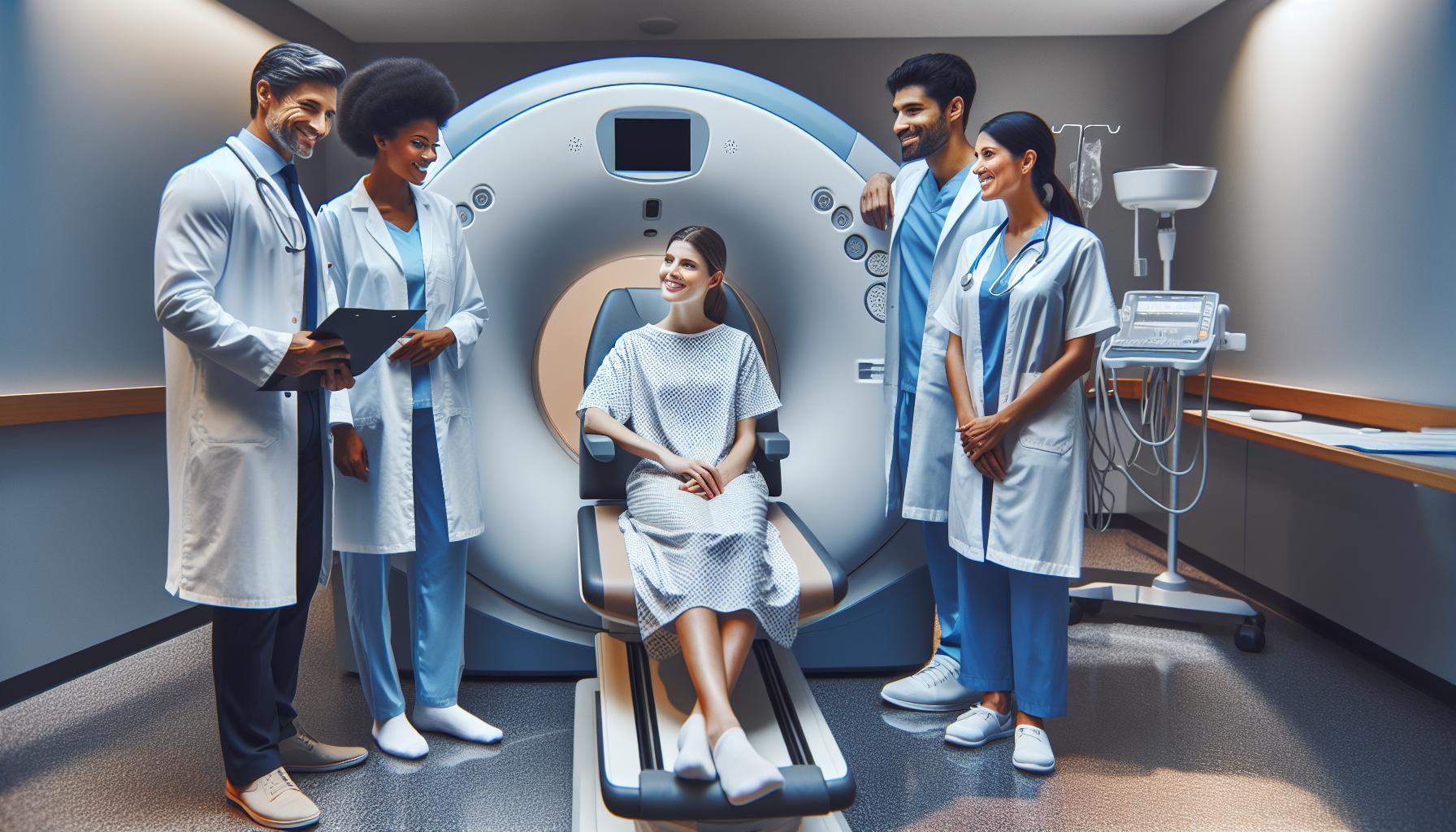
Did you know that lung cancer is one of the leading causes of cancer deaths worldwide? Early detection can significantly improve treatment outcomes, making regular screenings essential for those at risk. Understanding how often you should get a low-dose CT scan is crucial for your health, especially if you have a history of smoking or other risk factors.
This guide will walk you through the current guidelines for low-dose CT scans, helping you navigate how to protect yourself against lung cancer. As you consider your options, remember that personalized medical advice from your healthcare provider is invaluable, ensuring your screening schedule aligns with your individual health needs. Stay informed and empowered as you explore the vital steps in lung cancer prevention.
Understanding Low-Dose CT Scans: What You Need to Know
Low-dose computed tomography (LDCT) has emerged as a valuable tool in the early detection of lung cancer, a disease often diagnosed at advanced stages when treatment options become limited. The technology utilizes lower doses of radiation compared to traditional CT scans while maintaining high-quality imaging, allowing for the identification of potential lung abnormalities at their earliest, most treatable stages. This screening method is particularly noteworthy because it targets high-risk individuals, such as long-term smokers, providing a crucial opportunity for early intervention and significantly improving outcomes.
Understanding how LDCT works can ease any anxiety surrounding the procedure. A low-dose CT scan takes multiple X-ray images of the lungs from different angles and combines them using advanced computer processing to create detailed cross-sectional images. The scan itself typically takes only a few minutes, and minimal preparation is required. Patients are generally asked to avoid wearing clothing with metal fasteners and may be instructed to refrain from eating for a short period prior to the scan.
When it comes to interpreting the results of an LDCT scan, it’s essential to consult with healthcare professionals who can explain any findings. These professionals will assess whether any detected nodules are benign or require further evaluation. Remain engaged in your healthcare journey by discussing follow-up procedures or additional imaging tests if necessary. By leveraging the benefits of low-dose CT scanning, you empower both yourself and your healthcare team to make informed decisions about your lung health, enhancing the chances of positive outcomes through early detection and intervention.
Benefits of Low-Dose CT Scans for Diagnosis
Low-dose computed tomography (LDCT) has revolutionized the early detection of lung cancer, significantly enhancing the chances of successful treatment. Unlike traditional imaging techniques, LDCT utilizes lower doses of radiation while providing high-resolution images that can identify even small nodules within the lungs. This capability is critical because the earlier lung cancer is detected, the more treatment options are available, often leading to better outcomes. Studies show that LDCT screening can reduce lung cancer mortality by up to 20% for high-risk individuals, highlighting its importance in saving lives.
One of the standout benefits of LDCT is its ability to specifically target individuals who are at the highest risk for lung cancer, primarily long-term smokers or those with a significant smoking history. By focusing on these populations, LDCT screening serves as a proactive measure, transforming a reactive healthcare approach into one that emphasizes prevention and early intervention. The high sensitivity of LDCT means that even small, potentially invasive tumors can be detected before they progress, offering patients and their healthcare teams critical time to explore various treatment options.
Moreover, the information gained from an LDCT scan can lead to follow-up evaluations that may uncover other respiratory issues, such as chronic obstructive pulmonary disease (COPD) or emphysema, which could also benefit from early treatment. Many people may be unaware of these underlying conditions until they become more advanced, so this additional layer of health insight can be invaluable. As essential as the technology is, understanding and interpreting scan results-that arises from this imaging-requires the expertise of a qualified healthcare professional. Engaging with a doctor following an LDCT scan allows for a comprehensive understanding of the findings, whether they point to benign growths or require more rigorous investigation.
To maximize the benefits of LDCT screening, it is crucial to follow the current recommendations on frequency and eligibility, often based on age, smoking history, and other risk factors. For individuals aged 50 to 80 with a significant smoking history, staying informed about the guidelines ensures timely screenings. Ultimately, the peace of mind that comes from knowing your lung health status not only empowers individuals but can also lead to decisive actions that enhance quality of life and longevity. Always remember, the decision to undergo LDCT screening-and how often to do so-should involve careful consultation with your healthcare provider, tailored to your specific risk factors and health history.
Recommended Frequency for Low-Dose CT Scans
Screening for lung cancer using low-dose computed tomography (LDCT) is a critical step for early detection, particularly for those at heightened risk. For individuals aged 50 to 80, the U.S. Preventive Services Task Force (USPSTF) recommends annual LDCT scans if they have a 20 pack-year smoking history and either currently smoke or have quit within the past 15 years. This recommendation stems from significant evidence indicating that regular screening can reduce lung cancer mortality by approximately 20% in high-risk groups [1[1].
To maximize the benefits of LDCT screening, it’s important to adhere to these guidelines consistently. Individuals with a smoking history should engage in open discussions with their healthcare providers about their specific risks and whether annual screenings are appropriate. This proactive approach not only allows for the detection of lung cancer at an earlier, more treatable stage but also provides an opportunity to identify other potential respiratory issues, such as chronic obstructive pulmonary disease (COPD) or emphysema.
In summary, while the recommended frequency is annually for those who meet the criteria, personal factors should guide decisions. Every individual’s medical history and risk profile can differ, emphasizing the importance of tailored recommendations from healthcare professionals. Therefore, scheduling a discussion with a doctor about LDCT screening can empower individuals to take charge of their lung health and make informed decisions based on comprehensive assessments of risk and benefits.
Who Should Consider a Low-Dose CT Scan?
For those navigating the complexities of lung health, understanding who might benefit from a low-dose CT scan can be invaluable. This imaging technique is especially critical for individuals at heightened risk for lung cancer, including former and current smokers. The U.S. Preventive Services Task Force (USPSTF) recommends annual low-dose CT scans for adults aged 50 to 80 who possess a significant smoking history-specifically, a 20 pack-year smoking record-and who currently smoke or have quit within the past 15 years. This routine screening can reduce lung cancer mortality by about 20%, making early detection a key factor in improving outcomes.
It’s not only smokers who should consider low-dose CT scans. Individuals with a family history of lung cancer or other significant risk factors, such as exposure to asbestos or radon, should also have an open conversation with their healthcare providers. For example, if a person grew up in an environment where they were regularly exposed to secondhand smoke or hazardous materials, their risk may necessitate earlier and more frequent screening.
When contemplating a low-dose CT scan, individuals may feel anxious about the procedure or its implications. It’s important to remember that this test is a significant tool for detecting lung cancer at a stage when treatment is often more successful. Patients should engage with their healthcare providers to discuss their personal health histories, lifestyle choices, and any symptoms they may be experiencing, such as persistent cough or unexplained weight loss. These conversations can help determine whether low-dose CT scanning is appropriate based on individual circumstances.
Ultimately, the decision to undergo a low-dose CT scan should be made in collaboration with a healthcare professional, who can provide tailored advice based on personal health factors. Keeping an open line of communication with medical providers ensures that decisions made are informed, thoughtful, and aligned with one’s health goals. This proactive approach can empower individuals, giving them a clearer understanding of their lung health and the steps they can take to maintain it.
Preparing for Your Low-Dose CT Scan
Preparing for a low-dose CT scan may seem daunting, but understanding the process can greatly alleviate your concerns and pave the way for a smoother experience. This test is quick and painless, typically taking only a few minutes of your time. One of the significant advantages of low-dose CT scans is that they require minimal preparation compared to other medical procedures. However, there are still some steps you can take to ensure that everything goes as planned and that you feel comfortable during the process.
First and foremost, it’s essential to discuss any medications you take with your healthcare provider before your appointment. They may instruct you to continue your medications as usual or modify your regimen on the day of the scan. Additionally, let your doctor know if you have allergies, especially to iodine, as it can be a concern if contrast material is used. While most low-dose CT scans do not require contrast, knowing your medical history allows for a safer approach.
On the day of the scan, wear loose-fitting, comfortable clothing. This will not only help you relax but can also reduce the need to change into a hospital gown. It’s advisable to avoid clothing with metal fasteners, such as buttons or zippers, as these can interfere with the imaging results. If you’re wearing jewelry in the chest area, it’s best to remove it before the scan. Arriving at the facility ahead of your scheduled time allows you a moment to settle in and address any last-minute questions with the staff.
Stay hydrated, but consider avoiding caffeine beforehand, as it might increase anxiety. If you have any concerns or questions about the procedure, don’t hesitate to ask the radiology staff-they are there to help make the experience as stress-free as possible. This preparation not only helps you physically but also mentally, empowering you with knowledge and clarity as you head into your appointment.
What to Expect During a Low-Dose CT Scan
Undergoing a low-dose CT scan can feel a bit daunting, but knowing what to expect can significantly ease any apprehensions you may have. This procedure is designed to be gentle and non-invasive, primarily taking only about 10 minutes. You’ll be asked to lie down on a comfortable examination table that will move into the scanning machine, which looks like a large donut. It’s important to remain still during the scan to ensure clear imaging, and you might be instructed to hold your breath briefly while the machine captures images.
Before the scan begins, a technician will explain the process and address any questions or concerns you have. They will typically step out of the room but will monitor you through a window and can communicate with you via an intercom system if needed. Many patients find comfort in knowing that the staff is nearby, ready to assist at any moment.
During the scan, you may hear a whirring sound and experience slight movements as the machine rotates around you, capturing detailed images of your lungs. It’s perfectly normal to feel some vibrations from the machine, but the process is generally quiet and quick. For those who experience anxiety, bringing a friend or family member may provide additional reassurance, as having a support person present can help you feel more at ease.
After the scan is completed, you can typically resume your normal activities right away, as there are no post-procedure restrictions. You’ll receive instructions on when to expect your results and any follow-up steps necessary based on your individual health context. Always consult with your healthcare provider to discuss any concerns or specific questions about your health history that need addressing before scheduling your next screening. This proactive approach enhances your understanding and management of your lung health.
Safety Considerations and Risks of Low-Dose CT Scans
Understanding the nuances of safety when it comes to low-dose CT scans is essential for anyone considering this diagnostic tool. While these scans are designed to minimize radiation exposure-utilizing up to 90% less radiation compared to traditional CT scans-some risks still exist. The most significant concern revolves around the potential for radiation exposure to induce cancer over time, although the absolute risk remains low for most individuals, particularly when weighed against the benefits of early lung cancer detection in high-risk populations [[1](https://www.cancercenter.com/cancer-types/lung-cancer/diagnosis-and-detection/low-dose-ct-scan)].
Before deciding on the frequency of low-dose CT scans, it’s crucial to consider personal health factors and risk profiles. Individuals with a history of heavy smoking or those diagnosed with chronic lung conditions may find the benefits of regular screenings justify the potential risks. In these cases, the guidelines recommend discussing personalized screening schedules with a healthcare provider, ensuring that patients are fully informed about the safety aspects and underlying reasons for their scans. For the general population, the balance between diagnostic utility and radiation exposure needs careful consideration, especially when deciding how often to undergo screenings [[2](https://pmc.ncbi.nlm.nih.gov/articles/PMC9334854/)].
Assessing Personal Risk Factors
- Age: Older adults may be more susceptible to radiation-related risks.
- Health History: Previous radiation exposure and existing health conditions should be discussed with your doctor.
- Smoking Status: Current or former smokers often benefit from screening due to their increased lung cancer risk.
Moreover, it’s important to approach this procedure with open communication between patients and healthcare providers. If anxiety about radiation exposure looms large, discussing these concerns with a physician can lead to a better understanding of the potential risks versus the significant health benefits of early cancer detection. Being proactive about lung health and understanding the implications of each screening can empower patients to make informed decisions that best suit their individual circumstances.
How Low-Dose CT Scans Compare to Traditional CT Scans
Low-dose CT scans, often used for lung cancer screening, have revolutionized how we approach imaging in high-risk patients. They utilize a fraction of the radiation found in traditional CT scans-up to 90% less, significantly lowering the potential for radiation-related risks while still providing high-quality images. For instance, a traditional CT scan delivers a dose of about 10 millisieverts (mSv), whereas a low-dose CT (LDCT) scan typically only exposes the patient to about 1-2 mSv. This marked reduction makes low-dose CT a safer option without sacrificing diagnostic capability, especially in screening contexts where repeated scans may occur.
One of the standout benefits of low-dose CT scans is their effectiveness in detecting small nodules that might indicate early-stage lung cancer, a critical factor in enhancing patient outcomes through earlier interventions. While a standard CT scan is more comprehensive and may be necessary for diagnosing established conditions, the LDCT is specifically tailored for lung cancer detection, making it an essential tool in preventive care. Furthermore, because the scans require less radiation, they can be performed more frequently, which is beneficial for individuals classified as high-risk due to factors such as chronic smoking or a family history of lung cancer.
Patients can rest assured that transitioning to low-dose scans does not compromise the quality of care. Research has shown that LDCTs are superior to traditional chest X-rays in reliably identifying critical conditions at an earlier stage, a vital aspect of improving survival rates among lung cancer patients. However, it remains crucial for individuals to discuss their specific circumstances and the appropriate use of imaging with their healthcare providers, ensuring a tailored approach to screening that aligns with their health profiles and risk factors. This collaborative dialogue is essential for informed decision-making regarding how often a low-dose CT scan should be performed, ensuring that patients are both empowered and protected throughout their health journey.
Interpreting Your Low-Dose CT Scan Results
Understanding the results of your low-dose CT scan can be an anxiety-provoking experience, but it’s important to remember that this imaging tool is designed to help identify potential health issues early, especially in high-risk patients. The clarity provided by a low-dose CT scan can reveal small nodules or abnormalities in the lungs that might be signs of early-stage lung cancer. Knowing how to interpret these results can empower you to take control of your health.
When your doctor receives the results, they will categorize findings based on the characteristics of any nodules detected. Typically, three categories are used: normal, benign (not harmful), or suspicious. If your scan shows no nodules, this is usually a good sign, but your healthcare provider may recommend regular monitoring, particularly if you have risk factors such as a history of smoking. If nodules are present, their size and appearance will inform the next steps. For example, benign nodules may require no action, but larger or irregularly shaped nodules could warrant further investigation, possibly through additional imaging or a biopsy.
Communicating openly with your healthcare provider is crucial for understanding your specific results. Questions to consider asking include:
- What do my results mean in the context of my overall health?
- Should I be screened again, and if so, when?
- Are there any lifestyle changes I should consider based on these results?
It’s important to recognize that while the results of a low-dose CT scan can highlight potential health issues, they don’t always provide a definitive diagnosis. Many factors, including your medical history and risk profile, will shape how your healthcare provider interprets your results and what actions are recommended. Remember, the goal of this screening is not only to detect early signs of lung cancer but also to provide a pathway to timely and effective interventions. Collaborating with your doctor will ensure that your concerns are addressed and that you are well-informed about your health journey.
Cost Considerations for Low-Dose CT Scans
The affordability of low-dose CT scans can be a source of concern for many, especially for those with limited insurance coverage or high deductible plans. The cost of a low-dose CT lung screening typically ranges from $103 to $418, depending on factors such as location, facility, and whether insurance is applied [[1]](https://www.mdsave.com/procedures/low-dose-ct-lung-screening/d785f5cf). This variability underscores the importance of shopping around and comparing prices at different facilities to find the most reasonable rate.
When considering scheduling a scan, it is crucial to ask your healthcare provider about the specific costs associated with the procedure in your area and whether they can recommend facilities that offer competitive pricing. You may also inquire if there are any local programs or initiatives aimed at providing low-cost screenings, particularly if you fall into a high-risk category.
For those with insurance, it is equally essential to clarify with your provider which costs will be covered and what you may need to pay out of pocket. Many insurance plans cover low-dose CT scans for individuals considered at high risk for lung cancer, often based on age, smoking history, or other health factors [[3]](https://www.elcaminohealth.org/stay-healthy/blog/consider-low-dose-ct-scan-test-lung-cancer). In any case, discussing these financial considerations with your doctor can help ensure that you make informed choices regarding your health and well-being without undue financial strain.
Additionally, staying proactive by monitoring any potential changes in your health and discussing your screening options with your doctor can provide peace of mind and underscore the overall value of early detection. This approach not only supports personal health needs but also promotes a more significant understanding of potential cost implications, ultimately empowering you to manage your health proactively.
Insurance Coverage for Low-Dose CT Scans
Understanding the financial aspect of low-dose CT scans can significantly alleviate anxiety for patients considering this vital screening for lung cancer. Many people worry about costs, especially if they are underinsured or have high-deductible plans. It’s essential to recognize that Medicare Part B covers low-dose CT lung screenings for individuals meeting specific criteria, such as being a long-term smoker or being between the ages of 50 and 80 years. This coverage can help reduce out-of-pocket expenses for eligible patients significantly [[1]](https://www.medicare.gov/coverage/lung-cancer-screenings).
For those with private insurance, coverage can vary widely. Many plans are aligned with recommendations from the United States Preventive Services Task Force (USPSTF) and offer coverage for low-dose CT scans at no cost-sharing for patients at high risk. However, some “grandfathered” plans might not be required to provide this benefit without cost [[2]](https://www.lung.org/getmedia/36bf8cc4-4878-4289-969e-ee6b8b112e2a/lung-cancer-insurance-chart.pdf). Therefore, it’s crucial for patients to reach out to their insurance providers directly to confirm coverage details and any potential out-of-pocket costs they may face.
When preparing for your low-dose CT scan, consider discussing coverage with your healthcare provider. They can provide insights into local facilities that accept your insurance and may also be aware of community programs that offer financial assistance for screenings. Understanding your insurance benefits empowers you, allowing for informed decisions centered around your health without the added worry of unforeseen expenses. By proactively addressing these financial aspects, you can focus on the importance of early detection and the peace of mind it brings.
Consulting Your Doctor: When to Get a Low-Dose CT Scan
When it comes to lung health, knowledge is power. Consulting your doctor about the timing of your low-dose CT scans can significantly impact early detection and treatment outcomes for lung cancer. Health professionals typically recommend that individuals at high risk for lung cancer-such as those aged 50 to 80 with a history of heavy smoking-consider annual low-dose CT scans. This approach is supported by guidelines from trusted medical organizations that stress the importance of regular screenings in reducing lung cancer mortality rates.
During your appointment, it’s essential to have an open discussion about your personal and family medical history. Bring up any symptoms you might be experiencing, as well as your smoking history. This information helps your doctor assess your risk level accurately and determine the most appropriate screening schedule tailored to your circumstances. For example, if you recently quit smoking but have a long history of tobacco use, your doctor may still recommend annual screenings as a precaution.
Moreover, if you’re unsure whether you qualify for coverage, don’t hesitate to ask your healthcare provider for assistance. They can guide you through insurance considerations and help you understand the financial aspects of low-dose CT scans. Many insurance plans align with the recommendations of experts in the field, which means eligible patients might access screenings without additional costs. However, understanding your coverage facilitates peace of mind, allowing you to focus solely on your health.
Taking the initiative to consult your doctor about low-dose CT scans is a proactive step towards safeguarding your lung health. By being informed and involved in your healthcare decisions, you empower yourself to take charge of your well-being. Don’t hesitate to seek clarity on any doubts during these discussions; your health is paramount, and your doctor is there to support you in making informed choices.
Frequently Asked Questions
Q: How frequently should high-risk individuals get a low-dose CT scan for lung cancer?
A: High-risk individuals, such as those aged 50-80 with a smoking history, should ideally get a low-dose CT scan annually. Regular screening can aid in early detection, improving outcomes significantly. For more details, check the section on recommended frequency in your article.
Q: Are there any age restrictions for getting a low-dose CT scan?
A: Most guidelines suggest that individuals aged 50 and older are the primary targets for low-dose CT screening, especially if they have a significant smoking history. Discuss your personal risk factors with your doctor to determine the best approach.
Q: Can a low-dose CT scan replace other lung cancer screenings?
A: No, low-dose CT scans are used in conjunction with other screening methods. They are particularly effective in detecting lung nodules but should not be the sole option. Consult your healthcare provider about a comprehensive lung health strategy.
Q: What factors influence how often I should get a low-dose CT scan?
A: Factors influencing the frequency include age, smoking history, family history of lung cancer, and previous abnormal imaging results. Personal health conditions and lifestyle choices should also be discussed with a healthcare professional.
Q: How can I discuss the need for a low-dose CT scan with my doctor?
A: Prepare a list of your risk factors, such as smoking history or family history of lung cancer. Be proactive in asking your doctor about the appropriateness of screening for you, based on your age and other health issues.
Q: What should I do if I have a previous history of lung nodules?
A: If you have a history of lung nodules, you should follow up with your healthcare provider for personalized recommendations on the frequency of low-dose CT scans. Typically, ongoing monitoring may be necessary.
Q: What is the difference between annual scans and those obtained due to symptoms?
A: Annual scans are preventative measures for high-risk individuals, while scans due to symptoms are diagnostic. If symptoms arise, such as persistent cough or unexplained weight loss, it’s crucial to seek medical advice immediately.
Q: Is there any specific insurance coverage for low-dose CT scans?
A: Most insurance plans, including Medicare, cover annual low-dose CT scans for individuals at high risk of lung cancer. It is wise to verify specific coverage details with your provider or check the relevant sections regarding insurance coverage in your article.
Key Takeaways
Understanding the guidelines for low-dose CT scans can help you make informed decisions about your health and wellness. Remember, the frequency of these scans depends on individual health needs and risks, so it’s crucial to consult your healthcare provider for personalized advice. Don’t hesitate to explore more about the benefits and safety of medical imaging in our detailed guides on CT scan technology and preparations for imaging procedures.
If you found this information helpful, consider subscribing to our newsletter for updates on the latest health advice. Have more questions? We welcome your comments and thoughts below, as they enhance our community’s understanding. Your health journey is important-continue exploring our site for valuable resources tailored to your needs, and take the next step in caring for your well-being today!