In today’s fast-paced world, knowing where to seek immediate medical attention can make all the difference, especially when serious symptoms arise. Urgent care facilities have become go-to destinations for many non-life-threatening conditions, but did you know they often have the capability to perform CT scans? This can be a game-changer for patients experiencing acute issues like severe headaches or abdominal pain that may require rapid imaging for accurate diagnosis.
Understanding whether your local urgent care center offers CT scan services is crucial for your health and well-being. This guide will walk you through the types of imaging available at urgent care facilities, the circumstances that warrant such scans, and what to expect during the process. By empowering yourself with this knowledge, you can ensure timely and effective treatment, alleviating worries and fostering a smoother path to recovery. So, let’s explore how urgent care can meet your imaging needs and help maintain your peace of mind.
Understanding Urgent Care and Its Services
In today’s fast-paced world, many patients are seeking quick and convenient care options for non-life-threatening health issues. Urgent care facilities have emerged as a popular solution, offering a range of services that fill the gap between primary care and emergency departments. One vital aspect of their service offerings includes advanced diagnostic imaging technologies, such as CT scans. These scans provide crucial insights into a patient’s condition, offering quick and accurate diagnoses that help in determining the best course of treatment.
Urgent care centers typically provide CT scans for various conditions, such as assessing injuries from accidents, diagnosing infections, or evaluating internal organ issues. With the capability to conduct these scans on-site, facilities like Premier ER & Urgent Care enable patients to access necessary diagnostics without the need for a separate visit to a hospital or imaging center [[1]](https://www.premier.care/when-to-come/treatment-capabilities-procedures/labs-x-ray-ct-ultrasound/). This availability makes urgent care a convenient choice for patients who may require immediate imaging but do not need to visit an emergency room.
Understanding the structure of urgent care services is vital for patients. These facilities typically cater to non-life-threatening conditions, operating with extended hours, which makes them an accessible option during evenings and weekends. Key differences between urgent care centers and emergency rooms include the severity of the conditions treated-while urgent care handles minor injuries and illnesses, emergency rooms are equipped for higher acuity situations requiring immediate medical intervention [[3]](https://www.sutterhealth.org/health/urgent-vs-emergency).
As patients navigate their healthcare options, knowing when and where to seek care can alleviate anxiety and ensure prompt treatment. Emphasizing the importance of personalized advice from healthcare providers will empower patients to make informed decisions regarding their health and treatment paths.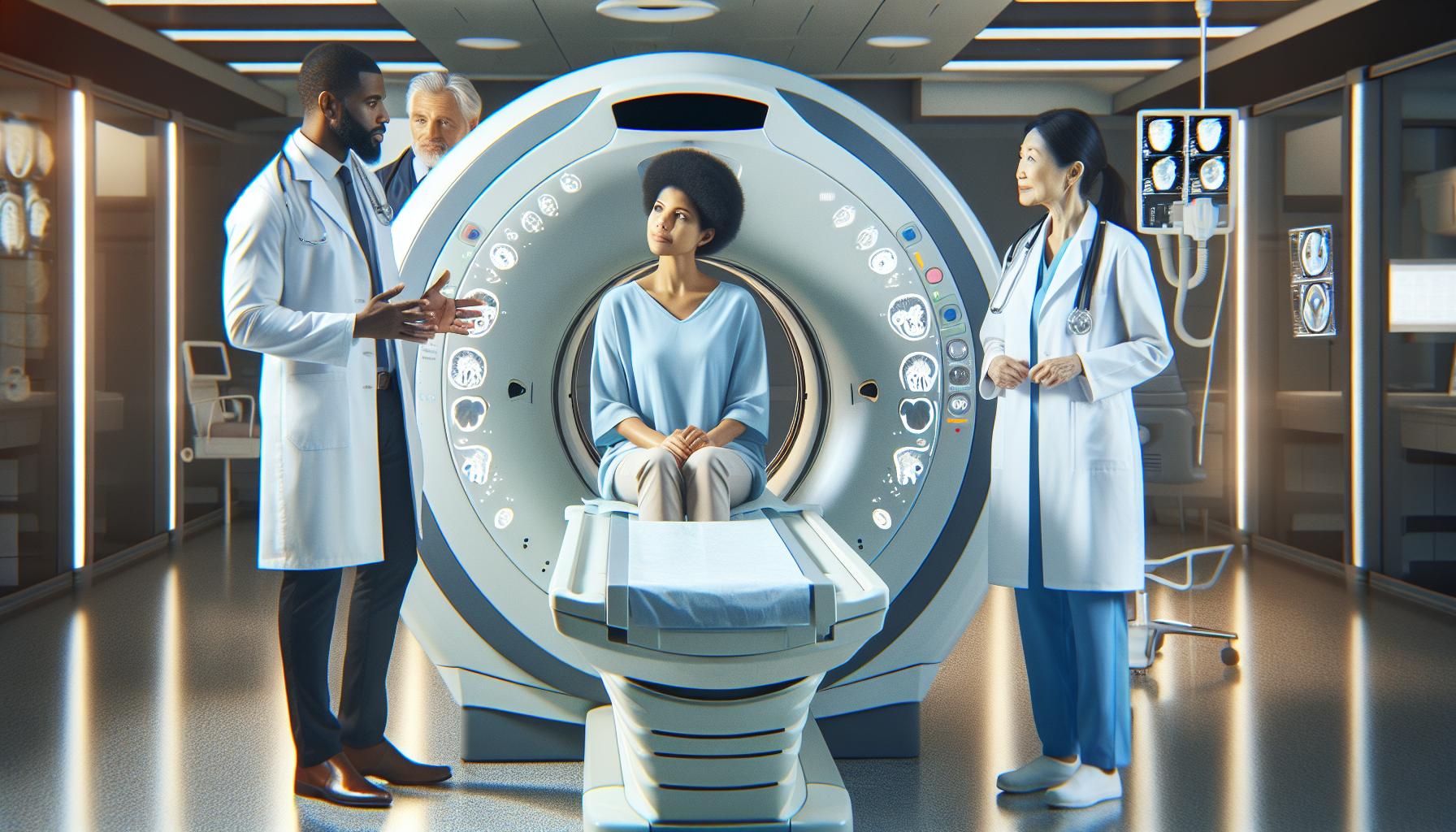
What is a CT Scan and When is it Used?
A CT scan, or computed tomography scan, is a powerful imaging technique that combines X-ray technology with computer processing to create detailed cross-sectional images of the body. This advanced imaging modality allows healthcare providers to visualize internal structures such as organs, blood vessels, and bones with exceptional clarity. CT scans are often utilized in urgent care settings for various situations, ranging from assessing trauma injuries to identifying conditions like pneumonia or kidney stones. Their speed and precision make them an invaluable tool when time is of the essence.
Urgent care facilities are equipped to perform CT scans for a range of medical concerns, typically when immediate diagnostics are crucial, but the situation does not warrant a visit to the emergency room. Common scenarios where a CT scan may be ordered include:
- Trauma Assessment: In cases of accidents, CT scans can rapidly determine the extent of injuries.
- Abdominal Issues: For conditions such as appendicitis or diverticulitis, swift imaging can guide treatment decisions.
- Chest Pain Evaluation: To investigate potential heart or lung issues, CT scans offer detailed views that support diagnoses.
When preparing for a CT scan, patients should be aware of a few essential guidelines to ensure a smooth experience. Firstly, it’s important to inform the healthcare provider of any allergies, particularly to contrast materials, as some CT scans may require an intravenous injection of contrast dye to enhance the images. Secondly, patients are usually advised to avoid eating or drinking for several hours before the scan, depending on the specific instructions given. This preparation helps optimize the accuracy of the results.
The procedure itself typically lasts only a few minutes. Patients lie on a motorized table that slides through a large, doughnut-shaped machine. During the scan, it’s crucial to remain still to avoid blurring the images, and the staff will provide clear instructions throughout the process. After the scan, patients can usually return to their normal activities almost immediately, unless otherwise instructed.
Understanding when a CT scan is most beneficial plays a significant role in navigating urgent care efficiently. For conditions that require rapid assessment, opting for urgent care with CT capabilities can lead to timely diagnoses and treatments, ensuring patients receive the care they need without unnecessary delays.
Availability of CT Scans in Urgent Care Facilities
Many people may not realize the range of diagnostic services available at urgent care facilities, including the increasingly vital CT scan. These scans provide quick, detailed images that are essential for diagnosing various medical conditions, making urgent care centers more than just a first stop for minor injuries and illnesses. Patients experiencing symptoms such as severe abdominal pain, head injuries, or unexplained chest pains can often have a CT scan performed on-site, ensuring a streamlined approach to diagnosis and treatment.
Urgent care facilities equipped with CT scan technology can facilitate timely medical interventions. Patients can generally expect these facilities to be staffed with trained professionals who can perform the scan and interpret initial results, helping to determine the next steps in the care pathway. This accessibility can be especially beneficial for those who might otherwise face long waiting times at traditional emergency rooms. By visiting an urgent care center with imaging capabilities, patients can receive immediate assistance while bypassing some of the hurdles typically associated with hospital settings.
When it comes to availability, many urgent care centers now integrate sophisticated imaging technologies to meet patient needs. Facilities like ContinuEM Urgent Care offer same-day CT scans, welcoming walk-ins for urgent cases. This means that in a matter of hours, patients can go from consultation to obtaining critical diagnostic results, which is particularly advantageous for time-sensitive medical issues. The convenience of having CT scans readily available helps alleviate patient anxiety, ensuring that they receive appropriate care without undue delay.
Choosing to go to an urgent care center that offers CT scanning not only supports a faster diagnosis but can also lead to more efficient treatment plans. It’s worth noting that while urgent care facilities are equipped to handle many urgent cases, patients should always consider the severity of their condition-emergency rooms are best suited for life-threatening situations. Understanding that urgent care centers can provide CT scans significantly broadens the options available for patients seeking quick medical attention, reinforcing the idea that immediate healthcare is not just limited to hospital emergencies.
Key Differences Between Urgent Care and Emergency Rooms
The distinction between urgent care centers and emergency rooms is vital for patients seeking timely medical attention. While both facilities aim to provide medical assistance, they cater to different levels of urgency and medical needs. Understanding these differences can help patients make informed decisions about where to go for their healthcare needs.
Urgent care centers are designed to handle non-life-threatening conditions that require prompt attention. These facilities typically manage issues like minor fractures, sprains, cold and flu symptoms, and cuts that may need stitches. They often offer convenient services, including lab tests and imaging services like CT scans, which can be performed on-site for quick diagnosis. Urgent care is usually less crowded, has shorter wait times, and is often more affordable than emergency rooms, making it an excellent option for many patients.
In contrast, emergency rooms are equipped to deal with severe and life-threatening conditions. This includes complex trauma, severe chest pain, or symptoms of a stroke. Emergency departments not only have access to high-level diagnostic tools and specialists but also operate 24/7 to address critical health situations. Patients in emergency rooms can receive comprehensive care beyond immediate treatment, including surgery or intensive care, which is typically unavailable in urgent care settings.
When deciding where to go, consider these key factors:
- Severity of Condition: For life-threatening issues, always choose the emergency room.
- Type of Care Needed: For minor injuries or illnesses like a cold or a sprain, urgent care is generally more suitable.
- Cost and Insurance: Urgent care visits are often less expensive and can be a better option financially for non-emergency situations.
- Time Sensitivity: If you need immediate care, urgent care centers can often provide faster service for non-critical issues.
By understanding these distinctions, you can choose the appropriate healthcare facility to meet your needs, ensuring that you receive the right level of care without unnecessary delays. Always remember to evaluate your symptoms and seek the appropriate care to ensure your health and safety.
Preparing for a CT Scan: What Patients Should Know
When facing the prospect of a CT scan, many patients may feel a mix of curiosity and anxiety. A CT scan, or computed tomography scan, provides detailed images of the inside of your body, which can be crucial for diagnosis and treatment planning. Understanding how to prepare for this procedure can help ease nerves and ensure the process goes smoothly.
Prior to your scan, it’s essential to follow specific guidelines provided by your healthcare provider. Here’s what you can typically expect:
- Fast Before the Procedure: Depending on the area being scanned, you may need to refrain from eating or drinking for a few hours beforehand. If your scan involves contrast material, your doctor will advise on fasting to ensure accurate results.
- Discuss Medical History: Inform your healthcare provider about any allergies, especially to contrast dye, as well as any medications you are taking. This information is vital to safeguard against potential complications during the scan.
- Clothing and Accessories: Wear comfortable, loose-fitting clothing and avoid jewelry, makeup, or accessories that could interfere with imaging. Often, you may be asked to change into a gown provided by the facility.
- Arrive Early: Give yourself extra time to check in, complete any necessary paperwork, and address any last-minute questions or concerns with your healthcare team.
During the procedure, it’s natural to feel a little apprehensive. The actual scan is quick, usually lasting only 10 to 30 minutes, and involves lying on a table that moves through the CT scanner. You’ll be asked to stay still and may be prompted to hold your breath for a few seconds while the images are taken. Knowing that this is a routine process often conducted in urgent care settings can help assuage anxiety.
Ultimately, preparing for a CT scan can be a straightforward process when you follow your healthcare provider’s instructions. Keeping open lines of communication with your medical team ensures you embark on this important diagnostic step with confidence and clarity.
The Process of Getting a CT Scan at Urgent Care
Undergoing a CT scan can be pivotal for diagnosing injuries and various medical conditions, and it’s increasingly common to access this imaging procedure in urgent care settings. In these facilities, patients often find a quicker alternative to traditional outpatient imaging centers or hospital emergency rooms in terms of both wait times and accessibility. Upon arrival at the urgent care center, you will typically check in and complete necessary paperwork. This initial step not only sets the stage for your visit but also allows the medical staff to gather crucial information regarding your health history and the specific reasons for the scan.
Once your paperwork is complete, you will be led to the imaging area, where a CT technician will explain the process and answer any questions. During the scan, you will lie on a narrow table that moves through the circular CT scanner. It’s important to remain still during the imaging, as any movement can affect the clarity of the pictures. The scan itself is relatively quick, generally taking about 10 to 30 minutes, depending on the area being examined. The technician may instruct you to hold your breath for short periods while the images are captured. Many patients report that the procedure is straightforward and accompanied by minimal discomfort.
To ensure a smooth experience, it is advisable to follow any pre-scan instructions your healthcare provider gives you, especially regarding fasting or preparation for any contrast materials that may be used. Following the scan, the images will be reviewed by a radiologist who will interpret the results and communicate them to your referring physician, who will then discuss findings and possible next steps with you. This timely process not only aids in immediate decision-making regarding treatment but also helps in relieving any anxieties or uncertainties you may have concerning your health.
By choosing urgent care for a CT scan, you can often benefit from reduced wait times and direct access to quality healthcare professionals, all while being assured of a supportive environment. If you have any additional questions or concerns before your appointment, don’t hesitate to reach out to the staff; they are there to assist you throughout the process.
Costs Involved: CT Scans at Urgent Care vs. Other Facilities
Undergoing a CT scan is an essential step for many patients facing urgent medical issues, but understanding the associated costs can significantly impact your decision-making process. One of the notable advantages of opting for a CT scan in an urgent care setting is the potential for more affordable prices compared to traditional hospitals. Generally, urgent care centers are designed to provide cost-effective healthcare solutions, and their pricing structure often reflects this mission. For patients with insurance, the out-of-pocket costs could be lower at an urgent care facility due to preferred provider agreements and bundled pricing options.
When comparing costs, it’s important to consider several factors. Urgent care centers typically charge between $300 and $1,000 for a CT scan, while emergency departments can charge anywhere from $1,000 to $3,000 for the same procedure. In addition to the scan itself, hospital fees may include facility usage, higher staffing costs, and additional tests that are automatically included during an emergency visit.
Factors Influencing Cost at Urgent Care
When you choose to get a CT scan at urgent care, several factors can affect your costs, including:
- Location: Prices vary by region and clinic. Urban centers may be pricier than suburban locations.
- Additional services: Some clinics may offer package deals that include consultations or follow-up appointments.
- Insurance coverage: Your individual plan benefits will significantly influence your out-of-pocket maximum. It’s vital to verify your coverage before your visit.
To alleviate any financial concerns, patients are encouraged to inquire about the full cost upfront and check if payment plans or discounts for self-pay options are available.
Ultimately, receiving a CT scan at an urgent care facility can streamline access to healthcare while potentially reducing financial burdens. It’s advisable to discuss costs with the administrative staff upon arrival and ensure that any concerns are addressed before the procedure, allowing you to focus on your health and recovery without undue worry about expenses.
Safety and Risks Associated with CT Scans
While CT scans are an invaluable tool for diagnosing medical conditions, it’s essential to understand both their safety and the risks associated with their use. CT scans utilize X-ray technology to generate detailed images of the body, which can help healthcare providers detect problems early. However, exposure to ionizing radiation is a significant concern. According to the American College of Radiology, although the radiation dose from a CT scan is typically low and considered safe for most patients, repeated exposure over time may increase the risk of developing cancer. This highlights the importance of discussing the necessity of a CT scan with your healthcare provider, who will weigh the benefits against the potential risks.
Before undergoing a CT scan, patients should also be made aware of the risks associated with contrast materials often used to enhance image quality. Some individuals may experience allergic reactions to the iodine-based contrast, which could range from mild reactions, such as hives, to more severe ones, requiring immediate medical attention. If you have a history of allergies or kidney problems, informing your healthcare provider prior to the scan is crucial, as they may recommend alternative imaging techniques or methods to mitigate these risks.
Patient Preparation and Safety Protocols
To ensure the safest experience, it’s crucial to prepare adequately for your CT scan. Here are some steps to follow:
- Consult your doctor: Discuss any current medications, allergies, and previous reactions to contrast agents.
- Maintain hydration: Drink plenty of fluids, especially if contrast dye is used, as this helps your kidneys process the dye more effectively.
- Follow pre-scan instructions: Depending on the type of scan, you may be advised to avoid food or drink for several hours beforehand.
While the prospect of undergoing a CT scan can be daunting, understanding the risks and involving your healthcare team in decision-making can significantly ease anxiety. Remember, the primary goal of a CT scan is to provide accurate and timely information that can lead to effective treatment. Always prioritize consulting with your healthcare provider about any concerns you may have and the necessity of the scan in your specific medical situation.
Understanding CT Scan Results: What to Expect
Understanding the results of a CT scan can be a crucial step in navigating your healthcare journey. CT scans produce detailed images of the inside of your body, allowing doctors to diagnose conditions more accurately and quickly. After the procedure, a radiologist will review the images and generate a report, which your healthcare provider will discuss with you.
Typically, the results may take anywhere from a few hours to a couple of days to be ready, depending on the facility’s protocols. During this waiting period, it is completely natural to feel anxious or concerned about what the findings might reveal. To navigate this, consider jotting down questions or concerns you have regarding your symptoms or the scan itself, which can help guide your discussion with your healthcare provider once the results are in.
When you receive your CT scan results, your doctor will explain what the images show in a way that’s tailored to your understanding. It’s essential to engage in this conversation actively; ask for clarification on anything that is unclear or concerning. Whether the results indicate a common issue or something that requires further investigation, knowing the next steps and treatment options can go a long way in alleviating anxiety.
In some cases, the findings may require additional imaging or alternative tests to provide a clearer picture. Remember that it’s normal for medical professionals to seek further confirmation or to explore different avenues depending on the initial findings of the CT scan. This approach ensures that you receive the most accurate diagnosis and appropriate care tailored to your needs. Always feel empowered to share your thoughts and concerns during these discussions, as a collaborative approach will enhance your understanding and comfort with the care plan moving forward.
Alternatives to CT Scans: When Are They Recommended?
When medical professionals suspect an underlying issue, they often explore various diagnostic tools to ensure that patients receive the most appropriate care. While CT scans are pivotal in certain situations, there are alternative imaging exams that may be recommended based on the patient’s symptoms, medical history, or potential risks associated with radiation exposure.
For instance, ultrasound is a valuable option for examining soft tissues, organs, and blood flow without the use of radiation. It is particularly effective for abdominal pain, vascular problems, and obstetrical imaging. Another common alternative is X-rays, which are useful for diagnosing fractures or examining chest conditions. X-rays expose patients to a negligible amount of radiation, making them a quick and efficient option for many urgent care scenarios.
When Are Alternatives Used?
Healthcare providers may choose alternatives to CT scans in situations such as:
- Pregnancy: To avoid radiation exposure to the developing fetus, ultrasounds are the preferred imaging method.
- Specific Injuries: Mild to moderate trauma may only require an X-ray for fracture assessment, as opposed to a more detailed CT scan.
- Follow-Up Exams: Sometimes, if initial imaging results are inconclusive, a provider might opt for an MRI instead, particularly for soft tissue evaluation or to avoid radiation exposure.
Consulting Your Healthcare Provider
The decision to use a CT scan or its alternatives should always involve an in-depth discussion with a healthcare professional. They can assess your specific situation, weigh the benefits and potential risks of each imaging modality, and recommend the most suitable option. Being proactive in these discussions can help ensure clarity and comfort with your medical journey. Always feel free to express any concerns or preferences related to your treatment and diagnostic options.
Insurance Coverage: Do Urgent Cares Accept Your Plan?
Navigating insurance coverage, especially when it comes to urgent care services like CT scans, can often feel overwhelming. Many patients worry whether their insurance plan will cover diagnostic imaging performed at urgent care facilities. It’s crucial to understand that coverage can vary significantly, depending on your insurance provider, the specific urgent care facility, and the medical necessity of the CT scan.
Most urgent care centers do accept a range of insurance plans, including private insurance, Medicare, and Medicaid. To determine if your plan covers CT scans at an urgent care facility, it’s best to contact your insurance provider directly. They can inform you about your specific coverage details, such as co-pays, deductibles, and any referrals that might be required. Additionally, inquire whether your insurance is in-network with the urgent care facility, as using in-network services can significantly reduce out-of-pocket expenses.
Before scheduling a CT scan, you can also visit the urgent care center’s website or call their office to ask about accepted insurances. They typically have a list of insurance plans they accept and can provide guidance on what to expect regarding costs. If you have a high-deductible health plan, be prepared for higher out-of-pocket costs until your deductible is met. It’s also beneficial to ask about payment plans or financial assistance programs they may offer to ease financial burdens related to diagnostic imaging.
Keep in mind that if the CT scan is deemed necessary for a medical diagnosis, insurers are generally more likely to cover the costs. Always document any interactions with your insurance provider and the urgent care facility to ensure that you’re informed and prepared for your visit. Being proactive can help mitigate any unexpected costs and allow you to focus on your health and well-being during your urgent care experience.
Real Patient Stories: Experiences with CT Scans in Urgent Care
Experiencing a CT scan in an urgent care setting can be an unfamiliar and sometimes daunting process for patients. However, many patients find that these centers provide a convenient and less stressful alternative to traditional emergency rooms. For instance, a patient named Sarah arrived at her local urgent care center after experiencing severe abdominal pain. The staff promptly evaluated her condition and recommended a CT scan to rule out any serious issues. “The environment was much calmer than I expected,” she recalled. “I felt reassured knowing I was in capable hands.”
For those who may be apprehensive, it’s helpful to note that many patients share similar experiences. James, who has a history of kidney stones, expressed relief after receiving a CT scan at an urgent care facility. “I walked in thinking it would be a long wait, but I was in and out in no time. The staff explained everything before starting and made sure I was comfortable.” This kind of patient-centric care is a hallmark of urgent care centers, where the emphasis is often on efficiency and compassionate service.
In terms of preparation, it’s common for patients to feel unsure about what to expect. Many urgent care centers suggest that patients arrive wearing comfortable clothing and refrain from eating for a few hours prior to the scan to ensure the best results. “I appreciated the clear instructions I received before my appointment,” shared Lisa, who underwent a CT scan for a foot injury. “It made the whole process smoother and less stressful.”
Overall, patient stories illustrate the value of choosing urgent care facilities for CT scans, highlighting their efficiency and patient-focused approach. By understanding the process and hearing about others’ experiences, patients can feel more empowered and at ease, knowing that they have options that prioritize their health and comfort.
Frequently Asked Questions
Q: Can I get a CT scan without a referral at urgent care?
A: Yes, many urgent care centers allow patients to request a CT scan without a referral. However, it’s advisable to check with the specific facility beforehand, as policies may vary. For a smoother experience, discuss your symptoms with the staff to determine if a CT scan is necessary.
Q: How long does it take to get a CT scan at urgent care?
A: The entire process of getting a CT scan at urgent care typically takes about 30 minutes to an hour, depending on the facility and patient volume. This includes registration, preparation, the scan itself, and initial consultation of results.
Q: What types of conditions warrant a CT scan at urgent care?
A: CT scans at urgent care are often used to evaluate serious injuries, internal bleeding, or conditions like appendicitis. If you’re experiencing severe pain, unusual swelling, or trauma, discuss your symptoms with the provider to see if a CT scan is appropriate.
Q: Are CT scans covered by insurance at urgent care?
A: Most insurance plans do cover CT scans performed at urgent care facilities, but it’s crucial to verify your specific coverage. Contact your insurance company or check with the urgent care center regarding any copays or deductibles that may apply.
Q: What is the difference between a CT scan and an X-ray?
A: A CT scan provides a more detailed, cross-sectional view of the body compared to a standard X-ray, which produces only flat images. CT scans can better identify complex conditions and are often used when precise imaging is necessary.
Q: Are there age restrictions for getting a CT scan at urgent care?
A: Generally, there are no strict age restrictions for CT scans at urgent care. However, the necessity of the scan may depend on the specific medical condition and the discretion of the healthcare provider. Children may be more susceptible to radiation, so usage is typically weighed against their medical needs.
Q: What should I wear for a CT scan at urgent care?
A: It’s recommended to wear comfortable, loose clothing without metal fasteners or accessories that could interfere with the scan. Many facilities provide a gown for you to change into for the procedure if needed.
Q: Can urgent care centers perform contrast-enhanced CT scans?
A: Yes, many urgent care centers can perform contrast-enhanced CT scans, which involve injecting a contrast material to improve the clarity of images. Make sure to inform your provider if you have allergies to contrast materials or iodine before the procedure.
Closing Remarks
Understanding how urgent care facilities can assist with CT scans is crucial for making informed healthcare decisions. Whether you’re facing an emergency or considering your imaging options, knowing that you can access these services can provide peace of mind. If you have specific concerns about the CT scan process or what to expect, don’t hesitate to explore our detailed guides on patient preparation and imaging safety.
For further information, check out our articles on “Understanding Medical Imaging Technologies” and “How to Choose the Right Urgent Care Center.” As you navigate your healthcare journey, remember that timely action is essential-book your consultation today to ensure you’re receiving the care you need. Share your thoughts or questions in the comments, and don’t forget to subscribe to our newsletter for updates on valuable health tips and resources! Your health matters, and we’re here to guide you every step of the way.