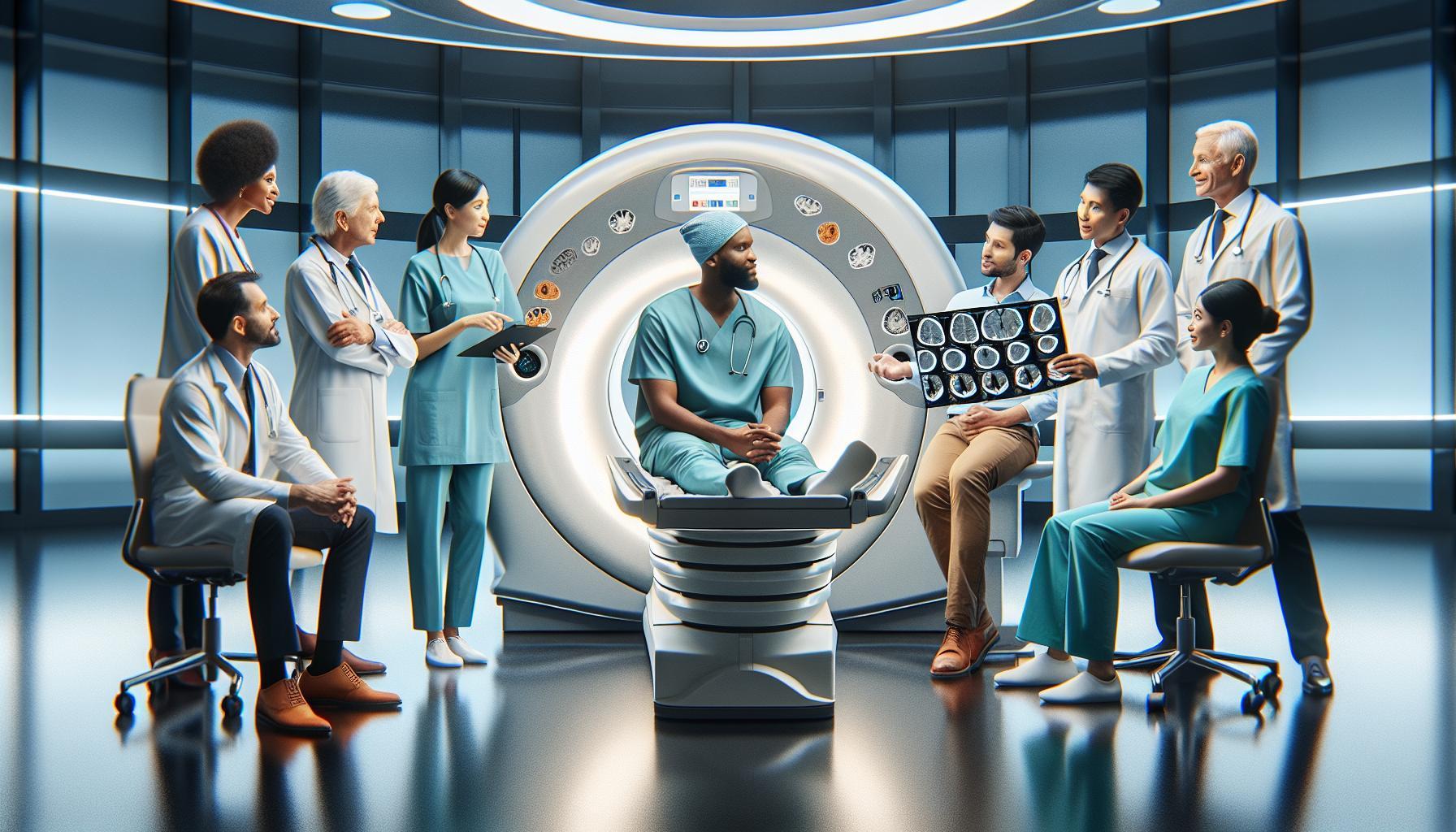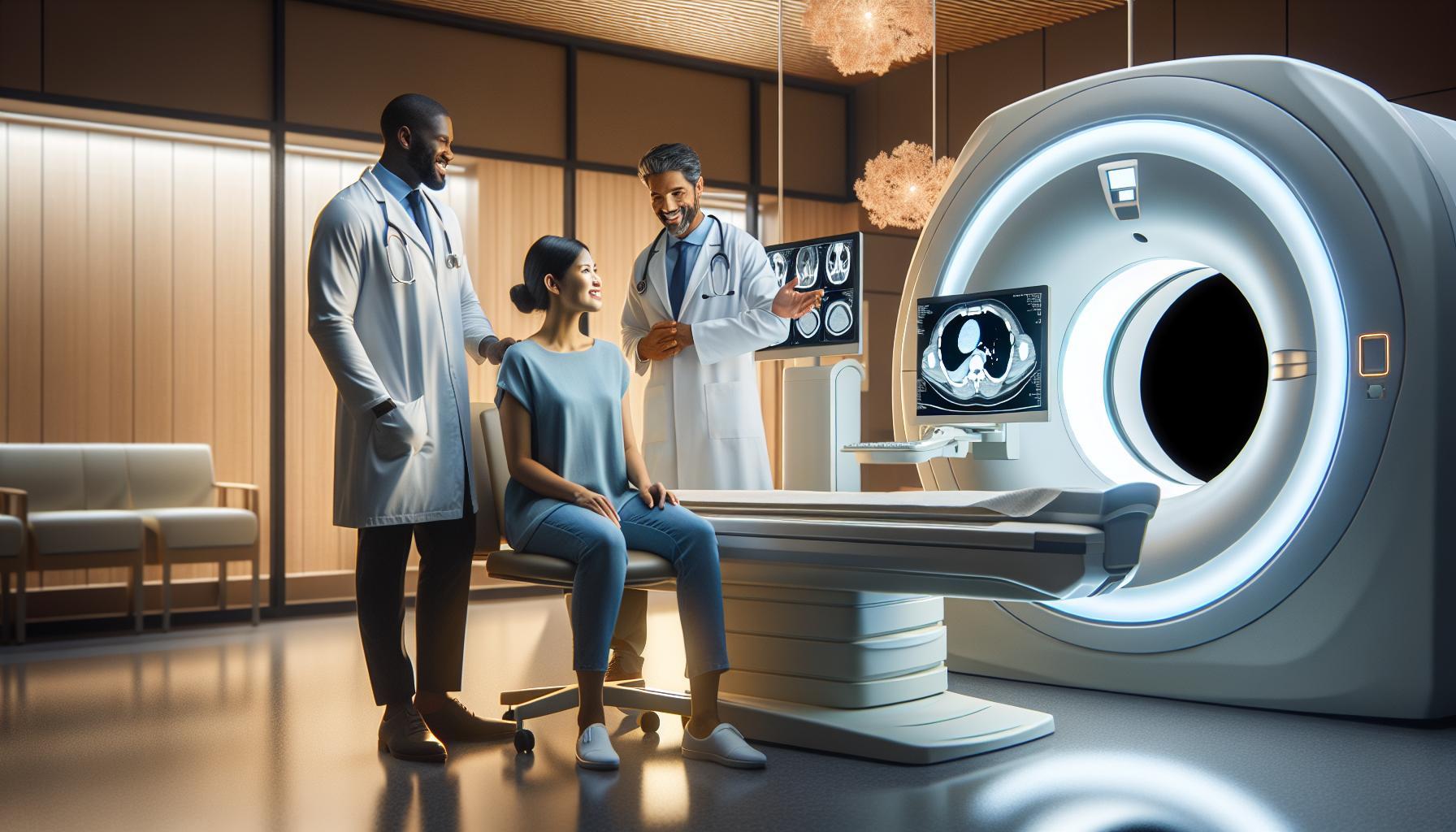
Lung cancer often develops without noticeable symptoms, making early detection crucial for improving outcomes. A low-dose CT scan can reveal early signs of lung cancer, providing invaluable information for timely intervention. Understanding how lung cancer presents on a CT scan can empower individuals, especially those at higher risk, to advocate for their health and make informed decisions.
In this exploration of what lung cancer looks like on a CT scan, we’ll uncover the telltale signs and explain the imaging process in clear, accessible terms. Whether you have risk factors or just want to stay informed, recognizing these signs can lead to proactive steps in your health journey. Understanding the nuances of CT scan results may not only ease anxiety but also pave the way for early diagnosis and better treatment options. Let’s dive deeper into the specifics of what to look for-it could make all the difference in your health.
Understanding CT Scans for Lung Cancer Detection
Understanding CT scans can seem overwhelming, especially when considering their role in lung cancer detection. However, a low-dose computed tomography (LDCT) scan is a critical tool that medical professionals use to image the lungs in detail, helping identify early signs of lung cancer, often even before symptoms arise. This enhanced clarity allows doctors to spot small nodules or abnormalities in lung tissue that might otherwise go unnoticed on conventional X-rays. Importantly, LDCT scans are specifically recommended for individuals at high risk due to factors like age and extensive smoking history, leveraging their advanced imaging capabilities to potentially save lives through early detection.
The process of undergoing a CT scan is generally straightforward and non-invasive. As you lie on a table that slides into a large, doughnut-shaped machine, you’ll be asked to remain still and may be instructed to hold your breath briefly as images are captured. This imaging technique uses X-rays to produce cross-sectional images of the lungs, allowing for detailed observation of any discrepancies in lung structure. If the scan shows nodules, further assessment is often needed. Knowing that CT scans can help not only diagnose but also stage lung cancer provides reassurance during what can be a stressful experience.
Understanding what a CT image looks like is just as crucial. Radiologists look for changes in the size, shape, and texture of nodules within the lung tissue. These characteristics can indicate whether a nodule is benign or potentially malignant. Patients are encouraged to ask their healthcare providers to explain the images if they have questions or concerns. Besides, consultation with specialists after the scan can guide a patient through the results, determine the next steps, and help clarify any uncertainties regarding the diagnosis.
Ultimately, the key takeaway is that through early detection via CT scanning, there’s potential for improved outcomes in lung cancer management. While the technology plays a pivotal role, it complements the expertise of healthcare professionals, underscoring the importance of ongoing discussions with your medical team. Being proactive about lung health can lead to significant advancements in treatment and overall prognosis.
Key Signs of Lung Cancer on CT Imaging
Lung cancer can often be insidious, developing silently before any noticeable symptoms emerge. A low-dose computed tomography (LDCT) scan serves as a vital tool for early detection, revealing key signs that can indicate the presence of cancer. Understanding what these signs are can empower individuals, particularly those at high risk due to factors like smoking or a family history of lung disease, to take proactive steps in their health journey.
One of the primary indicators of lung cancer visible on a CT scan is the presence of nodules. These small growths within the lung tissue can appear either solid or subsolid. It’s important to note that while the majority of nodules are benign, specific features can raise suspicion of malignancy. Radiologists assess attributes such as size, shape, and border characteristics. For instance, a nodule greater than 8 mm in diameter or irregular edges may require closer monitoring or further evaluation. Additionally, the development of new nodules or changes in existing ones over time can signal a need for intervention.
Other Key Signs to Look For
In addition to nodules, there are other critical signs on CT imaging that may point to lung cancer:
- Spiculated margins: Nodules with spiculated or jagged edges are often more concerning than those with smooth borders.
- Large masses: Anything over 3 cm in size warrants further investigation, as this could indicate an advanced stage of cancer.
- Airway obstruction: Signs of blocked airways, such as atelectasis (lung collapse), may also suggest underlying malignancy.
- Enlarged lymph nodes: The presence of enlarged lymph nodes, particularly in the mediastinum (the area between the lungs), can indicate metastasis or the spread of cancer.
It is crucial to be aware that not every abnormality on a CT scan results in a lung cancer diagnosis. Many findings can be due to infections or other benign conditions. Therefore, a collaborative approach with healthcare professionals is essential. If any concerning findings arise, additional tests such as PET scans, biopsies, or follow-up imaging may be recommended. The peace of mind that comes from understanding your CT results and asking questions about them can greatly reduce anxiety surrounding the diagnostic process.
The key takeaway is that early detection through CT imaging provides a significant opportunity for better outcomes in lung cancer management. By actively engaging with medical professionals and understanding the signs to watch for, patients can take vital steps toward ensuring their long-term health.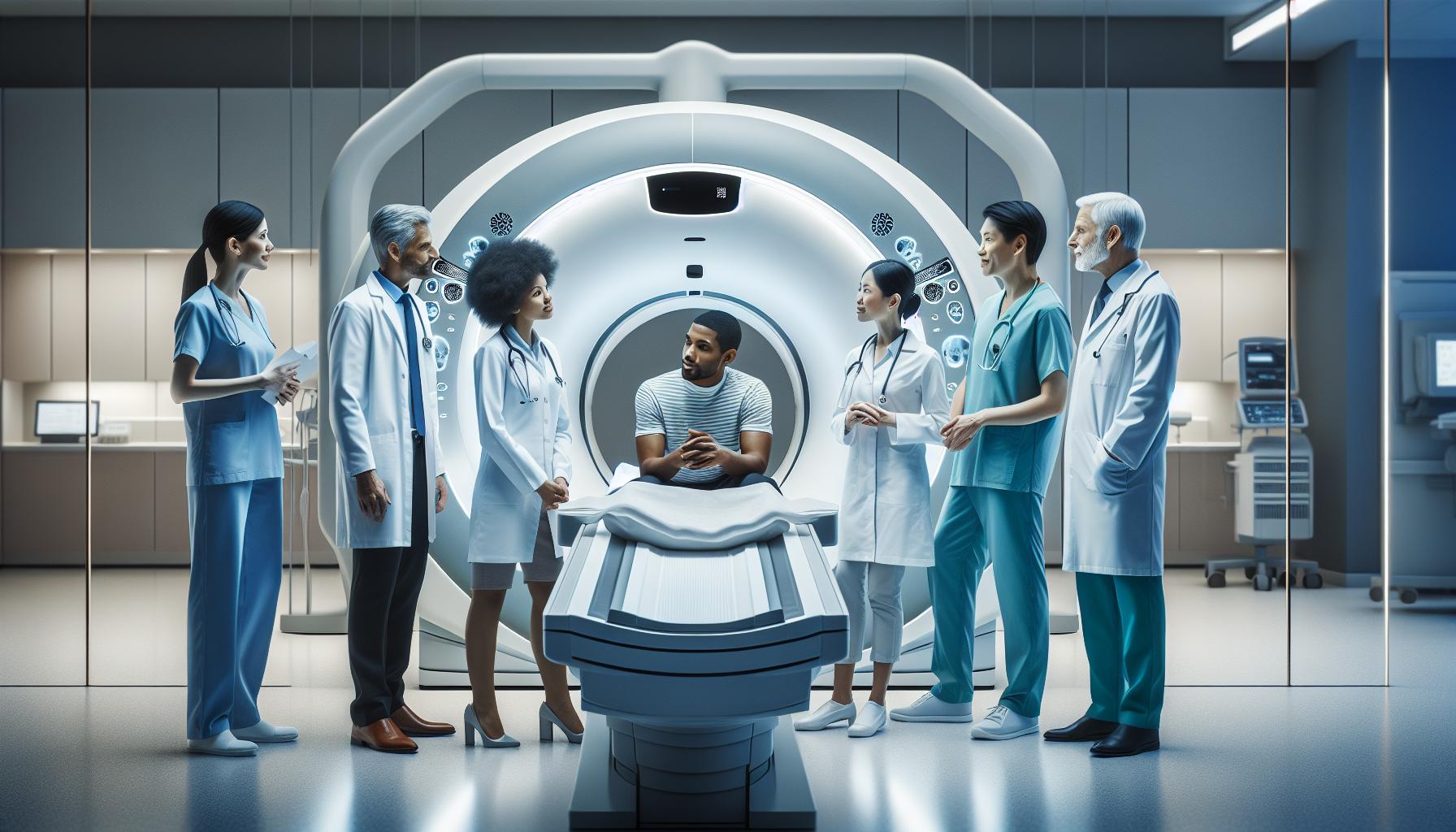
Types of Lung Nodules: What to Look For
Lung nodules can be a source of anxiety for many individuals, especially when they appear on a CT scan. Understanding the different types of lung nodules and their characteristics can empower you to engage more effectively with your healthcare team and alleviate some of the uncertainty that accompanies a diagnosis. Nodules are typically classified based on their appearance and certain features that may suggest the likelihood of malignancy. Overall, awareness of these factors can play a crucial role in early lung cancer detection.
There are primarily two types of nodules based on their density: solid nodules and subsolid nodules. Solid nodules have a uniform density and are often round or oval in shape. While many solid nodules are benign, those larger than 8 mm, particularly with irregular borders or spiculated margins, often raise suspicion for cancer. On the other hand, subsolid nodules are partially solid and partially ground-glass in appearance. They can pose a diagnostic challenge, as some may be associated with a higher risk of malignancy, especially if they grow over time or present with atypical features.
Furthermore, the characteristics of a nodule can provide critical insights into its nature. Pay attention to the following factors:
- Size: Nodules larger than 10 mm may require closer monitoring.
- Shape: Nodules with irregular or spiculated edges tend to be more concerning.
- Growth rate: Rapidly growing nodules are more likely to be malignant and should be evaluated promptly.
- Calcification patterns: Certain calcification patterns can suggest a benign process, while irregular patterns may warrant further investigation.
Being proactive in discussing these features with your healthcare provider can enhance understanding and decrease anxiety regarding the next steps. Remember, most lung nodules are harmless, but maintaining a dialogue with your medical team, particularly about any changes in size or appearance, is essential for your health journey. By doing so, you can ease concerns and ensure timely action if necessary, fostering a more positive experience as you navigate the complexities of lung cancer screening and diagnosis.
Comparing Healthy Lungs to Lung Cancer on CT
Imaging plays a critical role in diagnosing lung cancer, and understanding the differences between healthy lungs and those affected by cancer on a CT scan can provide vital insights for patients and their families. On a clear CT scan of healthy lungs, you will observe a uniform appearance of lung tissue without any masses or irregularities. The bronchi, the tubes that carry air to the lungs, should be well-defined, and the surrounding lung structures should appear clear, with no signs of obstruction or lesions.
In contrast, when lung cancer is present, specific characteristics often emerge on CT scans. Lung tumors can manifest as distinct nodules or masses that vary in size and shape. For instance, malignant tumors frequently present as irregularly shaped nodules, sometimes with spiculated (spiky) borders. These irregularities are noteworthy; healthy lung tissue typically displays smooth contours, while tumors may also appear denser compared to the surrounding lung tissue. Additionally, infiltrative patterns of lung cancer can cause distortion in the normal lung architecture, making it challenging to distinguish between lung tissue and the tumor.
Recognizing these key differences can help alleviate anxiety around the diagnostic process. If you have a nodular finding on a CT scan, it’s essential to discuss with your healthcare provider the characteristics of the detected nodules, including size and edges. Many nodules, particularly in individuals with a history of smoking or high-risk factors, require follow-up scans over time to monitor changes. In some cases, a biopsy may be necessary to determine the nature of the nodule.
Understanding these distinctions between healthy lungs and lung cancer is crucial for early detection and intervention. If you have concerns about a CT scan or lung health, connect with a specialist who can provide clarity for your specific circumstances and guide you through the screening and diagnostic journey with empathy and expertise.
The Role of Contrast Enhancement in CT Scans
Utilizing contrast enhancement during CT scans can significantly improve the accuracy of lung cancer detection, providing vital information that helps healthcare professionals make informed decisions about patient care. When a contrast agent is introduced into the patient’s bloodstream, it helps to delineate various structures within the lungs by increasing the visibility of blood vessels and other tissues. This enhanced imaging capability allows radiologists to identify abnormalities that might otherwise be missed on standard scans, such as small nodules or vascular involvement of tumors.
The role of contrast in CT scans extends beyond mere visualization of lung structures; it aids in distinguishing between cancerous and non-cancerous tissues. For instance, malignant nodules often exhibit different enhancement patterns compared to benign ones. Typically, cancerous lesions may enhance unevenly, presenting with areas of high and low contrast, while benign nodules may display more uniform enhancement. This specific detail can guide further diagnostic decisions, including whether a biopsy is needed to obtain a conclusive diagnosis.
Patients preparing for a contrast-enhanced CT scan should be aware of a few key considerations. First, it is essential to inform the healthcare team of any allergies, particularly to iodine or shellfish, as the contrast agents often contain iodine. Additionally, staying well-hydrated before and after the procedure can help to minimize any potential side effects from the contrast material. Keeping these aspects in mind can help ensure a smoother experience.
Lastly, the results from a contrast-enhanced CT scan can be crucial in staging lung cancer. Different stages of cancer can appear distinctly on these enhanced scans, impacting treatment options and strategies. Understanding the role of contrast enhancement empowers patients with knowledge about their diagnostic process, reinforcing the importance of thorough communication with medical professionals. As always, discussing any concerns with your healthcare provider is vital for reassurance and clarification.
Common Misinterpretations of CT Results
Misinterpretations of CT scan results can lead to undue stress and confusion for patients, particularly when evaluating concerns about lung cancer. It’s important to understand that not all abnormalities seen on a CT scan are necessarily indicative of cancer. For instance, many individuals have small lung nodules that are actually benign-common occurrences that arise from various non-cancerous conditions. Studies show that about 60% of people over the age of 50 may have lung nodules, yet only a small percentage turn out to be malignant.
Patients often worry about characteristics noted in the report, such as size, shape, or density of nodules. It is essential to remember that not every irregularity has the same implications. Radiologists assess nodules based on a combination of factors: growth rate, margins, and surrounding tissue involvement. Nodules that are stable over time, especially those smaller than 6 mm, usually carry a lower risk of malignancy.
Common Misinterpretations
- Size Matters: Many patients believe that larger nodules automatically indicate cancer. While size can be a factor, it is the growth pattern that provides critical insights; slow-growing nodules are more likely to be benign.
- All Scans Show Changes: A report might indicate “many stable nodules” or “emphysematous changes,” which could sound alarming. However, understanding this context requires expertise; often these findings are common in smokers or those with a history of lung issues but don’t necessitate immediate intervention.
- Immediate Action Required: If a scan shows some abnormalities, patients may feel compelled to undergo invasive procedures like biopsies right away. In many cases, healthcare providers may recommend a watchful wait, monitoring the nodules with repeat imaging before deciding on aggressive treatment.
To navigate these complexities successfully, it is imperative that patients maintain an open dialogue with their healthcare team. Asking questions, seeking clarification, and understanding the rationale behind recommendations can significantly reduce anxiety and aid in making informed decisions. Engaging a radiologist or specialist who can explain scan results in accessible terms is invaluable in creating peace of mind during this critical process.
Follow-Up Procedures After a CT Scan
After completing a CT scan for lung cancer detection, understanding the necessary follow-up procedures is essential to navigating your healthcare journey with confidence and clarity. Typically, the next steps will largely depend on the findings of your initial scan. One common procedure involves receiving your scan results and discussing them with your healthcare provider, who will explain what the images indicate regarding your lung health.
In many cases, if the CT scan shows no concerning abnormalities, your doctor may recommend follow-up imaging at regular intervals, such as annually. This approach aids in monitoring stability and ensuring there are no changes that warrant further investigation. For nodules that are stable and non-cancerous, your provider might opt for a “watchful waiting” strategy, which allows for observation without immediate intervention. This can alleviate stress, as many nodules turn out to be benign and require no treatment.
On the other hand, if the CT scan reveals abnormalities that raise concerns-such as larger or changing nodules-additional tests may be recommended. This can include further imaging tests or a biopsy to obtain tissue for analysis. Your healthcare team will guide you through these options, explaining the purpose and processes involved, which helps in making informed decisions about your care.
It’s crucial to maintain open communication with your healthcare provider throughout this process. If you have questions or uncertainties about the results or what they mean for you, don’t hesitate to ask. Understanding your results and follow-up plans can significantly minimize anxiety and empower you to actively participate in your lung health management.
What to Expect During a Lung CT Scan
Undergoing a lung CT scan can feel daunting, but understanding what to expect can help reduce any anxiety surrounding the procedure. A CT scan, or computed tomography scan, provides detailed images of the lungs and surrounding structures, allowing healthcare professionals to identify potential issues early. The process is typically quick, lasting only about 10 to 30 minutes, depending on the specific protocol used.
As you prepare for the scan, you will be asked to remove any clothing or accessories that may interfere with the imaging. This includes jewelry, eyeglasses, and sometimes clothing with metal fasteners. You may receive a gown to wear during the procedure. If you have any concerns about claustrophobia, it’s essential to communicate this with your healthcare team, as they can offer support and may provide options for a relaxed environment.
During the scan, you will lie on a motorized table that moves through the CT scanner, a large, doughnut-shaped machine. It is imperative to remain still, as any movement can blur the images. You may be instructed to hold your breath briefly while the scanner captures images. Some facilities use contrast materials, injected through an IV, which can help enhance the images of your lungs. If you’re receiving a contrast agent, be sure to inform your provider about any allergies, particularly to iodine or seafood, as this could impact the safety of the procedure.
After your scan, there is typically no downtime, and you can resume regular activities immediately. The results will be analyzed by a radiologist, and your healthcare provider will discuss the findings with you. If any nodules or abnormalities are spotted, your doctor will guide you through possible next steps, such as follow-up scans or additional testing. Keeping your lines of communication open with your healthcare team during this process is vital to your peace of mind and health management.
Preparing for Your CT Scan Appointment
Preparing for a CT scan can feel overwhelming, but knowing what to expect and how to get ready can greatly ease your worries. One of the most important steps is understanding the specifics of the procedure, especially since a CT scan provides crucial insights into your lung health and can help in early lung cancer detection.
To ensure a smooth experience, consider the following preparation tips:
Pre-Scan Instructions
- Clothing: Wear comfortable clothing and avoid items with zippers or metal fasteners. You will need to change into a gown provided by the facility if your attire conflicts with the imaging process.
- Food and Drink: Generally, you might be advised to refrain from eating or drinking for a few hours before the scan, especially if a contrast agent will be used. Confirm any specific dietary instructions with your healthcare provider.
- Medications: Continue taking your prescribed medications unless instructed otherwise. Inform your healthcare team about any medications you are currently taking or health conditions you have.
- Allergies: If you have known allergies, particularly to iodine or shellfish, report this to the medical staff, especially if you will receive an intravenous (IV) contrast dye.
Additionally, if you experience anxiety or discomfort with enclosed spaces, communicate your concerns to your provider who can discuss relaxation techniques or sedatives to help during the scan.
Day of the Scan
On the day of your appointment, plan to arrive early to allow time for check-in and any pre-scan consultations. Remember to bring your insurance information, identification, and any relevant medical records. During the scan, you will lie still on a motorized table as it passes through the CT scanner-a large, doughnut-shaped machine. It’s crucial to remain as still as possible to avoid blurry images, and you may be asked to hold your breath briefly while the images are taken.
After the Scan
Post-scan, there is typically no downtime, allowing you to resume normal activities almost immediately. Your results will be sent to your healthcare provider, who will contact you to discuss the findings and any necessary follow-up actions.
Overall, taking these preparatory steps not only facilitates a successful CT scan but also empowers you in your healthcare journey, aligning you with the goal of early lung cancer detection and effective management.
How Lung Cancer Stages Appear on CT
When viewing a CT scan for potential lung cancer, the ability to interpret the varying characteristics and stages of the disease can empower patients and their families. Different stages of lung cancer manifest distinctively on imaging studies, influencing treatment decisions and predicting outcomes.
In the early stages, such as Stage 0 (also known as carcinoma in situ), CT scans may show very minimal abnormalities, often only identifiable by trained specialists as small areas of increased density or shadows. This is where the importance of regular screening comes into play; low-dose CT scans can help catch early signs that might otherwise go unnoticed. As lung cancer progresses to Stage I, you might observe a localized tumor, typically less than three centimeters, which may appear as a solid mass within the lung. These tumors often have well-defined edges and can be assessed for size and growth over time.
As the disease advances to Stage II, the CT scan may reveal tumors that have increased in size or have started to invade nearby tissues or lymph nodes, which might display as enlarged lymph nodes in the mediastinum or hilum of the lungs. In Stage III, the situation becomes more complex, often revealing larger tumors with possible invasion into surrounding structures, like the chest wall or diaphragm, and more substantial lymph node involvement. These features can signal a need for more aggressive treatment strategies.
In advanced Stage IV, the CT scan might show metastasis, where cancer has spread beyond the lungs to other parts of the body-such as the liver, adrenal glands, or brain. These findings can appear as multiple nodules or lesions in various organs, greatly complicating treatment options. The distinctive patterns of tumor growth, lymph node involvement, and metastasis on CT imaging not only guide the clinical approach but also inform discussions about prognosis and patient options.
This understanding of how lung cancer stages appear on a CT scan emphasizes the need for collaboration with healthcare providers who specialize in lung cancer management. Engaging with these experts can provide clarity and a tailored approach based on individual circumstances, ensuring that you receive the best possible care tailored to your condition.
The Importance of Seeking a Specialist’s Opinion
Acquiring a precise understanding of what lung cancer looks like on a CT scan is crucial for timely diagnosis and effective treatment. However, the intricacies of interpreting CT scans require a level of expertise that typically lies beyond the scope of general practitioners. A specialist, particularly a pulmonologist or an oncologist, possesses the advanced training and experience necessary to accurately evaluate the nuances of lung imaging. They can identify subtle changes in lung tissue, discern between benign and malignant nodules, and assess the implications of various growth patterns that could signify different stages of lung cancer.
When seeking a specialist’s opinion, it is invaluable to have a detailed discussion regarding any symptoms you may have experienced, your medical history, and relevant risk factors such as smoking history or family history of lung cancer. This holistic approach enables the clinician to correlate clinical findings with imaging results, enhancing the accuracy of diagnoses and subsequent treatment plans. A specialist can also provide insight into the latest diagnostic modalities and tailoring the best screening protocol for your situation.
Moreover, it’s vital to recognize the emotional aspect of navigating a potential cancer diagnosis. Engaging with a knowledgeable specialist can bring a sense of reassurance. They can clarify what specific findings on your CT scan may mean for your health and lay out a comprehensive management plan should the need arise. Whether it’s monitoring a nodule or proposing a biopsy, their guidance ensures you are equipped with the right information for informed decision-making.
In all cases, prioritizing a consult with a lung cancer specialist when faced with lung imaging results not only optimizes your care but also empowers you through knowledge. This proactive step can significantly impact your outcomes, as early intervention can make a life-saving difference.
Advancements in CT Technology for Lung Cancer Diagnosis
Recent advancements in CT technology have significantly enhanced the early detection and diagnosis of lung cancer, paving the way for more precise and timely interventions. One of the most crucial developments has been the refinement of low-dose computed tomography (LDCT), which utilizes lower radiation doses while maintaining image quality, thus minimizing risks associated with higher radiation exposure. This technology allows for clearer images that help radiologists identify subtle changes in lung tissues, enabling them to spot potential malignancies much earlier than traditional imaging methods.
Moreover, innovations such as software-based image reconstruction techniques have transformed how images are processed. These advancements enhance the sharpness and detail of CT scans, making it easier to differentiate between benign and malignant nodules. For instance, advanced algorithms can now provide high-resolution, three-dimensional reconstructions of the lungs, allowing specialists to view the organ from various angles, significantly improving diagnostic accuracy. The use of artificial intelligence (AI) to analyze CT images has also gained traction, helping to reduce human error and ensuring that even the smallest abnormalities are not overlooked.
As well, the integration of contrast agents in some CT procedures can enhance the visualization of blood vessels and the vascular supply of lung lesions. This added perspective is crucial for determining the nature of lung nodules and cancers, providing further insights that aid in stage assessment and treatment planning. Regularly updated screening protocols based on the latest evidence also help adjust approaches in lung cancer screening, ensuring that patients receive the most appropriate assessments based on their risk factors.
These advancements in CT technology represent not just improvements in imaging but a fundamental shift toward more personalized care. When patients receive early and accurate diagnoses through high-quality imaging techniques, the potential for successful treatment increases substantially. For those undergoing lung imaging, coupling these technological advances with consultation and expertise from specialists creates a pathway for better health outcomes, ensuring that patients are adequately informed about the findings and the subsequent steps in their care journey.
Frequently asked questions
Q: What does a lung cancer nodule look like on a CT scan?
A: A lung cancer nodule typically appears as a rounded, well-defined mass in the lung. It can vary in size and density. On CT scans, malignant nodules may have irregular borders, spiculation, or calcifications. Regular monitoring through follow-up scans is crucial for distinguishing between benign and malignant nodules.
Q: How quickly can lung cancer be detected on a CT scan?
A: Lung cancer can often be detected during routine screenings with low-dose CT scans, especially in high-risk individuals. Typically, any suspicious nodule or mass observed may warrant follow-up imaging within several months to track changes in size or shape, aiding in early detection.
Q: What are common misconceptions about lung cancer detection on CT scans?
A: A common misconception is that all lung nodules found on CT scans indicate cancer. Many nodules are benign. Additionally, some believe that CT scans are infallible, but they may miss small tumors or be misinterpreted, necessitating further evaluation or biopsy for confirmation.
Q: How does lung cancer appear in different stages on a CT scan?
A: In early stages, lung cancer may show as small nodules, whereas advanced stages might display larger masses and possibly lymph node involvement or metastasis, appearing as enlarged nodes or changes in surrounding tissues. Each stage is assessed through detailed imaging techniques for accurate evaluation.
Q: What should I do if a lung nodule is found on my CT scan?
A: If a lung nodule is detected, consult your healthcare provider for a thorough evaluation. They may recommend additional imaging, a biopsy, or regular monitoring, depending on the nodule’s characteristics and your risk factors. Early action is vital for the best outcomes.
Q: Why is low-dose CT preferred for lung cancer screening?
A: Low-dose CT is preferred for lung cancer screening because it exposes patients to less radiation compared to conventional CT scans. This method effectively identifies lung nodules early in high-risk populations, enhancing the chances of successful treatment if cancer is detected.
Q: How can I prepare for a lung CT scan to ensure accurate results?
A: To prepare for a lung CT scan, follow your doctor’s instructions, which may include avoiding certain medications or not eating before the exam. It’s essential to inform the technician of any allergies, especially to contrast dyes, and to stay calm and still during the scan for clear images.
Q: What follow-up actions are necessary if lung cancer is suspected from a CT scan?
A: If lung cancer is suspected, follow-up may include a biopsy to confirm the diagnosis, staging scans to assess the cancer’s spread, and developing a treatment plan. Regular consultations with specialists are critical to monitor the condition and adjust treatment as necessary.
To Wrap It Up
Understanding what lung cancer looks like on a CT scan is crucial for early detection and improved outcomes. While not every case of lung cancer will present the same way on imaging, knowing the signs can empower you and your loved ones to seek timely medical advice. If you’re concerned about your lung health, don’t hesitate to reach out to a healthcare provider for screening options, particularly if you fall into high-risk categories.
Explore our resources to learn more about lung cancer screening and patient preparation for low-dose CT scans, which could save lives. Visit our detailed guides on Lung Cancer Symptoms and Preparation for CT Scans to gain further insights. Your health is a priority-stay informed and proactive! Don’t forget to subscribe to our newsletter for the latest updates and resources to help you navigate your health journey. Every action you take now can lead to a healthier tomorrow.