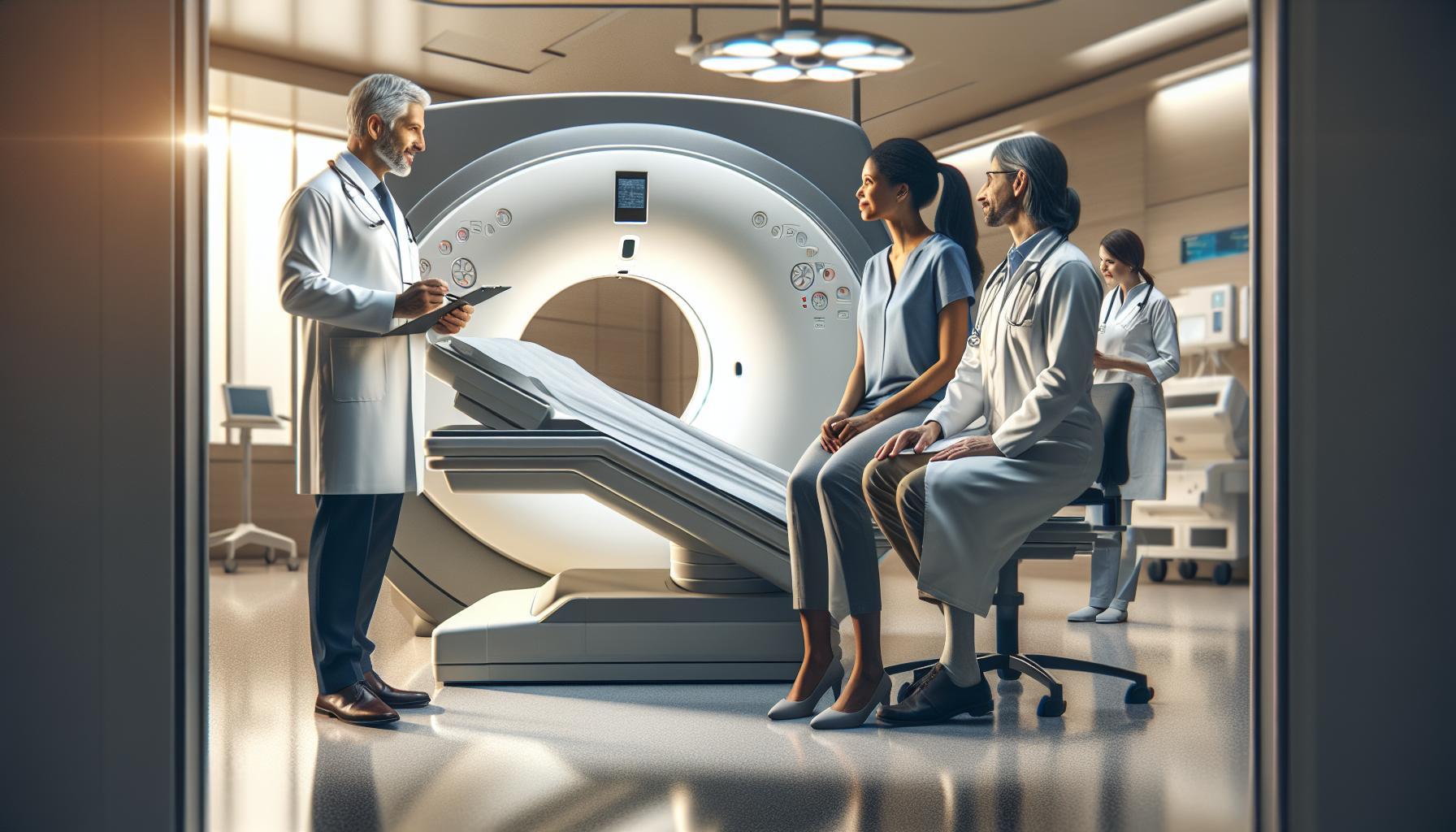
In the realm of modern medicine, CT machines play a pivotal role, providing intricate images that assist in diagnosing various conditions. Understanding the costs associated with these vital machines is essential for healthcare facilities and patients alike. With the price tag often reaching into the hundreds of thousands of dollars, knowing what influences these costs can help hospitals allocate resources effectively while maintaining top-notch patient care.
As healthcare continues to advance, the demand for accurate imaging grows, raising questions about budget management and operational efficiency. Whether you’re a healthcare administrator tasked with upgrading equipment or a patient curious about the technological underpinnings of your care, unraveling the costs of CT machines is crucial. Dive into this guide to discover not only the financial aspects but also how these machines enhance our understanding of health, ultimately leading to better outcomes for patients.
Understanding the Cost of a CT Machine
involves navigating a landscape of various factors that influence pricing, ensuring that healthcare facilities can make informed decisions. A CT machine can range significantly in cost, typically starting from $150,000 and soaring up to over $2 million, depending on advanced features and technology. This cost can vary based on the machine’s specifications, brand, and the functionalities it offers, such as 3D imaging or enhanced software capabilities.
When evaluating cost, it’s vital to consider not only the purchase price but also the long-term investment implications. Hospitals and clinics should budget for additional expenses such as installation, training, maintenance, and updates. The operational costs-including power consumption, imaging supplies, and routine servicing-also play a critical role in the overall financial picture. Moreover, advanced imaging technologies can lead to cost savings through improved diagnostic capabilities, decreasing the need for additional procedures and, ultimately, allowing for better patient outcomes.
In addition, pharmaceutical partnerships and vendor negotiations can lower costs significantly, so engaging with multiple suppliers to secure competitive pricing is prudent. Healthcare facilities should also evaluate the potential return on investment (ROI) by considering how advanced imaging technology can attract more patients, thereby offsetting the initial purchase cost. Engaging with healthcare financial advisors can provide tailored strategies to navigate these financial considerations effectively.
By preparing an informed budget that encompasses all related costs, healthcare facilities can position themselves better in the evolving landscape of medical imaging, prioritizing both quality care for patients and financial sustainability.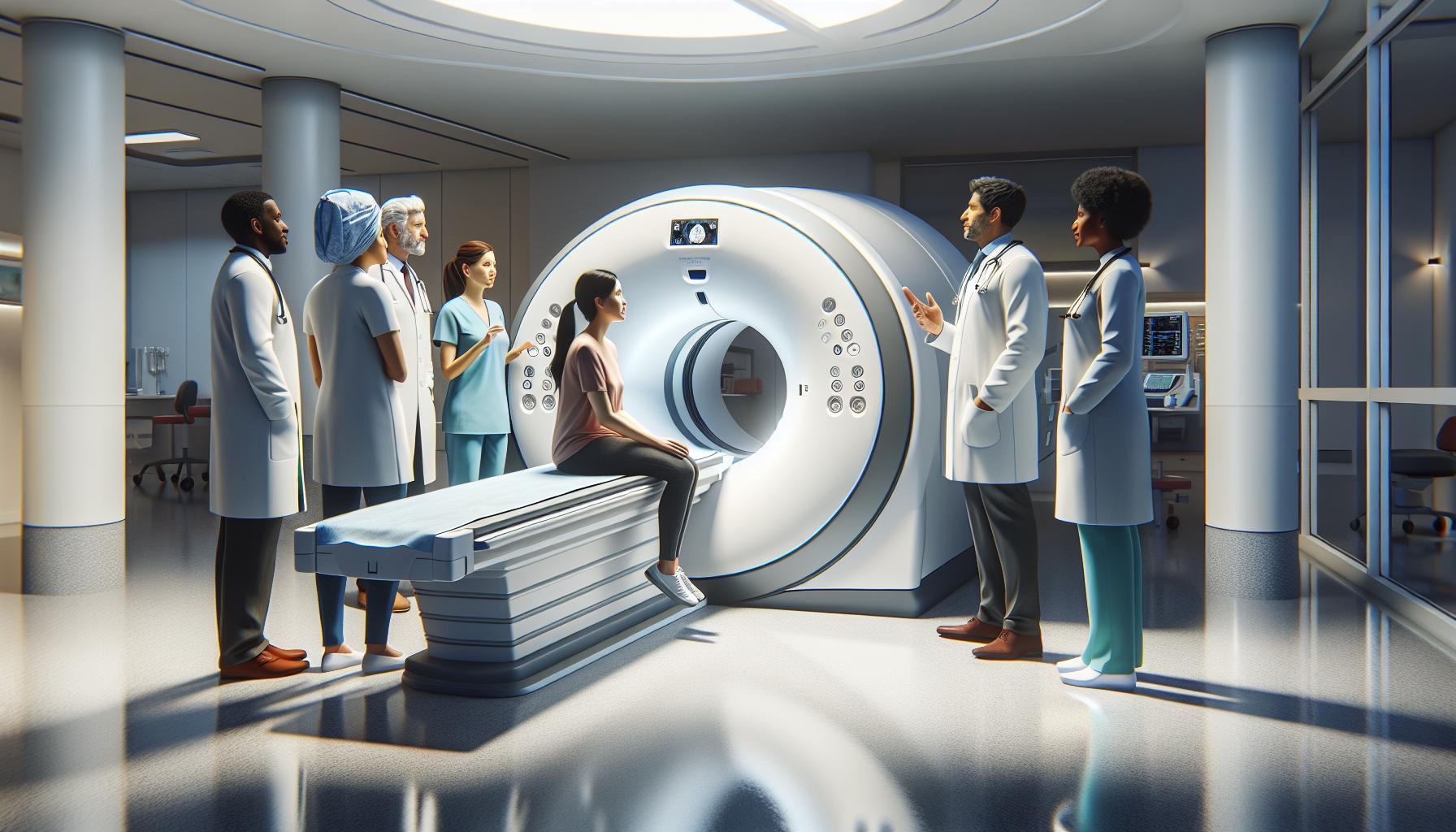
Factors Influencing CT Machine Prices
When considering the investment in a CT machine, it’s crucial to understand the multitude of factors that impact its pricing. CT machines can vary extensively in cost due to specifications, technology, brand reputation, and the desired features. For example, a standard model might start around $150,000, while advanced systems with capabilities like 3D imaging can exceed $2 million.
One major aspect influencing pricing is the machine’s technology. Innovations such as higher resolution imaging and advanced algorithms for faster scans can significantly increase costs, yet they often provide more precise diagnostics, improving patient outcomes. Additionally, the functionality of the machine, including software for reconstructing images and integrating with existing hospital systems, can add to the initial price.
Another significant factor is the brand and supplier. Established manufacturers with a strong reputation for quality and support may command higher prices but often justify this with reliability and superior customer service. Hospitals should conduct thorough research and possibly solicit bids from multiple vendors to ensure competitive pricing and find the right balance between quality and cost.
Lastly, considering additional costs associated with a CT machine is vital. Beyond the purchase price, expenses relating to installation, staff training on the new equipment, ongoing maintenance contracts, and potential upgrades should all be factored into the overall budget. Active negotiations with suppliers can also yield favorable financing options or bundle deals that could soften the financial impact.
In summary, by comprehensively evaluating these factors, healthcare facilities can make more informed decisions, ensuring they choose the right CT machine that aligns not only with their diagnostic needs but also their budgetary constraints.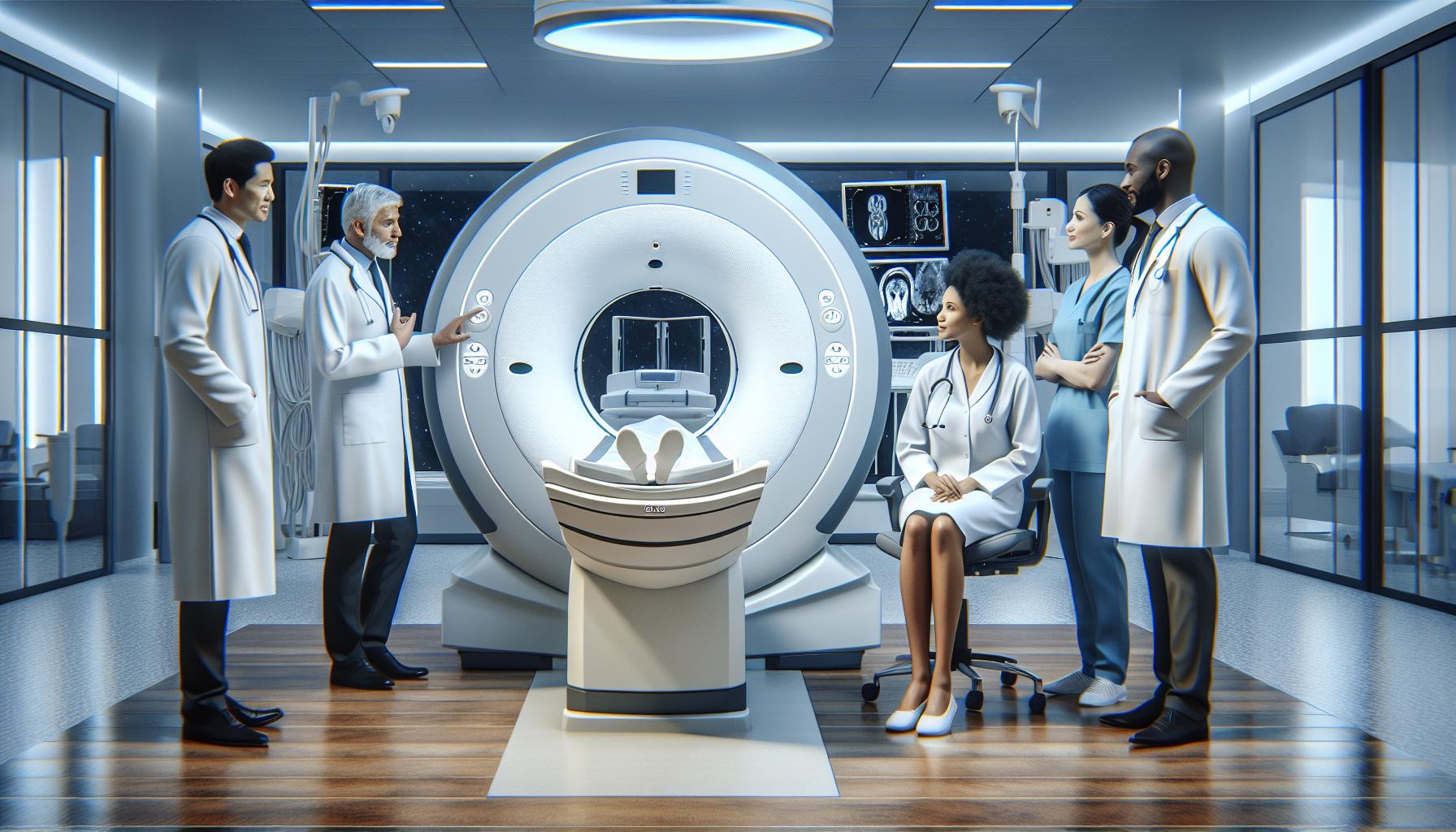
Comparing New vs. Refurbished CT Machines
When making the significant investment in a CT machine, it’s essential to weigh the benefits and drawbacks of purchasing a new versus a refurbished model. Many healthcare facilities grapple with this decision, as both options present unique advantages that can influence not only initial costs but long-term viability.
New CT machines often come equipped with the latest technology, enhanced imaging capabilities, and improved software that can boost diagnostic accuracy and efficiency. These models generally offer extended warranties and access to the latest innovations in medical imaging. For example, a hospital may find that investing in a state-of-the-art CT scanner enables them to provide more comprehensive care and attract a broader patient demographic, thus improving their overall revenue potential. However, the price tag for a new machine can be steep-often starting at $150,000 and reaching upwards of $2 million, depending on specifications.
On the other hand, refurbished CT machines are an attractive option for facilities looking to manage costs without sacrificing quality. These machines typically undergo rigorous inspection, refurbishment, and testing to ensure they meet safety and performance standards. Facilities can obtain high-quality imaging equipment at a significantly reduced cost-sometimes saving 30% to 50% compared to new models. This option is particularly appealing for smaller facilities or those with tighter budgets, as it allows access to advanced technology without overwhelming financial commitments. However, prospective buyers should ensure the machine comes from a reputable dealer and includes adequate warranty provisions.
Ultimately, the decision between a new and refurbished CT machine should be based on a facility’s budget, imaging needs, and long-term goals. Conducting thorough research and consulting with medical equipment experts can help inform the choice, enabling hospitals to select the best fit for their specific circumstances. Regular assessments of operating efficiencies, patient flow, and overall service capabilities can further inform future upgrades or purchases, ensuring that each investment aligns with evolving healthcare standards and patient care priorities.
Budgeting for CT Machines: Hidden Costs
Investing in a CT machine is a substantial financial commitment, and many healthcare facilities may overlook several hidden costs that can significantly impact the overall budget. While the initial purchase price is often the focal point of budgeting discussions, it’s essential to consider the ongoing expenses associated with owning and operating this advanced imaging equipment. In fact, some studies suggest that the total cost of ownership can be two to three times the purchase price over the machine’s lifespan.
Operational Costs
The daily operation of a CT machine involves various recurring costs that can accumulate quickly. These include energy consumption, which can be substantial given the high power requirements of the equipment. Additionally, the costs for consumable supplies, such as contrast materials and protective gear for personnel, must be factored in. Routine costs may also arise from the need for specialized software for image processing and storage, which is critical for efficient data management and patient record-keeping.
Staff Training and Labor
Another often-ignored aspect is the training for staff who will manage and operate the CT machine. Ensuring that radiologic technologists and radiologists are adequately trained not only promotes patient safety but also enhances the quality of imaging results. Training programs can be time-consuming and costly, yet they are vital for maintaining high operational standards. Furthermore, ensuring staff retention in this specialized field can add ongoing recruitment and labor costs.
Maintenance and Repairs
CT machines require regular maintenance to ensure optimal performance and accuracy in imaging. Unplanned repairs can lead to costly downtime, which can impact patient scheduling and facility revenue. Most manufacturers suggest a maintenance schedule, which may include annual check-ups, calibration, and software updates. Hospitals must set aside a budget for these routine maintenance tasks as well as for potential emergency repairs that may crop up.
Regulatory Compliance
Facilities must also consider costs related to regulatory compliance. CT machines are subject to stringent safety and quality standards dictated by health authorities. Meeting these regulations requires regular inspections and potential upgrades to outdated technology. The financial implications of non-compliance can be steep, resulting in fines or even the inability to operate the equipment until issues are resolved.
Understanding these hidden costs associated with CT machines is crucial for effective financial planning. By anticipating these expenses, healthcare facilities can create a more realistic budget that accounts for the true cost of maintaining high-quality imaging services while ensuring efficient and safe patient care. Engaging with medical equipment professionals and conducting a thorough cost-benefit analysis can help mitigate unforeseen financial burdens and support strategic long-term planning for imaging departments.
Financing Options for Medical Equipment
Acquiring a CT machine can be an overwhelming financial decision for any healthcare facility, especially given its pivotal role in delivering high-quality patient care. Understanding the variety of financing options available can help ease this burden and facilitate informed decision-making. There are multiple pathways to consider when it comes to funding such significant medical equipment.
Loan and Financing Programs
Many healthcare providers opt for traditional financing through loans, which can spread the cost of the CT machine over several years. Banks and specialized medical financing companies often offer loans with favorable terms, including low interest rates and extended repayment periods. It’s crucial to shop around for the best options and to discuss terms with financial advisors who understand the intricacies of medical investments. Loans allow hospitals to maintain cash flow while acquiring essential technology that enhances their diagnostic capabilities.
Leasing vs. Buying
Leasing is another viable option for facilities that prefer to avoid the significant upfront costs associated with purchasing a CT machine outright. In a leasing arrangement, a healthcare facility can use the machine over an agreed period while making regular payments. Leasing not only helps manage cash flow but also allows facilities to upgrade to newer models as technology evolves. This flexibility can be particularly advantageous in the fast-evolving field of medical imaging.
Grants and Subsidies
Exploring grants and subsidies is also worth considering. Various government programs, non-profit organizations, and even industry partnerships sometimes provide financial aid for acquiring advanced medical equipment, particularly in underserved areas. Conducting thorough research and engaging with local health departments or professional associations can uncover potential funding opportunities that align with the facility’s needs.
Collaborative Purchasing
Joining a group purchasing organization (GPO) can provide significant cost savings. These organizations leverage collective buying power to negotiate better terms and price points with manufacturers and suppliers. Participating in a GPO allows smaller facilities to benefit from the same pricing as large hospitals, ultimately making high-quality imaging technology more accessible.
Navigating the financial landscape of acquiring a CT machine doesn’t have to be daunting. By exploring various financing options, including loans, leases, grants, and collaborative purchasing strategies, healthcare facilities can find a solution that aligns with their operational and financial capabilities. Engaging with financial experts in the field is crucial, as they can provide tailored advice to ensure that the chosen financing solution supports both immediate needs and long-term goals in patient care.
Maintenance Costs of CT Machines
The upkeep of a CT machine is a critical aspect that can significantly impact a healthcare facility’s overall operational costs. Regular maintenance ensures that the equipment functions optimally, providing accurate diagnostics, while also extending its lifespan. For facilities budgeting for a CT machine, understanding these maintenance costs is essential to avoid surprises that could affect their financial planning.
A well-maintained CT machine typically requires a routine service schedule that includes preventive maintenance, testing, and calibration. Preventive maintenance is crucial as it helps identify potential issues before they escalate into costly repairs. Facilities should consider allocating a budget for annual service contracts with the equipment manufacturer or specialized service providers, which often include routine checks, software updates, and parts replacement. This proactive approach can range from $10,000 to $50,000 annually, depending on the machine’s complexity and usage.
In addition to routine maintenance, facilities should also be aware of the costs associated with unexpected repairs. Factors like the age of the machine, frequency of use, and the operational environment can influence the likelihood of breakdowns. Hospitals should set aside contingency funds to address such unforeseen expenses without disrupting their operations. A realistic estimate for these repair costs can vary widely, but having a reserve of 10-15% of the machine’s purchase price annually can be a prudent strategy.
Finally, it is essential to consider the impact of training and staffing costs. Properly trained staff can significantly reduce the wear and tear on CT machines by ensuring safe and efficient operation. Investing in training programs and incorporating technician salaries into the maintenance budget can help ensure that the equipment is handled correctly, thus prolonging its operational lifespan. Integrating these considerations into a hospital’s financial strategy allows for a more comprehensive understanding of the long-term costs associated with CT imaging technology.
By recognizing the importance of maintenance and planning for these related expenses, healthcare facilities can not only ensure high-quality patient care but also manage their financial resources more effectively.
Cost Savings with Advanced Imaging Technology
Advancements in imaging technology have propelled the field of medical diagnostics into a new era, allowing for not only enhanced precision and efficiency but also significant cost savings. A pivotal discovery is the use of advanced CT machines, which are designed to provide high-quality imaging with decreased radiation exposure and faster scanning times. Such improvements can lead to lower operational costs for healthcare facilities while simultaneously benefiting patient safety and comfort.
- Enhanced Efficiency: Modern CT machines have the capability of producing high-quality images in a fraction of the time compared to older models. This reduction in scan time not only improves patient throughput but also allows healthcare providers to accommodate more patients within the same operational hours, ultimately increasing revenue.
- Reduced Radiation Exposure: Innovations in imaging technology, such as iterative reconstruction techniques, allow for the acquisition of clear images at significantly lower radiation doses. This advancement not only prioritizes patient safety but also diminishes the risk of costly legal claims arising from radiation-related concerns.
- Decreased Need for Follow-Up Procedures: With the improved diagnostic capabilities of newer CT machines, the likelihood of needing additional imaging or procedures due to inconclusive results decreases. This can result in substantial cost savings, as follow-up imaging, additional consultations, and treatments can quickly accumulate in expenses.
Furthermore, opting for equipment that integrates seamlessly with an institution’s existing healthcare IT systems can streamline workflows and enhance operational productivity. A comprehensive approach that includes proper training for healthcare staff ensures that smooth operations are maintained, further reducing incidences of errors and inefficiencies, which can be costly over time.
In conclusion, investing in advanced imaging technology is not just a commitment to superior patient care; it is a strategic financial decision. By leveraging the capabilities of modern CT machines, healthcare facilities can achieve remarkable cost efficiencies that resonate well into the future, while providing patients with the highest quality of care in a safe and timely manner.
Insurance Coverage and CT Machine Expenses
The financial implications of acquiring a CT machine extend beyond its initial purchase price, encompassing a range of recurring expenses and insurance considerations that can significantly impact healthcare budgets. Understanding how insurance covers these machines can alleviate concerns and clarify costs. Many insurance plans, including Medicare and Medicaid, typically cover diagnostic imaging procedures, including CT scans, when deemed medically necessary. However, what that means for hospitals and clinics varies depending on the specifics of the insurance plan and the patient’s situation.
Conducting a thorough analysis of insurance coverage policies is crucial. Not all imaging services are fully reimbursed, leading to a potential out-of-pocket burden for patients and facilities. Hospitals should familiarize themselves with the terms of their agreements with insurance providers to ensure proper billing and maximize reimbursement rates. For instance, facilities might find that a certain percentage of the costs is covered, but they may still face co-pays or deductibles tied to the patient’s coverage plan. This can translate to unexpected financial responsibilities during high-demand periods or for patients with high-deductible health plans.
To further contain expenses and improve access to CT imaging, hospitals can explore partnerships with various health insurers to negotiate favorable terms. By understanding common practices such as bundled payments or high-value care agreements, healthcare providers can position themselves to offer CT services more competitively while securing adequate reimbursement. Moreover, proactive communication with patients regarding what their insurance covers can foster transparency and trust, ultimately enhancing the patient experience.
As healthcare continues to evolve, so do insurance policies and coverage options. Staying informed about changes in legislation and industry standards is essential for hospitals looking to invest strategically in imaging technology. By doing so, healthcare facilities can not only optimize budgetary allocations for advanced equipment but also ensure that patients receive the care they need without the burden of insurmountable costs.
Upgrading Your Hospital’s Imaging Equipment
Investing in advanced imaging technology is a significant step for any healthcare facility, particularly as patient expectations and diagnostic accuracy continue to rise. Upgrading to a new CT machine can enhance the capabilities of a hospital, allowing for quicker, more precise diagnoses that ultimately improve patient care. However, it’s essential to consider various factors when making this crucial decision, including equipment costs, financing options, and potential impacts on service quality.
In evaluating the need for a new CT machine, hospitals should assess their current capabilities and patient demand. A growing patient volume may necessitate faster and more efficient imaging, while outdated machines can lead to longer wait times and less reliable diagnostics. Consider the specific features of modern CT technology, such as improved imaging quality, lower radiation doses, and advanced software that aids in analysis and interpretation. These upgrades not only enhance clinical outcomes but also empower healthcare providers with tools that streamline workflows and improve operational efficiency.
It’s also vital to factor in the total cost of ownership when planning for an upgrade. While the initial purchase price is a significant component, ongoing expenses such as maintenance, training, and potential downtime should be anticipated. Hospitals might find it beneficial to engage in leasing agreements or consider refurbished units that can deliver substantial savings while still providing advanced features. Exploring vendor partnerships may lead to tailored financing options that align with the institution’s budget, further enhancing the feasibility of the upgrade.
As hospitals navigate this crucial investment, maintaining an open dialogue with stakeholders-such as staff, patients, and financial advisors-will ensure that the decision aligns with both clinical needs and financial capabilities. By prioritizing strategic investments in imaging technology, healthcare providers not only improve service delivery but also solidify their reputation as leaders in patient care, helping to foster trust and satisfaction among those they serve.
Future Trends in CT Machine Technology
As technology continues to evolve, the landscape of CT (Computed Tomography) machines is undergoing exciting transformations aimed at enhancing diagnostic capabilities and patient care. One of the most significant trends is the integration of artificial intelligence (AI) into CT imaging systems. AI algorithms are being developed to aid in image interpretation, allowing radiologists to focus more on complex cases while improving accuracy and reducing the likelihood of oversight. For instance, AI can help detect anomalies in scans that might be missed by the human eye, thus enhancing early diagnosis of conditions like cancer or cardiovascular diseases.
Another forward-looking trend is the development of ultra-low-dose CT scans, which aim to minimize radiation exposure for patients without compromising image quality. Advanced technologies like iterative reconstruction and photon-counting detectors are paving the way for clearer images at lower doses. This is particularly beneficial for vulnerable populations like children, as well as in scenarios requiring frequent imaging, such as cancer monitoring or chronic disease management.
The future of CT machines also leans towards greater connectivity and interoperability. Next-generation imaging systems are increasingly being designed to integrate seamlessly with electronic health records (EHRs) and hospital information systems. This integration allows for streamlined workflows, reducing wait times and improving overall patient experience. Connectivity also supports telemedicine initiatives by enabling remote consultations, where specialists can review CT scans and collaborate on cases from anywhere in the world.
Moreover, advancements in portable and mobile CT technology are making it feasible to perform high-quality imaging in various settings beyond traditional hospitals, such as emergency rooms and even remote locations during disaster response. This evolution not only enhances access to diagnostics but also ensures timely intervention, which is crucial in acute medical situations. As these innovations continue to unfold, hospitals must stay informed and adaptable, ensuring that investments in CT technology translate into improved patient outcomes and operational efficiencies.
Case Studies: Hospitals and Their CT Investments
Investing in a CT machine is a significant decision for hospitals and healthcare facilities, and case studies provide valuable insights into the various factors influencing this choice. For instance, St. Francis Hospital in New York City recently upgraded its imaging equipment by transitioning from older technology to a cutting-edge 128-slice CT scanner. This upgrade not only enhanced the quality of diagnostic images but also improved patient turnaround times, significantly impacting emergency and trauma care. The investment was substantial, approximately $2 million, but the hospital quickly found that the improved image quality allowed for quicker and more accurate diagnostics, ultimately leading to better patient outcomes.
Another noteworthy example is a small rural hospital in Ohio that opted for a refurbished CT scanner instead of purchasing new equipment. By investing around $500,000 in a high-quality refurbished model, the hospital was able to allocate resources toward staff training and enhancing other critical facilities. This strategic decision proved effective, increasing patient satisfaction by reducing wait times and providing advanced imaging services that were previously unavailable in the area. Their experience highlights the importance of considering not just the initial cost of the equipment but also the overall impact on service delivery and patient care.
Hospitals often face the challenge of balancing budget constraints with the need for advanced technology. A study conducted by the American College of Radiology found that hospitals investing in advanced imaging systems, including those with AI capabilities, reported better operational efficiency and higher patient volumes. For example, a leading academic medical center incorporated AI tools with their CT machines, leading to a reduction in image interpretation time by 30%. This enhancement not only improved diagnostic accuracy but also boosted the confidence of radiologists, thereby indirectly fostering patient trust and satisfaction.
The financial implications of CT machine investments can be vast, but with careful planning and research, hospitals can achieve a balance that meets both operational needs and budget realities. Consulting with radiology services and imaging equipment manufacturers, as well as examining the successful strategies of peer institutions, can provide guidance on making informed choices that lead to positive outcomes in patient care and institutional efficiency.
Frequently Asked Questions
Q: What is the average cost of a new CT machine for hospitals?
A: The average cost of a new CT machine can range from $150,000 to over $2 million, depending on features, technology, and specifications. Hospitals should consider factors like imaging quality and system capabilities when budgeting to ensure optimal patient care.
Q: How much do refurbished CT machines typically cost?
A: Refurbished CT machines usually cost between $50,000 and $1 million, offering significant savings over new models. They can be a cost-effective option for hospitals looking to upgrade without the price tag of new equipment.
Q: What are the hidden costs associated with purchasing a CT machine?
A: Hidden costs of acquiring a CT machine can include installation fees, ongoing maintenance expenses, and necessary upgrades for software or infrastructure. It’s crucial to factor these into the overall budget for a more comprehensive financial plan.
Q: What financing options are available for hospitals investing in a CT machine?
A: Hospitals can explore various financing options, including leasing, loans, and vendor financing programs. Many manufacturers offer flexible terms to assist facilities in managing cash flow effectively while acquiring essential imaging technology.
Q: How do maintenance costs for CT machines impact hospital budgets?
A: Maintenance costs for CT machines can range from $10,000 to $250,000 annually, depending on usage and the machine’s age. Hospitals must budget for regular service agreements to ensure equipment reliability and compliance with safety standards.
Q: What role does insurance coverage play in the cost of CT machines?
A: Insurance coverage can impact the overall cost by influencing how much patients pay out-of-pocket for scans. Hospitals should verify coverage details to understand how it affects their reimbursement rates and equipment investment strategy.
Q: When should a hospital consider upgrading its CT imaging equipment?
A: Upgrading CT imaging equipment is advisable when current technology becomes outdated, efficiency decreases, or maintenance costs increase significantly. Regular assessment of imaging capabilities can help hospitals stay competitive and provide high-quality patient care.
Q: What future trends should hospitals consider for CT machine technology?
A: Future trends in CT machine technology include advancements in artificial intelligence, faster scanning times, and improved image quality. Staying informed about these trends can inform strategic investments and enhance diagnostic capabilities.
Future Outlook
Understanding the cost of a CT machine is crucial for making informed decisions about hospital equipment investments. With prices varying based on technology and functionality, it’s essential to weigh options carefully. If you’re considering acquiring a CT machine, remember that the right choice can enhance diagnostic capabilities and improve patient care. For further insights, don’t miss our articles on “Maximizing Your Medical Equipment Budget” and “Latest Innovations in CT Technology.”
Ready to dive deeper? Sign up for our newsletter for the latest updates in medical imaging and stay informed about industry trends. Your next step could be the difference between a good choice and a great one-don’t hesitate to reach out for a consultation or explore our product pages. Engage with us in the comments below; we’d love to hear your thoughts and answer any questions you may have!