Understanding whether a CT calcium score test requires contrast material is essential for anyone undergoing this important evaluation of heart health. Often used to detect calcium deposits in coronary arteries, this non-invasive imaging technique can provide critical insights into your cardiovascular risk.
As you prepare for your procedure, it’s natural to have questions about what to expect-especially regarding the use of contrast agents, which may seem daunting. Knowing that most calcium scans do not use contrast can alleviate some anxiety surrounding the test. This knowledge empowers you to focus on what truly matters: your health and wellbeing. Read on to discover the details surrounding this procedure, including preparation tips, safety information, and interpreting your results.
What is a CT Calcium Scan?
A CT calcium scan, also known as a coronary artery calcium (CAC) test, is a specialized imaging technique that evaluates the presence of calcium deposits in the coronary arteries. This scan is crucial as it helps assess the risk of coronary artery disease (CAD), a leading cause of heart attacks. During the procedure, a computed tomography (CT) scanner captures detailed images of the heart, allowing healthcare professionals to identify calcified plaques that may be narrowing the arteries. A higher calcium score indicates a greater risk of cardiovascular events, enabling timely interventions or lifestyle changes to manage heart health effectively.
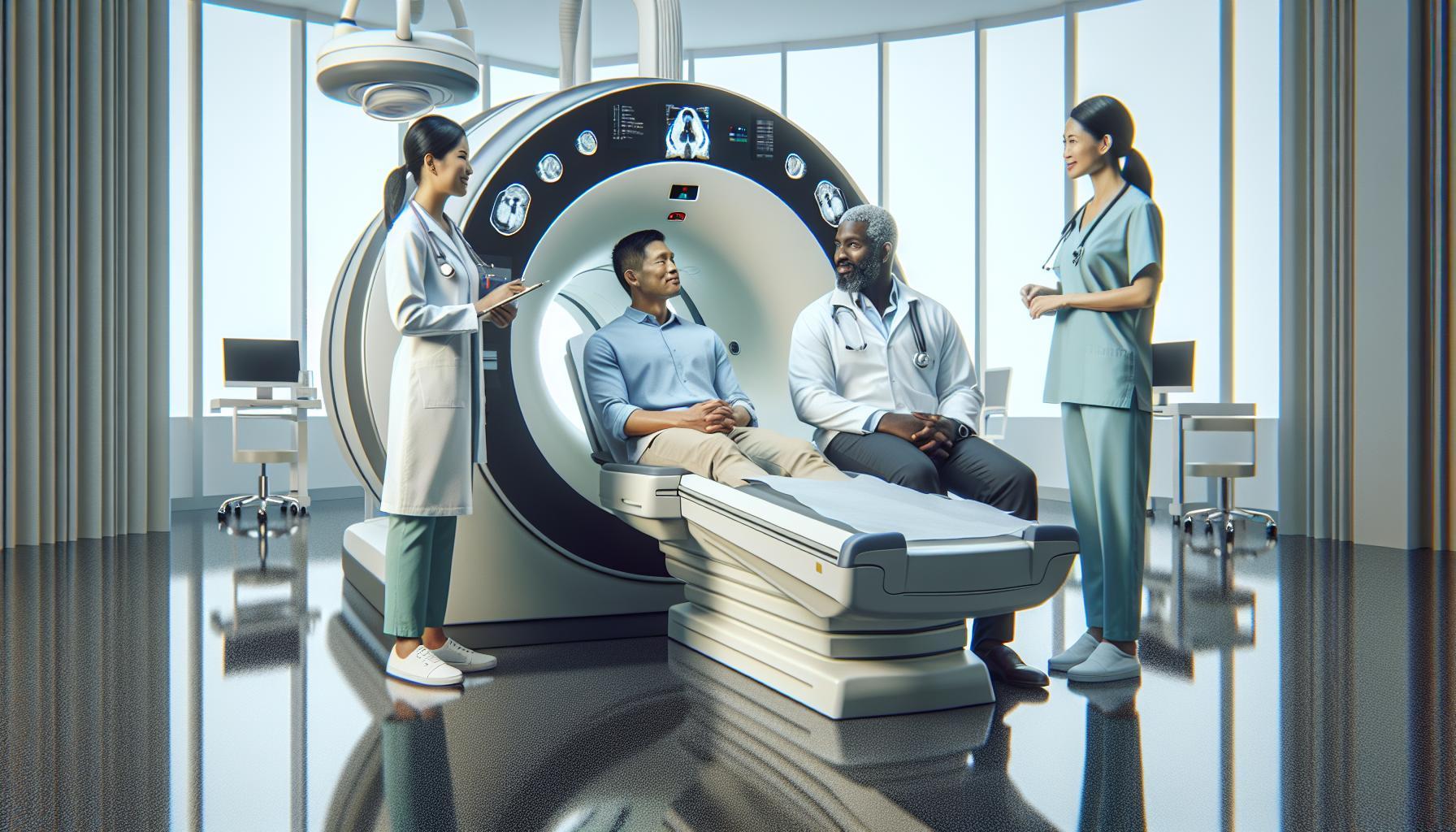
The procedure is non-invasive and typically takes only a few minutes. Patients lie on a table that slides into the CT machine, where multiple images are taken in quick succession. Unlike other CT scans, a calcium scan does not use contrast dye, which simplifies the process and reduces any potential risks associated with contrast materials. The primary objective is to produce accurate images of the heart without the complications that some patients may experience from contrast agents.
For those concerned about their heart health, especially with a family history of heart disease, a CT calcium scan can provide essential insights. After the scan, results are usually available within a few days, detailing the calcium score that reflects the amount of calcified plaque in the arteries. Regular check-ups and discussions with healthcare providers about the implications of these results can help individuals take proactive steps towards better heart health.
Understanding the Role of Contrast in CT Imaging
The necessity and role of contrast in various forms of medical imaging can often leave patients feeling uncertain, especially when it comes to specialized scans like CT calcium scans. Unlike many standard CT scans that leverage contrast dyes to enhance visibility of tissues and blood vessels, a CT calcium scan does not employ such substances. This distinction is significant, as the absence of contrast dye simplifies the procedure and alleviates concerns about potential allergic reactions or complications related to contrast agents.
Utilizing a simple CT imaging technique, the calcium scan focuses specifically on the presence of calcified plaques within coronary arteries. The inherent nature of the calcium itself provides enough contrast to distinguish these deposits from surrounding tissues without additional substances. This streamlined approach not only enhances the safety of the procedure but also makes it more accessible for individuals who may have anxiety regarding the use of contrast dyes.
For patients considering a CT calcium scan, understanding this difference can be reassuring. There’s no need for pre-procedure preparations related to contrast, such as hydration protocols or assessments for allergies to iodine-based materials. As a result, the procedure can usually be performed quickly and comfortably, allowing for prompt assessment of heart health risks. Nevertheless, patients are encouraged to discuss their specific concerns and health conditions with their healthcare provider to ensure the most appropriate imaging strategy is selected.
In considering the larger context of cardiac health, the CT calcium scan plays a crucial role in early detection and preventative measures against heart disease. Choosing to undergo a calcium scan without the complications of contrast agents enables individuals to focus on proactive health management, putting them in a better position to make informed decisions about their cardiovascular wellness.
Benefits of Using Contrast in Heart Imaging
While a CT calcium scan is performed without contrast, it’s important to understand the benefits of using contrast agents in other types of heart imaging. When used appropriately, contrast agents can dramatically improve the quality of the images obtained, providing clearer and more detailed views of the heart and its surrounding structures. This enhanced visibility is crucial for accurately diagnosing various cardiovascular conditions.
One of the primary advantages of using contrast in heart imaging is its ability to highlight blood vessels and tissues that may otherwise be difficult to see. For instance, when imaging for potential blockages or abnormalities, contrast agents can illuminate the blood flow and help detect issues such as coronary artery disease. This can lead to earlier and more accurate diagnosis, which in turn can facilitate timely treatment interventions.
Moreover, contrast-enhanced imaging can provide vital information that guides therapeutic decisions. For example, in a coronary angiogram, contrast dye allows physicians to assess the severity of blockages in coronary arteries, determining whether a patient may benefit from medication management, angioplasty, or surgical procedures. The clear delineation of blood vessels helps in planning effective treatment strategies tailored to individual patient needs.
Despite the advantages, it’s essential to address the concerns some patients may have regarding contrast use. While most individuals tolerate contrast agents well, healthcare providers emphasize the importance of discussing any previous allergic reactions or kidney issues prior to the procedure. This ensures that all safety measures are taken, allowing patients to proceed with peace of mind as they undergo heart imaging optimized for their health.
So, for patients receiving heart imaging that requires contrast, rest assured that this technology is designed to maximize diagnostic accuracy while prioritizing patient safety. Always consult your healthcare provider for tailored advice and to address any concerns specific to your health condition.
How a CT Calcium Scan is Performed
The CT calcium scan is a remarkable tool that can provide critical insights into the health of your heart, particularly the presence of calcified plaque in your coronary arteries. Understanding how this test is performed can help alleviate any anxieties you may have about the process. During the procedure, you will lie comfortably on a table that slides into the CT scanner, which resembles a large donut. As you settle in, it’s important to remain still and breathe normally. The entire scanning process typically takes about 10 minutes.
Your healthcare provider will attach small electrodes to your chest to monitor your heart’s electrical activity. This monitoring is essential, as it ensures the most accurate image quality during the scan. Most importantly, unlike many other imaging techniques, a CT calcium scan is performed without the use of contrast agents. The equipment captures multiple images of your heart and the surrounding vessels using a special type of X-ray technology, allowing your doctor to detect any calcium deposits that indicate a buildup of coronary artery disease.
As the scan proceeds, you may hear whirring noises from the machine, which is perfectly normal. It’s often recommended that patients minimize motion during the scan to prevent blurring of the images. If the technician requests you to hold your breath for a few seconds while the images are taken, it’s a brief moment that aids in obtaining clear, reliable results.
After the scan is complete, the collected data will be analyzed to produce a calcium score, which quantifies the amount of calcium in your arteries. This score plays a pivotal role in assessing your risk for heart disease and guiding future treatment decisions. If you have any questions or concerns about the procedure, discussing them with your healthcare provider beforehand can help you feel more prepared and at ease during your test.
Key Differences Between CT Calcium and Standard CT Scans
A CT calcium scan stands out from standard CT scans in several important ways, primarily due to its unique focus and imaging methodology. While conventional CT scans are versatile tools commonly used to visualize various body structures, the calcium scan specifically targets the heart and its arteries. It is designed to detect calcium deposits that can indicate the presence of coronary artery disease (CAD) before any symptoms arise. This proactive approach makes the calcium scan an essential tool in heart health assessment.
One of the most notable differences is the absence of contrast agents in a CT calcium scan. Most standard CT scans, especially those evaluating soft tissues or certain organ systems, often require the use of contrast material to enhance image clarity. In contrast, the CT calcium scan does not utilize any contrast, relying solely on a specialized imaging technique that captures the density of calcium within the coronary arteries. This focus allows for rapid scanning and minimal patient discomfort, making it efficient and safe for assessing heart health without introducing additional risks associated with contrast agents, such as allergic reactions or kidney complications.
Additionally, the CT calcium scan often employs a lower dose of radiation compared to standard CT scans. Since the primary goal is to measure calcium levels rather than produce detailed images of soft tissues or organs, the technology can achieve high-quality results with reduced exposure. This reduction in radiation is particularly beneficial for patients who may require routine screenings or have concerns about radiation exposure over time.
In practical terms, understanding these differences can ease any concerns you might have about the procedure. The non-invasive nature of the CT calcium scan, combined with its targeted assessment of heart health, offers a reassuring option for those looking to monitor their cardiovascular condition. If you’re preparing for a CT calcium scan, rest assured that its design priorities safety and efficiency while providing critical insights into your heart’s health. Always feel empowered to ask your healthcare provider any lingering questions regarding these differences and what they mean for your health.
Patient Preparation for a CT Calcium Scan
Understanding how to prepare for a CT calcium scan can make a substantial difference in easing your anxiety and ensuring the process goes smoothly. One of the key benefits of this particular scan is that it does not require contrast material, unlike many other imaging procedures. This means there’s less preparation involved, which can be a relief for those concerned about allergic reactions or complications associated with contrast media.
To ensure you have the best experience and the most accurate results, consider the following preparations:
Before Your Scan
- Stay Hydrated: Drink plenty of water leading up to your scan. Staying well-hydrated can help improve blood circulation and make the imaging process more efficient.
- Avoid Caffeine: It’s advisable to refrain from caffeine for 24 hours before your scan. Caffeine can cause your heart rate to increase, which may affect the scan results.
- Clothing: Wear comfortable, loose-fitting clothing without metal fasteners, as metal can interfere with the imaging. You might be asked to change into a gown for the scan.
- Communicate with Your Doctor: Provide your healthcare provider with a detailed medical history, including any medications you take and any pre-existing conditions that could affect the procedure. This is also a good time to discuss any concerns you have about the scan.
Day of the Scan
- Follow Fasting Instructions: If advised by your doctor, you may need to fast for a short period before the scan to ensure the best possible results.
- Arrive Early: Giving yourself extra time can help you relax and fill out any necessary paperwork without feeling rushed.
Understanding these preparation steps can empower you to take control of your healthcare experience. Always remember to consult your healthcare provider with specific questions or concerns related to your personal health circumstances. Their guidance will be invaluable in ensuring a successful and stress-free procedure.
What to Expect During the Procedure
During a CT calcium scan, you will experience a straightforward yet methodical process designed to provide crucial insights into your heart health without the use of contrast material, which is often a source of anxiety for patients. This test primarily aims to measure the amount of calcium in your coronary arteries, a vital indicator of potential heart disease. Understanding what happens during the procedure can help alleviate concerns and prepare you for the experience.
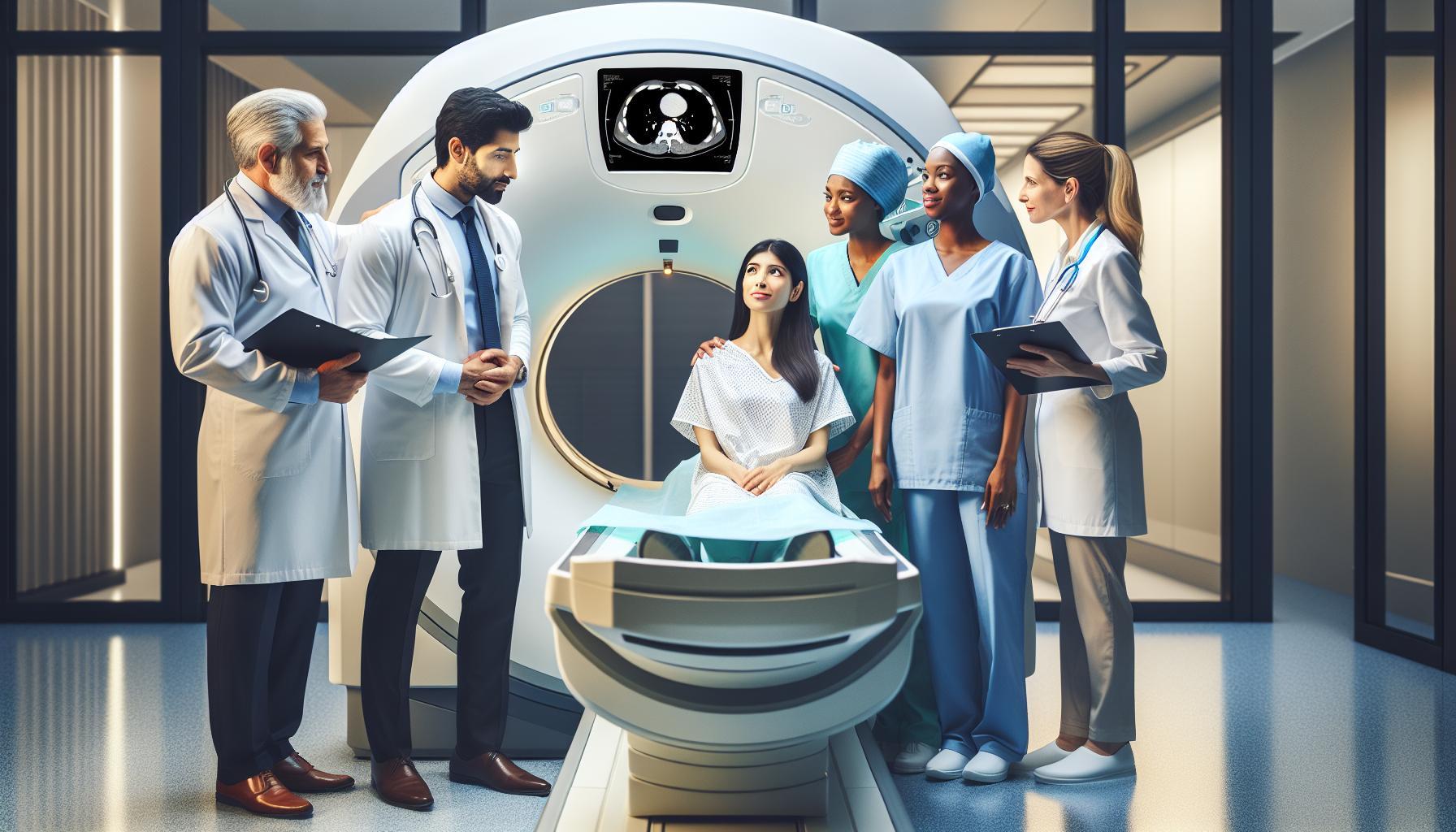
As you enter the imaging room, you will be greeted by a radiologic technologist who will review the procedure with you. You’ll be asked to lie down on a narrow table that slides into a large, circular opening of the CT scanner. It’s essential to remain still during the scan to ensure that the images are clear and accurate. The technologist will attach electrodes to your chest to monitor your heart’s rhythm, and you may hear prompts instructing you to hold your breath briefly when the images are taken. The entire process is quick, typically lasting only about 10 minutes.
Throughout the scan, you will not feel any pain or discomfort. The machine will make a series of whirring noises, which can be intimidating, but it’s normal. The absence of contrast means you won’t have to worry about allergic reactions or any post-procedure monitoring related to contrast use. This ease of procedure is particularly beneficial for those who may have concerns about medical interventions. After the scan is complete, you can return to your normal activities almost immediately, as no recovery time is needed.
It’s natural to feel a bit anxious about any medical procedure. Communicating openly with your healthcare team about your feelings or concerns can help ensure that you feel supported every step of the way. Remember, the goal of the CT calcium scan is to provide valuable information about your heart health, empowering you and your healthcare provider to make informed decisions moving forward.
Interpreting CT Calcium Scan Results
The results from a CT calcium scan can reveal crucial insights into your heart health, particularly regarding the presence of calcium buildup in the coronary arteries. The findings are typically quantified using a scoring system known as the Agatston score, which assesses the amount of calcium detected. The score ranges from zero, indicating no detectable calcium and a low risk of coronary artery disease, to higher numbers, which suggest increasing levels of calcium and, consequently, a greater risk.
Understanding this scoring system can be quite reassuring. For example, a score of 1-10 is generally considered to indicate minimal calcium presence, while a score above 100 often signals more significant issues that may necessitate further evaluation and potential intervention. Additionally, results may be stratified into categories helping to determine your risk level, which can, in turn, guide discussions between you and your healthcare provider about lifestyle changes and monitoring strategies.
After the scan, it’s common for patients to have questions about what these results mean for their overall health. Consulting with your healthcare provider to interpret your score within the context of your overall health, family history, and lifestyle factors is essential. They can provide personalized recommendations based on your results, discussing options for managing risk factors like diet, exercise, and even medications if necessary.
As you await your results, remind yourself that understanding the state of your heart is an empowering step towards better health. A CT calcium scan, with its ability to detect calcium deposits non-invasively, can be a vital tool in preempting future heart issues, guiding preventive measures, and ensuring that you remain proactive about your cardiovascular health.
Safety Considerations for Contrast Use
When considering a CT calcium scan, patients often wonder about the safety of using contrast agents. While some CT scans may utilize contrast to enhance imaging, CT calcium scans primarily assess the presence of calcium deposits in the coronary arteries without the need for such agents. This fact can be particularly reassuring to patients who may have concerns about potential side effects or allergic reactions to contrast materials.
However, understanding the broader safety considerations associated with contrast use in imaging is essential. In those procedures where contrast is employed, the medical team typically screens for any allergies to iodine (a common component of many contrast agents) and reviews the patient’s medical history. Some patients may experience mild side effects, such as a warm sensation during injection or a metallic taste in the mouth. In rare cases, more significant reactions, including anaphylaxis, can occur, underscoring the importance of open communication about any previous reactions to contrast materials.
It’s important to consult with healthcare professionals regarding any pre-existing conditions, especially renal issues, as certain contrast agents might pose risks to patients with compromised kidney function. Patients with diabetes or dehydration are also closely monitored. Moreover, for those whose exams might require contrast, proper hydration before and after the procedure is often recommended to help flush the contrast from the body effectively.
In summary, while a CT calcium scan does not necessitate contrast agents, understanding the safety of contrast use in general imaging is valuable. Embracing a proactive approach by discussing concerns with healthcare providers can empower patients to feel more secure about their imaging experiences. Always prioritize a dialogue about your health history and any questions you have regarding procedures; this collaboration fosters a safer and more comfortable scanning experience.
Cost Factors for a CT Calcium Scan
When considering a CT calcium scan, understanding the costs involved is vital for managing expectations and making informed decisions about your healthcare. Generally, the cost of a CT calcium scan can vary significantly based on several factors, and being aware of these can empower you to navigate the financial aspects effectively.
Factors Influencing Cost
The overall price of a CT calcium scan can depend on:
- Geographic Location: Medical imaging costs can vary widely depending on the region. Urban areas may have higher costs due to increased demand and operational expenses.
- Facility Type: Prices differ between hospitals, outpatient imaging centers, and private practices. Specialty facilities that focus on imaging may offer competitive pricing.
- Insurance Coverage: If you have health insurance, coverage may significantly impact your out-of-pocket expenses. It’s essential to check with your provider to determine if the scan is covered and what your co-pay or deductible will be.
- Additional Services: If other tests or consultations are performed alongside the scan, this can add to the total cost. Always inquire if any extras will be included in the bill.
- Radiologist Fees: The interpretation of the scan results often comes with separate fees charged by the radiologist who reviews the images.
Cost Estimates
On average, the cost of a CT calcium scan can range from $100 to $400, but this is subject to the factors mentioned above. It is advisable to gather quotes from multiple facilities and ask about any available payment plans or financial assistance they may offer.
Moreover, understanding the financial implications of your healthcare can alleviate anxiety related to the process. Consider discussing any concerns regarding costs with your healthcare provider to explore all your options. They may provide insights into billing practices or recommend facilities that offer the scans at a lower rate.
Ultimately, while the cost of a CT calcium scan may seem daunting, taking proactive steps to investigate and understand the financial aspects will contribute to a more comfortable experience as you prioritize your heart health.
Common Questions About CT Calcium Scans
When considering a CT calcium scan, many patients may have questions about the procedure itself, including the use of contrast material and overall experience. Understanding the specifics can alleviate anxiety and help prepare individuals for what’s to come.
One common question is whether a CT calcium scan requires contrast material. Typically, a standard coronary calcium scan does not use contrast dyes. This is because the scan primarily focuses on assessing calcium deposits in the coronary arteries, which can be effectively visualized without additional contrast agents. However, there may be situations where a doctor recommends additional imaging techniques that could involve contrast if a more detailed evaluation is necessary for diagnosing specific conditions.
Patients often wonder about what they will feel during the scan. Generally, the procedure is quick-usually lasting only about 10 to 15 minutes-and involves lying still on a table as it passes through the CT machine. It’s normal to have slight anxiety about the scan, but most find it to be a straightforward process. Because the scan is non-invasive, there shouldn’t be significant discomfort. For those who may struggle with claustrophobia, communicating any concerns to the healthcare provider beforehand can enable them to make accommodations to ease any nervousness.
Another frequent inquiry involves interpreting the results of a CT calcium scan. Results are quantified using a calcium score, with higher scores indicating a greater amount of calcium in the arteries, suggesting a higher risk of coronary artery disease. A score of zero may provide reassurance, indicating no significant calcium build-up at the time of the scan. Consulting with a healthcare professional post-scan is crucial, as they can help explain what the results mean in the context of overall heart health and possible next steps.
For anyone preparing for this type of imaging, it’s beneficial to arrive with a list of questions and an understanding of the process. This will enhance communication with healthcare providers, ensuring clarity and comfort throughout the experience. Remember, involving family members in discussions and preparations can also provide valuable emotional support before and after the scan.
Understanding the Importance of Follow-Up Care
After undergoing a CT calcium scan, is crucial for maintaining heart health and addressing any potential risks. Follow-up care serves as a bridge between the initial imaging results and the necessary next steps in your medical journey. It provides an opportunity to review the findings with your healthcare provider, allowing for a comprehensive assessment of your cardiovascular health.
A calcium score, derived from the scan, can offer significant insight into the state of your arteries. Following the scan, your doctor will discuss your score and what it might indicate regarding your risk for coronary artery disease. Based on your results, your provider may recommend lifestyle changes, additional testing, or treatment options tailored to improve heart health. Engaging in this conversation is vital as it arms you with knowledge about your condition and empowers you to make informed decisions about your health.
Moreover, follow-up care is not just about interpreting results; it’s about implementing strategies for risk reduction. This may include lifestyle modifications such as adopting a heart-healthy diet, increasing physical activity, managing stress, and quitting smoking. Your healthcare provider may also discuss the potential for preventive medications or other interventions to mitigate risks associated with coronary artery disease. Regular follow-up appointments can help monitor your heart health, allowing adjustments to be made to your care plan as necessary.
For patients, understanding the implications of their results and having a clear action plan can significantly alleviate anxiety. Remember that your healthcare provider is there to guide you through this process, ensuring that you feel supported in your decision-making and care pathways. Don’t hesitate to ask questions or express any concerns, as open communication can enhance the effectiveness of your follow-up care and your overall health trajectory.
Frequently Asked Questions
Q: Does a CT Calcium Scan require contrast?
A: A CT Calcium Scan typically does not require contrast. This procedure focuses on detecting calcium deposits in the coronary arteries, which are visible using standard imaging techniques without the need for contrast agents. For more details, refer to the section on “Understanding the Role of Contrast in CT Imaging.”
Q: What are the benefits of avoiding contrast in a CT Calcium Scan?
A: Avoiding contrast during a CT Calcium Scan reduces the risk of allergic reactions and kidney issues associated with contrast agents. However, it still provides accurate assessment of coronary artery calcification. Consult the “Benefits of Using Contrast in Heart Imaging” section for clearer insights on when contrast is beneficial.
Q: How does a CT Calcium Scan differ from a standard CT scan regarding contrast use?
A: Unlike standard CT scans, which often use contrast to enhance visibility, a CT Calcium Scan specifically measures calcium deposits and usually does not use contrast. This difference highlights the specific diagnostic purpose of each type of scan.
Q: What should I tell my doctor before a CT Calcium Scan?
A: Inform your doctor about any allergies, particularly to contrast material, or if you have a history of kidney issues. Discuss your overall health and any medications you are taking, as these factors may influence the procedure.
Q: Are there any risks if a CT Calcium Scan doesn’t use contrast?
A: The primary risk with a CT Calcium Scan not using contrast is the potential for missed detection of other conditions that may not be visible without contrast. However, this scan is specifically designed for calcium assessment, making it unlikely to miss relevant findings related to coronary artery disease.
Q: What can I expect during a CT Calcium Scan without contrast?
A: During a CT Calcium Scan without contrast, you will lie on a table that moves into the scanner. You might need to hold your breath briefly while the scan is performed, which typically takes just a few minutes. The entire process is quick and non-invasive.
Q: How should I prepare for a CT Calcium Scan with no contrast?
A: Prepare for a CT Calcium Scan by following your healthcare professional’s instructions. Generally, fasting for a few hours prior to the scan is recommended to ensure clearer images. Check the “Patient Preparation for a CT Calcium Scan” section for specific guidelines.
Q: Will insurance cover a CT Calcium Scan without contrast?
A: Coverage for a CT Calcium Scan without contrast varies by insurance provider and specific health plans. It’s advisable to check with your insurance company prior to the procedure to understand your coverage details, including any necessary pre-authorizations.
Final Thoughts
Understanding whether a CT calcium scan requires contrast is essential for your health journey. While contrast agents enhance image clarity, many scans can be performed effectively without them. If you’re still unsure about the procedure or how to prepare, we urge you to consult your healthcare provider for personalized advice tailored to your needs.
For more in-depth insights, check our articles on how to prepare for a CT scan and the benefits of early detection in heart disease. Don’t forget to explore our patient resource section for guides that will help you navigate medical imaging options with confidence.
Your health is a priority-stay informed and proactive. Subscribe to our newsletter for the latest updates, tips, and information about medical imaging procedures. Engaging with our content can help reduce anxiety and empower you to make informed health decisions. Let’s continue this journey towards better health together!