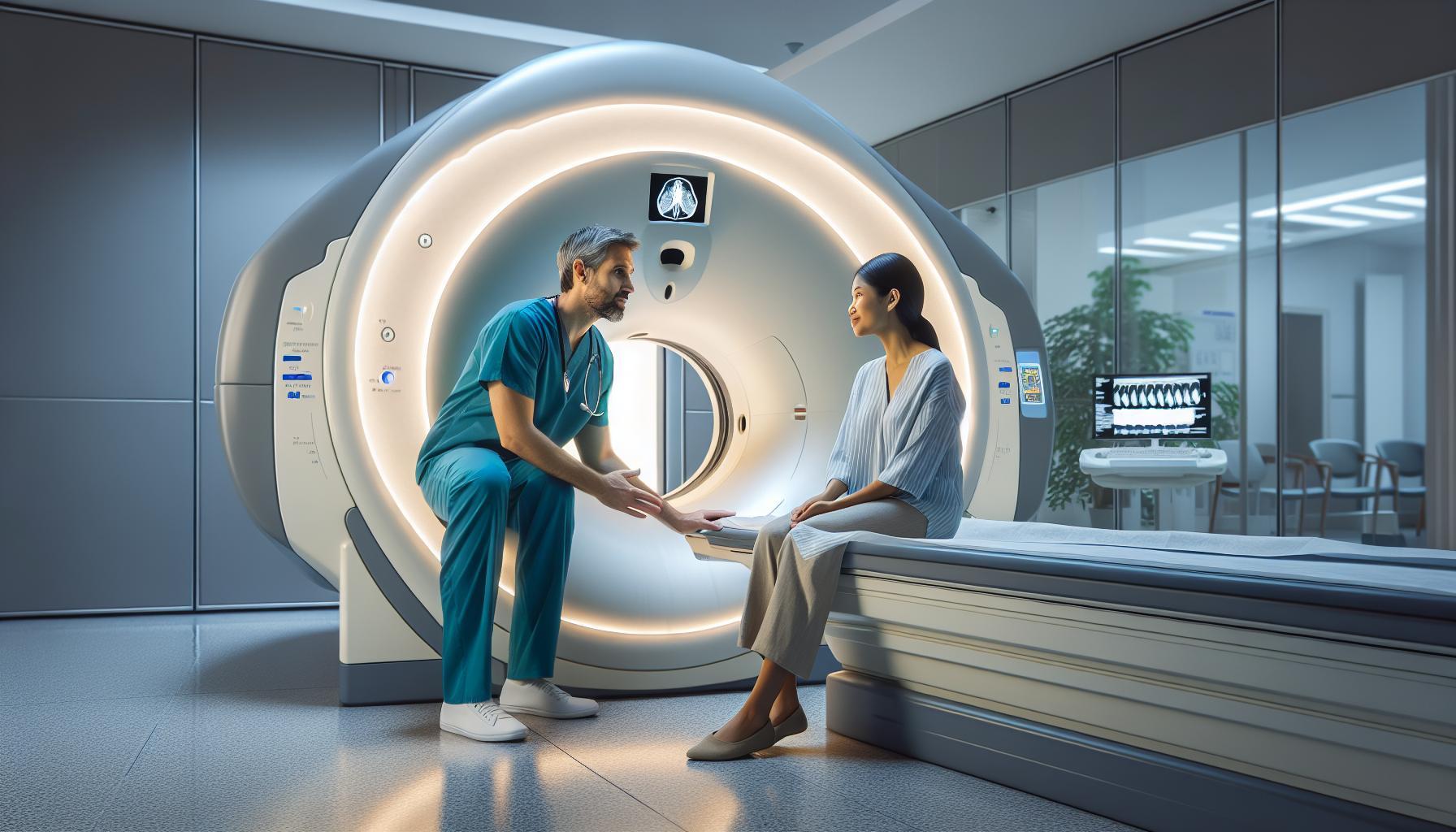
When facing medical concerns, understanding what to expect from a head CT scan can help alleviate anxiety and empower informed decisions. Typically, the scan itself lasts only about 10 to 30 minutes, but knowing the entire process, from preparation to receiving results, is crucial. As one of the most common imaging techniques, a head CT scan provides detailed insights, assisting healthcare providers in diagnosing conditions effectively.
It’s natural to have questions and concerns about such procedures. Will it be uncomfortable? How soon will the results be available? This article will guide you through the timing of a head CT scan and what you can expect at each step, ensuring you feel prepared and informed. By gaining a clear understanding, you’ll be in a better position to manage your health proactively.
What is a Head CT Scan?
Computed Tomography (CT) scans of the head are powerful imaging tools used by healthcare professionals to gain detailed insights into the structures and conditions of the brain and surrounding areas. A head CT scan utilizes advanced x-ray technology to capture cross-sectional images of the head, including the brain, skull, sinuses, and facial structures. These images are created by rotating the x-ray tube around the patient’s head, allowing for precise layering of images that provide a comprehensive view of any abnormalities or injuries. This noninvasive procedure can be pivotal in diagnosing various medical conditions, from traumatic brain injuries and strokes to tumors and chronic headaches.
Understanding the purpose of a head CT scan is crucial for patients. It serves a variety of clinical needs, including assessing head injuries, detecting signs of stroke, evaluating persistent headaches, and identifying tumors or bleeding. For example, in emergency situations, a rapid CT can be the difference in identifying life-threatening conditions swiftly. The imaging produced can also guide treatment decisions, such as surgical intervention or radiation therapy plans for brain cancer. With its ability to reveal critical information that might not be visible through other imaging techniques, a head CT scan plays an essential role in modern medicine.
While the duration of a head CT scan can vary, the procedure typically takes only about 10 to 30 minutes from start to finish, depending on the complexity of the images required. It’s a quick process that involves minimal discomfort, making it a preferred option for many diagnostic situations. Patients often appreciate the efficiency with which a CT scan can provide valuable insights into their health, allowing for timely discussions and decisions regarding further care or treatment. As with any medical procedure, being informed and prepared can help alleviate anxiety, enhancing the overall experience during the scan.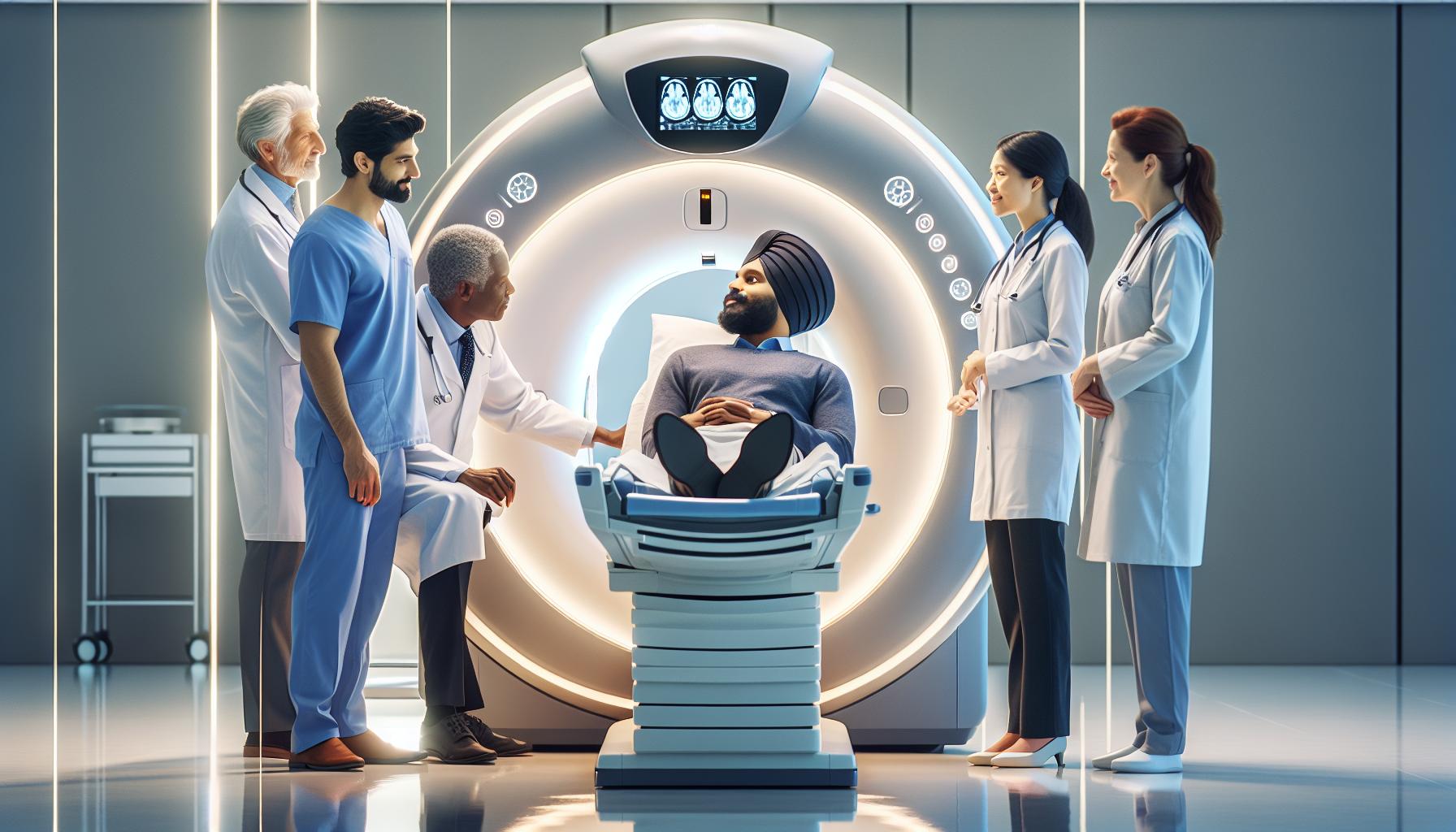
Understanding the Purpose of a Head CT Scan
A head CT scan is an invaluable tool in modern medicine, capable of providing crucial insights into the workings of the brain and surrounding structures. This imaging technique is particularly important for assessing a wide variety of medical conditions, including traumatic brain injuries, strokes, and other neurological disorders. For patients concerned about their health, understanding why a head CT scan is recommended can significantly lessen anxiety and enhance their engagement in the healthcare process.
This scan serves numerous clinical purposes, such as evaluating head injuries that may have occurred during accidents or falls. In emergency situations, a head CT can be a lifesaver, allowing healthcare providers to quickly identify whether a patient has suffered a hemorrhage or other critical conditions that require immediate intervention. The speed at which a CT scan can be performed and analyzed makes it an essential resource for timely decision-making about patient care.
In addition to trauma assessment, a CT scan of the head can help uncover less obvious medical issues. For instance, persistent headaches may signal underlying problems such as tumors or cysts. By visualizing brain structures in great detail, doctors are better equipped to diagnose these conditions accurately. Moreover, the scan can assist in monitoring the progress of treatment for known issues, such as the effectiveness of radiation therapy on brain tumors or the resolution of swelling after a significant injury.
For individuals preparing for their head CT scans, understanding the purpose of this procedure can provide reassurance. It’s essential to recognize the pivotal role these scans play in safeguarding health and guiding treatment decisions. Consulting with a healthcare provider before the scan can offer personalized insights, answering any lingering questions and fostering a sense of control and understanding over their medical journey.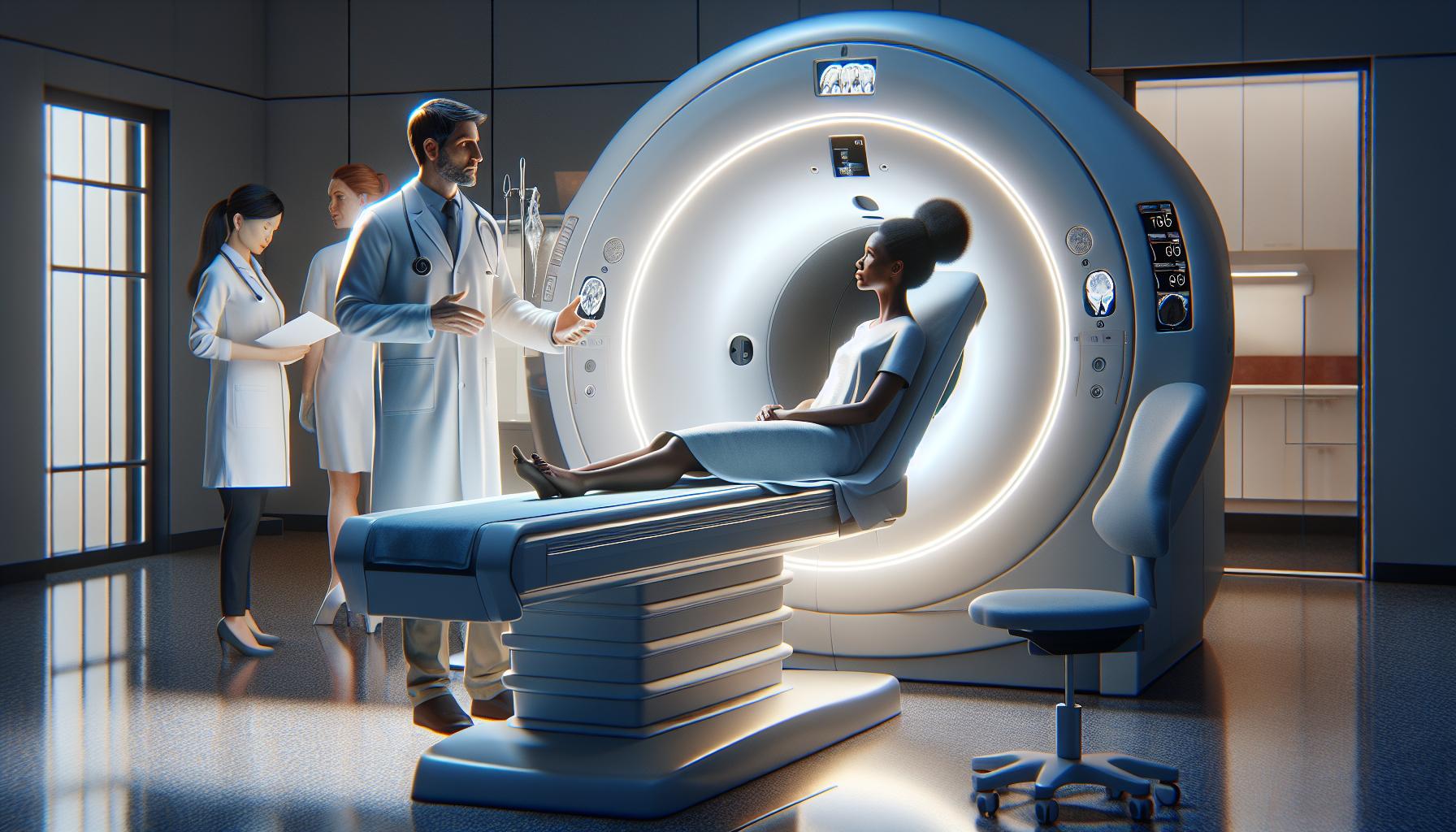
How Long Does a Head CT Scan Typically Take?
A head CT scan is a highly efficient diagnostic tool, and understanding its typical duration can help ease patient anxiety. Generally, the actual scanning process only takes about 10 to 30 minutes. However, the total time required for your appointment may be longer due to preparation and post-scan procedures. It’s important to factor in additional time for registration, any necessary consultations, and possible waiting periods before you’re taken into the scanning room.
During the scanning process, you will lie down on a motorized table, which slides into the CT scanner. While it may feel a bit confined at first, the machine is designed to maximize comfort and minimize your anxiety. The radiologic technologist will instruct you on when to hold your breath, which helps capture clearer images. In some cases, if contrast dye is used to enhance the images, additional time may be required for the setup, administration, and observation after the scan to monitor for any adverse reactions.
Planning your visit with these timing considerations in mind can better prepare you for the experience. Always communicate any concerns or questions with your healthcare provider beforehand, as they can offer specific details tailored to your situation. Remember, the clarity from a head CT scan can lead to significant benefits in diagnosing and managing health issues, making the time spent worthwhile.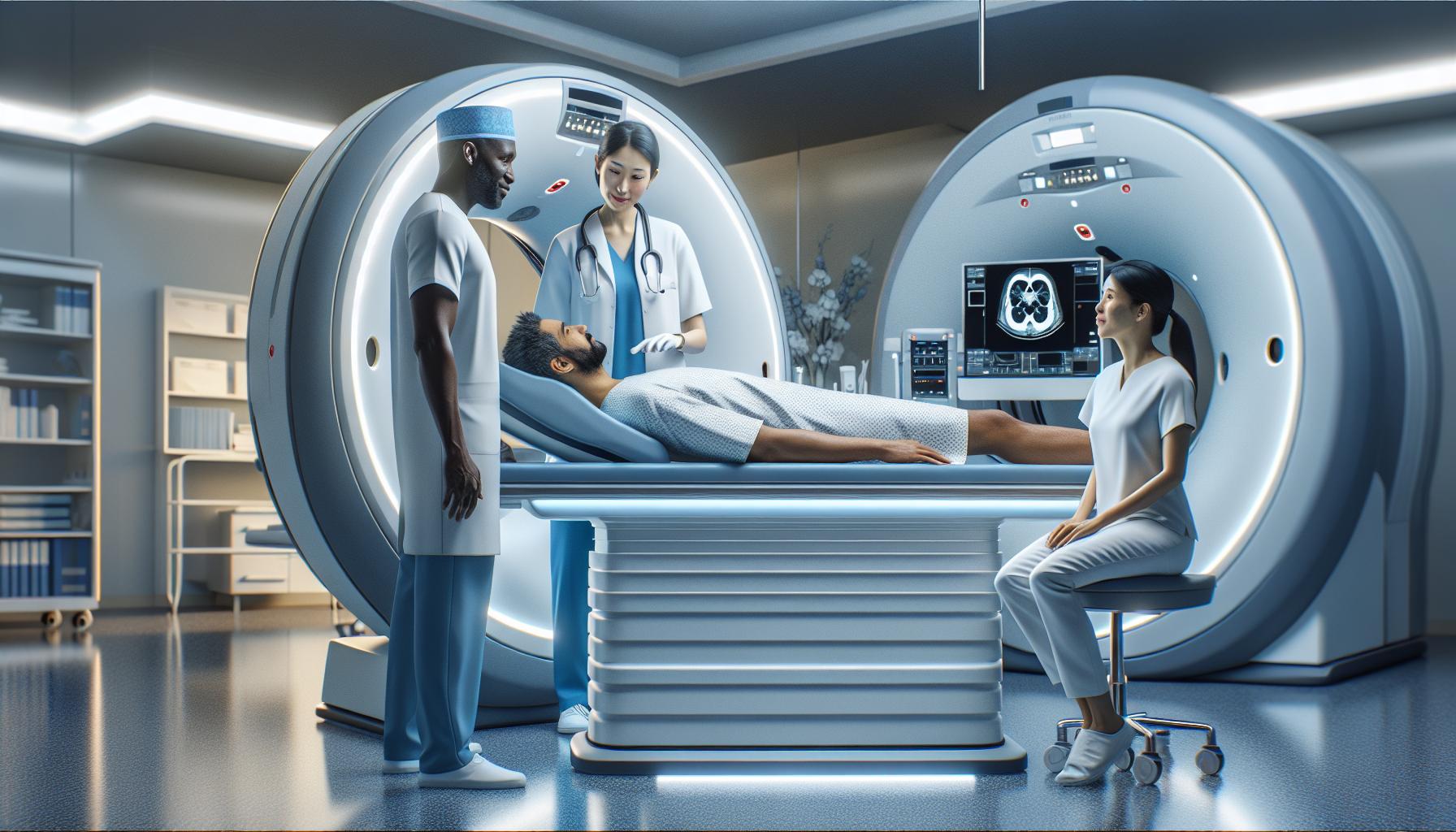
Factors That Influence CT Scan Duration
The duration of a head CT scan can vary significantly based on several factors, making it essential for patients to understand what influences this timing. Usually, the scanning itself takes around 10 to 30 minutes, but numerous elements can extend the total time spent at the imaging facility.
One critical factor is the type of scan being performed. For instance, if your healthcare provider orders a routine CT scan versus a more intricate study requiring contrast material, the latter will add extra time. The preparation for using contrast involves additional steps such as intravenous insertion and monitoring for any potential allergic reactions after the scan. Moreover, the specific equipment used and the facility’s efficiency play a vital role. Some advanced CT scanners can produce images more rapidly than older models, potentially reducing your time on the table.
Patient readiness is another significant element. If it’s your first time undergoing a CT scan, your healthcare team will likely spend extra time explaining the procedure and answering any questions, which is crucial for ensuring your comfort and compliance. Additionally, if you experience anxiety or have difficulty remaining still, it may take longer to complete the scan. In some cases, a sedative might be necessary, extending the duration of your appointment as you wait for the medication to take effect.
Lastly, factors beyond individual patients can influence appointment duration. These include the overall load of the imaging department, potential delays due to emergencies, or the need for prior imaging consultations by radiologists. Understanding these elements can ease the anxiety surrounding your visit, allowing you to plan better and focus on the importance of the diagnostic information the scan provides. Always remember to communicate with your healthcare provider about any concerns for tailored guidance regarding your specific situation.
What to Expect Before Your Head CT Scan
Before undergoing a head CT scan, understanding what to expect can help alleviate any anxiety and make the experience smoother. One of the first steps is to discuss the procedure with your healthcare provider, who can clarify why the scan is necessary and what information it aims to uncover. This conversation will not only instill confidence but also provide an opportunity for you to ask any questions about the process. Knowing the purpose of the scan, whether for diagnosing a condition or monitoring a known issue, can offer deeper insight into the significance of the results.
Preparation for a head CT scan typically involves a few simple steps. Most importantly, you may be advised to refrain from eating or drinking for a certain period before the scan, particularly if a contrast agent is to be used. This agent helps to enhance the images but often necessitates specific dietary considerations leading up to the procedure. If you have any allergies, especially to iodine or contrast materials, it’s crucial to inform your medical team. They will guide you on any additional precautions or preparations you may need.
When you arrive at the imaging facility, expect to spend some time checking in and completing any necessary paperwork. This may include confirming your medical history and any medications you are taking. Comfortable clothing is recommended, but you may need to change into a hospital gown, especially if your clothes contain metal, which could interfere with the imaging. Bringing a support person can also be beneficial. This companion can offer emotional support, help you recall the information provided, and assist with any questions that may arise during the visit.
Finally, while waiting for your appointment, take a moment to relax and mentally prepare. Practicing deep breathing or visualization techniques can help reduce any stress associated with the scan. Remember, this diagnostic tool plays a crucial role in assessing your health, and the imaging team is there to provide you with care and reassurance throughout the process.
Preparing for Your Head CT Scan Appointment
Preparing for a head CT scan can be a straightforward and reassuring process when you know what to expect. Typically, a head CT scan itself takes about 10 to 30 minutes, but careful preparation can ensure that everything goes smoothly on the day of the appointment. Key aspects of preparation include dietary restrictions, medical history disclosures, and logistical considerations.
One of the first steps in preparing for your head CT scan is to follow any specific instructions from your healthcare provider regarding food and drink. If you are required to receive a contrast agent to enhance the imaging, you may be instructed to refrain from eating or drinking for a few hours prior to the scan. This is essential, as the presence of food in your stomach can affect the clarity of the images. Always disclose any allergies, particularly to iodine or contrast materials, as this will allow your medical team to take necessary precautions.
Additionally, on the day of your appointment, plan to arrive early to allow time for check-in, paperwork, and any last-minute questions. Upon arrival, you may need to provide information about your medical history, including any medications you are currently taking. Wearing comfortable clothing is advisable, but be prepared to change into a hospital gown if required, particularly if your clothes contain metal, as this can interfere with the imaging. Having a support person accompany you can also be beneficial, as they can help alleviate any anxiety and provide assistance during the visit.
Finally, take a moment to perform relaxation techniques while waiting for your scan. Deep breathing exercises or visualizations can help reduce stress and prepare you mentally for the procedure. Remember, a head CT scan is a vital tool for diagnosing various conditions, and the imaging team will be there to support and guide you through the entire process, ensuring that you receive the care you need.
What Happens During a Head CT Scan?
Undergoing a head CT scan can feel daunting, but understanding the process can significantly alleviate your anxiety. During the actual scan, you will lie down on a padded table that slides into a large, doughnut-shaped machine. This machine is designed to take a series of X-ray images from different angles, which a computer then compiles into detailed cross-sectional images of your brain and skull. The entire scanning process typically takes about 10 to 30 minutes, depending on whether contrast material is used and the specific protocols of the facility.
As the scan begins, it’s important to remain still. Movement can blur the images, potentially leading to the need for a repeat scan. You may hear whirring and clicking sounds as the machine operates, which is completely normal. For patients who experience anxiety in enclosed spaces, many facilities offer options such as a wider scanning tube or the ability to listen to music during the procedure. If a contrast agent is used, you might receive it through an IV in your arm; this can create a brief warming sensation, which is generally harmless.
Prior to the scan, the radiologic technologist will explain the entire procedure, ensuring you know what to expect. They may ask you to hold your breath for a few seconds while images are taken. This is crucial as it helps improve clarity in the images. If you have any concerns or feel uncomfortable at any point, don’t hesitate to communicate with the staff; they are there to ensure your comfort and safety throughout the process. Overall, getting a head CT scan is a quick and relatively straightforward experience designed to help your healthcare provider evaluate any potential issues with your brain or skull.
Common Questions About Head CT Scan Safety
Undergoing a head CT scan often raises concerns about safety, especially given the use of X-ray technology. It’s important to remember that while CT scans do expose patients to radiation, the levels are generally low and the benefits often outweigh the risks when imaging is necessary for diagnosis. Each scan is tailored to the individual’s medical needs, ensuring that the amount of radiation used is as low as possible while still providing high-quality images for accurate diagnosis.
When discussing safety, a common question is regarding the use of contrast material during the scan. If your physician recommends a contrast agent to enhance the images, rest assured that it is safe for most individuals. However, it’s crucial to inform your healthcare provider if you have a history of allergies, particularly to iodine or shellfish, as this can affect your suitability for contrast use. The most common side effects of contrast are mild and may include a warm sensation when injected or a brief headache. Serious allergic reactions are rare, but facilities are equipped to handle any emergencies that may arise.
Another aspect of safety that often concerns patients is the claustrophobic feeling some experience during the scan. Modern CT machines have made significant advances, with many featuring larger openings that reduce the feeling of confinement. Moreover, facilities often provide options to help alleviate anxiety, such as listening to music or having a companion present during the procedure. If you feel particularly anxious, don’t hesitate to voice these feelings to the medical staff-they are trained to help make the experience as comfortable as possible.
Finally, after the scan, a common concern involves the timing of receiving results. Typically, radiologists analyze the images and relay findings to your doctor within a day or two. It’s important to remember that while waiting for results can be anxious, your healthcare team is committed to keeping you informed and will discuss any significant findings with you promptly. Always feel free to ask your healthcare provider for updates regarding your results and next steps to alleviate any lingering uncertainty.
What Happens After Your Head CT Scan?
After completing your head CT scan, there are several important steps and considerations that will guide you through the process of receiving your results and understanding what happens next. One of the first things to note is that the imaging technicians will typically review your images right after the procedure is completed to ensure they have been captured correctly. This quick quality check is crucial as it can determine whether additional scans are necessary, which can sometimes happen if there are concerns about image quality.
Once the CT images are verified, they will be sent to a radiologist for detailed analysis. This process usually takes a bit of time, as the radiologist carefully examines the images to identify any abnormalities that may require attention. Generally, you can expect to wait anywhere from a few hours to a couple of days to receive the results. Your healthcare provider will inform you when the results are available, and they will discuss any significant findings with you. It’s perfectly normal to feel anxious during this waiting period, but it’s essential to remember that this step is vital for guiding your next steps in care or treatment.
While waiting for your results, it may be helpful to prepare any questions you want to ask your healthcare provider. Common questions might include clarifications on what the findings mean for your health, potential follow-up tests, or treatment options that may be recommended based on the results. If you experienced any discomfort during the CT scan or have any lingering questions about the procedure or the use of contrast material, this is the perfect time to address those concerns as well.
Once your results are communicated, your doctor will provide guidance based on the findings. In some cases, no further action may be required, while other scenarios might involve additional diagnostic tests or referrals to specialists. Whatever the outcome, having a clear understanding of your results is crucial for making informed decisions about your healthcare moving forward. Always feel empowered to advocate for yourself and seek clarity on any aspect of your medical journey.
Interpreting Head CT Scan Results
Understanding the results of a head CT scan can feel daunting, especially after the anticipation of undergoing the procedure. Once the radiologist analyzes the scanned images, they will look for any abnormalities or conditions that could have been the reason for the scan in the first place. This could include detecting trauma, tumors, bleeding, or signs of stroke. It’s essential to recognize that not all findings will require urgent action; many results can simply confirm that no significant issues are present.
What to Expect from Your Results
Typically, the radiologist prepares a report that outlines their findings and suggests potential next steps, if necessary. This report is sent to your healthcare provider, who will then review it and discuss the results with you. This process might take from a few hours to a couple of days, depending on several factors, such as the complexity of the findings and the workload of the radiology department. It can be helpful to remember that delays in reporting are often routine and do not necessarily indicate a problem.
Common Findings and Next Steps
Your healthcare provider might explain the findings in accessible terms. They may mention some of the following common conditions identified:
- Hemorrhage: Bleeding within or around the brain
- Fractures: Breaks in the skull
- Masses: Tumors or cysts
- Edema: Swelling in the brain
Following the discussion of results, next steps will vary based on what is found. For instance, if a mass is detected, your doctor may recommend further imaging or a referral to a specialist for evaluation. Conversely, if no abnormalities are observed, your doctor might simply advise routine follow-up care or additional tests if deemed necessary.
It is natural to feel anxious about your results, but having a clear understanding of the findings empowers you in your healthcare journey. If any results are unclear or concerning, don’t hesitate to ask your doctor for further explanations or clarifications. Open communication is vital and can significantly alleviate worries while helping you make informed decisions about your health. Always remember, your healthcare team is there to support and guide you through every step of this process.
Cost Considerations for Head CT Scans
Understanding the costs associated with a head CT scan is essential for patients managing their healthcare expenses. The price of a CT scan can vary widely based on several factors, including location, facility, and insurance coverage. On average, the cost of a head CT scan ranges from $300 to $3,000 in the United States, depending on whether the scan is performed in a hospital or an outpatient imaging center.
Several elements contribute to the overall expense of the procedure. Facility fees can significantly impact the total cost; hospital settings often charge more due to overhead costs. Additionally, if contrast material is used during the scan, this may incur extra charges. It’s also important to consider the potential costs of physician interpretation and follow-up visits to discuss the results.
To make the process more manageable, patients should check with their insurance provider to understand their coverage for diagnostic imaging. Some insurance plans may require prior authorization, and knowing your responsibilities, such as copays or deductibles, can prevent unexpected bills. In cases where insurance is not available, ask the imaging center about self-pay rates or financial assistance programs they may offer.
Finally, for those concerned about cost, consider discussing with your healthcare provider the reasons for the CT scan. If alternatives like MRI or ultrasound are viable options, these may offer better affordability or lower out-of-pocket expenses while providing the necessary diagnostic information. Empowering yourself with knowledge about costs and payment options eases the financial aspect of essential health care, allowing you to focus on your health and well-being.
Comparing Head CT Scans to Other Imaging Tests
When considering imaging procedures for evaluating head injuries, neurological conditions, or other health concerns, understanding the differences between a head CT scan and other imaging tests is crucial. CT scans are particularly effective for capturing detailed images of the brain and skull due to their speed and high-resolution capabilities. Typically, a head CT scan may take about 10 to 30 minutes from start to finish, offering rapid results compared to other modalities like MRI, which may take longer and require the patient to stay still for an extended period.
CT vs. MRI
CT scans use X-rays to create cross-sectional images, allowing doctors to quickly assess structural damage caused by trauma or detect conditions like hemorrhages or tumors. In contrast, MRIs rely on strong magnets and radio waves to produce highly detailed images of soft tissues, making them more suitable for identifying issues with the brain’s soft structures, such as tumors or degenerative diseases, albeit with longer scan times-typically ranging from 30 minutes to over an hour.
Ultrasound and X-rays
Another imaging alternative is ultrasound, which is less frequently used for head evaluations but can be effective for assessing certain conditions in infants, such as intracranial hemorrhages due to its lack of ionizing radiation and real-time imaging capabilities. X-rays, while offering faster results, provide a limited view that mainly facilitates the assessment of fractures and other bone-related issues rather than soft tissue evaluation.
In choosing between these options, one should consider various factors, such as the specific medical condition being investigated, the urgency of the diagnosis, and any concerns regarding exposure to radiation. Engaging in a detailed discussion with a healthcare provider can help in making an informed decision based on individual health needs and circumstances, ensuring you have the right diagnostic pathway tailored to your situation.
Faq
Q: How long does a head CT scan usually take?
A: A head CT scan typically takes about 10 to 30 minutes. This includes both the time needed for the actual scan and any necessary preparation before the procedure.
Q: What should I do before my head CT scan?
A: Before your head CT scan, follow your doctor’s instructions regarding food or medication restrictions. Arrive early to complete any required paperwork and discuss any concerns with the technician.
Q: Is there any pain or discomfort during a head CT scan?
A: No, a head CT scan is generally painless. You may feel a slight vibration from the machine, and you will need to stay still, but the procedure is non-invasive and quick.
Q: Do I need to stay at the hospital after a head CT scan?
A: Usually, you do not need to stay at the hospital after a head CT scan. You can typically return home immediately, unless your doctor advises otherwise based on your medical condition.
Q: Can any medication affect my head CT scan results?
A: Some medications, particularly those affecting blood coagulation, may influence your scan results. Always inform your healthcare provider about any medications you are taking prior to the scan.
Q: What happens if a head CT scan shows abnormal results?
A: If your head CT scan shows abnormal results, your healthcare provider will discuss the findings with you and may recommend further tests or refer you to a specialist for additional evaluation.
Q: How accurate is a head CT scan in diagnosing conditions?
A: A head CT scan is highly accurate for diagnosing various conditions, including brain injuries, strokes, and tumors. However, it may not provide detailed information about certain types of brain pathology compared to an MRI.
Q: Should I be worried about radiation exposure during a head CT scan?
A: While head CT scans involve exposure to radiation, the levels are generally considered safe and the benefits of accurate diagnosis often outweigh the risks. Always discuss any concerns with your physician.
Key Takeaways
As you prepare for your head CT scan, remember that understanding the process can ease any concerns you might have. Typically, the scan itself takes only about 10 to 30 minutes, but the entire appointment may be longer due to setup and waiting times. If you have lingering questions about safety or what to expect, don’t hesitate to reach out to your healthcare provider for personalized guidance.
For more information on related topics, check out our articles on “What to Expect During a CT Scan” and “Understanding Radiology: A Patient’s Guide.” We encourage you to explore our resources further to better understand medical imaging procedures. If you found this content helpful, consider signing up for our newsletter for updates and expert advice. Your peace of mind is our priority, and we’re here to support you every step of the way.