Colorectal cancer affects millions each year, making early detection crucial for successful outcomes. One of the advanced methods for screening is the CT scan, which offers a non-invasive way to visualize the colon and detect abnormalities. This article will explore how effective CT scans are in identifying colon cancer, addressing common questions and concerns that may arise during the screening process.
As you consider your options for colorectal cancer screening, understanding the benefits and limitations of each method can empower you to make informed decisions about your health. With many people feeling anxious about medical procedures, it’s essential to know what to expect from a CT scan-from preparation to results. Stay with us as we break down the facts and provide the insights you need to navigate your screening journey with confidence.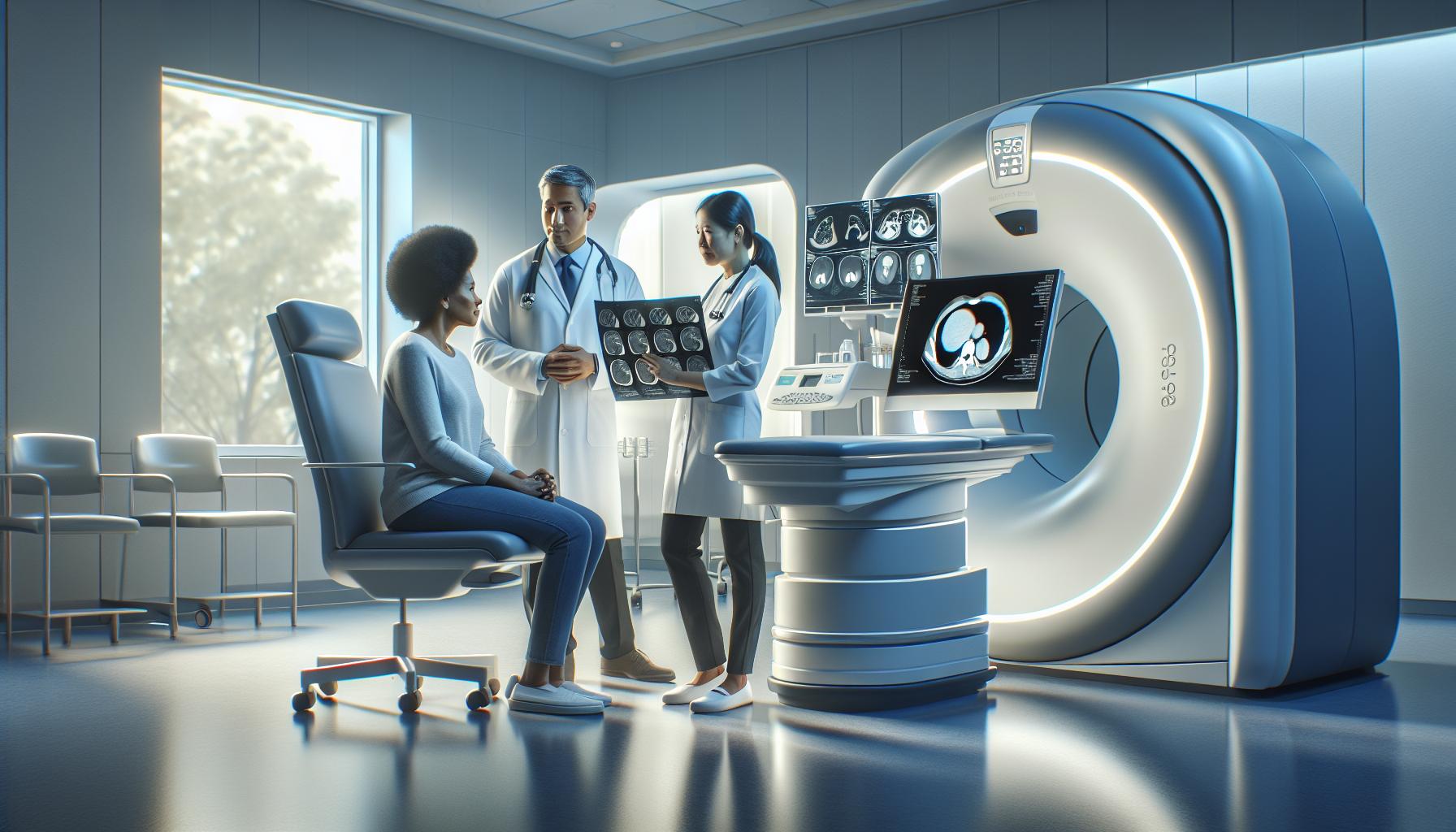
Understanding Colon Cancer and Its Detection
Understanding colon cancer is crucial, as it is one of the leading causes of cancer-related deaths worldwide. Often, colon cancer does not present significant symptoms in its early stages, which makes regular screenings essential for early detection and successful treatment. A key method for detecting alterations in the colon is through a CT scan, also known as a computed tomography scan. This imaging technology allows healthcare providers to visualize the colon in detail, helping to identify tumors or other abnormalities that may indicate cancer.
During the CT scan, X-rays are taken from various angles, and a computer compiles these images into cross-sectional views of the body. This enables a thorough examination of the colon and surrounding organs. While CT scans are incredibly effective in spotting potential issues, they are typically used in combination with other screening methods, such as colonoscopy, to confirm any findings and assess the overall condition of the colon.
Screening for colon cancer is essential because many individuals may not experience noticeable symptoms until the disease has progressed. Common signs such as changes in bowel habits, blood in the stool, or unexplained weight loss can be mistaken for less severe gastrointestinal disorders, as highlighted in various discussions on platforms like Reddit[[1]](https://www.reddit.com/r/coloncancer/comments/1753hhz/colon_cancer_symptoms/). Therefore, understanding the risks and engaging in recommended preventive screenings can significantly improve outcomes for patients at risk. Regular communication with healthcare professionals about personal and family medical histories is vital in determining the appropriate timing and type of screening tests for an individual.
What is a CT Scan and How Does it Work?
A CT scan, or computed tomography scan, is a powerful diagnostic tool that combines X-ray technology with computer processing to create detailed images of the body’s internal structures. This non-invasive procedure allows healthcare providers to see cross-sectional views of the colon and surrounding organs, making it easier to detect abnormalities such as tumors or other signs of colon cancer. By taking multiple X-ray images from different angles and compiling them, the scan provides a comprehensive look at the anatomy, enabling more accurate diagnoses.
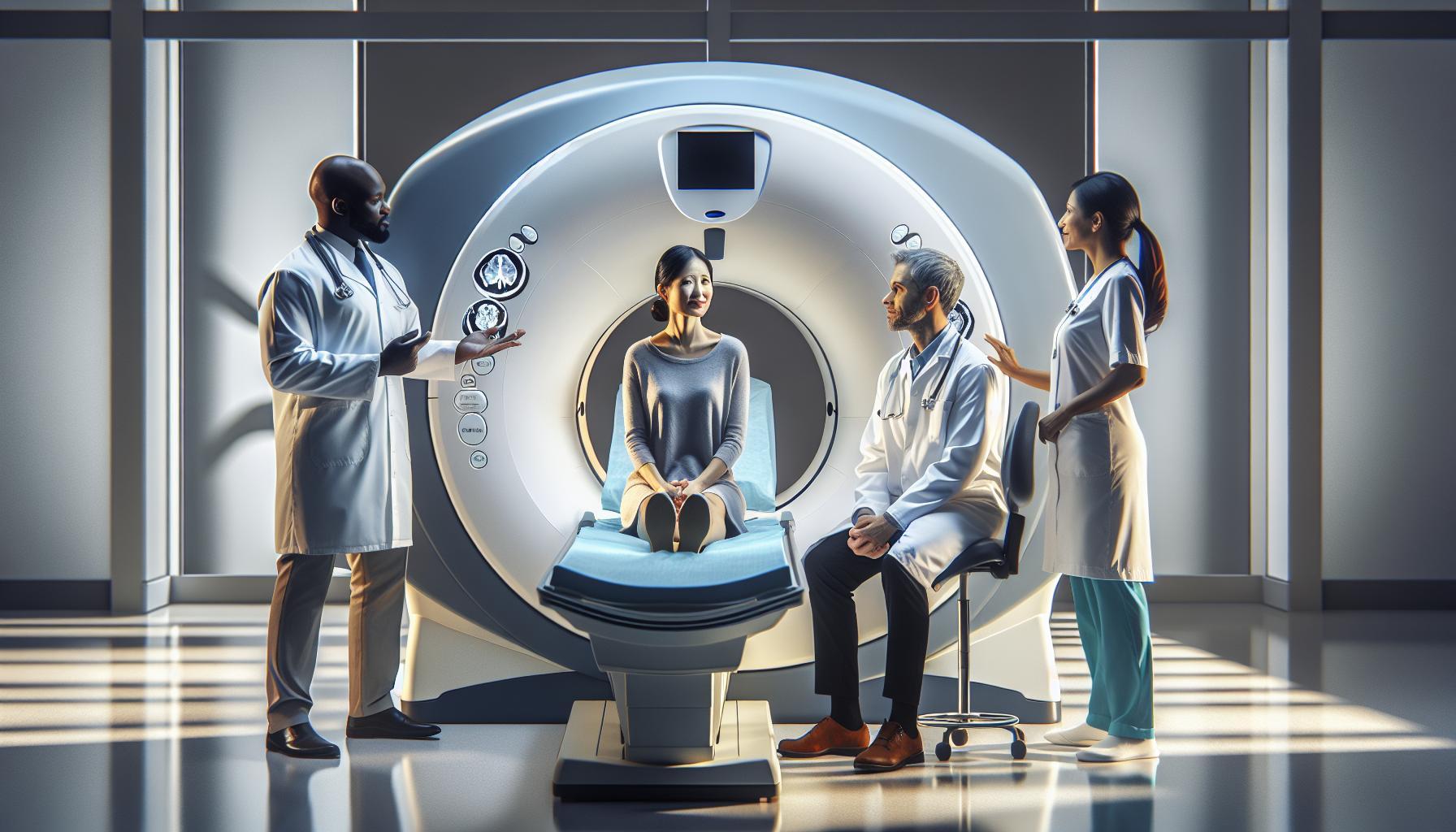
During a CT scan, you will lie on a narrow table that slides into a large, doughnut-shaped machine. As the table moves through the scanner, X-ray beams rotate around your body, capturing images while a computer processes the data to form two-dimensional cross-sectional images. This process typically takes only a few minutes and is painless, although you may need to hold your breath briefly while the scans are being taken to ensure clarity and precision.
Patients undergoing a CT scan for colon cancer may also receive a contrast dye, either orally or through an IV, which helps to enhance the visibility of the digestive tract and vascular structures. This contrast allows for clearer images and can significantly improve the detection of small lesions or polyps that may not be visible otherwise. Although some individuals may experience mild discomfort or an allergic reaction to the dye, it is crucial for improving diagnostic accuracy. Always discuss any concerns you may have regarding allergies or past experiences with your healthcare provider before the procedure.
Understanding the mechanics of a CT scan can help alleviate anxieties about the process. Knowing that this imaging technique enables physicians to visualize potential problems in the colon in a detailed and effective manner can empower patients to engage in preventive healthcare and screenings vital for early cancer detection. Always consult with your healthcare team for personalized advice and information tailored to your specific health needs.
Colon Cancer Screening: Why Is It Important?
Detecting colon cancer early can be a matter of life and death. In fact, timely screening can reduce the incidence of the disease by more than 70% and significantly improve survival rates. This underscores the critical need for effective colon cancer screening methods, including the utilization of advanced technologies such as CT scans. When performed appropriately, screenings can identify precancerous polyps long before they develop into full-blown cancer, making them one of the most powerful tools in preventive healthcare.
A CT scan, specifically a CT colonography, serves as a non-invasive screening method that allows healthcare providers to obtain detailed images of the colon and rectum. As the scan visualizes the inner lining of these organs, it can reveal polyps or tumors that might not be detected through less advanced imaging techniques or standard colonoscopy. This form of screening is especially beneficial for individuals who may be reluctant to undergo a traditional colonoscopy due to concerns about discomfort or sedation. The ability of a CT scan to provide a comprehensive view of the colon empowers both patients and physicians to make informed decisions about further diagnostic evaluation or treatment.
Moreover, adhering to recommended screening guidelines plays a vital role in overall health management. Guidelines by health organizations typically suggest that average-risk adults begin screening at age 45, but those with a family history of colon cancer or other risk factors may need to start earlier. Regular screenings, including those using CT technology, not only help in the early detection of cancer but also offer an opportunity to assess and address potential health risks before they progress. Engaging with healthcare providers about personal risk factors and ensuring adherence to screening recommendations can contribute to better health outcomes and a more proactive approach to care.
In conclusion, understanding the value of colon cancer screening, including CT scans, is essential for personal health advocacy. By taking the initiative to consult with healthcare professionals about the most suitable screening methods, individuals pave the way for early detection and intervention, ultimately enhancing their chances for a healthier future. Regular communication with medical providers ensures that patients remain informed about available options, supports timely intervention, and promotes peace of mind.
CT Scans vs. Other Screening Methods
The use of imaging technology in colon cancer screening is evolving, and understanding the various options available can empower patients in making informed health decisions. Among the most discussed preventive measures is the use of CT scans, specifically CT colonography, which has emerged as an alternative to traditional colonoscopy. While both methods serve the same primary purpose-detecting abnormalities in the colon, including polyps and tumors-there are important distinctions that may influence patient choice.
CT colonography uses advanced imaging techniques to produce detailed images of the colon and rectum. This method is non-invasive and involves minimal discomfort compared to a standard colonoscopy, which requires sedation and the insertion of a flexible tube into the rectum. For those with anxiety about invasive procedures,CT colonography might feel like a less daunting option. It capitalizes on the power of CT technology to visualize the internal structure of the colon without the need for direct manipulation, often leading to quicker recovery times and a more comfortable experience for patients.
However, while CT scans offer significant advantages, they are not without their limitations. For instance, CT colonography requires a thorough bowel preparation similar to colonoscopy, where patients must clear the bowel to enhance imaging clarity. Additionally, incidental findings-where unrelated abnormalities are detected-may arise from CT imaging, triggering extra procedures that wouldn’t necessarily be necessary if a traditional colonoscopy had been performed. Furthermore, if a polyp or abnormality is found during a CT colonography, a follow-up colonoscopy will still be required to actively remove or biopsy the tissue.
In contrast to CT scans, traditional colonoscopy provides a direct look at the colon and allows for immediate intervention. If polyps are observed, they can often be removed during the procedure, eliminating the need for subsequent visits. This capability can lead to a more definitive and proactive approach to care. Ultimately, the choice between these options should be guided by a discussion with healthcare providers, who can assess individual risk factors, preferences, and the overall sensitivity of the patient regarding invasive procedures.
As you navigate your options, remember that the most effective screening is one that you will undergo. While CT scans stand out with their non-invasive nature, the traditional colonoscopy remains the gold standard due to its diagnostic capabilities. Engaging openly with your physician and weighing the pros and cons of each method will aid you in arriving at the best decision for your health needs.
Signs and Symptoms of Colon Cancer
Recognizing the can be crucial in facilitating early diagnosis and treatment. Many individuals might be surprised to learn that colon cancer can develop without obvious symptoms, especially in its early stages. However, a few common indicators may signal that further investigation is warranted. It’s important to remain alert and proactive about your health.
Some of the key symptoms to watch for include:
- Changes in bowel habits: This may manifest as diarrhea, constipation, or a change in the consistency of your stool lasting more than a few days.
- Blood in stool: Presence of bright red or very dark blood after a bowel movement can be alarming and should always be discussed with a physician.
- Abdominal discomfort: Persistent cramps, gas, bloating, or pain may occur, particularly if accompanied by other symptoms.
- Unexplained weight loss: Losing weight without trying can be a sign of many health issues, including cancer.
- Fatigue: Continuous tiredness or weakness that doesn’t improve with rest can be a sign of an underlying problem.
Understanding these symptoms can empower you to seek medical advice sooner rather than later. If any of these changes occur, especially when they are new or different, it’s essential to consult your healthcare provider, who can guide you through the appropriate diagnostic steps. Early detection through screenings, such as colonoscopy or CT scans, can significantly improve treatment outcomes and survival rates.
Emphasizing prevention and awareness is crucial. Regular screenings, particularly for individuals over 45 or those with a family history of colon cancer, can lead to early detection even before symptoms arise. Engaging in open discussions about your health with your physician can foster a proactive approach to colon health, ensuring that concerns are addressed promptly and effectively. Remember, you are your best advocate when it comes to health matters, and being informed makes a significant difference.
Who Should Get a CT Scan for Colon Cancer?
Certain individuals are recommended to undergo CT scans for colon cancer, particularly when they are at increased risk for the disease. This advanced imaging technique serves as an effective method for early detection, which can be pivotal in improving treatment outcomes. Screening is vital, especially for people over the age of 45, as the risk of developing colon cancer increases significantly beyond this age. Moreover, those with a family history of colon cancer or other hereditary conditions, such as Lynch syndrome or familial adenomatous polyposis, should discuss with their healthcare provider about starting screenings at an earlier age.
Individuals experiencing signs or symptoms consistent with colon cancer, such as unexplainable changes in bowel habits, persistent abdominal pain, or rectal bleeding, should also consider a CT scan as part of their diagnostic process. Even if no symptoms are present, patients who have previously had polyps or other abnormalities detected during past screenings may benefit from regular follow-up scans to monitor their colon’s health.
Additionally, patients diagnosed with inflammatory bowel diseases (IBD), such as Crohn’s disease or ulcerative colitis, are often advised to include CT scans in their monitoring plan. These conditions increase the risk of colon cancer, making it crucial to keep a close watch through beneficial imaging techniques. Ultimately, proactive discussions with a healthcare provider about personal health history, risk factors, and appropriate screenings are essential, as they can significantly influence early diagnosis and effective management of colon health.
Key Considerations for CT Scan Recommendations
- Age: Individuals over 45 years old are generally at increased risk.
- Family History: Those with a family history of colon cancer or genetic syndromes should start screenings earlier.
- Symptoms: Anyone displaying symptoms associated with colon cancer warrants a further examination via CT scan.
- History of Polyps: Regular follow-ups for those who have had polyps detected in the past.
- Chronic Conditions: Patients with IBD should have a tailored screening protocol that includes CT imaging.
Making informed decisions about colon cancer screenings can save lives. It is vital to stay engaged with healthcare providers to ensure that your personal health is being monitored effectively, empowering you to take charge of your health journey.
Preparing for a CT Scan: Patient Guidelines
Preparing for a CT scan can be an important step in detecting potential health issues, especially for those concerned about colon cancer. Understanding what to expect can alleviate anxiety and ensure an efficient process. One essential guideline is to follow your healthcare provider’s instructions regarding dietary restrictions. Typically, you may be required to fast for several hours before the scan, which aids in providing clearer images by reducing any materials in the intestinal tract that might obscure the view.
On the day of the scan, wear comfortable clothing without metal fasteners, such as zippers or buttons, as these can interfere with the imaging process. If you need to wear clothing with metal, you may be asked to change into a hospital gown. It’s also important to inform your healthcare team about any medications you’re taking, allergies, or any previous reactions to contrast dye, as this may influence the procedure. If contrast material is going to be used during your scan, you might receive specific instructions about hydrating beforehand.
What to Remember
- Follow fasting instructions: This helps improve the clarity of the images.
- Wear appropriate clothing: Opt for metal-free clothing to avoid interference.
- Communicate openly: Inform the staff about your medical history, particularly regarding allergies or prior reactions to contrast material.
- Hydration: Stay hydrated unless instructed otherwise, especially if contrast will be used.
By preparing adequately and following these simple guidelines, you can enhance the effectiveness of your CT scan. This proactive approach not only contributes to more accurate results but also promotes a smoother experience in what can be a stressful situation. Remember, consulting your healthcare provider at any point with questions or concerns can guide you through the preparation process comfortably and confidently.
What to Expect During the CT Scan Procedure
A CT scan, or computed tomography scan, is a powerful diagnostic tool that plays a crucial role in the early detection of colon cancer. Understanding the experience of the scan can help ease any apprehensions you may have. As you arrive at the radiology department, you will first check in at the reception, where staff will confirm your identity and the purpose of the scan. Once settled, a technician will guide you to the imaging room, ensuring you are comfortable and informed about the process.
During the scan itself, you will lie on a moveable examination table. As the table slides into the CT scanner-a large, doughnut-shaped machine-you’ll be asked to remain still and may need to hold your breath for short periods while the images are taken. The machine will rotate around you, capturing detailed cross-sectional images of your colon and surrounding structures. The entire procedure usually takes just 10 to 30 minutes. Sound-wise, you may hear whirring and clicking noises, which are perfectly normal as the scanner works.
In some cases, a contrast material may be used to enhance the images obtained. If this is the case, it will typically be administered through an IV in your arm or as a drink you swallow before the scan. It’s important to communicate with the technician; they will be there to ensure your comfort and answer any questions. Once the scan is complete, you can resume normal activities, and a radiologist will interpret the images to report findings to your healthcare provider.
Key Points to Remember
- Stay still: Remaining still during the scan is crucial for obtaining clear images.
- Breath control: You may be instructed to hold your breath at times to minimize movement.
- Contrast material: Be aware that you might have to use a contrast agent for clearer imaging, and let your technician know if you have any allergies.
- Communicate: Don’t hesitate to ask the technician questions; they are there to help ensure you feel comfortable.
By appreciating what to expect during the CT scan, you can reduce anxiety and better prepare yourself for this essential screening tool in the fight against colon cancer. Always consult with your healthcare provider for specific guidance tailored to your health needs.
Interpreting CT Scan Results: What It Means
Understanding how to interpret CT scan results is crucial for patients undergoing screening for colon cancer. CT scans provide detailed images that allow radiologists to evaluate the colon’s structure and identify any abnormalities, including potential tumors. Once the scan is complete, a radiologist will review the images for signs of cancer, such as abnormal growths, changes in tissue density, or other irregularities.
When you receive the results, they may be presented as either positive or negative for signs of colon cancer. A positive result indicates the presence of findings that could suggest cancer or other significant issues, prompting further evaluation or tests. Conversely, a negative result means that no concerning findings were detected, which is reassuring, but your healthcare provider may still recommend regular screenings depending on your risk factors.
Each image taken during the CT scan is carefully examined, and the findings will usually be documented in a report. This report will not only highlight any irregularities but will also provide context regarding their implications. For instance, the report may classify findings as benign, suspicious, or malignant, aiding in developing a treatment plan tailored to your situation. It’s important to remember that not all findings indicate cancer; some conditions may mimic cancerous growths, necessitating further assessment through biopsies or additional imaging.
After receiving your results, it’s essential to have a thorough discussion with your healthcare provider. They can explain the implications of the findings, answer your questions, and help you understand the next steps. This may include scheduling follow-up tests, consultations with specialists, or additional screening for monitoring purposes. Engage actively in this conversation, as understanding your health is vital in making informed decisions about your care.
In summary, while interpreting CT scan results can be daunting, knowing how to navigate this process empowers you to take charge of your health. Always consult with your medical team for personalized insights and advice based on your individual results and medical history.
Risks and Safety Considerations of CT Scans
A CT scan employs advanced imaging technology to produce detailed cross-sectional images of the body, making it an invaluable tool for detecting conditions like colon cancer. However, as with any medical procedure, understanding the associated risks and safety considerations is crucial for patients contemplating this form of screening.
One of the primary concerns regarding CT scans is exposure to ionizing radiation. While the amount of radiation used in a single CT scan is relatively low, repeated exposures over time may increase the risk of developing cancer. It’s essential for patients to discuss their medical history with their healthcare provider, especially if they have undergone multiple imaging tests involving radiation. Generally, the benefits of a CT scan in diagnosing potentially life-threatening conditions like colon cancer outweigh the risks, particularly for individuals at high risk or showing symptoms.
Another important consideration is the potential for contrast agent reactions, especially if a contrast dye is used to enhance image clarity during the scan. While most people tolerate these agents without issue, some may experience allergic reactions ranging from mild (rash, itching) to severe (difficulty breathing). Individuals with a history of allergies or kidney problems should inform their healthcare provider before undergoing a CT scan. Pre-assessment screenings can help identify those at risk, and alternative imaging modalities might be advisable in certain cases.
To mitigate risks, it’s vital for patients to follow pre-scan instructions carefully, which may include fasting before the procedure if contrast agents are being used. Staying hydrated post-scan can also help flush any contrast material out of the system more effectively. Engaging in a thorough conversation with the healthcare team about the necessity of the scan, the potential findings, and the next steps can alleviate concerns and empower patients in their healthcare journey. Remember, being well-informed is a key part of making confident choices regarding your health.
Cost of CT Scans: What You Should Know
The cost of a CT scan can be a significant factor for many patients considering this imaging technique for colon cancer detection. Understanding the financial aspects associated with a CT scan, including potential insurance coverage and out-of-pocket expenses, can alleviate some anxiety surrounding the procedure and ensure better preparedness.
Typically, the average cost of a CT scan in the United States ranges from $300 to $3,000, depending on several factors such as the type of scan, the facility’s location, and whether contrast materials are used. Generally, scans performed in outpatient imaging centers are less expensive than those done in hospitals. It’s important to note that costs can vary widely, so obtaining estimates beforehand can aid in financial planning. Contacting your insurance provider is a crucial step, as most plans cover CT scans, especially when deemed medically necessary for diagnosing conditions such as colon cancer. Co-pays and deductibles will vary depending on the specific insurance plan.
Potential Additional Costs
In addition to the scan itself, there are other costs to consider that might arise during the process:
- Consultation Fees: Fees for initial consultations or follow-up visits with your healthcare provider may apply.
- Preparation Costs: If you need assistance or medications to prepare for the scan, these may incur additional charges.
- Follow-Up Imaging: In some cases, additional imaging may be required to achieve a comprehensive review of your condition.
Preparing financially for a CT scan involves not only understanding these costs but also considering the potential value of early detection for serious conditions like colon cancer. The peace of mind gained from a timely diagnosis can far outweigh the initial expenses involved. Always consult with your healthcare provider about the necessity of the scan and the estimated costs, both for medical and financial clarity. Engaging in open discussions about your financial concerns will empower you to make informed choices while prioritizing your health.
Follow-Up Procedures After a CT Scan
Following a CT scan for colon cancer detection, understanding the next steps can greatly alleviate anxiety and help patients navigate their healthcare journey with confidence. The path forward typically involves waiting for the results, but there are important follow-up procedures that should be taken into account.
Once the CT scan is completed, the imaging will be reviewed by a radiologist who specializes in interpreting such studies. This expert will analyze the images for any signs indicative of colon cancer or other abnormalities. The results are then compiled into a report that is sent to the referring physician, usually within a few days. It is crucial for patients to schedule a follow-up appointment to discuss these results with their healthcare provider. This conversation may include the following points:
- Results Review: The healthcare provider will explain the findings in detail, clarifying any areas of concern and whether further investigation is necessary.
- Next Steps: Depending on the results, additional diagnostic procedures, such as a colonoscopy or biopsy, may be recommended for a more definitive assessment.
- Treatment Options: If a diagnosis of colon cancer is confirmed, discussions will shift to treatment strategies, which could involve surgery, chemotherapy, or radiation.
It’s important for patients to ask questions during this appointment and express any concerns they may have. Understanding what the results mean and what to expect next can empower individuals to take an active role in their healthcare decisions. For many, having a support system in place – whether family, friends, or support groups – can provide additional comfort as they navigate these critical next steps. Always remember that clear communication with healthcare providers will help ensure that patients feel informed and supported throughout the process.
FAQ
Q: Can a CT scan detect early signs of colon cancer?
A: Yes, a CT scan can detect early signs of colon cancer by identifying abnormalities such as polyps or tumors in the colon. Regular screenings, particularly for those at risk, are crucial for early detection and effective treatment.
Q: What are the limitations of using a CT scan for colon cancer screening?
A: While CT scans are useful, they may not detect all polyps or early-stage cancers. They can also lead to false positives, necessitating follow-up procedures. Therefore, combining them with other screening methods is often recommended for comprehensive evaluation.
Q: How does a CT colonography compare to a traditional colonoscopy?
A: CT colonography is a non-invasive imaging test that uses CT scans to visualize the colon, whereas a traditional colonoscopy involves inserting a camera. CT colonography can be less invasive but may require a follow-up colonoscopy if abnormalities are found.
Q: What factors determine if a CT scan is recommended for colon cancer screening?
A: Factors include age, family history of colon cancer, prior polyps, and overall health. Typically, individuals over 45 or with risk factors should discuss CT scans or other screening options with their healthcare provider.
Q: How often should I get a CT scan for colon cancer screening?
A: Recommendations vary based on individual risk factors, but those at average risk may consider a CT colonography every five years. High-risk individuals should consult their doctor for personalized screening schedules.
Q: What should I do if my CT scan results show abnormalities?
A: If your CT scan shows abnormalities, your doctor will likely recommend additional tests, such as a follow-up colonoscopy, to clarify the findings and determine the next steps. It’s essential to attend all follow-up appointments.
Q: Can I eat or drink before a CT scan for colon cancer screening?
A: Generally, patients are advised to fast for a few hours before a CT scan to ensure clear imaging results. Specific guidelines vary, so always follow your doctor’s instructions regarding dietary restrictions prior to the procedure.
Q: Are there any risks associated with CT scans for cancer screening?
A: Yes, CT scans involve exposure to radiation, which carries a small risk. However, the benefits of early cancer detection typically outweigh these risks. Discuss any concerns with your healthcare provider before the test.
In Summary
Understanding the role of CT scans in detecting colon cancer is crucial for proactive health management. While CT scans can provide valuable insights, they should be part of a comprehensive screening strategy that includes services like colonoscopies and stool tests. Don’t wait-if you’re over 45 or have risk factors, consider scheduling your screening today for peace of mind and early detection.
For more information on screening guidelines and options, check out our articles on Colonoscopy Preparation Tips and